

Is There a Cap on Medical Malpractice Damages?
Medical malpractice cases are taking Florida by storm. Between 2009 and 2019, Florida doctors paid more than $460 million to settle malpractice claims.
You could be entitled to a significant recovery based on your negligent doctor’s mistakes. Yet you can’t just file a lawsuit and expect to win big. Medical malpractice lawsuits require extensive knowledge of the laws, including those that may impose caps on medical damages.
Do Florida laws impose limitations on malpractice damages? How do you prove that you experienced an act of malpractice? What documents do you need to prove economic and non-economic damages?
Answer these questions and we may be able to file a medical malpractice case on your behalf. Here is your quick guide.
Florida Malpractice Laws
In medical negligence claims, plaintiffs can claim money from defendants based on their economic losses and non-economic losses. Economic losses are past and future medical expenses and lost wages. Non-economic losses are based on pain, suffering, inconvenience, and the loss of enjoyment of life.
Florida Statute 766.118 imposed a limitation on non-economic damages. Most cases were capped at $500,000. Cases involving death or permanent vegetative state could have non-economic damages of up to $1 million.
However, a Florida Supreme Court case concluded this limitation was unconstitutional. The statute is still technically on the books. But arguably, there is no current cap on non-economic damages in medical malpractice cases at this time.
The Florida House of Representatives tried to pass a new law with caps in 2019. The law died in committee. Yet the law may be introduced again in another session, so you should follow the news to see if it will affect your case.
Keep in mind that each state has its own malpractice laws. Some states impose a cap on non-economic damages while others impose a cap on all damages. Talk to a lawyer in your state for more details.
Proving Malpractice
The striking down of the cap on medical damages can help the damages in your case, but you still need to provide proof of your malpractice claims. You must meet several legal requirements in order to win your case.
You must prove that the defendant violated a standard of care. Examples, include misdiagnosing you or causing an unnecessary injury during a medical procedure.
You can ask a medical professional to testify for you and describe in detail how the doctor made a mistake.
Causation is proof that the defendant caused your injury. You can use paperwork from the hospital to show that they were in charge of your surgery or medication. If you are suing multiple people, you need to provide evidence of causation for each defendant.
Your injuries must be unnecessary based on the treatment you received. Many people experience bleeding or bruising after surgery, but that doesn’t necessarily mean that there was malpractice.
But nerve damage and long-term mobility problems can be unnecessary, and you could potentially sue based on them. You must provide your medical records to your lawyer, who will work to hire the appropriate expert medical professionals to support your claims.
Proving Economic Damages
Economic damages may be very easy to prove. To show how much you spent on your medical expenses, you can provide your hospital bills and receipts.
You can claim money based on ongoing treatments, including rehabilitative therapy. You can use bills and expense paperwork from your therapist or personal doctor to show how much you are paying.
If you suffered a mental health problem due to the malpractice, you can claim money for your mental health treatment. You must prove a direct link between the malpractice and your health problem, which you can do through an expert witness. You should then provide receipts or bills related to your treatment.
To prove lost wages, you can use tax forms, pay stubs, and time cards. You can also ask your boss to testify on your behalf, explaining how your injuries have affected your work performance.
Asserting Non-economic Damages
Non-economic damages are hard to quantify. The key is to be specific with your claim and attach your claim to your physical condition.
You should be able to clearly describe how your physical problems have impacted your ability to live your life to the fullest. Physical pain may make it harder for you to sleep, walk, or eat. You may be unable to attend to your family or friends because you are struggling with your symptoms.
Create a picture of your life before the malpractice and after. Make it clear that your life has changed significantly since the incident and that you need compensation to return to your previous standard of living. You can describe how you will use the money to reach the stage of maximum medical improvement.
Your loved ones can also help. They should describe their loss of companionship and their anxiety over their physical and mental health.
The Basics of Malpractice Laws and Caps
Malpractice laws are always evolving. Florida laws did cap non-economic damages, but the cap arguably no longer exists. There has never been a cap in Florida on economic damages.
You still need to prove that your doctor was negligent and that you can claim specific damages. Your lawyer will hire an expert witness who can describe your injuries and your doctor’s mistake. Use your medical bills, receipts, and work stubs to show how much money you lost.
Find a lawyer who knows all about Florida malpractice regulations. RHINO Lawyers serves Tampa patients and families. Contact us today.
CONTACT A TAMPA Medical Malpractice ATTORNEY
In short, if you believe you’re a victim of medical malpractice, you may not know your rights. Above all, don’t struggle through the process alone. Actually, our personal injury team is here to help you with any legal needs you might have regarding your case.
Lastly, let RHINO Lawyers answer your questions and review the facts of your case with a Free Consultation. So, get started by completing the “Free Instant Case Evaluation” or by calling us any time, day or night, at 844.RHINO.77.
Read More
Is Fleeing and Eluding a Felony?
Fleeing and eluding a police officer is a felony in Florida. If you receive a conviction for this offense, you could face jail time, fines, or probation. So, it is important to understand the consequences of fleeing and eluding so you can make an informed decision about how to respond if the police stop you.
Here are a few tips from an experienced criminal defense attorney about charges for eluding a police officer.
Definition of Fleeing and Eluding
Section 316.1935 of the Florida Statutes defines the crime of fleeing and eluding as the failure to stop your vehicle in a timely and safe manner when ordered to do so by a law enforcement officer.
This officer must have emergency lights activated while in a fully marked patrol car. Thus failure to stop is often considered a felony offense. And punishable by fines, imprisonment, or both.
In some states, they consider fleeing and eluding a crime of violence. Which can result in enhanced penalties. If you receive accusations of fleeing and eluding, it is important to contact an experienced criminal defense attorney as soon as possible. Because they can help you understand the charges against you and your legal options.
Categories of Fleeing and Eluding
There are several categories of fleeing and eluding offenses in Florida. Let’s take a look at some of these charges.
Without Sirens Activated
This is a different charge if the officer’s sirens are not activated. It is a first-degree misdemeanor punishable by up to one year in jail and a $1,000 fine.
With Sirens Activated
The penalty for fleeing and eluding with sirens activated is a felony third-degree charge. This is punishable by a prison term of up to 5 years and a $5,000 fine.
Aggravated Fleeing and Eluding
Fleeing and eluding with wanton disregard for the safety of others is aggravated fleeing and eluding. This is a felony third-degree charge punishable by a prison term of up to 15 years and a $10,000 fine.
High Speed or Reckless Driving
If you receive an accusation of fleeing and eluding while driving at a high rate of speed or in a reckless manner, you will be charged with a felony third-degree. This is punishable by a prison term of up to five years and a $5,000 fine.
Causing Property Damage or Personal Injury
Now, if you receive an accusation of fleeing and eluding and causing damage to someone else’s property or personal injury. Then they will charge you with a felony of the first degree. This is punishable by a prison term of up to thirty years and a $10,000 fine.
Causing Serious Bodily Harm or Death
The penalties for this offense are much harsher as it is classified as a first-degree felony. It is punishable by a prison term of up to 30 years and a $10,000 fine. If the victim suffers permanent disability or disfigurement, the penalties increase to up to life in prison.
If you receive a conviction of fleeing and eluding, you may also have your driver’s license suspended for up to five years. In addition, your vehicle may be impounded for up to 90 days.
Possible Defenses to Fleeing and Eluding Charges
There are several possible defenses to fleeing and eluding charges. Some of these defenses include the following.
The police officer did not have probable cause to stop your vehicle. Or, you were not given a clear and concise order to stop your vehicle. You did not have the opportunity to safely stop your vehicle.
You were not fleeing or eluding, but rather were trying to comply with the officer’s orders in a safe and reasonable manner. The police officer used excessive force in attempting to stop your vehicle. You were not the driver of the vehicle at the time of the incident.
There is insufficient evidence to prove that you committed the offense beyond a reasonable doubt. You suffer from a mental illness or were under the influence of drugs or alcohol at the time of the incident, which prevented you from understanding the police officer’s orders or acting in a reasonable manner.
You were a victim of entrapment by the police. Mistaken identity, lack of knowledge (the defendant didn’t know the officer was trying to pull them over), or there was a medical emergency.
Mandatory Adjudication of Guilt for Fleeing or Eluding
This means that you receive a conviction and will have a criminal record. A conviction for fleeing or eluding can have significant consequences, including jail time, a loss of driving privileges, and a permanent criminal record.
In Florida, if you receive a conviction of a felony, you must serve a mandatory minimum sentence. This means that you will not be eligible for probation or any other form of early release.
What Is the Prosecutor’s Responsibility?
To convict you of fleeing or eluding, the prosecutor must prove that you willfully and knowingly violated the law. The prosecutor must also prove that you had the opportunity to stop your vehicle in a safe and reasonable manner, but failed to do so.
If the prosecutor cannot prove these elements beyond a reasonable doubt, then you cannot receive a conviction of fleeing or eluding. To receive a conviction of fleeing or eluding, the prosecutor must prove the following elements beyond a reasonable doubt:
- You were driving a vehicle
- A law enforcement officer gave you a visual or audible signal to stop your vehicle
- You willfully failed or refused to stop your vehicle in compliance with the signal
The prosecutor does not have to prove that you intended to flee or elude the police officer.
Criminal Defense Attorney
If you face a fleeing and eluding charge, hire an experienced criminal defense attorney. Because they can review the facts of your case and develop a strong defense. Plus, an experienced attorney will also be able to negotiate with prosecutors for a reduced sentence or dismissal of charges.
The penalties for fleeing and eluding are severe and can have a lasting impact on your life. Do not face these charges alone. An experienced criminal defense attorney will fight for you. Consult with us today.
CONTACT TAMPA TRAFFIC TICKET ATTORNEY
RHINO Lawyers can help and guide you through a system molded by law enforcement, judges, and lawyers for decades. Having won cases for our clients in similar circumstances, our criminal defense team knows what it takes to fight on your behalf.
Let RHINO Lawyers answer your questions and review the facts of your case with a Free Consultation. So, get started by completing the “Free Instant Case Evaluation” or by calling us any time, day or night, at (844) RHINO-77.
Read More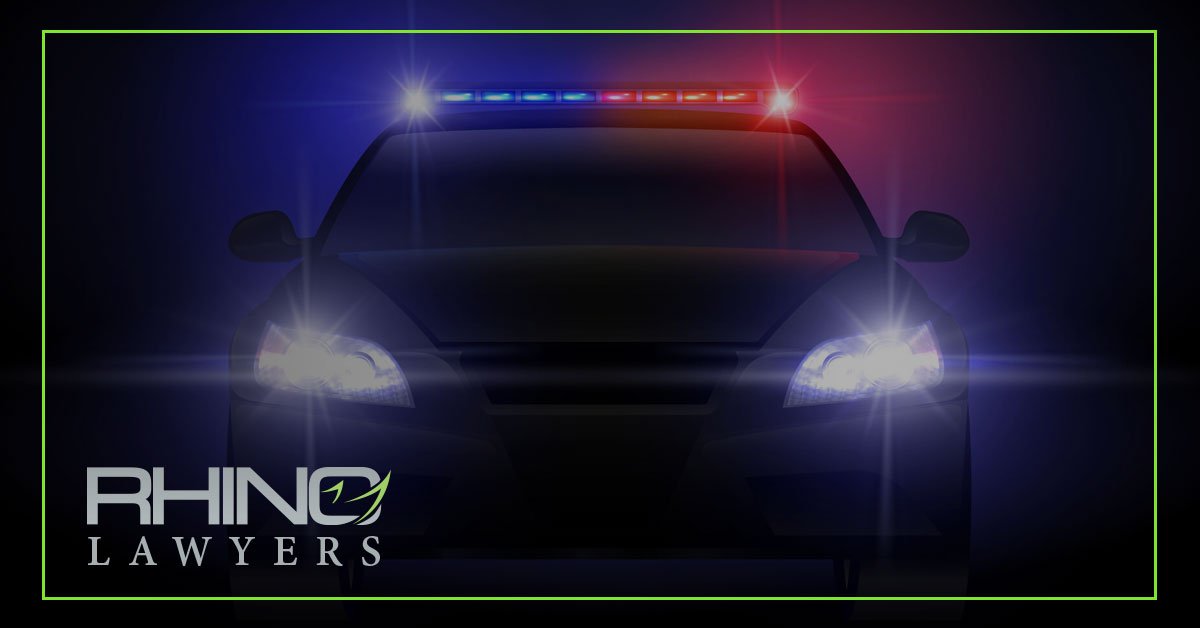
What Is the Difference Between Careless and Reckless Driving in Florida?
Did you know that Florida hit-and-run crashes went up by 17% in 2021?
Reckless driving in Florida is an increasing problem. A car accident in Florida is already a big financial burden to shoulder, but it could be a lot worse. A reckless driver could jeopardize your life and your property.
Reckless driving and careless driving in Florida might seem like the same thing. But both have a unique classification under the law. It pays to know the difference for your case.
In this guide, we’ll discuss the Florida driving laws on careless and reckless driving. Keep reading for more details.
What Is Careless Driving in Florida?
According to § 316.1925, careless driving is to do the following:
- Not drive in a prudent and careful manner
- Display no regard for different aspects of driving such as lane width or traffic density
- Endanger human life or property as a result of this careless behavior
To put it simply, careless driving in Florida is when you’re not making an effort to drive well. You show disregard for traffic laws or drive in a way that threatens cars and their occupants.
However, a careless driver is not someone who does so with the intention to hard. A careless driver disregards the law out of a lack of concern. They don’t wish for others to suffer as a result of their actions.
Often, a careless driving ticket will happen as a result of a car accident in Florida. However, you should drive carefully as this can happen without any crash.
Examples of Careless Driving
Careless driving is a “catch-all” that police officers may use for many traffic violations. This can happen if you rear-end someone, or fail to yield when the signs are clear. In some cases, they may charge you with careless driving if you are distracted.
Here are a few more examples of careless driving:
- Making a sudden lane change without a blinker
- Tailgating the cars in front of you
- Speeding
- Not making an effort to obey traffic signs
- Passing a driver in an unsafe manner
Consequences of Careless Driving
Careless driving is a type of moving violation. The result will be heavy fines. In most cases, you will receive points on your license.
Depending on the severity, this could lead to license suspension. This may cause your insurance company to hike up your premiums. Whatever the case, it’s well worth the effort to be a good driver and pay attention.
What Is Reckless Driving in Florida?
According to § 316.192, reckless driving is a matter of intention. Unlike careless driving, this isn’t an issue of lackadaisical concern while behind the wheel. If you are “willful or wanton” in your disregard, then you risk a reckless driving charge.
Careless driving is more an example of poor behavior, without seeking to harm or cause damage. Reckless driving is where this harm and damage happens on purpose.
You are a reckless driver if you drive in a dangerous way while knowing the consequences. You are indifferent to these consequences, whether they be harmful to life or property.
Examples of Reckless Driving
The law for reckless driving is a general law that applies to any sort of driving with that wanton disregard. However, it also outlines a few specific crimes:
- Trying to flee or evade a pursuing police officer
- Illegal street racing, such as drag racing
- Traveling at speeds well above the speed limit and weaving through traffic while doing so
- Driving 20 mph or more above the speed limit in the area
These are just a few examples of what might constitute reckless driving. You might suffer a reckless driving charge if you speed through a pedestrian crosswalk or ride up on the sidewalk. Attempting to run someone over may include a reckless driving charge.
This charge can apply to a Florida car crash as well. Being intoxicated over the legal limit will only make the repercussions worse.
Consequences of Reckless Driving
A big difference between careless and reckless driving is that reckless driving is a criminal offense. Careless driving is just a moving violation, which incurs penalties that are far less steep.
The penalties for reckless driving are harsh. For your first offense, the state of Florida could imprison you for up to 90 days. Otherwise, they might fine you between $25-500.
Things get worse for a second offense. The state could imprison you for up to 6 months, twice as long as the first sentence. The fine could be between $50 and $1,000.
That’s not to mention that this could result in license suspension and points on your license. A reckless driving offense could make it very difficult for you to drive again. You may struggle to find insurance that would cover you.
What to Do as a Victim of Careless or Reckless Driving
Being on the road in Florida is getting more dangerous than ever. The increase in hit-and-run incidents is just one piece of evidence that you need to keep up your guard. Unfortunately, a Florida car crash is something you may not be able to avoid.
A car accident in Florida can be a devastating thing. And when the accident involves a careless or reckless driver, the damage could be catastrophic. You may suffer an injury and require a lawyer to fight your case.
In the event a driver threatens your life, you should contact a professional. Penalties are high for both careless and reckless driving. There’s a good chance a lawyer can get you the compensation you deserve.
Further, you’ll feel the satisfaction of taking a terrible driver off the streets. A reckless driver that’s in prison is one that cannot harm anyone else.
TAMPA Criminal Defense Lawyers
Reckless driving in Florida is a criminal offense. However, it differs from a similar careless driving law. Reckless driving is about intent to do harm, so it pays to know the difference in the event of an accident.
Looking for representation after a crash? You’ve come to the right place. Contact RHINO Lawyers and get a free case review.
CONTACT TAMPA TRAFFIC TICKET ATTORNEY
RHINO Lawyers can help and guide you through a system molded by law enforcement, judges, and lawyers for decades. Having won cases for our clients in similar circumstances, our criminal defense team knows what it takes to fight on your behalf.
Let RHINO Lawyers answer your questions and review the facts of your case with a Free Consultation. So, get started by completing the “Free Instant Case Evaluation” or by calling us any time, day or night, at (844) RHINO-77.
Read More
What Constitutes as Medical Malpractice in Florida?
Medical malpractice is sweeping across America. Roughly one in three doctors will be sued at least once during their careers.
Medical negligence can lead to lifelong consequences, including chronic pain and disability. Yet pursuing a Florida medical malpractice case can get you the money you need for recovery. The key is to understand what conditions you need to meet.
What do Florida malpractice laws say you need to prove? What are some common examples of malpractice cases? How can you use medical paperwork to build a case for yourself?
Answer these questions and you can develop strong cases against negligent doctors. Here is your quick guide.
Misdiagnosis
A misdiagnosis can occur when a doctor diagnoses a patient with the wrong condition. Many conditions have similar symptoms, and doctors can mistake one condition for another one.
Treatments can cause medical problems. For example, if you receive cancer treatment when you don’t have cancer, you may develop dangerous side effects from that inappropriate treatment.
Your doctor may also not diagnose you at all. They may tell you your symptoms are in your head and your disease may progress until you develop irrecoverable complications.
Florida Statute 766.102 describes some of the prerequisites needed to bring a medical malpractice case. You must assert that you sustained an injury caused by the misdiagnosis. This injury cannot be a foreseeable result of a medical procedure but must be caused by negligence.
You must show that your doctor acted in an improper or unskilled way. For example, a doctor who fails to run additional tests may have acted improperly if additional tests could indicate what condition you have.
You have two years to file your malpractice claim. It begins when you knew or should have known of potential negligence. So you should start gathering evidence, like your medical records, as soon as possible.
Misread Laboratory Tests
Your doctor may misread the results of your laboratory tests. They may tell you you tested positive for a disease when you actually tested negative. This can lead to treatments that may be harmful or unnecessary.
They may tell you you tested negative when you were positive. You may not receive treatment in a timely fashion, causing your disease to progress.
Doctors may also confuse your results with another person’s results. A blood vial may be mislabeled, or two people with similar names may get confused with each other.
You should consider whether you should file your malpractice claim against the lab technician. They may have botched the test or mislabeled your results. Contact an attorney who can interview witnesses and investigate what happened.
Inaccurate Medical History
A doctor may ask you questions about your medical history. This helps them establish if you have a pre-existing condition or a history of similar symptoms.
If a doctor does not ask you these questions, you may have a claim. Their failure to ask you medical questions may result in you getting treated for a condition you don’t have. You may have a genetic disorder that would have been revealed if they had asked you about your parents’ health.
It is okay if you cannot answer certain questions. The doctor or a nurse should go and look at your medical records to see what is going on. If they fail to do so and they administer improper treatments, you could potentially file a lawsuit.
You may be able to file a suit against a previous doctor if they placed inaccurate information in your file. You should get copies of the medical documents with the mistakes in them. A lawyer should research how these mistakes may have impacted your medical treatment over time.
Surgical Mistakes
Surgical mistakes are what many people think about when they hear about medical lawsuits. Surgeons can operate on the wrong parts of the body, causing devastating injuries.
The surgery they perform may be correct, but the surgeon may make a mistake. They may cut deep into your body, causing excessive bleeding. They may sever a nerve or muscle, which can lead to pain and mobility problems.
During surgery, you may experience bleeding, a high heart rate, or difficulty breathing. The surgeon and their team should monitor you for these problems. If they don’t and you experience complications, you may have a strong case.
The key is to identify who exactly made the mistake. A surgeon may cut in the wrong place, but they have been told by another doctor where to cut. They may read a medical document that’s incorrect, so you could sue the person who made the document.
Skipped Follow-up Procedures
Even if the procedure goes fine, you may experience problems during the aftercare. After surgery, you may suffer from an infection.
Some infections are preventable, and you have a case if the surgeon failed to clean your wound properly. You can also sue a nurse or doctor who did not give you antibiotics if indicated.
After you go home, you may receive medication to soothe your pain. But you may get the wrong medication, or you may experience side effects that delay your recovery. You can claim damages for this, especially if your medication caused you to miss work.
You can sue a physical or occupational therapist for hurting you during recovery therapy. Ask your doctor to write a document explaining what your treatment should be and why they asked you to get therapy.
The Essentials of Florida Medical Malpractice
A Florida medical malpractice case requires a few things. You must prove an injury that comes directly from a mistake by your care provider. The mistake must be significant enough to violate the standard of care and cause you injury.
Medical malpractice cases can be complex and require significant investigation by knowledgeable lawyers.
Talk to a lawyer with experience in Florida medical laws. RHINO Lawyers fight for Florida patients. Contact us today.
CONTACT A TAMPA Medical Malpractice ATTORNEY
In short, if you believe you’re a victim of medical malpractice, you may not know your rights. Above all, don’t struggle through the process alone. Actually, our personal injury team is here to help you with any legal needs you might have regarding your case.
Lastly, let RHINO Lawyers answer your questions and review the facts of your case with a Free Consultation. So, get started by completing the “Free Instant Case Evaluation” or by calling us any time, day or night, at 844.RHINO.77.
Read More
How to Recognize the Signs of Vestibular Dysfunction After a Car Crash
Did you know that nearly 4.8 million people were seriously hurt in an auto collision in 2020? Car accidents are no joke and the aftermath could be devastating. So, if you’ve been in a car crash, there’s a good chance that you may experience vestibular dysfunction. Fortunately, most cases of vestibular dysfunction are temporary and improve over time.
However, if you experience any lasting symptoms, it’s important to speak with a car accident lawyer. They can help you get compensation for your injuries and pain and suffering. With that said, take a look below to learn more about recognizing the signs of vestibular dysfunction.
What Is Vestibular Dysfunction?
To better understand the signs of vestibular dysfunction, it helps to know what it is. The vestibular system—located in the inner ear—consists of the vestibular nerve and a series of fluid-filled canals. These canals help us to maintain our balance and coordinate our eye movements.
Vestibular dysfunction occurs when there is a problem with one or more of these components. There are several vestibular dysfunction symptoms to recognize, which include:
Dizziness
Dizziness is one of the most common signs of vestibular dysfunction. They describe it as a feeling of lightheadedness, unsteadiness, or wooziness. You may feel like you’re spinning, tilting, or that the room is moving.
The changes in your head position triggers dizziness, such as when you turn over in bed or stand up from a chair. Vestibular dysfunction can also cause nausea and vomiting.
Feeling Imbalanced
Vestibular dysfunction can make you feel unsteady on your feet. You may have difficulty walking or standing up. You may also feel like you’re swaying, tilting, or that the ground is moving.
Problems with Coordination
Vestibular dysfunction can affect your coordination. You may have trouble walking. That’s because vestibular dysfunction causes problems with your sense of depth perception. You may have difficulty reading or writing.
Ringing in the Ears (Tinnitus)
Vestibular dysfunction can cause a ringing or roaring sound in your ears (tinnitus). Not only that, but you might experience muffled hearing.
Changes in Vision
Vestibular dysfunction can cause problems with your vision. You might see flashes of light or floaters. Chances are, your eyes will feel dry and irritated, and you may have trouble focusing your eyes as well.
Disorientation
Vestibular dysfunction can cause a sense of disorientation or confusion. Due to disorientation, you could feel like you’re in a dream or that you’re not really in control of your body.
Fatigue
Vestibular dysfunction can cause fatigue. This is because vestibular problems can make it difficult to focus and pay attention. You may also have trouble sleeping.
The Types of Vestibular Disorder
There are two types of vestibular disorder: peripheral vestibular disorder and central vestibular disorder. Peripheral vestibular disorder is caused by a problem with the vestibular nerve or the inner ear. This type of vestibular disorder is more common in older adults.
Central vestibular disorder is caused by a problem in the central nervous system. It’s prominent in young adults.
However, the most common vestibular disorder is vestibular neuritis. It’s caused by an inflammation of the vestibular nerve.
Causes of Vestibular Disorder
There are numerous causes of vestibular disorder. Here are a few of them:
Infection
Vestibular disorders can be caused by infections, such as vestibular neuritis. Other infections that can cause vestibular disorders include meningitis, vestibular toxoplasmosis, and vestibular migraines.
Autoimmune Disorders
Autoimmune disorders can trigger vestibular disorders, such as vestibular paroxysmia and vestibular migraine. These conditions occur when the body’s immune system attacks healthy cells.
Trauma
Head injuries, such as concussions, can lead to vestibular disorders. The vestibular disorder can also be caused by whiplash, which is a neck injury. Vestibular Disorder often develops as a result of a crash and whiplash is a common injury that occurs during car accidents.
Tumors
Tumors, such as vestibular schwannomas and vestibular paragangliomas, can lead to vestibular disorders. Since tumors can compress the vestibular nerve, they may trigger vestibular neuritis.
Vestibular Dysfunction Treatment
Treatment for vestibular disorder depends on the underlying cause. For vestibular neuritis, treatment typically includes rehabilitation and medications to relieve symptoms. For a vestibular migraine, vestibular rehabilitation and medications are provided to prevent the migraines.
If an autoimmune disorder triggers the vestibular disorder. Then they give medications and vestibular rehabilitation to suppress the immune system. On the other hand, if a tumor caused the vestibular disorder, treatment usually involves rehab and surgery to remove the tumor.
As for treatment methods, vestibular rehabilitation is a type of physical therapy that helps to retrain the vestibular system. The exercises can help to improve balance and reduce dizziness.
Medications used to treat vestibular disorder include vestibular suppressants and vestibular sedatives. The vestibular suppressants reduce symptoms, and the vestibular sedatives calm the vestibular system.
Also, surgery is an option for vestibular disorders caused by tumors that are treatable with rehab or medications. Surgery helps to improve vestibular symptoms by removing the underlying cause.
If you think you may have vestibular dysfunction, it’s important to see a doctor. This condition is debilitating, but it’s treatable. With the proper medical care, you can improve your vestibular symptoms and live a normal life.
Overcoming Vestibular Dysfunction
Now that you can recognize vestibular dysfunction, you can build a strong car accident case. At RHINO Lawyers, we’re here to back you up. Our team of experienced lawyers will fight to get you the compensation that you deserve. You shouldn’t have to deal will the aftermath of your auto accident alone.
To contact us, please call 844.RHINO.77 or schedule a free virtual consultation with us. We look forward to representing you soon!
CONTACT A TAMPA AUTO ACCIDENT ATTORNEY
In short, after a car accident, you may not know your rights. Above all, don’t struggle through the process alone. Actually, our personal injury team is here to help you with any legal needs you might have regarding your accident.
Lastly, let RHINO Lawyers answer your questions and review the facts of your case with a Free Consultation. So, get started by completing the “Free Instant Case Evaluation” or by calling us any time, day or night, at 844.RHINO.77.
Read More
What Happens If I Am Arrested For A DUI While On Probation?
DUI. It stands for driving under the influence and it is a major issue in American society.
About 1.5 million Americans are arrested for driving under the influence every year. Some of these people turn into repeat offenders and face even steeper penalties for it.
One thing that could make getting a DUI worse for somebody is if they were already on probation. This means they were convicted of this crime in the past or something similar to it.
If that is the case with you, you could be looking at additional penalties. Or even enforcement of older penalties that were held off.
So, what type of trouble are you in if you violate probation? What constitutes violating probation?
This is your guide.
What Is Probation?
Before we go into what happens when you violate probation, you need to understand what probation is.
To put it simply, probation is the list of terms that a judge has for you when you are convicted of a previous crime to avoid further consequences and penalties for that crime.
This is typically a condition when you are convicted of a DUI. In most cases, it can help prevent you from serving any jail time for that DUI.
General conditions of probation can include not getting arrested for suspicion of DUI again during the probation, checking in with your probation officer once a month, random alcohol testing in more serious cases, going to an alcohol treatment program, and more.
The agreement generally is to follow all of the terms of the probation and then your old conviction can be put to rest.
DUI Penalties
Next, you should be aware of what the general DUI penalties are in Florida. This usually depends on the nature of the offense and how many times you have been convicted of a DUI before.
Generally, if there was a minor in the car or your blood alcohol level (BAC) was .15 or more, there will be additional penalties. For context, the legal BAC limit in Florida and in most states is anything below .08.
According to Florida Statutes, your first DUI offense can result in a fine ranging from $500-1,000 and a maximum jail sentence of six months. For your second DUI offense, the fine range increases to $1,000-2,000 and the maximum jail sentence increases to nine months.
A third DUI conviction is slightly more complicated. This is because Florida has different penalties depending on the timing of it. If you have a third DUI conviction within 10 years of a previous conviction, it is considered a third-degree felony.
When you commit a third-degree felony, the jail sentence for it in Florida is five years. For context, this is the same penalty as getting a fourth DUI conviction or higher in any time period.
If a third DUI conviction happens more than 10 years after the previous one, then the fine range is $2,000-5,000 and up to a year in jail.
There is also a mandatory ignition interlock device placement at your expense for repeat offenders. For your second DUI, this stays on your vehicle for at least one year. For a third DUI conviction, it stays on your vehicle for two years.
DUI on Probation
So, now that you know about the typical DUI penalties and the typical terms of probation, we can talk about what happens if those two worlds collide.
Well, the first thing that you usually have to do if you get arrested for a DUI on probation is to let your parole officer know about it. Generally, this is a condition of your probation. But, if they find out about it before you tell them, there can be additional consequences.
After that, you are likely going to have to appear in court. You will have to do so not only for your DUI offense but also for violating your probation.
The consequences of your probation depend on who your judge is, how serious your offense was, and even if you are a repeat offender. If you show remorse and your past crime was less severe, there is a chance that you could be let off with a warning for your probation offense.
However, if a judge finds your violation to be more serious, you risk having to serve the jail time that you initially avoided because of your probation.
For example, let’s say that you were on probation for a previous DUI. That one was your first DUI and it had a maximum jail sentence of six months.
Then, you get arrested for an additional DUI while you were serving that probation.
In this situation, there is a chance that a judge does not look kindly at you. A judge can make you serve those six months in jail that you did not have to do before. On top of that, you could serve an additional nine months in jail for committing a second DUI.
Be aware of the risk of initial penalty enforcement for probation violations.
Hire a Criminal Defense Lawyer
When it comes to having a violation while on probation, you are likely looking at more serious consequences from a courtroom. For this reason, you need to seek legal representation. So that you can defend yourself and get your potential penalties down to a minimum.
Having a criminal defense lawyer can help you with legal strategy and negotiation. And possibly save you from even more severe penalties.
Are you ready to get started? Get a free case review and a free video consultation with RHINO Lawyers today.
CONTACT TAMPA TRAFFIC TICKET ATTORNEY
RHINO Lawyers can help and guide you through a system molded by law enforcement, judges, and lawyers for decades. Having won cases for our clients in similar circumstances, our criminal defense team knows what it takes to fight on your behalf.
Let RHINO Lawyers answer your questions and review the facts of your case with a Free Consultation. So, get started by completing the “Free Instant Case Evaluation” or by calling us any time, day or night, at (844) RHINO-77.
Read More
Can Insurance Companies Use Private Investigators to Deny Claims?
Even though car insurance companies exist to cover the cost of vehicle repairs and any injuries, that coverage also comes with certain requirements. When a drunk driver hits you, you need to document the accident and report it through the proper channels. If you’re lucky, the other driver will admit fault and file a claim.
However, their insurance company may look for any reason to reject a claim and avoid paying out. One way they do this is by hiring private investigators to look into the other party and their situation.
How legal is it for an insurance company to use a private investigator? And what would that investigator look for?
Can an Insurance Company Use a Private Investigator?
Car insurance companies will often use various strategies in order to avoid paying certain claims, especially when they’re higher in value. One of the ways they go about finding a reason to deny a claim is by hiring private investigators.
Technically speaking, there’s nothing illegal about hiring a private investigator. Any person can go to an associated agency and hire one for any of their purposes, such as looking into a distrustful spouse or finding dirt on a business partner. The same rules apply to an insurance company.
Insurers will claim that their use of an investigator is solely to prevent fraud. In reality, they’re also looking for something to weaken or challenge a victim’s case.
On the one hand, hiring an investigator feels like they’re overstepping some kind of professional boundary. However, investigators are limited in what they can legally do.
What Private Investigators Look For
A private investigator isn’t going to necessarily analyze every single aspect of your life. After all, there are some boundaries they cannot cross without breaking the law. In the case of a vehicle insurance claim, they want to find anything that could put you at fault or invalidate your claim.
Some of the red flags they want to find include a history of filing claims, no police report, and delayed reporting.
A history of filing claims shows that you may know how to take advantage of the system in your favor. No police report may prove that there was no accident or that it wasn’t serious enough to warrant any kind of police involvement. The same goes for delayed reporting.
In addition, a private investigator will look for anything that discredits you as a person. That may be a history of alcoholism, mental illness, or anything else that paints you in a negative image. They’ll of course, also see if your vehicle’s damage matches the claim.
What a Private Investigator Can and Can’t Do
Movies and television shows often mislead people into thinking that private investigators operate under different rules than everyone else. It’s not uncommon to see them breaking into apartments or hacking into someone’s electronic devices. However, all of that is an illegal activity and fictional behavior.
Private investigators are bound to the same exact laws as any other ordinary citizen. They are not officers of the law, nor are they given any kind of special privileges in their line of work.
A private investigator cannot make arrests. They are not allowed to spy on people in the privacy of their homes or trespass on their property. At no point can they hack into a private account or illegally gain access to someone else’s devices or information.
What an investigator can do is watch people in public and take photos of them as part of their investigation. Depending on the state, they can record audio conversations with or without the other party’s consent.
While they can’t hack into your private accounts, they are free to monitor and watch your public online activity, such as your social media accounts.
How to Protect Your Claim
There are some ways to protect your claim before and after it’s filed. Even wearing a seatbelt can make a huge difference, as it may show negligence on your part.
One way to protect yourself is by using a dashboard camera. At the very least, it can show that you’re not at fault in an accident, even if it doesn’t prove the other person is completely responsible.
To protect yourself after an accident, make sure to follow all the proper procedures. File a police report, follow your doctor’s orders, and be cautious on social media.
A police report shows accountability. If your doctor orders you to limit physical activity, going against those orders can make it seem like you weren’t as injured as you initially claimed.
You also don’t want to post anything on social media that could be used against you. For example, a friend may post photos of you at a party shortly after suffering a devastating accident. This could be used against you by the insurance company.
What to Do if an Insurance Company Denied a Claim
There’s always the chance that the insurance company’s private investigators find something that they use to deny your claim. However, you still have options available if it comes to that.
First of all, try to get the basis for the claim denial in writing. If they don’t provide a letter, then ask for one. Based on their reasoning, you may be able to provide additional evidence.
Next, you can file an appeal through your car insurance company.
If all else fails, you can contact a car accident lawyer. These lawyers are experienced in this field and can help you fight this decision or otherwise get compensation from the opposing party.
Defend Against Private Investigators
You may run into all kinds of trouble when an insurance company hires private investigators. They can get access to information that may convince the company to reject a claim. Whether or not the information was acquired legally is also up for debate.
In either case, RHINO Lawyers can help you after a car accident. Our clients work directly with an attorney and only pay after we win your case. Contact us to set up a free video consultation and to tell us more about your situation.
CONTACT A TAMPA AUTO ACCIDENT ATTORNEY
In short, after a car accident, you may not know your rights. Above all, don’t struggle through the process alone. Actually, our personal injury team is here to help you with any legal needs you might have regarding your accident.
Lastly, let RHINO Lawyers answer your questions and review the facts of your case with a Free Consultation. So, get started by completing the “Free Instant Case Evaluation” or by calling us any time, day or night, at 844.RHINO.77.
Read More
What Happens If I Get a DUI in Another State?
Whether you’re traveling on business or you’re enjoying a long-awaited vacation, there may be no worse time to get a DUI than when you’re out of state.
The complex legal fallout after your offense can quickly turn your trip into a nightmare, especially when it grows harder to figure out your next steps. Are you dealing with the laws in your home state or the state you were traveling in? Where do you attend your court dates, and what happens to your license when you get home?
These serious alcohol-related incidents can be hard to navigate. While it’s always best to work with a criminal lawyer for these types of offenses, it’s also a good idea to know what to expect. Read on to learn more.
Communication Between States
Before we dive into the nuances of getting a DUI in another state, it’s important to understand that all states communicate information about driving records.
Most states do this via the Driver License Compact (DLC). Through this agreement, all U.S. states except Wisconsin and Massachusetts exchange information about driving violations. Even the states that are not members of the DLC may still share information with other states or take action against you.
Many states, including Florida, also use the newer Nonresident Violator Compact (NVC) to track and process driving violations across state borders.
Under these agreements, states must recognize the validity of other states’ driver’s licenses. States must also penalize drivers for moving violations that took place in another state.
In other words, just because you’re driving under the influence in another state doesn’t mean you’ll be free from repercussions in your home state. In fact, getting a DUI in another state can often be more complicated than simply getting one in your home state. Because you’ll be dealing with legal red tape from two states instead of one, it’s best practice to consult with an experienced criminal attorney as soon as possible.
Criminal Charges
If the arresting state has charged you with a DUI offense, you can plead guilty, not guilty, or no contest. You’ll have to appear in court to make your case.
Note that when you’ve violated the traffic laws in another state, you’ll usually have to return to the state in question for court dates.
For many people, this can be time-consuming and expensive. However, if you fail to show up in court, it will be difficult or even impossible for you to beat the charges against you. A judge may even issue a warrant if you don’t appear for your court date.
Depending on the violation, state, and legal proceedings, there may be another option. An attorney can sometimes act as your surrogate in certain cases with misdemeanor DUI charges. This allows them to travel and attend your court dates on your behalf.
License Suspension
Each state has its own laws regarding DUIs, but you’ll often face a possible license suspension. This is especially likely if your blood-alcohol content (BAC) was over the state’s legal limit, or if you refused to submit to a breathalyzer test.
Once the state’s DMV receives the information about your arrest, you will receive a temporary suspension. In most areas, you’ll have a limited period of time in which you can appeal your suspension. If you don’t request a hearing, or if you request a hearing but miss it, the state will uphold your suspension.
After this happens, the state will share this information with your home state. What happens next varies according to your home state’s membership in the DLC and NVC.
Florida suspends the license of drivers with first-time DUI offenses for six months. However, if you were driving intoxicated elsewhere, Florida will always uphold a suspension period equal to that of the state where you got the DUI. In other words, if you received a DUI in a state where the penalty carries a minimum suspension of one year, Florida will extend its suspension to one year as well.
Note that there are some states in which a first DUI doesn’t result in a license suspension. If you get a DUI in one of these states, Florida won’t impose a reciprocal license suspension.
Additional Penalties
Again, the details of any penalties you may face for an out-of-state DUI will vary by state. They will also vary according to the severity of the offense, your driving record and prior offenses, and your criminal background.
In addition to a suspended license, you may face penalties like fines, jail time, or probation. You may have to complete a DUI or driving course, or the authorities may install an ignition interlock device (IID) in your car.
If you fail to follow through with these court penalties—such as missing classes for a DUI course or failing to pay fines—the state of Florida may lengthen your license suspension.
All suspensions appear in the National Driver Register (NDR). This database includes information about past driving convictions. If you seek a license in another state in the future, the state may refuse to issue one if the NDR shows a past conviction.
Last, but not least, your future car insurance will often be higher if you have a DUI charge on your record.
Get Professional Help If You Get a DUI Out of State
As you can see, the complex penalties, fines, charges, and legal red tape associated with an out-of-state DUI can be a nightmare. Dealing with the laws of two states is often confusing and difficult for drivers with no legal experience. Worse, the stakes for losing a case can feel impossibly high.
Don’t fight these charges alone! If you get a DUI out of state, you need a knowledgeable legal team with experience in DUI law on your side.
Our team of attorneys has years of experience with the legal system in Florida and beyond. Get a free instant case evaluation to learn what we can do for you.
CONTACT TAMPA TRAFFIC TICKET ATTORNEY
RHINO Lawyers can help and guide you through a system molded by law enforcement, judges, and lawyers for decades. Having won cases for our clients in similar circumstances, our criminal defense team knows what it takes to fight on your behalf.
Let RHINO Lawyers answer your questions and review the facts of your case with a Free Consultation. So, get started by completing the “Free Instant Case Evaluation” or by calling us any time, day or night, at (844) RHINO-77.
Read More
What Should You Do if Hit While Driving Someone Else’s Car?
What should you do if you borrow someone else’s car and get into an accident? Whose insurance is responsible for damages or injuries?
Knowing the steps to take if you’re ever in this situation is essential. That’s why we’ve put together a list of what you need to do if borrowing someone else’s car turns into an accident.
You don’t want to be caught off guard in this type of situation, so make sure you read our guide on what to do if you get hit while driving someone else’s car. It could save you a lot of time and hassle down the road.
If you’re in an accident while driving someone else’s car, there are a few key things you’ll need to do to protect yourself and the vehicle owner. Here’s what to expect and what to do:
What to Do if You Wreck While Driving Someone Else’s Car
If you’ve ever been in an accident, the protocol is the same. However, driving someone else’s car does add an extra layer of complexity to the situation.
Stay Calm
You first need to pull over to a safe spot, turn off the car, and check to see if everyone is okay. Then take time to assess the damage to the vehicle.
Call the Police
Florida requires you to call the police if there are injuries or property damage. They will create a car accident report, and you will need to get a copy. Cooperate with the police investigation but don’t admit fault.
Exchange Information With the Other Driver
You should also exchange insurance information with the other driver. In most cases, the car owner will have insurance that will cover you in the event of an accident.
Take Photos of the Crash Scene and Any Damages
If you have a camera phone, take pictures of the damages to both cars and any skid marks or debris from the accident. These photos can be helpful when filing an insurance claim.
Notify the Car Owner
Now is the time to call the car’s owner and tell them what happened. They will likely need to file an insurance claim, so having all the information on hand will be helpful.
Notify Your Own Insurance Company
If you have your own insurance, you will need to notify them of the accident. They may or may not cover you, depending on your policy.
Contact an Attorney
If you were injured in the accident or think you may be at fault, it’s a good idea to get in touch with an experienced car accident lawyer. They’ll help you navigate the legal process and ensure that you get compensation.
Florida Insurance Laws
Florida has statutes that make it a no-fault insurance state. That means each driver’s insurance pays for their own damages and injuries, regardless of who is at fault for the accident. So even if the accident was your fault, the other driver’s insurance should cover their damages.
PIP Coverage
All drivers in Florida are required to have a personal injury protection (PIP) policy. This type of insurance will cover your medical bills and some of your lost wages, no matter who is at fault for the accident.
What That Means For You
So if you are in a collision while borrowing your grandma’s car, her insurance should cover you. Your PIP policy will kick in if she doesn’t have insurance. However, you may be on the hook for any damages and injuries if you don’t have a PIP policy.
Here’s Where It Gets Complicated
So as far as insurance is concerned, driving someone else’s car is pretty simple.
But what if the accident was your fault, and somebody got hurt?
Even though Florida is a no-fault insurance state, you can still get sued for damages if the other driver thinks you were at fault for the accident. And if they have injuries that exceed their PIP coverage, they may come after you for compensation.
The other party may file a personal injury suit against you for the following reasons:
- Fatality
- Loss of limbs
- Permanent scarring or disfigurement
- Permanent disability
- Significant or permanent injuries
That means that even if you weren’t driving your own car, you could still be on the hook for a lot of money if somebody gets hurt in an accident that was your fault.
So what can you do to protect yourself?
The best way to protect yourself is to have good car insurance. That way, if you do get sued, your insurance company will help you out. But once you find yourself in this situation, you’ll need a good car insurance lawyer.
How a Lawyer Will Help With a Car Accident Case
A lawyer can help you determine if you’re actually at fault for the accident. They can also deal with insurance companies to get the best settlement possible. If you do end up getting sued, a lawyer will be able to help you defend yourself in court.
Personal Injury
Suppose the accident was your fault and somebody gets hurt. In that case, a lawyer can help you navigate the personal injury claims process. And if you get sued for damages, a lawyer can help you defend yourself in court.
Insurance Negotiation
Sometimes there’s a bit of back and forth between insurance companies. If the accident wasn’t your fault, but the other driver’s insurance company is giving you a hard time, call a lawyer. They can help you negotiate with them.
Car Accident Lawyers in Florida
So if you’re driving someone else’s car, having good PIP insurance is a good idea. And if you’re in an accident, don’t hesitate to contact a lawyer. They can help you figure out what to do next and protect your rights.
Your car accident case is in good hands with RHINO Lawyers! We can help you navigate the legal process and get the compensation you deserve. If you’ve been in an accident while driving someone else’s car, contact RHINO Lawyers for help.
CONTACT A TAMPA AUTO ACCIDENT ATTORNEY
In short, after a car accident, you may not know your rights. Above all, don’t struggle through the process alone. Actually, our personal injury team is here to help you with any legal needs you might have regarding your accident.
Lastly, let RHINO Lawyers answer your questions and review the facts of your case with a Free Consultation. So, get started by completing the “Free Instant Case Evaluation” or by calling us any time, day or night, at 844.RHINO.77.
Read More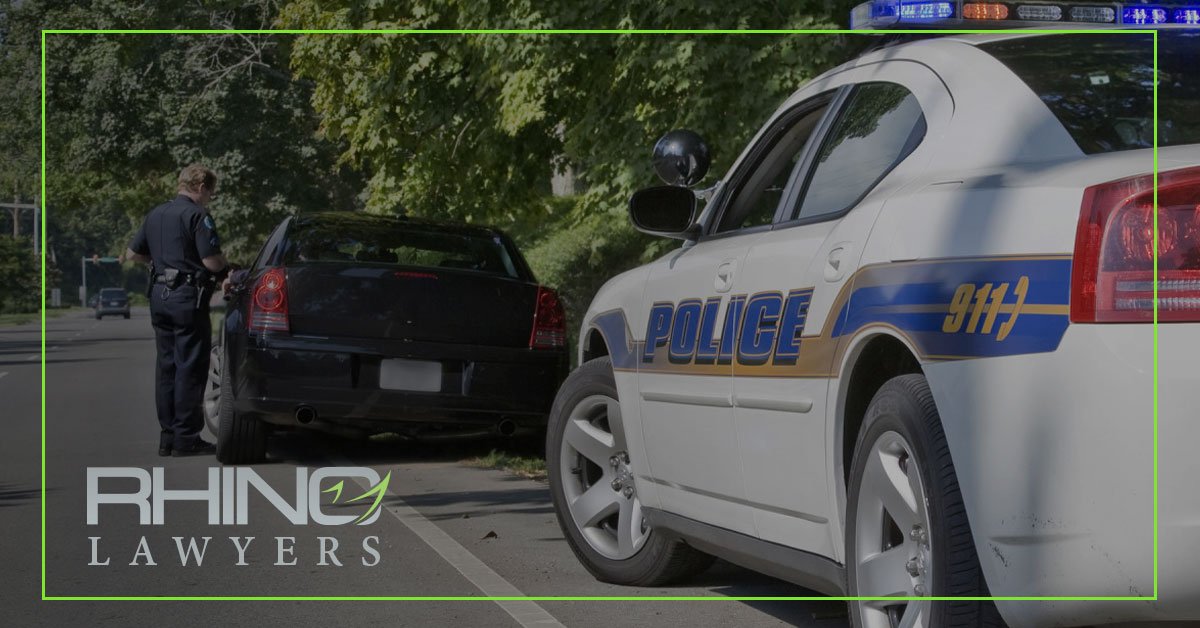
I Received a Traffic Ticket – How Can I Avoid the Points?
Here in the US, 9.18% of drivers have a speeding ticket on record. While speeding tickets are the most common moving violation, you may have received a traffic ticket for many reasons. In any case, one of your first thoughts was likely the points on your driving record.
After all, you certainly don’t want to lose your license.
The good news is that you might be able to avoid the points. The first step after getting a traffic ticket should be to learn more about your options and contact a lawyer who focuses on this area.
Here’s what you need to do to avoid points according to the Florida legal system.
Florida Laws Regarding a Traffic Ticket
When it comes to Florida traffic laws, there are two basic types of citations: moving and non-moving violations.
Non-moving violations occur when the vehicle is parked or not moving. Examples include parking violations or expired plates.
Moving violations occur when a driver doesn’t follow traffic laws while the vehicle is in motion. Speeding tickets, texting while driving, and running a red light all fall into this category.
As we mentioned earlier, speeding tickets are the most common moving violation. While many people may associate speeding tickets with driving too fast on the highway, it’s also easy to get pulled over for neglecting to slow down in school zones, construction areas, and residential neighborhoods.
Another type of moving violation is running a red light. A common practice that gets many drivers in trouble is trying to beat a yellow light rather than slowing down, resulting in running a red light.
Tailgating or following too closely to the vehicle in front of you is also a reason you may get a ticket.
Whatever the reason, Florida uses a point system to track traffic violations.
The Point System
Points get assigned when you get a ticket for a moving violation. If you accrue too many points during a set period, your driver’s license can be suspended or even revoked.
Florida law states that:
- A total of 12 points within 12 months – suspension of 30 days
- A total of 18 points within 18 months – suspension of 3 months
- A total of 24 points within 36 months – suspension of 1 year
Drivers that commit 15 violations that result in points or three major offenses within five years may have their license revoked.
The number of points assigned as a penalty can vary depending on the severity of the offense. However, these are some common examples:
- Speeding – 3 points
- Careless driving – 3 points
- Too fast for conditions – 3 points
- Failure to stop at a red signal – 3 points
- Reckless driving – 4 points
- Failure to obey traffic control signals – 4 points
There are more citations as well. You can learn about them in Florida’s Department of Highway Safety and Motor Vehicles citation manual.
A loss of driving privileges can be daunting, and you may not have a firm understanding of all Florida traffic laws. That’s why having an experienced lawyer on your side can help you achieve the best outcome and possibly avoid points.
Avoiding Points
So you’ve received a traffic ticket. You may feel it was unjustified. Perhaps you’re worried about your insurance rates going up or how you’re going to pay the fine.
A single traffic ticket can cause car insurance costs to skyrocket by as much as 82%, depending on the violation. For instance, speeding can result in an increase of 23.2% or $341. Driving violations can also affect insurance rates for years after the incident.
There’s also the cost of the ticket itself.
The average cost of a speeding ticket is $150, but the average increase in car insurance rates is $355. One mistake can cost you quite a lot.
You have a few options if you get a ticket. They include:
- Pay the ticket and accept the points
- Fight the ticket in court
- Pay the ticket but avoid points by taking a driver improvement course
Taking a Basic Driver Improvement Course
We’ve all taken driver’s ed courses, but over time, it’s easy to forget all the rules of the road. According to the law, ignorance is no excuse. That said, there are steps you can take to pledge your willingness to become a better driver and essentially drive better in the future.
Taking and completing a Basic Driver Improvement course can keep points off your record. It may also help reduce the cost of your fine and prevent a costly increase in your insurance rate.
You’ll have to pay a fee for the course, but it’s worth it to prevent those points from winding up on your record.
In Flordia, you can’t have tickets removed from a driving record, but taking the course can result in a point reduction. You can take a BDI course once every twelve months. However, you can’t do this more than five times during your lifetime.
The Florida Basic Driver Improvement Course or traffic school takes four hours to complete. It’s approved by the Florida Department of Highway Safety and Motor Vehicles (DHSMV). Drivers can even take the course online.
The goal of the course is to increase safe driving habits. Another great benefit is that Florida law prevents insurance companies from raising or canceling a policy if a driver voluntarily takes the BDI course. That alone can save drivers a ton of money.
You Have Options if You Get a Traffic Ticket
If you receive a traffic ticket for any reason, you don’t simply have to pay it and accept the points. Use these tips to avoid getting points on your driving record.
It’s always best to seek the advice of a lawyer in cases such as these. Here at RHINO Lawyers, one of our areas of practice is traffic tickets. That means you can count on us to know how to handle the Florida legal system and fight to get you the best outcome.
Simply because you’ve received a ticket doesn’t mean you’re guilty. Reach out to us for a free case review and to learn about your options.
CONTACT TAMPA TRAFFIC TICKET ATTORNEY
RHINO Lawyers can help and guide you through a system molded by law enforcement, judges, and lawyers for decades. Having won cases for our clients in similar circumstances, our criminal defense team knows what it takes to fight on your behalf.
Let RHINO Lawyers answer your questions and review the facts of your case with a Free Consultation. So, get started by completing the “Free Instant Case Evaluation” or by calling us any time, day or night, at (844) RHINO-77.
Read More