
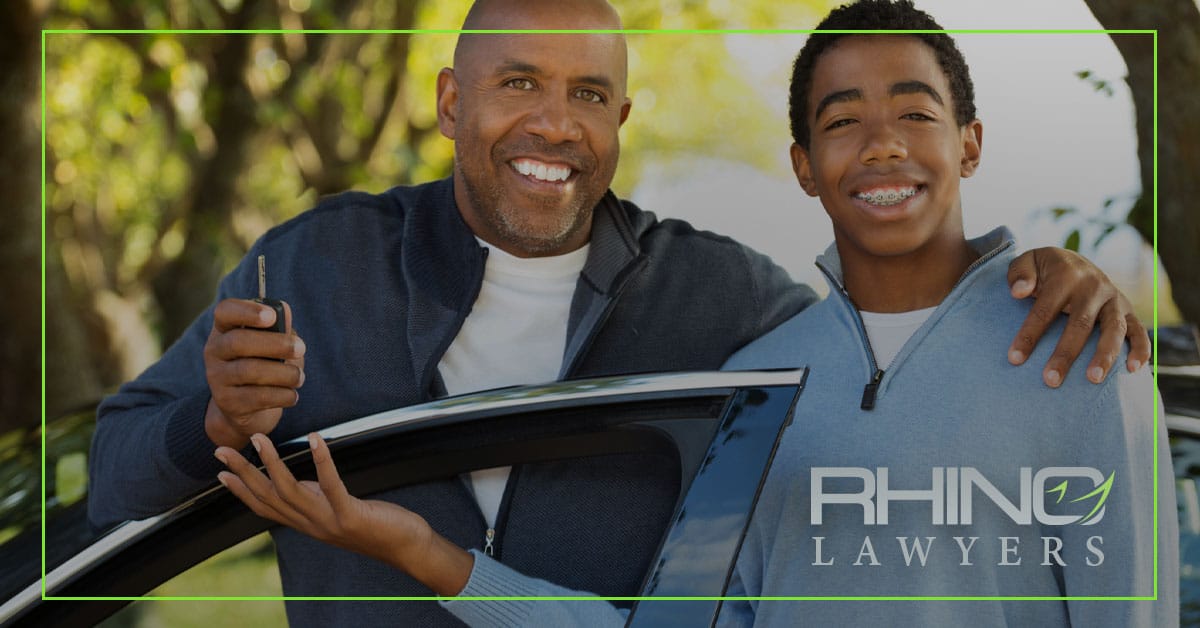
TEEN DRIVER SAFETY
To begin with, diving is a privilege for anyone, but especially for teens. And, with it comes a sense of freedom. But, as a parent, the safety of your teen is very important. Thus, it is important to prepare your child with basic teen driver safety. In fact, these driver safety tips are perfect for all levels of driving experience.
SAFETY TIPS FOR TEENS
First, it is difficult to protect your teen once they drive off in the car. So, we put these eight safety tips together to help you educate your teen on basic driver safety.
- Buckle Up – For one thing, wearing your seatbelt is the law! Furthermore, wearing your seatbelt increases your chances of surviving an auto accident by 50%.
- Obey The Speed Limit – Unfortunately, this is a big factor for teenagers. Consequently, not following the speed limit increases your chances of having an accident.
- Learn The Controls – Granted, this seems obvious. But, everyone should know how their car operates. For instance, knowing how to adjust your seatbelt and mirrors are vital for your safety.
- Your Cars Blind Spots – Incidentally, blind spot accidents are common with teen drivers. So, it is important to remember to check your mirrors and use your directional signal when changing lanes. As a matter of fact, you should do this even with a newer car equipped with warning indicators.
- Friendly Driving – Next, be courteous and friendly to other drivers. Because driving angry can lead to road rage or worse an accident.
- Use Your Signals – Always be predictable and indicate your intentions while driving. Additionally, you should watch for other drivers signaling a turn or lane change.
- Allow Room For Stopping – As, a good rule of thumb you should allow one car length for ten miles per hour of speed. Yet, this is not always possible due to traffic. In addition, you should never tailgate.
- Watch The Road – Above all, keep your eyes on the road. Specifically, put your cell phone down, don’t put on makeup, or eat while driving. Because distracted driving is dangerous.
LEADING CAUSE OF TEEN ACCIDENTS
In all honesty, next to distracted driving, speeding is one of the leading causes of teen accidents. In fact, the NHTSA states 32% of fatal teenage auto accidents were due to speeding. So, get involved and be a good role model for your teen driver. Because kids learn from their parent’s actions.
LAWS FOR TEEN DRIVERS
In addition, to the normal traffic laws, minors have other laws to follow to protect their right to drive. These laws also have penalties for teenage drivers that violate them.
- No Moving Violation Convictions – Minor’s that receive a moving violation while they have their learner’s permit will extend the time of the learner’s permit for a year from the conviction or till the age of 18.
- School Attendance – Not attending school could suspend their driving privilege or keep them from getting their license until they can provide proof, they have attended school for a minimum of 30 days in a row.
- Using Alcohol – Florida has a zero-tolerance policy. Drivers under 21 caught with a .02% or more will receive an automatic 6-month suspension of their license. If they get caught twice, they lose it for one year.
- 6+ points in 12 months – Your teen will have their license restricted to “business only” driving for a 12-month period or until the age of 18.
- Tobacco Possession Conviction – Minor’s convicted of tobacco possession will have their license revoked for a minimum of 30 days.
ADVICE FOR PARENTS OF TEEN DRIVERS
As for, parents with teen driving, we know your teen driver’s safety is a top priority. Thus, you may want to know what you can do to keep them safe on the road? For this reason, we put together some tips to help you.
- Open Communication – First, we recommend talking with your teen driver about safe driving and unsafe driving. Because speaking with them will help them understand the dangers associated with driving. But, this should not be a one-sided conversation. So, encourage your teen to ask questions and bring up concerns they have with driving.
- Create Rules – Second, set rules for your teen using the car. Like, no using a cell phone in the car and limiting the number of passengers they can have in the car. As this can reduce some of the common risky behaviors.
- Use an App – Luckily, with smartphones, we now have apps that can track your teens driving habits. Thus, your teen may drive safer if they know you are tracking how they drive.
- Zero Tolerance – Though, this should go without saying, DON’T DRINK AND DRIVE! Besides, underage drinking is illegal. So, is driving under the influence of alcohol. With this in mind, make it clear to your teen it is unacceptable, and you have zero tolerance.
- Lead by Example – As I stated before kids learn from their parent’s actions. Thus, it is important for you to set the example. So, don’t drive aggressively and obey the speed limit. And, always wear your seatbelt. Because they are always watching.
- Limit Night Driving – Finally, night driving poses all-new dangers for teen drivers. So, practice driving at night with them. As this will help build their skills and help them to be more aware while driving.
CONTACT A TAMPA AUTO ACCIDENT ATTORNEY
In short, after a car accident, you may not know your rights. Above all, don’t struggle through the process alone. Actually, our personal injury team is here to help you with any legal needs you might have regarding your accident.
Lastly, let RHINO Lawyers answer your questions and review the facts of your case with a Free Consultation. So, get started by completing the “Free Instant Case Evaluation” or by calling us any time, day or night, at 844.329.3491.
Read More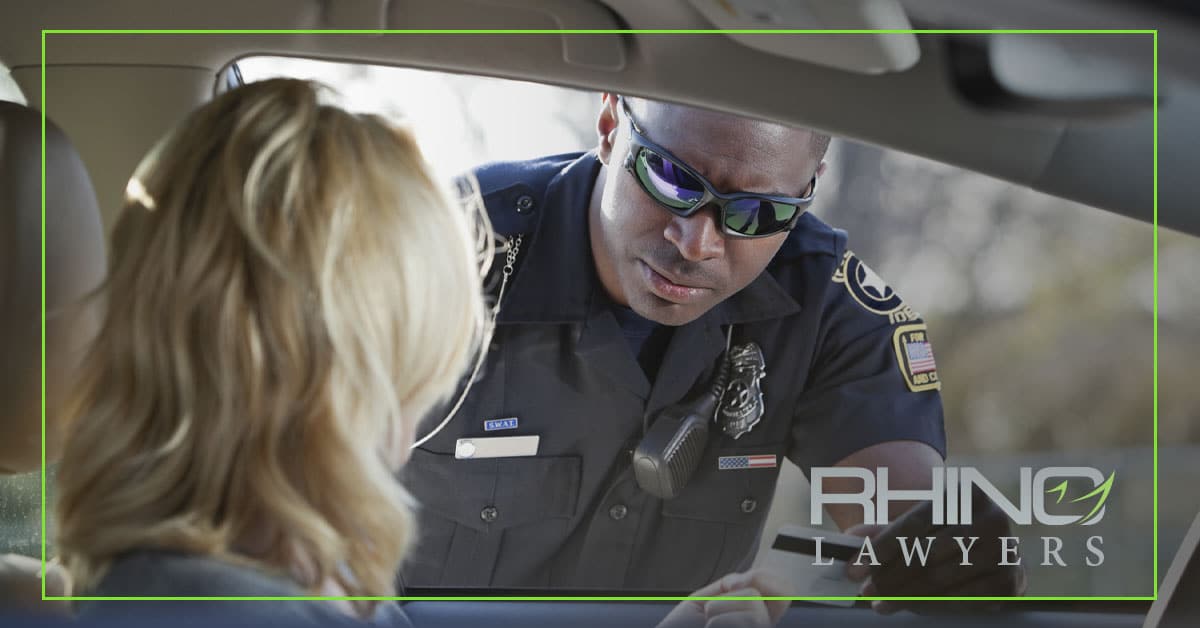
SEARCHING VEHICLES DURING A TRAFFIC STOP
To begin with, law enforcement officers pull over traffic offenders every day. In fact, the officer will likely ask for documents like driver’s license and proof of insurance. As well as, they might ask to search your vehicle during the traffic stop.
Even though you have the right to refuse a vehicle search, an officer has a couple of situations they can search without permission. So, it is important to know your rights for searching your vehicle during a traffic stop.
The 4th Amendment And Traffic Stops
First, the Fourth Amendment protects you from unlawful searches. In fact, this amendment applies to your home, business, and your car. Incidentally, traffic stops are the most common place you will interact with law enforcement. So, it is important to know when they can and can’t search your car.
Typically, law enforcement officers need a search warrant to conduct a search. But, there are exceptions in place that allow them to conduct a search without a search warrant.
Consent To Search
With regard to traffic stops, police officers do not necessarily have the right to search your car. Yet, they may ask you if they can search your vehicle. But, if you say yes, you waive your Fourth Amendment rights. And, if you do not consent and clearly tell the officer no, the law requires them to comply.
Search With Probable Cause
On the other hand, a law enforcement officer may search your vehicle during a traffic stop if they have probable cause. For instance, if the officer sees a weapon, drug paraphernalia, or even the smell of drugs they can search your car.
In any event, the officer needs a viable reason to search your car. Unfortunately, some law enforcement exploit this exception to conduct search. Although, without clear probable cause the search is illegal.
Search During An Arrest
Additionally, police officers can search your car during arrestable traffic offenses. Specifically, they will conduct the search to secure evidence. As well as, for their own safety. But, even with an arrest, they have limitations on searches. For one thing, they cannot search your car for evidence if you get arrested for DWLS (Driving While License Suspended).
How to handle a traffic stop with a vehicle search
Finally, law enforcement generally treats every citizen justly during traffic stops. Unfortunately, that doesn’t always happen. So, we put together a few things you can do to keep the situation from escalating during a traffic stop.
- Remain calm
- Don’t argue or resist
- Keep your hands visible
- Only reach for something when the officer requests
- Comply with lawful requests
Remember, you and your passengers have the right to remain silent. And, if they search or stop you illegally you have the right to dispute it in court. In all honesty, when this happens you need a Tampa criminal defense attorney. So, contact the RHINO Lawyers team.
CONTACT TAMPA TRAFFIC TICKET ATTORNEY
RHINO Lawyers can help and guide you through a system molded by law enforcement, judges, and lawyers for decades. Having won cases for our clients in similar circumstances, our criminal defense team knows what it takes to fight on your behalf.
Let RHINO Lawyers answer your questions and review the facts of your case with a Free Consultation. Get started by completing the “Free Instant Case Evaluation” or by calling us any time, day or night, at 844.329.3491.
Read More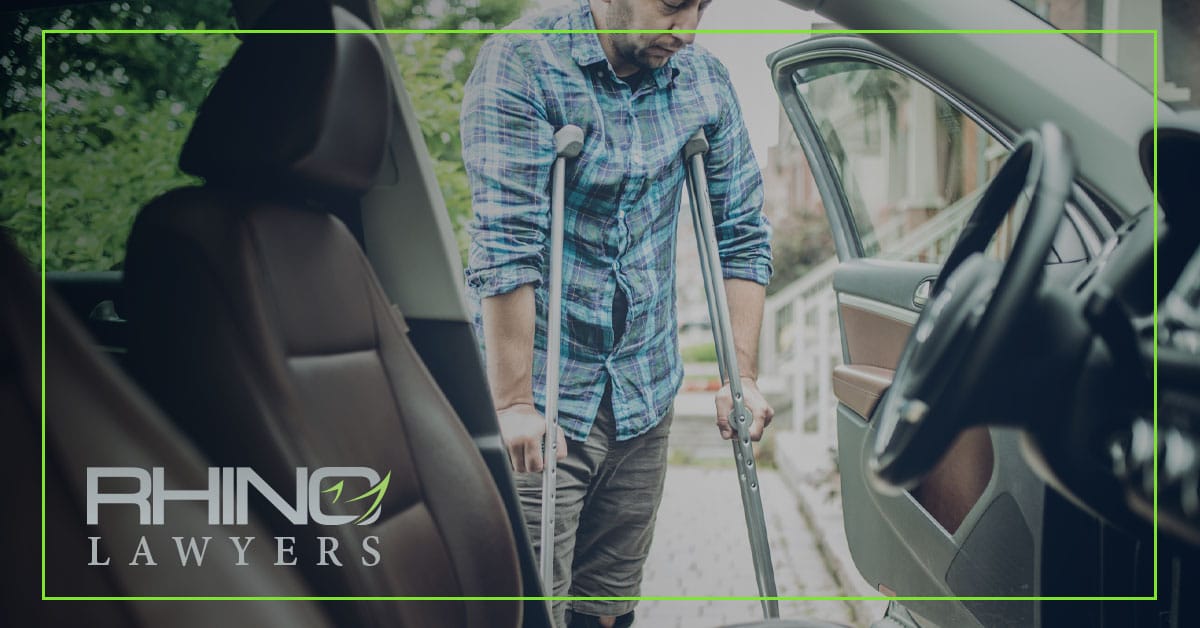
COMMON AUTO ACCIDENT INJURIES

First of all, auto accident victims can suffer a variety of injuries. Yet, most accident victims receive one or more of these six common auto accident injuries.
In fact, these common auto accident injuries result from different circumstances of the crash. For instance, the injuries caused in the accident usually fit within these categories:
- Impact – As for impact injuries, these occur when a part of a person’s body hits part of the interior of the vehicle. Or, when a motorcyclist hits part of their surrounding environment.
- Penetrating – Typically consist of scrapes and lacerations.
Soft Tissue Injuries
Notably, after an auto accident, most people sustain soft tissue injuries. Thus, making it the most common auto accident injury. Specifically, a soft tissue injury refers to an injury to the body’s connective tissue. For example,
- muscles
- ligaments
- tendons
As a matter of fact, whiplash is one form of soft tissue damage. Because it results from a sudden stretch of the muscles and ligaments. Due to the high-energy movements caused by impact. Not to mention, these high-energy movements are responsible for spinal injuries.
Spinal Cord Injuries
Consequently, a serious auto accident can result in spinal cord injuries. Thus, causing the victim paralysis or a life-altering disability. But sometimes they get lucky. And, herniated disks so the damage is not as catastrophic.
Although, these injuries are not always recognizable like head injuries. So, it is important to see a doctor after an accident. Because they can check and review your injuries thoroughly.
Head and Brain Injuries
Additionally, auto accidents can result in a head or brain injury. As a result, of the collision, your head hits a window, steering wheel, or another interior part of the car. Thus, causing scrapes, cuts, and bruises. Or, worse case a traumatic brain injury. Whereas, less severe crashes leave you with a concussion or skull fractures.
Scrapes and Lacerations
Furthermore, in a collision, you could sustain scrapes and lacerations. Usually, loose items like cell phones, purses, and grocery bags become projectiles. Thus, causing these injuries. Notably, some of the more serious cuts will leave you with scarring that can last forever.
Bone Fractures
Like, soft tissue damage, broken bones are very common in auto accident injuries. Admittedly, the severity and effect of broken bones differ from person to person. Thus, auto accident victims are often left with long-lasting pain. Yet, the more serious car, truck, and motorcycle accidents could lead to the amputation of the injured limb.
Post-Traumatic Stress Disorder
Even though, most auto accidents result in physical injury, you could also suffer psychological injuries. Particularly, you could suffer Post Traumatic Stress Disorder (PTSD). Thus, making your daily routines upsetting and hopeless. Although, others experience depression and anxiety from the accident.
In all honesty, if you struggle with any psychological injuries after an accident you should get professional help. Because therapy can give you the support needed to heal.
Avoid Car Accident Injuries
Granted, you can’t control or predict the actions of other drivers. Yet, as a driver, you have things you can do to help avoid car accident injuries. For instance, these can help reduce your chances of injury.
- Wear a Seatbelt – Specifically, you should always wear a seatbelt. Because it could save your life.
- Obey the Speed Limit – Actually, high speeds increase the severity of auto accidents.
- Vehicle Maintenance – Finally, keep up on your vehicle maintenance. As a well-maintained car is less likely to have an accident from equipment failure.
CONTACT A TAMPA AUTO ACCIDENT ATTORNEY
In short, after a car accident, you may not know your rights. Above all, don’t struggle through the process alone. Actually, our personal injury team is here to help you with any legal needs you might have regarding your accident.
Lastly, let RHINO Lawyers answer your questions and review the facts of your case with a Free Consultation. So, get started by completing the “Free Instant Case Evaluation” or by calling us any time, day or night, at 844.329.3491.
Read More
STATUTE OF LIMITATIONS AUTO ACCIDENT CLAIMS

To start with, Florida limits the amount of time allowing you to pursue compensation with its statute of limitations. So, if a negligent party injures you or a loved one in an auto accident you need to protect your rights. Particularly, you need to know which statute of limitations applies to your case.
In all honesty, this will allow you to take the correct steps in recovering damages. Hence, you will need an auto accident attorney. Because a Tampa auto accident attorney understands the laws. And, they can prepare your claim in a timely manner, so you don’t get burned by the statute of limitations.
Defining Statutes of Limitations
Thus, Cornell Law School defines statutes of limitations as any law that prohibits claims after a given time limit. In addition, these limitations vary from state to state. As well as, they exist in both civil actions and criminal offenses. In fact, Florida has statutes of limitations for several different laws.
So that, statutes of limitations protect the legal rights of all parties. As a matter of fact, in auto accident cases it helps to preserve evidence and witness testimony. Because over time the quality of evidence and witness testimonies deteriorate. With this in mind, it is important to have a car accident lawyer review your case as soon as possible.
Florida Auto Accident Deadlines
In many cases, Florida law allows accident victims 4-YEARS to file a civil lawsuit after the date they were injured in an auto accident. Many people believe that they are only allowed 14-DAYS to preserve their claim—THIS IS SIMPLY NOT TRUE. PLEASE KNOW YOUR RIGHTS.
Auto, Truck & Motorcycle Accident Statute of Limitations
About, the statute of limitations of car, motorcycle, and trucking accident victims. Consequently, have 4-years from the day of the accident to file a suit. Additionally, if you wait for 4-years to file a court will refuse to hear your case. Unless your case has circumstances that justify them granting an exception.
Wrongful Death Statute of Limitations
As for, the statute of limitations for wrongful death the surviving members of the family only have 2-years to file a lawsuit. In fact, this time limit applies to all forms of accidental deaths. Including, deaths from fatal automobile, motorcycle, and trucking accidents. So, you lose a loved one due to a negligent driver talk to an attorney who understands Florida’s wrongful death laws.
Auto Accident Statutes of Limitation Extensions
Despite, Florida law having deadlines for filing a lawsuit after an accident there are exceptions. For example, here are the most common exceptions the court makes for extending the statute of limitations:
- Defendant Availability in a Claim – Considering, when you file a lawsuit they serve the negligent party papers. So, if they leave the state the court will pause the time limit until they return to the state. Likewise, if the negligent party goes into hiding.
- False Identity of Negligent Driver – Also, if the negligent party gives a false identity the court will extend the limitations. So that, they can find the person.
- Catastrophic Injuries – Actually, Florida law will allow the victim 7-years from the date of the accident. But, only if they suffer catastrophic injuries that prevent them from filing.
- Delayed Discovery – Incidentally, injuries can take days or weeks to show up. So, the statute of limitations doesn’t begin until they identify the injuries. For example, a traumatic brain injury (TBI) symptoms take weeks or months to show.
- Injured Dependents – For instance, minors will need a guardian or caregiver to file a personal injury lawsuit for them. As well as, a mentally challenged individual. In fact, the court will sometimes extend the statute of limitations until the minor turns 18. Similarly, the court will extend the limitations for mentally challenged individuals. Particularly, until someone can file a lawsuit for them.
CONTACT A TAMPA AUTO ACCIDENT ATTORNEY
In short, after a car accident, you may not know your rights. Above all, don’t struggle through the process alone. Actually, our personal injury team is here to help you with any legal needs you might have regarding your accident.
Lastly, let RHINO Lawyers answer your questions and review the facts of your case with a Free Consultation. So, get started by completing the “Free Instant Case Evaluation” or by calling us any time, day or night, at 844.329.3491.
Read More
ECONOMIC AND NON-ECONOMIC DAMAGES
To begin with, even the safest drivers can get in an auto accident. And, if you suffer injuries in an accident it is best to know your rights to compensation. So, there are two forms of basic compensation, economic and non-economic damages.
Incidentally, a personal injury case could involve both economic and non-economic damages. Especially, when trying to determine the total amount of damages from the accident. At any rate, for additional info on compensation eligibility, contact a Tampa auto accident attorney.
Economic Damages
First, economic damages compensate the injured for tangible expenses after a car crash. In fact, economic damages can reimburse you for any out of pocket expenses from the accident. Not to mention, they also include the following:
- Lost wages
- Past and future medical expenses
- Lost business opportunities
- Cost to repair or replace damaged property
Typically, most of the damages awarded in personal injury claims come from medical expenses. Furthermore, these cases usually require an expert witness to testify. Particularly, with wrongful death cases. Because they can help prove economic damages. As well as, they help with proving liability.
Unfortunately, each personal injury case is different. Thus, some cases can’t receive compensation for economic damages. Because in some cases the victim shares fault in the accident, due to comparative negligence.
Non-Economic Damages
Next, you can receive non-economic damages. Subsequently, with non-economic damages, you cannot measure compensation from tangible expenses. Instead, they include damages for non-monetary losses. For example, non-economic damages include the following:
- Pain and suffering (emotional and physical)
- Emotional distress
- Loss of consortium (companionship)
- Permanent disfigurement
- Damaged reputation
- Depression
Regrettably, these losses are more difficult to prove. Nonetheless, do not ignore these losses. Additionally, the driver’s PIP insurance could limit your compensation. Because Florida does not require drivers to carry additional insurance. So, the policy will limit recovering losses for non-economic damages.
Punitive Damages
Although economic and non-economic damages are more common, you could receive punitive damages in a personal injury case. But, not all auto injury settlements will include punitive damages. Additionally, judges award punitive damages to punish the gross negligence of the defendant. Some punitive damages awarded are:
- Court reporter fees
- Costs of exhibits
- Reproduction fee
- Fees charged by legal experts
- Miscellaneous expenses
Currently, the state of Florida does not limit compensatory damages compensation. Yet, there are limits to punitive damages to keep damages from becoming excessive. Punitive damages may not exceed three times the amount of compensatory damages awarded. Or, $500,000 whichever is greater.
CONTACT A TAMPA AUTO ACCIDENT ATTORNEY
In short, after a car accident, you may not know your rights. Above all, don’t struggle through the process alone. Actually, our personal injury team is here to help you with any legal needs you might have regarding your accident.
Lastly, let RHINO Lawyers answer your questions and review the facts of your case with a Free Consultation. So, get started by completing the “Free Instant Case Evaluation” or by calling us any time, day or night, at 844.329.3491.
Read More
SUBROGATION AND INJURY SETTLEMENTS
First of all, the legal system has many obscure terms. But most people don’t hear these terms unless they study law. Or, they find themselves in a legal situation that requires them to know the term. Unfortunately, one of these terms is Subrogation.
In fact, if you file a personal injury claim you might hear this term. Either, while dealing with the other driver’s insurance company or yours. In either case, here is what you should know about subrogation and your personal injury settlement.
Defining Subrogation
Specifically, Merriam-Webster says subrogation is “the assumption by a third party (such as a second creditor or an insurance company) of another’s legal right to collect a debt or damages.” In other words, it is when insurance attempts to collect reimbursement from the at-fault party or insurance company. But only if they paid benefits to the injured person during an injury claim.
Understanding Subrogation
First, the subrogation process is somewhat confusing. Yet, it is a fundamental component of a personal injury claim. Moreover, insurance companies in Florida have the right to subrogate the at-fault driver’s insurance and the driver. So, the insurance carrier or the UM insurer can recover the money they paid because of the at-fault driver.
For example, say the other driver does not have enough coverage to pay damages. Then, you can use your uninsured/underinsured (UM/UIM) coverage to cover some of the expenses. Eventually, your claim settles with the other driver. Given that, the case settled the UM/UIM insurer can now pursue subrogation.
More importantly, Florida law states the UM/UIM insurer can’t recover more than they paid to you. As well as, it doesn’t allow you to “double-dip” or receive damages twice from the at-fault party. Yet, it does allow you to recover any deductibles you paid to your insurers.
Who Has Rights To Subrogation?
Incidentally, your insurance company and UM/UIM insurer are not the only parties allowed to pursue subrogation. In fact, subrogation allows other entities a legal claim against settlement money from the at-fault party. For example, these entities include:
- Medicaid
- Medicare
- Health Insurance Companies
- Workers’ compensation
- Veterans Administration
Additionally, most state assistance programs can legally pursue reimbursement with a subrogation claim. Because all the different parties allowed subrogation these claims can become complicated quickly. So, if suffered injuries in a car crash talk to a Tampa auto accident attorney.
UM Insurer Waiver
Actually, your insurance or UM/UIM insurer can choose to waive their right to subrogation. As a matter of fact, the at-fault driver usually requests the waiver when they want a quick settlement. Yet, it is important to note the insurance company has 30 days to waive its right to subrogation or keep it. So, if they waive their right you can finalize your settlement. But if they don’t waive their right you could recover your deductible.
CONTACT A TAMPA AUTO ACCIDENT ATTORNEY
In short, after a car accident, you may not know your rights. Above all, don’t struggle through the process alone. Actually, our personal injury team is here to help you with any legal needs you might have regarding your accident.
Lastly, let RHINO Lawyers answer your questions and review the facts of your case with a Free Consultation. So, get started by completing the “Free Instant Case Evaluation” or by calling us any time, day or night, at 844.329.3491.
Read More
IMPROPER PASSING IN FLORIDA
To begin with, improper passing charges fall under Florida Statutes 316.083 and 316.085. In fact, impatient driving is the leading cause of most improper passing tickets. Because most impatient drivers do not follow the proper protocol when changing lanes.
In all honesty, if you drive you will pass another driver. But, when can you pass that car legally? Typically, you can pass on the left if you do not endanger other drivers. Unfortunately, passing on the right is not the same.
Three Types of Improper Passing
Considering, passing on the right is the most common improper passing citation. Actually, there are three ways a driver can receive a ticket for improper passing. Notably, these include the following:
- Passing on the Right – This usually occurs on a four-lane road when a vehicle is traveling too slowly in the left lane. Both vehicles are in violation of the law under these circumstances.
- Blind Passing – This occurs on curves or hills when passing in the oncoming traffic lane. And, the passing driver can’t see on-coming traffic at a safe distance.
- Dangerous Passing – This offense involves cutting another vehicle off after making a pass. At one time or another, we’ve all gotten cut off by another driver.
Avoid an Improper Passing Ticket
Despite, passing on the right being illegal Florida has exceptions to the rule. Furthermore, the law accepts these exceptions as safe driving tactics. Thus, the exceptions for passing on the right include.
- Car Making a left turn – So, if the car in front of you makes a left turn you can pass on the right. But, you must use a legal lane on the right, and you cannot cut off on-coming traffic.
- Passing Slower Traffic on Right – Additionally, you can pass on the right while driving a busy road or highway with two or more lanes of traffic. In the same way, passing a car making a left you can use the right lane of the highway. As long as, the left lane has traffic, you don’t obstruct on-coming traffic, and you do not cause an accident.
- One-Way Street Passing on Right – Also, it is legal to pass on a one-way road that has more than one lane. Still, you can only pass when it is safe to pass without speeding or causing an accident.
Proper Ways To Pass
Granted, passing other cars is dangerous. Especially, on two-lane roads and during the late hours of the night. All in all, there are proper ways to pass or overtake while driving. In fact, Florida statute 316.083 outlines how a drive can pass another legally. Hence, we listed some techniques for passing safely.
- Use Your Signal – First, you should always use your directional signal to or show your lane change. But, if your signal does not work you can use proper hand signals.
- Passing on Left – Second, when passing on the left you must make sure it is safe to pass. Then, once safe use your signal to enter the left lane. After you have safely passed the other car then you use your directional signal to reenter the lane.
- Passing Bicycles – Third, you must give a 3-foot radius around a cyclist when passing. As well as, following other safe practices. Like, using your signal, don’t cut off traffic, and give yourself an ample amount of time to pass.
- Give Way to Passing Cars – By the same token, when a car wants to pass or overtake your car you should give way. Thus, you should use your directional signal to move to the right lane making sure you do not obstruct on-coming traffic. Yet, you do not need to give way to a passing vehicle when it is legal to pass on the right.
CONTACT TAMPA TRAFFIC TICKET ATTORNEY
RHINO Lawyers can help and guide you through a system molded by law enforcement, judges, and lawyers for decades. Having won cases for our clients in similar circumstances, our criminal defense team knows what it takes to fight on your behalf.
Let RHINO Lawyers answer your questions and review the facts of your case with a Free Consultation. Get started by completing the “Free Instant Case Evaluation” or by calling us any time, day or night, at 844.329.3491.
Read More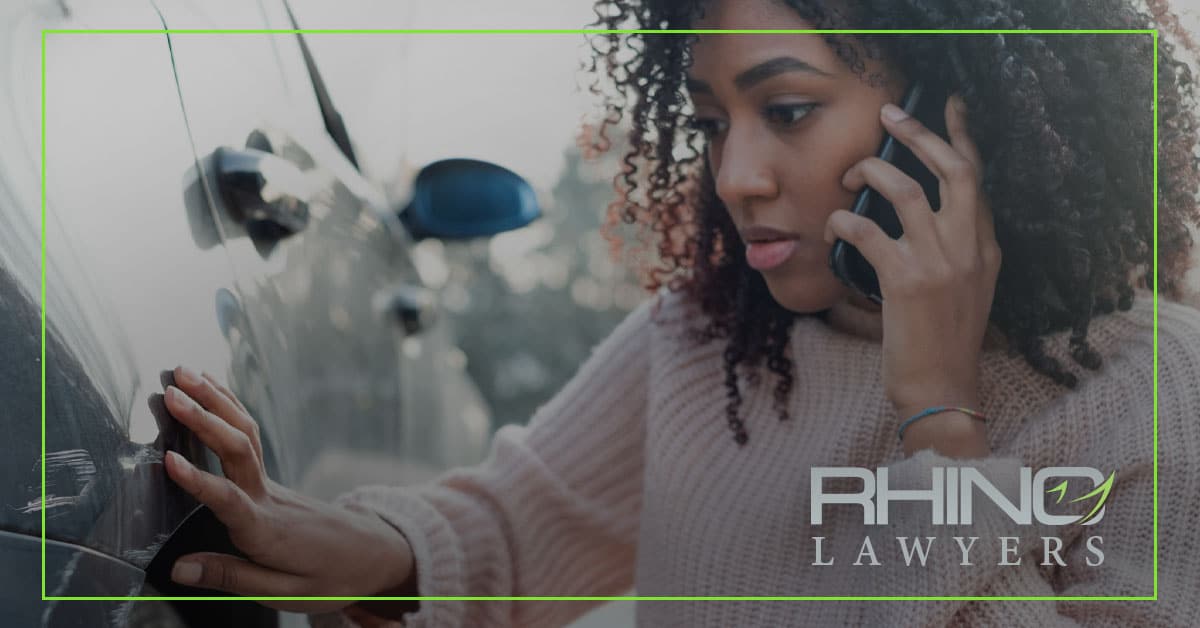
MINOR ACCIDENTS AND INSURANCE COMPANIES
To start with, virtually all insurance companies say you need to report all accidents. Yet, some people think with a minor accident like a fender bender they do not need to. And, they may try to work things out amongst themselves.
Yet, this is not a good idea. Because even minor injuries can worsen over time. Plus, in some cases, injuries take days or weeks to manifest. So, you need to report all accidents, or you could regret it later.
Thus, you should take the same steps after a minor accident as you would with a major accident. Which includes letting the insurance company know about the accident. As well as, protecting your rights and wellbeing. And, if you need help through this process contact an auto accident attorney.
WHY Report a Minor Accident
First, reporting a minor accident and filing a claim is completely different. Specifically, when you report a crash you only notify your insurance an accident occurred. And, if you file a claim you want to receive coverage for injuries or damage to property. So, it is important to report a crash in a timely manner. For example, here are three reasons you should report the accident.
- Insurance Agreement – As a matter of fact, an insurance agreement is a contract between you and the insurance company. Thus, you must follow all terms contained within the agreement. So, if you don’t follow these terms, they can deny coverage of your claim.
- Vehicle Repairs – Additionally, when it comes to getting your car repaired you could file with other driver’s insurance. But they could dispute your claim causing a delay in getting your vehicle fixed. So, in cases like this, you need to use your insurance policy. Though, if you did not report the accident in a timely manner, they can deny coverage.
- Making a Claim – Even though, the other driver has insurance or says they have insurance you need to report the crash to your insurance company. As you might learn they do not have sufficient coverage, or worse a canceled policy. So, if you reported the accident to your insurance company you can file a claim. And, if you have underinsured or uninsured insurance coverage you can use this coverage.
When To Report the Accident
Next, you will not need to call your insurance company from the accident site. But you should call and let them know about the accident in a timely manner. Especially, because some policies state a specific timeframe around reporting accidents. In fact, many policies state you need to report the accident within 72 hours.
Incidentally, you may not be able to meet this timeframe. For instance, you suffered serious injuries or became incapacitated. Either way, you will still need to notify your insurance company, just contact them as soon as you can.
What to Do After a Minor Accident
Finally, you should protect yourself after an auto accident. As a matter of fact, most people don’t know what to do after an accident. Thus, these tips can help anyone involved in an auto accident.
- Stop and Check for Injuries – In all honesty, you should never leave an accident. Because they will charge you with a crime. Instead, check yourself and passengers for injuries. Then, check on the other driver if possible. But, if you have injuries call 911 and don’t move.
- Get to Safety – Next, if your car is drivable move it the side of the road out of traffic. Additionally, if you cannot drive the car, put on your hazard signals and you move to the side of the road.
- Call the Police – Always call the police when in an auto accident. They will file an accident report. More importantly, you will need this report when you file your claim.
- Exchange Information – Even though they do not have insurance, you will need their contact and vehicle details. Furthermore, you should get the contact information from any witnesses.
- Document the Details – You will need to write down the other driver’s vehicle information, time and location of the accident, and the officer’s name with a badge number. Also, try to document any details that may help when you file your claim.
- Take Pictures – Additionally, take pictures of the accident scene. Include photos of the damage to each car, the license plate of the other driver, and traffic signs.
- Report to Insurance Company – As I have said, it is important to report a crash as soon as possible. Besides, reporting the accident keeps you from breaking the terms of your policy. Not to mention, you need to let them know so you can use your MedPay coverage. Because MedPay requires you to submit all medical bills through the insurance company.
- Contact an Auto Accident Attorney – Actually, it is a good idea to consult with an attorney after an accident. Because an auto accident attorney can use their knowledge of relevant laws to help protect your rights. As well as, handling all the paperwork and filing deadlines. Thus, allowing you to focus on recovering and getting your life back to normal.
CONTACT A TAMPA AUTO ACCIDENT ATTORNEY
In short, after a car accident, you may not know your rights. Above all, don’t struggle through the process alone. Actually, our personal injury team is here to help you with any legal needs you might have regarding your accident.
Lastly, let RHINO Lawyers answer your questions and review the facts of your case with a Free Consultation. So, get started by completing the “Free Instant Case Evaluation” or by calling us any time, day or night, at 844.329.3491.
Read More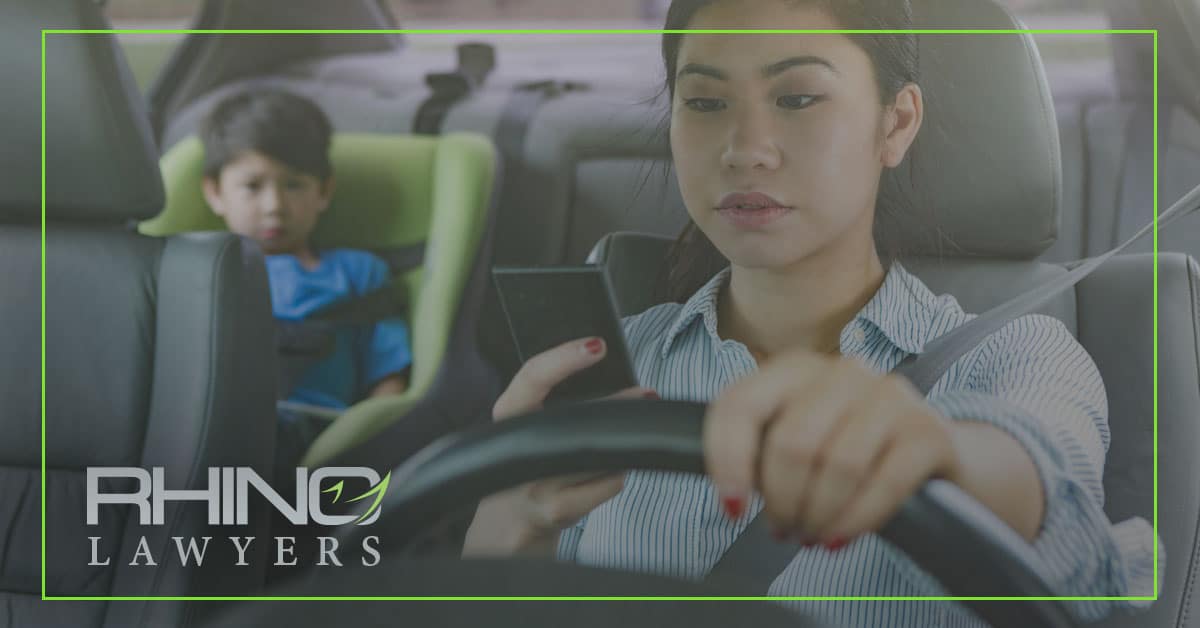
DISTRACTED DRIVING A DEADLY MIX
To begin with, most people associate distracted driving with using a cell phone. While using a cell phone while driving is common. Especially, texting while driving. However, using a cell phone is not the only form of distracted driving.
In fact, the NHTSA says distracted driving is anything that takes your attention away from driving. For this reason, it could include many activities. So, here is a list of other activities considered distracted driving.
- Talking on cell phone
- Texting
- Eating and/or drinking
- Using a GPS
- Updating social media sites or apps
- Checking email
- Using a phone’s camera or video app
- Reading
- Grooming
- Rubbernecking
- Attending to children or pets
- Adjusting the radio or music
- Talking to other passengers
Manual Distractions While Driving
First, manual distractions while driving involve taking one or both hands off the steering wheel. And, almost every distracted driver will take at least one hand off the wheel. But this makes it difficult to properly steer. And, nearly impossible to make an emergency maneuver. Furthermore, this dangerous distraction could cause you to veer off the road or into oncoming traffic.
Visual Distractions
Actually, visual distractions are the most common with drivers. To tell the truth, this makes sense. Because taking your eyes off the road is an action that takes your attention away from driving. For example, a visual impairment could include these actions texting, looking at billboards, grooming, and more.
With this in mind, these distractions hinder a driver’s ability to consistently evaluate their surroundings. Which is important for every driver’s safety. As well as, for the safety of other vehicles on the road. Moreover, the CDC states a person texting will take their eyes off the road for an average of 5 seconds. Which at 55 miles per hour the person could travel the length of a football field.
Cognitive Distractions
Finally, we have cognitive distractions. Unfortunately, these are less straightforward than the other types. Because these distractions cause the driver’s mind to wander. Such as, when a driver talks to another person, daydreaming and listening to the radio.
Furthermore, cognitive distractions are deceiving. Considering, the driver has a full view of the road. Although, the driver loses concentration on the road and has a higher chance of an accident. Due to the fact, they are not able to think fast and react to potential hazards.
Distracted Driving Crashes
Incidentally, a car accident caused by distracted driving could have a tragic ending for the people involved. In fact, NHTSA said in 2017, distracted driving claimed 3,166 lives. However, these accidents are not limited to only car accidents. For one thing, our Tampa auto accident attorneys see a variety of these cases including:
- Motorcycle Accidents – Granted, it is a bad idea to take your eyes off the road and hands off the handlebars while riding a motorcycle. Consequently, riders could have a distracted driver hit them and cause serious injuries or death.
- Truck Accidents – For one thing, with many truck drivers working long hours driving their minds can wander. As well as, most drivers use navigation systems like Waze, Google Maps, and Garmin which can also distract them from the road.
- Pedestrian Accidents – While, a distracted driver could hit a pedestrian in a crosswalk. Additionally, they could hit a person exiting a car. Or, swerve off the road and strike a person on the sidewalk.
- Drunk or Impaired Drivers – Actually, when you add drugs or alcohol to these distractive action’s things get extremely dangerous. Because impaired drivers already have slower reactions to things happening around them.
- Bicycle Accidents – Similarly, bicyclists face the same risk of injury or death as a pedestrian. Because they don’t have the same protection an automobile provides. In addition, cyclists have all the for distractive driving as a motorist.
- Uber or Lyft Driver and Passenger Accidents – Likewise, it goes for Uber and Lyft drivers. Considering, they drive long hours like truck drivers they face the same risks from navigation systems and daydreaming.
Preventing Distracted Driving
Finally, we should use education to prevent distracted driving. So, new drivers learn and current drives learn the activities that cause distracted driving. Because, many of these activities consist of more than one distracting activity, like texting and adjusting the radio. So, here are the top ways for everyone to avoid distractions on the road.
- Turn your cell phone off, put it on “do not disturb”, or airplane mode.
- Consume food and drinks before driving.
- Program your GPS before pulling out of the driveway or pull over to a safe place to park and program.
CONTACT A TAMPA AUTO ACCIDENT ATTORNEY
In short, after a car accident, you may not know your rights. Above all, don’t struggle through the process alone. Actually, our personal injury team is here to help you with any legal needs you might have regarding your accident.
Lastly, let RHINO Lawyers answer your questions and review the facts of your case with a Free Consultation. So, get started by completing the “Free Instant Case Evaluation” or by calling us any time, day or night, at 844.329.3491.
Read More
DON’T HANDLE CAR ACCIDENTS ALONE
To start with, you do not need to hire an attorney after a car accident that was not your fault. However, if the accident damages your car and you receive injuries it is a good idea. Since an auto accident attorney can help you recover damages and avoid liability for the accident.
Additionally, an auto accident attorney can use their knowledge of relevant laws to help protect your rights. As well as, handling all the paperwork and filing deadlines. Thus, allowing you to focus on recovering and getting your life back to normal.
WHY Speak to a car accident attorney
First, when you hire a lawyer, they will gather the evidence needed to support your claim. For example, they will get the police reports, statements from witnesses, and medical records. As well as, any information on your lost wages. Then, they will use this information to calculate the amount of compensation you deserve.
More importantly, an attorney will file a lawsuit on your behalf. Not to mention, they will use their knowledge to anticipate possible defenses. As a matter of fact, they will most likely be familiar with the opposing counsel’s strengths and weaknesses.
Furthermore, you should not talk to or negotiate with the insurance company without an attorney. In all honesty, insurance companies are for profit. And, they do not make money by paying damages. So, they will try to find a way to reduce or eliminate your compensation. An auto accident attorney can keep you from falling for their tricks.
A Lawyer HELPS calculate damages
Secondly, the average person doesn’t have the experience with calculating eligible compensation from an accident. But, an accident attorney does. In fact, they will review all the circumstances of the accident. Then, they will use that information to file for numerous damages. For example:
- Future Medical Expenses – A lawyer will anticipate future expenses you will incur from your injuries.
- Lost Wages – Money you did not make due to missing work while recovering from your injury.
- Reduced Earning Capacity – Your injuries limit your ability to work. Either on a short-term or long-term basis.
- Pain and Suffering – Injuries that affect your quality of life and your very essence.
- Punitive Damages – You could receive these if you can prove the at-fault driver was malicious or reckless.
filing lawsuit and negotIating settlement
Incidentally, after an accident, the at-fault driver is responsible for damages. But, their insurance will only pay up to the limits of the policy. Thus, you would need to pursue the driver individually for compensation.
Actually, this is why you need an attorney helping you with your case. Specifically, they will calculate your damages from the accident. Then your attorney pursues the at-fault person outside of court trying to negotiate a settlement before filing a lawsuit.
CONTACT A TAMPA CAR ACCIDENT ATTORNEY
In short, after a car accident, you may not know your rights. Above all, don’t struggle through the process alone. Actually, our personal injury team is here to help you with any legal needs you might have regarding your accident.
Lastly, let RHINO Lawyers answer your questions and review the facts of your case with a Free Consultation. So, get started by completing the “Free Instant Case Evaluation” or by calling us any time, day or night, at 844.329.3491.
Read More