
Most Dangerous Highways in Florida for Trucking Accidents
As you cruise down the interstate toward the beach in Florida, you fill your mind with images of ocean waves and sandcastles. All of a sudden, a semi-truck strikes you from behind. Now, the worst accident you could have ever imagined experiencing has become your reality.
Research shows that 130,000 people suffer injuries in trucking accidents each year. Unfortunately, Florida’s highways are among the most dangerous ones in the United States due to problems like higher speeds and more congestion.
To avoid trucking accidents, you need to be aware of the roads to be extra careful on. Here’s a rundown of the most dangerous highways in Florida for trucking accidents.
Let’s jump in!
Interstate 75
Interstate 75 covers 470-plus miles between Miami and the Georgia-Florida border. However, the highway is 1,040 miles long in total and runs all of the way to Michigan, spanning 15 states.
Unfortunately, this Atlantic Coast interstate experiences numerous accidents due to the highway’s safety issues and traffic congestion. Hundreds of thousands of vehicles use the road each day. Commercial trucks make the highway even more dangerous due to the sheer size of these motor vehicles.
In light of the above, Interstate 75 is considered to be the fourth-most dangerous highway in the US.
The areas of Interstate 75 that witness the most collisions are the Broward and Miami areas.
One of the biggest reasons why accidents happen on Interstate 75 is distracted driving. In light of this, you must avoid using your smartphone while driving on the highway. If you have to use GPS to reach your destination, be sure to enter the location into your device before you begin driving.
Interstate 10
This interstate spans most of the northern sections of the Sunshine State, stretching toward America’s West Coast. It goes through a total of eight states on the way to California.
This highway, which happens to be the southernmost one in the US, does not cover as much ground in Florida as other highways. The highway’s easternmost section begins in Jacksonville and then goes west toward Pensacola. The interstate then enters Alabama.
The highway is especially popular for semi-trucks that are making cross-country trips for deliveries. Sadly, this also means that the potential for crashing into a commercial truck on this highway is high.
One of the major problems with this highway is that it doesn’t have median barriers. As a result, wrong-way drivers can easily crash into oncoming vehicles.
Interstate 4
This highway is nicknamed “The Haunted Highway” due to how dangerous it can be for car and semi-truck drivers, as well as the paranormal activity reportedly witnessed on this stretch of road.
This interstate links Daytona Beach and Tampa. In Tampa, the interstate merges with Interstate 275. Meanwhile, in Daytona Beach, the highway merges with Interstate 95.
The interstate also goes to Orlando — one of the state’s largest tourist cities. As a result, when you travel on this highway, you can expect to see several accidents and heavy traffic. As with Interstate 75, distracted driving is a major cause of accidents on this highway.
More than one fatality occurred per mile on the east-west highway for several years. As a result, it is among the deadliest highways in America.
The “Dead Zone” is the name of a particular section of the highway. This section is located halfway between Daytona Beach and Orlando.
Here, a bridge stretches over Florida’s St. John’s River. The bridge’s southern end is particularly known for being haunted. In addition, an eastern lane on the interstate was erected over gravesites.
There have also been electrical outages and alleged ghost sightings on the highway. Some drivers have additionally complained about losing their mobile phone signal in this area.
Interstate 95
This is deemed the most dangerous highway in the US. That’s because it’s a popular highway for inexperienced drivers and tourists.
This highway specifically has a four-mile stretch where the rate of fatalities is higher compared with the remainder of the interstate.
United States Highway 41
This highway is also a dangerous Florida roadway running through Tampa. It is the 10th deadliest highway in the US, featuring more than 700 crashes leading to more than 700 deaths during the past 10 years.
United States Highway 27
This is another dangerous highway for trucking accidents in Florida. United States Highway 27 stretches for around 500 miles to Georgia from Miami.
The highway is nicknamed “Bloody 27” because hundreds of crashes and fatalities have occurred on the highway in the area of Lake Okeechobee. Distracted driving and speeding are common causes of crashes on this highway.
United States Highway 19
Finally, this interstate is additionally known for being dangerous for commercial truck crashes in Florida.
The highway runs across Florida’s western section and enters many states. However, it begins below the border of Florida and Georgia, and it ends at St. Petersburg’s southernmost part.
This highway is so deadly because it attracts heavy traffic. Distracted driving and a large number of pedestrians on the road contribute to the number of accidents that occur there.
How We Can Help with Trucking Accidents
The most dangerous highways in Florida for trucking accidents include Interstates 75, 10, 4, and 95. Other deadly Florida roads include United States Highways 41, 27, and 19. Dale Mabry Highway can also be dangerous for trucking accidents.
At RHINO Lawyers, we can help you to seek the compensation you’re entitled to if a semi-truck driver injures you in an accident due to negligent driving. We’ll make sure that your rights are safeguarded every step of the way.
Get in touch with us to learn more about our services, and request a free consultation today!
CONTACT A TAMPA TRUCKING ACCIDENT ATTORNEY
In short, after a trucking accident, you may not know your rights. Above all, don’t struggle through the process alone. Actually, our personal injury team is here to help you with any legal needs you might have regarding your accident.
Lastly, let RHINO Lawyers answer your questions and review the facts of your case with a Free Consultation. So, get started by completing the “Free Instant Case Evaluation” or by calling us any time, day or night, at 844.RHINO.77.
Read More
How Are Settlements for Life-Long Injuries Calculated Into Auto Injury Cases?
Each year, around six million car crashes occur. Of those, two million drivers will suffer some form of life-long injuries as a result of the accident.
Since any auto accident can have a profound impact on your life, suffering one where you end up with life-long injuries changes the course of your life.
When you’re the victim of an injury that is permanent, you deserve compensation.
If you suffered an injury and are now part of an auto injury case, you might wonder what kind of settlement you can expect.
Read on to learn more about how settlements for life-long injuries are calculated and what to expect with your case.
How Is a Life-long Injury Classified?
As you begin a car accident case, your attorney will need to prove that the injuries you have suffered are considered life-long injuries.
This is key to the success of your case. Your personal injury lawyer will need to find ways to document and prove that your injuries are permanent.
The attorney will use medical records, expert testimony, your ability to work, and what medical care you’ll still need to classify your injuries as life-long.
Types of Life-long Injuries
Some injuries are more likely to impact you long-term than others. You might break a bone and heal. You might suffer a head injury and feel the impact your whole life.
A car accident settlement will need to be more significant for a lifelong injury than one that you can recover from. When an injury is permanent, it leaves the victim disabled in a way that means they can’t live life and do things the same way they once did.
Let’s take a look at some of the most common types of permanent injuries.
Spinal Cord Injuries
Back injuries are very common in car accidents. A spinal cord injury can be something like a strain or something permanent that causes paralysis.
If you suffer paralysis as a result of the auto accident, your life will be forever impacted.
Even spinal cord injuries that don’t result in paralysis can be permanent.
Traumatic Brain Injuries
Another common permanent injury is a traumatic brain injury or TBI. A TBI can happen when the head hits with force during an accident.
A car accident victim can suffer from severe concussions or brain bleeds. Many types of TBIs can mean a loss of cognitive function. Most experts believe that once brain cells are injured or destroyed, they will not regenerate.
Extensive therapy and retraining will potentially help to regain some brain activity.
Amputations
An amputation, like losing a limb or digit, will significantly impact a person’s life and change it forever.
An amputation requires a person to relearn how to do things like walk or write. Often when an amputation is the result of an auto accident, the victim must learn how to use a prosthetic and face a life of managing it.
Burns
When a car accident turns firey, often the victims suffer from burn injuries. This type of injury is especially impactful because it takes a long time to heal.
Burn injuries also leave debilitating scars from the injury. Some burn victims even suffer from disfigurement.
Scars or Disfigurement
When seeking a settlement for life-long injuries, scars, and disfigurement will be important. Whether it’s right or not, the more visible the scar, the more settlement is likely to be worth.
A disfigurement injury from a severe injury or an amputation can be life-changing and should bring a significant settlement amount.
Post-Traumatic Stress Disorder
Post-traumatic stress disorder, or PTSD, is a type of emotional and mental injury that can have a lifelong impact. PTSD is a mental health condition that can have a permanent impact on trauma.
PTSD also can have serious regular symptoms like mood swings, behavioral changes, and traumatic memories.
What Evidence Is Needed for Your Case?
One of the first things your car accident lawyer will do is start to gather evidence to show how your injuries are permanent in nature.
Evidence used for your case might include:
- Medical records
- Bills from all medical treatments, including therapy
- Prescription medication
- Assistive devices
- Documentation of missed work
- Photographs of injuries
Your personal injury lawyer is also likely to call in your medical team and expert witnesses to discuss your injuries.
Calculating Damages for a LIfe-long Injury Case
When you look at the average settlement for permanent injuries, many factors are considered. Of course, there are economic factors like medical bills and lost wages. But there are also noneconomic factors, too.
Let’s take a look at some of the factors considered when considering a settlement amount for a life-long injury.
Age
Age is a factor because it impacts how long a person will live with the lifelong injury. A younger person is likely to get a larger settlement than a senior who has a shorter lifespan left.
Loss of Future Wages
A permanent disability that means you’re no longer able to work will be factored into a settlement offer. Both your wages lost and your future wage opportunities will be considered.
Pain and Suffering
Pain and suffering involve emotional injuries that come with permanent injuries. The accident victim suffers pain as a result of their injuries.
Settlements can include compensation for the pain and suffering experienced since the accident and into the future.
Level of Disability
Another factor to be considered is the extent of the disability. A permanent disability means someone is likely to need lifelong support and even medical care.
Disfigurement
Visible disfigurement is a significant factor in compensation. If the accident caused permanent disfigurement, the victim will suffer from it for their whole life, and compensation should reflect that.
Get the Help You Need From an Auto Injury Lawyer
If you’ve suffered any kind of injury as a result of someone else’s negligence, one of the first things you should do is seek the help of a car accident lawyer.
You don’t want to be misled by an insurance company and not get the full settlement you deserve.
For victims of life-long injuries, the car accident attorney will know how to calculate for needs into the future and can fight to get you the compensation you deserve.
Seeking a Settlement for Your Lifelong Auto Injury
An auto injury is traumatic; one that results in a permanent injury is life-changing and presents you with a path in a life full of challenges.
You need a personal injury attorney who can fight for you and get you the compensation you need as a result of your injuries. Contact us today so we can start working on your behalf if you’re the victim of a car accident injury.
CONTACT A TAMPA AUTO ACCIDENT ATTORNEY
In short, after a car accident, you may not know your rights. Above all, don’t struggle through the process alone. Actually, our personal injury team is here to help you with any legal needs you might have regarding your accident.
Lastly, let RHINO Lawyers answer your questions and review the facts of your case with a Free Consultation. So, get started by completing the “Free Instant Case Evaluation” or by calling us any time, day or night, at 844.RHINO.77.
Read More
Can a Car Crash Affect Victims Mentally?
About 13 car accidents occur in the US every minute. In 2020, 4.8 million people suffered severe injuries due to car crashes.
What most people assume when they think of injuries is the physical type. For example, where your back hurts, a broken bone, or a concussion.
But injuries from an auto accident can go beyond physical injuries. The mental effects of a car crash can be as devastating as physical injuries and have a lasting impact on your life.
If you or someone you love has been in an accident, read on to learn more about the psychological impact an accident can have on them and their lives moving forward.
Symptoms of Psychological Issues After a Car Crash
When a person suffers a physical injury, the symptoms and impact are usually visually obvious. The psychological effects of a car accident also have symptoms.
They may be less subtle, and you may need to connect what you’re experiencing with the mental impact of your accident. Common symptoms of a psychological injury include:
- Loss of enjoyment from regular activities
- Withdrawal from human contact
- Avoidance of social events
- Mood swings
- Anger, frustration, guilt
- Increased stress and anxiety
- Disrupted sleep
- Nightmares
- Depression
Many victims experiencing a negative mental impact from a car accident suffer from post-traumatic stress disorder. They develop new fears, like riding in a car.
Post-Traumatic Stress Disorder Following a Car Accident
As mentioned, one mental condition commonly occurring in accident victims is post-traumatic stress disorder or PTSD. You’ve likely heard of veterans returning from combat who suffer from PTSD.
A bad car accident, especially one that was particularly violent, will traumatize the victims so significantly it triggers PTSD for the victim.
The psychological impact of PTSD can be profound on a person’s life. Some symptoms might include:
- Intense and uncontrollable memories of the car accident
- Flashbacks to the events
- Nightmares
- Avoidance of anything associated with the event, like refusal to ride in a car
- Intense emotional distress
- Depression
- Withdrawal from all interactions and activities
- Self-harm
Treatment for PTSD can take a long time. It usually includes intensive therapy and often medication.
Fear and Anxiety About Being in a Car
It’s not uncommon for one of the mental effects of being in a car accident to develop a significant fear or phobia of being in a car.
For some victims following a car accident, just the thought of getting in a car or having to drive a car can trigger various symptoms. These might include:
- Intense anxiety
- Flashbacks to the accident
- Nightmares
- Blackouts
- Physical discomfort
This intense anxiety can make it difficult for accident victims to resume normal life activities.
Proving Psychological Trauma for Your Personal Injury Case
When you file a personal injury lawsuit, any psychological toll the accident has on you would need to be proven, as there would need to be documentation for physical injuries.
In an accident case, the psychological impact is considered noneconomical damages. Your attorney will also need to provide evidence.
Let’s take a closer look at the type of evidence that would likely get used.
Therapist Files
Often the psychological impacts of a car accident require a victim to see a therapist.
The therapist can provide documentation and notes that can help to make the vital connection between the car accident and the symptoms a victim experiences.
Through therapy, the care provider can provide the necessary evidence to show the amount of suffering experienced by the car accident victim.
Medical Diagnosis
Sometimes the psychological toll of an accident also triggers physical symptoms. Accident victims might start to have severe headaches. They might suffer from weight loss from the anxiety they feel.
As part of the medical evidence, your care providers can give evidence and documentation about the impact being experienced from the mental injuries.
Even the onset of high blood pressure following an accident could be associated with higher anxiety levels from an accident.
Expert Testimony
While personal injury cases rarely go to trial, if one did, it would be expected for a lawyer to call in an expert witness.
This expert witness might be a medical doctor or a psychologist who specializes in the mental impact and symptoms of a car accident.
The expert can provide information that shows the common impact on the psyche from a severe accident. They can make connections between common symptoms and the ones the victim suffers.
Personal Testimony
Your personal injury attorney might decide that sharing your story could be impactful evidence. Hearing firsthand the suffering a victim has felt following an accident can be powerful evidence in a deposition or a trial.
Compensation for Psychological Damage
Most accident victims recognize that they can file a personal injury suit and seek compensation for physical injuries from an accident. They could get medical bills and lost wages paid as part of the suit.
You can also seek damages for noneconomic damages like pain and suffering from an accident. Any mental suffering or psychological damage a victim experiences due to the accident can be included when seeking damages.
Get the Help You Need From a Personal Injury Lawyer
One of the most important things any accident victim can do following an accident is seek the aid of a good attorney.
It’s common for car accident victims to think they won’t need a lawyer. They might even think they won’t pursue a legal claim until they start facing the ramifications of the accident.
Whether you have mounting medical bills or insurmountable mental anguish from the accident, you deserve compensation.
A car accident lawyer can focus on protecting your interests while you focus on healing. They also know how to deal with insurance companies to ensure you get all the compensation you’re entitled to.
Recovering From Your Car Crash
Being the victim of a car crash can have a life-altering impact on a person. Injuries can be both physical and mental and can be equally devastating.
Hiring an experienced accident lawyer is so important to protect your interest. If you or someone you love was in an auto accident, let us help you. Contact us today so we can help you get the compensation you deserve.
CONTACT A TAMPA AUTO ACCIDENT ATTORNEY
In short, after a car accident, you may not know your rights. Above all, don’t struggle through the process alone. Actually, our personal injury team is here to help you with any legal needs you might have regarding your accident.
Lastly, let RHINO Lawyers answer your questions and review the facts of your case with a Free Consultation. So, get started by completing the “Free Instant Case Evaluation” or by calling us any time, day or night, at 844.RHINO.77.
Read More
Sideswipe Collision: A Deceptively Dangerous Accident
We love spending time in our vehicles, but that doesn’t mean we are free of risk. Car accidents are more common than many of us would like to believe.
In fact, car accidents are so common that each one of us is likely to be in at least one accident during our lifetimes.
Sideswipe collisions are one of the most common types of car accidents. They occur when two vehicles on a roadway collide with each other while heading in the same direction. Learning about what a sideswipe collision is can help you know what to look out for, and can help you avoid such dangerous incidents.
What do you need to know about getting sideswiped? What should you learn about what to do after a sideswipe collision? Read on and we’ll walk you through what you need to know.
What is a Sideswipe Collision?
A sideswipe collision is a type of car accident that occurs when two vehicles make contact with each other while traveling the same way, down the same roadway.
This can happen in a variety of ways. One vehicle might drift into another lane, or both of the involved vehicles might attempt to merge into a lane at the same moment.
Sideswipe collisions can range from minor scrapes to severe crashes, depending on the speed and force of the impact. In some cases, sideswipe collisions can also lead to multi-car pileups, especially on highways and freeways where traffic is moving at high speeds.
While these accidents may not create as much direct damage as a head-on collision, they can still be quite dangerous. They can cause vehicles to spin out or push vehicles in the direction of other collisions.
What Leads to Sideswipe Collisions?
How can you best avoid this type of car accident? Understanding what leads to this sort of incident can help you stay alert while on the road, and look out for the signs that might lead to error.
There are many different factors that can contribute to sideswipe collisions. Some of the most common causes include:
- Distracted Driving: Drivers who are distracted by their phones, music, or passengers may not realize that they are drifting into another lane or that another vehicle is merging into the same lane. Distracted driving is a major cause of sideswipe collisions and other types of car accidents.
- Impaired Driving: Drivers who are under the influence of drugs or alcohol may have impaired judgment and may not be able to react quickly enough to avoid a collision. Impaired driving is a serious offense and can lead to severe consequences, including fines, jail time, and license suspension.
- Speeding: Driving too fast can make it difficult to control a vehicle, especially when changing lanes or merging. Speeding also increases the force of impact in the event of a collision, which can lead to more severe injuries and damage.
- Fatigue: Drivers who are tired or drowsy may have slower reaction times and may be more prone to drifting into other lanes. Fatigue is a common problem, especially for drivers who travel long distances or work long hours.
- Poor Road Conditions: Wet or icy roads can make it difficult to maintain control of a vehicle, especially when changing lanes or merging. Poor road conditions can also reduce visibility, making it harder for drivers to see other vehicles on the road.
Reducing the Risk of Sideswipe Collisions
There are several things that drivers can do to reduce the risk of a sideswipe collision. Here are some tips:
- Stay Alert: Drivers should stay alert and focused on the road at all times. Avoid distractions like texting, talking on the phone, or eating while driving. Keep your eyes on the road and be aware of your surroundings.
- Check Your Blind Spots: Before changing lanes or merging, drivers should check their blind spots to make sure that there are no other vehicles nearby. Use your side mirrors and turn your head to check for other vehicles that may be in your blind spots.
- Use Turn Signals: Drivers should use their turn signals to indicate when they are changing lanes or merging. This gives other drivers plenty of warning and helps to avoid confusion. Use your turn signals well in advance of your intended lane change or merge.
- Maintain a Safe Following Distance: Drivers should maintain a safe following distance behind other vehicles to allow for sudden stops or lane changes. A good rule of thumb is to keep at least one car length between you and the vehicle in front of you for every 10 mph you are traveling.
- Slow Down: Drivers should reduce their speed when driving in heavy traffic or in poor weather conditions. This can help to reduce the risk of a collision and give you more time to react if another driver makes a sudden lane change or merge.
- Take a Defensive Driving Course: Taking a defensive driving course can help drivers learn how to anticipate and avoid potential hazards on the road. Defensive driving courses teach drivers how to recognize and respond to dangerous situations, and can be especially helpful for new drivers.
If you heed all of these tips, you can reduce your odds of getting into this kind of accident.
What To Do After a Sideswipe Collision
A sideswipe collision can be a deceptively dangerous accident. The damage done to your vehicle and yourself can be great, even with a small amount of contact between vehicles.
The above information can help you to understand this type of accident and how best to avoid it.
Have you gotten into a sideswipe accident already, and are seeking help with your car accident case? Give us a call anytime for assistance in handling the legalities involved with this type of accident.
CONTACT A TAMPA AUTO ACCIDENT ATTORNEY
In short, after a car accident, you may not know your rights. Above all, don’t struggle through the process alone. Actually, our personal injury team is here to help you with any legal needs you might have regarding your accident.
Lastly, let RHINO Lawyers answer your questions and review the facts of your case with a Free Consultation. So, get started by completing the “Free Instant Case Evaluation” or by calling us any time, day or night, at 844.RHINO.77.
Read More
What Are My Rights If My Attorney Messed Up My Case?
There are more than 1.3 million lawyers active in the United States. While this is a large number, this doesn’t mean that all of these lawyers are good choices for you. Some lawyers might do more harm than good.
This is because some lawyers are not very experienced and they may mess up your case. This may prevent you from getting the compensation you need or it may turn the case away from the result you wanted. You might be wondering, “What are my rights if my lawyer messed up my case?”
Can you sue for an attorney error? Can you get the result from the case that you were looking for? You do have rights if this happens to you.
You can get compensation after an attorney error, but you will need another lawyer to help you. Keep reading and learn more about what you should do after your attorney messes up your case.
NOTE: RHINO Lawyers handles cases involving auto accidents and personal injury claims. This article is for informational purposes only. The information contained in this article does not constitute formal legal advice and does not create an attorney/client relationship.
What Does It Mean When a Lawyer Messes up a Case?
You might have heard of medical malpractice before, but what about legal malpractice? Legal malpractice happens when a lawyer makes a terrible mistake when handling a case. This is not acceptable because lawyers need to follow strict codes and guidelines in the legal system.
Straying from those guidelines can get a lawyer into serious trouble. Doing this can also be detrimental to the lawyer’s client. Legal malpractice can have different severities.
Some lawyers may push the boundaries of what is allowed and not allowed when practicing law. This is harder to sue for, especially if they don’t technically break any rules. But if a lawyer does break a rule or several rules, they could be tried for legal malpractice.
Their license to practice law may be taken away if they are found guilty too. This prevents them from making similar mistakes in the future. But this can still be hard to prove if there is no evidence.
The Details
Legal malpractice can be intentional or unintentional. Unintentional legal malpractice may involve a lawyer making a decision without knowing that he or she is breaking a rule. These are important to consider since all lawyers will make mistakes at some point in their careers.
But some mistakes are too serious to forgive. If a lawyer’s mistake causes you to lose your case, you may be able to sue them for legal malpractice. But if the lawyer’s actions did not have such serious consequences, there may not be much that you can do.
Intentional legal malpractice is when the lawyer does something to intentionally harm your case. An example of this is when a lawyer breaks their fiduciary duty. The lawyer may not listen to your wishes regarding your case.
The lawyer may also break the confidentiality between you and them. They may not act in your best interest either. The lawyer may also fail to investigate important facts in your case or hire the wrong expert witnesses.
Working while drunk or under the influence of drugs is yet another example of negligence and malpractice. Any of these factors may allow you to sue for legal malpractice. But where should you start?
What Are My Rights if My Lawyer Ruined My Case?
You can file a lawsuit against your lawyer with the help of another lawyer. But this can be difficult. This is because legal malpractice cases are known to be lengthy and strenuous.
The first challenge is proving that the lawyer did something negligent that directly affected the outcome of your case. Some actions are obvious such as the lawyer showing up to court drunk. But other actions are harder to prove as legal malpractice and negligence.
To prove that your lawyer was negligent, you need to show that they were not keeping your best interests in mind. There also needs to be direct harm to you. If no harm to you was caused by the lawyer’s mistake, you can’t make a legal malpractice case.
This is because not all mistakes that a lawyer makes are considered negligence or malpractice. But suppose your lawyer made a mistake that caused you to lose your case. You will likely have the chance to file a legal malpractice case.
What You Need to Know
The severity of the damage is also important. If the lawyer’s mistake didn’t do much damage, you might not be able to sue them. But you should sue if your lawyer missed an important piece of information such as a statute of limitations.
Such a serious mistake may prevent you from suing someone or pursuing a case further. It is also important to ensure your case is strong. If your case doesn’t have a good foundation or much evidence to work with, you won’t win the case.
But if you have plenty of evidence to back your case up, you shouldn’t have anything to worry about. You should also ensure that you hire a good new lawyer to help you. You don’t want the same mistake to happen twice.
A good lawyer will always keep your best interests at heart and provide you with the best outcome.
All About Suing a Lawyer for Legal Malpractice
Are you wondering, “What are my rights if my attorney ruined my case?” You may have a strong case against that lawyer if you can prove that they were legally negligent.
Getting a new and reputable lawyer can help you take on this case.
This ensures that you get the justice you deserve. To learn more about legal representation, check out our team.
CONTACT A TAMPA AUTO ACCIDENT ATTORNEY
In short, after a car accident, you may not know your rights. Above all, don’t struggle through the process alone. Actually, our personal injury team is here to help you with any legal needs you might have regarding your accident.
Lastly, let RHINO Lawyers answer your questions and review the facts of your case with a Free Consultation. So, get started by completing the “Free Instant Case Evaluation” or by calling us any time, day or night, at 844.RHINO.77.
Read More
How to Treat Road Rash After a Motorcycle Accident
There were 5,579 motorcycle fatalities in 2020 alone. Riding a motorcycle can be dangerous and can often lead to injury. If you were knocked off your motorcycle and got road rash, you might be wondering what you can do to treat it.
You can learn how to treat road rash in this guide. If you have road rash from a motorcycle accident that wasn’t your fault, don’t forget to contact your motorcycle accident lawyer. This may allow you to get compensated for your injuries.
Keep reading and learn more about where you should start.
What You Need to Know About Road Rashes
Road rash can come in many different severities. They occur when your skin gets dragged against the road at a high speed. This often happens when motorcyclists are knocked off their bikes and tumble or slide along the ground.
Getting a road rash after a motorcycle accident can result in a very painful injury. Asphalt roads are very rough because they need to have enough traction for cars to drive efficiently. But when this asphalt scrapes against your skin, it can remove several layers of skin and soft tissue.
This may happen even if you were wearing long sleeves and long pants. You can better protect yourself by wearing leather or denim clothes. But the force and friction of the road may still tear through these materials and harm your skin.
Road rash can also happen if you slide along the pavement of a sidewalk, but this is less common. Road rash can cause abrasion which is when the upper layers of your skin are worn down by the pavement. They can also cause avulsion which is when the upper layers of your skin are separated from the deeper layers.
Lacerations are another type of injury to look out for. They are lashes and tears that may occur across the skin and soft tissue under the skin. There is also the risk of thermal burns.
A thermal burn occurs when the friction of the road against your skin creates heat. This heat may burn your skin and deeper tissues. Some road rashes are very mild and look like red marks on the skin.
Others are so severe that deep layers of muscle or bone may be exposed.
The Details
Road rashes can also lead to many different health complications. The main complication is an infection.
Road rashes tear open the skin and leave blood vessels exposed to the outside environment. This makes it easy for bacteria and debris to enter your body. This may create a serious infection that can spread throughout the body.
Some severe rashes may cause nerve damage. This often happens if some of the nerves were scraped or torn away. Muscle damage may also occur if the muscles were severely torn or lost during the injury.
Scarring is another common example of what can happen after getting road rash. Scarring is permanent. It may render the skin in that area very tight and rough.
The scarred skin may turn a different color too. But what can you do to treat this problem to minimize these health complications?
How to Treat a Road Rash
There are many options for road rash treatment. If your road rash is very severe, you will likely get taken to the hospital. The doctors there can then inspect the injury and determine the best course of action.
They will clean the wound, wrap it up, and give you antibiotics. This will reduce the risk of an infection taking hold. But if your road rash is not very severe, you can treat it at home.
Start by washing your hands and cleaning the wound. You don’t want to accidentally introduce harmful bacteria to the rash as this may cause an infection. Flush the area with warm water.
This will rinse away any pieces of debris that might be present. Avoid scrubbing the area as this may make it worse. The scrubbing motion may also cause pieces of debris to dive deeper into your skin where they may cause irritation or infection.
If you see pieces of debris still present after you wash the rash, remove them with tweezers. Do not force any debris out of the rash if it seems stuck.
This may mean that the debris is stuck in the deeper tissues of your body. Tearing it out may damage those tissues. You should instead go to a hospital and see if they can get the debris out for you.
What You Need to Know
You should then use an antibiotic ointment. This ointment will prevent an infection from taking hold. It will also add moisture to the rash that will prevent any bandages from sticking to it.
If your road rash is very small, you can cover it with a Band-Aid. But if the rash is larger, you will have to use bandages. Once the wound is wrapped up, monitor it over several days.
If the wound gets swollen, red, and painful, you may have an infection and need medical attention. But if the rash gets fainter and goes away on its own, you shouldn’t have anything to worry about.
Treating Road Rash After a Motorcycle Accident
A road rash could lead to serious health complications if you’re not careful. Serious road rashes need to get treated in a hospital. But minor cuts and scrapes can receive treatment at home.
Make sure you keep it clean and monitor it to ensure it gets better. Make sure that you know your legal rights after a motorcycle accident too. To learn more about your rights, check out our services.
CONTACT A TAMPA Motorcycle ACCIDENT ATTORNEY
In short, after a motorcycle accident, you may not know your rights. Above all, don’t struggle through the process alone. Actually, our personal injury team is here to help you with any legal needs you might have regarding your accident.
Lastly, let RHINO Lawyers answer your questions and review the facts of your case with a Free Consultation. So, get started by completing the “Free Instant Case Evaluation” or by calling us any time, day or night, at 844.RHINO.77.
Read More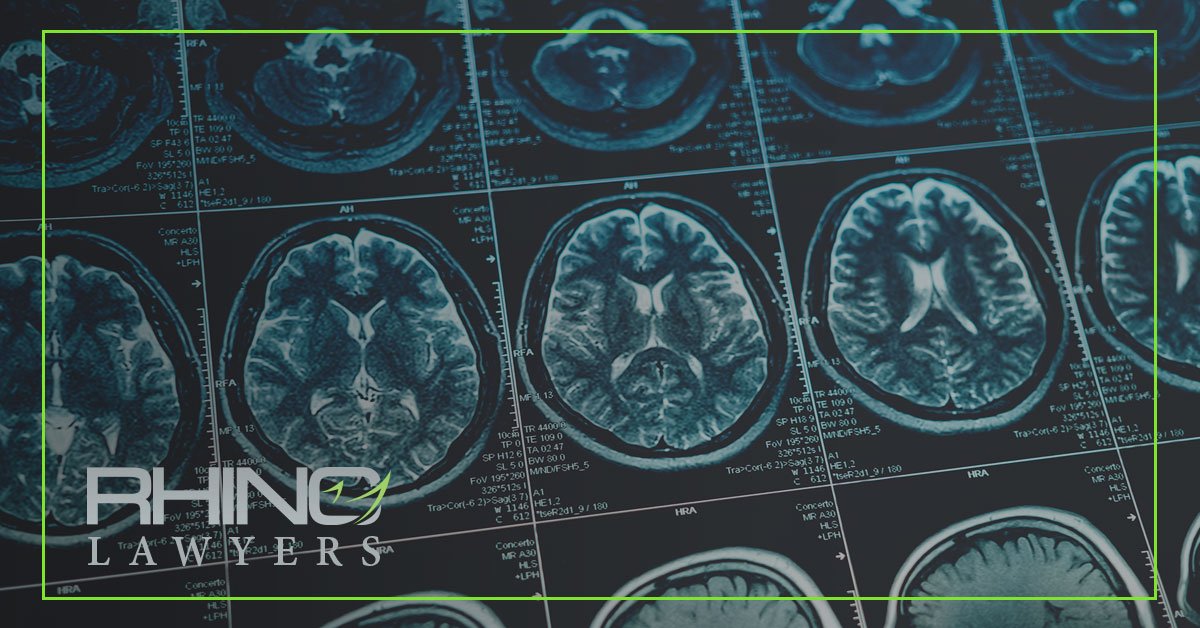
What Are Coup and Contrecoup Brain Injuries?
Driving kills as many Americans each year as guns. As much as we rely on our vehicles, it’s important to recognize that every time we get behind the wheel of an automobile, we put ourselves at serious risk.
Fatalities, of course, aren’t the only concern. Traumatic brain injuries often occur as a result of car accidents. Coupe and contrecoup brain injuries are among the more common types of brain injuries that occur following a serious auto accident.
What do you need to understand about these types of brain injuries if you or someone you love has been in an accident? What are the symptoms and treatments, and how might you afford coverage? Read on and we’ll walk you through what you need to know.
Understanding Coup vs Contrecoup Brain Injury
Traumatic brain injuries (TBIs) are serious and potentially life-threatening medical conditions. They occur when the brain experiences trauma, such as a blow or jolt to the head.
These injuries often occur during car accident incidents because the head is often forcefully collided with some part of the vehicle during an accident.
Two common types of TBI are coup and contrecoup brain injuries. These TBIs are similar but do have some important key differences.
What Is a Coup Brain Injury?
A coup injury is a type of TBI that occurs at the site of impact. This means the injury occurs exactly where the force of the blow is applied. This impact can cause the brain to hit the skull, resulting in bruising, swelling, or bleeding.
If a driver were to be thrust forward in an accident and hit their head against the steering wheel. Then this would likely result in a coup injury.
The injury would likely occur more or less directly where the skull made an impact with the wheel.
What is a Contrecoup Brain Injury?
A contrecoup brain injury, in many ways, is the exact inverse of a coup brain injury.
It occurs on the opposite side of the brain from the site of impact. This happens when the brain rebounds and hits the opposite side of the skull.
This might happen when a driver is rear-ended, and the driver would be pushed backward, against their own seat.
In this situation, the skull might move at a higher velocity than the brain, causing the front of the skull to make an impact on the brain. This means the point of injury might actually occur on the opposite side of the skull where the impact was actually made.
Symptoms of Coup and Contrecoup Injuries
Both coup and contrecoup injuries can occur in any part of the brain, but they most commonly occur in the frontal and temporal lobes.
The severity of the injury can range from mild to severe, and the symptoms can vary depending on the location and extent of the injury. The symptoms might also not be immediate.
They may develop or worsen in the hours and days after the accident. For this reason, it’s important to be on the lookout for signs of trouble even if you initially feel fine when leaving the scene of the accident.
Symptoms can come in many forms: physical, emotional, and cognitive difficulties.
The most common physical symptoms include headaches, dizziness, loss of consciousness, seizures, and difficulty with balance and coordination.
Cognitive symptoms can include confusion, memory loss, and difficulty concentrating. If you have trouble getting thoughts together or communicating with others, it can be a huge sign that some sort of traumatic brain injury has occurred.
Any sort of difficulty with language can be a huge red flag when it comes to this kind of accident.
Emotional symptoms can be harder to parse, but can also be a huge telltale sign of trouble.
These can include mood swings, anxiety, depression, and personality changes. If someone who is usually relaxed and easy-going suddenly becomes easily irritable or impatient, for example, it might be a sign of serious injury.
Diagnosis and Professional Treatment
The diagnosis of a coup or contrecoup injury typically involves a physical examination, as well as imaging tests such as CT scans or MRIs. It’s important to see a medical professional as soon as possible following an accident.
If you think there’s any chance you or a loved one has sustained a traumatic brain injury, it is not a ‘wait and see’ situation. You should seek medical attention right away.
Treatment for these injuries can vary depending on the severity of the injury and the array of symptoms experienced by the car accident victim.
In some cases, surgery may be necessary to relieve pressure on the brain. In other cases, medication and rehabilitation therapy might be all that is needed.
Early identification of this kind of injury can help to provide better treatment and lessen complications that might result from the injury. While this medical treatment can be largely expensive, it will be needed if the patient is to recover.
Experiencing a Brain Injury After a Car Accident
All accidents can be frightening and scary, but those resulting in serious injury can be truly life-altering. If you’ve been in an accident, it’s important to understand what coupe and contrecoup brain injuries are.
Knowing the symptoms to look out for and steps to take can help secure your well-being after a serious accident.
Need help obtaining the compensation that you have a right to following such an incident? Give us a call anytime for aid and assistance.
CONTACT A TAMPA AUTO ACCIDENT ATTORNEY
In short, after a car accident, you may not know your rights. Above all, don’t struggle through the process alone. Actually, our personal injury team is here to help you with any legal needs you might have regarding your accident.
Lastly, let RHINO Lawyers answer your questions and review the facts of your case with a Free Consultation. So, get started by completing the “Free Instant Case Evaluation” or by calling us any time, day or night, at 844.RHINO.77.
Read More
Can I Sue After a Tesla Autopilot Car Accident?
Tesla automobiles have generated a lot of headlines since first hitting the scene in 2008. Not to mention, Elon Musk’s vehicle has been a popular choice for many over the past decade and a half. As well as, the tech advances that these vehicles integrate have received great attention from consumers.
The Tesla autopilot has been one of the most talked about innovations. Self-driving cars represent a potentially exciting future, but questions about liability when it comes to autopilot vehicles have also raised concerns.
Involved in an accident while using Tesla’s Autopilot system? If you have been in an accident involving a Tesla Autopilot car, you may be wondering if you have grounds to sue. What steps can you take if the accident causes an injury?
Read on and we’ll walk you through what you need to know about the basics of this kind of case.
Understanding Tesla Autopilot
First, let’s start with the basics: what is Tesla Autopilot?
Tesla Autopilot is an advanced driver-assistance system (ADAS). It’s designed to help drivers navigate roads more efficiently.
Autopilot uses a combination of small cameras, sensors, and radar to detect and respond to other vehicles, people, and obstacles on the road.
When engaged, Tesla Autopilot can control the acceleration, braking, and steering of a vehicle. That being said, it still requires the driver to remain attentive and ready to take over control at any time.
Tesla has been testing and honing its autopilot for many, many years. It’s only in the past few years that models have been released to the public with these features in place.
Can I Sue Tesla for an Autopilot Accident?
If you have been injured in an accident involving a Tesla Autopilot car, you may be wondering if you can sue Tesla for damages.
The answer depends on many factors. They include the circumstances of the accident, the extent of your injuries, and the specific laws in your state.
To successfully sue Tesla, you would need to establish that the Autopilot system was defective or that Tesla was negligent in some way.
This could be difficult to prove. Tesla generally requires drivers to sign a waiver acknowledging that they are responsible for the safe operation of their vehicle. This means even while using Autopilot.
Tesla has also argued that its Autopilot system is still in beta testing and that drivers should exercise caution and be prepared to take over control at any time.
That being said, there have been several cases in which Tesla has been sued after Autopilot accidents.
In some cases, Tesla has settled out of court, while in others the cases have gone to trial. In one high-profile case, a Tesla owner sued the company after his Model S crashed into a parked fire truck while using Autopilot.
Tesla denied any responsibility for the accident, but ultimately settled the case for an undisclosed amount.
Your success in bringing this kind of lawsuit forward will likely depend on the details of the accident in question. Speaking with a qualified legal professional can help you determine whether or not you have grounds for a lawsuit.
A professional attorney could also help you to determine your likelihood of winning such a case, and how much compensation you might be able to seek.
What to Do After Car Autopilot Accidents
An autopilot accident can be as surprising and shocking as any other. If you’ve been involved in an accident, you might be facing damage and injuries that far exceed what you’re able to afford.
This is why it can be key to seek the compensation that you require to get your life back on track.
If you have been in an accident involving a Tesla Autopilot car, there are several steps you should take to protect your rights. Taking these steps can help to ensure that you receive the compensation you deserve.
1. Seek Medical Attention
Your health and safety should be your top priority after an accident, even if you feel fine! It’s important to get checked out by a medical professional to ensure that you haven’t sustained any injuries that could worsen over time.
2. Gather Evidence
Take photos of the accident scene, the damage to your vehicle, and any injuries you sustained. If possible, get contact information from any witnesses and exchange information with the other driver. Your doctor will also provide documentation that will be key evidence of the injuries that you sustained.
3. Contact an Attorney
A personal injury attorney can help you understand your legal options and determine if you have grounds to sue Tesla for damages. Many attorneys will allow for free consultations for this kind of case, allowing you to get a sense of what’s possible without committing to a firm right away.
4. Notify Your Insurance Company
Report the incident to your insurance company as soon as possible. Your insurance company may be able to provide coverage for your injuries and damage to your vehicle.
Recovering From a Tesla Autopilot Crash
If you’ve been in an accident that’s a result of the use of Tesla autopilot, you’re likely quite curious about what your legal options are. The above information can help you to understand what leads to these types of accidents.
The world of self-driving cars is very new, and it’s important for the law and a sense of justice to prevail when tech doesn’t live up to what it promises.
Need assistance with your Tesla autopilot case? Have more questions? Give us a call anytime for help.
CONTACT A TAMPA AUTO ACCIDENT ATTORNEY
In short, after a car accident, you may not know your rights. Above all, don’t struggle through the process alone. Actually, our personal injury team is here to help you with any legal needs you might have regarding your accident.
Lastly, let RHINO Lawyers answer your questions and review the facts of your case with a Free Consultation. So, get started by completing the “Free Instant Case Evaluation” or by calling us any time, day or night, at 844.RHINO.77.
Read More
I Wasn’t In the Crosswalk, Do I Still Have a Case?
One pedestrian was killed in an accident every one and a half hours in 2020, making up one in six total road deaths.
Pedestrians are a lot more vulnerable. But victims of pedestrian accidents aren’t second-class citizens in the world of personal injury claims. While pedestrians must obey the rules of traffic and use a crosswalk where available, it doesn’t help the complexity of the situation.
Read on to learn why crosswalks aren’t everything in pedestrian accidents.
Can I Get Compensation if I Wasn’t on the Crosswalk?
Crossing without a crosswalk doesn’t preclude pedestrians from compensation in the event of an injury. Sometimes a crosswalk isn’t available. This means a driver should yield to pedestrians and drive with care in pedestrian areas. Failure to do so is negligent behavior.
The compensation question ultimately comes down to a question of fault. Whose fault is an accident, and how to prove that fault?
How Do the Courts Know Who Is at Fault?
Determining who’s at fault in a jaywalking accident depends on several factors and rests upon comparative negligence, which we’ll explain below.
In short: The courts decide to what degree the driver is at fault. If the driver bears no responsibility at all, then they won’t owe compensation. One of the crucial factors in determining fault is the driver’s state at the time of an accident.
Drivers are more likely to be considered negligent if:
- They exceed the speed limit
- The driver is distracted while driving
- They are driving under the influence of drugs or alcohol
- They fail to observe a pedestrian’s right-of-way
Many personal injury cases settle out of court. When they go to court, a jury reviews the available evidence and decides who’s at fault.
To prove that a driver is to blame for an accident, the plaintiff must show that the driver owed care of duty to them. As well as, the driver’s failure to provide that care caused the accident (and resulting injury).
How Likely Am I to Win?
Plaintiffs in personal injury cases related to auto accidents win more than 60% of the time. That said, many attorneys will recommend you accept a settlement if offered to you. Because there’s no risk of a loss, where you would otherwise walk away with nothing.
Florida’s Pedestrian Laws
Pedestrians in Florida abide by Florida’s pedestrian laws, and they factor into the strength of your case. Generally, pedestrians are expected to:
- Obey traffic signals where available
- Use sidewalks and crosswalks where available
- Avoid running into the road
- Avoid crossing intersections diagonally
- Use pedestrian tunnels and overhead crossings where available
- Stay off of highways and freeways
How Right-of-Way Impacts Your Case
Drivers who fail to yield to a pedestrian with right-of-way are far more likely to be considered at fault in an accident. Demonstrating that you had the right-of-way will strengthen your case.
However, pedestrians aren’t automatically granted right-of-way. Drivers must yield to pedestrians at crosswalks. They’re also expected to yield in other places:
- Intersections with stop signs
- Intersections with traffic signals, if the signal indicates a pedestrian can cross
Duty of Care
Drivers have a duty of care to pedestrians – they’re expected to do everything in their power to avoid causing injury. This includes slowing down, switching lanes, honking a horn, and coming to emergency stops.
In other words, a driver who doesn’t honk, brake, or show any intent of preventing injury is failing to provide their duty of care. That’s true even in the event a pedestrian runs out in front of them.
It’s the degree of comparative negligence that makes all the difference.
How Does Comparative Negligence Work in Florida?
The state of Florida uses the comparative negligence rule. In auto and pedestrian accidents, the amount of blame that falls onto each party affects the damages owed.
For instance, if a court finds a driver 70% at fault, then the person hit by a vehicle receives 70% of the compensation. In most cases, that means your insurance provider would cover 30% of the damages, while the driver would cover the remaining 70%.
The comparative negligence rule is a method of considering all facts and reaching an equitable outcome. But, if they show you to have a majority of the fault, it may be more difficult to collect damages.
At times, the comparative negligence ruling can cause all parties to claim damages. But in the case of pedestrian injuries (where it is unlikely for the driver to sustain an injury), this rarely occurs.
How Much Compensation Can I Receive?
The compensation owed to victims of a vehicle accident varies based on the nature of the accident itself. By their nature, pedestrian accidents often result in more serious injuries, including:
- Broken limbs
- Broken bones
- Lacerations and cuts
- Organ damage
- Head injuries
The severity of the injury is the determining factor in the compensation due. On average, personal injury lawsuits across all auto accidents amount to $29,000 – though every case is different and the amount due can vary by a lot.
Documentation of the damages is also important and proving that they resulted from an accident is crucial. Suffering from whiplash, cuts, and bruises alone isn’t enough – you need to be able to prove it to the court.
The best way to learn how much they owe you in damages is to speak with a qualified attorney. Especially, one who focuses on personal injury claims.
Receive Fair Compensation for Your Injury
Crossing without a crosswalk can complicate your claim – but won’t leave it dead in the water. Although, it’s one of many factors in establishing blame. Luckily, a high-quality law firm will build a case from all the facts to ensure you receive compensation for your injuries.
If you have suffered a personal injury as a pedestrian, we can ensure you get the compensation you deserve thanks to our inside knowledge of the insurance companies. We value human-to-human interaction and connect with our clients on a personal level. Click here to book a free video consultation or case review.
CONTACT A TAMPA AUTO ACCIDENT ATTORNEY
In short, after a car accident, you may not know your rights. Above all, don’t struggle through the process alone. Actually, our personal injury team is here to help you with any legal needs you might have regarding your accident.
Lastly, let RHINO Lawyers answer your questions and review the facts of your case with a Free Consultation. So, get started by completing the “Free Instant Case Evaluation” or by calling us any time, day or night, at 844.RHINO.77.
Read More
Understanding Florida’s Medical Malpractice Laws
Every year, people around the United States spend over $10 billion on the medical malpractice insurance industry. More than 8,000 people in the country work at more than 200 businesses to help provide people with insurance against the possibility of medical malpractice.
Those numbers show just how vital it is for many people to protect themselves against medical malpractice. The complexity of medical malpractice laws can make this difficult. It can even be difficult for a layperson to know whether or not they have suffered from medical malpractice in some way or not.
So what exactly is medical malpractice, and how does Florida deal with it? Read on to learn all about the essential things to understand about Florida’s medical malpractice laws!
What Is Medical Malpractice?
Some people think that anytime a surgery or medical treatment goes wrong, that is a case of medical malpractice. However, there are many cases in which a failed surgery does not have anything to do with the doctor making a mistake.
Instead, medical malpractice first requires a doctor to be responsible for providing a minimum standard of care. Then, they have to fail to do so in a way that causes significant damage to a patient.
Malpractice Law Details
To assess whether or not a situation counts as medical malpractice, there are three legal factors you need to consider in Florida. They are the breach of the standard of care, direct causation, and damages.
The standard of care legal doctrine states that doctors have a responsibility to provide a minimum standard of quality when they are treating their patients. If a doctor fails to provide this minimum standard of care, then they may be guilty of medical malpractice.
A doctor may fail to provide the necessary standard of care if they are negligent and do not pay close attention while providing treatment. However, even if a doctor does this, that does not automatically mean that they are guilty of medical malpractice.
The second legal requirement for medical malpractice is the proximate cause. In other words, the failure of a doctor to provide the required minimum standard of care has caused damages of some kind to the patient.
The last legal requirement for medical malpractice is damages. If there are no damages, then there is no viable case. That’s true even if a doctor did make a mistake while providing treatment.
Another detail to keep in mind is that different doctors can be required to meet different minimum standards of care. For example, a specialist might be expected to provide a higher standard of care than a generalist.
It is also vital to remember that Florida places a statute of limitations on medical malpractice cases. In Florida, patients have up to 2 years to file a suit for medical malpractice. The deadline for filing starts as soon as the patient discovers the harm that they have suffered due to poor medical treatment.
Different Kinds of Malpractice
There are a lot of mistakes that can make a doctor guilty of medical malpractice. For example, they might not diagnose their patient’s condition. This will only count as medical malpractice if the court decides that the doctor should have been able to diagnose the condition in question.
Doctors can also be guilty of medical malpractice when they prescribe the wrong medication or dosage for a patient. In other cases, doctors will make a mistake while performing surgery.
Not all surgical mistakes count as medical malpractice. However, some surgeons make mistakes like leaving a tool inside the patient. Some even operate on the wrong part of the body.
When the mistakes that a doctor makes are egregious enough, they may be guilty of negligence. If they are the proximate cause of significant damages, that can lead to medical malpractice.
Calculating Damages in Malpractice Law
When a doctor is guilty of medical malpractice, the patient will often receive economic compensation of some kind. However, any good malpractice guide will emphasize that the amount that a patient receives during a lawsuit can vary a lot. The larger the damages, the larger the potential compensation a patient will receive.
If a patient suffers from chronic pain or mental anguish, that can increase the amount of compensation they will receive. Anything that diminishes a patient’s quality of life can also contribute to the amount of their compensation.
Finding the Right Malpractice Lawyer
Some kinds of lawsuits are more difficult to win than others. As you read through lawsuit guides, keep in mind that your lawyer will do most of the detailed work. The most effective thing you might be able to do to affect the outcome of your case is to make sure to find a quality lawyer.
You can look at reviews for medical malpractice lawyers to help you find a great option. The more experience your lawyer has working with cases like yours, the better the chance that your case will succeed.
Understand Florida Medical Malpractice Laws
Although the medical malpractice laws in Florida can be complicated, we hope that this article has helped clarify them for you. The better you understand Florida’s medical malpractice laws, the better you can assess if you should file a lawsuit. Of course, speaking with a lawyer is the best way to help you assess how likely your case is to succeed.
To learn more about where you can find an experienced medical malpractice legal counsel, reach out and get in touch with us at any time!
CONTACT A TAMPA Medical Malpractice ATTORNEY
In short, if you believe you’re a victim of medical malpractice, you may not know your rights. Above all, don’t struggle through the process alone. Actually, our personal injury team is here to help you with any legal needs you might have regarding your case.
Lastly, let RHINO Lawyers answer your questions and review the facts of your case with a Free Consultation. So, get started by completing the “Free Instant Case Evaluation” or by calling us any time, day or night, at 844.RHINO.77.
Read More