What Happens if You’re Uninsured at the Time of an Accident?

If you’re one of the 12% of drivers who are insured, one of the most common questions you have is, What happens if I get in a car accident?
The truth is, getting into a vehicle accident with no insurance can be scary. You’re going to stress about paying for the damages. And, most importantly. you’ll think about how to get back on the road quickly so you can keep going to work.
With the right legal knowledge, you’ll be able to save money and time by knowing exactly which costs you’re responsible for. You may even be able to recoup some of the money you lost due to the accident. We’ll walk you through everything you need to know when you’ve been in a car accident with no insurance.
When the Vehicle Accident Is Your Fault
As the at-fault driver, you’ll be hit with a hefty fine for driving uninsured-and those fines can range from state to state. For example, if you’re caught driving without insurance in Florida, you can pay up to $500 per violation. That’s some serious damage to your bank account.
Not only that, but you’ll be solely responsible for repairing any damage caused to the other driver’s vehicle. You’ll also be the one who has to pay for their medical bills. And if anyone else was harmed in the accident, that’s another expense you’ll have to cover.
What’s more, if the other driver decides to sue you, you’ll have to pay all your legal fees out of pocket. And, in some cases, you’ll also be responsible for their legal fees as well.
On top of all this, your license could be suspended until you pay off all the fines and fees, which could take years.
What Happens When You Can’t Afford the Fines and Fees
If you can’t pay for the damages, a court may allow the other driver to recoup those expenses from your paycheck. Under this ruling, the insured driver can receive a percentage of your pay until all of their bills are covered. This includes repairs, medical expenses, lost income, and even pain and suffering.
Also, if you neglect to pay the fines, you could be charged with a misdemeanor. In extreme cases, the court will put out a warrant for your arrest. While this doesn’t usually happen, it is possible if you have a previous criminal record.
If you are arrested or punished more severely than seems fair, contact a lawyer. They may be able to reduce your fine or sentence.
At Fault Car Accident in a State That Doesn’t Require Insurance
If you’re unlucky enough to be involved in an uninsured car accident, the financial implications for you will vary depending on the state where you live. There are 12 states that are considered no-fault insurance states:
- Utah
- Hawaii
- Florida
- Kansas
- Michigan
- Kentucky
- New York
- Minnesota
- New Jersey
- Pennsylvania
- North Dakota
- Massachusetts
If you were driving uninsured and caused an accident in one of those 12 states, the other driver’s insurance will pay for the damage. But there is a limit to how much the insurance company is responsible for. If the damage exceeds this limit, you must cover the excess cost.
And while you aren’t responsible for the damages below the insurance company’s limit, the other driver can still sue you. Also, you’ll still have to deal with fines, as well as the other consequences of being uninsured.
When the Car Accident Was Not Your Fault
You can lose your driver’s license even if you are not the at-fault driver. If the police are called and you can’t prove that you have insurance, your driver’s license may be suspended.
Worse, driving without insurance can be considered negligent. As a result, police have the authority to seize your vehicle.
Furthermore, if your state penalizes driers who fail to get insurance, you will be required to pay the fee even if you did not cause the accident.
Finally, you’ll have to pay for your own vehicle’s damage. This could be a few hundred dollars or the cost of a whole new car.
Suing for Damages
If you live in a state with no pay, no play laws, uninsured drivers can sue for money associated with medical bills and property damage. However, they can’t sue for pain and suffering.
Each state has its own regulations regarding the no pay, no play rule. For example, in New Jersey, the at-fault driver does not have to pay the uninsured anything at all. In California, however, an uninsured driver can get reimbursed for medical fees, but nothing more.
Let’s say you live in a state where the no pay, no play law is nonexistent. In that case, you have the freedom to sue the driver for damages. However, you will still receive fines for exposing yourself as an uninsured driver.
What to Do in a Car Accident When You’re Uninsured
If you’ve been in an accident without insurance, stay at the scene until the police arrive. The penalties for leaving an accident you’ve caused can lead to jail time.
You’ll also need to get the contact information of the other driver and any witnesses. Taking pictures helps too. You can use them as evidence and present them to law enforcement if necessary.
Next, you’ll need to get to work with a lawyer who can protect your financial security. It’s best to reach out to one as soon as the accident happens. The attorney will take the time to consider all of the details of your case and explain your options under the law.
Get Help From an Auto Accident Attorney
If you’re ever in a car accident without insurance, you need to know your rights. And since the law can always be a confusing thing, it’s a good idea to turn to someone who has experience with these situations.
After a vehicle accident, call our team at RHINO Lawyers. You can get a free case analysis and learn some of your options. The sooner you reach out to us, the better we can help prepare your case.
CONTACT A TAMPA AUTO ACCIDENT ATTORNEY
In short, after a car accident, you may not know your rights. Above all, don’t struggle through the process alone. Actually, our personal injury team is here to help you with any legal needs you might have regarding your accident.
Lastly, let RHINO Lawyers answer your questions and review the facts of your case with a Free Consultation. So, get started by completing the “Free Instant Case Evaluation” or by calling us any time, day or night, at 844.RHINO.77.
Read More
Letter of Protection and Auto Accidents

When you sustain injuries from an auto accident or other major incident, it can take time for your health insurance to kick in and take care of your bills. Auto insurance companies and other insurance companies won’t pay as you seek treatment.
Instead, they expect you first to take care of those bills and submit them to their office for review. Although that may not sound like a bad thing, healthcare bills can quickly add up, and your healthcare provider may stop treating you until you pay them for your outstanding bills. According to the CDC, the cost of medical care after an auto accident costs healthcare providers over $75 billion every year.
So what are you to do in this type of situation? Obtain a letter of protection.
If you have heard about a letter of protection, but you aren’t sure if it can help your situation, you came to the right place. We will cover what this essential legal document is, what it can do for you, and who you can contact for further guidance.
What Is a Letter of Protection?
Medical treatment for auto accident injuries or other personal injury cases can quickly become expensive. Even if you have insurance or are in the process of suing the at-fault party for your damages and injuries, it can take some time before you receive your settlement.
If you can’t pay for your medical care, your attorney can draft a letter of protection on your behalf. This legal paper guarantees payment for your medical expenses once your case settles.
How Does a Letter of Protection Work?
A letter of protection LOP is a legal contract that binds you, your health care provider, and your attorney. In certain situations, your attorney may draft up this letter to stop collection efforts on medical bills if your insurer denies payment.
For example, let’s say you were involved in a rear-end auto accident that left you with injuries. As you go about going treatment, your medical insurance company may refuse to pay for your care because there is an at-fault party that should issue payment instead. When your lawyer issues the letter of protection, you can continue to seek treatment for injuries.
Are LOPs Common?
Letters of protection are relatively common in personal injury cases. Most healthcare providers look for ways to ensure they receive payment for their services.
This especially happens in cases where an at-fault party can pay instead of your private health insurer.
Some medical providers make their own LOPs that provide a lien against your injury claim.
If you receive a document from a hospital or your doctor that looks like a LOP, make sure you give it to your attorney. The wording in that document may bind you to the hospital, which will leave your attorney out of the equation.
When Will My Medical Bills Get Paid?
As mentioned earlier, your settlement amount will pay your hospital bills from a car accident once your case settles. Your attorney is legally obligated to pay off your medical bills with your settlement money. If you lose your case, you will bear responsibility for paying your bills.
Benefits of a LOP
Suppose you don’t have medical insurance or cannot afford to pay for your medical treatment after an accident. In that case, you can benefit from having your personal injury attorney draft this letter. Even if you are unsure when your settlement will come through, you can use this document to get the treatment you need.
Preserves Your Credit Score
Not only does this allow you to get the help you need, but it also protects your credit score. Credit collection agencies cannot reach out to you about your medical bills as long as you have a valid letter of protection.
Attorneys Can Negotiate a Fair Settlement
As you know, personal injury cases can drag on for months, if not years, before you will hear about the final verdict. While your lawyer fights for the compensation you deserve, you can continue to seek medical treatment.
You won’t have to worry about accepting a low offer just because you need to pay for your medical expenses. Instead, your attorney can focus more of their time and efforts on negotiating your case.
LOPs and Auto Accident Medical Bills
Typically, when you go to the doctor, you must pay for your treatment at the time of services rendered. Most people don’t realize that health insurance plans refuse to make payments for medical treatments related to auto accidents.
As mentioned earlier, this is because there is a possible at-fault party who can pay for your treatment. Health insurance providers don’t like to pay for anything they don’t have to. They expect you to look towards the auto insurer to pay your debts.
Unfortunately, auto carriers don’t pay for medical care as you need it. Instead, they expect you to pay for your treatment and then submit your bills all at once. If you have an attorney, they can’t make any payments until after you complete treatment and settle the case.
Even if you don’t have an attorney, auto insurers still won’t provide you with a settlement amount until you’re close to finishing or have entirely finished treatment. They know that you are under a lot of stress and want this situation to be done with.
So to “help you out,” they will quickly offer you a low settlement offer. To ensure that you get the proper compensation and treatment you deserve, you can reach out to a reputable personal injury attorney to issue a letter of protection on your behalf.
Receive the Treatment and Settlement You Deserve
After an auto accident or other significant event, taking care of yourself is more than just paying for medical bills. You also have to heal and financially plan for life after the incident mentally.
To protect your credit and your medical treatment plan, you will need your attorney to send a letter of protection on your behalf. Contact us now if you need a reputable personal injury attorney to handle your case and issue this legal document.
We understand the importance of getting back on your feet after an accident. Allow us to take care of your case while you focus on healing and planning for the future.
CONTACT A TAMPA AUTO ACCIDENT ATTORNEY
In short, after a car accident, you may not know your rights. Above all, don’t struggle through the process alone. Actually, our personal injury team is here to help you with any legal needs you might have regarding your accident.
Lastly, let RHINO Lawyers answer your questions and review the facts of your case with a Free Consultation. So, get started by completing the “Free Instant Case Evaluation” or by calling us any time, day or night, at 844.RHINO.77.
Read More
What Does Full Coverage Really Mean?

It might surprise you that around 12.6% of drivers have no auto insurance. It’s true, though. Many people drive without coverage.
Auto insurance comes in many forms, but you’ll pay more for full coverage than liability-only insurance. However, a full-coverage policy provides more protection, so many people choose these policies for the added coverage.
If you recently had an auto accident, learning what full coverage offers might be a vital fact to your case. Therefore, you should learn.
This guide explains full coverage insurance, which might help you learn more about your coverage and rights after a car accident.
It Includes Liability Coverage
A full coverage car insurance policy comes with multiple types of coverage, including liability. Liability coverage is a basic form of coverage that protects you against damages you cause to others.
For example, if you fail to stop at a stop sign and collide with a driver, you’re responsible for the damages the other driver encounters. Your auto liability coverage pays these expenses if you have auto insurance.
Liability insurance provides compensation for several things, including the following:
- Damages to the person’s car
- Medical bills
- Lost wages
When you’re the victim of an accident, the at-fault driver’s liability coverage pays for your damages, assuming they have auto insurance. The downside is that many drivers don’t have insurance, even though it’s required by law.
If the person who caused the accident has liability insurance, you can file a claim with their insurance provider for your damages. If they don’t have insurance, you’ll need a lawyer to settle the claim.
Full-Coverage Covers Collisions
Full-coverage vehicle insurance also covers collisions. Collision protection is one unique aspect of a full-coverage policy, as it protects your vehicle, while liability covers other cars.
People with vehicle loans must carry collision coverage, as their lenders require it. However, you don’t need a loan to add collision coverage to your plan. You can add it to any plan for coverage on any vehicle you own.
The benefit of collision coverage is that it provides compensation for your vehicle even if you cause an accident. In other words, you won’t have to rely on filing a claim with someone else’s insurance policy.
Collision coverage has exclusions with the damage it covers. For example, if you hit an animal while driving, collision coverage might not cover the accident.
In most cases, a driver’s collision coverage compensates them for vehicle damages, medical bills, and other damages. Collision coverage is not the insurance that provides compensation to a car accident victim, though.
One thing to note is that you should always seek medical help after an accident, whether you or someone else caused it. You may want to consider some common symptoms of car accident injuries to know if you need help.
Seeking help right away helps connect the injuries you have to the accident.
It Also Covers Other Causes of Damage
When referring to full-coverage insurance, you should know about another coverage type to expect. This type is called comprehensive car insurance coverage.
So, how is comprehensive different from collision?
First, comprehensive doesn’t cover collisions with other vehicles. Instead, it covers collisions with animals, but that’s not all.
Comprehensive insurance covers many other forms of damage you might experience, including the following:
- Theft
- Fire
- Hail
- Vandalism
- Wind
- Storm
A car might encounter dents, scratches, and broken windows from high winds causing a tree to fall on it. If so, your comprehensive coverage protects you.
Another driver’s comprehensive policy wouldn’t offer compensation to you if that person caused a collision with your car.
Full-Coverage Comes With Underinsured and Uninsured Coverage
You can fully protect a vehicle through full-coverage insurance because it includes a couple of other coverage types that you might need. Here are the two types:
Uninsured Motorist Coverage
First, having full coverage means that you have coverage for accidents with uninsured drivers. By now, you might understand how the at-fault driver’s insurance covers your damages, but some drivers don’t have insurance.
When a driver doesn’t have auto insurance, you might find yourself in a precarious position. After all, what do you do to recover the damages the other driver is responsible for?
Well, one option is to file a claim with your uninsured motorist coverage insurance. This insurance type is for this particular situation, and that’s its only purpose. It protects you from drivers who don’t follow the law.
Underinsured Motorist Coverage
Secondly, your full coverage policy should also include underinsured motorists. This coverage works like uninsured motorist coverage, but it’s for situations when at-fault drivers don’t have enough insurance.
For example, if an at-fault driver has a minimum coverage plan, it might not cover all your damages. If this happens, you can use your underinsured coverage to receive the rest of the money you should receive.
Your Rights After a Car Accident
Understanding how full coverage insurance works is helpful if you ever need to file a claim. It’s especially helpful if someone else causes an accident that leaves you with damages.
If you’re a car accident victim, you might wonder what your rights are afterward.
First, you have the right to seek compensation from the other driver. Secondly, you have the right to seek compensation from your insurance provider.
Third, you have the right to hire a car accident lawyer for help. A car accident lawyer reviews the case and offers the best advice.
If you hire a lawyer, you’ll have someone fighting for you, and you might receive more compensation by handling it this way.
Speak With an Attorney About Your Accident and Coverage
You can fully protect yourself by purchasing a full-coverage auto insurance policy. Your policy won’t stop accidents from occurring, but it can give you peace of mind after one happens.
If you need legal advice about a recent accident, contact RHINO Lawyers. We would love to hear from you, and we offer services in Lakeland and Tampa, FL.
CONTACT A TAMPA AUTO ACCIDENT ATTORNEY
In short, after a car accident, you may not know your rights. Above all, don’t struggle through the process alone. Actually, our personal injury team is here to help you with any legal needs you might have regarding your accident.
Lastly, let RHINO Lawyers answer your questions and review the facts of your case with a Free Consultation. So, get started by completing the “Free Instant Case Evaluation” or by calling us any time, day or night, at 844.RHINO.77.
Read More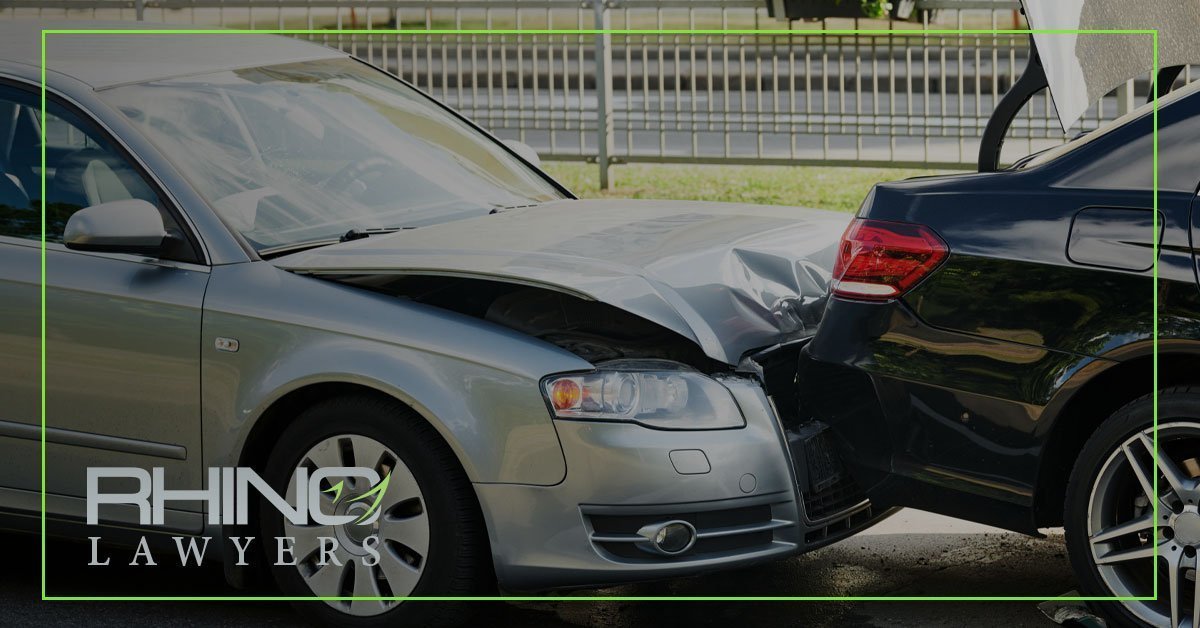
Deadly Car Accidents Rise in 2022
All across America, fatal car accidents are increasing in the wake of the Covid-19 pandemic. An estimated 46,000 people lost their lives in an automobile-related accident in 2021.
This number is even higher than in 2020, which saw roughly 42,000 accident deaths. 2020 was the first time in three years that the number of car accident fatalities increased.
The road can be a very dangerous place, and Americans rely on their cars to get them to work or school every day. You need to know how to protect yourself and your family while you drive.
Read on to learn why fatal car accident fatalities are increasing and what you can do to stay safe.
Why Are Car Accidents Increasing?
Despite driving fewer miles than in previous years, the number of Americans involved in car accidents increased in 2020 and 2021. This baffled officials at first, but more information has come to light.
More Risky Behavior
Many blame side-effects from the pandemic for the rise in fatal car accidents. It altered the way everyone lives their lives, and some engaged in more risky behavior due to being forced to live through a global pandemic.
More people than ever engage in speeding, driving under the influence, and driving without a seat belt. This naturally leads to a rise in accident fatalities.
Why these behaviors are increasing could relate to the way people felt during the pandemic. Many felt trapped in their homes and thought being forced to live through a global pandemic could excuse these behaviors.
This change of psychology is reflected in society at large. The usage rates of drugs and alcohol are higher than pre-pandemic numbers.
Some also feel that risky driving practices allowed some Americans to relieve stress during the hardest months of pandemic-related lockdowns.
All of this adds up to a much higher number of car accident fatalities.
Fewer Cars on the Road
With most people forced to stay at home during 2020 and 2021, there were fewer cars on the road than ever before. Many freeways, especially in the rural areas hit hardest by rising accident fatalities, were wide open.
This is another reason for the increased amount of speeders. With more room to drive, people drove faster than before.
Speed plays an important role in the severity of car accidents. When one is traveling at a high rate of speed, accidents are much more likely to be fatal. This has to do with the amount of energy generated in a car crash.
Less Enforcement
In the past few years, police haven’t been enforcing road laws as rigidly as before. As a result, more people feel like they can get away with things that would previously earn them a traffic violation.
The decreased amount of traffic stops had to do with limiting officers’ interaction with the public. It was an effort to protect the health of law enforcement officials.
How law enforcement will respond to these deadly car accidents remains to be seen. However, you can expect the number of officers on the road to increase in an attempt to put a stop to the rising accident rates.
American Roads Are Notoriously Unsafe
With miles of highways and near-endless suburban sprawl, the infrastructure in the U.S. lends itself to being particularly unsafe for drivers and pedestrians.
All across the country, the streets pedestrians and bicyclists are forced to share the road with cars traveling more than 30 miles per hour. Along these roads are numerous curves, bends, and stopping points, which are bound to create accidents.
To make matters worse, these roads are lined with shops, restaurants, and other attractions. People crowd these places that put them close to cars and the dangers of the road.
Protecting Yourself From Car Accidents
Navigating American roadways has become increasingly dangerous, but you can take action to protect yourself and your loved ones. It’s more important now than ever before.
Drive Attentively
The best way to avoid accidents and stay safe while behind the wheel of a car is to always pay attention while you drive. Distracted driving claims more than 3,000 lives per year.
This means always focusing on the road. Keep your cell phone in your pocket or purse and avoid eating or drinking while cruising down the freeway.
Also, you should never under any circumstances drive while under the influence of drugs or alcohol. In addition to being highly illegal, these substances rob you of your ability to focus.
Wear Your Seatbelt
Riding in the front seat of a car without a seatbelt is illegal in almost any circumstance. Seatbelts really do save lives, and airbags are not enough to prevent serious injuries or death.
As the driver, it’s also your responsibility to ensure that your passengers are also buckled up safely. If you have children, make sure they’re seated in an appropriately-sized car seat. Seatbelts won’t properly secure a small child without one.
Practice Defensive Driving
Obeying all posted traffic laws is a great way to stay safe on the road, but you may leave yourself vulnerable if you expect all other drivers to do the same. Defensive driving is an invaluable practice to reduce your risk of getting into an accident.
Defensive driving means exercising foresight while behind the wheel. You actively consider other drivers and plan for what they might do. Always look down cross-streets before turning and leave room to stop when pulling up to an intersection.
Keep Your Car in Good Condition
You could be the best driver on the road, always paying attention, wearing your seat belt, and driving defensively, but all that could be for nothing if you blow a tire or can’t clear your windshield.
Before you drive, always check your car. Make sure you have air in your tires and appropriate levels of oil and wiper fluid.
Stay Safe: Fatal Car Accidents are Increasing
Many officials cite the pandemic as why fatal car accidents are increasing. People are engaging in more risk-taking behavior and the lack of cars on the road led to faster driving habits.
Protect yourself and your family by staying attentive while behind the wheel, wearing a seatbelt, and maintaining defensive driving habits.
Injured in a car accident? RHINO Lawyers is here to offer their help. Contact the legal team and schedule a consultation today.
CONTACT A TAMPA AUTO ACCIDENT ATTORNEY
In short, after a car accident, you may not know your rights. Above all, don’t struggle through the process alone. Actually, our personal injury team is here to help you with any legal needs you might have regarding your accident.
Lastly, let RHINO Lawyers answer your questions and review the facts of your case with a Free Consultation. So, get started by completing the “Free Instant Case Evaluation” or by calling us any time, day or night, at 844.RHINO.77.
Read More
Can Parents be Held Liable for a Car Accident Caused by Their Teenager?
Did you know that the rate of fatal crashes per mile for 16 to 19 year-olds is three times the amount for those 20 and older? So, this may leave parents wondering if they could be liable for a teenage car accident.
It’s a question that many parents of teen drivers have asked, and one that has divided opinions. Some people may believe that parents can be responsible if their child causes an accident. While others believe that the child is the only one responsible. So what do the experts and the law say about it?
We’re going to take a closer look at this question and help you understand what affects the answer. Keep reading if you want the answers.
What Is Parental and Vicarious Liability?
Liability is the legal responsibility for damages. So, when we talk about “parent liability,” we’re referring to a parent’s responsibility for their child’s actions. And “vicarious liability” is a legal doctrine that holds one person indirectly responsible for the actions of another.
Now, in some states, they do not hold parents vicariously liable for their teenage drivers’ car accidents. This means that, even if the parent owns the car their child was driving, they’re not legally responsible for any damage or injuries caused by the accident.
Additionally, if the parent knew their child was not a safe driver but allowed them to drive anyway. They could be liable for negligence. This is, “negligent entrustment”. This is a cause of action that arises when one party is liable for negligence for providing another party with something that could cause danger, and actual harm or the injury caused.
How It Works In Florida
Under Florida’s law, parents are responsible for any injuries or damages caused by their minor child’s negligence while driving. Mentioned specifically under Florida’s Statutes section 322.09.
Any time a minor applies for a driver’s license in Florida, the parent or guardian must also sign and verify that they are willing to assume responsibility. In general, a parent or guardian has to sign for the driver’s license if the driver is under the age of 18.
The parent and the child would both be responsible for any monetary compensation that’s owed to the other involved party. This can include anything from a minor accident to an accident that involved drunk driving or texting and resulted in multiple injured parties.
Here’s a good example. If a minor causes an accident because they were texting, generally multitasking, or weren’t paying attention, the parent or guardian would be responsible for any injuries caused. That could include having to claim responsibility for the injured parties’ medical expenses, property damage, and even loss of income.
What If a Teenage Car Accident Happens When They Borrowed YOUR CAR?
If your teenage child causes an accident while borrowing your car, you may be responsible for any damage or injuries that occur. This is because, in many states, the owner of the car is responsible for any accidents that occur while it’s operational.
This falls under the “Registered-Owner” rule. This rule expresses that the registered owner of a vehicle whose operation ends up causing injury is liable.
So, if your teenage child borrows your car and causes an accident, you could be liable for their actions. The best thing to do here is to check your specific state’s laws concerned with teenage driving. Or, it would be even more beneficial to talk with a professional if you have any concerns or questions before your teenager(s) starts to drive.
A Look at Deadly Car Accidents Rise in 2022
Every year, at least 3700 people across the world get killed in vehicle accidents in a day. In 2022, the statistics for car accidents were updated to reflect a few important areas of driving and driving safety. Unfortunately, car accidents are the leading cause of death in the U.S. for healthy individuals.
At least 2.5 million people are either seriously injured or are unfortunately disabled from these accidents. At least 9% of car accidents concerning teenagers are often from becoming distracted. Additionally, concerning younger drives between 16 and 21, the most common car crash involving this age group is colliding with fixed objects. This could be trees, guardrails, or even utility poles.
With more car accidents happening between 4:00 pm and 8:00 pm, there is always the need to pay close attention to teenage drivers.
Can Parents Protect Themselves From Liability for an Accident Caused by Their Child?
There are some steps parents can take to protect themselves from liability for their teenage child’s car accidents. These include the following:
Setting Rules for Driving
Parents should set rules for their teenage children when it comes to driving. These rules should include things like not drinking and driving, limiting or not driving with passengers at all, and not driving at night.
Putting the Child on the Insurance Policy
Parents can protect themselves by putting their teenage child and the specific car on their insurance policy. This will help to ensure that the parent is not made liable if the child causes an accident. Parents should also be co-registered on the vehicle that the teenager drives.
Don’t forget to add your child and the car to your umbrella liability policy as well.
Supervise as Needed
For best practice, make sure to ride with or supervise your teenager while they drive. This is a good way to catch mistakes in driving early on or to keep accidents from happening while riding.
So, there are some steps parents can take to protect themselves from liability for a teenage car accident. By taking these steps, parents can help to ensure that they are not held responsible for their child’s actions.
Get the Guidance You Need
Whether you were in an accident or if there was a teenage car accident, consider working with RHINO Lawyers and partnering with a lawyer that focuses on auto accidents. Our team of knowledgeable, experienced, and concerned attorneys, knows that insurance companies can be bullies and that the process can be hard to navigate.
With all of this in mind, we work to build a defense for you, with you in mind. Get in touch with us today if you’re interested in learning more.
CONTACT A TAMPA AUTO ACCIDENT ATTORNEY
In short, after a car accident, you may not know your rights. Above all, don’t struggle through the process alone. Actually, our personal injury team is here to help you with any legal needs you might have regarding your accident.
Lastly, let RHINO Lawyers answer your questions and review the facts of your case with a Free Consultation. So, get started by completing the “Free Instant Case Evaluation” or by calling us any time, day or night, at 844.RHINO.77.
Read More
Can You Seek Compensation if You Received a Traffic Citation?
Auto insurance exists to help people when they get into a car accident. At this time, your insurance company can pay for damages to the vehicles involved and help you receive coverage for injuries. But what if you receive a traffic citation in this event? For example, what if you bear guilt for speeding or running a light? Sometimes, these actions cause or contribute to an accident.
These traffic violations may not prevent you from filing an insurance claim. However, they could complicate your chances of receiving the claim.
If you’re wondering how this works, don’t worry! We’ll explore these conditions in the guide below. So, without further ado, let’s jump right in!
Types of Traffic Violations that Could Affect Your Claim
A traffic citation does not immediately place you at fault for an accident. However, they often demonstrate that you played a part in the crash. Essentially, they prove that you weren’t an innocent bystander.
What traffic violations could affect your claim? Some of these include:
- Speeding
- Failure to yield
- Failure to come to a complete stop at a sign or light
- Distracted driving (checking your phone, messing with the radio, etc.)
- Following another vehicle too closely
- Driving on the wrong side of the road
These violations can easily contribute to an accident or crash. For example, let’s say you run a red light. When you do, you T-bone a car turning left.
In this instance, your action places you at fault. However, other infractions may not place you at fault.
For example, failing to display your license plate has nothing to do with a car accident. Infractions like these wouldn’t play a role when making an insurance claim.
Determining Fault in a Claim After Traffic Citation
State laws differ in how they handle blame in a car accident. Some states follow a policy of comparative negligence.
Others follow contributory negligence to determine fault. Your state’s laws play a significant role in deciding whether you can file a claim after receiving a traffic citation.
Comparative Negligence
Comparative negligence may consider both drivers to bear fault in a car crash. For example, one vehicle may have forgotten to use its turn signal when making a turn. The other vehicle may have run a red light.
In such a case, the person who ran the red light would bear most of the blame. However, the driver who didn’t use their turn signal may also share 10% of the blame.
How does this affect their insurance claim? The driver who neglected their turn signal would see a 10% decrease in their total compensation. However, the driver with 90% blame could only receive 10% of their final claim.
Contributory Negligence
Contributory negligence forbids a driver who contributed to a collision from receiving compensation. For example, let’s say you’re driving at the speed limit on a 55 mph road. Then, you go through a yellow light just as it turns red.
Across from you is a car going 90 mph and operated by a drunk driver. That driver blows through a stop sign and collides with you.
Obviously, most of the fault lies with the drunk driver who has violated numerous state and federal laws. However, the court may determine you to be 6% responsible for the accident for driving through the “red” light.
The contributory negligence system would bar you from recovering any funds from the other driver. If this system seems unfair to you, don’t worry. Most states agree, which is why only five states in the US use this system.
Other Evidence When Making an Insurance Claim
Let’s assume that your state operates on a comparative negligence system. If so, remember that your traffic citation is only one piece of evidence in your insurance claim. These citations, although relevant, don’t necessarily paint a complete picture of how the accident occurred.
Likewise, citations don’t prove fault in an accident. So, car accident attorneys can work with other pieces of evidence to determine who was liable for the accident.
Eyewitness Statements
First, they can work with eyewitness statements. Most wrecks occur on roads with significant traffic levels. So, a third party most likely saw your accident and can provide testimony as to what they saw.
Police officers often collect these eyewitness reports when they arrive at the scene. Your attorney can then work with those reports to demonstrate your innocence in the accident.
Video Surveillance and Footage
Another type of evidence is video surveillance. Several traffic lights and street lights contain surveillance cameras that monitor what happens on the road. Professionals can use these recordings to determine which driver bears the most fault.
Sometimes, bystanders also capture the wreck on their dashboard or cellphone cameras. Your attorney can consult these videos if the recorders grant them access. This way, they have additional evidence to make your case.
Environmental Factors
Finally, there’s environmental evidence. Factors on the road, such as skid marks or road signs, can demonstrate that a driver violated traffic laws. For example, deep skid marks often indicate that a driver was going too fast when they tried to brake.
Road signs can also provide evidence for somebody’s testimony. For example, let’s say you claim the other driver is at fault because they ran a stop sign. If there’s a stop sign on their side of the road, that lends belief to your case.
Don’t Let a Traffic Citation Stop You From Filing an Insurance Claim
A traffic citation is only one piece of evidence in your insurance claim. While it may demonstrate fault for you, several other factors could prove otherwise.
If you’re in doubt about your case, consult professionals! We at RHINO Lawyers have a passion for helping our clients receive the compensation they need.
Our success rates speak for themselves. Our work has helped us transform one-time clients into lasting relationships. So, contact us today if you need help with a traffic citation!
CONTACT A TAMPA AUTO ACCIDENT ATTORNEY
In short, after a car accident, you may not know your rights. Above all, don’t struggle through the process alone. Actually, our personal injury team is here to help you with any legal needs you might have regarding your accident.
Lastly, let RHINO Lawyers answer your questions and review the facts of your case with a Free Consultation. So, get started by completing the “Free Instant Case Evaluation” or by calling us any time, day or night, at 844.RHINO.77.
Read More
Can You Still File a Crash Claim Without Insurance?

In 2020, over 3,000 Floridians died in car accidents. This number is only a small fraction of non-fatal car accidents that did result in injuries.
Florida is a no-fault state, which means that when you get in a car accident, you turn to your own insurance to cover the damages. The big question is, what if you don’t have insurance?
Can you file a crash claim without insurance in Florida? Without a claim, who will cover your damages? What other penalties might you face without having insurance?
Read on to learn more about what to expect after getting into a car accident in Florida without car insurance.
What to Expect After an Uninsured Accident
First, let’s talk briefly about the legal implications of driving a car without insurance. In the state of Florida, you are required to have at least partial car insurance. This includes $10,000 of PIP (personal injury protection) coverage and $10,000 of property damage coverage.
If the car belongs to you and you have not insured it (or let the insurance policy go), you can face some serious penalties, including:
- license suspension until you prove that you have purchased insurance
- a $150 fee to reinstate your license
- license plate suspension
That said, if the other driver caused the accident, you should still call the police. Yes, this means that you may have to face penalties for driving without insurance. However, a police report can go a long way when it comes to filing a car crash claim, especially when you or your passengers were injured.
What If the Car Accident Was Your Fault?
If the car accident was your fault, you will not have grounds to file a car crash claim. However, if you’re lucky, the other driver will be able to cover all of their related expenses (like medical bills and property damage) with their own insurance. But, if the expenses outweigh their coverage, they can bring a claim against you.
In addition to those possible expenses, you will need to pay for your own medical bills and property damage out of pocket.
What If the Car Accident Was the Other Driver’s Fault?
As we mentioned earlier, Florida is a no-fault state. That means that if both drivers involved in a crash are insured, they begin by filing a claim with their own insurance. They can then use their own coverage to pay for things like property damage and medical bills related to the crash.
When you don’t have insurance, you have no policy to file your claim with. If the other driver was at fault, can you receive compensation from their car insurance?
The answer is sort of. If you were injured in the accident, you may be able to receive compensation from the other driver’s bodily injury coverage. You cannot receive compensation from their personal injury protection coverage.
However, bodily injury coverage is not currently required in Florida. That means that the other driver may not have that insurance-provided compensation to offer.
What If the Car Was Insured by Someone Else?
As an uninsured driver, you’re in the worst shape if you were driving your own car. What if you’re an uninsured driver because you don’t own a car? What if the car you were driving belongs to someone else who does have insurance?
If you were driving someone else’s insured vehicle with their permission, you’re in luck. Their insurance will provide at least some compensation. The vehicle owner will be able to access their own property damage coverage to pay for vehicle repairs and you may be entitled to some of their personal injury protection coverage, as well.
What If the Insurance Policy Doesn’t Cover Damages? Do You Sue?
Let’s look at a few different scenarios. One is that you were driving your own car without insurance and an insured driver caused an accident that resulted in your injuries. The other is that you were driving someone else’s insured car and an insured driver caused an accident that resulted in your injuries.
Now, let’s say none of the insurance coverage that you’re entitled to can cover the cost of your medical bills and other financial burdens. What are your options?
Believe it or not, you can file a car crash claim against the other driver. However, you will need to hire a skilled car crash attorney, first.
Fighting a car crash claim when you were driving without insurance isn’t easy. Whether you’re up against the other driver’s insurance company or the other driver, themselves, you will need legal guidance. Without a lawyer, it will be next to impossible to get a ruling in your favor.
What If Neither Driver Has Insurance?
What happens if neither you nor the other driver involved has insurance? While this isn’t a common occurrence, it can happen and the outcome isn’t great.
When neither driver has insurance, neither driver can appeal for coverage. Both are left with the expenses related to the car accident. While the driver who was not at fault can sue the driver that was, it’s not a guarantee that coverage will be provided, as the other driver may not have the means to do so.
Hire a Lawyer to File a Car Crash Claim Without Insurance
When you get into a car accident and have no car insurance in a no-fault state, things can get dicey fast. If the accident was not your fault, be sure to call the police first, seek medical attention second, and contact a lawyer third.
Do you want RHINO Lawyers to represent your Tampa car accident claim? Contact us to get a free case consultation over video chat or via email. From there, you can decide if we’re the lawyers you want in your corner as you seek compensation.
CONTACT A TAMPA AUTO ACCIDENT ATTORNEY
In short, after a car accident, you may not know your rights. Above all, don’t struggle through the process alone. Actually, our personal injury team is here to help you with any legal needs you might have regarding your accident.
Lastly, let RHINO Lawyers answer your questions and review the facts of your case with a Free Consultation. So, get started by completing the “Free Instant Case Evaluation” or by calling us any time, day or night, at 844.RHINO.77.
Read More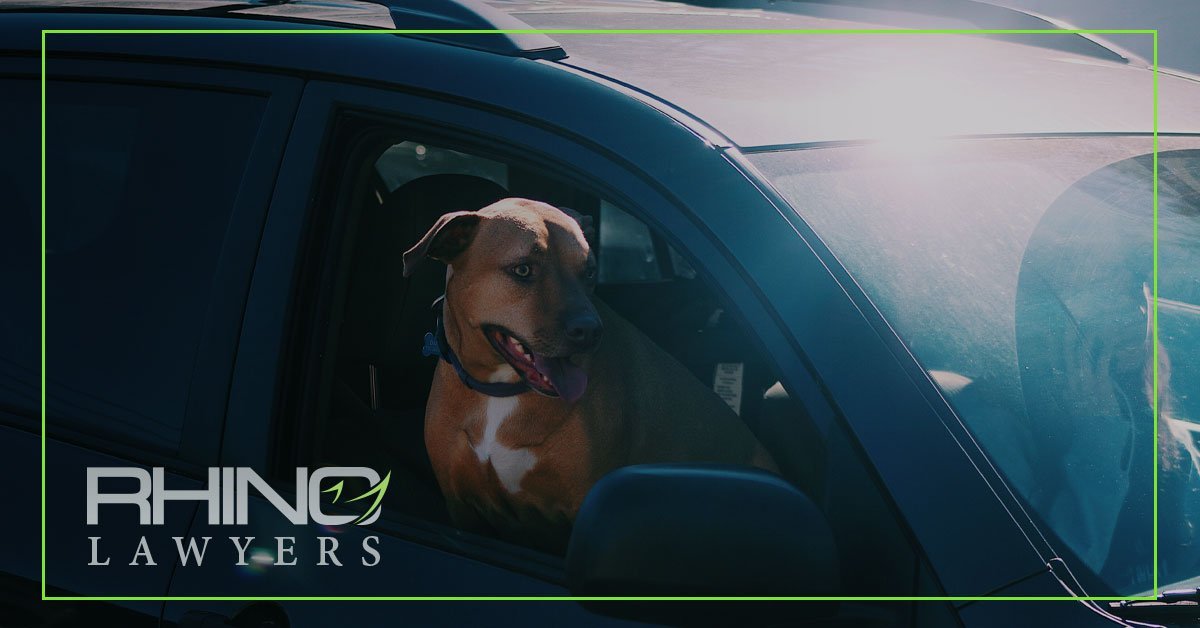
What if Your Pet Gets Injured in a Car Crash?

About 90.5 million families (70% of US households) own a pet. In fact, about one in three Americans adopted a pet during the pandemic. Despite the number of pet owners, not many people know their options if a pet gets injured.
Was your pet hurt in a car crash? Here are a few things you might want to consider.
Understanding your options after a pet sustains a car accident injury can help you make an informed choice. For example, you could fight for car crash compensation with a beloved pet in mind.
Read on to learn what to do after a pet gets hurt in a crash today.
Coverage
One of the first questions people usually ask includes, “Is my pet covered in a car crash?”
In some cases, yes. Pets are considered personal property. With that in mind, you can choose to obtain insurance compensation for damages.
If your pet gets injured in a crash, consider filing insurance claims right away. You can file a claim against the at-fault driver’s insurance coverage.
However, you’ll need to consider the laws within your state. Before taking action, consider consulting a Florida lawyer. They can help you make more informed decisions along the way.
For example, you might need to look to your personal injury protection (PIP) policy to cover injuries. You can’t, however, cover property damage with PIP.
If you have collision coverage, it will only provide compensation for damages to your vehicle.
In some cases, however, the other party’s property damage liability policy can help. It could cover damages to personal property, including your beloved pet.
Value
When filing insurance claims for car crash compensation, you’ll need to consider the damaged property’s market value. Your insurance company will only pay the market value.
If you paid $100 for your cat or dog, you’ll only receive $100 in damages. It doesn’t matter how much you’ll need to pay in vet bills or other related expenses.
Exclusions
Talking to a car accident lawyer can also help you cover any insurance exclusions you’ll need to consider. Some insurance companies do have exclusions for situations when a pet gets injured.
For example, the insurance company might allow car crash compensation for cats and dogs, but not an exotic animal.
If your pet suffers from a pre-existing condition, you can’t obtain compensation to help cover those costs.
About 20 to 50 million people suffer non-fatal injuries after a crash. Many injuries result in long-term disabilities as well.
Get Yourself and Your Pet Checked Out After A Car Crash
Immediately after a car accident, visit a doctor and get checked out. Ask them to document your injuries, medications, and treatments. Then, visit a vet.
Have a vet do the same thing. Ask them to officially document your pet’s injuries. Then, make a list of the expenses accrued from your pet’s treatments.
Determine if there’s a chance your pet will sustain a lasting injury as well.
If you fail to visit a vet, you could struggle to receive the full amount of car crash compensation you’re due.
After gathering these documents, talk to a car accident lawyer. They’ll need these medical bills to determine your losses.
It’s unlikely you’ll collect car crash compensation for non-economic damages related to a pet’s car accident injury or death. Mental anguish is an example of non-economic damage. If you lose a pet after a crash, you won’t receive compensation for emotional suffering.
Speaking with a car accident lawyer can help you review any other exclusions you’ll need to consider.
However, you could file a lawsuit to fight for car crash compensation. A lawsuit could help you fight for damages related to pain and suffering. If you lose a pet, you could fight for the compensation you’re rightfully due.
You might consider filing a lawsuit for compensation if the insurance company’s settlement offer is lower than you’d like.
Most of these claims are resolved through an insurance settlement, though.
Make sure to speak with your car accident lawyer to review your options.
Protect Your Pet
You can’t predict when a car crash might occur. Before one happens, make an effort to protect your pet.
Though it’s not possible to protect them completely from harm, you can follow a few tips to minimize their injuries. First, make sure to always keep your pet properly restrained when traveling by car.
Many companies have noticed America’s growing love for their pets. These companies have developed new ways to help pets travel safely. For example, you might consider a bubble pet carrier.
You can also try an auto zip line if you have a dog. The zip line will keep your dog secure when the vehicle is in motion.
You might consider using a crash-tested crate, too. You can lock these crates down using a seatbelt. The process is similar to how you’d lock a car seat for a child into place.
Otherwise, consider protecting your pet by looking into insurance for pets. Pet insurance usually covers dogs and cats when they get hurt in an accident or unexpectedly sick.
If you have insurance for pets, you could avoid a fight with a car insurance company. Pet insurance can help provide compensation for vet bills and other related damages.
Otherwise, you could find animal hospitalization and veterinary treatments more expensive than you might realize.
The insurance can also cover regular visits to the vet. It can help manage a chronic illness or other conditions, too.
Insurance policies have limits to their coverage, though.
Think ahead!
Fight for Compensation: What to Do If a Pet Gets Injured in a Crash
Your pet is a part of your family. If your pet gets injured in a car crash, it helps to have a plan. Unfortunately, you might not receive coverage for your pet’s car accident injury from an insurance company.
Make sure to contact a car accident lawyer after a crash. They’ll help you review your legal options. With their help, you can save from unnecessary spending and receive car crash compensation.
Eager to speak with a lawyer? We’re here to help.
Contact us today to get started.
CONTACT A TAMPA AUTO ACCIDENT ATTORNEY
In short, after a car accident, you may not know your rights. Above all, don’t struggle through the process alone. Actually, our personal injury team is here to help you with any legal needs you might have regarding your accident.
Lastly, let RHINO Lawyers answer your questions and review the facts of your case with a Free Consultation. So, get started by completing the “Free Instant Case Evaluation” or by calling us any time, day or night, at 844.RHINO.77.
Read More
Can an Insurance Company Exclude Certain Medical Expenses From Claims?

Major accidents impact everyone in different ways. There’s more to it than physical damage to a vehicle or your person. It can also be the root of life-long injuries and mental and emotional trauma at times. Often, many also worry about and question the system in place. One of the most common concerns is whether insurance companies exclude certain medical expenses.
While this may seem like a trivial issue to some, it can be life-altering to others. There are times when those in this situation find that they have less-than-ideal answers. This is why it’s crucial that you understand your rights and what you’re entitled to. Knowing where you stand and what your leverage is, is necessary.
Get the most out of a vehicle or a car accident claim now. Know which medical expenses insurance companies are likely to exclude or dispute.
Getting Coverage
In the US, there are 12 states that require a No-fault or Personal Injury Protection (PIP). Florida is one of them; in context, all vehicles with at least four wheels need this type of insurance. Note that in these 12 states, it’s illegal to have an automobile and drive without PIP.
Through it, both parties who get into accidents get treated fairly. Regardless of who’s at fault, you won’t have to worry about the possibility of compensation. Even if one of the parties is completely in the wrong, there won’t be any issues with payouts.
This is vital, especially when you need to recover and get back on your feet after the accident. What’s even better is that it can also serve as a buffer, and most of the time, prevents full-fledged court cases. Not only do you get to be free of burdens, but you also save time and money.
It also protects people from predatory insurance companies. In turn, this reduces the likelihood of unfair and low-ball offers. But, while No-Fault or PIP is generally beneficial, it also has its caveats.
This is why not all states have it as a compulsory policy. Not a lot of insurance companies want to spend their money and time on you. There are also set limits on the compensation those involved can receive.
For the most part, it covers basic and common medical expenses but sometimes, it’s not enough to cover everything.
Dealing With Insurance Issues
The gist of things: PIP is not a full ride, and it’s not always as simple as it seems. There will always be legal jargon involved when trying to file a claim, more so if it’s a difficult one. One of the terms you need to know is proof of injury causation.
In layman’s terms, it only means the cause and effect of a person’s injuries. When filing a claim for injuries, the responsibility of proving they were a direct result of the accident falls on you. This can get tumultuous, as you’ll need evidence after evidence.
Any pre-existing conditions will undergo heavy scrutiny. This is especially true if the part in question has had previous medical attention. Your complete medical records have to be available for questioning most of the time.
Any medical evidence needs to have the backing of a reputable doctor or specialist. However, it’s worth mentioning that only a few of those in the medical field like involving themselves in such matters. This is one of the reasons why you need to know the basics of filing an auto accident lawsuit.
Trying to get these requirements alone isn’t something you can do with ease. More so, after a severe accident – you should be focusing on your health and immediate needs. Additionally, most premiums can only cover so much.
Your needs after an accident remain debatable to any insurance company. Most minor and general medical expenses are almost always covered, but not all.
Why Exclude Certain Medical Expenses?
Trying to define what is minor and general or unnecessary when it comes to an injury can be vague and unfair. Delving deeper, PIP covers an acceptable list of medical issues and injuries. Some of the most common ones are expenses related to:
- Medical bills
- Rehabilitation programs
- Compensation for replacement services
- Wages lost
- Funerals
Also, considering Florida’s PIP minimum, you might be only entitled to up to $10,000. Anything above that means you’re out of pocket. More expensive medical services and expenses are almost always overlooked.
You’re unlikely to receive compensation for the more severe (and most likely permanent) problems. These can range anywhere from surgeries, amputation, or disfigurement. After-accident PTSD or other mental health services are sometimes non-existent too.
Worse, brain and spinal damage and paralysis are not often compensated. When this happens, it’s time to lawyer up. A car accident lawyer can help you deal with these through a personal injury claim.
Legal Advice Matters
When it comes to your health and well-being, dismissing your medical needs as “unreasonable” is unreasonable. Having the law and jurisdiction back you up is your best bet in getting what you’re entitled to. Especially when states with the No-Fault policy, like Florida, make it harder for you to do so.
There should be no cap or limit to the compensation you receive. Nor should they exclude certain medical expenses or deny you access to any. More so if they’re valid and legitimate.
After all, it is your life, well-being, and future at stake. The trauma and stress of getting into an accident aren’t something money can erase.
Knowing What Medical Expenses Insurance Can Exclude
No one likes being in an accident. Stressing about whether your insurance will cover your medical bills is even worse. By looking into what your state or jurisdiction requires of insurance companies, you can rest easy.
If all else fails and you need to know your rights after an accident, it helps to have good lawyers. At RHINO Lawyers, we have the experience to help you get what you’re entitled to. Contact us today and get the help you need and deserve.
CONTACT A TAMPA AUTO ACCIDENT ATTORNEY
In short, after a car accident, you may not know your rights. Above all, don’t struggle through the process alone. Actually, our personal injury team is here to help you with any legal needs you might have regarding your accident.
Lastly, let RHINO Lawyers answer your questions and review the facts of your case with a Free Consultation. So, get started by completing the “Free Instant Case Evaluation” or by calling us any time, day or night, at 844.RHINO.77.
Read More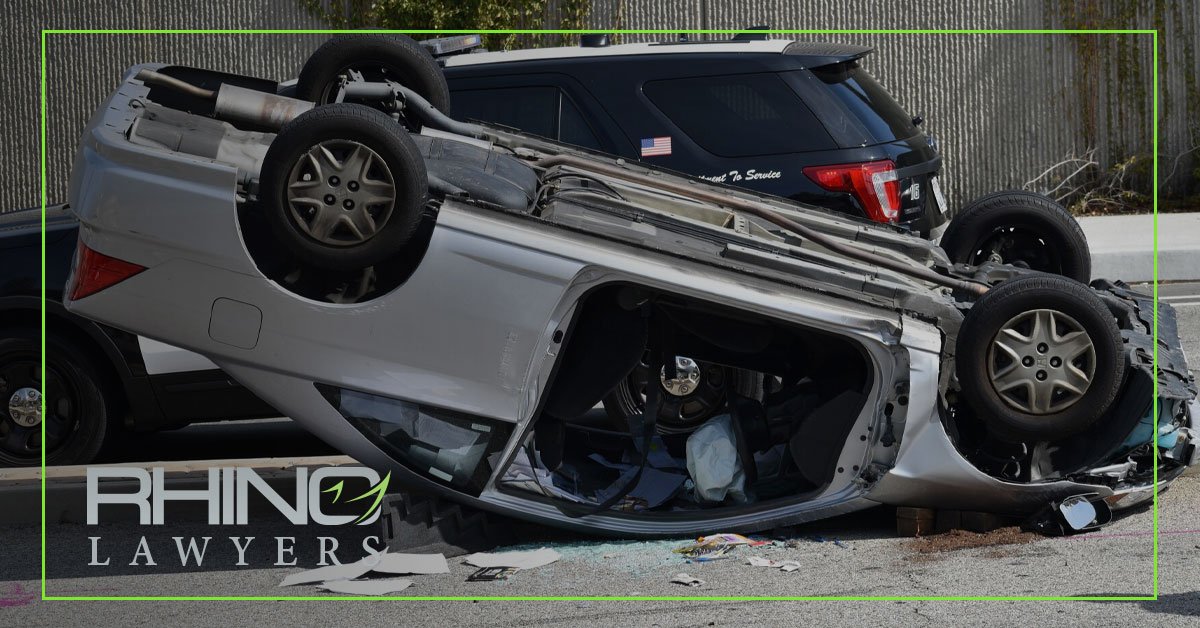
How Accident Reconstruction May Help Prove a Car Crash Case
There are an average of six million car accidents in the United States every year. The good news is that means car accidents are pretty rare. The bad news is you still don’t know when or if you’ll be in one. When an accident happens, how do you know who was at fault? What happens if someone is injured? How reliable are your witnesses? Accident reconstruction might help in cases where details aren’t clear or someone was injured. It can mean the difference between taking the blame for an accident and being absolved of fault.
Read on to learn how the accident reconstruction process can help you after an accident.
Uses Information Already Collected
The first reason that an accident reconstruction is a good idea is that it uses evidence that’s already been collected. Information such as eyewitness accounts, photographs, and police reports are all considered to recreate the accident digitally.
Eyewitness accounts help because it gives experts an idea of what things looked like to someone not involved in the accident. Photographs perfect this by showing the damage done to the cars and the angles that they hit each other. Finally, police reports give an official record of what was said at the time of the accident.
All of these materials can create an accurate digital depiction of the events of the accident. This is extremely useful in determining who is at fault when an accident happens.
Can Shed Light on Foggy Details
Why would you need to prove who was at fault in an accident in the first place? The issue is that there are a handful of reasons why fault might not be immediately clear when an accident happens. If this is the case, then it’s important to get an accurate reconstruction for the courts.
No Witnesses
If there aren’t any witnesses, then it’s down to the parties involved to remember what happened. However, the human brain isn’t always as good at remembering these things as most people would like to believe. Witnesses can often verify important information that the involved parties can’t.
There are two types of accidents without witnesses. The first is when any witnesses left the scene before authorities could get there. The second is when there was no one else on the street.
Both scenarios make it difficult to find reliable sources with knowledge of what happened. This means that authorities can’t verify certain details to establish fault. The only evidence the involved parties have in these cases is photographs and the police report.
When that happens, it’s important to get an accurate recreation of the accident based on the photographs and police reports. This can then be examined to determine fault.
Conflicting Details
Even if there are witnesses, anyone who wasn’t in the cars involved doesn’t know what the parties involved were thinking. There could have been an attempt to avoid an accident that went badly, for example. Or they may have been mistaken about who had right of way.
This often results in conflicting details about the accident. If both parties are certain that it was their turn to cross an intersection at the same time, then how do you determine who’s at fault? You simply can’t rely on verbal reports and witness testimony for every detail.
That’s where an accident reconstruction comes in handy. It helps determine exactly who was where at the time of the accident and how the accident occurred in the first place. With any luck, this can determine if someone wasn’t where they should be or wasn’t following the speed limit.
Involved Parties Can’t Remember Events
Shock is extremely common immediately following an accident. Your brain tries to process what just happened to you, and sometimes muddles things when it does. If there are injuries, then this effect only increases.
This leads to the involved parties misremembering details. They may not even recall certain details well. An uncertain witness isn’t useful evidence in a courtroom.
If this is the case, then authorities can’t be sure of exactly what happened. They need a clear picture of the accident as it happened to establish fault. Only then can someone be issued a ticket or arrested.
The good news is that a digital accident reconstruction provides this for them. Based on the position of the cars and damage to them, they can get an idea of how the accident happened. This helps determine fault, so the right people get blamed for any damages and injuries.
Parties Require Hospitalization for Serious Injuries After An Auto Accident
Another common issue after a major accident is serious injuries. Sometimes the person isn’t physically able to respond and needs to be taken to the hospital before they can be questioned. In other cases, one party may be deceased at the scene.
It’s important to get all sides of the story when an accident occurs. If one of the involved parties is unable to give a response for a prolonged period, then authorities must use the rest of the evidence available to determine fault. Furthermore, in some cases, neither party may be responsive enough to answer questions about the accident.
Accident reconstruction experts can use photographs and other pieces of evidence to show how the cars were moving when the accident happened. This helps authorities investigating the accident scene determine why the accident happened and who is responsible for it. This can also be presented to insurance companies when making a car crash claim.
Get an Accident Reconstruction Today
The accident reconstruction process uses a lot of physical evidence gathered from the scene of the accident. It allows authorities to better see what happened to cause the accident. In other words, if the accident wasn’t your fault, then this proves it.
Even if you have this evidence, however, it’s still always a good idea to hire a car accident lawyer. Here at Rhino Lawyers, we’ll guide you through the legal process to get you the best possible outcome.
Contact us today to get the best legal advice possible.
CONTACT A TAMPA AUTO ACCIDENT ATTORNEY
In short, after a car accident, you may not know your rights. Above all, don’t struggle through the process alone. Actually, our personal injury team is here to help you with any legal needs you might have regarding your accident.
Lastly, let RHINO Lawyers answer your questions and review the facts of your case with a Free Consultation. So, get started by completing the “Free Instant Case Evaluation” or by calling us any time, day or night, at 844.RHINO.77.
Read More