
Navigating Healthcare and Pharmaceutical Whistleblower Cases: A Step-by-Step Guide
Healthcare and pharmaceutical whistleblower cases start with identifying fraud and attempting internal reporting before escalating to external agencies. While whistleblowers may face retaliation and other risks, they’re protected by the law and may receive significant financial rewards if their case is successful.
According to a study by Najar et al., published in the Archives of Public Health, medical fraud and abuse result in financial losses estimated at 3% to 15% of total healthcare expenditures annually. Not only is the sheer amount of money lost horrendous, but these situations often compromise patient safety as well.
So if you’ve noticed wrongdoing in a healthcare setting, then you might want to speak up. However, you might not be sure of the steps, and you’re afraid of potential repercussions, too.
Read on for a healthcare whistleblower guide that’ll walk you through the process.
What Are the Four Steps of Whistleblowing?
The four steps of whistleblowing are:
- Identifying the wrongdoing
- Internal reporting
- External reporting
- Legal protection and case resolution
Essentially, you’ll first recognize the wrongdoing by documenting evidence like emails or billing records. You can then report the concerns within your organization.
But if that doesn’t work, then you can escalate matters to external agencies, such as the Department of Justice (DOJ). From there, you can file a qui tam lawsuit under the False Claims Act.
What Are Five Consequences of Whistleblowing?
Whistleblowing can have both positive and negative outcomes. The five main consequences are:
- Financial rewards
- Organizational changes
- Retaliation risks
- Legal and emotional strain
- Public recognition or stigma
Understanding the False Claims Act in Healthcare
El Ley de Reclamaciones Falsas (FCA) is the cornerstone of most healthcare and pharmaceutical whistleblower cases. It specifically targets fraud against federal programs, and the law has helped recover billions in healthcare fraud.
In the case of healthcare and pharmaceuticals, the relevant federal programs are:
- Medicare
- Medicaid
- TRICARE
Fraudsters face treble damages and civil penalties, while whistleblowers get a share in the government’s recovery if they’re successful.
Common Types of Healthcare and Pharmaceutical Fraud
One of the most common types of healthcare and pharmaceutical fraud is billing fraud, where the offender charges for services not provided. They may also upcode or double bill.
Another is kickbacks, where illegal payments are made to physicians or pharmacies in exchange for prescribing certain drugs. Offenders may also promote drugs for uses that are not approved by the FDA, or they might artificially inflate prices of essential medications.
Lastly, there’s also clinical trial misconduct. Some people may falsify research data or fail to report adverse effects from a drug.
Protections Available for Whistleblowers
There are several federal laws that safeguard whistleblowers against retaliation, such as:
- False Claims Act
- Whistleblower Protection Act
- Sarbanes-Oxley Act
- State-level protections
Also, the good news is that you don’t have to prove intent. If you simply provide credible evidence of fraud, then that’s usually enough to trigger an investigation.
In addition, you may be able to get confidentiality protections, although this isn’t very common.
Best Practices Before Blowing the Whistle
First, consider the long-term impact. Understand the potential emotional, financial, and professional consequences before moving forward.
If you feel like blowing the whistle, then make sure to gather strong evidence first. Make sure you get secure copies of:
- Emails
- Contratos
- Billing records
- Reports
Next, consult a whistleblower lawyer. It’s crucial that you receive legal guidance, as healthcare and pharmaceutical cases are usually complex, and they’ll help with navigating whistleblower challenges.
Make sure you don’t share confidential information improperly and keep detailed records if your employer takes adverse actions against you.
Frequently Asked Questions (FAQs)
How much can a whistleblower earn in a healthcare fraud case?
Under the False Claims Act, whistleblowers can attain rewards ranging from 15-30% of the government’s recovery. But do note that rewards aren’t guaranteed; they depend on the:
- Strength of the case
- Extent of government involvement
- Outcome of litigation
If you consult with a whistleblower attorney and receive healthcare and pharmaceutical whistleblower support, then this increases the likelihood of maximizing recovery.
What should I do if I suspect healthcare fraud but fear retaliation?
You should first document the suspected fraud with as much detail as possible. Then, if you consult with an attorney confidentially, you can fully understand your rights before reporting.
Both federal and state laws prohibit retaliation, so legally, your employer can’t demote, fire, or harass you for whistleblowing. So if retaliation occurs, you can:
- Seek reinstatement
- Back pay
- Damages
Can whistleblowers remain anonymous in pharmaceutical cases?
Initially, they can; when a qui tam case is filed under the False Claims Act, it’s filed “under seal.” During this period, your identity is kept confidential.
However, if the case moves forward or goes to trial, then anonymity is usually lost. In some cases, government agencies may allow limited confidentiality.
How long do whistleblower cases usually take?
Typically, healthcare and pharmaceutical whistleblower cases can take several years to resolve. This is because the cases are complex, especially when investigated by the DOJ, FDA, or OIG. These situations require extensive reviews of:
- Financial records
- Clinical data
- Compliance practices
While some cases settle in a few years, others may take over a decade. So if you want to proceed, you should be prepared for a long process. But often, successful cases result in significant financial recovery and industry reforms, so it’s worthwhile to be patient and follow through.
Healthcare and Pharmaceutical Whistleblower Cases
Now you have a general idea of the legal steps for whistleblowers, as well as how healthcare and pharmaceutical whistleblower cases go.
As you can see, it can be a complicated and long process, and it can be taxing for your emotional and mental health. The best thing you can do is be prepared, and more importantly, have a good whistleblower lawyer on your side. The right legal professional will be your advocate, and they’ll ensure that your case is as strong as possible.
Get in touch with us now to get your free video consultation. RHINO Lawyers has recovered almost $100,000,000 for our injured clients, and we’re here for you 24/7.
Leer más
3 Ways Florida Child Injury Cases Differ from Adult Claims
Did you know that one in 10 Florida children gets injured enough to need to go to the emergency room? It can be incredibly traumatic for families if their child sustains a serious injury. It’s even more difficult if their injury is the result of someone else’s negligence.
Families may consider pursuing legal action to seek justice after that kind of incident. Personal injury lawyers can help families pursue compensation for their child’s injuries. It’s important to understand the differences between a child injury lawyer versus an attorney who works on adult cases.
This blog will dive into the three major differences between how an attorney handles child accident lawsuits. We’ll discuss where to seek assistance if you’re dealing with this type of scenario.
1. Statute of Limitations: Extended and Special Rules For Minors
In general, the statute of limitations for filing a child injury claim in Florida is the same as it is for adults – two years. Under Florida law, claimants have two years from the date of the incident to file claims founded in one of the following:
- Wrongful death
- Medical malpractice
- Negligence
Keep in mind that this timeframe can extend up to seven years in certain circumstances. This applies in circumstances when the guardian or parent is:
- Absent
- Incapacitated
- Has a conflict of interest
Another way this rule can change is in the case of birth injury lawsuits because the evidence of negligence isn’t always apparent within the two-year timeframe. The statute of repose can get extended to up to eight years, but a claim can’t be filed after the child’s eighth birthday.
These types of scenarios fall under the “discovery rule.” In these instances, the statute of limitations doesn’t start until the individual knows or should have known they were injured. The purpose of this rule is to prevent unjust outcomes where a person discovers that they were a victim after the statute of limitations has expired.
That’s why it’s important to connect with an experienced child injury attorney immediately if you believe an injury occurred to your child. They’ll let you know if your claim falls within the statute of limitations and if there’s any validity to it.
2. Legal Standing: Who Can File the Lawsuit and Manage Compensation
Children under the age of 18 don’t have the legal standing to file a lawsuit or claim for personal injuries in Florida. However, they shouldn’t wait until they are of age to look into filing.
While children can’t file a lawsuit or retain legal counsel themselves, Florida law allows a child’s parents or guardians to explore filing a claim and pursuing a settlement on behalf of their child. The claim can’t be more than $15,000. This includes life insurance policies and personal injury claims, where they can do the following with the proceeds:
- Collect
- Receive
- Manage
- Dispose
There are many child injury compensation cases where the settlement may be more than $15,000. Parents and guardians can still pursue these claims with court approval. The funds will need to be held in a restricted bank account where reasonable and necessary withdrawals can be made if they’re for the child’s benefit.
While these regulations may be frustrating to some, they’re designed to protect the child and their best interest. Parents of an injured child should connect with a child injury lawyer for guidance through the process. It’s important to remember that parents may have claims for losses that they incurred because of their child’s injuries.
Some of these losses may include:
- Medical expenses for their child’s treatment
- Future medical costs for their life
- Lost earning capacity for the future
- Pain and suffering
3. The “Reasonable Person” Standard: Adjusted For Children
One of the key differences between adult and child injury cases in Florida is the “reasonable person” standard. Children aren’t held to the same standard as adults. Children, unlike adults, get assessed on what is reasonable for someone of their age:
- Intelligence
- Age
- Maturity
Florida law is written to acknowledge that children might not fully understand risks, especially in certain situations that include “attractive nuisances.”
For example, property owners need to secure dangerous features around their home, like trampolines or swimming pools. That’s because they can attract children who may not know the risks that are involved with those types of attractions.
Florida law does give immunity to property owners in a case where someone is trespassing on their property and gets hurt. On the flip side, if a child gets injured because someone fails to take reasonable actions to protect those enticed by these “attractive nuisances,” the adult can be held accountable.
Frequently Asked Questions
As you can see, working through a personal injury case where the child is the victim can be complicated. There are major differences between these cases and those with adults. Let’s talk about some of the most frequently asked questions we get on the topic.
Can a Minor Ever File a Lawsuit on Their Own?
While a person over the age of 18 can pursue legal compensation for an injury sustained while they were a minor (so long as it falls within the statute of limitations), a minor can’t file a lawsuit on their own behalf. Their legal guardian or parents will need to retain a lawyer on their behalf to pursue justice.
What Should Parents Do After a Child Is Injured?
Parents should contact an experienced child injury attorney if their child was hurt due to someone else’s negligence. It doesn’t hurt to get in touch with a lawyer even if you’re not sure if your claim meets Florida’s requirements. They’ll review your case and let you know if you have grounds for filing a lawsuit.
Request a Free Consultation With a Child Injury Lawyer in Florida
All personal injury cases aren’t created equal in Florida. From the statute of limitations to a child’s legal standing to the “reasonable person standard,” there are many nuances when it comes to child injury compensation cases. A child injury lawyer can help parents and guardians navigate these types of cases while protecting a child’s legal rights.
En RHINO Lawyers, we understand the impact child injuries have on your entire family. Our personal injury attorneys have experience working on negligence and medical malpractice cases. Contact our office to schedule a free consultation.
CONTACT A TAMPA AUTO ACCIDENT ATTORNEY
In short, after a car accident, you may not know your rights. Above all, don’t struggle through the process alone. Actually, our equipo de lesiones personales is here to help you with any legal needs you might have regarding your accident.
Lastly, let RHINO Lawyers answer your questions and review the facts of your case with a Free Consultation. So, get started by completing the “Free Instant Case Evaluation” or by calling us any time, day or night, at 844.RHINO.77.
Leer más
Navigating Florida’s Open Container Laws: What Drivers Need to Know
According to a survey published by Pew Research Center in January 2024, 62% of American adults say they drink alcohol. The highest number of drinkers is within the 35 to 54 age group (66%), followed by those aged 18 to 34 (58%).
Drinking in moderation is alright, provided you do so at the right time and in the right place. In Florida, for instance, drinking in the wrong place, such as a car (even a parked one), can be a breach of open container laws. Depending on the circumstances surrounding the case, you may find yourself facing hefty fines and even jail time.
In this guide, the experienced legal professionals at RHINO Lawyers will explore Florida drinking regulations and traffic violations. Read on to discover facts about getting caught with an open container of alcohol in the state.
Open Container Laws in Florida
According to Bankrate’s 2025 drunk driving statistics, data from the National Highway Traffic Safety Administration (NHTSA) reveals that around one person dies every 39 minutes in the U.S. due to drinking and driving. Each year, over 11,000 people lose their lives as a result of drunk driving incidents. Bankrate also cited statistics for Florida: In 2022 alone, the state had 3,530 alcohol-related traffic fatalities, the third highest among all states.
Given the deadly consequences of driving under the influence of alcohol, Florida enforces strict alcohol-related driving laws.
Florida Statutes Title XXIII Chapter 316 Section 1936 governs the state’s open container laws. By law, an “open container” refers to any container containing an alcoholic beverage that a person can immediately consume from or has a broken seal.
Any person in Florida possessing an open alcoholic beverage container while driving or operating a vehicle is in breach of this law. The same goes for a passenger.
Florida’s road-related alcohol consumption laws consider an open container of an alcoholic beverage to be in someone’s possession if the person has physical control over it or if it’s not in:
- A locked glove compartment
- Locked trunk
- A locked non-passenger section of the motor vehicle
In short, alcohol consumption laws in Florida prohibit people who are either driving, in physical control, or a passenger of motor vehicles from possessing, consuming, or transporting alcohol in unsealed containers that are not locked away.
What About Parked Vehicles?
Florida’s open container laws also make it illegal to have open containers of alcoholic beverages in a car parked in a place open to public travel. Examples include but are not limited to:
- Alleys
- Streets
- Highways
- Sidewalks
- Bridges
- Tunnels
If you’ve parked your vehicle on private property (e.g., a private driveway or garage), you can drink while sitting in the parked car.
Are There Any Exceptions?
Yes. Florida Statutes § 316.1936 doesn’t apply to passengers of a commercial vehicle. Examples are:
- Buses
- Taxi cabs
- Any other commercial vehicle that provides transportation for passengers and whose drivers hold a valid commercial driver’s license
Passengers of self-contained motor homes measuring over 21 feet in length are also exempt from Florida’s open container laws.
Florida Open Container Penalties
Any person who operates a motor vehicle and violates Florida Statutes § 316.1936 is guilty of a non-criminal moving traffic violation. Passengers in violation of the state’s open container laws are guilty of nonmoving traffic violations.
Florida Statute Title XXIII, Chapter 318 governs the punishments associated with such traffic violations.
A driver convicted of violating the state’s open container laws for the first time will face a fine of up to $90. A passenger’s fine, on the other hand, can be up to $60 for a first offense.
Some counties and municipalities also impose harsher punishments. An example is Miami-Dade County (per Ordinance Section 30-210.1). Violating open container laws here can result in the following penalties:
- First offense: A fine of $25 to $200, up to 10 days imprisonment in the county jail, or both fine and jail time
- Second offense: A fine of $50 to $250, up to 10 days imprisonment in the county jail, or both fine and jail time
- Subsequent offenses: A fine of $75 to $500, up to 30 days imprisonment in the county jail, or both fine and jail time
It’s also vital to note that even non-criminal traffic violations can impact driving records. They can affect future driving privileges and cause insurance rates to increase.
Getting caught with an open container of an alcoholic beverage can also prompt a law enforcement officer to pursue a Florida DUI case investigation. An example is if the officer has probable cause that the driver or passenger has been drinking. Another is if the offender displays obvious indications of intoxication.
What to Do When Facing an Open Container Violation
Suppose you or someone you care about is facing a charge for violating open container laws in Florida. In that case, the first step is to seek professional legal advice from a highly experienced DUI defense attorney.
A DUI defense lawyer will inform you of all your rights and potential defenses for an open container violation. They’ll review all the facts, evidence, and circumstances surrounding the incident. They’ll then use their findings to develop the best course of action, which may involve challenging the charges or negotiating a plea deal.
A potential defense that a highly skilled and experienced attorney may use is that the accused did not know of the open container’s presence in the vehicle. Another is if the adult driver or passenger had no intention of drinking the beverage and their blood alcohol content (BAC) was 0.0% or under 0.08% (the legal BAC limit for drivers 21 or older in Florida). An illegal search conducted by a law enforcer may also be a solid defense.
RHINO Lawyers Can Help
Open container laws in Florida exist to help with public safety and mitigate the dangerous, even deadly consequences of drunk driving. However, individuals charged with violating these rules still have the right to due process. In some cases, law enforcement officers may inaccurately charge them or even conduct illegal vehicle searches.
RHINO Lawyers can help if you or a loved one is facing a charge or conviction for violating Florida’s open container laws. Our attorneys have decades of combined experience in handling and representing individuals who’ve been in the same situation. We’ll use our knowledge, expertise, and skills to fight for and protect your rights and achieve the best possible outcome.
Contáctenos hoy so we can get started with your free case review.
CONTACT TAMPA TRAFFIC TICKET ATTORNEY
RHINO Lawyers can help and guide you through a system molded by law enforcement, judges, and lawyers for decades. Having won cases for our clients in similar circumstances, our criminal defense team knows what it takes to fight on your behalf.
Let RHINO Lawyers answer your questions and review the facts of your case with a Free Consultation. So, get started by completing the “Free Instant Case Evaluation” or by calling us any time, day or night, at (844) RHINO-77.
Leer más
Why Choose RHINO Lawyers for Your Whistleblower Case?
A whistleblower case can be scary, but having a reliable lawyer on your side makes a huge difference. They understand the technical aspects of such cases and can protect your rights while working towards securing the best outcome.
According to the SEC, the largest whistleblower case ever ended with a $279 million settlement. While the majority of whistleblower cases never approach this scale, every single one can have a significant impact.
If you’ve uncovered fraud, corruption, or wrongdoing at your workplace, you might feel torn between doing the right thing and protecting yourself. The risks are real, but the solution can come in the form of a law firm that knows how to protect your rights and maximize your case outcome.
En RHINO Lawyers, we are dedicated to providing top whistleblower attorneys who offer exceptional legal guidance every step of the way. Our goal is simple: deliver the best whistleblower representation so you can stand up for what’s right while safeguarding your future.
Keep reading to find out more.
What Is a Whistleblower Case?
A whistleblower case arises when an employee, contractor, or insider exposes illegal or unethical practices within an organization. These practices might include things like:
- Fraud against the government
- Securities violations
- Healthcare billing fraud
- Corporate misconduct
Whistleblowers are protected by federal and state laws, but navigating these protections requires expert legal guidance. Without the right representation, individuals may face retaliation, including:
- Termination
- Demotion
- Harrasment
Because of this, having suitable legal assistance is vital. The team at RHINO Lawyers can step in to make sure your rights are protected and your case is positioned for success.
What Is an Example of Whistleblowing?
Imagine a healthcare worker who notices their employer is submitting false Medicare claims. Reporting this fraud would seem like the obvious thing to do to most people. If the worker does this, they are whistleblowing.
Another typical example could be an employee at a financial institution exposing insider trading or securities fraud.
These cases are often complex, requiring in-depth knowledge of both industry practices and whistleblower protection laws. At RHINO Lawyers, we bring experience and strategy to ensure that brave individuals who step forward are fully supported with the best possible whistleblower representation.
How Do Most Whistleblowing Cases End?
Whistleblowing cases can have various outcomes. Some lead to government investigations and financial settlements, often awarding whistleblowers a percentage of the recovery. Others might resolve through internal company reforms or legal rulings that protect the whistleblower from retaliation.
Unfortunately, not all cases succeed without skilled representation. Many whistleblowers face uphill battles when standing alone.
That’s why working with skilled whistleblower attorneys matters. It significantly increases the chances of a favorable outcome, whether through financial compensation, workplace protections, or both.
Why RHINO Lawyers Is the Right Choice for Your Whistleblower Case
En RHINO Lawyers, we go beyond providing legal support. We work to be advocates, constantly pursuing your best interests. Choosing the right representation can make the difference between a successful outcome and years of frustration.
Here’s why so many clients trust us to guide them through this life-changing process.
Exceptional Legal Advice
Whistleblower cases often involve complex federal and state statutes, strict filing deadlines, and specialized procedures. Our attorneys stay ahead of evolving laws so we can give you the most accurate and effective legal strategies available.
Proven Results
With years of experience in handling sensitive cases, our team has built a strong track record of success. We know how to present evidence, build strong cases, and pursue every avenue for recovery. That means we’re not just your lawyers, we’re problem solvers committed to your cause.
Personalized Whistleblower Legal Support
No two cases are exactly the same. Whether your situation involves healthcare fraud, financial misconduct, or government contract violations, we create tailored strategies designed to protect your career and maximize your potential rewards.
Protection Against Retaliation
One of the biggest fears whistleblowers face is workplace retaliation. We don’t just file claims, we stand by you every step of the way to ensure your rights are enforced and your future is safeguarded.
Trusted Whistleblower Law Firm
We understand the courage it takes to step forward. That’s why we operate with integrity, confidentiality, and an unwavering commitment to protecting our clients. When you work with us, you know our case is in the hands of professionals who care as much about your well-being as they do about your outcome.
En RHINO Lawyers, we see whistleblowers not just as clients, but as heroes who make our communities safer and more accountable. By choosing us, you’re not only gaining legal advocates, you’re gaining partners who will fight for your rights with tenacity, skill, and unwavering support.
Frequently Asked Questions
What qualifies as a whistleblower?
Anyone with inside knowledge of misconduct can potentially qualify as a whistleblower if they expose wrongdoing. Some common examples include:
- Employees
- Contractors
- Former employees
What protections do whistleblowers have?
Laws like the False Claims Act and Sarbanes-Oxley Act offer protections against retaliation. These laws can safeguard your job, benefits, and reputation.
Can whistleblowers remain anonymous?
Yes, in many cases. For example, under the SEC Whistleblower Program, individuals can submit tips anonymously through an attorney. At RHINO Lawyers, we can ensure your confidentiality while pursuing your case.
What kind of compensation can whistleblowers receive?
If the government recovers funds due to your information, you may receive a percentage of that recovery. This can sometimes be as much as 30%. Compensation can also include damages for lost wages and emotional distress if retaliation occurred.
Do I need a lawyer for my whistleblower case?
Absolutely. The laws are complex, and companies often have strong legal teams. Having a reliable whistleblower attorney on your side ensures you are well protected and positioned for the best possible outcome.
Getting the Right Legal Support for Your Whistleblower Case
Choosing to blow the whistle on misconduct is a courageous decision. It’s also one that comes with serious risks if you don’t have the right support. At RHINO Lawyers, we combine expertise, dedication, and compassion to provide the best whistleblower case representation available.
In our years of professional representation, we have helped our clients recover tens of millions of dollars. Our industry-leading services have earned us hundreds of 5-star reviews, and we’re dedicated to helping those who need high-quality legal services across Florida and Wisconsin.
Contáctenos hoy to schedule a free consultation.
Leer más
The Impact of Traffic Violations on Out-Of-State Drivers in Florida
According to VISITFLORIDA.org, Florida welcomed 143 million visitors in 2024, 1.6% more than in 2023. Most folks who visit the Sunshine State do so through non-air transportation, including travel by car. In 2023 alone, 60.1% of the state’s visitors (excluding residents) came via non-air means.
If you also plan to visit the Sunshine State by car, whether for pleasure as part of your road trip or business purposes, it’s best to familiarize yourself with Florida driver’s license requirements for out-of-state motorists and violations. Otherwise, you risk dealing with traffic violations that can impact your driving record in your home state.
The legal professionals at RHINO Lawyers have shared insights into Florida traffic violations and driver’s license requirements for out-of-state drivers in this guide, so read on.
Florida Driver’s License Requirements for Out-of-State Motorists
One of the most crucial driver’s license requirements for out-of-state drivers wishing to operate a vehicle on Florida roads is to have a valid driver’s license that satisfies Florida laws. A motorist caught without a valid driver’s license can face the following penalties, as stated in Florida Statutes Section 322.03:
- First conviction: A second-degree misdemeanor
- Second conviction: A first-degree misdemeanor
- Subsequent convictions: A first-degree misdemeanor, including a mandatory jail time of 10 days
In Florida, misdemeanors are punishable by imprisonment and fines (Florida Statutes Section 775.083 and 775.082). A second-degree misdemeanor can lead to jail time of up to 60 days, a fine of $500, or both. The imprisonment term for a first-degree misdemeanor lengthens to a maximum of one year, a fine of $1,000, or both.
Florida driving laws also prohibit specific types of out-of-state driver’s licenses. According to the Florida Highway Safety and Motor Vehicles (FHSMV), the following are no longer valid in Florida.
Drive-Only (DO) Licenses Issued in Connecticut
Connecticut issues DO licenses specifically to undocumented individuals 16 years or older who can’t establish their lawful presence in the country. They allow individuals to drive in Connecticut and buy auto insurance legally, but they aren’t valid for voting or federal identification purposes.
In Florida, DO licenses aren’t valid. Holders can’t present them to law enforcement officers who require them to present or show a “valid driver’s license.”
Delaware Driving Privilege Cards (DPCs)
The Delaware Division of Motor Vehicles (DMV) issues DPCs to undocumented Delaware residents of any nationality (except U.S. Citizens and people with valid legal presence documents). DPCs allow their bearers to drive legally, but only within Delaware.
Delaware DPCs are not valid forms of identification. Florida also considers them invalid forms of driver’s licenses. Out-of-state drivers from Delaware who can only show a DPC if asked to produce a driver’s license may therefore face Florida traffic violations.
How Traffic Violations in Florida Affect Drivers From Other States
Traffic violations committed in Florida by out-of-state drivers can affect their driving record back in their home state. A traffic ticket issued in Florida to a motorist who holds an Alabama license, for instance, can reflect on the Alabama driver’s record, resulting in increased driving record points. The DMV of the offending driver’s home state will know about the offense through the Driver License Compact (DLC)
What Is the DLC?
The DLC is an agreement between participating states. As members, states share information about traffic violations and offenses committed by non-resident drivers.
How the DLC Works
If a driver licensed in one DLC state receives a traffic ticket in another member state, the state where the offense occurred will communicate with and inform the driver’s home state about the violation. The home state will then treat the out-of-state offense as if it happened within its borders.
What Actions Can DLC Member States Take?
In addition to points, DLC member states can take more severe actions against their residents who commit traffic violations in another DLC state. An example is a license suspension.
Many traffic violations in Florida can lead to a license suspension, with repetitive distracted driving being one of them, such as subsequent or multiple offenses involving texting and driving. Given that this type of distracted driving can lead to crashes that can cause severe injuries, even death, Florida has stringent laws governing it. Aside from fines, it can lead to racked up points, which can ultimately warrant a license suspension.
If you get caught texting while driving in Florida, your home state will know about it and apply the appropriate points to your record. If your total driving points reach 12, your home state’s DMV will suspend your license.
Fighting Traffic Fines to Reduce Traffic Penalties
If you or someone you care about is facing hefty fines and penalties due to a traffic violation as an out-of-state driver in Florida, you have legal options to fight it. You can contest it in person, or better yet, hire a highly experienced traffic attorney to help you navigate the complexities of Florida’s traffic laws and DLC regulations.
En RHINO Lawyers, our team consists of seasoned attorneys who focuses on traffic tickets. Throughout our years in service, we have helped thousands of motorists get their tickets dismissed and their penalties and fines reduced. Reach out to our legal team today if you or a loved one is facing a charge for violations involving:
- Speeding
- Stop signs
- Red light
- Careless driving
- Toll violation
Our lawyers are also highly experienced defense attorneys for traffic misdemeanors and felonies. We’ve won cases for other clients who were in a similar situation to yours, and we’ll strive hard to achieve the same favorable results for you.
Get Exceptional Legal Help for Traffic Violations in Florida
Now that you know more about Florida driver’s license requirements for out-of-state motorists and violations that can follow you back to your home state, the next step is to ensure you can legally operate a vehicle on the Sunshine State’s roads. However, if you or someone you care about has already become the subject of a traffic violation in Florida, it’s time to lawyer up.
Let the attorneys at RHINO Lawyers, who have decades of combined experience, represent you and protect your rights. We stand by our motto, “No Court. No Points. Or Your Money Back.” We’ll help you fight your traffic ticket so you can keep your driving points down and your record clean.
Talk to us today for a free consultation and case review!
CONTACT TAMPA TRAFFIC TICKET ATTORNEY
RHINO Lawyers can help and guide you through a system molded by law enforcement, judges, and lawyers for decades. Having won cases for our clients in similar circumstances, our criminal defense team knows what it takes to fight on your behalf.
Let RHINO Lawyers answer your questions and review the facts of your case with a Free Consultation. So, get started by completing the “Free Instant Case Evaluation” or by calling us any time, day or night, at (844) RHINO-77.
Leer más
Why Most Florida Car Accident Cases Don’t Go to Trial
The term “court battle” caught on for a reason. Both sides must ready their army of lawyers and witnesses, armed with their weapons of evidence.
A settlement is like a peace treaty. Both sides agree to the terms and get what they want.
You’d think this wouldn’t be the preferred option in cases that can involve serious injury or damage, such as car accidents. Most never go to trial and settle out of court instead. Neither side has to lose anything but can benefit in more ways than one.
Read on to learn how Florida car accident lawyers can get you the settlement you deserve, even without going to court.
Trials Are Expensive
Car accidents can be one of the most expensive types of accidents. What if you need to pay to repair your car or pay for damaged property? What about your medical bills after an injury?
Your bill will only grow if you bring the case to court. There are several unexpected costs to contend with, including:
- Court filing fees
- Hiring process servers
- Getting copies of witness reports or medical records
All of that extra money might not even result in a higher payout.That’s why it may be more cost-effective not to go to court.
You won’t end up losing money with the right representation. Your Florida car accident lawyers will work to ensure you get a fair settlement offer. It’ll cover any damages and pay your bills.
Trials Are Time-Consuming
Auto accident trials are a long and arduous process. It can take months or even years from the date of the accident to the date of the trial for them to end.
Insurance companies and lawyers may also use stalling tactics if they’re not ready to bring the case to court. They could try a continuance to reschedule the official hearing. That makes it take even longer for a verdict to be reached.
The worse your damages from the accident are, the less time you have to spare. What if you have a worsening medical condition, such as a traumatic brain injury? What if you are injured and have lost wages? Every lost minute is time you don’t have to recover and money down the drain.
You and your family might not be able to afford to wait for a trial. It may be better to accept a settlement instead so that you don’t have to sit and watch the valuable seconds tick by.
Trials are Stressful
Auto accidents are also one of the most stressful life events you could experience. According to a meta-analysis published in the Transportation Research Interdisciplinary Perspectives journal, approximately 1 in 5 survivors develop symptoms of post-traumatic stress disorder or PTSD.
A trial can add undue physical and emotional hardship. It’s worse for victims who are still recovering from the physical and emotional impact of auto accidents.
Out-of-court settlements are a more amicable way to achieve a desired outcome. They’re also more private. All details of the accident and its aftermath remain confidential.
Verdicts are Uncertain
The right to trial by jury is one of the most basic American rights. The one problem with it is that juries are unpredictable.
You might not get the result you’re expecting, even if there’s strong evidence. The jury may still not side in your favor. Members may be biased against you. You may even get less than what was initially offered in a settlement.
You have more control over the outcome when settling out of court. Give any evidence you’ve gathered to your Florida car accident lawyers. Their job is to create a compelling case in your favor. You spend your time healing.
Insurance Companies Prefer to Settle Vehicle Accident Claims
Insurance companies tend to settle when it comes to vehicle accident claims. Their reasons are similar to those that deter victims from taking their case to court.
They want to keep costs low, which means avoiding court fees and large payouts. They’re on a tight schedule and want to close claims as quickly as possible.
Insurance companies also have their reputation to protect. A trial is more public than a settlement. It can give them negative attention or expose poor claim-handling processes.
Florida Road Accident Law Encourages Settlements
One major reason that Florida car accident cases don’t go to trial is that local law makes it difficult for them to go to court. Many courts require that both parties attempt third-party mediation before proceeding to trial.
Florida is also a no-fault state. It requires all drivers to have at least $10,000 of personal injury protection (PIP) insurance. They also need $10,000 in personal property damage liability insurance (PDL).
These policies are the first ones used to cover any damages, including:
- Injuries
- Lost wages
- Property damage
It doesn’t matter who was at fault for the accident. All drivers involved must use their PIP and PDI insurance. Most cases don’t go to the court system unless some severe damages or injuries exceed the limits of these policies.
Recent changes to Florida road accident law have shortened the amount of time you have to file. The deadline is now two years from the date of the accident (unless it involves a government entity, in which case you have 90 days). You also have to seek treatment for any injuries within 14 days.
This increases the pressure on victims to settle quickly. You don’t want to run out of time to file your car crash lawsuit, and a settlement is a quicker process.
Settle On the Right Florida Car Accident Lawyers Today
Out-of-court settlements are cheaper, more efficient, and less stressful than a court battle. Insurance companies know it, and state law supports it. Few car accident cases ever go to trial, but that doesn’t lessen the need for representation.
El Florida car accident lawyers en RHINO Lawyers are working to bring the law into the 21st century. We utilize the latest technology to evaluate your case and keep you informed about it at all times.
Our methods have enabled us to build a strong track record of successful cases. Contact us for a thorough free case review today.
CONTACT A TAMPA AUTO ACCIDENT ATTORNEY
In short, after a car accident, you may not know your rights. Above all, don’t struggle through the process alone. Actually, our equipo de lesiones personales is here to help you with any legal needs you might have regarding your accident.
Lastly, let RHINO Lawyers answer your questions and review the facts of your case with a Free Consultation. So, get started by completing the “Free Instant Case Evaluation” or by calling us any time, day or night, at 844.RHINO.77.
Leer más
How to Challenge Radar and Laser Evidence in Florida Traffic Cases
In 2020 alone, over 2 million citations were given to Florida drivers, according to Safer America.
When you’re issued a speeding ticket in Florida, chances are the officer used either a radar or laser device to measure your speed. While this technology is standard in traffic enforcement, it’s not without faults. The radar’s reliability can be questioned if you want to avoid heavy penalties.
Read on to learn more about fighting a Florida traffic violation.
How Radar and Laser Devices Really Work
Radar and laser speed detection devices are the most common tools used by Florida law enforcement officers to measure vehicle speed.
Radar devices operate by emitting bouncing radio waves. It calculates speed based on the frequency change. Such devices can be used from a moving or stationary patrol car and are capable of tracking multiple vehicles at once.
Laser devices, also known as LIDAR, work by sending out a narrow beam of light aimed at a specific part of the vehicle, such as the front grill or license plate. The device measures how long it takes for the light to reflect back, and then estimates the speed based on that data. Laser devices are often used from stationary positions and are known for their precision.
However, missteps in the following can happen:
- Usage
- Maintenance
- Calibration
Radar Evidence and Its Vulnerabilities
Radar-based citations can be contested when the equipment is not properly calibrated or maintained. Florida law requires regular testing and certification of radar devices, and a lack of documentation can make the results inadmissible.
Another issue arises when multiple vehicles are present within the radar beam’s range. Because radar waves can reflect off more than one object, it can be difficult to prove that your vehicle, and not another, was responsible.
The officer’s training and certification also play a major role. Florida traffic laws require that officers operating radar devices be properly trained and certified.
If the officer lacked updated credentials or if their procedures didn’t align with required standards, a defense attorney can argue that the evidence is flawed. Plus, environmental conditions can interfere with the radar, such as:
- Rain
- Fog
- Surrounding traffic
Weaknesses in Laser-Based Traffic Violations
Laser evidence, although more precise than radar, still has its weaknesses. For laser readings to be accurate, the officer must aim the device precisely and keep it steady.
If the officer’s aim was off by even a small amount, or if they were too far from the vehicle, the speed reading could be wrong. Errors in aiming or stability are common issues that can be used in a legal defense.
Laser devices, like radar units, must also be calibrated and maintained regularly. If the device wasn’t tested according to Florida’s legal standards, or if there’s no record of proper maintenance, a court may rule that the results are unreliable.
Officers are also expected to have an unobstructed line of sight and follow specific procedures when using laser equipment. Interference from roadside obstacles, other vehicles, or poor visibility conditions may undermine the credibility of the reading.
Legal Strategies to Challenge Radar and Laser Evidence
Challenging radar and laser traffic violation evidence begins with examining how the equipment was used and maintained. An attorney can request the maintenance and calibration records of the device used during the traffic stop. If those records show lapses in upkeep or outdated certifications, the reading’s validity may be called into question.
Officers who issue citations based on radar or laser must also meet certain qualifications. Your legal defense may include verifying whether the officer had the necessary training and certification at the time of the citation. If not, the evidence they gathered may not meet the legal standards required for a conviction.
An experienced attorney can also review the circumstances of the stop. They may uncover inconsistencies in the officer’s report, such as:
- Unclear identification of the targeted vehicle
- Obstructed views
- A lack of procedural documentation
Such discrepancies may lead the judge to question whether the reading was accurate or whether the citation was issued appropriately.
In some cases, it may be helpful to involve expert witnesses who understand the technical aspects of radar and laser technology. Professionals can explain to the court how inaccuracies might occur, particularly under specific environmental or procedural conditions. Their insights can be essential in creating reasonable doubt about the evidence.
The Vital Role of Florida Traffic Laws and the Burden of Proof
The burden of proof is on the state when it comes to traffic cases. That means the prosecution must prove that you violated the law and that the radar or laser evidence is credible and admissible.
El case against you may fall apart if your attorney can show that the equipment was:
- Mishandled
- Not maintained
- Operated incorrectly
By focusing on the weak points of the radar traffic violation evidence, your defense can highlight reasonable doubt.
Why RHINO Lawyers Is the Perfect Choice
The legal team at RHINO Lawyers focuses on Florida traffic ticket defense and has extensive experience dealing with radar and laser-based citations. Their attorneys understand the following:
- How these devices work
- What laws govern their use
- How to pinpoint errors in the process
Unlike firms that treat traffic citations as low priority, RHINO Lawyers understands the serious consequences these tickets can bring. From rising insurance rates to points on your license or even suspension, a single violation can have long-term effects. That’s why RHINO Lawyers takes a far-sighted and aggressive approach to helping you avoid traffic violation penalties.
It’s Time to Fight a Florida Traffic Violation
Why accept the consequences of a Florida traffic violation when you can fight for your rights?
With RHINO Lawyers on your side, you receive dedicated legal representation focused entirely on your traffic case. We focus on both personal injury and criminal defense.
Our team has decades of combined experience and will investigate every element of your citation, from the officer’s procedures to the calibration history of the device. We build personalized strategies that give you the best chance of success.
We offer free video consultation and case review, so don’t wait to reach out to RHINO Lawyers today.
CONTACT TAMPA TRAFFIC TICKET ATTORNEY
RHINO Lawyers can help and guide you through a system molded by law enforcement, judges, and lawyers for decades. Having won cases for our clients in similar circumstances, our criminal defense team knows what it takes to fight on your behalf.
Let RHINO Lawyers answer your questions and review the facts of your case with a Free Consultation. So, get started by completing the “Free Instant Case Evaluation” or by calling us any time, day or night, at (844) RHINO-77.
Leer más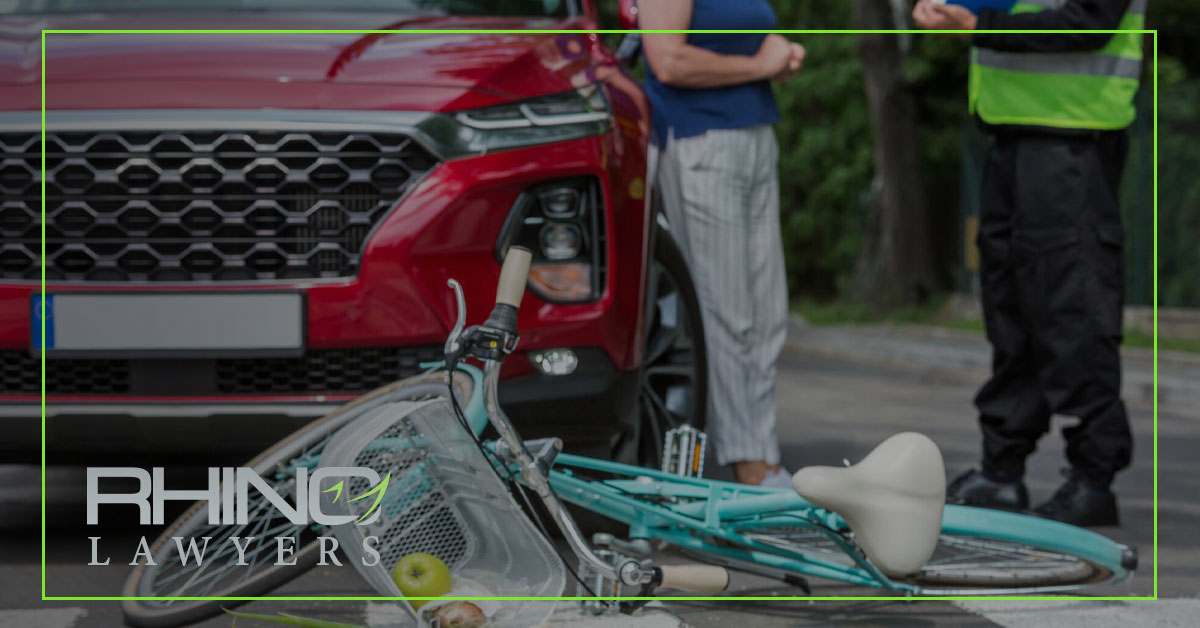
Can You File a Personal Injury Lawsuit Without Witnesses?
The aftermath of a personal injury often leaves victims in physical pain, emotional distress, and mounting financial burdens.
Other common concerns can also arise: What if there were no eyewitnesses to the accident? Is it possible to file a lawsuit without witnesses?
This answer is yes. Injured parties can (and should) seek compensation with alternative personal injury evidence. This guide outlines the critical steps you should take to win your case, from collecting evidence for injury claims to hiring a lawyer.
Alternative Personal Injury Evidence to Eyewitnesses
Upon suffering an injury, the first step is to ensure you’re in a safe zone before documenting the accident scene. This could mean positioning yourself, your vehicle, or your bicycle away from traffic or out of harm’s way.
Next, assess your injuries and call the proper authorities. You can also document your injuries during this process. Take photos or video recordings with a smartphone or keep a digital camera handy at all times.
The above steps are crucial for producing viable evidence for a personal injury settlement with no eyewitnesses.
Another invaluable tool in this case is a dashboard camera, popularly known as a dash cam. You can also buy dual dash cams that record the rear of your car. These tools provide nearly 360-degree live footage around your car.
Real-time cameras are also available for:
- Bicycles
- Motorcycles
- Scooters
- Commercial vehicles
Pedestrians and joggers can also purchase clip-on body cameras in the event of an accident or injury.
Injury and Medical Documentation
Cameras are instrumental in providing clear evidence of injury, accident timelines, and negligent parties. On-scene authorities like EMTs and police officers also provide necessary documentation for case files.
The above points speak to the importance of the next point, medical documentation. If you’ve suffered a personal injury, seek medical attention at a hospital or injury clinic. A physician can provide a detailed report of the injury, including treatments and recovery times.
A professional medical examination may discover injuries not documented at the scene, like whiplash. A psychiatrist or therapist may be able to document emotional distress or PTSD post-accident.
Remember to keep meticulous records of any follow-up visits or prescription medications as evidence. Other types of medical records include:
- Hospital records
- Physician’s notes
- X-rays
- MRIs
- CT scans
- Physical therapy reports
These records are instrumental in demonstrating causation and the severity of your injuries.
Police Reports
Police reports also contain crucial details for a potential personal injury lawsuit, including:
- Diagrams of the scene
- Descriptions of vehicle damage
- Road conditions
- Statements from involved parties (i.e., the other driver)
Citations issued to the other party or observations by an officer can be highly persuasive evidence. An officer on the scene may also document injuries.
How to Document Injury Evidence When Building a Case
You’ve already learned about the value of installing a dash cam and using your smartphone (or digital camera) to document evidence. While your dash cam can record the area surrounding a vehicle, take as many smartphone photos and videos from as many angles a possible. Lawyers and insurance companies need to see the full scope of the accident and injuries.
Capture the position of your vehicle. Document every detail, including:
- Property damage
- Skid marks
- Debris
- Traffic signs
While an officer may document road conditions, go into further detail:
- What was the weather like that day?
- Was it a dirt road?
- Did the accident occur in a residential or urban area?
- Was it an asphalt road?
- Was there road construction?
Document any other relevant environmental factors.
Detail the property damage in full. Take multiple photos and videos. Create a list of all damaged items, including:
- Personal laptops
- Smartphones
- Other personal electronics
Providing detailed photos and videos of vehicular damage can provide a more accurate repair estimate. Such evidence can illustrate the impact (and force) of the collision, supporting your account of how the accident occurred.
What to Discuss During Your Legal Consultation
Don’t hesitate to consult with a personal injury attorney as soon as possible after an accident. The initial consultation is an important opportunity to provide a potential legal team with all relevant information. Prepare ahead of time to discuss all major points.
Provide a thorough and detailed account of the incident, including:
- The exact date
- The time of the accident
- The location of the accident
- A step-by-step description of the accident (from your perspective)
Remember, no detail is too small. Be prepared to discuss how the accident occurred and your initial thoughts on who was at fault.
Clearly explain the nature (and extent) of your physical and emotional injuries. Describe the pain you’re experiencing, including:
- Limitations since the accident
- Disabilities caused by injuries
- How injuries have impacted daily life
- The impact on work (loss of wages)
- Medical treatment received
- Ongoing care
- Anticipated medical needs
Discuss all financial losses you’ve experienced, including post-accident expenses. This may include:
- Paid and outstanding medical bills
- Lost wages from time off work
- Property damage
- Out-of-pocket expenses
Share any details about your insurance coverage at the legal consultation, including auto and health insurance. Provide any insurance information for the at-fault party, as well.
More Points to Consider
It’s important to note that the burden of proof in personal injury cases falls on the injured party to demonstrate the negligence of the other party.
This proof must be established through a legal standard called the “preponderance of the evidence.” All the evidence presented must tip the scales in your favor.
Even without eyewitnesses, you can still create a compelling collection of alternative evidence to meet this standard.
Get the Evidence You Need to Win
After an accident, act quickly to collect the personal injury evidence you need to win your case. These cases don’t mandate eyewitness statements, but they do require substantial proof to meet Florida’s legal standard. Remember to have all of your evidence ready to make the most of your legal consultation.
En RHINO Lawyers, we specialize in various types of personal injuries in Florida. Whether you’ve suffered an injury from medical malpractice or a car accident, we’ll fight with every tool in our legal arsenal to ensure you get the compensation you deserve. Our clients also benefit from our extensive experience in the insurance sector.
Contact us today to discuss your case.
CONTACT A TAMPA AUTO ACCIDENT ATTORNEY
In short, after a car accident, you may not know your rights. Above all, don’t struggle through the process alone. Actually, our equipo de lesiones personales is here to help you with any legal needs you might have regarding your accident.
Lastly, let RHINO Lawyers answer your questions and review the facts of your case with a Free Consultation. So, get started by completing the “Free Instant Case Evaluation” or by calling us any time, day or night, at 844.RHINO.77.
Leer más
Roundabout Crashes: Who May Be at Fault for Your Damages?
The Federal Highway Administration’s 2024 Roundabout Week Report showed the benefits these unique intersections can provide. They reduce traffic injuries by up to 82%. They even improve traffic flow and reduce fuel consumption.
Unfortunately, they aren’t a perfect system. Roundabot crashes remain a problem.
In a recent YouGov poll, 47% of drivers rated themselves as excellent, with only 2% rating themselves as poor or terrible. That kind of overconfidence can be a potentially deadly mistake in a confusing area, such as a roundabout.
Drivers often struggle to navigate them. There are so many cars moving at once. When a crash does occur, it can be difficult to determine what caused it.
Read on to learn more about these accidents, including how fault is determined and how to get the compensation you deserve.
Types of Roundabout Crashes
Failure to yield the right of way is a factor in approximately 33% of roundabout crashes. A failure-to-yield collision occurs when a driver doesn’t obey a yield sign or notice a driver already in the roundabout. They can also crash into a driver who has the right of way when they were supposed to be yielding.
A side-swipe or T-bone accident occurs when a driver crashes into the side of another vehicle. They happen when a driver doesn’t change lanes properly and cuts off another vehicle.
Rear-end collisions occur when vehicles follow each other too closely. One is forced to slow down or stop abruptly.
What to Do After Roundabout Crashes
If you are involved in an accident at a roundabout, move to a safe location immediately. Check for injuries and call emergency services.
Exchange insurance and contact information. File a claim with your insurance company as soon as possible to avoid going past the statute of limitations. Let them know what happened, but avoid discussing fault at this early stage in the process.
Document the scene of the crash. Take pictures of any injuries and damage to vehicles or property. Get statements from anyone involved. It’ll provide valuable evidence later when you submit a claim.
Legal Principles to Follow
The primary reason behind roundabout crashes is a lack of understanding. They’re not as ubiquitous as traditional intersections with their traffic signals and other indicators of where to go and how to proceed.
Knowing how to navigate a roundabout helps you avoid incidents. It also helps you determine who is at fault in a crash. If you followed all the rules, the blame must lie with another party.
Entering the Roundabout
Stay to the right and slow down to 10-15 miles per hour.
Check for any vehicles entering the roundabout. Don’t stop unless it’s to avoid a crash.
Right-of-Way
Drivers that are already in the roundabout almost always have the right of way. Any driver that comes in has to yield to them before merging.
Pedestrians also have the right of way.
Turning and Proper Lane Usage
Never turn left at the splitter island.
If the roundabout has multiple lanes, drivers have to stay in their designated lane.
If you want to go straight through the roundabout, you can enter from either lane. Enter the right lane for a right turn and the left lane for a left turn.
Don’t change lanes when you’re in the roundabout. If you want to make a right turn in the roundabout, stay in the right lane. If you want to make a left turn, stay on the left. You can go through the roundabout in either lane.
Exiting the Roundabout
Use your right turn signal when exiting the roundabout. Check for and yield to any pedestrians.
If you miss your street, go around the roundabout again and exit at the street you need to get to.
Types of Fault
Determining fault in a roundabout accident is like solving a mystery. The driver entering the roundabout is typically the prime suspect.
In general, any driver who violates local traffic laws or rear-ends another vehicle will be considered at fault. Like any mystery worth its salt, there could be other explanations.
There are cases where drivers may share roundabout accident liability. Perhaps they were both engaging in unsafe driving practices.
Municipal liability is when the local municipality responsible for road maintenance is considered at fault for the accident. This could be due to:
- Poor signage
- Inadequate lighting
- Road defects
There are even times when the vehicle manufacturer is at fault. This occurs when issues such as a faulty tire or defective brakes cause an accident.
Determining Accident Fault
The way to prove fault in roundabout crashes is to gather evidence. Gathering as much information as possible after the crash, such as photos or statements, gives you a head start.
Other types of evidence that your lawyer may get to bolster your case include:
- Traffic cam or dashcam footage
- Witness or expert testimonies
- Police reports
Getting Traffic Accident Compensation
One of the most fundamental legal rights in accidents is the right to seek damages. It applies to roundabout accidents, but the process can be difficult without the right help.
Florida is a comparative negligence state. That means everyone involved in the accident can claim damages. The amount they’ll get is reduced based on how at fault they’re determined to be.
This is why determining accident fault is so important. If you want the full damages you deserve, you’ll have to prove that another party was responsible (or at least more responsible) for the crash. An experienced lawyer can do this through evidence and tireless effort.
There’s also a ticking clock. You have to seek traffic accident compensation within 14 days of the crash, so don’t wait.
Where to Get Legal Representation
Roundabout crashes occur when drivers misuse a generally safe system. Obtaining proper representation can help determine who or what is responsible for the incident. It ensures you receive the damages you deserve.
RHINO Lawyers is passionate about revitalizing the law industry. We’re a forward-thinking firm that utilizes the latest technology. It helps us investigate your case and communicate with you on your terms.
Our team of injury claims advisors has a long track record of satisfied clients. Contact us for your free case review today.
CONTACT A TAMPA AUTO ACCIDENT ATTORNEY
In short, after a car accident, you may not know your rights. Above all, don’t struggle through the process alone. Actually, our equipo de lesiones personales is here to help you with any legal needs you might have regarding your accident.
Lastly, let RHINO Lawyers answer your questions and review the facts of your case with a Free Consultation. So, get started by completing the “Free Instant Case Evaluation” or by calling us any time, day or night, at 844.RHINO.77.
Leer más
DUI Enforcement in Tampa: Laws, Checkpoints & Your Rights
DUI enforcement in Tampa continues to ramp up. In a recent initiative, 41 people were arrested during a weekend crackdown, highlighting how seriously local agencies take impaired driving.
Even a first DUI charge can bring lasting consequences. Understanding Tampa DUI laws and checkpoint procedures helps protect DUI rights in Tampa and may even affect the outcome of a case.
This legal guide for DUI charges covers everything from BAC limits and penalties to what to expect at Tampa DUI checkpoints. Whether someone is facing charges or wants to be prepared, staying informed is the first step.
Tampa DUI Laws Explained
Florida Statute 316.193 defines DUI as driving or being in actual physical control of a vehicle while impaired by alcohol, drugs, or both. “Actual physical control” means a person doesn’t need to be driving to face charges, so simply having access to the keys and sitting behind the wheel can be enough.
In Florida, the legal blood alcohol concentration (BAC) limit for adults is 0.08%. For drivers under 21, Florida enforces a zero-tolerance policy, with penalties starting at a BAC of 0.02%. Even small amounts of alcohol can lead to charges for young drivers.
Florida law also covers drug impairment without requiring a BAC measurement. Law enforcement can use observed behavior, field sobriety tests, or chemical testing to support DUI charges involving prescription or illegal substances. This broader authority helps officers enforce DUI laws more effectively.
DUI Penalties and Long-Term Impact
Florida law sets clear penalties for DUI offenses. First-time convictions may lead to jail time, fines, and suspension of driving privileges. Repeat offenses bring harsher consequences, including longer suspensions and mandatory use of ignition interlock devices. The severity depends on factors such as BAC level and prior records.
Penalties increase significantly if a DUI causes bodily injury or property damage. Such cases often lead to felony charges and extended jail time. Beyond legal penalties, a DUI conviction affects many areas of life long after the sentence ends.
Potential impacts to consider:
- Difficulty securing or keeping certain jobs
- Increased auto insurance premiums
- Permanent criminal record affecting background checks
- Restrictions on professional licenses or certifications
Tampa DUI Checkpoints and Patrols
DUI checkpoints help law enforcement identify impaired drivers early to keep roads safer. The U.S. Supreme Court ruled in Michigan Dept. of State Police v. Sitz (1990) that sobriety checkpoints are constitutional when conducted properly. Florida follows this ruling along with guidelines from the Florida Department of Law Enforcement.
Key checkpoint requirements include:
- Public notice of checkpoint locations ahead of time
- Use of safe, well-lit areas for stops
- Brief and consistent questioning of all drivers
- Presence of a supervising officer at the checkpoint
- Minimal detention time to reduce inconvenience
How Florida Handles DUI Enforcement
DUI enforcement in Tampa includes both publicized checkpoints and unannounced saturation patrols. Checkpoint details must be shared in advance, but announcements often list only general locations or timeframes. Drivers may still be surprised, even when operations follow legal notice rules.
Saturation patrols target high-traffic or high-risk areas without prior public notice. Officers monitor behavior and stop drivers showing signs of impairment. These patrols are a key part of DUI enforcement in Tampa and often run alongside checkpoint activity.
Your Rights at DUI Checkpoints
Every driver stopped at a checkpoint has the right to remain silent and avoid self-incrimination. Calm, respectful responses help keep the interaction smooth while protecting important legal rights. Speaking less can prevent accidental statements that might complicate a case later.
Refusing field sobriety or breath tests remains an option, but refusal triggers specific legal consequences. Under Florida law, drivers may face automatic license suspension when tests are declined. Knowing this ahead of time allows for clearer decision-making under pressure.
Law enforcement officers must follow strict protocols during checkpoint stops, including proper notice and reasonable detention times. If officers fail to meet these standards, attorneys may challenge the stop’s validity. Courts can exclude evidence obtained improperly, safeguarding rights through the legal process.
Navigating DUI Charges in Tampa
Getting arrested at a DUI checkpoint starts a legal process that unfolds over several steps. After the arrest, the officer usually takes you to a booking facility where they collect information, fingerprints, and may administer chemical tests. Depending on the situation, you might be released on bond shortly after booking.
An arraignment hearing typically happens within a few days or weeks after an arrest. The court will formally read the charges and ask for your plea. If you haven’t been released yet, the judge will decide on bail or bond conditions at this time. Understanding each step helps reduce uncertainty and prepares you to respond confidently.
Keeping track of appointments, court dates, and paperwork plays a big role in managing the process. Staying organized and informed helps protect your rights and supports your defense.
Legal Representation After a DUI Arrest
DUI charges involve complex laws and procedures that can be difficult to navigate without professional help. An experienced attorney guides you through the process, explains options, and builds a defense tailored to the case. Early legal advice can identify mistakes in the arrest or checkpoint procedures that might affect the outcome.
Having a lawyer also helps in negotiating plea deals or seeking alternatives to harsher penalties. Representation ensures rights stay protected throughout every step, from arraignment to possible trial. Legal support provides confidence and clarity during a stressful time.
How a DUI lawyer helps:
- Reviews evidence and police reports for accuracy
- Challenges improper checkpoint or arrest procedures
- Explains rights and legal options clearly
- Negotiates reduced charges or alternative sentencing
- Represents you in court hearings and at trial
- Advises on license suspensions and reinstatement processes
Protect Your Future After a Tampa DUI Arrest
A DUI stop can escalate quickly, from roadside questions to arrest and court dates. With DUI enforcement in Tampa including both announced checkpoints and surprise patrols, knowing how the system works offers you a major advantage.
RHINO Lawyers brings real courtroom experience to every case, with a legal team focused specifically on traffic and DUI defense. We don’t just handle paperwork; we challenge weak charges and fight to protect your record.
Don’t face the system without support from attorneys who know how it works. Reach out now for a free case review.
CONTACT TAMPA TRAFFIC TICKET ATTORNEY
RHINO Lawyers can help and guide you through a system molded by law enforcement, judges, and lawyers for decades. Having won cases for our clients in similar circumstances, our criminal defense team knows what it takes to fight on your behalf.
Let RHINO Lawyers answer your questions and review the facts of your case with a Free Consultation. So, get started by completing the “Free Instant Case Evaluation” or by calling us any time, day or night, at (844) RHINO-77.
Leer más