

Consequences of Leaving the Scene of an Accident in Tampa
Between 2012 and 2021, there were over 710,000 hit-and-run crashes in Florida. From fender-benders to crashes resulting in deaths, hit-and-run accidents carry serious consequences. If you’ve been in an accident that has caused property damage, injury, or death, you must remain at the scene.
If you leave the scene of an accident, you face charges as well as potential fines. The penalties get more severe the more serious the crash is. Read on to learn more about the consequences of leaving the scene of an accident. And what you should do instead.
Florida Laws
Florida law requires you to call the police if you are involved in an accident that results in injury, death, or property damage in an “apparent amount of at least $500.” Because it’s hard to estimate how much damage a crash does and how much it may cost to repair a vehicle, it’s safe to assume that if you are involved in any crash with visible property damage, call the police.
It’s always better to err on the side of caution and call them when you don’t really need them than the alternative of not calling and facing charges.
If you do not call the police, you face a potential noncriminal traffic infraction, which usually involves a fine. However, if there is significant damage, injury, or death, you are facing criminal charges, fines, potential prison time, and revocation of your license if you do not call the police and stay at the scene of an accident.
Fleeing an accident scene is almost a guarantee that your charges are going to be greater and your penalties stiff than if you had simply remained at the scene and dealt with law enforcement.
They will search for you and they will find you. It will be much harder to mount any sort of defense if you flee than if you stayed and faced the consequences.
Crashes Involving Vehicle or Property Damage
The penalties for leaving the scene of an accident depend on the extent of the car crash and the damage done. If it is an accident that results in damage to your vehicle, another vehicle, or property damage, and you flee the scene, you can face second-degree misdemeanor charges.
The potential penalties for a second-degree misdemeanor in Florida include:
- Up to 60 days in jail
- Up to six months of probation
- A fine up to $500 with $5 added to be deposited in the Emergency Medical Services Trust Fund
The penalties increase if there were injuries as a result of the accident.
Crashes Involving Injuries
Leaving the scene of an accident that involved injuries (but not death). Florida considers this a third-degree felony. In order to convict you of this charge, the state attorney must show that you knew of your involvement in an accident. Plus, that you knew or should have known, that a person was injured, and that you failed to stop at the scene and remain there.
If convicted, you face the following penalties:
- Up to five years in prison
- A fine up to $5,000
- Up to five years of probation
Crashes Involving Death
When you leave the scene of an accident after a death has occurred, you are facing first-degree felony charges. The state attorney must show that you knew that you were involved, knew or should have known about the death, and didn’t stop and remain at the scene.
First-degree felonies come with the potential of:
- Up to 30 years in prison
- A fine of up to $10,000
- Up to 30 years on probation
Administrative Penalties
Not only do you face criminal charges and penalties when you leave the scene of a car crash, but you’ll also face administrative penalties, such as losing your driver’s license.
When you are involved in a crash that causes injury and death and you flee the scene, your license may be revoked.
Your Duties After a Crash
When you are involved in any sort of crash that results in damage or injury. Then there are certain duties that you have in Florida, including:
- Remain at the scene
- Provide your contact information, including your name and address
- Provide the registration number of the car you were driving
- Show your driver’s license
- Provide reasonable assistance for anyone who is injured (calling an ambulance, etc.)
If you hit a car that is parked, you must try to find the owner. And if you cannot, you must leave a note with your contact information and information about the crash. You are not legally required to stay at the scene until the owner of the car or other property returns.
Leaving the Scene of an Accident: Don’t Do It
There are many reasons for leaving the scene of an accident. Most of them involve trying to avoid trouble of some sort. Such as if you were driving under the influence, driving with a suspended license, or having a warrant for your arrest. It is almost a guarantee that law enforcement will find you if you flee and you will then be in more trouble.
Not only will you not avoid getting into trouble from the accident. But you are also going to face even more consequences for leaving the scene. Your best option is to remain at the scene and face any repercussions that may come your way. If you are taken into custody at the scene, contact an attorney as soon as you are able.
Contact us en RHINO Lawyers. We focus on criminal defense and traffic violations and can provide a free case evaluation.
CONTACT TAMPA TRAFFIC TICKET ATTORNEY
RHINO Lawyers can help and guide you through a system molded by law enforcement, judges, and lawyers for decades. Having won cases for our clients in similar circumstances, our criminal defense team knows what it takes to fight on your behalf.
Let RHINO Lawyers answer your questions and review the facts of your case with a Free Consultation. So, get started by completing the “Free Instant Case Evaluation” or by calling us any time, day or night, at (844) RHINO-77.
Leer más
Can Your Driving Record Affect Your Injury Claim?
Imagine this:
You’re driving down the road, completely focused, with both hands on the wheel, going the speed limit, and suddenly, someone rear-ends you. You sustain a neck sprain from the accident, so you file an injury claim with the at-fault driver’s insurance company.
It’s evident you didn’t do anything wrong in this situation, but the insurance company pulls your driving record and sees it’s not so squeaky clean. In fact, on paper, you look like the one who is a bad driver.
Can the insurance company use your driving record against you when you file a claim?
Unfortunately, they often can.
So keep reading as we dive into this topic, and you learn exactly how your driving record can impact an insurance claim.
Who Is Entitled to Compensation From an Injury Claim?
Before discussing how a poor driving record can affect an injury claim, you should know that if someone else injures you in a car accident, you are legally entitled to compensation.
You should never let blemishes on your driving record stop you from filing a personal injury claim against the at-fault party. First, however, you want to hire some legal help when filing a claim.
Although your driving record alone cannot prevent you from receiving compensation, it can lower the amount you receive from the insurance company for your claim. Neither party can use evidence of prior convictions of criminal-based driving offenses to prove guilt. Examples of these convictions include:
- Careless driving
- Driving with an expired or suspended license
- Fleeing the scene of an accident
- Hit and run
- Illegal drag racing
- Vehicular manslaughter
But, attorneys can use your driving record to doubt your credibility and testimony. Thus, hiring a lawyer to help you with your claim is the best way to get the compensation you deserve.
Insurance companies use many tactics to pay less money on claims, so you want someone in your corner fighting against them and for what you are owed for your pain and suffering.
How Insurance Companies Try to Use Your Driving Record Against You
If you have one parking ticket or a single moving violation on your driving record, it won’t be enough for the insurance company to try to use it against you.
But suppose you have multiple tickets for distracted driving, several speeding tickets, or a conviction for a criminal-based driving offense. In that case, they may try to establish a pattern of poor driving.
If they can show you are a reckless driver, they may try to say you were actually the at-fault driver in the accident. They can use this information to counter your claim and deny you financial compensation.
Remember, you’re only entitled to compensation from an at-fault party.
Based on your driving record, they may be unable to outright blame you entirely for the accident. But they can still try to allege you were partially at fault.
Being partially at fault would undervalue your claim so that the insurance company would pay you less. Every state has negligence laws that prevent you from receiving part or all of your compensation if you were partially to blame for the accident.
The insurance company may try to use your driving history to establish some fault and paint you as a negligent driver. Then, they wouldn’t have to pay as much in compensation to you for your injuries.
Pre-Existing Injuries
Aside from trying to establish a pattern of poor and negligent driving to reduce your compensation, the insurance company may also try to prove your injuries were actually from a prior accident.
For instance, if your driving record shows you were in a previous accident, the insurance company may try to use that as a way to state that your current injuries are just pre-existing.
If they successfully prove this, they could prevent you from receiving any money. This is because pre-existing conditions are not compensable in personal injury claims.
However, if you did have a prior accident, but this most recent accident aggravated pre-existing injuries, you can still receive compensation. You would need the assistance of an attorney to help you collect proper evidence to prove the accident worsened your condition.
Additionally, the insurance company cannot claim your injuries wouldn’t have been so bad if you didn’t already have a pre-existing condition. So they have to accept your condition as it is. This is the eggshell skull rule.
Can Your Driving Record Help You in an Injury Claim?
Your driving record isn’t all bad news for your injury claim.
While the insurance company may try to use a poor driving record against you, it can benefit you in your lawsuit if you have a clean or primarily spotless record.
If the insurance company tries to paint you as a negligent driver or establish fault, your lawyer can use your clean record to demonstrate you’re a careful driver. This could benefit and strengthen your claim.
Further, you can introduce the other driver’s record into the court. If the at-fault driver has a history of car accidents or moving violation tickets, this could help your case. Your lawyer can use the other driver’s record to establish a pattern of negligent driving.
This may take any fault away from you and strengthen how much compensation you are entitled to receive.
If one party wants to submit driving records to the court, it’s best to present both drivers’ records to establish fault better. Again, it will work in your favor if you have a history of being a safe driver.
Hire a Lawyer for Your Personal Injury Claim
If you’ve recently been in an accident and want to file an injury claim, you must hire a lawyer first. It’s the best way to ensure you receive the compensation you deserve.
Contact us en RHINO Lawyers to speak with an attorney today. We’ll offer free advice to you now!
CONTACT A TAMPA AUTO ACCIDENT ATTORNEY
In short, after a car accident, you may not know your rights. Above all, don’t struggle through the process alone. Actually, our equipo de lesiones personales is here to help you with any legal needs you might have regarding your accident.
Lastly, let RHINO Lawyers answer your questions and review the facts of your case with a Free Consultation. So, get started by completing the “Free Instant Case Evaluation” or by calling us any time, day or night, at 844.RHINO.77.
Leer más
A Drunk Driver Hit Me in Tampa, Now What?
Consider this scenario: you’re driving home from work one evening, ready to get home to your family and relax. And out of nowhere, a driver runs a red light and t-bones your car.
Thankfully, your injuries don’t appear too serious, but you go to the hospital just to get checked out. Your brand new car is totaled and now you’re wondering what to do.
Getting hit by a drunk driver is devastating. An accident can cost you considerably. Including medical costs, replacing your vehicle, and dealing with the pain and suffering that often occurs afterward.
Do you know what to do to protect yourself after an accident and ensure that you are adequately compensated for your expenses? If not, we’re here to help. Read on to learn more about what to do after a drunk driving accident.
Call the Police
Calling the police should be one of the first things you do if you are in an accident with any driver, but especially a drunk driver. The police will secure the scene, conduct a preliminary investigation so they can write an accident report, and arrest the driver if they suspect that they are under the influence.
You will need the police report for any insurance claims and if you want to seek compensation from the drunk driver and their insurance company.
Seek Medical Care
When you call the police or call 911, paramedics will also respond to the crash scene. Whether you get medical care at the scene or visit a doctor later on your own, you need to seek medical care.
Even if you think you only have minor injuries, the adrenaline from the accident may be masking pain or internal injuries that can be serious if left untreated.
If you later file a claim against the drunk driver, you will also need documentation of your injuries. Keep records of all of your doctor visits, any paperwork you receive, and receipts for anything you pay out of pocket. Plus, be sure to follow any instructions given to you by a doctor. If you do not follow your treatment plan, insurance companies will often use that as a way to argue that your injuries aren’t that serious.
Document the Accident
If you are able to do so, and it is safe, document the accident scene and damage as much as possible. Take pictures of the damaged vehicles, other damaged areas (guard rails, signs, etc.), and the entire accident scene. If you can take pictures and videos, that’s even better.
You can also document your injuries, especially if they are visible, such as swelling and bruising, cuts, scrapes, etc. Make a note of the day and time of the accident, the weather, and any other relevant details you can remember.
If there are any witnesses, gather their contact information at the scene. This will likely be included in the accident report, but you will want to make sure that you have that information as well, just in case. When you speak to an attorney, they will likely want to contact any witnesses.
Contact Your Insurance Company
Once you have received medical care, you will need to contact your insurance company. They will often work with the insurance company of the driver that hit you to determine fault. And will typically go after that driver to cover your expenses.
You will likely need to give your insurance company the accident report and keep in touch with them as the claim progresses. It is important though to remember that you should not talk to the insurance company for the other driver without consulting with your attorney. Anything you say to them can be used against you and you do not want to admit any fault or agree to any settlements without legal guidance.
Hire an Attorney
Insurance companies want to pay out as few claims as possible for as little money as possible. Their focus is their bottom line, so if you file a claim against the other driver, they will do everything they can to either deny your claim or pay you as little as possible.
This is why you need an experienced car accident attorney. They can handle negotiations for you and get you the compensation you deserve.
If the other driver does not have insurance, you will have to sue them directly. Your attorney can help you negotiate this as well. Many attorneys provide free consultations, so speak with a few different attorneys to see if you have a strong case.
Keep Records of Everything
Keep documentation of everything to help your attorney build your case. If you receive any phone calls about the case, make notes of those. Document every person that you talk to, including the date and time of the conversation.
Keep all the pictures and videos from the accident scene and share those with your attorney. As well as, any other receipts, police reports, and witness contact information.
Avoid Social Media
One thing that can often hurt your case is posting on social media. The insurance company of the at-fault driver will often comb through your social media posts. Because they are looking for evidence that your injuries are not as severe as you say.
Avoid posting anything about the accident on social media. In fact, don’t talk to your friends about it, and don’t talk to insurance adjusters.
Hire a Lawyer to Represent You After A Drunk Driver Hits You
If you have been hit by a drunk driver, you need to ensure that you are compensated for your injuries, medical expenses, lost wages, and damaged property. There are not just criminal penalties for driving drunk. A drunk driver who causes an accident is also responsible for your costs as well.
If you are in need of a personal injury attorney to handle your case, contact RHINO Lawyers. We focus on car accident cases and will provide a free case evaluation.
CONTACT A TAMPA AUTO ACCIDENT ATTORNEY
In short, after a car accident, you may not know your rights. Above all, don’t struggle through the process alone. Actually, our equipo de lesiones personales is here to help you with any legal needs you might have regarding your accident.
Lastly, let RHINO Lawyers answer your questions and review the facts of your case with a Free Consultation. So, get started by completing the “Free Instant Case Evaluation” or by calling us any time, day or night, at 844.RHINO.77.
Leer más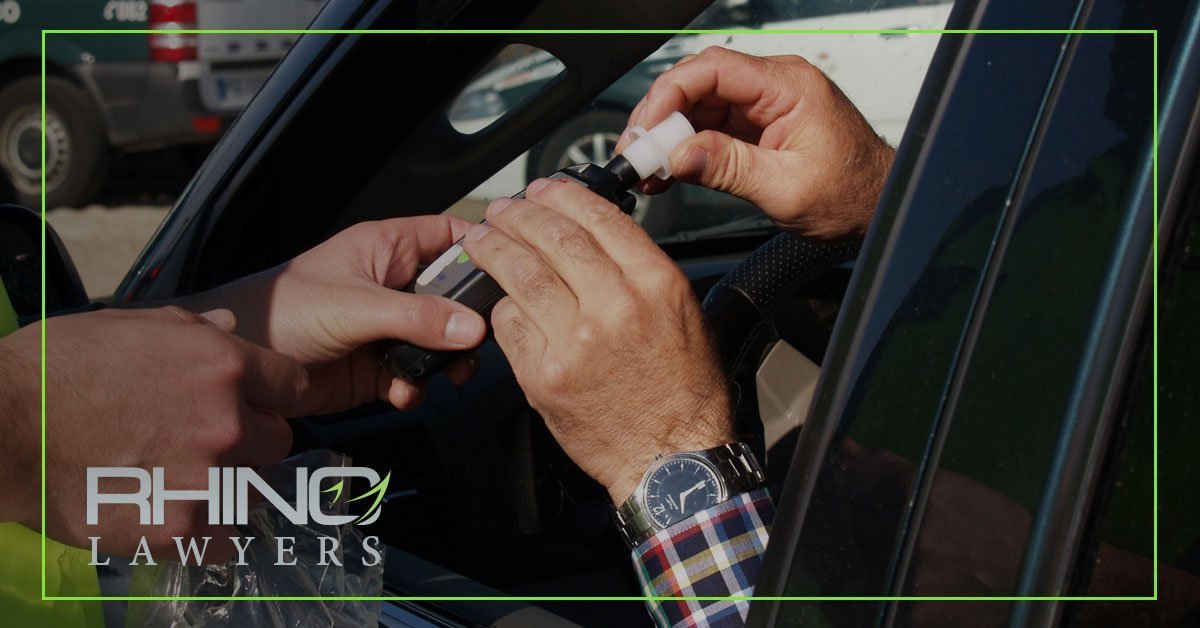
7 Ways a Breathalyzer Can Be Wrong
Every year, thousands of people die in drunk driving accidents. It is no wonder that DUI charges are so serious. At the same time, some people take a breathalyzer test when they know they have not been drinking and end up with a positive result anyway.
People experience incredible helplessness when this happens. After all, the law enforcement officials involved probably act extremely confident about their guilt. On top of that, it is impossible to argue with a machine.
However, people often find hope when they find out that there are actually a number of known ways that breathalyzer tests can be incorrect.
So what exactly are the most common ways a breathalyzer result might be faulty? Could one of these mistakes explain your own false-positive result? Read on to learn all about the most important things to understand about how a breathalyzer test can be wrong!
1. Poor Breathalyzer Calibration
There are a couple of different ways that someone can receive a bad breathalyzer result and get a DUI charge as a result.
In some cases, people have not had very much to drink. If they have had sufficiently low quantities of alcohol, then they are actually following the law when they drive. However, a breathalyzer test might show that they have been drinking more than they really have.
On the other hand, a breathalyzer test might claim that someone has been drinking even when they have not had any alcohol in recent history. In both cases, this is potentially the result of bad calibration.
The longer machines go without proper calibration, the more commonly they start to give false results. With the support of an experienced lawyer, you might be able to discover that the breathalyzer test you were given came from a machine with outdated calibration. That can prove that the supposed evidence about your guilt is actually invalid.
2. Bad Test Solutions
Most people don’t know very much about how breathalyzers work. They imagine that they somehow just know whether or not you were ingesting alcohol in recent history. Of course, this is not how they really work.
What they really detect is certain chemical reactions that are supposed to be the result of the solutions in a breathalyzer interacting with alcohol. However, what if the chemical makeup of the solutions in the breathalyzer is incorrect?
This can lead to false-positive results and a charge for driving under the influence even when you have not been drinking excessively. In fact, some law enforcement officers end up creating homemade chemical solutions to put in breathalyzer tools.
In other cases, officers put old solutions in breathalyzer tools after they have expired. This can be the result of an oversight, or it can even be the fault of the manufacturer. With the right investigation, you might be able to show that the solution in the breathalyzer test you received possibly provided a false result.
3. Wrongly Modified Tests
Breathalyzer tools are sensitive instruments. Sometimes, law enforcement officers fiddle with them in ways that are not authorized. For example, they might turn off the part of the machine that detects the temperature of breath.
Although the machine may still output answers that claim you have been drinking excessively, that may be the result of improper modifications rather than actual excessive drinking.
4. Programming Errors
Breathalyzers are complicated instruments that use computers. These computers rely on properly functioning software to provide accurate results.
Unfortunately, software mistakes can be extremely subtle and difficult to detect. It is always possible that a machine is outputting false-positive results because the software has encountered a bug.
5. Poor Test Methodology
Breathalyzer tests are not perfectly reliable even under the best of circumstances. Many people have become more familiar with how a test can provide false positives and false negatives because of the coronavirus pandemic.
Many people have also learned about how improperly providing data to a test can lead it to be more and more inaccurate. It is important to use a breathalyzer correctly in order for it to provide accurate results.
If a law enforcement officer provides you with faulty instructions for taking the breathalyzer test, it may result in a higher chance of a false positive or false negative.
That is why it is so important that law enforcement officers provide consistent and accurate instructions on how to take tests. Otherwise, the results of the tests are questionable.
6. Medical Conditions
Sometimes, you can end up with reliably false breathalyzer test results for reasons that not even most law enforcement officers don’t know about.
For example, if you have diabetes, you are more likely to give false results to a breathalyzer test. In fact, not only will your results be inaccurate, but the breathalyzer will read you as having a consistently higher blood alcohol level than you really do.
This is a serious problem that we need more sophisticated technology to handle. We cannot rely on breathalyzer tests that consistently give false readings for people who have diabetes or other medical conditions.
If you have persistent acid reflux, that can also throw off the results of a breathalyzer test in a way that can make it look like you have been drinking more than you really have been. This can be especially damaging if you have been in a car accident.
7. Other Chemicals
As we have already discussed, breathalyzer tools are sensitive. They rely on a careful combination of proper use, pristine software, and correct chemical solutions.
However, they also rely on things that are not under the control of breathalyzer designers or law enforcement officers. In some cases, breathalyzer tests are inaccurate because there are chemicals in the air while you are taking a test.
Paint fumes, gasoline, mouthwash, and more can all lead to inaccurate breathalyzer results. If you have received a faulty breathalyzer test result, the right attorney might be able to show that your supposed DWI offense may be the result of chemicals that were in the air at the time.
Understand How to Manage DUI Charges
We hope learning about how breathalyzer tests can be inaccurate has been helpful. The more you know about breathalyzer tests, the better able you will be to manage DUI charges.
To learn more about how breathalyzer tests can be inaccurate or find legal help, feel free to reach out and get in touch with us here at any time!
CONTACT TAMPA TRAFFIC TICKET ATTORNEY
RHINO Lawyers can help and guide you through a system molded by law enforcement, judges, and lawyers for decades. Having won cases for our clients in similar circumstances, our criminal defense team knows what it takes to fight on your behalf.
Let RHINO Lawyers answer your questions and review the facts of your case with a Free Consultation. So, get started by completing the “Free Instant Case Evaluation” or by calling us any time, day or night, at (844) RHINO-77.
Leer más
What Is a Compulsory Medical Exam and Why Are They Requested?
Did you know that Florida is home to the deadliest mile of road in all of America? No wonder thousands of Floridians each year have to file personal injury claims for car crashes and other accidents.
If you’ve started this process, you may have heard the term ‘compulsory medical examination’ mentioned. Most people who file a personal injury claim don’t have to worry about this. But sometimes when filing a personal injury lawsuit. The opposing party will request one to make sure that your injuries are as bad as you say they are.
Legal terms can be confusing, so we’re here to answer any questions you may have. Read on to find out what’s involved in a compulsory medical examination and how to cope if you have to face one.
Legal Terms: What Is a Compulsory Medical Exam?
A compulsory medical examination can be requested in a personal injury lawsuit. This is in accordance with Rule 1.360 of the Florida Rules of Civil Procedure. It can only be requested when “the condition of the subject is in controversy”.
Translation – the other party does not believe your account of the severity of your injuries. Or they believe that the injuries were not sustained in the way you describe and were therefore not their responsibility.
The requesting party must prove to the judge’s satisfaction that they have good cause for making the request. In fact, many cases never reach this point. Because they can settle most cases out of court. However, the opposing party may still request an examination. Plus, it’s good to prepare for this eventuality.
The opposing counsel must make their request for a medical exam no later than 70 days before the docket sounding date. This allows time for objections.
Can You Refuse a Compulsory Medical Examination?
If you hire a personal injury lawyer, they can challenge the need for a compulsory medical exam. They have to make this challenge within 30 days of receiving the written request. They can request that the opposing counsel produce evidence in court to back up their request. But refusing the request for a medical exam may not be in your best interests.
This underlines the importance of getting experienced legal help. They can advise you on the right move, which will vary from case to case.
Is It the Same as an Independent Examination?
Let’s clear up a common misconception. A compulsory medical examination is not the same as an independent examination. There is nothing independent about this process.
If you’re the plaintiff (person who brings the case) against an insurer, for example, they (the defendant) may request an examination. The defendant will choose the doctor who will conduct the examination.
This is an important point – the doctor is not court-appointed. However, it is the responsibility of the doctor to be objective and present the findings in an unbiased manner. It is debatable whether this is always the case.
Legal Requirements for the Compulsory Medical Examination
The State of Florida sets out several requirements for the compulsory medical examination. This includes:
- Both parties must coordinate the date and time of the examination
- If there’s no agreement, the court will set the date
- Examinations should occur in the county where the case is being tried
- The plaintiff’s counsel, a videographer, a court reporter, an interpreter, and if needed and parent or guardian may attend
They can ask the plaintiff to complete a patient information sheet. Which they should bring to the examination. They may also ask you to bring original medical records. As well as, diagnostic aids if the defendant requested them.
Only non-invasive procedures can take place during the compulsory medical examination. If this is not enough, the defendant will need to obtain a court order.
The medical examiner must produce a detailed written report. Both parties will receive this. The medical examiner must not offer any further evidence that is not contained in this report.
This is an overview of the basic requirements. As other legal issues can arise relating to the medical exam, get advice at every stage from your personal injury lawyer.
Preparing for a Compulsory Medical Examination
No one looks forward to a compulsory medical examination, but with good preparation, you can navigate it successfully.
Since you have a genuine claim, there is no need to worry. Be honest about your medical condition, but don’t exaggerate it. Talk about what happened and your suffering clearly and truthfully.
Throughout the examination, be polite, serious, and cooperative. Think carefully about your answers and reply in your own words.
It’s a good idea to have your attorney present during the examination. If asked to sign anything, check with your attorney first.
It might seem weird to have a videographer and court reporter present throughout the examination. But this is for your protection. You’ll have an accurate recording in video and transcript form of exactly what took place.
Should I Get My Own Exam as Well?
This might be a good idea – check with your lawyer first. If you do. Then follow the same procedures. And make sure you recorded it. Try to schedule your medical exam on the same day or as close as possible to the compulsory one.
Choose RHINO Lawyers After a Car Accident
After reading this, you might wish that compulsory medical exam was among the legal terms you don’t understand! It’s true that no one would ever want to go through this process. But with excellent legal help, you can prepare well and reduce the stress involved.
En RHINO Lawyers, our personal injury lawyers are here to help you no matter how your accident happened. They’ll help you get the compensation you deserve for the pain and suffering you’ve endured.
Why not schedule a free video consultation today to learn more about how they can help?
CONTACT A TAMPA AUTO ACCIDENT ATTORNEY
In short, after a car accident, you may not know your rights. Above all, don’t struggle through the process alone. Actually, our equipo de lesiones personales is here to help you with any legal needs you might have regarding your accident.
Lastly, let RHINO Lawyers answer your questions and review the facts of your case with a Free Consultation. So, get started by completing the “Free Instant Case Evaluation” or by calling us any time, day or night, at 844.RHINO.77.
Leer más
A Guilty Plea Won’t Necessarily Resolve DUI Issues: Here’s Why
Guilty pleas are an American scourge. 94% of criminal convictions in the United States come from guilty pleas. Thousands of innocent people have pleaded guilty to crimes they didn’t commit, including DUIs.
When you are presented with a plea bargain, you may be tempted to take it. But a guilty plea has many different consequences. Before you strike a deal with a prosecutor, you should understand the facts.
What are the penalties for DUI charges in the state of Florida? What happens to people who plead guilty to felonies? Are there alternatives to a plea deal?
Answer these questions and you can find your path forward after a DUI arrest. Here is your quick guide.
You Will Lose Your License
Florida DUI laws make license revocation mandatory after any DUI. If the DUI is a first-time offense that results in no bodily injuries, the state will revoke the driver’s license for at least 180 days. The state can extend the revocation period to a maximum of one year.
A second-time offense has a minimum revocation period of five years. This occurs regardless of whether or not the DUI resulted in an injury.
In order to get your license back, you must go to DUI school. You then need to apply for hardship reinstatement.
You must prove that you need to drive for business purposes or employment purposes. A license for business purposes lets you drive to and from work, church, and medical appointments. A license for employment purposes limits you to driving only for work-related matters.
Going on errands or detours will lead to your hardship license getting revoked. You can also lose your license if you fail to pay child support, skip court hearings, or get into an accident.
Your Premiums May Increase
All car insurance companies have policies that raise premiums after a DUI offense. Each company is different, but you may need to pay an extra $1,000 a year because of your higher premiums.
Some companies can also revoke your insurance outright. They may do this in cases when the DUI resulted in an injury or significant property damage.
You may not be able to change your policies. Insurance companies can examine your driving record and see if you have DWI charges on it. If you do, they can decline to offer you insurance.
It does not matter if your conviction came from a plea deal or not. The only way your DUI will not affect your insurance is if the offense is removed from your driving record. But your DUI can stay on your record for years, and it may be permanently in place.
You May Plead Guilty to a Felony
Plea deals can mean a few different things. In exchange for pleading guilty, a prosecutor may reduce your criminal penalties. You may avoid incarceration and receive probation and community service.
However, DUI charges are so severe that a prosecutor may insist that you plead guilty to a felony. Florida has passed laws allowing people with felony convictions to vote. But if you have outstanding fees or fines, you lose your right to vote, even years after your sentence.
Pleading guilty will also create a criminal record for you. Employers can conduct a background check, find your criminal record, and deny you job opportunities.
You May Face Other Charges and Penalties
A DUI case may involve a variety of offenses. Many prosecutors like to charge drivers with traffic violations that the court considers to be criminal offenses, including reckless driving.
You may be able to get your DUI charges thrown out in a plea deal. But you may plead guilty to another offense that puts you in jail, gets your license revoked, and creates a criminal record.
In the future, a DUI offense you pleaded guilty to will count as a first-time offense. If you’re charged and convicted of another DUI, you face stiffer criminal penalties.
A No Contest Plea Is an Alternative
A no-contest plea means that you will not dispute the charge in court. In a plea deal, a no-contest plea functions similarly to a guilty plea. You may still face incarceration or other penalties.
However, a no-contest plea means you are not admitting to the DUI offense. Lawyers in a civil trial cannot use your plea against you, so you can contest a civil case on equal footing as the plaintiff.
Some judges do not allow no-contest pleas, and your DUI lawyer may advise you against one. Talk to your lawyer about your options before you decide what your right move is.
A Deal Offer Can Be a Sign of Weakness
A prosecutor may offer you a plea deal just to get your case off their books. They may think that they will lose at trial, and a deal may be their only way to get a conviction.
Take a look at the terms of the plea deal and at the other evidence in the case. If you think the prosecutor’s evidence is thin, you should prepare for a trial.
Start building your defense before you decide whether or not to take a plea deal. You can fight back against DUI charges by pointing out that you were not the driver or had no physical control of your car.
You May Not Want a Guilty Plea
A guilty plea will not end your DUI case. You will lose your license for months, if not years. Your insurance premiums will increase, and you will live with a criminal record.
A prosecutor may force you to plead guilty to a felony or press for other charges. Before you accept a deal, you need to look at the terms and consider your alternatives. You can try a no contest plea, or you can press for a trial.
Your best approach is to hire a DUI legal professional. RHINO Lawyers serves the Tampa area. Contact us today.
CONTACT TAMPA TRAFFIC TICKET ATTORNEY
RHINO Lawyers can help and guide you through a system molded by law enforcement, judges, and lawyers for decades. Having won cases for our clients in similar circumstances, our criminal defense team knows what it takes to fight on your behalf.
Let RHINO Lawyers answer your questions and review the facts of your case with a Free Consultation. So, get started by completing the “Free Instant Case Evaluation” or by calling us any time, day or night, at (844) RHINO-77.
Leer más
Car Crash: Chiropractor vs. Orthopedic Doctor: What Is the Difference?
Between 14,000 – 17000, car accidents occur every day on American roads, and in 2020, 43% of these led to injuries. After a car crash, you may sustain back, neck, and other musculoskeletal injuries ranging from minor to severe.
Seeking medical treatment will depend on the types and severity of the injuries sustained. In the event you or a loved one get in an accident, it’s crucial to know what kind of doctor can best help you.
Do you need to see a chiropractor or an orthopedic surgeon? Which is best for you and what is your deciding factor in choosing one or the other. Let’s take a look at the differences between the two.
What Is a Chiropractor?
Chiropractors focus on treating disorders of the musculoskeletal system without surgery. They use a combination of manual therapy and manipulative techniques to adjust the spine and other joints in the body. They also often incorporate lifestyle changes and exercise into their treatment plans. Because they are not licensed, medical doctors. And thus cannot prescribe medications.
Chiropractors can treat a wide range of injuries, including:
- Whiplash
- Lower back pain
- Sprains and strains
- Joint pain
- Headaches
- Carpal tunnel syndrome
What Is an Orthopedic Doctor?
Orthopedic surgeons are medical doctors licensed by the state. They have completed extensive training in the treatment of musculoskeletal injuries. These doctors can prescribe medications, perform surgeries, and provide other types of interventions.
Orthopedic physicians treat many of the same injuries and conditions as chiropractors. However, they are more likely to recommend surgery for serious injuries or conditions. They may also be more likely to prescribe medications, such as painkillers or steroids, for relief.
Some of the most common conditions that orthopedic surgeons treat include:
- Arthritis
- Fractures
- Torn ligaments
- Dislocated joints
- Osteoporosis
What Is the Difference Between a Chiropractor and an Orthopedic Doctor?
The biggest difference between chiropractors and orthopedic surgeons is in their area of focus. Chiropractors focus on nonsurgical treatment. While orthopedic surgeons correct disorders through more invasive medical means.
They consider chiropractic care unconventional therapy or alternative medicine. Orthopedists utilize cutting-edge technology and treatment options to help their patients.
Another key difference is their length of study. Chiropractic doctors earn a Doctor of Chiropractic at the end of their course of study. And their state of practice requires them to register. Their course of study is not as extensive as that of an orthopedic surgeon. Though they are able to treat far more medical conditions using their alternative methods. They will often employ realignment procedures, acupuncture, and other less invasive means of treatment.
Orthopedic surgeons must complete four years of undergraduate school. Plus, four years of medical school, and an additional five to seven years in a residency program. After their residency, they must then pass a state-administered exam. Before the state will issue a license to practice medicine.
While chiropractors focus on the entire musculoskeletal system. Orthopedic surgeons specialize in particular areas. For example, some may focus on the spine while others concentrate on the extremities like the shoulder, elbow, or knee.
Since they consider chiropractic medicine alternative medicine. Insurance providers, may not cover your treatment. So unless you are able to pay out of pocket or have a good car crash attorney, it may not be in your best interest to consult a chiropractor.
When to See a Chiropractor vs Orthopedic Surgeon
In general, you would see a chiropractor for conservative treatment of musculoskeletal problems while an orthopedic surgeon is best for more serious injuries that require injections, medicine, or surgery.
Chiropractors are often the first line of defense against back and neck pain as well as headaches, TMJ, and carpal tunnel syndrome. If you have suffered a sports injury or been in a small car crash, your primary care physician may refer you to a chiropractor before considering surgery.
On the other hand, if you have been in a major car accident or have suffered a serious injury like a broken bone, herniated disc, or torn ligament, you will likely be referred to an orthopedic surgeon.
What Will Insurance Cover?
As mentioned earlier, insurance companies may not cover chiropractic care. They may, however, pay for some orthopedic services. For example, if you have a work-related injury, your workers’ compensation insurance should cover the cost of your treatment.
If you have been in a car accident, your auto insurance should cover the cost of your medical care, including any visits to a chiropractor or orthopedic surgeon.
It’s important to check your coverage with your insurance provider. Before making an appointment with either type of doctor.
Legal Options
A car crash attorney is another person you should talk to if you have been in an accident. Medical expenses, loss of job or income, and pain and suffering are only a few of the many types of damages that may be available to you. The effects of a car accident can be overwhelming, but an experienced car crash lawyer will fight for the compensation you deserve.
Car crash attorneys are often able to get you a higher settlement than if you were to go it alone. They will do the majority of the work so that you can focus on your recovery. They will also ensure that your medical care and all bills incurred as a result of the car crash are handled.
Hiring a Car Crash Attorney
If you have been in a car crash, it is important to consult with a car crash attorney as soon as possible. An experienced lawyer will be able to guide you through the legal process and help you recover the compensation you deserve.
RHINO Lawyers in Tampa and Lakeland, Florida represent car crash victims throughout the state. We offer a free consultation so that we can review your case and answer any questions you may have. Contact us today to schedule a consultation.
CONTACT A TAMPA AUTO ACCIDENT ATTORNEY
In short, after a car accident, you may not know your rights. Above all, don’t struggle through the process alone. Actually, our equipo de lesiones personales is here to help you with any legal needs you might have regarding your accident.
Lastly, let RHINO Lawyers answer your questions and review the facts of your case with a Free Consultation. So, get started by completing the “Free Instant Case Evaluation” or by calling us any time, day or night, at 844.RHINO.77.
Leer más
6 Things You Need to Tell Your Criminal Defense Attorney
The Supreme Court has made it more difficult for inmates to get released! When you have criminal charges brought against you, a good attorney can keep you from losing your freedom.
However, you can get the best attorney in the world but if they don’t have all the facts and information. It can put you at a disadvantage. You should not hesitate to tell your attorney all the things they need to know to help you to win your case.
Here’s a look at some important things that you must discuss with your criminal defense attorney.
1. The Personal Context of the Criminal Charges
One of the things that your attorney will need to know is the reason why you were charged. Whenever criminal charges are laid there are usually extenuating circumstances surrounding the charges that have been laid against the individual.
You need to give your attorney all the minor and major details that can help provide context for the charges that have been laid against you. These details are critical to your defense.
Something that you think may not help your case. May be just what is necessary to rid you of the charges. Don’t hold back, you should be completely honest with your attorney. And tell them exactly how you came to be charged. As well as, the context in which the charges have been laid against you.
2. Tell Your Criminal Defense Attorney about Witnesses
Witnesses are often one of the key components of any case and if you have several witnesses then this can provide a lot of legal help for your case.
Informing your attorney of all the witnesses you can think of is very important. Someone may be more beneficial to the case than you could imagine. Your lawyer can also tell you if a witness will damage your case in court.
If someone is damaging to your case then it is likely that the prosecution will bring them to testify against you. If you feel that someone is going to testify against you, let your criminal defense lawyer know.
You should also let them know in what context they could testify against you. This way your attorney will not be blindsided by not having enough time to prepare for a damaging witness.
3. Who You Have Spoken To
If you have spoken to anyone about the case, you need to tell your lawyer. Often when people are overwhelmed by charges against them, they need someone to confide in and the easiest people are those closest to them.
Whether you are guilty or not, you need to let your attorney know who you have spoken to about the details of the case. When they’re trying to form a case against you the prosecution will dig up any and every person who can corroborate their case against you.
If you have spoken to someone it is a possibility that they will find out and they will call this person to testify. Your attorney needs to know all of this so they can prepare a good defense for you.
4. Your Statements to the Police
When you get arrested you are usually told that you have the right to remain silent. You are also told that anything you say can and will be used against you in court if necessary.
If did not avail yourself of this right and spoke to the police, you need to let your lawyer know exactly what you said.
You may not have said anything that you think will have negative legal repercussions but this is never a certainty when you talk to the police in a criminal case. Tell your attorney what you said and they will decide whether or not it is incriminating.
5. Your History With the Victim
If the victim, in the case, is somebody who you have a history with, you need to tell your attorney. It isn’t wise for you to hide this.
The prosecution will usually find this evidence on their own especially if it is a matter of public record. Letting your attorney know about this history can help them adequately prepare your defense.
6. Your Financial Issues
If you are having financial challenges you need to let your attorney know about it. You will undoubtedly have to pay legal fees if you hire a lawyer. So, you need to let your lawyer know about your financial situation.
Having a clear knowledge of how much you will need to pay for your legal defense is a key part of the case. Your attorney may be able to offer you flexible payment terms and plans if they are aware of your financial situation.
The bottom line is that, while finances are a sensitive and private matter, it is essential that you open up in this way. So that your fees for your defense can be properly sorted out.
Get the Best Criminal Defense Attorney
Getting the best criminal defense attorney is essential if you want to win your case. However, to win your case you must ensure that you give your attorney all the necessary information so that they can build an airtight case for you.
Failure to give your attorney vital information can cost you the case, and get you jail time. Your lawyer will not be as prepared as they should be without all the facts and this can be detrimental in the long run.
If you would like to hire an attorney, please do not hesitate to contact us.
CONTACT TAMPA TRAFFIC TICKET ATTORNEY
RHINO Lawyers can help and guide you through a system molded by law enforcement, judges, and lawyers for decades. Having won cases for our clients in similar circumstances, our criminal defense team knows what it takes to fight on your behalf.
Let RHINO Lawyers answer your questions and review the facts of your case with a Free Consultation. So, get started by completing the “Free Instant Case Evaluation” or by calling us any time, day or night, at (844) RHINO-77.
Leer más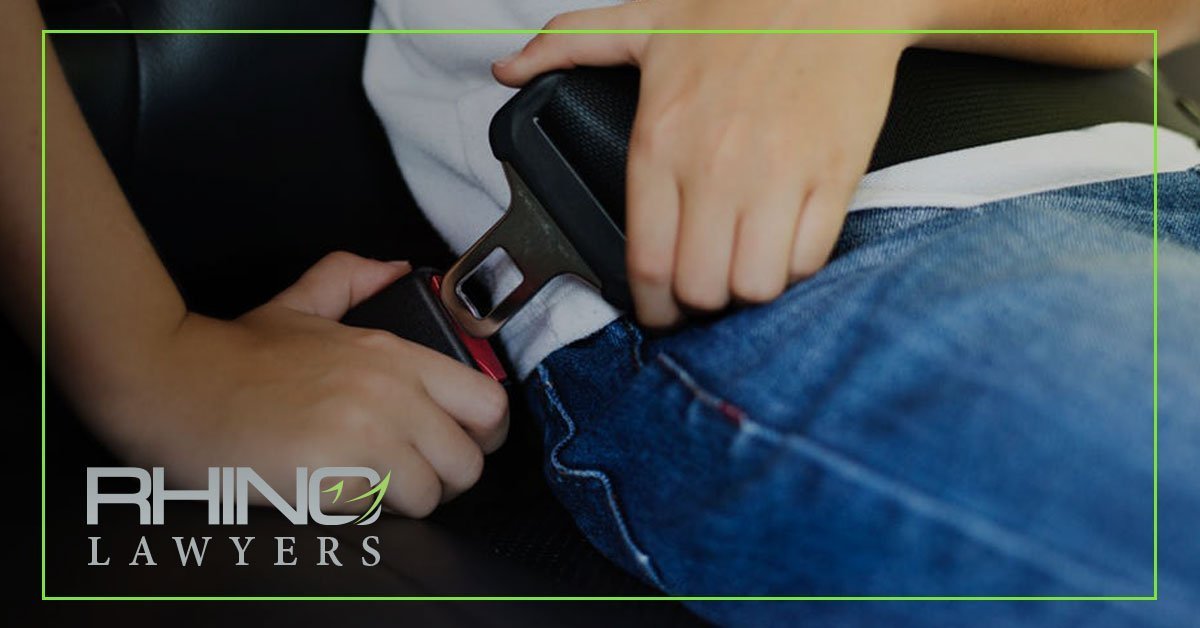
How Not Wearing a Seatbelt Can Affect Your Car Accident Claim
Every year, around 15,000 people survive road crashes because they wore a seatbelt. Wearing a seatbelt reduces your risk of injury or death in a car accident by up to 50%. Florida law mandates that all passengers and drivers in motor vehicles wear a seatbelt.
If you were in a car accident and were not wearing a seatbelt, it can affect your car accident claim. It’s essential to always have your seatbelt on while in a car for legal and safety reasons.
This guide will discuss how not wearing a seatbelt can affect a car accident claim. We’ll detail the requirements set forth by the state of Florida.
Basic Information About Florida’s Seatbelt Law
Florida passed a law in 2009 that said all passengers and drivers need to wear a seatbelt. Failing to wear a seatbelt is a primary traffic offense. You can get stopped by a cop and receive a citation if anyone in your vehicle isn’t wearing a seatbelt.
There are a few exceptions to the seatbelt law. For example, the following individuals don’t have to wear a seatbelt:
- Employees delivering newspapers
- An individual driving farm equipment
- People riding in a school bus bought new before December 31, 2000
- A person certified by a doctor who has a medical condition where wearing a seatbelt is dangerous or inappropriate
Failing to wear a seatbelt can cause people involved in a traffic collision to get ejected from their vehicle. Some of the injuries that might result from that include:
- Facial injuries
- Traumatic brain injuries
- Paralysis
- Dental injuries
- Road rash
- Broken bones
- Amputations
You still have a right to receive compensation for your injuries, even if you weren’t wearing a seatbelt.
What’s Pure Comparative Negligence in Florida?
Per Florida state law, people who’ve suffered injuries due to another person’s negligent driving have a legal right to recover their losses. However, if they weren’t wearing a seatbelt and their injuries were more severe. They will reduce the amount of compensation received.
In some other states, the court will automatically dismiss your case for failing to wear a seatbelt. That’s not the case in Florida. Having an experienced car accident lawyer will help you argue your case to receive the highest amount possible.
For example, say you were in a car accident caused by another driver running a red light. You were driving without a seatbelt. When pursuing compensation for your injuries, the other party could argue that failing to wear a seatbelt contributed to your injuries.
While the other driver is to blame for the car accident, the other party could also claim that you were negligent for not wearing a seatbelt. In Florida, not wearing a seatbelt isn’t automatically negligent. But, they could determine it negligent if the judge or jury determines that a careful person would’ve put on their seatbelt in similar circumstances.
Just because you didn’t wear a seatbelt doesn’t mean you won’t win your case. Your attorney could argue that you had legitimate reasons for not wearing a seatbelt. For example, you could have a medical condition that prevents you from wearing a seatbelt, as we discussed earlier.
How Much Will My Compensation Get Reduced in Car Accidents Without a Seatbelt?
If you weren’t wearing a seatbelt and the courts determined you were 10% at fault for your injuries, your compensation would get reduced by that percentage. For example, a car accident claim awarding you $100,000 will be $90,000.
The at-fault percentage is determined based on your case. Depending upon your injuries and the circumstances of your car accident, the court might decide you were more at fault.
Why Should I Hire an Attorney for Not Wearing a Seatbelt in an Accident?
The laws surrounding car accident claims are complicated. They become even more convoluted if one of the drivers and/or passengers isn’t wearing a seatbelt. You need to partner with an experienced attorney who can argue on your behalf, ensuring you receive the highest compensation possible.
Schedule Multiple Consultations
Most auto accident attorneys don’t charge for an initial consultation. You should schedule consultations with a few different lawyers to find one you’re comfortable with. You want to find a legal team with your best interests in mind.
Discuss Their Fees
Many car accident lawyers don’t require you to pay until they win your case. There are some attorneys out there that might require an upfront fee. Find a reputable lawyer who doesn’t require payment to start your case.
Ask Them About Their Experience
You want to find a lawyer that’s successfully settled cases like yours in the past. Ask them how many claims they have worked on where the driver wasn’t wearing a seatbelt. Additionally, you want them well versed in the state and local laws surrounding your case.
Bring All Necessary Documents to Your Consultation
Provide your attorney with all the information you have about your case. Some documents you should bring include:
- Your auto insurance policy
- Medical records
- Police report
- Medical bills
- Health insurance policy
- Pictures of the wreck (if you have them)
- Contact information of the other party
Your attorney will use this information to build your case as quickly as possible.
Be Patient
Settlements don’t happen overnight. It could take months, sometimes years, to settle with the other party. Your lawyer should constantly contact you throughout the legal process, providing you with updates.
Partner With an Experienced Car Accident Attorney in Florida
Not wearing a seatbelt can complicate your car accident claim. So, you need a qualified car accident attorney to create a strong argument on your behalf.
If you’ve been in a car accident and sustained injuries, our team at RHINO Lawyers is here to help. Contáctenos hoy to schedule a consultation.
CONTACT A TAMPA AUTO ACCIDENT ATTORNEY
In short, after a car accident, you may not know your rights. Above all, don’t struggle through the process alone. Actually, our equipo de lesiones personales is here to help you with any legal needs you might have regarding your accident.
Lastly, let RHINO Lawyers answer your questions and review the facts of your case with a Free Consultation. So, get started by completing the “Free Instant Case Evaluation” or by calling us any time, day or night, at 844.RHINO.77.
Leer más
DUI Defense: Got a DUI in Tampa While on Vacation, Now What?
You should leave your vacation with a suntan, some souvenirs, and great memories. Unfortunately for some unlucky drivers, you might leave your Florida vacation with a driving under the influence (DUI) charge.
The nice weather, sunshine, and laid-back, vacation-like atmosphere make it easy to get carried away. And when you get behind the wheel after having too much to drink, you can face serious consequences.
If you’re facing these charges, you need a DUI defense attorney who is based in Florida. Read on to learn more about what to look for.
Understanding Florida Laws
Even if you don’t live in the state of Florida, they can still arrest you and charge you with DUI there. By driving on Florida roads, you are consenting to follow Florida laws. Even if your driver’s license is from another state.
Blood Alcohol Content (BAC) Limits
Similar to other states, the legal limit in Florida is 0.08. But, if your BAC is higher than this, you can be charged with DUI. And, if your BAC is 0.15 or higher, you can face enhanced penalties.
If you are younger than 21, the legal BAC limit is 0.02 and if you are driving a commercial vehicle, it is 0.04. You also may not drive under the influence of controlled substances.
Interstate Compacts
If you get arrested for a DUI in Florida, you can’t leave the state and ignore your charges.
Florida is part of the Driver’s License Compact, which is shared across 45 states and the District of Columbia. Georgia, Massachusetts, Michigan, Tennessee, and Wisconsin are the only states that are not members.
The Driver’s License Compact requires its members to share information with other member states. When a non-resident is arrested or cited. For example, if you have a driver’s license in one of the 44 other states that are part of the compact and you get a DUI in Florida. Then Florida will report that to the state that issued your license.
This also means that the state that issued your license agrees to treat the offense as if it happened in your home state, including the penalties and driver’s license suspension that would come with the offense.
In addition, Florida is a member of the Non-Resident Violators Compact (NRVC). The NRVC was created in the 1970s and 44 states are members. The goal of the NRVC is to ensure that moving violations are reported across states.
If you get a speeding ticket in a state that is a member of the NRVC but is not your home state, that state will report your violation to the state that issued your license. Not all violations fall under the scope of the NRVC, but most do. This means that you can’t ignore tickets in other states once you return home, as you will face points, fines, and license suspensions there as well.
What to Do if You Are Charged With DUI While in Florida on Vacation
If you are charged with a DUI in Florida, whether you live here or not, you will immediately receive an administrative suspension of your license. You have 10 days from the date of your arrest to file a request for a temporary driving permit, which will allow you to drive for work, school, or medical purposes. If you don’t file this request within 10 days, they will suspend your license.
Your first step after the arrest should be to contact an experienced DUI defense attorney to help with this process. Those are the first steps. Once you handle this first penalty, you can work with your attorney to focus on the penalties. If convicted of DUI.
If your attorney cannot get the charges dropped. Then you face fines, additional license suspensions, and potentially jail time, depending on your prior DUI record. Penalties for your first DUI offense include:
- A fine of between $500 and $1000 (or between $1000 and $2000 if your BAC was 0.15 or higher or if there was a minor in the car)
- Incarceration for up to six months (or up to nine months if your BAC was 0.15 or higher or if there was a minor in the car)
- License suspension of between 180 days and one year (if there was bodily injury, the suspension is a minimum of three years)
If the court allows it, you could serve your time of imprisonment in a residential drug or alcohol treatment program.
Appearing in Court
When you are charged with DUI, you will receive a court date and you will be required to appear. In some instances, your attorney may be able to have your appearance in court waived and appear for you.
However, when you are charged with more serious offenses, such as a felony, or you are facing a trial, you will need to be present in court. If you do not show up to your hearing, a judge will issue a warrant for your arrest.
Your attorney may be able to negotiate a plea bargain for you to avoid appearing back in court. There is a possibility that the plea bargain could come with punishments in your home state, not Florida. So you can avoid having to travel back to the state.
Your attorney will be able to advise you on how to proceed. This is another reason why it is so important to hire an attorney who is based in Florida, not your home state.
Hire the Best DUI Defense Lawyer in Tampa
A DUI defense lawyer is a must if you are facing DUI charges in Florida. Don’t hire an attorney from your home state. As they may not be licensed to practice law in Florida and may not understand the laws.
Contact us en RHINO Lawyers for a free case consultation. If you’ve been arrested for a DUI, don’t delay in doing this. We are available 24/7.
CONTACT TAMPA TRAFFIC TICKET ATTORNEY
RHINO Lawyers can help and guide you through a system molded by law enforcement, judges, and lawyers for decades. Having won cases for our clients in similar circumstances, our criminal defense team knows what it takes to fight on your behalf.
Let RHINO Lawyers answer your questions and review the facts of your case with a Free Consultation. So, get started by completing the “Free Instant Case Evaluation” or by calling us any time, day or night, at (844) RHINO-77.
Leer más