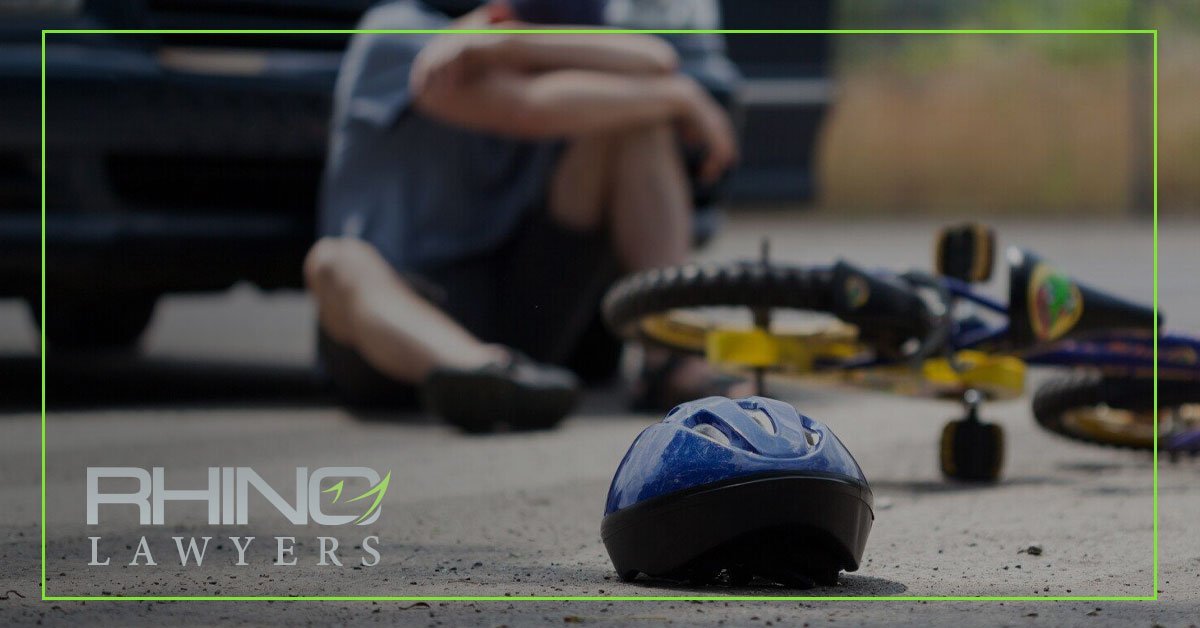
When Do Most Bicycle Accidents Occur?
The Insurance Institute for Highway Safety says that every year, 2% more deaths occur from motor vehicles involving bicyclists. Understanding when a bicycle accident is most likely to happen can help riders and drivers stay safe.
What are the conditions that make some riskier than others? Today we’re taking a closer look into the timing of bicycle accidents, the factors that contribute to them, and practical steps to improve safety.
Understanding Bicycle Accident Trends
Bicycle accidents are influenced by patterns that help reveal why and how they occur. These trends can shed light on the dangers faced by cyclists and inform safer practices. Three key factors shape these patterns:
- The type of collision and its causes
- The setting where accidents are most frequent
- The age groups most at risk
The Type of Collision and Its Causes
Most bicycle accidents involve collisions with motor vehicles, often caused by distracted driving or failure to yield. Cyclists are also at risk from poor road conditions, such as potholes or debris, which can lead to falls or loss of control.
The Setting Where Accidents Are Most Frequent
Urban areas account for the majority of bicycle accidents. Higher traffic volumes, intersections, and a mix of vehicles and cyclists make these settings more dangerous. In contrast, rural areas may have fewer accidents but a higher chance of severe outcomes due to faster vehicle speeds.
The Age Groups Most at Risk
Children and young adults are involved in many bicycle accidents, often due to inexperience or risky behavior. Adults commuting by bike may also face risks, particularly during rush hour or in poorly lit conditions.
When Do Most Bicycle Accidents Happen?
Bicycle accidents are more likely during specific times and under certain conditions. Recognizing these patterns can help cyclists and drivers take precautions. There are three primary factors that determine when accidents are most common:
- The time of day
- The day of the week
- Seasonal and weather conditions
The Time of Day
Bicycle accidents are most frequent during the late afternoon and early evening. It often coincides with rush hour when traffic is heavier, and drivers are more likely to be distracted or fatigued.
Low-light conditions during these hours can also reduce visibility for both cyclists and motorists. Nighttime poses even greater risks, with poor lighting making it harder for drivers to see cyclists.
The Day of the Week
Weekdays generally see a higher number of bicycle accidents. Commuters on bikes share the road with cars during peak traffic hours, creating more opportunities for collisions. On weekends, recreational cycling increases, but these accidents tend to occur on less crowded roads or trails and are sometimes less severe.
Seasonal and Weather Conditions
Summer is the peak season for bicycle accidents. More people ride during warmer months, often for recreation or commuting, increasing the chances of incidents. Rainy or snowy weather can also contribute to accidents, as slippery roads make it harder to control a bike and reduce stopping distances for vehicles.
Key Risk Factors for Bicycle Accidents
Bicycle accidents are often the result of multiple contributing factors that create unsafe conditions for cyclists. Recognizing these risks can help riders and drivers alike reduce the chance of collisions. There are three primary risk factors that play a significant role in bicycle accidents:
- Poor visibility
- Distracted driving and biking
- Unsafe road conditions
Poor Visibility
Low visibility is one of the leading causes of bicycle accidents. It’s especially true during dawn, dusk, or nighttime when lighting is minimal. Rain or fog can make it even harder for drivers to see cyclists, while cyclists without reflective gear or lights are at a greater disadvantage.
Distracted Driving and Biking
Distractions on the road affect both drivers and cyclists. Drivers looking at their phones, eating, or adjusting the radio can miss a cyclist in their path. On the other hand, cyclists distracted by music or their phones may fail to notice cars or pedestrians, increasing their risk of an accident.
Unsafe Road Conditions
Road hazards like potholes, loose gravel, or debris can be especially dangerous for cyclists. Conditions like these make it harder to maintain control and can lead to sudden falls or swerving into traffic. Shared lanes without proper markings or dedicated bike lanes also increase the likelihood of accidents.
Practical Bicycle Safety Tips
Staying safe while cycling requires adopting habits that reduce risks and improve awareness. By taking a few practical steps, cyclists can significantly lower their chances of being involved in an accident. Here are three key areas to focus on:
- Visibility and protective gear
- Following traffic rules
- Choosing safe routes
Visibility and Protective Gear
One of the best ways to stay safe is by making yourself visible to others. Wearing bright or reflective clothing helps drivers spot you during the day and at night.
Adding lights to the front and rear of your bike can further increase your visibility, especially in low-light conditions. A properly fitted helmet is another must-have, offering vital protection in the event of a crash or fall.
Following Traffic Rules
Cyclists are expected to follow the same traffic rules as drivers. It includes stopping at red lights, using hand signals when turning, and riding in the same direction as traffic.
Staying predictable and alert helps drivers anticipate your actions, reducing the risk of collisions. Avoid distractions like headphones or mobile devices to keep your full attention on the road.
Choosing Safe Routes
Whenever possible, stick to bike lanes, trails, or streets with lower traffic volumes. These routes are generally safer and reduce the likelihood of interacting with busy traffic. Planning your ride in advance can help you avoid high-risk areas, such as roads with heavy congestion or poorly maintained surfaces.
Common Accident Times: Biking Safety Measures
Understanding when and why a bicycle accident is likely to occur can help cyclists and drivers make better choices.
If you’ve been injured in an auto-bike accident, speaking with an experienced attorney is crucial. Insurers often try to minimize or deny claims, but RHINO Lawyers know their tactics. Led by Brandon F. Jones, a former insurance defense attorney, we fight for the best outcomes and hold negligent parties accountable.
Get in touch today to find out how we can help with your case!
CONTACT A TAMPA AUTO-Bike ACCIDENT ATTORNEY
In short, after a bike-car accident, you may not know your rights. Above all, don’t struggle through the process alone. Actually, our equipo de lesiones personales is here to help you with any legal needs you might have regarding your accident.
Lastly, let RHINO Lawyers answer your questions and review the facts of your case with a Free Consultation. So, get started by completing the “Free Instant Case Evaluation” or by calling us any time, day or night, at 844.RHINO.77.
Leer más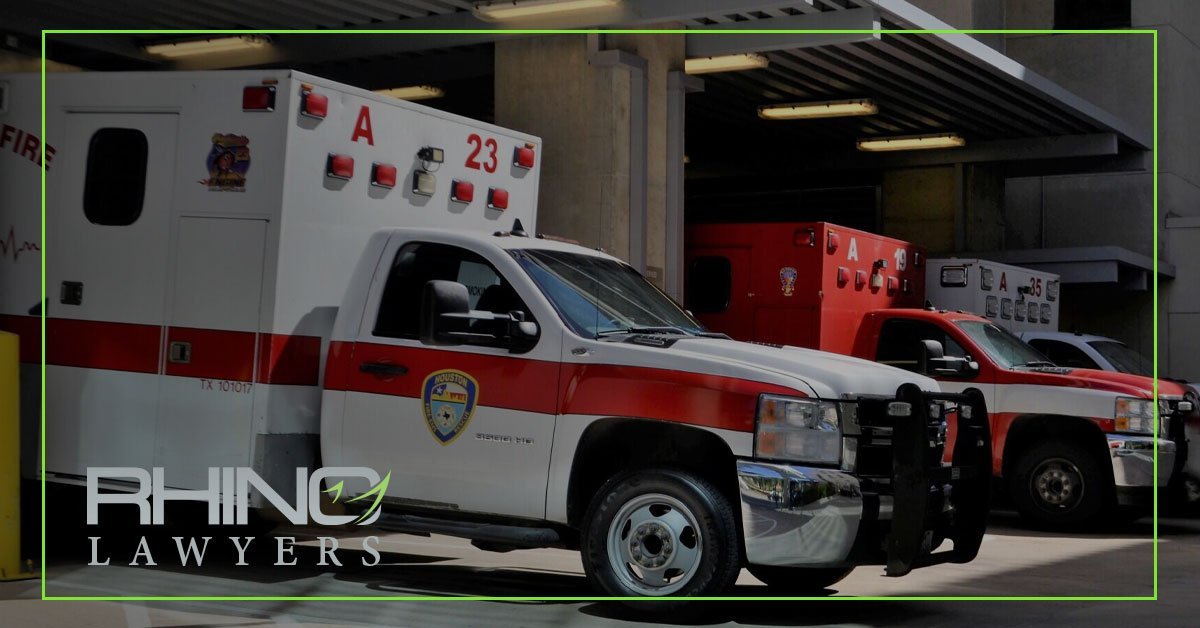
Who Is Liable for Florida Emergency Vehicle Accidents?
Daytona Beach has more car accidents than any other Floridian city.
Accidents involving emergency vehicles in Florida can be complex and distressing. Given the urgency of emergency responders, Florida traffic laws provide protections for them.
Still, this doesn’t pardon emergency service vehicles of all responsibility. Liability in such cases hinges on emergency vehicle regulations and accident liability laws.
Read on to learn who may be liable for Florida emergency vehicle accidents, how Florida traffic laws influence these cases, and more.
Taking Stock of Florida Traffic Laws for Emergency Vehicles
Florida law offers specific rules and exemptions for emergency vehicles to help ensure responders can reach those in need as quickly as possible. Based on Florida traffic laws, emergency vehicles are permitted to break standard traffic regulations under certain conditions. For example, they may exceed speed limits, run red lights, and bypass stop signs during emergencies. Still, these exemptions come with strict stipulations.
Use of Audible and Visual Signals
Emergency vehicles must activate lights and sirens when taking advantage of traffic exemptions. Doing this serves as a warning to other drivers, allowing them to take appropriate action, such as yielding the right of way.
Duty of Care Requirement
Even though emergency responders are allowed to bypass some traffic regulations, they must exercise a reasonable degree of care to avoid unnecessary harm to others. This means they are not permitted to drive recklessly, even in the line of duty.
The “Move Over Law” requires drivers to yield to emergency vehicles with active lights and sirens. Drivers must either move over a lane or, if unable to do so safely, reduce their speed to allow emergency vehicles to pass. Failure to comply can result in citations for the drivers involved and increases the risk of accidents, for which they may bear partial liability.
Accident Liability Involving Florida Emergency Vehicles
While emergency vehicles have certain privileges under Florida traffic laws, they are not immune to liability in an accident. Determining liability in these cases depends on multiple factors.
Was the Emergency Vehicle on Duty?
If an emergency vehicle was responding to an emergency at the time of the accident, liability considerations would differ from cases where the vehicle was not on duty. When an emergency vehicle is responding to a call, it’s often afforded more legal protection due to the nature of the work. Still, if the vehicle was off-duty or not in emergency mode, it must abide by the same traffic laws as any other vehicle.
Did the Emergency Vehicle Have Lights and Sirens Activated?
In Florida, emergency vehicles must activate their sirens and flashing lights when disregarding standard traffic laws. Failure to do so may render the emergency vehicle driver partially or wholly liable for any resulting accident, as this could be deemed a breach of duty of care. If an emergency responder fails to use these warnings, other drivers may not be expected to yield or take evasive action.
Was the Emergency Vehicle Driving Recklessly?
Although emergency vehicles have certain legal protections, they must avoid “reckless disregard for the safety of others.” If an emergency responder behaves in a way that endangers other road users, liability may fall on the emergency services department or the responder.
Did the Civilian Driver Obey the Move-Over Law?
Civilian drivers are required to yield to emergency vehicles when lights and sirens are active. Failure to move over or slow down may lead to a shared or even sole liability for an accident. If a driver doesn’t follow the Move Over Law and an accident occurs, they could be held responsible.
Who Can Be Held Liable in Emergency Vehicle Accidents?
In Florida, liability for emergency vehicle accidents can fall on multiple parties. It depends on the factors involved in the crash.
Emergency Responder
If an emergency responder is found to have acted with reckless disregard for safety, they or their agency may be held liable for damages. For instance, a responder who runs a red light without signaling or drives at an excessively high speed might be held responsible.
Government or Municipality
Often, the employer of the emergency responder may be liable if the responder was operating within the scope of their duties. Under Florida’s sovereign immunity laws, there are certain limitations on claims against government entities. Consulting a legal professional can help clarify these complex limitations.
Civilian Driver
If the civilian driver failed to yield, violated the Move Over Law, or acted negligently in some other way, they could be held partially or wholly liable. In some cases, liability may be shared between the driver and the emergency vehicle operator.
Legal Rights After Accident
If you are involved in an accident with an emergency vehicle in Florida, understanding your legal rights is critical. Be sure to take the right steps to protect yourself and get compensation.
Receive Medical Attention
Even if you feel fine immediately after the accident, injuries can manifest later. Prompt medical documentation will also support any future legal or insurance claims.
Account for All Evidence
Gather as much evidence as possible from the scene, including witness statements. Details such as whether the emergency vehicle had its lights and sirens on can be crucial.
Speak to a Legal Professional
Navigating accident liability in Florida, especially with emergency vehicles, can be complicated. Consulting a legal professional experienced in Florida road accident guidance can make all the difference.
What Compensation Is Available?
If you are involved in an accident with an emergency vehicle, compensation may be available for various damages. Still, anything you receive can be reduced by your specific fault percentage.
In cases where an emergency responder or agency is found liable, there may be limitations on compensation due to Florida’s sovereign immunity laws.
Emergency Service Vehicles Are Not Above the Law
While emergency service vehicles have exemptions, they can still be responsible for car accidents.
RHINO Lawyers puts our passion and experience into every case. We excel in car accidents, traffic tickets, medical malpractice, and more.
You can count on us in both Florida and Wisconsin. Don’t wait to discuss your potential case with the RHINO Lawyers today.
CONTACT A TAMPA AUTO ACCIDENT ATTORNEY
In short, after a car accident, you may not know your rights. Above all, don’t struggle through the process alone. Actually, our equipo de lesiones personales is here to help you with any legal needs you might have regarding your accident.
Lastly, let RHINO Lawyers answer your questions and review the facts of your case with a Free Consultation. So, get started by completing the “Free Instant Case Evaluation” or by calling us any time, day or night, at 844.RHINO.77.
Leer más
Shoulder Impingement After a Florida Car Crash
In the general population, shoulder impingement is one of the most common complaints, affecting up to 65% of all shoulder issues, according to data from Medscape. If you’ve been in a Florida car crash, you may be facing this painful condition without realizing the full impact on your life.
Let’s dive into the specifics of shoulder impingement, its symptoms, and what victims of auto accidents can do to protect their health and their rights.
Understanding Shoulder Impingement
A shoulder impingement occurs when the tendons and soft tissues in the shoulder get pinched between the bones. This compression leads to:
- Inflammation
- Pain
- Restricted movement
Car accidents frequently cause shoulder injuries, often as a result of sudden forceful impacts. Whether from a side collision or an airbag deployment, your shoulder might endure stress that develops into impingement over time. Understanding the root causes can help in recognizing when to seek medical help and how to move forward.
Causes of Shoulder Impingement After Car Crashes
Shoulder impingement can occur from various forces during a car crash. Here are some common causes to be aware of:
- Direct impact injuries: A powerful blow to the shoulder, often from airbags or the car door, can damage the shoulder structure.
- Whiplash effects: The snapping motion of your upper body can impact the rotator cuff and surrounding tissues.
- Seat belt pressure: Seat belts save lives, but the restraint force during an accident can also create shoulder compression.
Symptoms to Watch For
Delayed symptoms are common with Florida car accident injuries. What may feel like mild discomfort immediately after the crash could worsen over days or weeks. Symptoms of shoulder impingement include:
- Persistent, dull ache: Usually in the front or outer side of the shoulder, making everyday activities painful.
- Limited range of motion: Activities such as lifting your arm or reaching behind you become increasingly difficult.
- Muscle weakness: A feeling of heaviness or inability to perform regular tasks like carrying a bag or lifting groceries.
- Sharp, stabbing pain: Especially when moving your shoulder or performing overhead movements.
Ignoring these signs can lead to chronic conditions that severely impact your long-term mobility and quality of life. Timely intervention is crucial to ensure a full recovery.
Diagnosing Shoulder Impingement
Diagnosing shoulder impingement requires a thorough evaluation by a medical professional. Here are the common methods used to identify this injury:
- Physical examination: Doctors evaluate your shoulder’s movement, looking for pain, swelling, or any signs of weakness.
- Imaging techniques: X-rays help rule out bone fractures, while MRIs or ultrasounds can reveal soft tissue damage.
- Strength and flexibility tests: These assessments determine how the injury has affected your shoulder’s functionality.
Effective Treatment Options
Recovering from a shoulder injury often requires a combination of therapies. Medical professionals may suggest a tailored treatment plan that includes:
- Rest and immobilization: Keeping the shoulder still can reduce inflammation and allow tendons to heal.
- Physical therapy: Targeted exercises to strengthen the shoulder and regain flexibility.
- Pain relief techniques: Anti-inflammatory medications and the strategic use of ice packs can ease discomfort.
- Steroid injections: These can provide temporary relief from severe pain and reduce inflammation.
- Surgery: Reserved for cases where non-invasive treatments fail, surgery may be needed to decompress the shoulder or repair torn tendons.
Each case is unique; consulting with a specialist is the best way to decide which treatment path to take.
Shoulder Injury Recovery Tips
Healing from a shoulder impingement injury takes time. The following shoulder injury recovery tips can aid in your journey:
- Stay consistent with treatment
- Practice gentle movements
- Focus on posture
- Incorporate low-impact exercises
Preventing Further Complications
Managing your recovery responsibly can prevent further damage. Some crucial steps include:
- Adhering to follow-up appointments
- Avoiding re-injury
- Exploring alternative therapies
Common Misunderstandings About Shoulder Impingement
Many car accident victims have misconceptions about shoulder impingement. Understanding the truth can help prevent long-term complications.
The Pain Will Disappear on Its Own
Many people believe their pain will eventually subside. However, untreated car accident shoulder pain can lead to lasting complications.
I Can Work Through It
Pushing through pain can lead to irreversible damage. Rest and proper treatment should never be compromised.
It’s Just a Bruise
Shoulder pain might be more severe than it appears. Comprehensive medical exams are necessary to rule out serious injuries.
The Legal Side of Shoulder Impingement
Accidents in Florida come with both medical and legal challenges. Legal help for shoulder impingement is often necessary to cover the following:
- Treatment expenses
- Lost wages
- Ongoing therapy costs
RHINO Lawyers focuses on representing victims of Florida car accident injuries and understand the ins and outs of the state’s personal injury laws.
Why Seek Legal Assistance?
Insurance companies often downplay shoulder injuries from car crashes. They might try to settle for less or argue that your injury isn’t serious. Having experienced attorneys on your side ensures you get fair compensation.
Here’s what a qualified lawyer, like those at RHINO Lawyers, can do for you:
- Evaluate your case: Analyze accident details, medical reports, and pain levels to make a strong claim.
- Negotiate with insurers: An attorney advocates for the full compensation you’re entitled to.
- Handle the paperwork: From filing claims to gathering evidence, legal professionals manage the complexities of the process.
- Litigation if necessary: RHINO Lawyers are prepared to take your case to court if a fair settlement can’t be reached.
The Unique Approach of RHINO Lawyers
RHINO Lawyers are based in Florida and have a proven track record of helping accident victims get the justice they deserve. They understand the physical, emotional, and financial toll of shoulder injuries and offer personalized service to support your case. With a deep understanding of Florida laws, they know what it takes to fight for maximum compensation.
Schedule Your Free Consultation After a Florida Car Crash
If you’re dealing with shoulder problems from a Florida car crash and need exceptional legal assistance, don’t delay. Your health and financial stability are too important to leave to chance.
Contacto RHINO Lawyers today to learn how they can help you through your recovery and legal claim. Taking the first step toward securing your future is easier than you think, and it starts with a free consultation.
Don’t wait. Schedule your no-obligation consultation now and let RHINO Lawyers advocate for your rights, ensuring you get the support you need to move forward.
CONTACT A TAMPA AUTO ACCIDENT ATTORNEY
In short, after a car accident, you may not know your rights. Above all, don’t struggle through the process alone. Actually, our equipo de lesiones personales is here to help you with any legal needs you might have regarding your accident.
Lastly, let RHINO Lawyers answer your questions and review the facts of your case with a Free Consultation. So, get started by completing the “Free Instant Case Evaluation” or by calling us any time, day or night, at 844.RHINO.77.
Leer más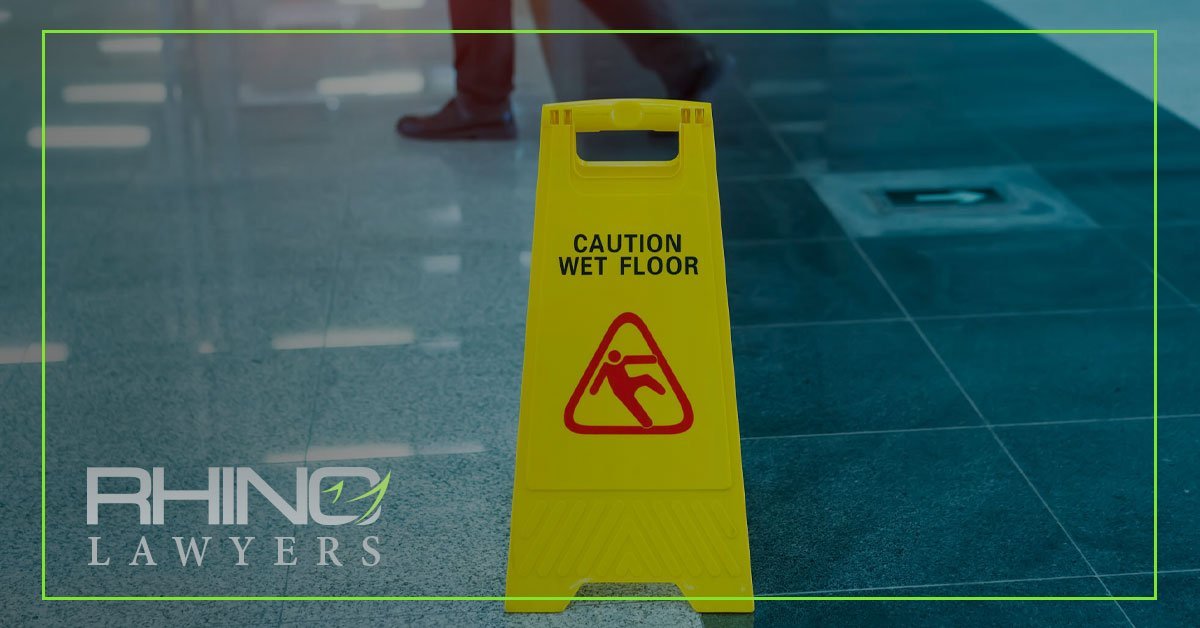
What Type of Case is a Slip and Fall in Florida?
Did you know that 85% of worker’s compensation claims are attributed to employees slipping on slick floors? Slip and fall accidents can impact you for the rest of your life, no matter how old you are.
Today, we’re diving into a topic that’s often overlooked but incredibly important–how a Florida slip and fall lawyer can help you win your case. Whether you’ve just been in one or know someone who is trying to seek justice, our guide can help.
Understanding Florida Slip and Fall Laws
These incidents fall under the umbrella of Florida premises liability, which means property owners have a legal responsibility to maintain safe environments for visitors. In Florida, the law requires that property owners take reasonable steps to prevent accidents. If they fail to do so and someone gets hurt, they can be held liable.
In Florida, slip and fall cases follow a few important rules. The first one is about carelessness. You need to show that the property owner was careless in some way. For example, they knew about a dangerous spot and didn’t fix it, or they should have known about it but didn’t do anything.
The status of the injured person is important in Florida. The state recognizes different types of visitors, like invitees (business purposes) and licensees (social reasons). The level of care a property owner must provide depends on the visitor’s status. This can greatly affect your case.
The Importance of Legal Representation
Now, you might be wondering, why do I need a lawyer for a slip and fall case? The truth is that navigating the legal landscape can be complex. Insurance companies are often more focused on minimizing their payout than ensuring you get the compensation you deserve.
A successful Florida slip and fall lawyer knows the ins and outs of the law and can advocate for your rights.
Gathering Evidence
One of the first things your lawyer will do is gather evidence, such as photos of the accident, witness statements, and medical records. Strong evidence is key to proving negligence. For example, if you were hurt in a store, your lawyer might look into how long the hazard was there and if the owners knew about it.
Your attorney will use evidence effectively, knowing what resonates with a jury or adjuster. In business, storytelling is key. Your lawyer will create a compelling story showing the owner’s negligence caused your injuries.
Negotiating With Insurance Companies
Let’s face it–insurance companies are not your friend. A Florida slip and fall lawyer will negotiate with these companies on your behalf, ensuring you’re not lowballed. They know the tactics insurance companies use and can counteract them effectively.
Calculating Damages
One of the critical aspects of a personal injury claim is calculating damages. This includes not just your medical bills but also lost wages, pain and suffering, and any future expenses related to your injury. It can be challenging to quantify these damages, especially when you’re dealing with the physical and emotional toll of an injury.
A seasoned lawyer will help you understand the full scope of your damages and ensure they are factored into your claim.
Preparing for Court
While most slip and fall cases settle out of court, some go to trial. If yours does, you’ll want an experienced trial lawyer. A Florida slip and fall lawyer will prepare your case and ensure all evidence and arguments are in order.
They’ll handle everything from jury selection to presenting your case, allowing you to focus on recovery.
Florida Premises Liability and Your Rights
Florida has specific premises liability laws that impact slip and fall cases. Under Florida Statute 768.0755, there are particular requirements that must be met for a property owner to be held liable for a slip and fall accident. For instance, the injured party must prove that the dangerous condition was present for a sufficient amount of time before the accident occurred and that the property owner either knew or should have known about it.
This statute makes it even more crucial to have a knowledgeable lawyer who can build a strong case. They’ll know how to gather evidence and establish that the property owner was negligent in their duty to maintain a safe environment.
Common Causes of Slip and Fall Accidents
To further illustrate the importance of legal representation, let’s look at some common causes of slip and fall accidents in Florida:
Wet Floors: This is a classic example. Whether it’s a spilled drink in a restaurant or rainwater tracked into a store, wet floors can create hazardous conditions.
Poor Lighting: Inadequate lighting can make it difficult to see obstacles, leading to trips and falls. Property owners must ensure their premises are well-lit, especially in high-traffic areas.
Uneven Surfaces: Cracks in pavement or uneven flooring can pose significant risks. Property owners are responsible for maintaining their surfaces and making necessary repairs.
Cluttered Walkways: Obstacles like boxes, tools, or equipment left in walkways can create trip hazards. Property owners must keep walkways clear and accessible.
Inadequate Handrails: In places where stairs are present, handrails are essential for safety. If they’re missing or poorly maintained, it can lead to serious injuries.
Why Timing Matters
If you’re injured in a slip and fall accident, time is of the essence. In Florida, you generally have four years from the date of the accident to file a personal injury claim. However, the sooner you engage a lawyer, the better.
Early legal representation allows for quicker evidence collection and a better chance of preserving critical information. Additionally, witnesses’ memories fade, and physical evidence can be lost or altered over time. A proactive approach will strengthen your case and improve your chances of a favorable outcome.
Find a Florida Slip and Fall Lawyer Who Will Have Your Back
Navigating the world of personal injury claims can be daunting, especially when you’re recovering from an injury. But having a dedicated Florida slip and fall lawyer in your corner can make all the difference.
En RHINO Lawyers, we guide you through the legal process, advocate for your rights, and work tirelessly to secure the compensation you deserve. Contáctenos hoy to request a free case evaluation.
CONTACT A TAMPA Personal Injury ATTORNEY
In short, after a personal injury, you may not know your rights. Above all, don’t struggle through the process alone. Actually, our equipo de lesiones personales is here to help you with any legal needs you might have regarding your accident.
Lastly, let RHINO Lawyers answer your questions and review the facts of your case with a Free Consultation. So, get started by completing the “Free Instant Case Evaluation” or by calling us any time, day or night, at 844.RHINO.77.
Leer más
TMJ Disorder After a Florida Car Accident
Did you know that temporomandibular disorders (TMD) affect 5% to 12% of the population (Source: AAFP)? This jaw condition, often referred to as TMJ disorder, can have long-lasting consequences.
After a car accident, victims might focus on visible injuries, neglecting jaw pain or clicking sounds that develop later. However, jaw issues related to Florida car accidents can affect daily life, leading to chronic discomfort and legal complications. Understanding the connection between TMJ disorders and Florida car crash injuries is essential for proper diagnosis, treatment, and compensation.
Stay informed and protect yourself. Keep reading to learn about TMJ symptoms after an accident, treatment options, and how RHINO Lawyers can help you secure compensation for post-accident jaw issues.
How Car Accidents Cause TMJ Disorders
The jaw joint, known as the temporomandibular joint (TMJ), is vulnerable to trauma, especially during rear-end collisions. The sudden whiplash motion forces the head forward and backward, creating tension in the jaw and neck.
In many cases, victims instinctively clench their jaws during impact, placing added stress on the TMJ. Direct hits to the jaw from an airbag or steering wheel can also result in post-accident jaw issues, including dislocations or fractures.
Even seemingly minor crashes can lead to delayed symptoms. Some TMJ injuries might take days or weeks to surface, making early medical evaluation crucial for identifying TMJ symptoms after an accident.
Common Symptoms of TMJ Disorders After a Car Accident
After a car accident, it is essential to monitor any signs of TMJ symptoms after an accident. These symptoms may not appear immediately. They often surface days or weeks later as the jaw joint becomes inflamed.
Common indicators include:
- Jaw pain or stiffness, especially when opening or closing the mouth
- Headaches or migraines, often occurring upon waking
- Popping or clicking sounds during jaw movement, particularly while chewing
- Ear pain or ringing (tinnitus), which may develop from TMJ-related inflammation
- Neck and shoulder discomfort due to muscle tension connected to jaw function
- Difficulty chewing or speaking, sometimes accompanied by tenderness or pain in the jaw
These symptoms can escalate over time if left untreated, impacting daily life. Chronic jaw pain treatment is crucial to prevent long-term issues, such as limited jaw mobility or lockjaw, which makes routine tasks like eating or speaking difficult.
Treatment Options for TMJ Disorders
Addressing post-accident jaw issues involves personalized treatment plans to alleviate pain and restore function. Healthcare providers often recommend a combination of the following approaches.
Physical Therapy
Targeted exercises improve joint flexibility, strengthen jaw muscles, and restore smooth movement. Physical therapists often recommend a combination of:
- Stretching
- Resistance exercises
- Posture correction
Custom-Fitted Mouthguards
Typically worn at night, these oral devices prevent teeth grinding (bruxism) and minimize clenching. By redistributing pressure on the jaw, mouthguards reduce stress on the TMJ, alleviating chronic discomfort and protecting the joint from further damage.
Heat and Ice Therapy
This approach is commonly recommended for post-accident jaw issues and temporarily relieves pain and stiffness. Alternating between warm compresses and ice packs can:
- Reduce swelling
- Improve blood circulation
- Relax tight jaw muscles
Anti-Inflammatory Medications
Over-the-counter or prescription anti-inflammatory drugs, such as ibuprofen, ease pain and decrease inflammation around the jaw joint. It’s crucial to use these medications under medical supervision to prevent overuse or complications.
Surgery
Surgical intervention may be required in severe or persistent cases where structural damage or joint dislocation is detected. Surgery can involve procedures like:
- Arthrocentesis (joint flushing)
- Arthroscopy to repair internal joint issues
These restore proper function and relieve TMJ symptoms after an accident.
Seeking prompt care ensures chronic jaw pain does not become a long-term issue. If symptoms persist or worsen, early intervention can reduce the risk of permanent damage and significantly improve the recovery process.
Florida car crash injuries that result in TMJ symptoms after accident require comprehensive care, often involving both medical and legal support to address all aspects of the injury.
Navigating Legal Challenges for TMJ Claims After a Florida Car Accident
Florida car crash injuries can involve complex legal proceedings, especially when hidden conditions like TMJ disorder develop. Victims often face the challenge of proving that their TMJ symptoms after an accident are directly linked to the collision.
Proving the Connection Between TMJ Disorder and the Car Accident
To strengthen your case, thorough medical documentation is essential. Medical professionals must provide detailed evaluations that connect the post-accident jaw issues to the trauma caused by the crash. Documentation for this often includes:
- Medical records from emergency visits
- Dentist or oral surgeon evaluations diagnosing TMJ disorder
- Specialist reports linking the injury to whiplash or impact trauma
Without solid evidence, insurance companies may dispute the claim, questioning whether the TMJ injury resulted from the accident or pre-existing conditions.
Why You Need Legal Help for TMJ Cases
Working with a personal injury attorney familiar with Florida car accidents can make all the difference. An experienced lawyer, like those at RHINO Lawyers, will gather all the necessary documentation to build a solid case. We will help ensure that your claim covers every aspect of your losses, including:
- Medical expenses: Immediate and long-term treatment costs
- Pain and suffering: Compensation for physical discomfort and emotional stress
- Lost wages: Income lost during recovery or due to long-term disability
Insurance companies are known to minimize payouts, especially for less visible injuries like TMJ. Having legal representation ensures that your case is presented effectively and that you receive the compensation you deserve
Time Is Critical: Don’t Miss Your Legal Window
Florida law sets specific timeframes for filing personal injury claims, known as the statute of limitations. If you wait too long to pursue your claim, you risk losing the right to recover compensation.
RHINO Lawyers, serving clients throughout Florida, focuses on personal injury cases involving Florida car crash injuries. With our experience, we will guide you through the process, handling negotiations with insurance companies and ensuring all necessary evidence is gathered to support your claim.
Don’t Let TMJ Disorder From Florida Car Accidents Go Untreated
Florida car accidents can leave more than visible injuries. If you are experiencing TMJ symptoms after an accident, act fast. Early diagnosis and chronic jaw pain treatment can make all the difference.
Schedule a free consultation with RHINO Lawyers today for legal support. With our knowledge, you can explore your legal options and secure the compensation you deserve.
CONTACT A TAMPA AUTO ACCIDENT ATTORNEY
In short, after a car accident, you may not know your rights. Above all, don’t struggle through the process alone. Actually, our equipo de lesiones personales is here to help you with any legal needs you might have regarding your accident.
Lastly, let RHINO Lawyers answer your questions and review the facts of your case with a Free Consultation. So, get started by completing the “Free Instant Case Evaluation” or by calling us any time, day or night, at 844.RHINO.77.
Leer más
What Hazards Might a Motorcyclist Encounter?
Just how dangerous are motorcycles? According to the National Highway Traffic Safety Administration (NHTSA), motorcyclists make up over 15% of all traffic fatalities. Yikes! That’s a stat that’ll put the brakes on your excitement real quick.
Motorcycles don’t have the same protective features as cars no seatbelts, airbags, or sturdy frames. So it’s crucial to recognize hazards and ride smart. Let’s dive into some motorcycle safety tips to use out on the road.
Key Hazards on Two Wheels
Knowing what hazards to look for on the road in your center and peripherals is a big advantage on a bike. Let’s break down some of the major motorcycle road hazards you might encounter while riding.
1. Other Drivers
You’ve got to keep your head on a swivel! Cars, trucks, and SUVs can be like unintentional shadows on the road. Distracted driving is a major issue, and you can bet that not everyone is keeping an eye out for motorcycles.
Always assume that other drivers might not see you. Keep a safe distance and be ready to react.
2. Road Conditions
The pavement is often an adversary for motorcycles. Potholes, gravel, and wet surfaces can turn a smooth ride into a slippery slide. And don’t forget road debris-anything from fallen branches to loose gravel can be a game-changer.
Make sure you’re scanning the road ahead and adjusting your riding accordingly–slow down, even if other drivers get angry.
3. Weather Woes
Rain, wind, and extreme temperatures can really mess with your ride. Rain can reduce visibility and make roads slicker than a greased pig at a county fair. Wind can buff you around like a rag doll, especially on highways.
Always check the forecast before you head out, and be prepared to adapt your plans!
4. Lack of Experience
If you’re new to riding, you might not have the skills to handle tricky situations. Motorcycle safety courses can be a game changer, teaching you how to navigate various conditions and maneuvers. Remember, experience is like a fine wine–it gets better with time!
5. Speed and Risky Behavior
Like anyone else, we appreciate an adrenaline rush, but reckless riding and showing off can end in disaster. Always stay within your limits. The goal is to enjoy the ride, not make headlines!
Protecting Yourself: Gear Up Like a Pro
Now that we’ve covered the hazards, let’s talk about how to protect yourself while you’re out there tearing up the asphalt. Gear is your best friend, and you want to make sure you’re decked out in the right stuff.
1. Helmets
The most important thing to look for is finding one that meets safety standards, fits snugly, and is comfortable for your head shape. Full-face helmets offer the best protection, but even a good half-helmet is better than nothing–remember, the goal is to keep you alive. There are also modular helmets that allow you to switch from full-face to open-face style with a chin bar that you can raise or lower.
2. Jackets and Pants
Invest in a solid motorcycle jacket and pants made from durable materials like leather or Kevlar textiles. They should come with armor in key areas, like the shoulders, elbows, and knees. This gear not only looks cool but also protects you from road rash in case things go sideways.
3. Gloves and Boots
Don’t forget those hands and feet! A good pair of gloves will give you a solid grip and protect your hands in case of a fall. Sturdy boots that cover your ankles are essential–they’ll keep your feet safe and provide support for those long rides.
4. Visibility Gear
You want to be seen! Bright colors and reflective gear are like a neon sign saying, “Look at me, I’m here!” Adding some visibility to your riding outfit can make all the difference in the world.
Ride Smart: Defensive Riding Tips
Now it’s time to go over some defensive riding tips for preventing motorcycle accidents. These strategies can help you navigate the roads like a pro and keep you safe while you’re out there chasing that adrenaline rush.
1. Stay Alert
Always be aware of your surroundings. Look ahead for any potential hazards and keep an eye on the traffic around you. You want to anticipate what might happen next, so you can react immediately without hesitation when the unexpected strikes!
2. Use Your Signals
Communication is key! Always signal your intentions to other drivers. Whether you’re turning, changing lanes, or slowing down, let those four-wheeled beasts know what you’re up to.
3. Maintain a Safe Distance
Give yourself plenty of room to react to whatever comes your way. A good rule of thumb is the two-second rule–stay at least two seconds behind the vehicle in front of you. This gives you enough time to react in case of sudden stops.
4. Practice Makes Perfect
Get out there and practice your skills! Take some time to ride in different conditions and scenarios. The more comfortable you are with your bike, the better equipped you’ll be to handle anything that comes your way.
5. Know Your Limits
Listen to your body and mind. If you’re feeling fatigued or overwhelmed, it’s better to take a break than to push your luck. Riding should be enjoyable, not a test of your endurance!
Knowing How Dangerous Are Motorcycles: Ride Smart, Live Large
How dangerous are motorcycles without preparation? Multitudes more dangerous than a car, that’s for sure. Motorcycles are a blast, but they come with risks that demand respect.
If you’ve been in a motorcycle accident, don’t navigate the road to recovery alone. At RHINO Lawyers, we focus on protecting the rights of riders like you. Our dedicated team understands the unique challenges motorcyclists face and is here to fight for the compensation you deserve.
Don’t wait, contact us today! Let us help you get back on your bike and back to living your life. Remember, we ride with you every step of the way!
CONTACT A TAMPA Motorcycle ACCIDENT ATTORNEY
In short, after a motorcycle accident, you may not know your rights. Above all, don’t struggle through the process alone. Actually, our equipo de lesiones personales is here to help you with any legal needs you might have regarding your accident.
Lastly, let RHINO Lawyers answer your questions and review the facts of your case with a Free Consultation. So, get started by completing the “Free Instant Case Evaluation” or by calling us any time, day or night, at 844.RHINO.77.
Leer más
What Is a “No Contact” Motorcycle Accident?
Motorcycles make up only 3% of registered vehicles in the U.S., yet motorcyclists accounted for a shocking 14.6% of traffic deaths in 2022 (NSC). This highlights the importance of riders knowing what to do in crash situations, especially when no physical contact occurs.
If you’ve been involved in a motorcycle wreck without touching another vehicle, you’re not alone. These “no contact” motorcycle accidents happen more often than you might think. The real challenge in such situations is proving liability.
With no collision, holding the other driver responsible becomes tricky; but it’s far from impossible. Want to know how you can protect your rights and prove fault in a “no contact” crash? Keep reading to find out.
What Is a “No Contact” Motorcycle Accident?
A “no contact” motorcycle accident happens when a rider crashes because of another driver’s actions, without the two vehicles touching. These types of motorcycle accident causes are common when a car cuts off a motorcyclist or forces them into sudden maneuvers. Even though the vehicles don’t collide, the motorcyclist may lose control, crash, and suffer injuries or damage.
The challenge with “no contact” accidents is determining liability. Since there’s no physical impact, proving that another driver’s reckless behavior caused the crash can be tough. However, it’s possible if you gather the right evidence and follow the right steps.
Common situations that lead to no contact accidents:
- Drivers cutting off riders
- Cars merging without checking
- Speeding or reckless driving
- Failure to signal turns
Gathering evidence is crucial in these accidents. Even though there’s no crash, witness statements, traffic cameras, or dashcam footage can help prove the other driver’s negligence.
Understanding what caused your accident and proving the other driver’s actions were at fault is essential for filing motorbike accident claims. Without proof, insurance companies might deny your claim. This is why documenting the scene and knowing your legal options can make all the difference.
Determining Liability in a “No Contact” Crash
Determining liability in a no contact motorcycle accident can be tricky. The lack of physical contact makes it harder to prove fault, but it’s still possible.
When a car’s actions lead to a rider crashing, the driver can still be held liable even without a collision. The key is gathering evidence that shows the driver’s reckless behavior directly caused the accident.
Here’s what you can do to strengthen your case:
- Get witness statements
- Document the scene with photos
- Check for nearby traffic cameras
- Collect dashcam footage if available
If another driver’s negligence, like cutting you off or failing to signal, caused the accident, they may still be responsible for your damages. Police reports, witness accounts, and even expert testimony can help build a strong case. A motorcycle accident attorney can also help gather the necessary evidence to prove liability.
By building a solid case with clear evidence, you increase your chances of getting the compensation you deserve. In “no contact” crashes, the lack of physical impact doesn’t remove the other driver’s responsibility, as long as you can show their actions caused your wreck.
What to Do After a Motorcycle Crash
After a motorcycle crash, whether contact or no contact, it’s crucial to act fast. Knowing what to do after a motorcycle crash can have a huge impact on your claim and recovery.
Here’s a simple list of steps to follow:
- Call the police
- Get medical attention
- Take photos of the scene
- Collect witness information
- Document vehicle damage
Even in a no contact crash, the other driver’s insurance might still be responsible. Reporting the accident to the police is important, as the official report can serve as valuable evidence later. If possible, take photos of your surroundings, including any skid marks, nearby vehicles, and road conditions.
When it comes to injuries, always seek medical help, even if they seem minor at first. Some injuries take time to show symptoms, so a medical checkup can help identify any hidden problems. In addition, medical records will support your claim and connect your injuries to the accident.
By following these steps and working with a motorcycle accident attorney, you can build a solid case. This will help protect your rights and ensure you’re treated fairly in the aftermath of the crash.
Filing Motorbike Accident Claims
Filing motorbike accident claims for a “no contact” crash can feel overwhelming and cause anxiety, but it’s crucial for getting compensation. Start by gathering all the evidence from the scene, such as:
- Witness statements
- Photos
- Police reports
The documentation will help strengthen your claim by showing how the other driver’s actions caused the crash.
Insurance companies often deny claims if there’s no physical contact, so it’s important to stay persistent. Having a motorcycle accident attorney on your side can make the process smoother, as they know how to handle insurance disputes and fight for your rights.
Remember, time is a factor when filing claims. The sooner you take action, the better your chances are for a successful outcome.
Common Motorcycle Accident Causes
Several factors can lead to a motorcycle accident, and no contact crashes are just one of them. Some common motorcycle accident causes include distracted driving, speeding, and sudden lane changes by other vehicles. Even road conditions, like potholes or debris, can force riders to lose control without any other vehicle being involved.
Other factors contributing to accidents:
- Poor weather
- Failing to signal
- Aggressive driving
Even though these causes vary, what remains the same is the need to act fast. Proving fault is crucial, and gathering evidence early makes all the difference. In any type of motorcycle crash, protecting yourself legally and medically should always come first.
Protect Your Rights After a Motorcycle Wreck
If you’ve been involved in a motorcycle wreck, don’t hesitate to take action. Gathering evidence and seeking legal help can protect your rights and ensure you get the compensation you deserve.
If you’ve been involved in a motorcycle wreck, don’t settle for outdated legal help. At RHINO Lawyers, we bring modern, fast, and reliable communication that fits your lifestyle; whether it’s through text, social media, or virtual meetings. Contáctenos hoy to experience data-driven settlements and a human connection that sets us apart from the competition.
CONTACT A TAMPA Motorcycle ACCIDENT ATTORNEY
In short, after a motorcycle accident, you may not know your rights. Above all, don’t struggle through the process alone. Actually, our equipo de lesiones personales is here to help you with any legal needs you might have regarding your accident.
Lastly, let RHINO Lawyers answer your questions and review the facts of your case with a Free Consultation. So, get started by completing the “Free Instant Case Evaluation” or by calling us any time, day or night, at 844.RHINO.77.
Leer más
Collapsed Lungs Are a Potential Injury in Car Collisions
Every year, there are between five and six million car accidents in the United States, leading to various injuries. Among these injuries, one that is particularly concerning is a collapsed lung, also known as pneumothorax. This injury can arise from blunt force trauma or broken ribs during a collision.
For many victims, a key question arises: how do you know if a chest injury is serious? Understanding the symptoms and implications of a collapsed lung is crucial for anyone involved in a car accident.
In this blog post, we will explore what a collapsed lung is, its causes, symptoms, treatment options, and your legal rights if you suffer from this injury. Let’s get started.
What Is a Collapsed Lung?
A collapsed lung happens when air escapes into the pleural cavity, the space located between the lung and the chest wall. This accumulation of air can cause the lung to collapse, resulting in challenges with breathing and pain in the chest.
There are two main types of pneumothorax:
- Spontaneous
- Traumatic
A spontaneous pneumothorax happens without any obvious cause, often affecting tall, young men. Traumatic pneumothorax is usually the result of injury, such as from a car accident, where blunt force can damage the lung tissue or rib cage.
The lung’s ability to expand and contract is essential for breathing. Lung trauma can reduce the amount of oxygen that reaches the bloodstream, leading to serious health issues.
It’s vital to recognize chest injury symptoms and seek medical attention quickly, as a pneumothorax can worsen if left untreated, potentially leading to severe complications.
Causes of Collapsed Lungs in Car Accidents
Several factors can cause a collapsed lung in a car accident, with blunt force trauma being the most common. During a collision, the impact can exert significant pressure on the chest, potentially damaging the lung tissue. This can happen if the chest strikes the:
- Steering wheel
- Dashboard
- Seatbelt
Broken ribs are another frequent cause; fractured ribs can puncture or tear the lung, allowing air to escape into the pleural space.
Additionally, rapid deceleration in a crash can create extreme forces on the body, which may contribute to lung injuries. Even minor accidents can lead to pneumothorax if the impact is severe enough. In some cases, a pre-existing lung condition, such as chronic obstructive pulmonary disease (COPD) or asthma, can increase the risk of a collapsed lung during an accident.
Symptoms to Watch For
Of course, recognizing the symptoms of a collapsed lung is crucial for timely treatment. Common signs here can include sudden chest pain and shortness of breath. The pain may worsen with deep breaths, coughing, or movement.
Some individuals may also experience a rapid heart rate or feel anxious. In severe cases, the skin may develop a bluish tint, indicating low oxygen levels. If you notice any of these symptoms after a car accident, it’s important to seek medical attention immediately.
Early diagnosis and treatment can improve outcomes as well as decrease the risk of complications associated with pneumothorax.
Diagnosis and Treatment
Diagnosing a collapsed lung typically involves a physical examination and imaging tests, such as a chest X-ray or CT scan. These tests help confirm the presence of air in the pleural space and assess the lung’s condition. Once diagnosed, treatment options depend on the severity of the pneumothorax.
For small cases, observation may be sufficient, with the body reabsorbing the air naturally. However, more severe cases might require procedures like chest tube insertion to remove excess air and allow the lung to re-expand.
In more critical situations, surgery may be necessary to repair the lung and prevent future occurrences. Prompt medical attention is essential for effective treatment and recovery.
Legal Implications and Your Rights
Knowing the legal implications of a collapsed lung from a car accident is crucial for victims seeking compensation. If your injury resulted from someone else’s negligence, you have the right to pursue a personal injury claim. This could cover:
- Medical expenses
- Lost wages
- Pain and suffering
En RHINO Lawyers, we encourage you to gather evidence, such as police reports, medical records, and witness statements, to strengthen your case.
Consulting with our experienced personal injury attorneys can help you navigate the complexities of your situation. Many states have time limits for filing a claim, known as statutes of limitations, and missing these deadlines can result in losing your right to compensation.
Insurance companies may attempt to minimize your claim or shift blame onto you. Our skilled attorneys will ensure your rights are protected and that you receive the compensation you deserve for your injuries.
Why Choose RHINO Lawyers?
Choosing RHINO Lawyers for your personal injury case is a smart decision for several reasons. Our team is dedicated to helping victims of car accidents, including those with collapsed lungs. We understand the physical, emotional, and financial toll these injuries can take, and, with over $50 million recently recovered for our clients, we have a proven track record of achieving results.
Our attorneys have extensive experience in personal injury law, and we leverage our insider knowledge of how insurance companies operate. This insight helps us build strong cases and negotiate effectively on your behalf. We focus on your needs, providing personalized support throughout the legal process.
Moreover, we offer free consultations to evaluate your case and discuss your options. You can trust that we will handle the details while you focus on recovery.
With RHINO Lawyers, you’re not just another case; you’re a valued client. Our commitment is to protect your rights and ensure you receive the compensation you deserve. Reach out to us today for assistance.
How Do You Know if a Chest Injury Is Serious?
So, to sum up, if you’re asking yourself, “How do you know if a chest injury is serious,” it’s crucial to seek medical attention right away after a car accident. A collapsed lung can lead to severe complications and requires immediate care.
En RHINO Lawyers, we understand the challenges you face and are here to help you navigate your legal rights. Our experienced team is dedicated to securing the compensation you deserve for your injuries. Contáctenos hoy for a free consultation, and let us assist you in taking the necessary steps toward recovery and justice.
CONTACT A TAMPA AUTO ACCIDENT ATTORNEY
In short, after a car accident, you may not know your rights. Above all, don’t struggle through the process alone. Actually, our equipo de lesiones personales is here to help you with any legal needs you might have regarding your accident.
Lastly, let RHINO Lawyers answer your questions and review the facts of your case with a Free Consultation. So, get started by completing the “Free Instant Case Evaluation” or by calling us any time, day or night, at 844.RHINO.77.
Leer más
DVT: A Common Car Accident Complication
Millions of Americans are injured in car accidents every year, with many facing complications that go beyond the immediate aftermath. One lesser-known but serious complication is deep vein thrombosis (DVT). Which can develop after a traumatic injury like those sustained in a car crash.
Here at RHINO Lawyers, we understand how overwhelming these situations can be, especially when unexpected conditions like DVT arise. Our goal is to ensure that victims receive the care and compensation they deserve.
In this guide, we’ll explore how DVT can develop after a severe car crash, the risks involved, and how our legal team can help you secure justice.
What Is Deep Vein Thrombosis?
Deep Vein Thrombosis (DVT) is a condition that occurs when a blood clot forms in one of the deep veins in the body, usually in the legs. These clots can cause swelling, pain, and redness in the affected area.
While some clots may dissolve on their own, others can break off and travel through the bloodstream, potentially causing life-threatening complications like a pulmonary embolism, where the clot reaches the lungs.
DVT is often associated with prolonged immobility, which can occur during long car rides or hospital stays after a car accident. When the blood flow slows down or is restricted, clots are more likely to form. This makes it essential to monitor for any signs of DVT, especially after a traumatic event like a car accident.
Early detection is crucial, as it can prevent the clot from growing or causing more severe complications down the line.
DVT Risk Factors After a Car Accident
Several risk factors increase the likelihood of developing DVT after a car accident and one of the most significant is immobility. After an accident, many victims are confined to bed rest or have reduced mobility due to injuries, which can cause blood to pool in the legs. The longer a person remains immobile, the higher the risk of DVT.
Injuries to the veins themselves can also trigger DVT. Trauma to the lower body, such as fractures or deep bruising, can damage blood vessels, leading to clot formation.
Additionally, certain pre-existing conditions, such as obesity, heart disease, or a history of blood clots, can heighten the risk of developing DVT. Even lifestyle factors, such as smoking, may contribute to an increased risk.
Properly understanding these risk factors is essential for anyone recovering from a car accident. If you’re facing prolonged immobility or severe injuries, it’s vital to watch for DVT symptoms and seek medical care immediately.
Symptoms of DVT to Be Aware Of
Recognizing the signs of DVT early can be life-saving following a car accident. One common symptom is swelling in one leg, particularly in the calf.
This swelling may be accompanied by pain or tenderness, which often worsens when standing or walking. Additionally, the skin over the affected area may appear red or feel warm to the touch.
Another sign of DVT is leg cramping or a heavy, achy sensation in the leg. It’s important to note that DVT can sometimes occur without obvious symptoms, making it crucial to be aware of any changes in your body, especially after a car accident.
Diagnosing and Treating DVT After a Car Accident
Diagnosing DVT after a car accident involves a medical professional assessing your symptoms and medical history. Tests such as an ultrasound, D-dimer test, or venography are commonly used to detect the presence of blood clots. These tests help doctors determine the location and severity of the clot.
Treatment typically includes anticoagulant medications to prevent the clot from growing or new clots from forming. In severe cases, thrombolytic therapy or surgery may be required to remove or break up the clot.
Early diagnosis and treatment are key to preventing complications like pulmonary embolism, where a clot travels to the lungs and becomes life-threatening.
Legal Rights and Compensation for DVT Injuries
If you develop DVT after a car accident, you may be entitled to compensation for your lost wages and medical bills, as well as pain and suffering.
Since DVT is a serious condition that can lead to long-term complications, it’s crucial to hold the responsible party accountable. Proving that your DVT was caused by the accident can strengthen your case.
En RHINO Lawyers, we have the necessary experience to support your claim. Insurance companies often try to minimize payouts, but with legal representation, you stand a better chance of securing a fair settlement.
If DVT leads to further complications, such as a pulmonary embolism, you could be entitled to additional compensation. Our team will fight for you to ensure all damages are considered.
We’re Here to Help Following a Severe Car Crash
When dealing with the complications of DVT after a car accident, having the right legal team on your side is essential. RHINO Lawyers brings a unique blend of experience and passion to each case. Ensuring that our clients receive the justice and compensation they deserve.
Our team understands the complexities of post-accident injuries like DVT and works diligently to prove that your condition was caused by the accident.
As noted above, insurance companies are notorious for downplaying claims and attempting to settle for less than what you are owed. We are not intimidated by insurance tactics. In fact, we have extensive experience negotiating. And when necessary, taking cases to trial to ensure our clients are treated fairly.
We take pride in our results. Having recovered millions for our injured clients and our proven track record speaks for itself. If you are suffering from DVT after an accident, trust RHINO Lawyers to fight for your rights and secure the compensation you deserve.
Get Compensation for Car Crash Injuries
The bottom line is that a severe car crash can lead to unexpected complications like DVT, making your recovery more difficult. If you’ve been in a severe accident and are experiencing unusual symptoms, it’s crucial to seek medical attention immediately.
En RHINO Lawyers, we are here to support you through every step of your legal journey. Our experienced team will fight to get you the compensation you deserve. Contact us today for a free consultation and learn how we can help with your case.
CONTACT A TAMPA AUTO ACCIDENT ATTORNEY
In short, after a car accident, you may not know your rights. Above all, don’t struggle through the process alone. Actually, our equipo de lesiones personales is here to help you with any legal needs you might have regarding your accident.
Lastly, let RHINO Lawyers answer your questions and review the facts of your case with a Free Consultation. So, get started by completing the “Free Instant Case Evaluation” or by calling us any time, day or night, at 844.RHINO.77.
Leer más
Why Auto Injury Claims Get Rejected and How to Avoid It
Filing an auto accident injury settlement claim can feel overwhelming, especially when you’re dealing with the stress of recovery. Unfortunately, many valid claims get rejected for avoidable reasons, leaving victims without the compensation they deserve.
If you’ve been in an auto accident, knowing why claims are denied and how to avoid these pitfalls could make all the difference in your settlement. Don’t let a simple mistake cost you. Keep reading to uncover the most common reasons auto accident injury claims are rejected and how you can secure the compensation you’re entitled to.
Lack of Coverage for Specific Claims
One of the most frequent causes for claim denials is that your insurance policy doesn’t cover the type of claim you’ve filed. If you only have liability insurance, it covers damages to others when you’re at fault, but it won’t cover your own injuries or vehicle repairs. For example, without personal injury protection (PIP) or medical payment coverage, claims for your injuries may be denied.
Another potential reason for claim rejection is if the driver involved in the accident is excluded from your policy. If someone not listed on your policy drives your car during the accident, your insurer may refuse to cover the claim.
Failure to Report the Accident on Time
Insurance companies often have strict deadlines for reporting accidents. If you fail to report the incident within the required timeframe, your claim might be denied, even if it’s otherwise valid. Reporting delays make it harder for insurers to investigate the accident, which can raise suspicion.
Incorrect or Incomplete Documentation
Another common indicator for rejecting auto accident injury claims is incomplete or incorrect paperwork. The claims process requires detailed documentation, including medical reports, police records, and accident details. Missing even a single document can slow down your claim or cause outright rejection.
How to Avoid It:
Ensure that all documents related to the accident are collected and organized. This includes:
- Police reports
- Witness statements
- Medical bills
- Vehicle damage assessments
Double-check all forms for errors. Simple mistakes, like misspelled names or incorrect dates, can lead to delays or rejections.
Delayed Medical Treatment
After an auto accident, get medical attention immediately, even if your injuries seem minor. Waiting too long to see a doctor can weaken your claim, as the insurer may argue that your injuries either were not caused by the accident or are less severe than you have reported.
Visit a doctor as soon as possible after the accident to get an accurate diagnosis of your injuries. Keep all medical records and receipts to prove the extent of your injuries and the treatments received.
Failure to Follow Medical Advice
Adjusters review your medical documentation to determine how severe your injuries are. If they notice that you haven’t followed your doctor’s treatment plan, they may reject your claim, arguing that your failure to comply shows that your injuries aren’t as serious as stated.
How to Avoid It:
Always follow your doctor’s orders for treatment and recovery. This includes attending all follow-up appointments and taking prescribed medications. Document your treatment plan and recovery process to show that you’re doing everything possible to recover from your injuries.
Lack of Evidence of Fault
Establishing who was at fault in an auto accident is vital for securing a settlement. Your claim could be denied if you cannot provide enough evidence to prove the other driver was responsible. In certain cases, the insurance company might argue that you may be partially or fully at fault, reducing or eliminating your settlement.
How to Avoid It:
Get evidence from the accident scene. This includes taking enough photos of:
- All the vehicles
- Any visible injuries
- Road conditions
Get contact information from witnesses and request their statements to support your case during the claims process.
Pre-existing Injuries
Insurance companies often scrutinize claims for pre-existing injuries, arguing that the injuries you’re claiming compensation for were not caused by the accident. They may claim the injuries were pre-existing conditions, reducing your compensation eligibility.
Be upfront about any pre-existing conditions during your medical evaluation. This transparency will prevent the insurance company from accusing you of hiding information. Medical reports should explain the distinction between old injuries and the new trauma caused by the accident.
Discrepancies in Your Statements
Consistency in your statements is crucial when filing a car accident injury settlement claim. It could raise red flags if your story changes between the:
- Accident report
- Your medical records
- Your interactions with the insurance company
Insurance adjusters will look for any discrepancies to reduce or reject your claim.
How to Avoid It:
When discussing the accident and your injuries, stick to the facts. Avoid guessing or exaggerating details. Make detailed notes of the accident and your injuries so you can give consistent information throughout the claims process.
Expired Statute of Limitations
Every state has a time limit or deadline for filing an auto accident injury compensation claim. Victims of auto accidents, whether in car, trucking, or motorcycle accidents, should be aware of these time limits to protect their rights to compensation. If you miss this deadline, the system will most likely deny your claim, no matter how strong your case is.
Find out the statute of limitations for filing an auto accident claim in your state, and make sure to file well before the deadline. Talk to an attorney soon after the accident to ensure you file your case within the appropriate timeframe.
Reasons for Auto Accident Injury Settlement Denials
Dealing with the auto accident claims process can be challenging, with various reasons leading to claim denials. Understanding these reasons can help you secure a successful auto accident injury settlement. Your path to fair compensation starts with being proactive and making a solid claim.
RHINO Lawyers can help you get the right answers to make the best decision about your rejected auto injury claims. We offer immediate assistance by analyzing your case to guide you through the process, and our team will set you on your journey toward fair car accident compensation. For bold representation and results, contact us today.
CONTACT A TAMPA AUTO ACCIDENT ATTORNEY
In short, after a car accident, you may not know your rights. Above all, don’t struggle through the process alone. Actually, our equipo de lesiones personales is here to help you with any legal needs you might have regarding your accident.
Lastly, let RHINO Lawyers answer your questions and review the facts of your case with a Free Consultation. So, get started by completing the “Free Instant Case Evaluation” or by calling us any time, day or night, at 844.RHINO.77.
Leer más