
Understanding Pain Journals: A Powerful Tool in Your Car Accident Claim
Pain journals play a powerful role in strengthening a car accident claim because they provide day-to-day documentation of your pain, limitations, and emotional distress. These are all details that medical records alone often fail to capture. By chronicling accident-related symptoms consistently, you create evidence that can help quantify pain and suffering and improve claim success.
Have you ever struggled to prove how much an injury affects your daily life? Pain journals offer a structured way to document those struggles, giving insurers and attorneys concrete insight into your ongoing experience.
Today, we’re taking a closer look at how this simple habit can support your legal documentation, highlight the full impact of your injuries, and serve as a critical tool in chronicling your accident journey.
How Much Is Pain and Suffering Worth in a Car Accident?
Pain and suffering can affect daily life in ways that aren’t always visible. Insurance companies often struggle to measure these effects without clear proof, which is why documenting car accident pain becomes so important.
Three main points shape how pain and suffering are valued:
- Severity of injuries
- Impact on daily functioning
- Quality of supporting evidence
Severity of Injuries
More severe injuries typically result in higher compensation. A serious concussion or fractured bone often brings long recovery times and greater discomfort. These injuries tend to carry more weight because they create ongoing physical and emotional strain.
Impact on Daily Functioning
Pain that limits normal activity also affects the value of a claim. When daily tasks become harder or impossible, the loss of independence and comfort adds to the overall damage. This part of the evaluation focuses on how your life has changed after the accident.
Quality of Supporting Evidence
Insurance companies look for clear proof of your symptoms and limitations. Medical records help, but they can’t capture your day-to-day experience.
It’s where pain journals and other notes come in. They show patterns, setbacks, and the full impact of your injuries, which can improve claim success and help explain what you’ve been facing.
What Evidence Is Needed for Pain Claims?
Pain claims rely on clear and consistent evidence that demonstrates how an injury impacts daily life. Insurance companies look for signs that your symptoms match your medical treatment and your reported experience. Many people assume that medical records alone are enough, but most cases need several forms of support.
Three main sources of evidence play a role in pain claims:
- Medical documentation
- Personal records and notes
- Statements from others
Medical Documentation
Medical records form the base of a pain claim. They show diagnoses, test results, and treatment plans.
The records help explain the cause of your pain and give a timeline of your care. Doctors’ notes also help show how your condition changes as time passes.
Personal Records and Notes
Personal notes give added detail that medical files can’t always provide. It’s where documenting car accident pain becomes useful.
Daily entries about discomfort, sleep changes, limits on physical activity, or stress can fill the gaps between appointments. These records support legal documentation tips by showing how the injury affects your routine.
Statements From Others
Family members, friends, and coworkers often notice changes in your behavior or abilities. Their observations help confirm your symptoms. These statements make your claim stronger by showing how your injury affects your:
- Relationships
- Mood
- Daily tasks
Best Practices for Maintaining Effective Pain Journals
A strong pain journal depends on steady, honest entries that show how an injury affects your everyday life. The goal isn’t perfection. It’s clarity.
Each note adds context to your recovery and helps improve claim success when your attorney presents your case. A few simple habits can make your journal far more effective.
Three main habits help keep your journal useful and clear:
- Consistent entries
- Honest descriptions
- Simple formatting
Consistent Entries
Consistency helps show how your symptoms change from day to day. A short entry each day or every other day works well.
These notes support pain journal benefits because they show the ongoing impact of your injury. Even brief updates can help reveal patterns or setbacks that matter to your claim.
Honest Descriptions
Honesty builds trust in your records. Write about your pain directly and calmly. Avoid exaggeration and try to describe what you feel in plain terms. It’s an approach that helps your journal stand out as a reliable account of your experience.
Simple Formatting
A clear structure makes your journal easier to read. Many people use short paragraphs or a few labeled sections for each entry.
It helps keep your thoughts organized and supports chronicling accident journey details without confusion. A simple format also helps your attorney or doctor review your notes quickly and understand what you’re facing.
Frequently Asked Questions
How Often Should I Update a Pain Journal?
Daily entries work well for most people, but the right pace depends on your symptoms. If your pain shifts throughout the day, you might write more often. When your symptoms are steady, a quick daily note is enough.
The goal is to keep a record that feels natural while showing the steady impact of your injury. These updates help show patterns that matter when improving claim success.
Should I Use a Digital Pain Journal or a Handwritten One?
Both options work, so the best choice depends on your habits. A digital journal is convenient if you always have your phone nearby.
A handwritten notebook might feel more personal. Some people use both, which can help if one method is easier to maintain on busy days. Pick the style that helps you stay consistent as you continue chronicling the accident journey details.
Important Legal Documentation Tips
Pain journals offer a clear way to show how an injury affects your life after a car accident. A steady record of pain, limits, and emotional strain helps support your claim.
At RHINO Lawyers, we’re a modern law firm built for today’s clients. Our team focuses on clear communication, fast service, and a real human connection.
We use data-driven strategies, tech-friendly support, and industry insight to help people after accidents, injuries, or legal challenges. Our attorneys are approachable, responsive, and ready to guide you on your terms.
Get in touch today to find out how we can help with your case!
CONTACT A TAMPA AUTO ACCIDENT ATTORNEY
In short, after a car accident, you may not know your rights. Above all, don’t struggle through the process alone. Actually, our personal injury team is here to help you with any legal needs you might have regarding your accident.
Lastly, let RHINO Lawyers answer your questions and review the facts of your case with a Free Consultation. So, get started by completing the “Free Instant Case Evaluation” or by calling us any time, day or night, at 844.RHINO.77.
Read More
Healthcare Kickbacks: What Professionals Need to Know
Healthcare kickbacks occur when healthcare professionals receive improper payments or incentives in exchange for influencing patient care decisions. These arrangements are illegal under federal kickback laws and can lead to severe penalties, including fines, loss of licensure, and even criminal charges. Knowing how to recognize and prevent healthcare kickbacks is essential for protecting patients and maintaining ethical medical practices.
Have you ever wondered how financial incentives can quietly shape medical decisions without a patient’s knowledge? Healthcare kickbacks are a major factor, and understanding them is the first step to ensuring unbiased, lawful care. Today, we’re taking a closer look at what these schemes involve, how professionals can spot warning signs, and more.
What Is the Kickback Rule?
The kickback rule sets clear limits on what healthcare professionals can accept in return for patient referrals or product choices. It protects patients from decisions that might be influenced by improper payments.
Healthcare kickbacks involve any payment or reward that pushes a healthcare worker to make a certain medical choice. The payments can influence referrals, prescriptions, or the use of certain services.
They break the trust patients place in their providers and can distort care. It’s why healthcare compliance plays a major role in preventing these situations. Medical practice regulations call for honest decision-making based only on patient needs.
Role of the Anti-Kickback Statute
The Anti-Kickback Statute is a federal law that makes it illegal to offer or accept rewards tied to patient referrals or product use. The rule covers everyone involved in patient care, including physicians, nurses, and administrative staff. Violations can lead to criminal charges, civil fines, or removal from federal healthcare programs.
Common Forms of Illegal Incentives
Kickback laws apply to a wide range of actions. Money is the most obvious example, but other rewards can trigger violations.
Gifts, paid trips, speaking fees, or special deals tied to referrals fall under this category. These offers can create pressure to act in ways that don’t support ethical medical practices.
How to Find Out if Your Doctor Is Getting Kickbacks from Pharmaceutical Companies
People often wonder how they can tell if a doctor receives money or gifts from drug makers. Many patients don’t know that these arrangements can shape treatment choices.
- Signs of unusual prescribing patterns
- Public databases that show payment records
- Differences between legal and illegal payments
Signs of Unusual Prescribing Patterns
A doctor might promote one drug far more than others that treat the same condition. The choice may seem odd if the product has no clear benefit over other options.
Some doctors might shift patients to newer or more expensive brands that don’t match their usual practice. These patterns can raise questions about possible healthcare kickbacks. Patients can ask for explanations when a treatment seems out of line with standard care.
Public Databases That Show Payment Records
The Open Payments database lists financial ties between healthcare professionals and drug companies. Anyone can search the site and look for speaking fees, travel, meals, or research payments.
These details help patients and staff compare what they see in the office with what’s been publicly reported. It supports healthcare compliance and helps protect patients from conflicts of interest.
Differences Between Legal and Illegal Payments
Some payments are allowed under kickback laws. Research support or fair market pay for teaching can be legitimate. Payments tied to referrals or product use break the law.
Staff members in a medical office can watch for questionable arrangements and report concerns. It supports efforts aimed at preventing healthcare fraud and keeping the focus on patient care.
Strategies for Preventing Healthcare Fraud and Ensuring Compliance
Staff training helps everyone understand how healthcare kickbacks can appear in daily work. A simple review each year keeps people aware of red flags.
Regular audits help practices notice billing issues or unusual patterns before they grow. Many offices set aside time for staff to ask questions so everyone feels confident about reporting concerns tied to preventing healthcare fraud.
Strong Compliance Programs and Documentation
A clear compliance program gives a practice a stable structure. Written guidelines outline what’s allowed under kickback laws and what breaks the rules.
Good records make it easier to show that decisions follow healthcare compliance standards. When policies stay updated and easy to follow, staff members know the expectations and can avoid actions that bring legal risk.
Careful Review of Vendor and Referral Relationships
Vendors often offer discounts or incentives that look harmless at first. A closer review helps a practice see if a deal fits fair market value or if it pushes staff toward a certain product.
Referral partners can pose similar issues if they offer rewards tied to patient volume. A steady review cycle supports ethical medical practices and keeps relationships grounded in patient needs instead of financial gain.
Frequently Asked Questions
What Are the Penalties for Violating Kickback Laws?
Penalties can be severe and affect both personal and professional life. A provider may face large fines and possible prison time.
Some individuals lose the right to bill federal programs, which can end a medical career. Licensing boards may also take action.
These penalties show how seriously the government takes preventing healthcare fraud and protecting patients.
How Do Safe Harbors Work in Healthcare Compliance?
Safe harbors are rules that explain what types of payments or arrangements are allowed under federal law. They act as a guide for practices that want to form business relationships without risking legal trouble.
To fit a safe harbor, an arrangement usually needs to follow clear written terms and fair market value. When a deal fits the criteria, it’s less likely to raise concerns under kickback laws.
Understanding Healthcare Kickbacks
Healthcare kickbacks threaten patient trust and the fairness of medical decisions. Clear rules, steady oversight, and open communication help keep care grounded in honesty.
At RHINO Lawyers, we’re driven by a simple mission: support people when they need it most. Our Millennial-led team built a modern, client-focused approach in an industry that often feels outdated. We offer fast, human communication on the platforms you already use, backed by data-driven strategies shaped by real insurance insight.
Get in touch today to find out how we can help with your case.
Read More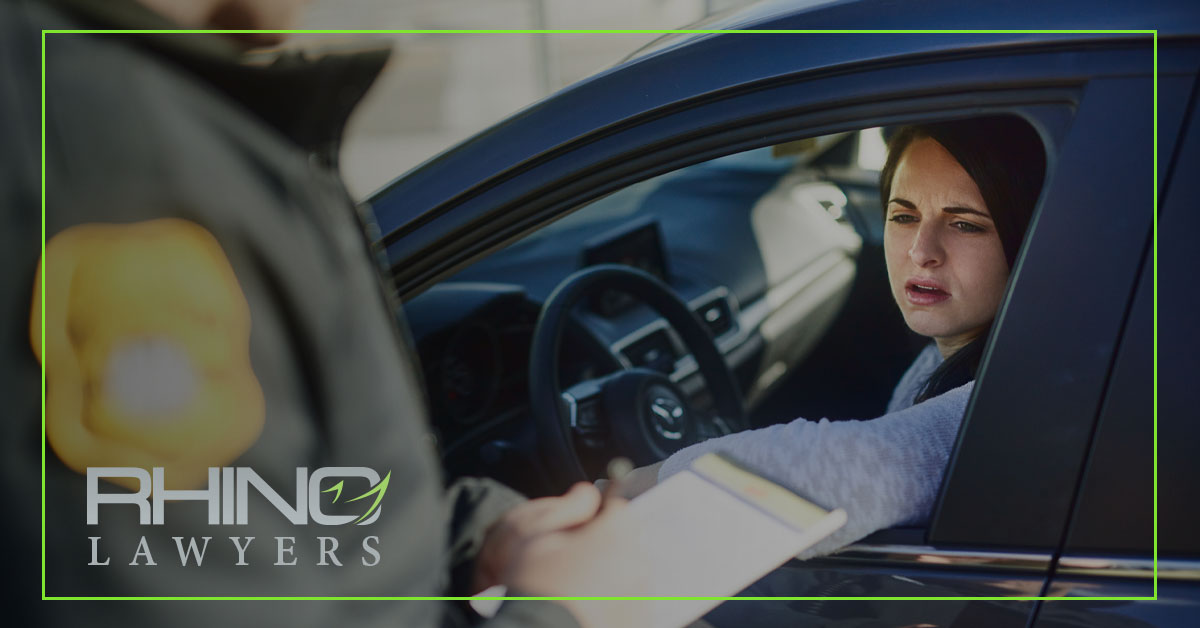
The Hidden Costs of Traffic Tickets: Insurance, Fees, and Points Explained
From higher auto insurance premiums to hundreds of dollars in traffic violation fees and fines and driving points on license records, these are the hidden costs of traffic tickets in Florida. Failure to satisfy citations can lead to even more expenses, as you could end up paying late fees and having your license suspended.
Understanding how driving citations and traffic fines impact you as a motorist is crucial, even if Florida has among the lowest rates of speeding tickets in the country. According to FloridaPolitics.com, a MarketWatch study found that every year, only about 6.92% of Floridian drivers get a speeding ticket, the fourth-lowest in the U.S.
Familiarizing yourself with traffic tickets and their “hidden costs” can point you in the right direction and help you know what steps to take, how to save money, and do what you can to preserve your driving privileges.
At What Speed Do You Get a Ticket?
Just one mile over the posted speed limit is enough to get you a speeding ticket. In some cases, however, police officers may give warnings for these minor infractions. They’re more likely to let you off with a verbal warning if:
- The offense is minor (e.g., a tiny speed difference of 1 to 5 mph over the posted limit)
- You have a clean driving record (e.g., no history of traffic violations)
- You’re polite and cooperative
On the other hand, you can expect the police to give you a ticket if the violation involves faster speeds. A speed of 50 mph or higher over the posted limit could even lead to a charge of criminal misdemeanor.
According to FLSenate.gov, under Florida Statutes 316.1922, such behavior constitutes “dangerous excessive speeding.” A first offense can lead to a $500 fine, 30-day jail time, or both. On the other hand, subsequent convictions carry a $1,000 fine, a 90-day imprisonment term, or both.
Multiple offenses within five years can also lead to the revocation of driving privileges for at least 180 days up to a year.
Can I Just Pay My Ticket and Not Go to Court in Florida?
It depends on the offense committed; if it’s minor, there’s usually no need to make a court appearance, provided you’ve made your fee payment on time.
In some cases, the state may allow you to opt to undergo a driver improvement course. According to the Florida Highway Safety and Motor Vehicles (FLHSMV), customers with a traffic citation may be eligible to have applicable points withheld and get an 18% reduction in citation fees if they go with this route.
On the other hand, more serious offenses typically require a court appearance. Examples include:
- Excessive speeding
- Passing a stopped school bus
- Getting charged with no proof of insurance
- Leaving a child unattended in a vehicle with the engine running
The court appearance mandated in the above offenses is typically non-negotiable.
What Are the Hidden Costs of Traffic Tickets in Florida?
Traffic tickets can result in significant increases in auto insurance premiums, with the greatest spikes associated with severe violations like dangerous, excessive speeding. Note, however, that even minor infractions can still lead to premium spikes.
According to Experian, the average monthly premium of a driver who has failed to show documents like proof of insurance is $214, while a motorist with no violations only pays $184.
In addition to the traffic ticket insurance increase, violations also come with the “hidden” cost of driving points. The worse the violation, the more points it adds to your record.
The authorities can and will suspend your license if you get too many driving points. The length of suspension depends on the number of points accumulated within the following timeframes:
- 12 points within 12 months: 30-day suspension
- 18 points within 18 months: 3-month suspension
- 24 points within 36 months: 1-year suspension
There are also the chargeable fees for the tickets themselves. Most speeding tickets, for instance, come with a $200 to $300 fine. In some cases, they may even reach $1,000.
Don’t forget about the traffic fines and consequences of leaving them unpaid. They can lead to license suspension and even more penalties. They can also result in increased insurance rates and even bench warrants.
Frequently Asked Questions
Is It Worth Going to Court for a Traffic Ticket?
Yes.
In many cases, it’s worth going to court for a traffic ticket because simply paying the fines is an admission of guilt. When you don’t fight the ticket, you’ll see an increase in your insurance premiums and accumulate points. Depending on your current number of points, incurring more may get your license suspended.
When Does Beating Traffic Tickets Make Sense?
It makes sense to fight traffic tickets if their potential consequences (e.g., license suspension, jail time, and steep fines) are severe enough that they warrant the effort. Another situation is if you have a solid, valid defense, such as if there was something that obscured your view while driving, or if you believe and can prove that the officer made a mistake.
While you aren’t legally required to have a legal professional fight your traffic ticket on your behalf, the assistance of a highly experienced traffic defense lawyer can prove invaluable. Your legal counsel will poke holes in the state’s case, whether it has to do with the officer’s mistakes or there were issues with the radar or laser calibration.
Your traffic defense lawyer may also negotiate a reduced charge, which can help you avoid a criminal conviction. Such assistance can make or break your future if you hold a commercial driver’s license (CDL) and need your record to be clean to keep your job.
Don’t Delay Dealing With Traffic Tickets
With the hidden costs of traffic tickets ranging from higher auto insurance premiums to hefty fines and additional driving points, it makes sense to always consider fighting them.
You don’t have to be alone in the fight, either. With the help of RHINO Lawyers, you can get the exceptional legal advice and representation you need to protect your rights and driving privileges. Our attorneys have many years of extensive experience in traffic laws and defending those accused of breaching them.
Our hotline is available 24/7, so contact us today for your free case evaluation.
CONTACT TAMPA TRAFFIC TICKET ATTORNEY
RHINO Lawyers can help and guide you through a system molded by law enforcement, judges, and lawyers for decades. Having won cases for our clients in similar circumstances, our criminal defense team knows what it takes to fight on your behalf.
Let RHINO Lawyers answer your questions and review the facts of your case with a Free Consultation. So, get started by completing the “Free Instant Case Evaluation” or by calling us any time, day or night, at (844) RHINO-77.
Read More
Respiratory Fraud in Healthcare: How to Spot It
Respiratory care is a vital part of modern medicine. From oxygen therapy and nebulizers to CPAP machines and ventilators, respiratory services and equipment help millions of patients breathe easier. Unfortunately, that same complexity also creates opportunities for fraud.
Respiratory fraud in healthcare isn’t just about wasted money. It can mean patients receive unnecessary treatments, wrong equipment, or no real care at all. At the same time, insurers, Medicare, or Medicaid are billed for services that weren’t truly needed or never happened.
Identifying healthcare fraud and reporting it can help patients, families, and honest providers protect both health and resources.
What Is Respiratory Fraud?
Respiratory fraud occurs when providers, companies, or individuals intentionally misuse respiratory billing or services to get money they aren’t entitled to. This can involve:
- Falsely claiming patients need expensive respiratory equipment
- Billing insurance for services that were never provided
- Upcoding (billing for a more complex or costly service than was actually given)
- Providing unnecessary treatments just to generate revenue
These schemes often target vulnerable groups: seniors, people with chronic lung conditions, and patients who may not understand all the technical details of their care.
Signs of Healthcare Fraud
There are many kinds of respiratory fraud to be aware of. Here are some:
1. Unnecessary Respiratory Equipment
One of the most common schemes involves durable medical equipment (DME) like:
- CPAP/BiPAP machines
- Oxygen concentrators and tanks
- Nebulizers and inhalation therapy devices
- Ventilators and accessories
Fraudsters may:
- Convince patients they “must” have a device they don’t truly need
- Use aggressive telemarketing to sign people up for equipment
- Submit fake or exaggerated diagnoses for coverage approval
- Send equipment to patients who never asked for it, then bill insurance
Patients might not realize they’ve been enrolled until they see unusual charges or receive equipment they didn’t request.
2. Upcoding And Inflated Billing
Upcoding means billing for a more expensive service than what was actually provided.
In respiratory care, that can look like:
- Billing for a more complex respiratory therapy session than what occurred
- Claiming a patient used oxygen therapy continuously when they used it occasionally
- Coding simple CPAP supplies as more advanced or specialized items
These small changes add up to big overpayments over time.
3. Phantom Services
“Phantom services” are services that never happened, but are billed as if they did.
Examples in respiratory care include:
- Billing for home visits or respiratory therapy sessions that never took place
- Charging for refills of oxygen or respiratory medications that were never delivered
- Claiming patient monitoring or follow-ups that were never done
Patients and caregivers may not notice if they aren’t regularly checking their explanation of benefits (EOB) statements.
4. Misrepresenting Medical Necessity
Most payers require medical necessity for respiratory services and equipment. Fraud occurs when:
- Providers document false symptoms (like claiming severe COPD or sleep apnea when tests don’t support it)
- Test results are altered or exaggerated to justify the equipment
- Diagnoses are “upgraded” to conditions that qualify for higher reimbursement
In some schemes, patients are pushed through quick, low-quality screenings to create a paper trail, then signed up for long-term equipment rentals.
5. Kickbacks And Improper Referrals
Sometimes, fraud revolves around financial relationships between physicians, respiratory suppliers, and other entities.
Examples include:
- A provider receiving payments, gifts, or incentives for referring patients to a specific respiratory equipment supplier
- Companies are paying marketers to steer patients into unnecessary respiratory services
- Arrangements disguised as “consulting fees” or “marketing agreements” that are really kickbacks
These practices can violate anti-kickback and self-referral laws and lead to biased recommendations that aren’t in the patient’s best interest.
What To Do If You Suspect Respiratory Fraud
If something doesn’t feel right, there are steps you can take to prevent medical fraud:
- Talk to your doctor or care team: Ask them to explain your diagnosis, treatment, and any equipment in plain language.
- Check with your insurer: Call the number on your insurance card to review recent claims and ask about anything that seems suspicious.
- Keep detailed records: Save statements, bills, letters, and notes from phone calls; write down dates, names, and what was said.
- Report your concerns: Many insurers, Medicare, and Medicaid have fraud hotlines.
You can report anonymously, so that should not be an issue. Also, hiring a respiratory fraud attorney is a great step to take.
Frequently Asked Questions
How Can I Tell If I’m Being Given Unnecessary Respiratory Equipment?
Be cautious if you receive unrequested devices, feel pressured to sign forms, or are told, “Don’t worry, it’s free; insurance covers everything,” without a clear medical explanation.
Ask your doctor to walk you through your diagnosis, test results, and why the equipment is needed. If you’re still unsure, consider getting a second opinion.
What Should I Look For On My Insurance Or Medicare Statements?
Review your Explanation of Benefits or Medicare Summary Notices for:
- Respiratory therapy visits you don’t remember
- Charges for oxygen, nebulizers, or other devices you never used
- Ongoing monthly rental fees for equipment you returned or no longer have
If you see anything unfamiliar, call your insurer and ask them to explain each charge.
What Should I Do If I Suspect Respiratory Fraud?
Start by:
- Understanding medical fraud risks by consulting a respiratory fraud lawyer.
- Contact your doctor or clinic to ask about questionable charges or equipment.
- Call your insurance company or Medicare to report suspicious claims.
- Keeping written records of bills, statements, and conversations.
If you believe there is serious or large-scale fraud, you can also reach out to government fraud hotlines or consult with a healthcare fraud or whistleblower attorney to understand your options and protections.
Use Our Healthcare Fraud Detection Tips
Respiratory care can be life-changing when it’s done right and deeply harmful when it’s abused for profit. By staying informed, asking questions, and carefully reviewing billing and equipment, patients and families can play a powerful role in spotting respiratory fraud and protecting both their health and the healthcare system itself.
Use our healthcare fraud detection tips and prevent further healthcare fraud by contacting RHINO Lawyers.
We are Tampa’s go-to law firm and are ready to help you understand your case better and make the right decision regarding the respiratory fraud you are experiencing.
Schedule a free video consultation today.
Read More
Who Pays for Child Car Seat Replacement After a Florida Accident?
The at-fault driver’s insurance is usually responsible for paying for a child car seat replacement after a crash. This is the clear starting point under accident liability Florida rules, and it guides everything that follows. Families should never have to cover this cost on their own.
Florida recorded more than 700,000 road accidents in 2024, according to FLHSMV, so this issue affects many parents each year. A damaged car seat can raise stress during an already difficult time, but the process is more straightforward than most people expect.
At RHINO Lawyers, we help families get the compensation they’re owed and deal with insurers who push back. In this blog post, we explain who pays, what the law says, and what steps to take next.
Who Pays for a Child Car Seat Replacement in Florida?
The at-fault driver’s insurer is usually responsible for paying for a child’s car seat after a crash. This falls under property damage coverage, and it applies even if the seat looks fine on the outside. A car seat is considered unsafe once it has been in a collision.
Florida’s no-fault system can be confusing, but this part is clear. Your own PIP covers medical needs, while the other driver’s insurer handles damaged items. A car seat is included in that, and families should not have to pay out of pocket.
Insurance companies sometimes ask for photos, receipts, or proof that the seat was in the car. These steps can slow the process and create avoidable stress. Proper documentation helps move things forward.
RHINO Lawyers guides families through each step and deals with the insurer for you. This support helps ensure the replacement is covered without delay.
Are Car Seats Supposed to Be Replaced After an Accident?
Many car seats need to be replaced after a crash. Even a mild impact can affect the internal structure of the seat and reduce its ability to protect a child. Because of this, replacement is the safest choice for most families.
NHTSA recommends replacing a seat after moderate or severe crashes. These events create enough force to weaken materials that cannot be inspected by eye. A seat that looks unchanged may no longer perform the way it should.
Parents often feel unsure when a crash seems minor. While some minor collisions may qualify for exceptions, the safest path is usually a full replacement. Safety must always come first.
RHINO Lawyers helps document the damage and show why replacement is necessary. This support strengthens your claim and reduces the chance of a dispute with the insurer.
What Am I Entitled to After a Car Accident in Florida?
After a crash in Florida, you may be entitled to compensation for medical care, lost income, and property damage. A damaged car seat is part of that property damage, and parents should expect a full replacement when a collision occurs.
Your PIP coverage handles initial medical needs, up to the policy limit. Anything beyond that falls to the at-fault driver’s insurer. This includes the cost of replacing personal items affected by the crash.
Many families also qualify for compensation related to pain, ongoing treatment, or long-term impact. These areas depend on the details of the case, but they are important to review with a legal team. Clear documentation helps protect your rights.
RHINO Lawyers works to make sure every part of your claim is valued properly. This approach limits underpayment and pushes back when insurers try to minimize your case.
How RHINO Lawyers Help Florida Families After a Crash
RHINO Lawyers brings strong experience in handling insurance disputes, including cases involving damaged car seats. Our team understands how insurers try to limit payouts, and we step in to protect families from these tactics. This helps move claims forward with less stress.
We focus on fast communication and direct access to an attorney. Parents should not have to wait days for answers when trying to replace essential items. Clear guidance makes the next steps easier to manage.
The team handles documentation, communication, and negotiation with the insurer. This reduces delays and improves the chance of a full payout for all crash-related losses. We support families through each stage of the process.
Our goal is simple: make sure every client receives the compensation they deserve. RHINO Lawyers stands by families from the first call through the final resolution.
Frequently Asked Questions
What If the Other Driver Won’t Admit Fault?
If the other driver disputes what happened, the insurer may delay the claim. Photos, police reports, and witness statements help clarify the situation. RHINO Lawyers reviews the evidence and presents a clear case to the insurer to move the claim forward.
Can I Replace the Car Seat Before Talking to the Insurance Company?
Yes. Your child’s safety comes first. You can buy a new seat right away and keep the damaged one for documentation. Receipts and photos help support your claim for reimbursement.
Will the Insurer Pay for a Like-for-Like Replacement?
Most insurers cover the same type and quality of seat. If you used a premium model, you can usually replace it with the same level. We help confirm this with the insurer to avoid pushback.
What If I No Longer Have the Original Receipt?
You can still make a claim. Photos, model information, and proof that the seat was in the car are usually enough. The insurer may ask for the age of the seat, which you can often find on its label.
Does a Minor Crash Still Count for a Replacement Claim?
Many minor collisions still justify replacement. The internal structure of the seat may weaken even when the damage isn’t visible. RHINO Lawyers helps show why a replacement is reasonable.
Who Pays for Child Car Seat Replacement?
To sum up, a collision can turn a family’s day upside down, but a fast and fair child car seat replacement should never be a struggle. Florida’s child safety laws support parents who need a new seat after a crash, and you don’t have to face the insurer alone.
RHINO Lawyers handles insurance claims from start to finish and works to protect every part of your case. Contact our team for a free case review.
CONTACT A TAMPA AUTO ACCIDENT ATTORNEY
In short, after a car accident, you may not know your rights. Above all, don’t struggle through the process alone. Actually, our personal injury team is here to help you with any legal needs you might have regarding your accident.
Lastly, let RHINO Lawyers answer your questions and review the facts of your case with a Free Consultation. So, get started by completing the “Free Instant Case Evaluation” or by calling us any time, day or night, at 844.RHINO.77.
Read More
Enrollment and Disenrollment Fraud in Managed Care Organizations
Enrollment and disenrollment fraud is one of the most common problems inside managed care organizations, and it affects patients, public programs, and taxpayers. This type of misconduct happens when people are added to or removed from health plans without proper consent or documentation. It creates gaps in care, inflates costs, and undermines fraud prevention in healthcare.
Many of these cases only come to light because someone inside the system notices signs of wrongdoing. Workers may see forged signatures, unusual enrollment spikes, or complaints from patients who never agreed to join a plan. When this happens, speaking up is important.
With the right legal support, whistleblowers can protect themselves, expose wrongdoing, and help keep healthcare programs honest and reliable. In this blog post, RHINO Lawyers will explain how enrollment and disenrollment fraud happens, why it harms patients and programs, and how whistleblowers can take action with strong legal protection.
What Enrollment Fraud Looks Like
Enrollment fraud happens when people are added to health plans without clear consent. Some workers may use forged signatures or rush forms through without real approval. Others may enroll people who are not eligible.
Many cases begin with small steps that grow over time. For example, a worker may be pushed to meet quotas or targets, and patients may report coverage they never asked for.
Insiders often notice patterns first, such as sudden spikes in new members or repeated complaints from confused patients.
What Disenrollment Fraud Looks Like
Disenrollment fraud occurs when people are removed from health plans without proper notice. Some workers may drop high-cost patients to improve performance metrics, while others may cancel coverage to shift someone into another plan.
Patients often discover the issue when a doctor visit or medication is denied. Workers may see sudden drops in membership. Care disruptions, surprise bills, and missed treatments are common signs that something is wrong.
Why This Type of Fraud Happens
Fraud often grows from pressure to meet enrollment goals or improve financial results. Workers may be judged on numbers, not accuracy.
Poor oversight also creates space for misconduct, and weak checks, rushed procedures, and unclear policies allow fraud to slip through.
Some groups cut corners to gain bonuses, reduce expenses, or secure contracts. Strong oversight reduces these incentives.
Warning Signs for Workers and Insiders
Unusual enrollment spikes, repeated complaints, and forged or incomplete paperwork are early warnings. Workers may also receive pressure to enroll or remove people quickly.
Missing consent forms, altered documents, or sudden shifts in membership counts often signal deeper issues. A rise in patient confusion or claims denials can also point toward enrollment or disenrollment misconduct.
How Fraud Affects Patients and Public Programs
Patients can lose access to doctors, face surprise bills, or miss needed care, while families may struggle to fix coverage changes they never agreed to.
Public programs face higher costs due to false enrollments and unstable membership. Fraud also harms trust in managed care systems. Taxpayer funds are stretched, and oversight agencies must spend time correcting errors that should never have occurred.
How Whistleblowers Help Expose Enrollment and Disenrollment Fraud
Whistleblowers provide details that internal records alone cannot reveal, as they understand:
- Workflows
- Documents
- Patterns
Reports from insiders often give investigators a clear view of how fraud operates. By stepping forward, whistleblowers protect patients, strengthen oversight, and help recover public funds that were misused.
Key Laws That Protect Whistleblowers
The False Claims Act allows people to report fraud against federal programs and seek financial rewards when funds are recovered. The Anti-Kickback Statute and Stark Law also support people who expose illegal practices in healthcare settings.
Workers who speak up gain protection from retaliation, including unfair treatment, firing, or harassment. Strong legal support helps whistleblowers act safely.
Why RHINO Lawyers Is a Strong Option for Whistleblowers
Here at RHINO Lawyers, we focus on protecting people who uncover wrongdoing in healthcare settings. Clients work directly with our experienced attorneys who handle fraud cases daily.
Our team offers confidential guidance, clear communication, and steady support from start to finish. Whistleblowers also receive help with retaliation issues and potential financial recovery. RHINO Lawyers stands with workers who choose to do the right thing.
Frequently Asked Questions
How Can Patients Tell if Their Coverage Was Changed Without Consent?
Patients often notice unexpected mail, unfamiliar plan names, or new ID cards they never requested. Confusion during doctor visits or sudden issues with prescriptions can also reveal unauthorized changes in coverage.
Do Workers Risk Anything by Reporting Enrollment or Disenrollment Misconduct?
Workers may worry about retaliation, yet federal laws offer strong safeguards. Our team at RHINO Lawyers helps protect their rights, guide them through the process, and reduce the stress of coming forward.
Can Enrollment or Disenrollment Fraud Happen Through Phone or Online Sign-Ups?
Fraud can occur through rushed phone calls, misrepresented online forms, or digital entries made without informed consent. Electronic systems make tracking easier, but they can also hide improper actions when oversight is weak.
Are Patients Ever Asked to Approve Changes They Don’t Fully Understand?
Some patients are shown quick explanations or pressured to sign forms with limited detail. Misleading summaries or incomplete disclosures can lead to coverage changes that patients never intended to authorize.
How Do These Schemes Create Financial Risks for Public Programs?
Fraud leads to inflated membership counts, unstable enrollment levels, and incorrect payments that drain public funds. Program administrators must redirect time and resources to repair errors caused by fraudulent activity.
Why Should Insiders Choose RHINO Lawyers When Reporting Fraud?
RHINO Lawyers provides confidential, experienced support for people who want to expose wrongdoing and protect patients. Our team helps whistleblowers understand their rights, navigate next steps, and build a strong, protected case.
Understanding Fraud in Managed Care Organizations
The bottom line is that healthcare programs work best when people are treated honestly, yet managed care organizations can fall into harmful practices that disrupt care and waste public funds. Workers and patients who notice problems play a key role in identifying fraud in managed care, especially in cases involving healthcare enrollment fraud or improper removals from coverage.
RHINO Lawyers guides whistleblowers through every step with confidential support and strong legal protection. Contact our team to discuss your concerns and learn how to move forward safely.
Read More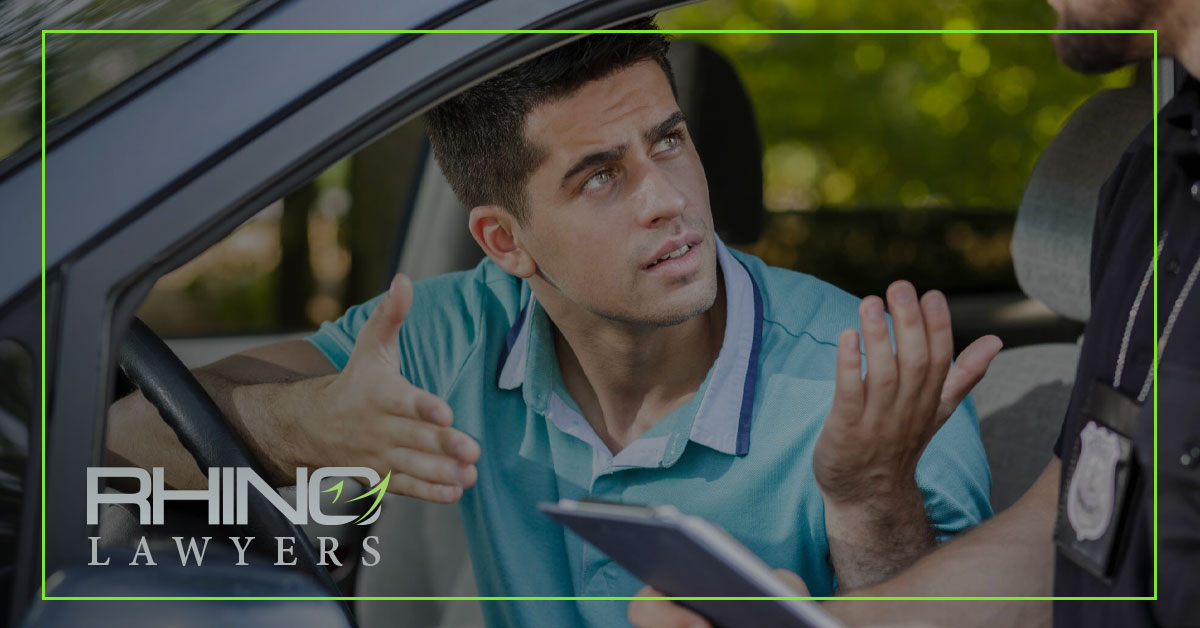
How School and Construction Zone Tickets Impact Your Florida License
Speeding in a school zone or speeding in a construction zone doesn’t just lead to higher fines. It can immediately affect your Florida license through added points and potential insurance increases. School-zone and construction-zone violations often carry doubled penalties, meaning just one ticket can significantly raise your risk of suspension.
Have you ever wondered why tickets in these areas seem so much harsher than standard speeding fines? It’s because Florida law treats child-safety areas and active work zones as high-risk environments deserving of stricter enforcement.
So, let’s look into how these specific violations impact your license, your insurance, and your long-term driving record.
Do School Zone Tickets Raise Your Insurance?
School zone speeding fines often lead to higher insurance costs in Florida. These tickets carry increased penalties, so they tend to have a stronger effect on your driving record and your premiums.
Many drivers are surprised by how quickly a single violation can change their insurance rates. There are three main reasons these tickets raise your premiums:
- Higher risk category
- Added license points
- Stronger Florida traffic ticket impact
Higher Risk Category
Insurance companies place school zone violations in a higher risk group. These areas involve children and strict speed limits, so companies view the behavior as unsafe.
This can push a driver into a more expensive rating tier.
Added License Points
A school zone speeding ticket often brings more license points for speeding than a standard ticket. More points make you look like a higher risk and can lead to higher premiums for several years.
Stronger Florida Traffic Ticket Impact
A school zone violation counts more heavily in Florida’s system. The speeding penalty in Florida grows when the violation happens in a protected zone. It makes insurers more likely to increase your rates.
Can I Get Out of a School Zone Speeding Ticket?
Many drivers hope they can get out of a school zone speeding ticket, but the process depends on the details of the stop. These tickets bring severe penalties, and the rules in these areas leave little room for error.
Still, some defenses may help your case or reduce the impact. There are three common ways drivers handle these tickets:
- Challenging unclear signs
- Questioning the speed device accuracy
- Seeking mitigation through traffic school
Challenging Unclear Signs
Some drivers challenge the ticket by pointing out unclear or blocked signs. A missing or hidden sign can raise fair doubts about the posted limit. It can lead to a reduced penalty or sometimes a dismissed ticket.
Questioning Speed Device Accuracy
A ticket based on radar or laser relies on proper calibration and a clear reading. If the device records were incomplete or out of date, you may have room to question the result.
This approach depends on fact-based details from the stop.
Seeking Mitigation Through Traffic School
Many drivers shift their focus to reducing the effect of the ticket instead of fighting it outright. Florida often lets eligible drivers attend traffic school to reduce license points for speeding.
It can help lessen your speeding penalty in Florida and soften the long-term Florida traffic ticket impact.
Understanding Penalties for Speeding in a Construction Zone
Drivers face higher fines and bigger consequences when caught speeding in a construction zone. Many drivers don’t realize how quickly a single mistake can affect their record.
Three main factors can shape these penalties:
- Active or inactive work zones
- Doubled fines
- Effect on your driving record
Active or Inactive Work Zones
Florida sets different expectations for active and inactive zones. An active zone often has workers on site, reduced speed limits, and clear warning signs.
An inactive zone may have signs posted but no workers present. Penalties vary, and an active zone usually carries higher fines.
Doubled Fines
Many construction zone tickets bring double fines. The state uses these higher penalties to encourage safer driving near work crews.
The higher fine amount sends a clear message that these zones require careful attention.
Effect on Your Driving Record
A construction zone violation can add more weight to your record than a regular ticket. The added points raise the risk of license problems and long-term insurance increases.
It makes the speeding penalty in Florida tougher to manage when the violation happens in a work zone.
Frequently Asked Questions
What Happens if I Am Caught Speeding in a Work Zone Without Workers Present?
Florida won’t always apply doubled fines if no workers are present, but the posted signs still control the rules. Officers often check for signs, barriers, or flashing lights.
A driver can still receive a standard ticket, and this can still increase insurance costs.
How Do Camera-Based Speed Enforcement Systems Affect School Zone Tickets in Florida?
Some school zones use automated cameras to track speed during active hours. The system records your plate and sends a notice by mail.
Contesting these tickets often involves checking time stamps, speed readings, or maintenance records from the device. The process can feel different from a traditional stop.
Can a Construction Zone Ticket Impact a Commercial Driver’s License More Harshly?
A commercial driver faces stricter rules under state and federal guidelines. A construction zone violation can lead to employer reports and safety reviews.
These records can make job changes or renewals harder. A CDL holder may feel the consequences for a long time.
Are There Long-Term Consequences Beyond License Points for Speeding Violations?
Some employers and licensing boards look at past driving records during background checks. A protected-zone violation can show up for years.
It can affect applications for jobs that involve travel or company vehicles.
Speeding and Construction Zone Safety
A ticket for speeding in a construction zone or a school zone can shape your record for years.
At RHINO Lawyers, we’re driven by the people we serve. We built our practice to break away from outdated legal models and offer fast, friendly, and flexible support for clients who expect modern communication.
Our team embraces tech, values clear conversations, and works with data-focused strategies shaped by real industry insight. Get in touch today to find out how we can help with your case!
CONTACT TAMPA TRAFFIC TICKET ATTORNEY
RHINO Lawyers can help and guide you through a system molded by law enforcement, judges, and lawyers for decades. Having won cases for our clients in similar circumstances, our criminal defense team knows what it takes to fight on your behalf.
Let RHINO Lawyers answer your questions and review the facts of your case with a Free Consultation. So, get started by completing the “Free Instant Case Evaluation” or by calling us any time, day or night, at (844) RHINO-77.
Read More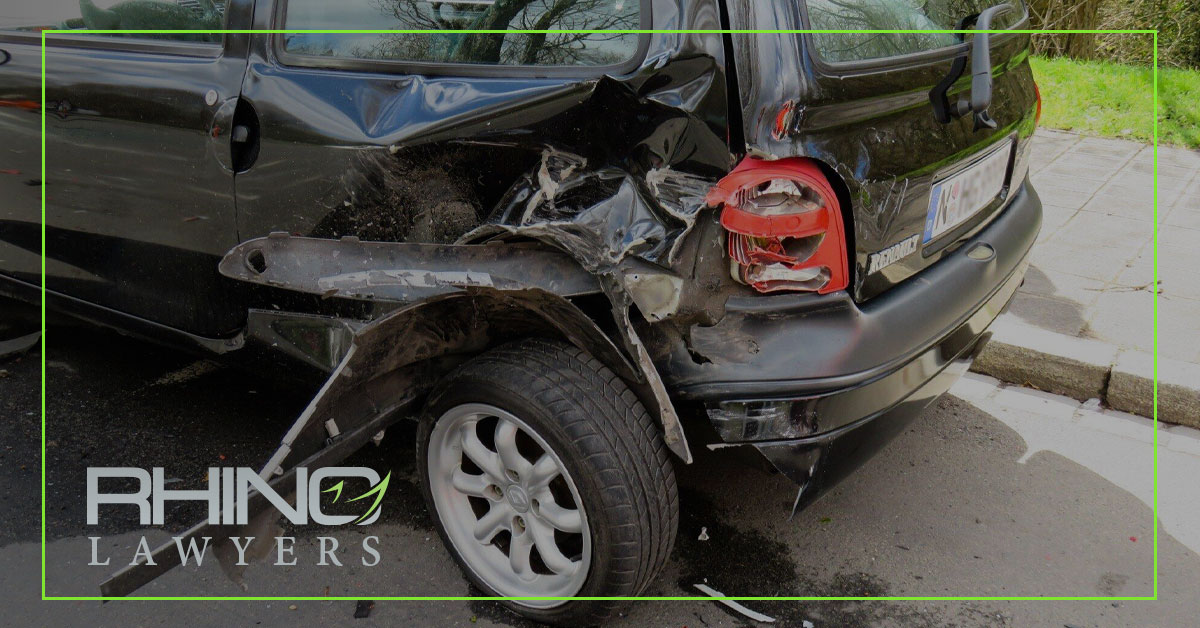
Car Accident Witness Statements: Why They Matter More Than You Think
Car accident witness statements matter more than people think because they provide a neutral and objective account of the incident, which is vital for establishing fault and can make the difference between a claim being denied or approved.
There have been over 310,000 traffic crashes, resulting in 130,000 injuries so far this year in Florida, according to Florida Highway Safety and Motor Vehicles (FLHSMV). Many of these will result in accident claims being filed, with the majority being settled. However, a small percentage of these will end up in court.
As an accident victim, whether filing an insurance claim or anticipating a court appearance, having a car accident witness statement is crucial to the success of your case. Witness statements are essential in car accident cases as they provide an unbiased account that helps establish fault and strengthen claims. Ultimately, they can lead to a more favorable settlement or court outcome.
What Is a Car Accident Witness Statement?
A car accident witness statement is a first-hand, objective account of an accident from an unbiased third-party observer. It is a written or verbal description of events that helps an insurance company or the court determine the facts of the case, such as:
- Other drivers
- Passengers in any of the vehicles involved
- Pedestrians
- People nearby in buildings or businesses
- First responders
Why Witness Statements Are So Important
A car accident can be a traumatic experience, and right after it occurs, the drivers and passengers involved may be in shock due to the adrenaline rush, or they may have an injury. Despite being directly involved, their recollection of the events could be questionable and less than objective.
The witness role in accidents is to provide an unbiased and neutral account of the event, making witness statements crucial for:
- Helping to clarify disputed facts and offering an independent perspective
- Corroborating or disputing the involved parties’ accounts
- Influencing liability determination and legal decisions
The legal impact of witnesses is significant; their testimony can be the decisive factor in claims, influencing settlement amounts and the overall success or failure of a case.
Key Elements of a Strong Witness Statement
The importance of witness statements is undeniable; they can determine a claim’s or case’s outcome. The key elements of a strong witness statement must include precise details regarding:
- Witness Contact Information: The full name, home address, phone number, and email address for legal follow-up.
- Date, Time, and Location: The exact date, time, and specific location of the accident, including intersections, landmarks, or highway markers.
- Detailed Sequence of Events: The core of the witness statement that includes the chronological order of events leading up to, during, and after the incident.
- Description of Vehicles and Drivers: The vehicle make, model, color, and other specifics, and descriptions of the drivers involved, including their actions and behavior before, during, and after the incident.
- Injuries and Damage: Their observations of the injuries sustained by the parties involved and any visible damage to the vehicles or nearby properties.
- External Conditions: The weather, road conditions, and traffic elements when the accident occurred.
It may also include an account of any relevant conversations, including admissions of fault, and should have the date of the statement and the witness’s signature. Speculation or personal opinions should be avoided in car accident testimony to maintain credibility.
How Witness Statements Strengthen Your Case
Witness statements can strengthen a car accident case that lacks proof or has uncertainties about the crash’s cause or the injuries sustained. Reliable witness testimony can help fill gaps left by other evidence, such as:
- Police reports
- Photos
- Videos
It can also support injury claims by describing the impacts and aftermath of the accident.
A clear, consistent, and credible witness statement can increase the likelihood of favorable insurance and court outcomes.
When to Collect Witness Statements and How
The time and manner of collecting witness statements can affect their reliability and accuracy. It should involve immediately identifying witnesses, obtaining their contact information, and gathering witness statements promptly after an accident, while they can still recall what occurred.
Police officers typically gather witness statements at the scene of a car accident. However, accident victims who are physically and mentally able should also identify witnesses and collect their contact information to provide to their legal representatives.
Attorneys are adept at gathering witness evidence through effective and respectful interviewing methods. They will:
- Introduce themselves and state their case
- Ask open-ended questions
- Listen actively
Your attorney will document the information provided and reassure reluctant witnesses, emphasizing the importance of their testimony, while addressing any concerns. They may also decide to canvass the area to identify any other potential witnesses.
Frequently Asked Questions
Are Car Accident Witness Statements Strong Evidence?
Yes, car accident witness statements can be considered strong evidence, especially when they come from an objective third party. They provide independent proof of how an accident occurred and can confirm details such as who is at fault and if a driver was speeding or distracted.
The strength of a witness statement depends on its:
- Credibility
- Consistency with other evidence
- Clarity
Credible witness accounts can strengthen a claim, and insurance companies and courts take them very seriously. However, they are also subject to scrutiny due to the infallibility of human memory.
How Reliable Are Car Accident Witness Statements?
Car accident witness statements can be considered reliable in some cases if they reflect an unbiased, third-party perspective, especially one that is more objective than the accounts of the drivers involved. However, their reliability is not guaranteed, as memory can be inaccurate and influenced by:
- Stress
- Biases
- The length of time since the event
They are typically considered valuable evidence but are not infallible.
An Invaluable Element in Car Accident Claims
Car accident witness statements are invaluable in car accident claims because they provide independent, objective proof of what happened. They can also help establish fault, corroborate evidence, and enhance your credibility.
If you’re in an accident, prioritize collecting witness information, as the attorneys at RHINO Lawyers are experienced at gathering relevant witness information that can help your case. Our innovative approach will not only make the claims process less stressful for you but also help you get the settlement you deserve. Text, call, or chat with us online for a FREE case analysis.
CONTACT A TAMPA AUTO ACCIDENT ATTORNEY
In short, after a car accident, you may not know your rights. Above all, don’t struggle through the process alone. Actually, our personal injury team is here to help you with any legal needs you might have regarding your accident.
Lastly, let RHINO Lawyers answer your questions and review the facts of your case with a Free Consultation. So, get started by completing the “Free Instant Case Evaluation” or by calling us any time, day or night, at 844.RHINO.77.
Read More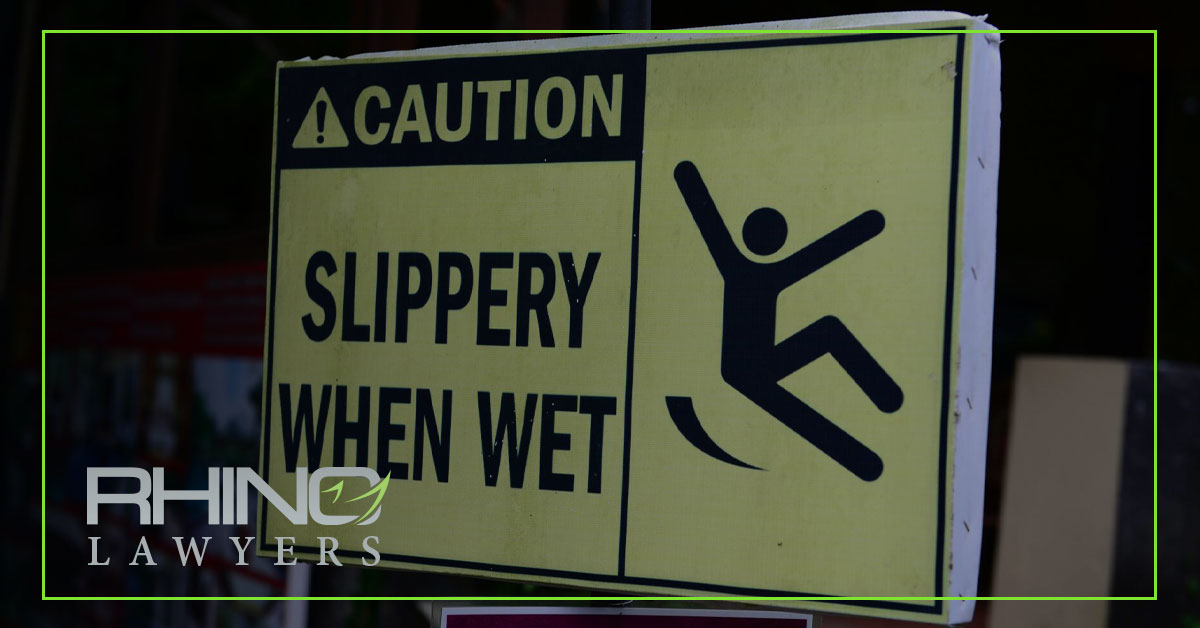
Do Hotels Owe You Compensation If You Slip And Fall At The Pool?
If you slip and fall at a hotel pool, you may be entitled to compensation for injuries and related expenses. Hotels have a legal duty to keep pool areas safe for guests, and negligence can make them liable when accidents happen. RHINO Lawyers can help you understand your rights and pursue fair compensation after a pool accident.
Each year, Americans make nearly 25 million physician visits for unintentional injuries, according to the CDC. Many of these injuries — especially slips and falls near swimming pools — happen due to poor maintenance or unsafe conditions. Knowing your rights helps you take proper action after an injury.
Hotels must keep pool areas safe for guests. This means drying wet surfaces, posting warnings, and maintaining lighting and equipment. If they fail, injured guests may have a valid premises liability claim.
What Are the Common Causes of Slip and Fall Accidents?
Poolside accidents can happen quickly, especially in busy or poorly maintained areas. Even a small puddle, broken tile, or missing handrail can lead to serious injuries. Understanding how these common accidents occur can help you recognize signs of negligence before it’s too late.
When Are Hotels Responsible for Your Injury?
Hotels can be held liable when their negligence directly causes your injury. However, it depends on the case. Here are a few situations where a hotel may be found responsible:
- Failing to clean or dry slippery surfaces around the pool
- Not posting clear “Wet Floor” or “No Running” warnings
- Poor lighting makes hazards difficult to see
- Broken tiles, ladders, or loose railings left unrepaired
These conditions put guests at unnecessary risk. They can result in significant medical and financial losses. If your fall was caused by one of these hazards, you may be entitled to compensation for pool accidents and other related damages.
Understanding Pool Accident Liability
When a slip and fall happens at a hotel pool, the cause of the accident determines who is legally responsible. Hotel owners, maintenance crews, or even third-party contractors could all share pool accident liability. The key is proving that someone failed to take reasonable steps to prevent your injury.
Hotels are required to inspect pool areas regularly and fix hazards as soon as possible. Neglecting these duties can make them liable under hotel negligence cases. RHINO Lawyers helps victims gather evidence and even have witnesses to prove how hotel negligence caused their injuries and losses.
Types of Injuries in Hotel Slip and Fall Claims
Poolside falls can cause anything from minor bruises to severe trauma. Some injuries appear mild at first but worsen over time, leading to ongoing pain or disability. Understanding what types of injuries are common can help you document hotel slip and fall claims properly.
What to Do After a Slip and Fall at a Hotel Pool
It’s quite devastating to slip and fall at a hotel pool. As such, taking quick action can make a major difference in your case. Here are some important steps to protect your slip and fall injury rights and strengthen your claim:
- Report the accident to hotel management immediately
- Take photos or videos of the pool area and your injuries
- Collect names and contact details of any witnesses
- Get medical attention right away, even for minor injuries
These steps help establish what happened and preserve valuable evidence for your hotel slip and fall claim. Sharing these details with your attorney allows them to build a strong compensation case.
When to Contact a Personal Injury Attorney
If you’ve been injured at a hotel pool, contacting a personal injury lawyer should be one of your first steps. An experienced attorney can help you determine whether the hotel’s negligence caused your injury and what damages you can pursue. RHINO Lawyers works to recover costs for medical care, pain and suffering, and lost income after serious pool accidents.
Frequently Asked Questions
What Evidence Helps Prove a Hotel’s Negligence After a Pool Accident?
Photos of the area, medical reports, and witness statements can be powerful proof in a slip and fall claim. It also helps to keep copies of the hotel’s incident report and any communication from staff or management.
Can I File a Claim If the Pool Area Was Crowded or Wet?
Yes. Even though pools are naturally slippery, hotels must use:
- Safety mats
- Proper drainage
- Clear caution signs
Failing to take these precautions can make the hotel legally responsible for your injuries.
Do I Need to Prove the Hotel Knew About the Hazard?
Usually, yes. You must show the hotel staff knew — or should have known — about the danger and didn’t fix it. This link between the hazard and the staff’s inaction is key to proving negligence.
Can Guests Sue for Pool Injuries Without a Visible Hazard?
Yes, in some cases. Hidden risks such as uneven tiles, poor chemical balance, or broken drainage systems can make the pool area unsafe. An attorney can uncover maintenance records or inspection reports that support your claim.
How Long Does It Take to Settle a Hotel Slip and Fall Claim?
Every case is different. Some resolve in a few months, while severe injury cases may take longer if negotiations or court involvement are needed. Your lawyer can explain each step and the expected timeframe.
What If I Signed a Hotel Waiver Before Using the Pool?
A waiver doesn’t automatically protect the hotel from liability. If negligence or unsafe conditions caused your injury, the waiver may not apply. Always have an attorney review such documents before assuming you can’t seek compensation.
Trusted Legal Help for Pool Accident Victims
Understanding your rights after a hotel slip and fall helps you take action before it’s too late. Knowing what to do and who to contact can make the recovery process smoother and less stressful. With the right legal support, you can hold negligent hotels accountable and seek the compensation you deserve.
If you or someone you love has been injured in a pool accident, RHINO Lawyers is here to help. Our attorneys handle hotel negligence cases, auto accidents, and personal injury claims across Florida and Wisconsin. Contact RHINO Lawyers today for a free consultation and learn how we can protect your rights after a slip and fall.
CONTACT A TAMPA AUTO ACCIDENT ATTORNEY
In short, after a car accident, you may not know your rights. Above all, don’t struggle through the process alone. Actually, our personal injury team is here to help you with any legal needs you might have regarding your accident.
Lastly, let RHINO Lawyers answer your questions and review the facts of your case with a Free Consultation. So, get started by completing the “Free Instant Case Evaluation” or by calling us any time, day or night, at 844.RHINO.77.
Read More
Spotting the Red Flags of Managed Care Fraud in Your Brokerage
Managed care programs help millions of Americans access affordable healthcare, but they also create opportunities for fraud and abuse. Detecting fraudulent patterns early protects both your brokerage and the clients you represent. Watch for unusual billing patterns, falsified claims, or discrepancies in provider documentation that signal unethical or illegal activity.
According to the University of Virginia, healthcare fraud costs the United States over $100 billion annually. That staggering figure underscores how critical it is to stay alert to deception within managed care operations.
Whether you lead a small brokerage or oversee large-scale insurance accounts, understanding warning signs and applying targeted prevention techniques keeps your business compliant, credible, and trusted.
What Are the Key Red Flags in Managed Care Fraud?
Fraud in managed care programs often hides behind routine paperwork or claims activity. Red flags in insurance can appear subtle, such as identical billing patterns or mismatched treatment codes, but they reveal deeper issues when tracked over time.
The biggest red flags include inconsistent patient records, unusually high reimbursement requests, and repetitive procedures billed under different codes. Other red flags include:
- Suspicious provider relationships
- Vague documentation
- Identical claims across patients
- Unnecessary medical tests
Train your team to question data patterns that don’t make logical or financial sense. Early awareness can prevent an investigation before it starts.
How Can Brokerages Identify Fraudulent Provider Behavior?
Brokers often stand between clients and insurers, making them the first line of defense against managed care fraud. Detecting provider abuse requires a careful review of data and pattern analysis.
Monitoring claim frequency, treatment types, and provider clusters is one of the most effective brokerage defense strategies. Compare patient volume with service billing trends, and watch for sudden increases in specialized procedures or non-covered services.
Establish automated audit alerts within your systems and maintain direct communication with your insurers when something appears off. Cooperation between brokers, carriers, and investigators builds accountability throughout the network.
What Are the Most Common Insurance Fraud Indicators?
Fraud indicators appear across both provider and brokerage levels. Some of the most common insurance fraud indicators include:
- Billing for services not rendered
- Falsified patient signatures
- Unlicensed or suspended providers
- Altered medical documentation
Strong internal controls make it harder for fraud to infiltrate your brokerage’s daily operations. Require dual authorization for large claims, review suspicious reimbursements manually, and ensure every document submitted has a verifiable source.
Fraudsters often rely on the assumption that busy offices won’t notice inconsistencies. Make sure yours does.
How Can Brokerages Build Effective Internal Controls?
Protecting your organization requires structure and vigilance. Strong internal protocols minimize risk and stop fraud before it escalates.
Create written policies outlining verification steps for every claim, along with consistent staff training on identifying red flags. Practical steps include:
- Verifying all provider credentials
- Maintaining secure data access
- Recording all client communications
- Reviewing high-value claims manually
When your internal checks are clear and consistent, your brokerage can respond faster and more confidently to suspicious activity.
What Role Does Data Analytics Play in Detecting Fraud?
Advanced analytics help brokers spot anomalies that humans may overlook. Software that identifies irregular billing codes, duplicate claims, or sudden spikes in reimbursements can signal early fraud attempts.
Use data analysis tools to cross-check provider activity against regional and historical averages. When patterns diverge significantly, initiate review protocols.
Data visualization dashboards, combined with human oversight, empower teams to focus investigations on the most suspicious behaviors without overloading compliance staff.
How Can You Prevent Managed Care Fraud Before It Starts?
Prevention always costs less than recovery. The most successful fraud-prevention programs combine proactive training, policy enforcement, and continuous evaluation.
Focus your team’s efforts on transparency, traceability, and accountability to reduce exposure to fraudulent claims.
Regularly educate employees on preventing managed care fraud through updated case studies, audits, and open communication with legal counsel. Encourage whistleblowing in a protected, confidential environment. Fraud often surfaces first from within your own network.
Why Should Brokerages Partner With Whistleblower Attorneys?
Even the most diligent brokerages can face exposure when fraud occurs elsewhere in the chain. Partnering with whistleblower and fraud attorneys provides expert defense and protection.
Legal partners experienced in managed care investigations can guide you through reporting, compliance, and defense if your brokerage becomes involved in a claim.
They can also represent you if an internal report leads to retaliation or regulatory scrutiny. Firms like RHINO Lawyers, with their whistleblower advocacy and insurance defense experience, help safeguard your reputation while ensuring justice for legitimate claims.
Frequently Asked Questions
What Is Managed Care Fraud?
Managed care fraud occurs when healthcare providers, brokers, or insurers intentionally misrepresent services or costs to gain a financial advantage. Examples include inflated billing, false claims, and unnecessary procedures.
Who Investigates Managed Care Fraud?
Federal agencies such as the FBI, the Office of Inspector General (OIG), and state fraud bureaus handle investigations. They often collaborate with private brokers, attorneys, and insurance carriers.
What Are the Legal Penalties for Managed Care Fraud?
Penalties may include heavy fines, restitution, or prison time under the False Claims Act. Civil penalties can also apply to organizations that fail to prevent or report known fraud.
How Can Brokers Strengthen Brokerage Defense Strategies?
Brokers should develop written compliance programs, assign a dedicated fraud officer, and maintain open communication with insurers. Regular audits and risk assessments build lasting credibility.
What Are Some Early Red Flags in Insurance That Brokers Overlook?
Commonly missed signs include duplicate claims, mismatched patient details, and sudden billing changes from trusted providers. Reviewing these regularly can prevent costly exposure.
How Does Technology Help in Detecting Managed Care Fraud?
Automation tools can scan thousands of claims for irregularities in seconds. These systems learn patterns over time, helping detect new and evolving schemes that might otherwise go unnoticed.
Protecting Your Brokerage From Fraud
Fraud detection is no longer optional; it’s essential. Brokers must balance growth and compliance while protecting clients and insurers alike. Strong systems, transparent policies, and trusted legal support form your best defense.
Managed care may be complex, but vigilance and proactive monitoring keep your brokerage protected from risk and liability.
At RHINO Lawyers, we help clients identify fraudulent activity, report wrongdoing, and defend against claims with bold legal representation. Whether you suspect wrongdoing within your network or face an ongoing investigation, our team will safeguard your business and reputation.
Contact RHINO Lawyers today for a confidential case evaluation and exceptional guidance on navigating managed care fraud detection and prevention.
Read More