
Florida’s Aggressive Driving Laws: Identifying and Contesting Charges
Aggressive driving in Florida can carry many different penalties depending on the specific charge. In Florida, this can range from fines of several hundred dollars to jail time.
According to statistics from Vera, someone in the United States is arrested every three seconds. Traffic offenses are some of the most common reasons for these arrests, and aggressive driving constitutes a good chunk of them.
Here, we’ll discuss how to contest traffic charges and avoid Florida driving penalties. Read on to go beyond Florida traffic law tips and delve deeper into fighting your arrest.
What Would Be Considered Aggressive Driving?
The National Highway Traffic Safety Administration (NHTSA) states that aggressive driving is hard to define.
Essentially, it’s any willful act of dangerous driving. Some states have special aggressive driving statutes to penalize those who violate the rules of the road. In many cases, though, violations are simply covered by other traffic laws. Some aggressive driving acts might include:
- Driving recklessly (in a manner that puts others on the road in danger)
- Improper or erratic lane changes
- Following another vehicle too closely
- Sudden braking
- Disregarding signs and stoplights
Aggressive driving violations usually have fairly minor penalties, and they may be hard to prove in a court of law. This makes aggressive driving defense effective in many cases, and those accused of it should contest traffic charges if at all possible.
However, sometimes aggressive driving leads to accidents. If you injure someone, you may face harsher penalties or personal injury lawsuits. They would be independent of the aggressive-driving-related charge.
What Are the Three Types of Aggressive Driving?
Generally, aggressive driving falls into three categories.
Reckless driving behavior includes:
- Speeding
- Weaving into and out of traffic
- Sudden stops and turns
Traffic law violations might look like:
- Failing to use a turn signal
- Ignoring red lights and stop signs
- Making improper turns
Confrontational behavior on the road is also aggressive driving. It includes:
- Flashing your headlights at someone
- Blocking a lane that someone wants to get into
- Cutting someone off with a sudden maneuver
What to Know About Florida’s Aggressive Driving Laws
Florida is one of the states with a general legal definition of aggressive driving. The main differentiator is that aggressive drivers in Florida violate multiple traffic laws at the same time. These violations endanger other drivers regardless of what type of aggressive driving they are.
Florida also recently updated its traffic laws. In July 2025, the state passed House Bill 351. It aims to combat those who speed excessively.
Those who go 50 mph over the speed limit or over 100 mph total will face criminal charges rather than civil ones. First-time offenders can serve a month of jail time under this law in addition to $500 fines.
Additionally, Florida courts differentiate between ‘aggressive careless driving’ and ‘reckless driving.’ The former is just a pattern of unsafe driving activities. The latter means willfully disregarding others’ safety and endangering their lives via negligence.
As you may expect, reckless driving carries heavier penalties!
What Penalties Might You Face?
Because aggressive driving is an umbrella term that could refer to hundreds of actions, it’s hard to define the penalties for a violation. Generally, drivers can expect some form of:
- Fine
- Up to 90 days in jail
- 6+ month license suspensions
- Points on their licenses
- Mandatory defensive driving classes
- Court-mandated anger management
- Information about violations on your public record
Not all drivers will face every penalty. Some may simply get a fine and a slap on the wrist, while others get a month-long jail sentence. It all depends on the violation and the judge.
Frequently Asked Questions
How Can You Combat Florida Driving Penalties?
Regardless of your charges and possible sentence, you can avoid Florida driving penalties by hiring a quality attorney. Lawyers will talk with you to learn the specifics of your case before determining how to best defend you. Legal representation isn’t one size fits all, and the experienced Tampa attorneys know this.
The exceptional attorneys at RHINO Lawyers will advocate for you in civil suits and negotiate with prosecutors. They’ll tell your judge why you deserve a lesser sentence and present a compelling, evidence-based case as to why.
How Can You Choose the Right Lawyer to Handle Your Case?
To choose the best Florida attorney for your aggressive driving case, it’s important to look for lawyers with extensive experience. Make sure that they have worked with hundreds of clients who have been arrested or ticketed in the past.
It’s important to choose an attorney who operates locally. If you’re a Tampa resident, local Tampa lawyers will be familiar with the laws you need to defend yourself against. This makes it easier to craft a compelling case that proves you did not violate the laws.
You should also look into any potential legal team’s past success rate. Make sure that the figures you find online or ask about are relevant to your case. You need to know how well they have handled cases like your own.
What Questions Should You Ask at a Legal Consultation?
Before hiring Tampa lawyers, make inquiries like:
- About how much will my case cost?
- How does your pay structure work?
- How do you communicate with clients?
- What case timelines can I expect?
- Who exactly will be handling my case?
- What experience do you have with aggressive driving cases?
- Have you been successful in cases of aggressive driving before?
- What strategies will you use to defend me in court?
- Do you need any documents or information from me?
Make sure that you get comprehensive and honest answers. You need a lawyer who will be open with you.
Beyond Legal Strategies for Drivers
Now that you know how to identify and contest aggressive driving charges in Florida, it’s time to get started.
At RHINO Lawyers, we’re committed to handling traffic cases with finesse and experience. Our diverse array of knowledge and experience with different cases ensures that we know how to give you the best representation possible. We have over 1,200 five-star reviews across West Florida and have been featured on several TV channels as a leading Tampa attorney.
Contact our team for a free case evaluation today!
CONTACT TAMPA TRAFFIC TICKET ATTORNEY
RHINO Lawyers can help and guide you through a system molded by law enforcement, judges, and lawyers for decades. Having won cases for our clients in similar circumstances, our criminal defense team knows what it takes to fight on your behalf.
Let RHINO Lawyers answer your questions and review the facts of your case with a Free Consultation. So, get started by completing the “Free Instant Case Evaluation” or by calling us any time, day or night, at (844) RHINO-77.
Read More
How Nonprofit Whistleblowers Can Safeguard Community Trust and Eligibility for Rewards
Documenting concerns and using internal reporting channels helps nonprofit whistleblowers protect trust. Maintaining confidentiality, seeking legal counsel, and coordinating with oversight agencies exposes unethical behavior safely.
A post by PBMares, citing the 2024 ACFE report, shows that 10% of occupational fraud occurs in nonprofits. Fraud often involves the misuse of funds, fake expenses, or conflicts of interest. If no one reports it, organizations risk financial loss and damaged community confidence.
Some nonprofits and regulatory authorities offer rewards to encourage reporting. However, pursuing incentives without care can weaken trust.
Strong ethical reporting strikes a balance between accountability and credibility. Here are strategies nonprofit whistleblowers can follow to safeguard community trust and remain eligible for rewards.
Do Whistleblowers Get Rewards?
Nonprofits sometimes offer rewards to encourage reporting of misconduct. Whistleblower incentives may include monetary compensation or recognition programs. Eligibility often depends on providing accurate, actionable information that leads to corrective action.
By reporting honestly, you strengthen nonprofit ethics and support accountability. Thoughtful disclosures allow the organization to act on your findings while preserving credibility and encouraging others to report concerns.
What Protections Are Offered to Whistleblowers?
Whistleblower protection laws shield you from retaliation, including:
- Job loss
- Harassment
- Demotion
- Salary reduction
- Negative performance evaluations
Legal safeguards vary by region but often cover both internal and external reporting. Keeping detailed records strengthens your case if retaliation occurs. Awareness of these protections enables you to report without compromising your professional integrity.
Organizations with robust protection programs demonstrate a commitment to accountability and transparency, which reassures staff and stakeholders. These measures ensure that reporting misconduct does not jeopardize your career or reputation.
Nonprofit Whistleblowers: Maintain Trust and Earn Rewards
Rewards can erode trust if seen as personal gain. Communities may doubt motives when incentives seem primary. Acting thoughtfully ensures reporting benefits the nonprofit, not just yourself.
Careful documentation, following proper channels, and staying objective reduce risks. Ethical reporting preserves credibility, reinforces nonprofit ethics, and strengthens community trust. Balancing reward eligibility tips with responsible conduct helps whistleblowers earn recognition.
Document Everything
Keep detailed records of concerns, including:
- Dates
- Emails
- Documents or reports
- Photos or screenshots
- Witness statements
Clear, factual documentation strengthens credibility and provides legal protection. Accurate records support whistleblower incentives and enable regulators to act effectively. Organizing information systematically ensures that your reporting is both traceable and defensible, promoting ethical practices.
Follow Internal Reporting Channels First
Reporting internally first shows respect for organizational procedures and governance. Submit concerns to:
- Supervisors
- Compliance officers
- Internal hotlines
- Ethics committees
- Human resources
Internal reporting can help resolve issues without external involvement, maintaining trust. Escalating concerns correctly strengthens organizational accountability and preserves your role as a responsible whistleblower.
Protect Confidentiality
Maintaining confidentiality protects both yourself and others involved. Sharing information carelessly can harm stakeholders or violate privacy laws. Only disclose details to authorized personnel or regulatory bodies.
Confidentiality helps sustain building community trust and prevents unnecessary rumors or reputational damage. Protecting sensitive information ensures your actions are ethical and professional.
Seek Legal Guidance
Consulting legal experts helps you navigate complex rules and safeguards. Lawyers can clarify:
- Whistleblower protection
- Potential risks
- Reporting obligations
- Confidentiality requirements
For reliable legal support, consult professionals like RHINO Lawyers. Our team can guide you through the reporting procedures, protect your rights, and ensure that your disclosures comply with applicable laws.
Seeking counsel helps you act with confidence and maintain credibility. It also helps balance personal safety, community trust, and organizational integrity.
Understand Reward Eligibility Criteria
Learn the rules for whistleblower incentives before taking action. Eligibility typically requires verifiable evidence and adherence to proper reporting procedures. Understanding the criteria helps ensure you qualify for recognition or monetary rewards.
Following guidelines avoids perceptions of self-interest and supports ethical reporting. Clear awareness of requirements allows you to act while contributing to nonprofit transparency.
A proper understanding of rewards reinforces responsible reporting and balances incentives with ethics. It also ensures that your disclosures have a meaningful impact.
Coordinate with Oversight Agencies
Agencies can provide guidance, legal protections, and investigative support. Coordination strengthens credibility and demonstrates commitment to nonprofit ethics.
Engaging regulators protects your role and helps enforce accountability. Collaboration with oversight bodies fosters transparency, reinforces trust, and promotes organizational integrity.
Frequently Asked Questions
How Can Nonprofit Whistleblowers Handle Anonymous Reporting?
Whistleblowers can use secure hotlines, online portals, or third-party services to report anonymously. Keep detailed notes and evidence without revealing personal identifiers.
Avoid sharing information outside authorized channels. Anonymous reporting protects your identity while allowing regulators or the organization to investigate.
Are There Tax Implications for Whistleblower Incentives in Nonprofits?
Monetary rewards from whistleblower programs may count as taxable income. Consult tax professionals to understand obligations.
Keep records of awards and reporting forms for filing purposes. Non-cash incentives, such as recognition or training, typically don’t incur tax consequences.
How Long Does It Take for Reports to Be Investigated?
Investigation timelines vary depending on the complexity and size of the organization. Small nonprofits may complete reviews faster than larger ones.
Regulators follow internal protocols and legal requirements. Maintain professional communication and monitor progress through official channels.
Can I Report Misconduct After Leaving the Organization?
You can report issues discovered while working, even after departure. Retain all evidence and documentation from your tenure. Contact regulators or oversight agencies following proper procedures.
Reporting after leaving still qualifies for protections or whistleblower incentives. Ethical responsibility continues until misconduct is addressed.
What Happens If My Report Is Disputed or Ignored?
If a report is disputed, provide clear and factual documentation. Escalate concerns to higher authorities or regulatory bodies.
Keep records of all communications for legal protection. Ignored reports may trigger further review or formal investigation.
Nonprofit Whistleblowers: Protecting Trust and Rewards
Nonprofit whistleblowers play a vital role in maintaining ethics and transparency. Following proper procedures safeguards both community trust and eligibility for rewards. Ethical reporting strengthens organizations and encourages accountability across the nonprofit sector.
At RHINO Lawyers, we help nonprofit whistleblowers navigate legal protections and reporting requirements. Our leader, Brandon F. Jones, Esquire, brings 14 years of legal expertise. He is licensed in several jurisdictions, which allows him to advise clients across multiple regions.
Our team can guide you through reporting channels, protect your rights, and ensure your disclosures have a meaningful impact. Reach out today for expert legal assistance with whistleblower concerns and nonprofit compliance.
Read More
Hit by a Car While Jogging: What Are My Legal Options?
If you’re hit by a car while jogging, then you can get compensation related to medical costs, lost wages, and pain and suffering. However, you need to take the correct steps to protect your rights and increase your chances of a fair settlement or court award. This includes seeking medical help, gathering evidence, and most importantly, consulting an experienced attorney.
According to Statista, around 50 million Americans enjoy running and jogging, and it’s one of the most popular forms of exercise in the world. You’d think that because it’s such a popular activity, the general public would be fantastic at protecting these pedestrians. However, it’s still common to see joggers get hit by cars, especially if the drivers are distracted with other things, like smartphone usage.
You can do everything you can to avoid being hit by a car, but there’s still a chance an accident may happen. So what should you do if this happens? Read on to find out.
What Should I Do After I Get Hit by a Car?
What you do immediately after the collision is extremely important. Not only are your actions vital to your health, but they’re also essential for any legal claim you might pursue.
Seek Medical Attention
Even if your injuries seem minor, you never know if you have a concussion or internal bleeding, which may not have immediate symptoms. Plus, getting prompt medical attention provides you with medical documentation, which creates a clear link between the accident and your injuries.
Call Law Enforcement
The police can create an accident report, which serves as valuable evidence. You’ll need it when negotiating with insurance companies or in court.
Gather Evidence
You should get contact information from the driver and any witnesses who saw the accident. You should also take pictures of:
- The scene
- Your injuries
- Any property damage
Avoid Speaking to Insurance Companies Alone
Insurance companies will always try to minimize payouts, so don’t speak to them alone. You should consult with a personal injury attorney, who will protect your rights. They’ll also advise you on:
- Liability
- Damages
- Next steps
Should I Admit Fault at the Scene?
You should never admit fault at the scene. In fact, you shouldn’t even utter casual statements, like “I’m okay,” as they can be used against you later on.
Liability should always be determined through evidence, not assumptions. Of course, you should provide factual information to the police, but be conscientious about admitting blame.
Your Right to Compensation
If you’ve suffered injuries while jogging due to a car accident, then there are pedestrian accident rights for you. The types of compensation you can get include:
- Medical expenses
- Lost wages and future earnings
- Pain and suffering
- Property damage
- Punitive damages
Determining Liability After a Jogging Accident
Liability usually depends on negligence. So in most cases, the driver would be at fault, especially if they were:
- Distracted
- Speeding
- Violating traffic laws
However, it may be surprising, but you may be liable as well. For example, if you were jogging at night without reflective gear, then you might have to share liability.
This is why it’s important to have an attorney. They can investigate the relevant factors to build your case.
The Role of Insurance in Pedestrian Accidents
The type of insurance coverage determines how compensation is paid out. Here are the key considerations:
- Driver’s auto insurance: Bodily harm and property damage
- Your health insurance or personal injury protection (PIP): Medical costs
- Uninsured/underinsured motorist coverage: Your own policy can provide compensation if the driver doesn’t have adequate insurance
When to Consider Filing a Lawsuit
Negotiations with insurance may fail, so there’s the possibility of jogging accident claims. These situations may warrant a lawsuit:
- Severe injuries needing long-term treatment
- Disputes about liability
- Insurance offering inadequate settlement amounts
- Cases involving reckless or intentional conduct by the driver
Frequently Asked Questions (FAQs)
How Long Does It Take to Heal From Being Hit by a Car?
How long it takes to heal from being hit by a car really depends on how severe your injuries are. For example, if you only have minor bruises, then it’ll take just a few weeks to heal. However, if you have fractures, concussions, or spinal injuries, these could take months or even years for full recovery.
In addition, you may have emotional damage from the accident. This may require therapy and support, and it can take years to come to terms with.
Do I Need a Lawyer if the Driver’s Insurance Company Offers a Settlement?
Yes, it’s best to consult with an attorney to get professional car accident legal advice. Initial offers are often far lower than what you actually deserve, so having a legal professional on your side before accepting any settlement can be invaluable.
What if the Driver Fled the Scene?
If the driver fled the scene, then this is considered a hit-and-run, and you should report it immediately to the police. You can still get compensation through your uninsured motorist coverage or crime victim compensation funds, but it depends on the state you’re in.
Can I Still Get Compensation if I Wasn’t in a Crosswalk?
You may be wondering if you can still get compensation for jogging accidents if you weren’t in a crosswalk. Yes, you can, but it may affect the percentage of liability assigned to you.
States that have comparative negligence laws allow compensation even if you were partially at fault. Do note that your award may be reduced.
How Long Do I Have to File a Claim?
The statute of limitations varies by state. But typically, it’s between 1 and 3 years from the date of the accident.
Stay Safe as a Jogger
When you go jogging, you must be aware of your surroundings and run defensively to minimize accidents. However, if you’ve been hit by a car, you should take legal action.
By following the tips given in this article, you can ensure that you have a fighting chance at maximum compensation. This is especially true if you have a fierce personal injury attorney on your side, too.
Do you need legal help after being hit by a car while jogging? Then contact us today. Our team at RHINO Lawyers is available 24/7, and we offer free video consultations and case reviews.
CONTACT A TAMPA AUTO ACCIDENT ATTORNEY
In short, after a car accident, you may not know your rights. Above all, don’t struggle through the process alone. Actually, our personal injury team is here to help you with any legal needs you might have regarding your accident.
Lastly, let RHINO Lawyers answer your questions and review the facts of your case with a Free Consultation. So, get started by completing the “Free Instant Case Evaluation” or by calling us any time, day or night, at 844.RHINO.77.
Read More
The Role of Eyewitness Testimony in Florida DUI Defense Cases
Eyewitness testimony can make or break a DUI case, which is why understanding its role is key to building strong DUI defense strategies. In Florida, DUI charges are common, with around 156 DUI arrests per 100,000 people each year, according to Alcohol.org. This means many cases rely on what someone claims to have seen.
But how reliable is an eyewitness? And what is the impact of testimony on your defense? At RHINO Lawyers, we know that every detail matters when protecting your rights.
In this post, we explain why eyewitness accounts matter, when they can be challenged, and how they fit into an effective defense plan. Let’s explore what you need to know.
What Is Eyewitness Testimony in a DUI Case?
Essentially, eyewitness testimony in a DUI case refers to statements made by people who claim to have seen something relevant to the incident. These individuals might include:
- Other drivers
- Pedestrians
- Passengers
They may describe how the driver behaved, what the vehicle was doing, or whether the driver appeared impaired. Testimony often covers observations like:
- Swerving
- Speeding
- The smell of alcohol
While this information can support the prosecution, it is not always accurate. People can misinterpret what they see, especially in stressful or poorly lit conditions.
Memory can also fade or change over time, which affects credibility. For these reasons, courts treat eyewitness accounts as one piece of evidence, not the whole story. Defense strategies often focus on questioning the reliability and consistency of these statements.
How Reliable Is Eyewitness Testimony in DUI Cases?
Eyewitness testimony in DUI cases is not always reliable. People often believe what they saw is accurate, but human memory is imperfect.
Stress, poor lighting, and distractions can lead to mistakes. For example, someone may think a driver appeared drunk when they were simply tired or unwell.
Perception can also be influenced by personal bias. If a person expects to see signs of impairment, they might misinterpret normal behavior. Alcohol and distance can make details harder to recall correctly.
Because of these factors, eyewitness accounts are often challenged in court. Defense attorneys may question inconsistencies or show how conditions affected what the witness saw.
While testimony can support other evidence, it is rarely strong enough on its own to prove guilt. Courts usually look for additional proof, such as chemical test results or video footage, before reaching a decision.
How Can Eyewitness Testimony Help or Hurt Your Defense
Eyewitness testimony can impact your DUI case in several ways. A witness who supports your version of events may strengthen your defense.
For example, they might confirm you were driving safely or not showing signs of impairment. This type of testimony can create doubt about the prosecution’s case.
However, eyewitness testimony can also hurt your defense. A witness might claim they saw you swerving, stumbling, or smelling of alcohol. Even if their memory is flawed, their statement can influence a judge or jury.
That’s why it’s important to have a strong legal team on your side. At RHINO Lawyers, we know how to evaluate eyewitness accounts and challenge unreliable statements.
We look for inconsistencies and conditions that may have affected the witness’s perception. Our goal is to protect your rights and build the best possible defense for your situation.
How Do Defense Attorneys Challenge Eyewitness Testimony
Defense attorneys use several strategies to challenge eyewitness testimony in DUI cases. They start by examining the conditions under which the witness made their observation.
Poor lighting, bad weather, or long distances can affect accuracy. Attorneys also look at how much time passed between the event and the witness giving their statement, as memory can fade quickly.
Another tactic is to question the witness’s ability to focus during the incident. For example, were they distracted, tired, or under stress? Lawyers also highlight inconsistencies between the witness’s testimony and other evidence, such as dashcam footage or breath test results.
At RHINO Lawyers, we know how to expose these weaknesses. We use cross-examination and expert testimony to show that eyewitness accounts are not always reliable. We aim to ensure that your defense is based on solid facts, not on questionable observations.
Frequently Asked Questions
Does Florida Law Treat Eyewitness Testimony as Strong Evidence?
Eyewitness testimony can influence a DUI case, but it is not automatically considered strong evidence. Florida courts understand that human memory can be flawed, especially under stressful or confusing circumstances.
Factors such as lighting, distance, distractions, and the witness’s own state of mind can all affect how accurately they observed events.
Can a DUI Case Rely Only on Eyewitness Testimony?
In most situations, no. A conviction typically requires additional supporting evidence, such as breath or blood test results, field sobriety tests, or observations from law enforcement officers.
Eyewitness accounts can help build a case, but relying solely on them is risky. Memories can be mistaken, influenced by stress, or affected by poor viewing conditions, making corroborating evidence essential for a strong prosecution or defense.
What If the Eyewitness Is Wrong?
Witnesses can make honest mistakes. A skilled DUI defense attorney can challenge the accuracy of their statements by pointing out inconsistencies, poor viewing conditions, or biased perceptions.
Expert testimony and other evidence can show that the eyewitness account is unreliable and should not be the sole basis for a conviction.
Can My Own Witnesses Help Me?
Yes. Passengers or others who observed you before or during the incident can support your defense. Their testimony may confirm that you were not impaired and help create reasonable doubt.
Should I Talk to an Eyewitness Before Trial?
No. Contacting a witness yourself can create legal risks or appear as an attempt to influence their testimony. Your attorney should handle all communication to protect your case.
Protect Your Rights With Experienced Florida DUI Attorneys
So, if you are facing DUI charges, do not underestimate the impact of eyewitness testimony. While it can seem convincing, it is not always accurate, and an experienced legal team knows how to challenge it. Our Florida DUI attorneys understand how to question reliability and present evidence that works in your favor.
Protect your rights and your future. Contact us for a confidential consultation and let us build a strong defense on your behalf.
CONTACT TAMPA TRAFFIC TICKET ATTORNEY
RHINO Lawyers can help and guide you through a system molded by law enforcement, judges, and lawyers for decades. Having won cases for our clients in similar circumstances, our criminal defense team knows what it takes to fight on your behalf.
Let RHINO Lawyers answer your questions and review the facts of your case with a Free Consultation. So, get started by completing the “Free Instant Case Evaluation” or by calling us any time, day or night, at (844) RHINO-77.
Read More
What is an SIU in Florida Accident Claims?
In Florida, many accident claims involve an SIU investigation. The SIU protects the insurance company’s interest by ensuring that the claim is legitimate.
For many Florida residents, the SIU investigation is a key strand in an already complex web of insurance policies and legal requirements. Their findings may make or break your case, so it’s important to know what to expect from this process.
Not sure where to start? Read on to learn more about the influence of an SIU on Florida accident claims and how to protect your rights!
What Is an SIU?
SIU stands for “Special Investigation Unit.” Most insurance companies have their own SIU unit, though the exact name may vary among insurers.
SIUs specialize in insurance fraud detection. They work diligently to ensure that the claimants involved in vehicle accidents are not:
- Exaggerating their injuries
- Seeking unneeded medical treatment
- Staging the accident
If an accident claim seems suspicious, an SIU will likely look into it. The specifics of this process will depend on the case, but it usually involves:
- Collecting and analyzing evidence
- Interviewing claimants and witnesses
- Working with law enforcement to prosecute fraudulent claims
Most SIUs also try to identify patterns of fraudulent activity. Oftentimes, this helps them prevent fraud from occurring at all. This versatility allows SIUs to work on a variety of insurance products beyond car accident claims.
What to Do if Your Claim Goes to SIU?
Has your accident claim become the subject of an SIU investigation? If so, there are a few accident claim tips that will help you impact its outcome.
Avoid Criminal Charges
First things first: if your claim is likely to be fraudulent, it’s in your best interest to withdraw it immediately. Continuing with a fraudulent claim may have major legal consequences, including criminal fraud charges.
Seek Legal Representation
If you have a valid injury claim, consulting an attorney is one of the first things you should do after your accident. Even if the SIU investigation finds no proof of fraud, your case may still go to trial. Your attorney will:
- Protect your legal rights
- Provide the necessary support
- Guide you through the investigation process
Document Everything
Make sure to maintain detailed records of all your interactions with your insurance company, including emails and phone calls. You’ll also want to keep track of any documentation related to your medical treatment, including:
- Bills
- Doctor’s notes
- Prescriptions
- Other proof of your injuries and care
Be Honest and Transparent
When it comes to filing a Florida accident insurance claim, honesty is always the best policy. Cooperate with the SUI’s requests and provide accurate information about the accident. Misrepresenting the case often leads to claim denials.
How Long Does an SIU Investigation Take?
The claim investigation process can last anywhere from a few weeks to several months. Here are some key factors that may influence this process.
Complexity of the Case
The complexity of your claim plays a big role in how long the investigation will take. Cases involving multiple parties and intricate details will take longer to make sense of, whereas cases with clear-cut facts tend to get resolved quickly.
Cooperation of the Parties
For the investigation to move efficiently, claimants and witnesses must be readily available to give interviews and provide documentation. If one or more parties are uncooperative, the process could take quite a bit longer.
Availability of Evidence
Many SIU investigations rely on evidence that requires time-consuming processes to obtain. Of course, the more complex a case is, the more evidence the SIU will need to acquire. Some examples of relevant documentation are:
- Surveillance footage
- Medical records
- Expert testimony
Jurisdiction and Legality
Like all other states, Florida has specific laws and regulations for insurance claims. Court schedules and legal requirements may both impact the time it takes to acquire certain court orders or approvals.
Frequently Asked Questions (FAQ)
How Long After an Accident Can You Still Make a Claim?
To receive personal injury protection (PIP) benefits in Florida, you must seek medical treatment within 14 days of your accident. After that, you have two years to file a personal injury lawsuit and four years for a property damage lawsuit.
In general, it’s best to file an accident claim as soon as possible. This helps facilitate the claims process and can contribute to the faster resolution of the case.
Why Do Claims Go to an SIU?
An SIU may get involved in a claim if it appears inconsistent with common accident scenarios. They’re also experienced in identifying certain red flags that make claims appear suspicious. Some of these red flags include:
- Filing a claim shortly after obtaining an insurance policy
- Discrepancies in reported injuries or damages
- A claimant with a history of filing fraudulent claims
Is Florida Still a No-Fault State?
Yes, Florida is still a no-fault state. This means that drivers need to carry PIP insurance and must first file a claim for injuries and lost wages with their own insurance company. This is true regardless of who was at fault for the accident.
In Florida, you’re usually not allowed to sue the at-fault driver for pain and suffering. That said, you can still pursue a claim if your injuries are serious enough, i.e., permanent loss of an important bodily function.
What Is the 90-Day Rule in Florida Insurance?
Once you file an accident claim in Florida, your insurer will have 90 days to pay or deny it. This gives the insurer enough time to conduct a thorough investigation, including the SIU process.
If the insurer suspects foul play, they may ask for additional time to investigate. However, the 90-day claim payment deadline will remain in effect.
Florida Accident Claims Made Easy
The bottom line: Florida accident claims can be tricky to navigate. Once you add the SIU to this process, the whole thing can start to seem overwhelming. This is why having an experienced attorney by your side is of utmost importance.
At RHINO Lawyers, we know what it takes to settle car accident cases for more money. Unlike other law firms, we also tend to settle cases within 9-12 months. All our clients also get direct access to an attorney at all times!
Contact us here for a free case evaluation or to learn more about our legal services!
CONTACT A TAMPA AUTO ACCIDENT ATTORNEY
In short, after a car accident, you may not know your rights. Above all, don’t struggle through the process alone. Actually, our personal injury team is here to help you with any legal needs you might have regarding your accident.
Lastly, let RHINO Lawyers answer your questions and review the facts of your case with a Free Consultation. So, get started by completing the “Free Instant Case Evaluation” or by calling us any time, day or night, at 844.RHINO.77.
Read More
Industry Vulnerabilities: Where Fraud, Corruption, and Cyber Risk Intersect
Fraud, corruption, and cybersecurity challenges often overlap, creating significant industry vulnerabilities for organizations and individuals alike. Almost three-quarters of U.S. adults have experienced some form of online scam or cyberattack, and these incidents occur across all age groups, according to the Pew Research Center.
When companies engage in fraud and corruption, their systems become more exposed to cyber threats, putting sensitive data, employees, and customers at risk. Understanding these industry vulnerabilities is essential for protecting both personal and organizational interests.
At RHINO Lawyers, we work closely with whistleblowers to identify, report, and address wrongdoing, ensuring that legal protections are in place and that the individuals who expose these issues are safeguarded. This blog explores how fraud and corruption intersect with cybersecurity risks, the role of whistleblowers, and steps you can take to report violations safely.
How Fraud and Corruption Amplify Cyber Risk
Fraud and corruption within organizations can make cybersecurity risks far worse. When financial records are manipulated, procurement processes are bypassed, or internal controls are ignored, sensitive data becomes more vulnerable to breaches and misuse.
Corrupt practices may allow unauthorized individuals to access systems, while weak oversight can leave critical IT gaps unaddressed. These combined risks can result in:
- Significant financial losses
- Regulatory penalties
- Harm to employees or customers
Whistleblowers often spot these vulnerabilities first and play a vital role in preventing further damage. At RHINO Lawyers, we help individuals navigate these complex situations safely, ensuring that reports of fraud, corruption, or cybersecurity weaknesses are handled confidentially and effectively. Acting early can protect both organizations and the people affected by these risks.
The Role of Whistleblowers
Whistleblowers are often employees, contractors, or third parties who notice wrongdoing within an organization. They are in a unique position to identify fraud, corruption, or cybersecurity weaknesses before they cause widespread harm. Their observations can reveal:
- Unsafe practices
- Mismanaged data
- Illegal activity
By reporting these issues, whistleblowers help protect sensitive information, ensure regulatory compliance, and prevent financial or reputational damage. They are a critical line of defense in addressing industry vulnerabilities. RHINO Lawyers supports whistleblowers by:
- Guiding them through the reporting process
- Safeguarding their rights
- Helping them take action safely
With professional legal support, individuals can expose wrongdoing effectively while minimizing personal and professional risks.
Legal Protections for Whistleblowers
Whistleblowers have legal protections designed to shield them from retaliation and ensure their concerns are taken seriously. Federal and state laws, such as the Whistleblower Protection Act, the False Claims Act, and industry-specific regulations, provide safeguards for employees who report:
- Fraud
- Corruption
- Cybersecurity violations
These protections cover actions like termination, demotion, harassment, or any other adverse measures taken against individuals for reporting wrongdoing.
In certain cases, whistleblowers may also be eligible for financial rewards if their reports lead to recovered funds or penalties. Having experienced legal guidance is crucial to navigate these laws correctly and to ensure the whistleblower’s rights are fully protected.
At RHINO Lawyers, we help individuals understand their protections, maintain confidentiality, and take the necessary steps to report violations safely and effectively.
How Can You Safely Report Fraud, Corruption, or Cyber Risk?
Reporting wrongdoing requires careful planning to protect both your safety and your career. The first step is to document evidence, including emails, reports, contracts, or records that support your claim. Accurate and organized documentation strengthens your case and ensures authorities understand the issue clearly.
Next, consult with an experienced whistleblower attorney. Legal guidance helps you understand your rights, navigate complex reporting procedures, and maintain confidentiality. Depending on the type of violation, reports may need to be submitted to specific agencies, such as:
- The Department of Justice
- The SEC
- Industry regulators
Throughout the process, it’s important to follow your attorney’s guidance, respond promptly to requests for information, and protect your personal data. At RHINO Lawyers, we assist whistleblowers every step of the way, helping them report violations safely, maintain anonymity when needed, and address any retaliation they may face.
Frequently Asked Questions on Industry Vulnerabilities
Who Can Report Industry Fraud, Corruption, or Cyber Risks?
Anyone with credible knowledge of wrongdoing can file a report. This includes employees at any level, contractors, vendors, or even customers who witness suspicious activity.
The key factor is having reasonable grounds to believe that fraud, corruption, or cybersecurity risks are occurring. Reporting these issues helps protect organizations, stakeholders, and the wider public from potential harm.
What Protections Are Available for Whistleblowers?
Federal and state laws provide protections to ensure whistleblowers are not retaliated against. These protections cover actions such as termination, demotion, harassment, or other negative treatment.
By offering legal safeguards, these laws encourage individuals to come forward and expose wrongdoing without fear for their jobs or personal safety.
Do I Need Proof Before Reporting?
You do not need absolute proof to report misconduct. While having strong evidence like emails, reports, or system logs can strengthen your case, even reasonable suspicions can warrant a report. Authorities and legal professionals can investigate further once a credible report is made.
Can I Remain Anonymous?
Yes. Certain laws and reporting channels allow whistleblowers to maintain anonymity, particularly when working with an attorney. This protects the individual’s identity while still allowing investigations to proceed.
Are There Financial Rewards for Reporting Violations?
In some cases, whistleblowers may be eligible for monetary rewards if their report results in:
- Recovered funds
- Fines
- Penalties
These incentives are designed to encourage the reporting of serious violations that protect public and organizational interests.
How Can RHINO Lawyers Help?
RHINO Lawyers guide whistleblowers through every step of the reporting process. We ensure legal protections are applied, handle retaliation claims professionally, and maintain confidentiality, so individuals can report safely and confidently.
Take Action to Protect Your Organization and Career
To sum up, understanding industry vulnerabilities and acting on potential threats is essential for effective industry risk management. Whistleblowers play a crucial role in identifying fraud, corruption, and cybersecurity weaknesses before they escalate.
With the right guidance, you can report violations safely, maintain confidentiality, and help organizations strengthen their protections. At RHINO Lawyers, we provide exceptional support to ensure your rights are protected while exposing wrongdoing.
Contact us for a confidential consultation and learn how you can make a difference while safeguarding your professional and personal well-being.
Read More
Florida DUI: Ignition Interlock Rules You Must Know
Florida’s ignition interlock rules require a breathalyzer device in your vehicle after a DUI to ensure sober driving. Non-compliance can extend penalties or revoke your license. With around one million DUI arrests annually in the U.S., per the CDC, understanding Florida DUI penalties is critical to protect your rights.
At RHINO Lawyers, our experienced attorneys craft tailored strategies to navigate these complex requirements, ensuring you’re not just another case. In this blog post, we will detail ignition interlock rules, from when they’re mandated to how to comply, empowering you to take charge. Let’s get started.
What is an Ignition Interlock Device?
An ignition interlock device (IID) is a small, handheld breathalyzer unit professionally installed into the dashboard of a vehicle. Its primary function is to prevent the car from starting if the driver has been drinking.
To begin a trip, the driver must provide a breath sample by blowing into the device. The IID then analyzes the breath for alcohol. If the blood alcohol content (BAC) is at or above the pre-set limit, typically 0.02% in Florida, the device will lock the vehicle’s ignition, rendering it impossible to start.
The technology is designed to be foolproof. Beyond the initial breath sample required to start the car, the device will prompt the driver for random “rolling retests” while the vehicle is in motion. This feature prevents a sober friend from providing the initial sample and ensures that the driver remains alcohol-free throughout the journey.
The main purpose of the IID is twofold: it acts as a deterrent to drinking and driving, and it allows individuals who have been convicted of a DUI to maintain a limited form of mobility for work, school, and other necessary activities, all while protecting public safety.
Who Must Install an IID in Florida?
Florida law is clear about who must install an ignition interlock device (IID) following a DUI conviction. The requirement escalates with each offense, ensuring that repeat offenders face increasingly strict measures.
For a first-time DUI conviction, an IID is not always mandatory, but it is required if the driver’s blood alcohol content was 0.15% or higher, or if a minor was in the vehicle at the time of the offense. In such cases, the device must be used for at least six months.
The penalties become more severe for subsequent offenses. A second DUI conviction necessitates an IID for a minimum of one year. A third conviction increases this requirement to at least two years. In the case of a fourth or subsequent DUI, the driver could be required to use an IID for a period of five years.
It’s also important to note that refusing to take a breath, blood, or urine test when requested by an officer can result in an automatic IID installation requirement, even for a first offense. This is because Florida’s implied consent laws mean that by operating a vehicle, you have already consented to such tests.
How Long Do You Have to Use an IID?
The length of time you must use an ignition interlock device (IID) in Florida is directly tied to the specifics of your DUI conviction. As noted above, for a first offense, if an IID is required, it must be installed for a minimum of six months. This is often a mandatory condition for first-time offenders who had a blood alcohol content of 0.15% or higher, or if a minor was in the vehicle at the time of the offense.
For repeat offenders, the required duration increases significantly. A second DUI conviction carries a mandatory IID period of at least one year. If that second offense involved a BAC of 0.15% or higher, or a minor was in the vehicle, the requirement extends to at least two years.
A third DUI conviction also necessitates an IID for a minimum of two years. If you are convicted of a fourth or subsequent DUI offense, the device will be required for at least five years as a condition for a hardship license. These requirements are a critical part of the process for regaining limited driving privileges.
Frequently Asked Questions
What if I Don’t Own a Car?
The ignition interlock device (IID) requirement in Florida is tied to your driving privilege, not a specific vehicle. Therefore, if you are ordered to have an IID, you must install one in any vehicle you intend to operate.
This includes a car you borrow from a friend or family member, or even a company vehicle you use for work. It is a violation to drive any vehicle that does not have a functioning IID installed during your required period.
Can Someone Else Blow Into the IID for Me?
No, this is a serious violation of Florida law and can lead to significant penalties. Florida Statutes prohibit a restricted driver from asking another person to provide a breath sample and also make it unlawful for a third party to do so. Modern IIDs are equipped with cameras to prevent this type of circumvention.
Can the Device Fail for Reasons Other Than Alcohol?
Yes, it is possible for an IID to register a false positive due to mouth alcohol. Which can come from sources other than alcoholic beverages. Common culprits include:
- Certain mouthwashes
- Breath sprays, cough medicines
- Some energy drinks or foods
To avoid a false positive, it is highly recommended to rinse your mouth with water. Then wait a few minutes before providing a breath sample.
Who Pays for the IID?
The individual who is required to have the IID is responsible for all associated costs. This includes the initial installation fee, monthly rental or leasing fees, and fees for regular calibration and maintenance.
There are no state-sponsored programs to cover these costs for most offenders. Although some providers may offer payment plans or assistance for those who can prove financial hardship.
Ignition Interlock Rules You Must Know
The bottom line is that navigating complex Florida driving laws after a DUI can be overwhelming. Especially when faced with strict ignition interlock rules. The penalties for non-compliance are severe and can seriously impact your future.
At RHINO Lawyers, we understand the nuances of these regulations and can help you protect your rights. Contact us for a free DUI case evaluation and let us help you get back on the road.
CONTACT TAMPA TRAFFIC TICKET ATTORNEY
RHINO Lawyers can help and guide you through a system molded by law enforcement, judges, and lawyers for decades. Having won cases for our clients in similar circumstances, our criminal defense team knows what it takes to fight on your behalf.
Let RHINO Lawyers answer your questions and review the facts of your case with a Free Consultation. So, get started by completing the “Free Instant Case Evaluation” or by calling us any time, day or night, at (844) RHINO-77.
Read More
Whistleblowing vs. Staying Silent: The Ethical and Legal Imperatives
Imagine you’re stuck on a ledge with a red button. Pressing it will save the world, but it pushes you off.
Whistleblowing feels that way. Revealing an organization’s secrets can “blow up” your life if they retaliate.
Read on to learn the ethical and legal imperatives behind whistleblowing vs. staying silent.
What Qualifies as a Whistleblower Complaint?
Whistleblowing is the act of reporting wrongdoing in an organization. That could mean:
- Fraud
- Corruption
- Discrimination or harassment
- Legal violations
It can come from inside or outside the organization. The information could also be made public.
Anyone can be a whistleblower, even if they don’t work in the organization. Examples of potential whistleblowers include:
- Employees
- Contractors
- Vendors
- Customers
What Are the Risks of Whistleblowing?
The most significant risk of whistleblowing is whistleblower retaliation. This could mean facing:
- Job loss
- Demotion
- Being passed over for promotions
- Unfair workloads
Other risks of whistleblowing are more long-term. You could be ostracized by your peers and have a difficult time growing in your career. It could even harm your professional and personal relationships. The organization you spoke out against could go as far as to hit you with a lawsuit.
Impacts of Staying Silent
The Fifth Amendment upholds your right to remain silent, even in whistleblowing situations. You have the legal right not to share what you know, but you must weigh the negative and positive consequences.
There are positive impacts of staying silent. You avoid professional or legal consequences. You don’t run the risk of making a false accusation based on limited evidence.
There are also negative consequences. Those who also know could lose trust in you. The organization could also waste resources or harm the public if you don’t speak up.
Legal and Ethical Dilemmas Faced by Whistleblowers
Whistleblowers want to prevent harm caused by the unethical behavior they want to speak out against and improve transparency. They have to balance that desire against the potential risks of speaking out.
There are also other ethical dilemmas faced by whistleblowers. They have to manage their loyalty to the organization and the needs of the general public. They also have to protect privacy while revealing sensitive information.
There can also be legal obligations in whistleblowing. Teachers are mandatory reporters of child abuse and must speak out if they suspect it. Failing to do so could result in legal and financial penalties.
Whistleblowing Laws
Retaliation against whistleblowers is so common that there are now legal precedents to fight against it. They also encourage speaking out.
There are a range of whistleblowing laws that cover a range of industries. Knowing which one your case falls under is an important first step in filing your whistleblowing claim.
Whistleblower Protection Act (WPA)
The Whistleblower Protection Act was created in 1989. It was amended in 2012 and again in 2017 to add further protections.
The WPA protects federal employees who reveal information about wrongdoing or misconduct.
False Claims Act (FCA)
This law combats private individuals who reveal information about fraud against the government. Whistleblowers receive a portion of the recovered funds.
Dodd-Frank Act
This law relates to violations against the Securities and Exchange Commission, or SEC. It also prevents violations against the Commodity Futures Trading Commission (CFTC).
The law doesn’t only protect whistleblowers. It also ensures fair trading markets.
Sarbanes-Oxley Act
This law protects employees of publicly traded companies. It comes into play when whistleblowing about corporate fraud or violations of securities laws.
OSHA Laws
OSHA or Occupational Safety and Health Administration protections include over 20 laws. They cover a wide range of industries. When these laws are violated, whistleblowers can speak up.
Whistleblower Protections
Many laws also provide whistleblower protections from retaliation, such as:
- Demotion
- Termination
- Harassment
These laws can even provide financial incentives for whistleblowing in certain cases, such as reporting security violations or fraud in the government.
How a Whistleblowing Claim Works
The process of filing a whistleblowing claim begins with an initial consultation. The next step is to gather evidence to support your case.
File your claim with the proper department. This could include:
- Department of Justice (DOJ)
- SEC
- IRS
- OSHA
Once they receive the claim, it goes to litigation. That means either going to court or towards a settlement.
The right whistleblowing lawyercan provide legal advice and strategy in this complex case. They’ll ensure you remain anonymous and protected. They will file your case under the right law and help you gather the right evidence to see it through. They’ll also help you get the maximum compensation.
FAQ
What are the four elements of whistleblowing?
Whistleblowing complaints all have four main elements:
- The whistleblower
- The act or complaint
- The party the complaint is made out to
- The organization that the complaint is against
These components make up every case. The ways that they differ are what set one case apart from another.
Can you file anonymously?
Yes, it’s completely possible to file a whistleblowing complaint anonymously. You can provide as much or as little personal information as you want in your report.
Filing anonymously is one of the best ways to prevent retaliation while your complaint is first going out. It’s helpful to provide contact information to make it easier to reach you, but it doesn’t have to be revealed to the public.
What evidence does a whistleblower need?
Evidence is the key to a whistleblowing case. It prevents false claims and gives more credence to your case.
Look for evidence of anything that can help you prove improper activity. A few of the best examples include:
- Emails
- Letters
- Notes
- Text messages
- Voicemails
- Phone logs
- Contracts
- Meeting minutes
What is the payout for whistleblowing?
Whistleblower payouts incentivize those who know about illegal practices to speak up. They include part of the recovered funds after a case. They differ depending on where you submit your complaint and the amount that the case settles on.
The SEC gives whistleblowers anywhere from 10% to 30% of the money collected. The largest reward to date was $37 million on July 26, 2024.
Find a Whistleblowing Lawyer Today
Whistleblowing reveals an organization’s secrets. It protects the public, but you may face retaliation.
RHINO Lawyers serves Florida and Wisconsin. We have years of experience with whistleblowing cases. We’ll prevent retaliation and earn the highest compensation. We’ll also protect your confidentiality and safety.
Contact us for a confidential case evaluation today.
Read More
Who’s a “Third Party” in a Florida Personal Injury Lawsuit?
Florida has busy highways, tourist spots, and lots of construction sites. As a result, thousands of personal injury cases happen each year.
When you get hurt in an accident, knowing who counts as a “third party” in your Florida personal injury lawsuit can help you get more money. A third party is anyone besides you and your own insurance company who might be responsible for your injuries.
Learning how to find these parties matters because it gives you more ways to get paid for your injuries.
What Is a Third Party in a Lawsuit?
A first-party claim means filing with your own insurance company for damages. For example, if you get hurt in a car crash, filing with your own car insurance is a first-party claim.
A third-party claim goes after someone else who caused or helped cause your injuries. A claim like this could mean filing against the driver who hit you and their insurance company.
It could also mean going after a property owner whose carelessness led to your fall, or a company that made a broken product that hurt you. Florida liability laws let injured people seek money from any party whose carelessness contributed to their injuries.
Finding all possible third parties is important because it helps you get the most money and makes sure you don’t miss out on compensation.
How Does a Third Party Join a Lawsuit?
Any person hurt because of another party’s carelessness can file a third-party claim in Florida. Among the people who can file include the main victim, family members in wrongful death cases, and sometimes witnesses who suffered mental trauma from seeing bad accidents.
The process for filing third-party claims follows these important steps:
- Report what happened to all the right authorities and document the scene completely
- Get medical help right away and keep detailed records of all treatments
- Collect evidence, including photos, witness statements, and expert reports
- Talk to an experienced personal injury attorney to check your case
- File claims with all identified third parties’ insurance companies
- Try to settle or go to court if needed
Each step needs careful attention because missing evidence or not properly documenting injuries can hurt your case against third parties.
Common Types of Third Parties in Florida Personal Injury Cases
There’s more than one type of third-party in law. Knowing the different types of third parties helps you spot possible sources of settlement:
- Manufacturers become third parties when broken products cause injuries
- Property owners face third-party responsibility when unsafe conditions on their property lead to accidents
- Employers may be third parties when their employees cause harm while working
- Contractors and subcontractors can be responsible third parties when their careless work causes injuries
- Medical providers become third parties in malpractice cases where their mistakes contribute to patient harm
How Are Third Parties Found?
Finding third parties takes careful investigation and study of everything that happened in your accident. This usually means looking at police reports, talking to witnesses, checking physical evidence, and sometimes using experts who can recreate accident scenes. Understanding these parties early in your Florida personal injury lawsuit helps build a stronger case.
Deadlines and Legal Things to Know for Your Florida Personal Injury Lawsuit
Florida’s statute of limitations gives you two years from when you got hurt to file most personal injury lawsuits. However, some third-party claims may have shorter deadlines, especially those involving government agencies or certain types of medical malpractice.
Third-party claims often involve more complicated legal issues than first-party insurance claims because multiple insurance companies may be involved.
The discovery process in third-party court cases can reveal additional responsible parties not obvious right after the accident. Working with experienced legal help is essential for identifying all potential sources of money.
Frequently Asked Questions
Do I need a lawyer for a third-party claim?
While not legally required, third-party claims are typically more complex than first-party claims and involve negotiations with opposing insurance companies, who will try to minimize payouts. An experienced attorney can help identify all potential third parties and maximize your compensation.
Can third-party claims provide more compensation than my own insurance?
Yes, third-party claims often result in significantly higher compensation because they can include damages for pain and suffering, full lost wages, and future medical expenses. Your own PIP coverage in Florida is limited to $10,000, while third-party claims can potentially recover much more depending on the severity of your injuries.
Can my employer be a third party in a workplace injury case?
Generally, no. Your employer typically cannot be a third party in workplace injury cases because Florida’s workers’ compensation system provides your employer immunity from lawsuits. However, third parties like equipment manufacturers, contractors, or other companies working at your job site can be held liable.
Can a property owner be a third party even if I was visiting as a guest?
Yes, property owners can still be held liable as third parties if unsafe conditions on their property caused your injuries, regardless of whether you were invited or were a customer. However, the level of duty they owe you may vary depending on your status as a visitor.
Do third-party claims take longer to resolve than first-party claims?
Yes, third-party claims typically take longer because they involve negotiations with opposing insurance companies, who will dispute liability and damages. The investigation process is also more complex since you must prove the third party’s fault and the extent of your injuries.
Don’t Navigate Third-Party Claims Alone
Identifying third parties in your Florida personal injury lawsuit opens crucial opportunities for full compensation recovery that many injured parties miss. The complexity of third-party identification and claims requires experienced legal guidance to ensure you don’t miss potential sources of compensation.
Most personal injury attorneys only look for obvious liable parties, but the experienced team at RHINO Lawyers digs deeper to uncover every possible source of compensation for your case. With our thorough investigation process and proven track record of maximizing settlements through comprehensive third-party identification, we fight to ensure you recover every dollar you deserve.
Contact us today to discuss your case and discover all available options for your recovery.
CONTACT A TAMPA AUTO ACCIDENT ATTORNEY
In short, after a car accident, you may not know your rights. Above all, don’t struggle through the process alone. Actually, our personal injury team is here to help you with any legal needs you might have regarding your accident.
Lastly, let RHINO Lawyers answer your questions and review the facts of your case with a Free Consultation. So, get started by completing the “Free Instant Case Evaluation” or by calling us any time, day or night, at 844.RHINO.77.
Read More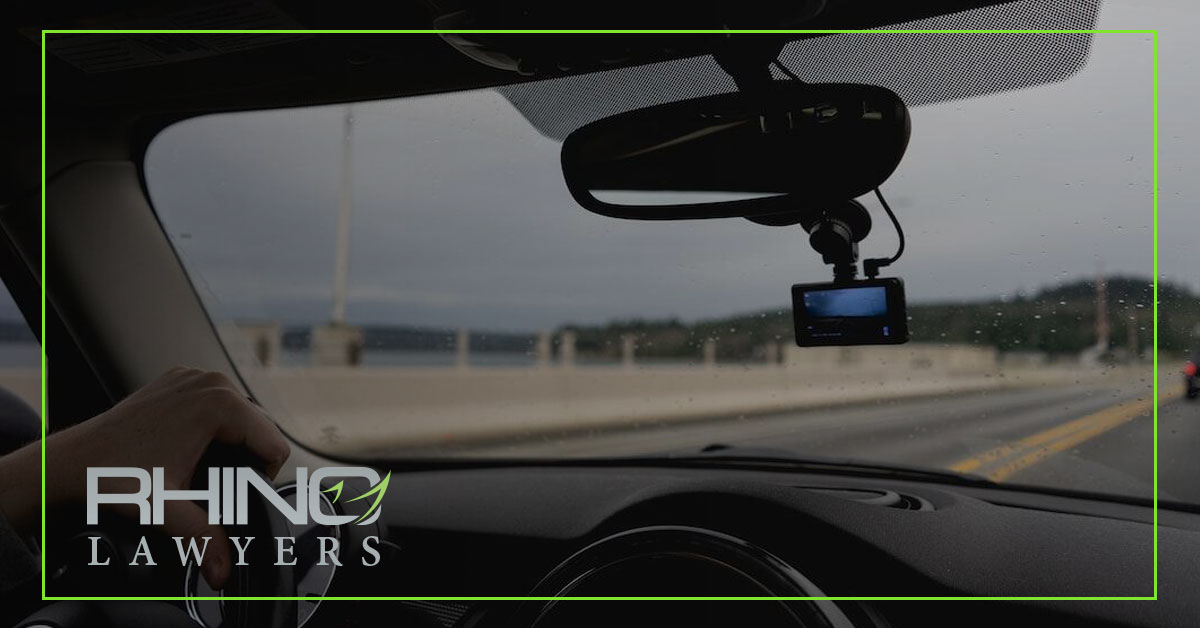
The Role of Dashcam Footage in Defending Against Traffic Violations
Dashcam footage is often a strong piece of evidence that can support or dismiss any statement made in court by showing exactly what happened in the direction you point the camera. For example, it can maintain a clear record of following another car at a safe distance, or note what the other vehicle did that led to the accident.
The courts will admit video when it is properly authenticated, but what does this mean, and what other dashcam legal benefits exist that you can take advantage of?
Below, we offer information on:
- Dashcam use in traffic violation defense
- How good audio and video help dismiss legal proof for tickets
- How a dashcam can prove you were using defensive driving tools
- Ensuring drivers’ rights protection when recording
So, read on and learn how RHINO Lawyers are best-placed to help you with your next ticket and what we can do with dashcam video.
How Dashcam Footage Defends Against Traffic Violations
Dashcam footage is often extremely good evidence of having driven safely, showing that you are not the one at fault. It can display competence in areas such as:
- Signaling
- Lane discipline
- Defensive driving
- Maintaining safe speeds
It can also show the actions of those around you, potentially indicating that others’ actions led to circumstances where a dangerous situation was unavoidable, or that you acted in good faith. For example, other drivers:
- Making sudden stops
- Acting aggressively
- Driving carelessly or negligently
- Failing to perform essential safety steps
Showing dashcam footage to your lawyer will enable them to review it and look for any evidence that they could use to support your defense strategy in the courtroom.
What Does Dashcam Footage Consist Of?
Dashcam footage is more than simply a set of files that the camera creates. To be impactful, the digital evidence needs to have a clear chain of custody from you to the courtroom, ensuring it has not been tampered with.
The native files in the camera are almost always more trusted, as they are unlikely to have been tampered with. Your traffic violation defense will be stronger if they:
- Have a high bitrate for good quality video
- Include overlays of speed and date on the original video
- Have timestamps and unaltered metadata
- Show one long continuous recording covering the incident window
- Include secondary camera views
If you use cloud-based recording, ensure that the export information is included, allowing you to source it from the saved location. These act as the “digital fingerprints” of these files, indicating that the upload location has not altered the file.
When and How to Share Your Video With the Police
When the police go through your lawyer to ask for the video, preserve the original physical hardware on which the file is recorded, in most cases, a card. Instead, send the police a copy, sending it through a recorded cloud portal if they accept it. Make sure to request a receipt of any evidence that you hand over to the police, and ensure that you have the incident number too, to refer to later.
It is a good idea to speak with a lawyer before you pass any evidence along, as they can ensure that you take the appropriate steps to prevent it from coming to harm. However, if this is at a traffic stop, then follow every lawful order that the police give you when possible.
Practical Limits and Risks of Dashcam Evidence
Be aware that Florida audio recording laws are very strict. Make sure that you are not unlawfully intercepting any discussion, or you may run the risk of accidentally performing a criminal act.
Also, it is essential to note that, although it may show unlawful actions by others or a lack of fault, the video may also flag up other issues, incriminating you in different ways during the traffic court case.
Frequently Asked Questions
Is dashcam audio legal to record in Florida?
In general, Florida requires consent for recording oral communications. While recording in public might have exceptions, this is not always the case, and you should ask a lawyer directly for the most up-to-date information.
If the audio might be risky to present in court, you may rely on silent video and the visual cues that exist, including signals and brake lights. To help with this, disable audio recording in areas that might trigger Florida’s laws to avoid exposing yourself to risks.
Do I have to show my dashcam video at a roadside stop?
It is unlikely that you would ever need to show or play videos by the side of the road. However, police may ask to see them.
You can politely decline when this occurs, and if you can automatically upload or preserve footage at this point, do so to ensure there is no mishandling. However, avoid arguing with the police in such a situation, and try to follow all legal orders.
When acting legally, officers can request evidence from you through legal channels. If anything occurs that you feel uncomfortable with, however, ask the officer for an incident number and follow up later with an attorney.
How long should I keep a backup of dashcam footage after a citation?
Make sure to keep the original clip intact until the case is fully resolved, including appeals or rehearings. When nothing is pending, you can then delete it.
Until then, we recommend the “three, two, one” backup rule. This process involves maintaining three different copies, in two distinct forms of media, with one copy not being with you. Doing this ensures that a drive failure or natural disaster is unlikely to erase your evidence.
Protect Your Driving Record With RHINO Lawyers
RHINO Lawyers can review your dashcam footage and analyze any fines or tickets you have received at any time. With our 24/7 hotline, you can get fast, honest answers that give you a good idea of your chances of success in court.
Our free case evaluation comes in plain language, and with a former state attorney and prosecutor on our team, we know exactly what evidence you need to get the most out of your situation.
So, call RHINO Lawyers now for legal guidance and to learn your next steps.
CONTACT TAMPA TRAFFIC TICKET ATTORNEY
RHINO Lawyers can help and guide you through a system molded by law enforcement, judges, and lawyers for decades. Having won cases for our clients in similar circumstances, our criminal defense team knows what it takes to fight on your behalf.
Let RHINO Lawyers answer your questions and review the facts of your case with a Free Consultation. So, get started by completing the “Free Instant Case Evaluation” or by calling us any time, day or night, at (844) RHINO-77.
Read More