Are Migraines a Factor in Car Accident Risks for Seniors?
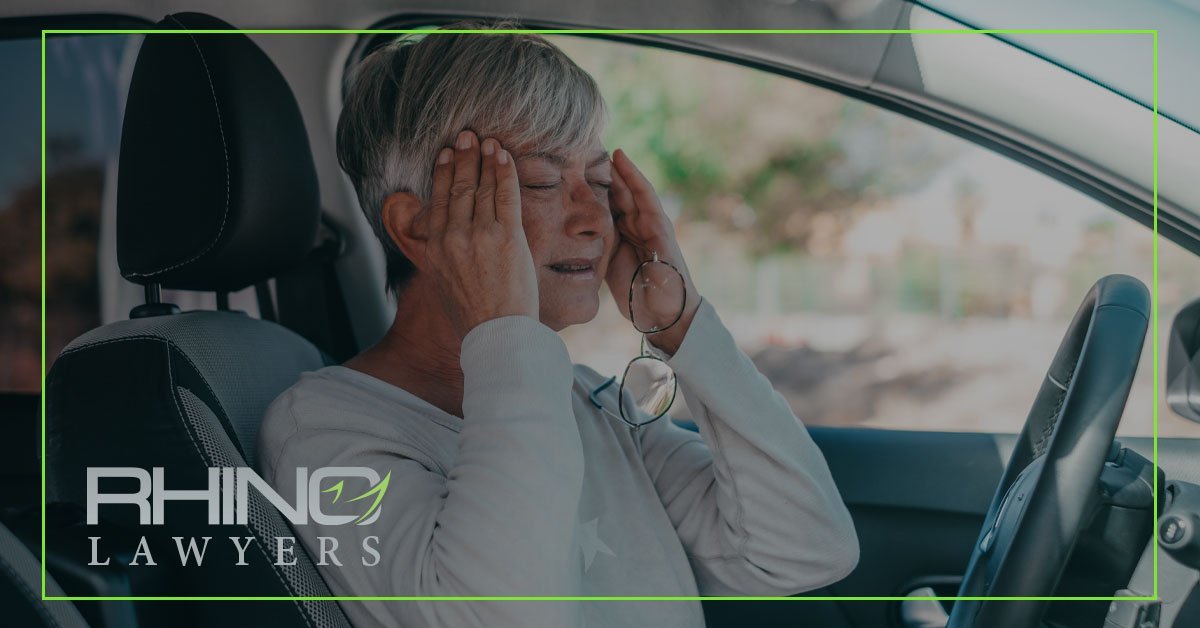
According to the CDC, elderly drivers have higher crash death rates than middle-aged drivers. But how many of these accidents are potentially due to health issues like migraines?
Today we’re taking a closer look into how migraines could be a significant factor in senior car accident risks, exploring how these headaches might impair driving abilities and contribute to the dangers on the road for elderly drivers.
Understanding Migraines in the Elderly
Migraines in seniors may not follow the same patterns seen in younger individuals. As people age, the intensity of migraines can lessen, but the frequency might increase.
Elderly individuals often experience migraines without the severe headache that typically defines the condition. Instead, they may suffer from more visual disturbances or dizziness.
Even when the pain is less intense, other symptoms of migraines can still be disabling. Visual disturbances, such as light flashes or blind spots, are common. Sensitivity to light and sound, as well as dizziness, can also occur.
Symptoms can severely impact daily activities, making concentrating or completing tasks difficult. For elderly drivers, these effects can be particularly dangerous, as they may impair vision and reaction times.
The Potential Impact on Daily Activities Like Driving
As people age, their physical abilities tend to decline. There are three primary risks associated with elderly drivers:
- Slower reaction times
- Vision impairments
- Medication side effects
Slower Reaction Times
As people age, their physical abilities tend to decline. It includes slower reflexes and reaction times, which are critical when driving.
A delay in response, even by a fraction of a second, can make the difference between avoiding a collision and being involved in one. The issue is especially concerning for elderly drivers who may not have the agility to quickly adapt to sudden changes on the road, such as unexpected stops or pedestrians crossing.
Vision Impairments
Vision tends to deteriorate with age. Conditions like cataracts, glaucoma, and macular degeneration can make it harder for seniors to see clearly, especially in low light or at night.
The impairments can lead to difficulties in reading road signs, judging distances, or noticing hazards in time. Even if a senior’s vision is only mildly affected, it can still increase the risk of accidents, particularly in challenging driving conditions.
Medication Side Effects
Many seniors take medications to manage various health conditions. Some of these medications can cause side effects like drowsiness, dizziness, or confusion, all of which can impair driving abilities.
The combination of these side effects with other age-related issues, such as slower reaction times or vision problems, can further elevate the risk of car accidents. It’s important to understand how these factors interact to increase the overall danger on the road for elderly drivers.
The Impact of Migraines on Driving Abilities
Migraines can severely impact driving abilities in several ways. Here are three primary ways:
- Cognitive Impairment
- Vision Problems
- Delayed Reactions
Cognitive Impairment
Migraines often come with cognitive symptoms that can make it difficult to concentrate or think clearly. For elderly drivers, this cognitive fog can lead to dangerous situations on the road.
When a person is unable to focus fully, they may miss important cues, such as traffic signals or the actions of other drivers. The lack of attention can result in poor decision-making, increasing the likelihood of accidents.
Vision Problems
Vision problems are a common symptom of migraines. These can include blurred vision, double vision, or even temporary blindness in one eye. For any driver, these symptoms would be alarming, but for elderly drivers, they can be especially dangerous.
Even a momentary lapse in vision can prevent a driver from seeing obstacles, pedestrians, or other vehicles. The risk is heightened when driving in poor weather conditions or at night when visibility is already compromised.
Delayed Reactions
Migraines can slow down reaction times, which is a critical factor when driving. A driver experiencing a migraine might be slower to brake, swerve, or accelerate in response to changing road conditions.
For elderly drivers, whose reaction times may already be slower due to age, this delay can be even more pronounced.
Preventative Measures for Senior Car Accidents
Taking steps to manage migraines and reduce the risk of accidents is important for elderly drivers. There are three key approaches that seniors can take:
- Managing Migraine Triggers
- Planning for Migraine Episodes
- Evaluating Driving Habits
Managing Migraine Triggers for Elderly Drivers
One of the best ways to prevent migraines is to identify and manage their triggers. Seniors should keep a journal to track what might cause their migraines, such as certain foods, stress, or lack of sleep.
By understanding what triggers their migraines, they can take steps to avoid these factors, reducing the likelihood of experiencing a migraine while driving. Regular check-ups with a healthcare provider can also help in adjusting treatments to better manage these triggers.
Planning for Migraine Episodes
It’s essential for senior drivers to have a plan in place for when a migraine does occur. If a senior feels the onset of a migraine while driving, they should pull over safely and wait until the symptoms subside before continuing.
Carrying medication and knowing how to use it effectively can also help in managing symptoms quickly. Planning routes that avoid heavy traffic or dangerous driving conditions can further reduce risks.
Evaluating Driving Habits
Seniors should regularly assess their driving abilities, especially if they suffer from migraines. It includes being honest about how migraines affect their driving and whether they should consider limiting driving during certain times of the day or in specific conditions.
In some cases, it may be wise to consider alternative transportation options, particularly if migraines are frequent or severe. Consulting with a healthcare provider can help in making these decisions, ensuring that seniors stay safe on the road.
Migraine-Related Accidents
Elderly drivers face unique challenges, especially when migraines are a factor.
At RHINO Lawyers, we’re proud to be a forward-thinking law firm in Tampa that has been pioneering a tech-driven legal experience for several years. And this might just be because our leadership team is comprised of Millennials. We are a high-tech, high-touch law firm that will communicate with you quickly, just the way you want to communicate with us.
Get in touch with us today to find out how we can help with your legal needs!
CONTACT A TAMPA AUTO ACCIDENT ATTORNEY
In short, after a car accident, you may not know your rights. Above all, don’t struggle through the process alone. Actually, our personal injury team is here to help you with any legal needs you might have regarding your accident.
Lastly, let RHINO Lawyers answer your questions and review the facts of your case with a Free Consultation. So, get started by completing the “Free Instant Case Evaluation” or by calling us any time, day or night, at 844.RHINO.77.
Read More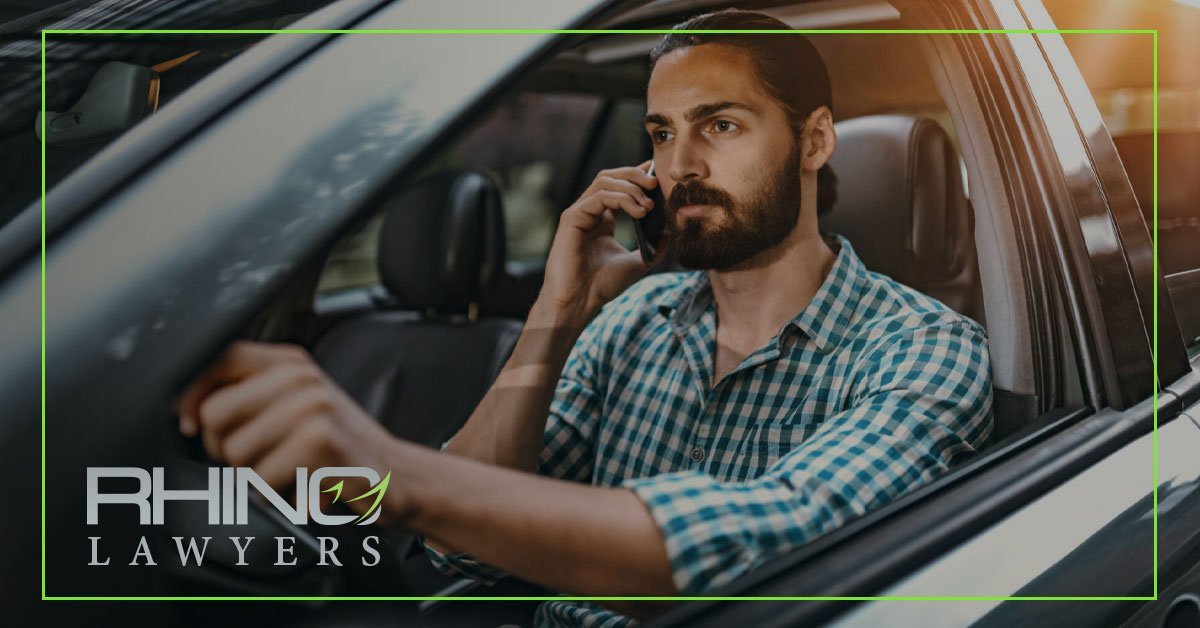
Mobile Devices and Car Accidents in Florida: What You Need to Know
Every 44 seconds, a life-altering event takes place on Florida’s roads. According to the Florida Department of Highway Safety and Motor Vehicles, in 2023 alone, nearly 300 people in Florida died due to distracted driving, a significant increase from the previous year.
The growing reliance on mobile devices has made distracted driving a leading cause of accidents in the state. The risk of using a mobile phone while driving cannot be overstated. As these devices become integral to our daily lives, understanding their impact on road safety becomes increasingly crucial.
Mobile devices have revolutionized communication, but their use behind the wheel can have devastating consequences. If you or someone you know has been in an accident due to a distracted driver, you may need the help of a distracted driving accident lawyer.
This guide will explore the impact of mobile devices on car accidents in Florida, discuss the relevant laws, provide car accident statistics, and offer road safety tips to keep you and others safe.
The Impact of Mobile Devices on Florida’s Roadways
The convenience of mobile devices often tempts drivers to use them while on the road. Whether texting, making calls, or using GPS, brief moments of distraction can lead to severe accidents.
In 2023, nearly 300 fatalities were attributed to distracted driving in Florida, highlighting the urgent need for greater awareness and stricter enforcement of distracted driving laws.
How Mobile Phones Contribute to Distracted Driving
Distracted driving occurs when a driver’s attention is diverted from the primary task of driving. Mobile phones are one of the leading causes of distracted driving.
They demand visual, manual, and cognitive attention, which should be focused on the road. When drivers look at their phones for just five seconds at 55 mph, they travel the length of a football field without seeing the road.
Florida driving safety is compromised when drivers use their phones. Common distractions include:
- Texting or emailing while driving
- Making phone calls, even hands-free
- Using social media or browsing the internet
- Taking photos or videos
- Using GPS or map applications without proper setup before driving
Each activity takes the driver’s focus away from driving, increasing the likelihood of an accident.
Florida’s Distracted Driving Laws
Florida has implemented laws to combat the rising threat of distracted driving. The Wireless Communications While Driving Law, enacted in 2019, prohibits drivers from using handheld wireless communication devices while driving in certain areas.
Below are a few key points regarding distracted driving laws.
Texting While Driving Is Illegal
Texting while driving is illegal for all drivers in Florida. It is a primary offense, meaning you can be pulled over solely for texting while driving.
Prohibition of Handheld Phone Use in School and Work Zones
Handheld phone use in school and work zones is strictly prohibited. Violations can result in fines and points on your driving record.
Despite these laws, enforcement can be challenging, and many drivers continue to use their phones, leading to preventable accidents.
Car Accident Statistics in Florida
The numbers tell a compelling story about the dangers of distracted driving in Florida. In addition to the nearly 300 deaths due to distracted driving in 2023, numerous other accidents resulted in severe injuries and property damage.
According to the CDC, “Nine people in the United States are killed every day in crashes that involve a distracted driver.” This statistic underscores the importance of staying focused while driving and the potentially life-saving role of a distracted driving accident lawyer in securing justice for victims.
Car accident statistics reveal that distracted driving is a significant contributor to traffic accidents, and the numbers have been steadily increasing over the years. The widespread use of mobile devices is a leading factor in these disturbing trends.
Mobile Phone Driving Risks
The risks associated with using mobile phones while driving are numerous and well-documented. These risks include:
- Increased Reaction Time: Using a phone slows down your reaction time, making it harder to respond to sudden changes on the road
- Reduced Situational Awareness: When you’re focused on your phone, you’re less aware of your surroundings
- Impaired Judgment: The cognitive load of using a phone while driving can impair your decision-making ability, leading to poor driving choices
Road Safety Tips for Florida Drivers
Practicing safe driving habits is essential to protect yourself and others on the road. Here are some road safety tips to help you avoid the dangers of distracted driving:
- Put Your Phone Away: Place your phone out of reach before driving, such as in the glove compartment or back seat
- Use Technology to Your Advantage: Enable the “Do Not Disturb” feature on your phone to prevent notifications from distracting you while driving
- Prepare Before You Drive: Set up your GPS and review your route before driving to avoid fiddling with your phone while on the road
- Pull Over Safely: If you must make a call or send a text, pull over to a safe location before using your phone
- Educate Passengers: If you’re driving with others, let them know you must focus on the road and avoid distractions
How a Distracted Driving Accident Lawyer Can Help
If you’ve been involved in an accident caused by a distracted driver, contacting a distracted driving accident lawyer is crucial in protecting your rights. RHINO Lawyers can provide the expertise and guidance needed to navigate the complexities of personal injury law in Florida.
A distracted driving accident lawyer can assist you in several ways:
- Investigating the accident
- Negotiating with insurance companies
- Representing you in court
RHINO Lawyers, based in Florida, understand the unique challenges faced by victims of distracted driving accidents. Our extensive experience can help you secure the compensation you deserve.
Schedule a Free Consultation With a Distracted Driving Accident Lawyer
Mobile devices have become integral to our lives, but their use while driving poses significant risks. Florida driving safety is compromised when drivers allow their phones to distract them, leading to devastating accidents.
If you or a loved one has been affected by a distracted driving accident, don’t navigate this challenging time alone. A distracted driving accident lawyer from RHINO Lawyers can help you understand your rights and pursue the compensation you need to move forward.
Schedule a free video consultation with RHINO Lawyers today, and take the first step towards justice and recovery.
CONTACT A TAMPA AUTO ACCIDENT ATTORNEY
In short, after a car accident, you may not know your rights. Above all, don’t struggle through the process alone. Actually, our personal injury team is here to help you with any legal needs you might have regarding your accident.
Lastly, let RHINO Lawyers answer your questions and review the facts of your case with a Free Consultation. So, get started by completing the “Free Instant Case Evaluation” or by calling us any time, day or night, at 844.RHINO.77.
Read More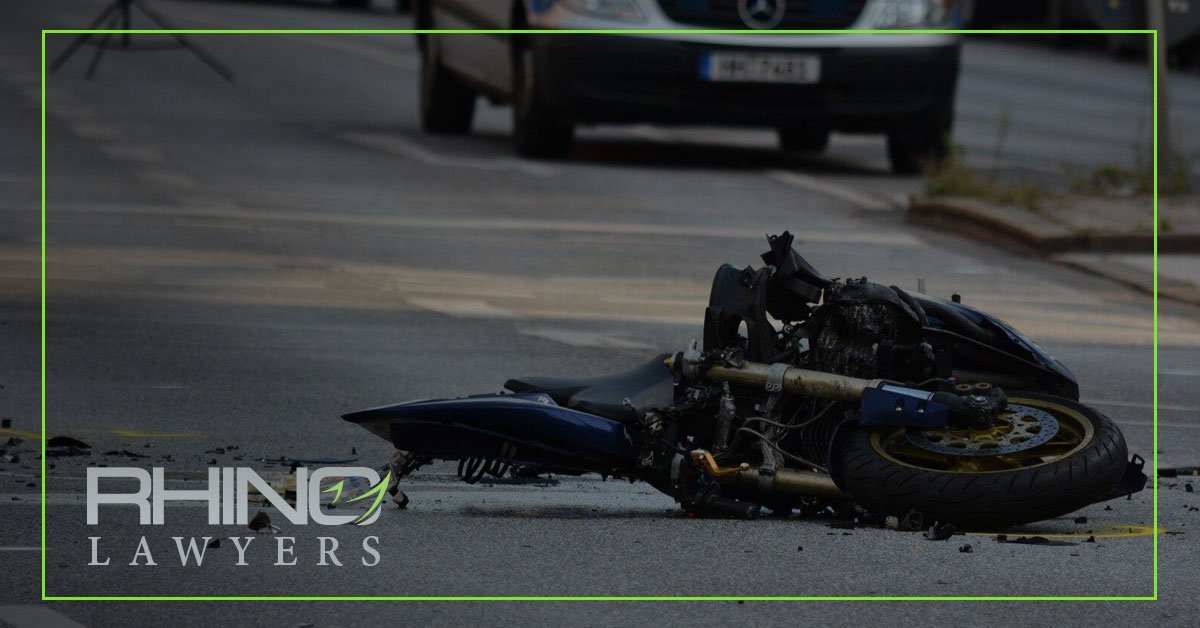
Understanding the Leading Causes of Motorcycle Crashes
Picture this: A winding mountain road on a crisp autumn morning. The roar of a motorcycle engine cuts through the silence as a rider leans into a curve. Suddenly, gravel on the asphalt sends the bike into a skid. In a heartbeat, an exhilarating ride becomes a potential tragedy.
This scene represents a stark reality faced by motorcyclists every day. While the freedom of the open road calls to millions, the risks are undeniable. Understanding the leading causes of motorcycle crashes isn’t just academic–it’s a matter of life and death for riders and a crucial concern for all who share the road.
Let’s go through all the possible causes of a motorcycle crash.
Common Motorcycle Crash Causes: Lack of Visibility
Because of their smaller size, motorcycles can easily be overlooked by other drivers, particularly in high-traffic areas or during complex driving maneuvers. This issue is especially prevalent at intersections, where vehicles frequently turn left across the path of oncoming motorcycles.
Drivers often fail to notice the motorcycle or misjudge its speed and distance, leading to potentially devastating collisions.
For motorcyclists, it’s crucial to remain aware of their position relative to other vehicles and avoid lingering in blind spots for too long. Using reflective gear, proper lighting, and defensive riding techniques can help increase visibility and reduce the risk of being involved in a crash.
Impaired Riding
Riding a motorcycle requires a high level of coordination, quick reflexes, and sharp judgment, all of which can be severely compromised when under the influence of alcohol or drugs.
Fatigue is another form of impairment that is often overlooked but can be just as dangerous as alcohol or drugs. Riding while excessively tired can lead to slower reaction times and poor decision-making, similar to being under the influence.
Long rides, lack of rest, or riding late at night can all contribute to fatigue, making it essential for riders to recognize when they need to take a break.
Speeding
Riding at excessive speeds reduces the time available for riders to react to sudden obstacles, changes in traffic, or unexpected road conditions. The higher the speed, the more difficult it becomes to navigate turns, avoid collisions, or stop safely, especially in an emergency.
This is particularly true for motorcycles, which are less stable than four-wheeled vehicles and more sensitive to abrupt maneuvers.
Motorcycles traveling at high speeds need significantly more space to come to a complete stop, which can lead to collisions if a rider misjudges the distance to a vehicle ahead or if traffic suddenly slows down. Additionally, speeding exacerbates the impact of any crash that occurs.
Stay safe by watching your speed when you’re on the road. You can also stay safe in other ways, like making sure you’re properly insured.
Road Hazards
Unlike cars and trucks, motorcycles have less stability and less surface contact with the road, making them more susceptible to losing control when encountering obstacles or irregularities. Common road hazards include:
- Potholes
- Loose gravel
- Wet or slippery surfaces
- Debris
- Uneven pavement
Construction zones often exacerbate these risks, with uneven pavement, loose materials, and sudden lane shifts creating an unpredictable environment for riders. Motorcyclists need to be extra vigilant in these areas.
To reduce road hazard dangers, motorcyclists should keep a safe distance from other vehicles and remain alert to changes in road conditions.
Regularly inspecting the road surface ahead and making adjustments in speed or positioning can help riders avoid hazards and reduce the likelihood of a crash.
Driving Aggressively
When motorcyclists engage in aggressive behaviors, they increase their chances of losing control or colliding with other vehicles. These behaviors include:
- Speeding
- Tailgating
- Weaving through traffic
- Making sudden lane changes
- Distracted riding
When riders behave unpredictably, they make it difficult for other drivers to anticipate their actions, increasing the potential for accidents. Aggressive driving often leads to heightened tension on the road, which can provoke road rage incidents, further escalating the danger.
You can work on preventing motorcycle crashes by driving calmly and defensively, rather than aggressively. Make sure you follow other motorcycle safety tips while you’re at it, to keep yourself as protected as possible.
Distracted Driving
When motorcyclists or other drivers take their focus off the road, even for a few seconds, the consequences can be severe.
A momentary lapse in attention – whether due to texting, adjusting the GPS, eating, or any other distraction – can lead to a driver failing to notice a motorcycle in their path, resulting in a collision.
Avoid any activities that take their hands off the handlebars or their eyes off the road. Be aware of other drivers’ potential distractions and ride defensively to anticipate and avoid dangerous situations.
Mechanical Failures
Mechanical issues aren’t the most common causes of motorcycle crashes, but they’re still a major cause for concern. When a mechanical issue arises, the results can be catastrophic for the rider.
One of the most common mechanical failures that lead to crashes is tire-related issues. Under-inflated or worn tires can significantly reduce traction, especially during turns or in wet conditions, making it harder to control the motorcycle.
A sudden tire blowout, particularly at high speeds, can cause the rider to lose control instantly, often leading to a crash.
Motorcycles rely on their brakes not just to stop but to maintain stability during deceleration. If the brakes fail or don’t respond as expected, the rider may be unable to slow down in time to avoid an obstacle or may experience a loss of control during a sudden stop.
This can be an even bigger issue in traffic or on steep declines, where precise braking is crucial.
You’ll need to do regular maintenance to prevent mechanical failures from causing accidents. Riders should stick to the manufacturer’s maintenance schedule, paying particular attention to critical systems like tires, brakes, and the engine.
Motorcycle Crash: Avoid Today
There are a lot of possibilities when it comes to the causes of motorcycle crashes. Now that you know some of them, it should be a lot easier for you to stay safe on the road.
Do you need legal protection after a motorcycle crash? RHINO Lawyers is here for you. Our team is available 24/7 with top-quality legal professionals, so no matter what situation you find yourself in, we’ll be there for you. Contact us today.
CONTACT A TAMPA AUTO ACCIDENT ATTORNEY
In short, after a car accident, you may not know your rights. Above all, don’t struggle through the process alone. Actually, our personal injury team is here to help you with any legal needs you might have regarding your accident.
Lastly, let RHINO Lawyers answer your questions and review the facts of your case with a Free Consultation. So, get started by completing the “Free Instant Case Evaluation” or by calling us any time, day or night, at 844.RHINO.77.
Read More
Why Are Witnesses Crucial in Auto Injury Litigation?
Motor vehicle traffic accidents claim thousands of lives each year. In the first half of 2023, approximately 19,515 people lost their lives in motor vehicle crashes in the United States, a slight decrease from the same period in 2022. This statistic underscores the ongoing dangers on our roads and the importance of securing justice for victims.
In auto injury cases, one of the most vital components of building a strong legal claim is the testimony of witnesses. Witnessing a car crash can be a traumatic experience, but the role that witnesses play in the aftermath is crucial to ensuring that the truth comes to light and justice is served.
Whether you are a car accident victim or someone who has seen one unfold, understanding the importance of witness testimony in auto injury cases is key to protecting your legal rights. In this guide, we will explore why witnesses are indispensable in auto injury litigation, how their statements can serve as critical auto accident evidence, and the overall role of witnesses in the legal process.
The Role of Witnesses in Auto Injury Cases
Witnesses have firsthand knowledge of a car accident. Their accounts can provide an objective perspective that may be crucial in determining the facts of a case.
Witness testimony can make the difference between winning or losing a case in auto injury cases. Here’s how this is possible.
Providing Unbiased Accounts
Unlike the parties involved in the accident, witnesses are usually third parties with no stake in the case’s outcome. This objectivity can be compelling in court. A witness can provide an unbiased statement of what transpired.
Corroborating or Disputing Claims
Witnesses can support or challenge the statements made by the drivers involved. Their testimony can confirm who was at fault, whether someone obeyed traffic laws, and other very important details of the case.
Detailing the Sequence of Events
Witnesses can help piece together the events leading up to the accident. It is imperative when the involved parties have conflicting stories or cannot recall specifics due to the trauma of the event.
Witnessing a car crash and later providing testimony can impact the outcome of a case. The importance of witness testimony cannot be overstated, as it can sway the direction of a legal proceeding.
Importance of Witness Testimony in Legal Rights Protection
The legal system relies on evidence to make informed decisions. When it comes to auto injury cases, witnessing a car crash and offering testimony helps ensure that all sides of the story are considered.
Here’s why witnesses play a key role in protecting the legal rights of all parties involved.
Strengthening the Case
A witness’s testimony can strengthen the victim’s case by providing crucial evidence supporting their version of events. This can be especially important if the case goes to trial, where every piece of evidence is scrutinized.
Preventing False Claims
In some cases, drivers involved in an accident may attempt to falsify their accounts to avoid liability. Witnesses can prevent these false claims from gaining traction by offering a truthful account of what happened.
Ensuring Fair Compensation
For victims of auto accidents, securing fair compensation for injuries and damages is critical. Witness testimony can be instrumental in demonstrating the extent of the other party’s negligence, helping the victim secure the compensation they deserve.
The importance of witness testimony extends beyond just the courtroom. It is also a matter of legal rights protection for those who have suffered injuries or damages due to someone else’s negligence.
Auto Accident Evidence: The Power of Witness Statements
In auto injury cases, evidence is paramount. Alongside physical evidence like vehicle damage, skid marks, and medical records, witness statements are a powerful form of auto accident evidence. Here’s how witness statements serve as evidence.
Establishing Fault
One of the most contested aspects of any auto injury case is determining who was at fault. Witness statements can clarify this issue by describing the drivers’ actions before and during the accident.
Describing the Impact
Details can be vital in assessing the extent of the damage and the seriousness of the injuries sustained. Witnesses can offer descriptions of the following:
- Crash’s severity
- Speed of the vehicles
- Immediate aftermath
Supporting or Refuting Testimonies
Witness statements can either support or refute the testimonies of the drivers and passengers involved. For example, if a driver claims they obeyed traffic signals, a witness may confirm or contradict this claim based on their observations.
The power of witness statements as auto accident evidence lies in their ability to provide a clear and credible account of the incident. It can influence the decisions made by insurance companies, judges, and juries.
Why Witnesses Are Crucial in Auto Injury Litigation
Witnesses are often the linchpin in auto injury litigation. Their testimony can make or break a case, influencing the outcome in significant ways. Here’s why witnesses are so crucial:
Adding Credibility to the Case
A witness’s testimony adds credibility to the claims made by the parties involved. Courts and insurance companies give significant weight to eyewitness accounts, especially when there is a lack of physical evidence.
Providing a Third-Party Perspective
Witnesses provide a third-party perspective that is not biased by personal interests. Their objective accounts can clarify confusing or disputed aspects of the case.
Filling in the Gaps
In many accidents, drivers may not remember all the details due to shock or trauma. Witnesses can fill in these gaps, providing a complete picture of what happened.
Get Legal Help After A Car Crash
In the aftermath of a car accident, the testimony of witnesses is crucial in securing justice for the victims. Witnessing a car crash is not only about being present. It’s about contributing to the truth and helping to protect the legal rights of those affected.
If you have been involved in or have witnessed a car accident, don’t navigate the legal complexities alone. Contact RHINO Lawyers for a free consultation. Our team is dedicated to protecting your rights and ensuring you receive the justice and compensation you deserve.
CONTACT A TAMPA AUTO ACCIDENT ATTORNEY
In short, after a car accident, you may not know your rights. Above all, don’t struggle through the process alone. Actually, our personal injury team is here to help you with any legal needs you might have regarding your accident.
Lastly, let RHINO Lawyers answer your questions and review the facts of your case with a Free Consultation. So, get started by completing the “Free Instant Case Evaluation” or by calling us any time, day or night, at 844.RHINO.77.
Read More
Why Driving While Hungover Is a Dangerous Crash Risk
One study found that 10% of people have a hangover every few weeks. 30% swore off alcohol several times after a particularly horrible one. Around 12% of people are lucky enough to never get hangovers. There aren’t many specific driving hungover statistics, but there are plenty about drunk driving. It remains the number one driving habit that causes accidents. It causes over 17,748 annual crashes in Florida alone.
You may not see the connection between driving drunk and driving hungover. A hangover hurts, but it can’t be as serious as being drunk, right? It’s not enough to stop you from driving, right?
Read on to learn why driving hungover is a dangerous crash risk.
What Does a Hangover Feel Like?
A hangover is your body’s reaction to drinking alcohol. It gets diluted through the bloodstream, causing you to feel the effects throughout your body.
The amount of drinks it takes you to develop and how long it takes to get over a hangover differs from person to person. That’s because everyone has a different level of alcohol tolerance. It’s affected by factors such as:
- Genetics
- Weight
- Gender
- Age
- The type of drinks
- When the drinks were consumed
- Medications
- Physical and emotional health
Those with a high tolerance may not experience or recognize the symptoms. They still impair your ability as much as driving drunk. Common hangover symptoms include:
- Fatigue
- Headaches
- Dizziness
- Nausea or vomiting
- Sensitivity to light and sound
- Difficulty concentrating
- Dehydration
- Irritability
- Muscle and body aches
- Slowed reaction times
How Do Hangovers Impair Driving?
Sleeping off a night of drinking can bring your BAC or blood alcohol concentration down to 0%. It might at least get it down to the legal limit of 0.08%. That may make you think that driving hungover is okay.
Research from Utrecht University found that isn’t true. Hungover drivers in their study had similar impairments to drunk drivers, even with a 0.0% BAC. These included:
- Slower reaction times
- Increased driving errors
- Inability to maintain a steady speed
- Drifting out of the lane of traffic
- Blurry vision
- Increased road rage
How Can I Prevent Hangover Driving?
The most important part of avoiding the dangers of driving hungover is patience. The most crucial of all driving safety tips is preparation.
If you know you’re going to a party that involves alcohol, make sure you don’t have to drive home. Choose a non-drinking designated driver to take you and any friends who were drinking home.
Preventing hangover driving also means treating the symptoms. Do everything you can to lessen them so you can have a clear head when you’re on the road.
Most miracle cures and home remedies don’t work. The “hair of the dog” method of drinking more to make the pain go away is one of the worst. Coffee is also an ineffective method because it can make you dehydrated. Stick with proven methods instead.
Pain relievers can help ease pain such as headaches or stomachaches. Don’t use Tylenol. It can cause your body to metabolize alcohol more slowly. Take NSAID pain relievers like ibuprofen or aspirn instead. Get rest, stay hydrated, and get enough to eat.
Stay inside until the symptoms go away. Wait until you can drive as normal to go out.
What Are The Legal Implications of Driving Hungover?
Driving hungover isn’t only dangerous because of the risk of a collision. It has serious legal implications. Waking up with a headache is bad enough. How about waking up in jail or with a major fine?
Sober drivers also have to keep an eye out for ones who may be hungover. They have the right to go to court for damages after any collisions.
If You’re the Driver
Don’t assume you can get away with driving hungover because time has passed. A breathalyzer can detect alcohol for 12-24 hours.
You can also be liable for any crashes you cause while hungover, even if your BAC is below the legal limits. If you crash into another car, you’ll have to cover the other driver’s:
- Damages
- Medical expenses
- Lost wages
- Pain and suffering
- Vehicle repairs
If your blood alcohol level is above legal limits, you’ll get a DUI or driving under the influence charge. That could include penalties such as paying fines, losing your license, or even facing jail time. The penalties increase depending on whether or not you’re a repeat offender.
These offenses stay on your record. That leads to higher insurance premiums.
If You’re the Victim
What if you’re the victim of a crash caused by a hungover driver? The first thing to do is to get proper medical treatment. Then, take photographs of the scene and exchange insurance information.
When you take the other driver to court, the burden of proof is on you. You need to prove that they were impaired and that it caused the crash.
One valuable piece of proof is the accident report. It has police information about both drivers and what happened.
There are also other forms of viable evidence. Ask for Dashcam footage of the other car if it has one.
It doesn’t matter whether you’re responsible for or the victim of a crash caused by a hungover driver. Both cases require a responsible, skilled lawyer. They know the tactics the other side will use, making them an invaluable asset to have on your side. They help prove fault, calculate damages, and negotiate fair settlements.
Helping The Victims of a Hungover Accident
Driving hungover is as dangerous as driving drunk. It impairs your ability to see, focus, and make decisions. Find a designated driver to take you home any time you go out to drink. If you drive hungover and get in a crash, you are responsible for the victim(s). The accident victim should seek the help of an auto accident lawyer.
RHINO Lawyers is a forward-thinking law firm that still abides by timeless principles like integrity. We’re always available through human-to-human and online communication. We use the latest technology to look at trends that can help you win your case.
We don’t get paid unless you win. Contact us for a consultation today.
CONTACT A TAMPA AUTO ACCIDENT ATTORNEY
In short, after a car accident, you may not know your rights. Above all, don’t struggle through the process alone. Actually, our personal injury team is here to help you with any legal needs you might have regarding your accident.
Lastly, let RHINO Lawyers answer your questions and review the facts of your case with a Free Consultation. So, get started by completing the “Free Instant Case Evaluation” or by calling us any time, day or night, at 844.RHINO.77.
Read More
What You Need to Know About Florida Truck Accident Liability
Truck accidents are among the most devastating traffic incidents, often resulting in severe injuries, significant property damage, and, tragically, loss of life. In Florida, where the bustling highways are frequented by commercial trucks, understanding truck accident liability is crucial. Whether you are a truck driver, a passenger vehicle driver, or a victim, knowing your rights and responsibilities can make a substantial difference in the aftermath of an accident. This blog will delve into the essential aspects of Florida truck accident liability, including determining fault, legal obligations, and how to pursue compensation.
Florida’s Legal Framework for Truck Accidents
Florida operates under a no-fault insurance system, meaning that after an accident, your own insurance policy will cover your medical expenses and lost wages, regardless of who caused the accident. However, in cases of severe injury or significant property damage, victims can step outside the no-fault system to pursue compensation from the at-fault party.
Determining Liability in Florida Truck Accidents
Liability in trucking accidents can be complex due to the numerous parties involved. Here’s a breakdown of the key factors and parties that can influence liability:
- The Truck Driver: The driver’s actions are often scrutinized first. Factors such as driving under the influence, fatigue, distracted driving, speeding, or violating traffic laws can directly impact the driver’s liability.
- The Trucking Company: Employers are liable under the legal doctrine of “respondeat superior,” which holds them responsible for their employees’ actions if those actions occur within the scope of employment. Additionally, if the company fails to maintain the truck properly or requires the driver to work beyond regulated hours, it assumes liability.
- The Truck Manufacturer: If a defect in the truck or its components caused the accident, the manufacturer might be liable. This includes brake failures, tire blowouts, or other mechanical failures.
- Cargo Loaders: Improperly loaded or overloaded cargo can lead to accidents. The party responsible for loading the truck might share liability if cargo-related issues contributed to the crash.
- Maintenance Providers: Regular maintenance is crucial for safe truck operation. If a third-party maintenance provider failed to service the truck properly, they could be liable for resulting accidents.
Investigating Truck Accidents
Due to the complexity of truck accidents, thorough investigations are essential. Key steps include:
- Accident Scene Investigation: Law enforcement and accident reconstruction experts examine the scene, gathering evidence such as skid marks, vehicle positions, and damage patterns.
- Black Box Data: Modern trucks are equipped with electronic logging devices (ELDs) that record data such as speed, braking, and hours of service. This data can be crucial in determining fault.
- Driver Logs and Records: Reviewing the driver’s logs, employment records, and driving history helps assess compliance with federal regulations and identify patterns of risky behavior.
- Witness Statements: Eyewitness accounts can provide valuable insights into the events leading up to the accident.
- Surveillance Footage: Nearby traffic cameras or security cameras might capture the accident, offering objective evidence of what occurred.
Comparative Negligence in Florida
Florida follows a comparative negligence rule, meaning that multiple parties can share liability for an accident. If you are found partially at fault for the accident, your compensation will be reduced by your percentage of fault. For example, if you are 20% at fault and awarded $100,000, you will receive $80,000.
Federal Regulations Governing Truck Drivers
Truck drivers and trucking companies must adhere to stringent federal regulations set by the Federal Motor Carrier Safety Administration (FMCSA). These regulations cover various aspects of commercial trucking, including:
- Hours of Service (HOS): Limits on the number of hours a driver can be on duty and the mandatory rest periods to prevent fatigue-related accidents.
- Vehicle Maintenance: Regular inspections and maintenance to ensure the safe operation of commercial trucks.
- Drug and Alcohol Testing: Mandatory testing for truck drivers to prevent impaired driving.
- Cargo Securement: Regulations on how cargo should be loaded and secured to prevent shifting or falling during transit.
Pursuing Compensation After a Truck Accident
Victims of truck accidents in Florida have the right to seek compensation for their losses. Here are the key steps involved in pursuing a claim:
- Medical Attention: Seek immediate medical care for any injuries. Medical records will be crucial evidence in your claim.
- Documenting the Accident: Collect as much information as possible from the accident scene, including photos, contact information of witnesses, and police reports.
- Contacting an Attorney: Truck accident cases are complex and require legal expertise. An experienced personal injury attorney can help navigate the legal process, gather evidence, and build a strong case.
- Filing a Claim: Your attorney will file a claim with the appropriate insurance companies and negotiate on your behalf. If a fair settlement cannot be reached, your case may proceed to court.
Types of Compensation Available
Victims of truck accidents can seek various types of compensation, including:
- Medical Expenses: Covering both immediate and future medical costs related to the accident.
- Lost Wages: Compensation for income lost due to the inability to work after the accident.
- Pain and Suffering: Non-economic damages for physical pain and emotional distress caused by the accident.
- Property Damage: Reimbursement for repairs or replacement of damaged property.
- Wrongful Death: If a loved one is killed in a truck accident, surviving family members can seek compensation for funeral expenses, loss of companionship, and other related costs.
Common Defenses in Truck Accident Claims
Trucking companies and their insurers often use various defenses to minimize liability. Some common defenses include:
- Comparative Negligence: Arguing that the victim was partially at fault for the accident.
- Sudden Emergency: Claiming that an unforeseeable event, such as a sudden medical emergency, caused the accident.
- Act of God: Asserting that natural events, such as a severe storm, led to the accident.
- Vehicle Defects: Shifting blame to the manufacturer for any mechanical failures.
Importance of Timely Action
In Florida, the statute of limitations for personal injury claims, including truck accidents, is generally four years from the date of the accident. For wrongful death claims, the time limit is two years. It is crucial to act promptly to preserve evidence and ensure your claim is filed within the legal timeframe.
Get Help From A Trucking Accident Attorney
Truck accidents in Florida present a myriad of challenges and complexities. Understanding the factors that influence liability, the legal requirements for truck drivers and companies, and the process for pursuing compensation can empower victims and their families to seek justice and recover their losses. Whether you or a loved one experiences a truck accident, consulting with an experienced trucking accident attorney can provide the guidance and support needed to navigate this challenging time. At RHINO Lawyers, we dedicate ourselves to protecting your rights and helping you secure the compensation you deserve.
CONTACT A TAMPA Truck ACCIDENT ATTORNEY
In short, after a truck accident, you may not know your rights. Above all, don’t struggle through the process alone. Actually, our personal injury team is here to help you with any legal needs you might have regarding your accident.
Lastly, let RHINO Lawyers answer your questions and review the facts of your case with a Free Consultation. So, get started by completing the “Free Instant Case Evaluation” or by calling us any time, day or night, at 844.RHINO.77.
Read More
Florida Truck Accident Claims Guide
Truck accidents in Florida can be devastating, often resulting in severe injuries, substantial property damage, and, tragically, loss of life. Navigating the aftermath of such accidents can be complex due to the involvement of various parties and the intricacies of Florida law. This guide aims to provide a comprehensive overview of the steps involved in filing a truck accident claim in Florida, ensuring victims understand their rights and the legal processes to secure compensation.
Understanding Truck Accidents in Florida
Florida, with its extensive network of highways and bustling transportation industry, sees a significant number of truck accidents annually. Factors contributing to these accidents include driver fatigue, mechanical failures, improper loading, and hazardous road conditions. Given the sheer size and weight of trucks, collisions often lead to more severe consequences compared to regular car accidents.
Immediate Steps After a Truck Accident
- Ensure Safety and Call for Help: Immediately after a trucking accident, prioritize safety. Move to a safe location if possible and call 911 to report the accident and request medical assistance.
- Document the Scene: If you are able, take photos and videos of the accident scene, including vehicle positions, damage, road conditions, and any visible injuries. This evidence can be crucial in supporting your claim.
- Collect Information: Gather contact and insurance details from all involved parties, including the truck driver, trucking company, and any witnesses. Note the truck’s license plate, USDOT number, and any identifying information about the truck and trailer.
- Seek Medical Attention: Even if you feel fine, it is essential to undergo a medical evaluation as some injuries may not be immediately apparent. Ensure all medical visits and treatments are documented.
Filing a Truck Accident Claim
- Report the Accident: Notify your insurance company about the accident as soon as possible. Provide them with the details and any documentation you have collected.
- Determine Liability: Establishing liability in truck accidents can be complex. Potentially liable parties include the truck driver, trucking company, vehicle manufacturer, and even cargo loaders. An experienced attorney can help investigate the accident to determine fault.
- Consult an Attorney: Truck accident claims involve specific regulations and multiple parties, making legal competence invaluable. A lawyer focusing on truck accidents can navigate the complexities, negotiate with insurance companies, and ensure your rights are protected.
Key Factors in Truck Accident Claims
- Federal and State Regulations: Trucking companies and drivers must adhere to regulations set by the Federal Motor Carrier Safety Administration (FMCSA) and Florida state laws. Violations of these regulations, such as exceeding hours-of-service limits or improper vehicle maintenance, can impact liability.
- Evidence Preservation: Crucial evidence in truck accident cases includes electronic logging device (ELD) data, maintenance records, dashcam footage, and driver logs. An attorney can help ensure this evidence is preserved and obtained.
- Insurance Coverage: Trucking companies typically carry substantial insurance policies due to the high risk associated with their operations. Understanding the coverage limits and policies involved is vital for maximizing your compensation.
Common Challenges in Truck Accident Claims
- Multiple Defendants: Determining which parties are responsible can be challenging. In some cases, more than one party may share liability, complicating the claims process.
- Complex Negotiations: Insurance companies often attempt to minimize payouts. Having an attorney who can effectively negotiate on your behalf is crucial to securing fair compensation.
- High Medical Costs: Truck accidents often result in severe injuries requiring extensive medical treatment. Accurately calculating and proving these costs is essential for adequate compensation.
Compensation in Truck Accident Claims
Victims of truck accidents in Florida may be entitled to various forms of compensation, including:
- Medical Expenses: Coverage for past and future medical costs related to the accident.
- Lost Wages: Compensation for income lost due to the inability to work.
- Pain and Suffering: Non-economic damages for physical pain and emotional distress.
- Property Damage: Reimbursement for vehicle repairs or replacement.
- Wrongful Death: In cases of fatal accidents, families may pursue wrongful death claims to cover funeral expenses, loss of companionship, and other related costs.
Steps to Strengthen Your Truck Accident Claim
- Keep Detailed Records: Maintain thorough documentation of all medical treatments, expenses, and any communication related to the accident.
- Avoid Premature Settlements: Do not accept early settlement offers from insurance companies without consulting your attorney. Early offers often undervalue the true extent of your damages.
- Follow Medical Advice: Adhere to your healthcare provider’s recommendations and attend all follow-up appointments to demonstrate the seriousness of your injuries.
The Role of an Attorney
Hiring an experienced truck accident attorney can significantly impact the outcome of your claim. A lawyer can:
- Conduct a thorough investigation to gather evidence and establish liability.
- Negotiate with insurance companies and other parties on your behalf.
- Ensure compliance with all legal requirements and deadlines.
- Represent you in court if a fair settlement cannot be reached.
Understanding Florida Trucking Accident Claims
Truck accidents in Florida present unique challenges due to the involvement of multiple parties, extensive regulations, and the potential for severe injuries. Understanding the claims process and having the right legal support can make a significant difference in securing the compensation you deserve. By following the guidelines outlined in this guide, victims can better navigate the complexities of truck accident claims and focus on their recovery.
CONTACT A TAMPA Truck ACCIDENT ATTORNEY
In short, after a truck accident, you may not know your rights. Above all, don’t struggle through the process alone. Actually, our personal injury team is here to help you with any legal needs you might have regarding your accident.
Lastly, let RHINO Lawyers answer your questions and review the facts of your case with a Free Consultation. So, get started by completing the “Free Instant Case Evaluation” or by calling us any time, day or night, at 844.RHINO.77.
Read More
Motorcycle Coverage: What You Really Need To Know!
Motorcycling offers a unique thrill and freedom that few other forms of transportation can match. Whether you’re a seasoned rider or a newbie, understanding motorcycle coverage is essential to protecting yourself, your bike, and others on the road. Here’s an in-depth look at what you really need to know about motorcycle insurance.
Understanding the Basics of Motorcycle Insurance
Motorcycle insurance, like auto insurance, is designed to offer financial protection in the event of an accident, theft, or other incidents. However, there are nuances specific to motorcycles that make them distinct. The fundamental components of motorcycle insurance include:
- Liability Coverage
- Bodily Injury Liability: This covers medical expenses, lost wages, and legal fees if you’re at fault in an accident that injures someone else.
- Property Damage Liability: Pays for repairs or replacement of others’ property that you damage in an accident.
- Collision Coverage
- Covers the cost of repairing or replacing your motorcycle if it’s damaged in an accident, regardless of who is at fault.
- Comprehensive Coverage
- Protects against non-collision-related incidents such as theft, vandalism, natural disasters, and animal collisions.
- Uninsured/Underinsured Motorist Coverage
- Provides protection if you’re involved in an accident with a driver who has insufficient or no insurance.
- Medical Payments Coverage
- Pays for medical expenses incurred by you and your passengers, regardless of fault.
- Personal Injury Protection (PIP)
- Similar to medical payment coverage but more extensive, PIP can cover lost wages and other expenses in addition to medical costs.
Why Motorcycle Insurance is Crucial
Unlike cars, motorcycles offer minimal protection to riders in the event of an accident. The exposed nature of motorcycling significantly increases the risk of severe injury or death. This inherent risk makes adequate insurance coverage not just advisable but essential.
- Financial Protection: Medical bills and repair costs can quickly escalate following an accident. Without insurance, you might face substantial out-of-pocket expenses.
- Legal Requirements: In most states, carrying a minimum amount of liability insurance is mandatory. Riding without insurance can lead to fines, license suspension, or worse.
- Peace of Mind: Comprehensive coverage ensures that you’re protected from various risks, allowing you to enjoy your ride with confidence.
Key Factors Influencing Motorcycle Insurance Premiums
Several factors affect the cost of your motorcycle insurance premiums:
- Type of Motorcycle
- Sport bikes, for instance, are typically more expensive to insure due to their high performance and associated risk of accidents.
- Riding Experience and Record
- Experienced riders with clean records usually enjoy lower premiums compared to new riders or those with a history of accidents or violations.
- Age and Gender
- Younger riders and male riders often face higher premiums due to statistically higher risk factors.
- Location
- Urban areas with higher traffic volumes and theft rates generally lead to higher insurance costs.
- Coverage Limits and Deductibles
- Higher coverage limits and lower deductibles increase premiums, while lower limits and higher deductibles reduce them.
- Usage
- If you use your motorcycle for commuting or long-distance travel, you may face higher premiums compared to occasional recreational use.
Additional Coverage Options
While standard coverage forms the backbone of your motorcycle insurance, there are additional options that can provide extra protection:
- Custom Parts and Equipment Coverage
- Many riders customize their motorcycles with expensive parts and accessories. This coverage ensures those additions are protected.
- Roadside Assistance
- Offers services like towing, battery jump-starts, and flat tire repairs, which can be invaluable during a breakdown.
- Trip Interruption Coverage
- Covers expenses related to lodging, food, and transportation if your bike breaks down far from home.
- Trailer Coverage
- If you transport your motorcycle using a trailer, this coverage protects against damage to the trailer.
- Rental Reimbursement
- Pays for a rental vehicle if your bike is being repaired after an accident.
Tips for Choosing the Right Motorcycle Insurance
- Assess Your Needs
- Consider how often and where you ride, the value of your motorcycle, and your financial situation to determine the coverage you need.
- Compare Quotes
- Shop around and get quotes from multiple insurers. Each company evaluates risk differently, leading to varied premium costs.
- Understand Policy Details
- Read the fine print and understand what is covered and what is not. Pay attention to exclusions, coverage limits, and deductibles.
- Look for Discounts
- Many insurers offer discounts for things like completing a motorcycle safety course, being a member of a motorcycle association, or bundling with other insurance policies.
- Review and Update Regularly
- Your insurance needs may change over time. Review your policy annually and adjust coverage as necessary.
Common Myths About Motorcycle Insurance
- Myth: Motorcycles are Cheap to Insure
- Fact: While some motorcycles may have lower premiums, factors like the type of bike, riding history, and location can make insurance expensive.
- Myth: My Auto Insurance Covers My Motorcycle
- Fact: Auto insurance policies do not cover motorcycles. You need a separate motorcycle insurance policy.
- Myth: Comprehensive Coverage is Too Expensive
- Fact: Comprehensive coverage offers crucial protection against theft and non-collision damage, and its cost can be manageable with the right deductible.
- Myth: Older Bikes Don’t Need Full Coverage
- Fact: Even older motorcycles can be expensive to repair or replace. Comprehensive and collision coverage can still be beneficial.
Legal Considerations and Requirements
Understanding the legal requirements for motorcycle insurance in your state is critical. Each state has its own minimum liability coverage requirements. Additionally, some states require:
- Helmet Laws: Many states have mandatory helmet laws that affect insurance claims and rates.
- Proof of Insurance: You must carry proof of insurance when riding. Failure to present it can result in fines or penalties.
- No-Fault Insurance: In states with no-fault insurance laws, your insurer pays for your medical expenses regardless of fault.
Knowing Your Motorcycle Coverage Options Is Important
Motorcycle coverage is more than just a legal requirement; it’s a vital safeguard for your financial and physical well-being. With the proper coverage, you can protect yourself, your bike, and others on the road. By understanding the various types of coverage, the factors influencing premiums, and the additional options available, you can make informed decisions that ensure you’re adequately protected. Ride safely and enjoy the freedom of the open road, knowing you have the right motorcycle insurance coverage in place.
For personalized legal advice or assistance with motorcycle insurance claims, feel free to reach out to RHINO Lawyers, your trusted partner in navigating the complexities of motorcycle insurance and legal matters.
CONTACT A TAMPA Motorcycle ACCIDENT ATTORNEY
In short, after a motorcycle accident, you may not know your rights. Above all, don’t struggle through the process alone. Actually, our personal injury team is here to help you with any legal needs you might have regarding your accident.
Lastly, let RHINO Lawyers answer your questions and review the facts of your case with a Free Consultation. So, get started by completing the “Free Instant Case Evaluation” or by calling us any time, day or night, at 844.RHINO.77.
Read More
10 Laws in Florida Motorcycle Riders Need to Know
Riding a motorcycle in Florida can be a thrilling experience, offering the freedom of the open road and the Sunshine State’s beautiful scenery. However, with this freedom comes responsibility. Florida has specific laws that motorcycle riders must adhere to ensure their safety and the safety of others. Understanding these laws can help riders avoid legal issues and accidents. Here are the ten most important motorcycle laws in Florida that every rider should know.
1. Motorcycle Helmet Laws
One of the most crucial laws for motorcycle riders in Florida pertains to helmet use. Florida law requires that all riders under the age of 21 must wear a helmet that meets federal safety standards. Riders over the age of 21 are exempt from this requirement if they have at least $10,000 in medical insurance coverage for motorcycle-related injuries. Despite this exemption, wearing a helmet is highly recommended as it significantly reduces the risk of serious head injuries in the event of an accident.
Why This Matters
Helmets have been proven to save lives and reduce the severity of injuries. According to the National Highway Traffic Safety Administration (NHTSA), helmets are about 37% effective in preventing motorcycle fatalities and about 67% effective in preventing brain injuries.
2. Licensing Requirements
To legally operate a motorcycle in Florida, riders must have the appropriate license. Florida offers a Motorcycle Only license and a Motorcycle Also endorsement that can be added to an existing driver’s license. To obtain either, riders must complete the Basic RiderCourse (BRC) offered by the Motorcycle Safety Foundation (MSF) and pass the required tests.
Steps to Obtain a License
- Complete the Basic RiderCourse (BRC): This course covers both practical and theoretical aspects of motorcycle riding.
- Pass the Written and Riding Tests: After completing the BRC, riders must pass a written knowledge test and a riding skills test.
- Apply for the License or Endorsement: With the course completion card, riders can apply for their Motorcycle Only license or the Motorcycle endorsement at the Florida Department of Highway Safety and Motor Vehicles (FLHSMV).
3. Motorcycle Equipment Requirements
Florida law sets specific standards for motorcycle equipment to ensure safety. Key requirements include:
- Headlights: Motorcycles must have working headlights that are always on when the motorcycle is being operated.
- Mirrors: Motorcycles must have at least one rearview mirror.
- Turn Signals: Turn signals are mandatory for motorcycles manufactured after 1985.
- Brake Lights: Motorcycles must have operational brake lights.
Importance of Proper Equipment
Having the proper equipment is essential for visibility and communication with other road users. Functional headlights and brake lights ensure that other drivers can see the motorcycle, especially at night or in poor weather conditions. Mirrors and turn signals help riders navigate safely in traffic.
4. Lane Splitting and Lane Sharing
Lane splitting, the practice of riding a motorcycle between lanes of slow-moving or stopped traffic, is illegal in Florida. However, lane sharing, where two motorcycles ride side-by-side in a single lane, is permitted.
Safety Concerns
Lane splitting is prohibited because it increases the risk of accidents. Motorists may not expect a motorcycle to pass between lanes, leading to collisions. Conversely, lane sharing is allowed but should be done cautiously to ensure that both riders have enough space and can maneuver safely.
5. Motorcycle Passenger Laws
Florida law allows motorcycle operators to carry passengers, but there are specific requirements:
- Passenger Seat: The motorcycle must be equipped with a designated passenger seat.
- Footrests: Passengers must have footrests.
- Helmet: Passengers under 21 must wear a helmet, and those over 21 must wear a helmet unless they have the appropriate medical insurance coverage.
Ensuring Passenger Safety
Carrying a passenger changes the dynamics of riding. It’s crucial to ensure that the motorcycle is equipped to handle an extra rider and that the passenger is aware of safety practices, such as holding onto the rider and keeping their feet on the footrests.
6. Noise Restrictions
Florida has laws regarding motorcycle noise levels. Motorcycles must have a muffler to prevent excessive noise, and the use of bypass devices or modifications that increase the noise level beyond the state’s limits is prohibited.
Reducing Noise Pollution
Excessive noise from motorcycles can be a nuisance and a public health issue. Noise restrictions aim to reduce the impact of loud motorcycles on communities and ensure a more peaceful environment.
7. Florida Insurance Requirements
Florida requires motorcyclists to carry insurance, although the requirements differ from those for cars. Riders must have at least $10,000 in medical benefits, but unlike car insurance, personal injury protection (PIP) is not required for motorcycles.
Importance of Insurance
Having adequate insurance coverage is essential for protecting yourself financially in case of an accident. Medical benefits can help cover the costs of treatment for injuries sustained in a motorcycle crash, providing peace of mind and financial stability.
8. DUI Laws
Driving under the influence (DUI) laws in Florida apply equally to motorcycle operators as they do to drivers of other vehicles. The legal blood alcohol content (BAC) limit is 0.08%. Penalties for DUI include fines, license suspension, and possible jail time.
Staying Safe and Legal
Operating a motorcycle under the influence of alcohol or drugs significantly increases the risk of accidents. Riders should always avoid consuming substances that impair their ability to ride safely and should plan alternative transportation if they have been drinking.
9. Eye Protection
Florida law requires motorcyclists to wear eye protection unless the motorcycle is equipped with a windshield. Acceptable forms of eye protection include goggles, safety glasses, or a helmet with a face shield.
Protecting Your Vision
Eye protection is crucial for preventing injuries from debris, insects, and wind. Riding without proper eye protection can impair vision, leading to dangerous situations on the road.
10. Florida Roadway Restrictions
Motorcycles are subject to the same traffic laws as other vehicles, but there are specific restrictions:
- No riding on sidewalks: Motorcycles must stay on the roadway.
- Obey traffic signals and signs: Motorcyclists must follow all posted traffic control devices.
- Use designated lanes: In certain areas, motorcycles may be required to use designated lanes.
Following the Rules of the Road
Adhering to traffic laws and roadway restrictions helps ensure the safety of all road users. Motorcyclists should be familiar with and obey all local traffic regulations to avoid accidents and legal issues.
Riders Need to Learn These 10 Motorcycle Laws
Understanding and following these ten key laws is essential for motorcycle riders in Florida. Adherence to helmet and licensing requirements, proper equipment use, and awareness of insurance and DUI laws can significantly enhance safety and legal compliance. While the freedom of riding a motorcycle is exhilarating, it comes with responsibilities that riders must take seriously. By staying informed and practicing safe riding habits, motorcyclists can enjoy the open road while minimizing risks.
If you have any questions about motorcycle laws in Florida or need legal assistance, the team at RHINO Lawyers is here to help. Our experienced motorcycle accident injury lawyers are dedicated to protecting the rights of motorcyclists and ensuring they receive the legal support they need.
CONTACT A TAMPA Motorcycle ACCIDENT ATTORNEY
In short, after a motorcycle accident, you may not know your rights. Above all, don’t struggle through the process alone. Actually, our personal injury team is here to help you with any legal needs you might have regarding your accident.
Lastly, let RHINO Lawyers answer your questions and review the facts of your case with a Free Consultation. So, get started by completing the “Free Instant Case Evaluation” or by calling us any time, day or night, at 844.RHINO.77.
Read More
What Damages Can I Seek after a Motorcycle Accident?
Motorcycle accidents can be devastating, often resulting in severe injuries, significant property damage, and emotional trauma. Unlike car accidents, motorcyclists are more exposed and vulnerable on the road, leading to a higher risk of catastrophic outcomes. Understanding the types of damages you can seek after a motorcycle accident is crucial in ensuring you receive fair compensation to aid in your recovery. This comprehensive guide will explore the various damages available to motorcycle accident victims and provide insights into the legal process of pursuing a claim.
Understanding Damages in Motorcycle Accident Claims
In legal terms, “damages” refer to the monetary compensation awarded to an injured party in a civil lawsuit. The goal is to make the injured party “whole” again, as much as possible, by covering the losses and expenses incurred due to the accident. In the context of motorcycle accidents, damages can be classified into two main categories: economic and non-economic damages.
Economic Damages
Economic damages, also known as special damages, are quantifiable financial losses resulting from the accident. These damages are easier to calculate and typically include:
-
Medical Expenses
Medical expenses are often the most significant economic damages in motorcycle accident claims. This includes costs for emergency room visits, hospital stays, surgeries, medications, physical therapy, and any ongoing medical treatments. It’s important to keep detailed records of all medical bills and expenses, as they will form a crucial part of your compensation claim.
-
Lost Wages
If your injuries prevent you from working, you may be entitled to compensation for lost wages. This includes not only the income you have already lost but also any future earnings you might lose due to long-term or permanent disability. Documentation from your employer, such as pay stubs and statements, can help substantiate your claim for lost wages.
-
Property Damage
Motorcycle accidents often result in significant damage to the vehicle. You can seek compensation for the repair or replacement of your motorcycle, as well as any other personal property that was damaged in the accident. Obtaining estimates and receipts for repairs or replacement costs will be essential in supporting your property damage claim.
-
Rehabilitation Costs
Injuries sustained in motorcycle accidents may require extensive rehabilitation, including physical therapy, occupational therapy, and other specialized treatments. These costs can quickly add up, and seeking compensation for them is crucial for your recovery process.
-
Out-of-Pocket Expenses
Any additional out-of-pocket expenses related to the accident, such as transportation costs for medical appointments or home modifications required due to your injuries, can also be claimed. Keeping detailed records of these expenses will help ensure you receive full compensation.
Non-Economic Damages
Non-economic damages, also known as general damages, are more subjective and harder to quantify. They compensate for the intangible losses and suffering you experience due to the accident. Common non-economic damages include:
-
Pain and Suffering
Pain and suffering refer to the physical pain and emotional distress you endure as a result of the accident. This can include chronic pain, discomfort, and the impact on your quality of life. Since pain and suffering are subjective, their value is often determined by the severity of the injuries and the long-term impact on your life.
-
Emotional Distress
Motorcycle accidents can be traumatic, leading to emotional distress such as anxiety, depression, and post-traumatic stress disorder (PTSD). Compensation for emotional distress aims to address the psychological impact of the accident on your mental well-being.
-
Loss of Enjoyment of Life
If your injuries prevent you from participating in activities and hobbies you once enjoyed, you may be entitled to compensation for the loss of enjoyment of life. This can include anything from sports and recreational activities to social interactions and daily routines.
-
Loss of Consortium
In some cases, the spouse or family members of the injured party may seek compensation for the loss of companionship, affection, and support resulting from the accident. This type of damage is known as loss of consortium.
Factors Affecting the Amount of Damages
Several factors can influence the amount of compensation you receive in a motorcycle accident claim. Understanding these factors can help you build a stronger case and maximize your compensation.
Severity of Injuries
The extent and severity of your injuries are critical factors in determining the amount of damages. More severe injuries typically result in higher medical expenses, longer recovery periods, and greater pain and suffering, leading to higher compensation.
Degree of Fault
In many states, the amount of compensation you receive can be affected by your degree of fault in the accident. If you are found to be partially at fault, your compensation may be reduced proportionately. It’s essential to work with an experienced attorney to minimize any potential impact of contributory negligence on your claim.
Insurance Coverage
The insurance policies of both parties involved in the accident play a significant role in the compensation process. The at-fault party’s insurance should cover your damages, but if their coverage limits are insufficient, your own insurance policy, such as uninsured/underinsured motorist coverage, may come into play.
Evidence and Documentation
Strong evidence and thorough documentation are crucial in supporting your claim. This includes medical records, police reports, witness statements, photographs of the accident scene, and any other relevant documentation. The more comprehensive your evidence, the stronger your case will be.
Legal Representation
Having skilled legal representation can significantly impact the outcome of your claim. An experienced motorcycle accident attorney can help you navigate the complexities of the legal process, negotiate with insurance companies, and ensure you receive fair compensation.
Steps to Take After a Motorcycle Accident
Taking the right steps immediately after a motorcycle accident can protect your rights and strengthen your claim. Here are some essential steps to follow:
Seek Medical Attention
Your health and safety should be your top priority. Seek medical attention immediately, even if you feel fine. Some injuries may not be apparent right away, and a medical professional can assess your condition and provide necessary treatment.
Report the Accident
Contact the police and report the accident. A police report will document the details of the accident and serve as an official record, which can be valuable in supporting your claim.
Gather Evidence
Collect as much evidence as possible at the scene of the accident. This includes taking photographs, obtaining contact information from witnesses, and noting any relevant details about the accident, such as road conditions and weather.
Notify Your Insurance Company
Inform your insurance company about the accident as soon as possible. Provide them with accurate and detailed information, but avoid making statements about fault until you have consulted with an attorney.
Consult with an Attorney
Contact an experienced motorcycle accident attorney to discuss your case. An attorney can provide legal advice, handle negotiations with insurance companies, and help you pursue the maximum compensation available.
What Damages Can I Seek after a Motorcycle Accident?
Motorcycle accidents can have life-altering consequences, but understanding the types of damages you can seek can help you navigate the recovery process more effectively. From medical expenses and lost wages to pain and suffering and emotional distress, various damages are available to compensate for your losses. By taking the right steps after an accident and working with a skilled motorcycle accident lawyer, you can ensure your rights are protected and receive the compensation you deserve. If you or a loved one has been involved in a motorcycle accident, don’t hesitate to seek legal assistance to help you on the road to recovery.
For more information and assistance with your motorcycle accident claim, contact RHINO Lawyers.
CONTACT A TAMPA Motorcycle ACCIDENT ATTORNEY
In short, after a motorcycle accident, you may not know your rights. Above all, don’t struggle through the process alone. Actually, our personal injury team is here to help you with any legal needs you might have regarding your accident.
Lastly, let RHINO Lawyers answer your questions and review the facts of your case with a Free Consultation. So, get started by completing the “Free Instant Case Evaluation” or by calling us any time, day or night, at 844.RHINO.77.
Read More