What to Know about Car Accidents Involving E-Bikes in Tampa
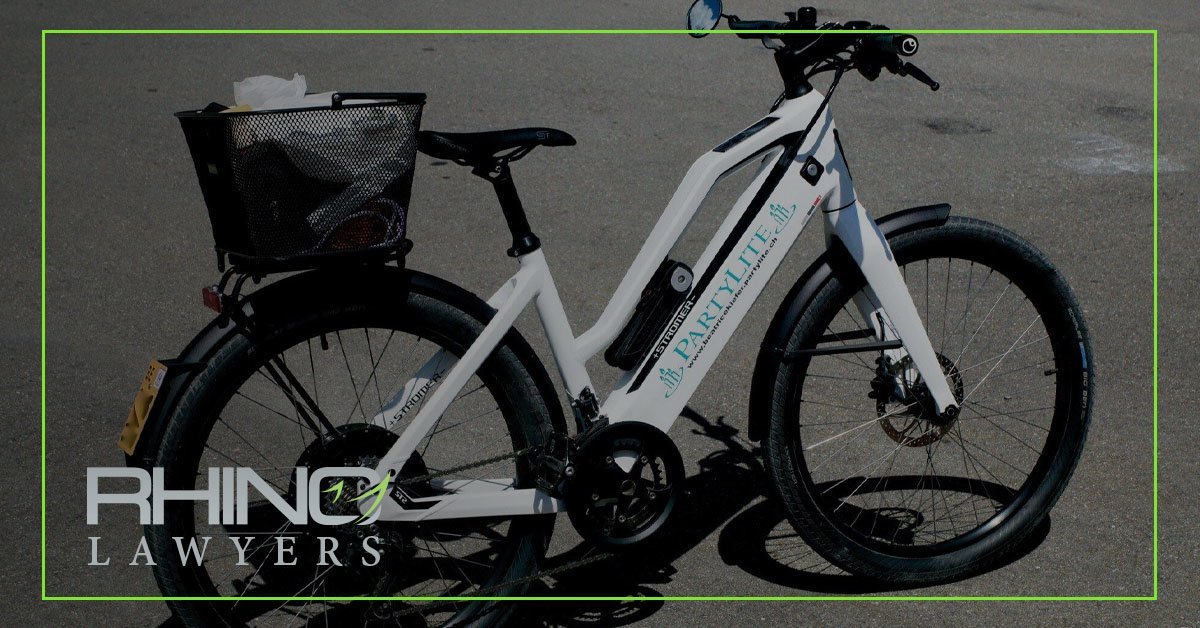
The city of Tampa, FL, has added 4,000 e-scooters and bikes to expand its electro-micro-mobility program. It shows how popular e-bikes (electric bikes) have become in Tampa.
Offering an eco-friendly and efficient mode of transportation, e-bikes provide a convenient alternative to cars for short commutes and leisurely rides. However, as the number of e-bikes on the road rises, so does the potential for accidents involving these vehicles and the need for a lawyer for a car accident.
Understanding the dynamics of car accidents involving e-bikes is crucial for riders, motorists, and policymakers in Tampa. Keep reading to learn more.
1. Understanding E-Bikes
E-bikes are bicycles equipped with an electric motor that assists with pedaling. They come in various types:
- Pedal-Assist (Class 1) – The motor assists only when the rider is pedaling and stops assisting at a certain speed.
- Throttle-Assist (Class 2) – The motor can assist without the rider pedaling, typically through a throttle mechanism.
- Speed Pedelec (Class 3) – Similar to pedal-assist e-bikes but capable of higher speeds, often up to 28 mph.
- These differences influence how e-bikes are used and regulated, affecting their interaction with cars on the road.
2. Tampa E-bike Laws
Florida has specific laws governing the use of e-bikes. As of 2020, e-bikes are classified similarly to traditional bicycles, allowing them to use bike lanes and paths unless local ordinances state otherwise.
Riders must adhere to traffic laws applicable to cyclists, such as obeying traffic signals and using lights at night.
While Florida does not mandate helmets for e-bike riders over the age of 16, it is highly recommended for safety. Wearing a helmet can significantly reduce the risk of serious head injuries in the event of an accident. It could mean the difference between a minor accident that you walk away from and one that means the end of the road for you.
3. Common Causes of Accidents
One of the leading causes of accidents involving e-bikes is driver inattention. We live in a culture where distracted driving due to cellphone usage or whatever else is becoming so common.
Motorists may fail to notice e-bikes, especially at intersections or when making turns. The smaller size and quieter operation of e-bikes compared to cars can contribute to these visibility issues.
E-Bike Rider Errors
E-bike riders can also contribute to accidents by disregarding traffic laws, riding on sidewalks where not permitted, or not using proper signaling. Speeding, particularly on Class 3 e-bikes, can also lead to loss of control and accidents.
Road Conditions
Poor road conditions, such as potholes, debris, or inadequate lighting, can be hazardous for e-bike riders. These conditions can cause riders to swerve suddenly, leading to collisions with cars.
4. Safety Tips for E-Bike Riders
To enhance visibility, e-bike riders should wear bright or reflective clothing. They should also equip their bikes with front and rear lights, especially when riding at night or in low-light conditions.
Defensive Riding
Practicing defensive riding techniques, such as anticipating potential hazards and maintaining a safe distance from vehicles, can help prevent accidents. Riders should always be aware of their surroundings and avoid the car’s blind spots.
Proper Signaling
Using hand signals to indicate turns and stops is crucial for communicating intentions to motorists. This can help reduce confusion and the likelihood of accidents.
Speed Control
Maintaining a safe and controlled speed is essential, particularly in high-traffic areas or when navigating through intersections. Riders should be mindful of their speed, especially on Class 3 e-bikes capable of higher speeds.
5. What to Do After an Accident
If involved in an accident, e-bike riders should first ensure their safety and check for injuries. Moving to a safe location away from traffic is essential to prevent further harm. Calling emergency services for medical assistance and police reporting is also critical.
Gather Information
Collecting information from the scene is crucial. This includes exchanging contact and insurance details with the involved driver, taking photographs of the scene, and obtaining contact information of any witnesses.
Medical Attention
Even if injuries appear minor, seeking medical attention is important. Some injuries may not be immediately apparent and can worsen over time. Medical documentation is also vital for any potential insurance claims or legal actions.
Report the Accident
Filing a police report is necessary for official documentation of the incident. This report can be crucial for insurance claims and legal proceedings.
6. Legal and Insurance Considerations
E-bike riders should contact their insurance company to report the accident and initiate a claim. Understanding the coverage of their policy, including any medical expenses or damages, is essential.
In cases where the e-bike accident was caused by another party’s negligence, seeking legal assistance can be beneficial. A car accident attorney experienced in handling e-bike accident cases can provide guidance on legal rights and help pursue compensation for injuries and damages.
Speak to an auto accident lawyer right away, even if you have minor injuries, since it’s important to get the right advice.
7. Preventive Measures and Policy Recommendations
Improving infrastructure to accommodate e-bikes is crucial. This includes creating more dedicated bike lanes, improving road surfaces, and enhancing lighting on bike paths and intersections.
Education and Awareness
Educational campaigns targeting both motorists and e-bike riders can help raise awareness about sharing the road safely. Promoting safe riding practices and the importance of visibility can reduce accidents.
Enforcement of Traffic Laws
Ensuring that traffic laws applicable to e-bikes are enforced can also contribute to safety. This includes penalizing both riders and drivers who violate these laws and pose risks to others on the road.
Hire a Lawyer for a Car Accident with an E-Bike
Any time there’s a new craze, like e-bikes or scooters, it’s likely that car accidents will go up as well, while people get used to things.
Hiring a lawyer for a car accident with an e-bike is necessary so you don’t get taken advantage of. Our team at RHINO Lawyers focuses on auto accidents and has experience with all sorts of e-bike accidents.
We are ready to take your side and let nothing get in our way. Schedule a free consultation with a car accident lawyer today.
CONTACT A TAMPA AUTO ACCIDENT ATTORNEY
In short, after a car accident, you may not know your rights. Above all, don’t struggle through the process alone. Actually, our personal injury team is here to help you with any legal needs you might have regarding your accident.
Lastly, let RHINO Lawyers answer your questions and review the facts of your case with a Free Consultation. So, get started by completing the “Free Instant Case Evaluation” or by calling us any time, day or night, at 844.RHINO.77.
Read More
Car Accidents and the Risks to Pregnant Women
A study estimated that 170,000 car crashes in the United States involve pregnant women each year! Yes, car accidents can be dangerous for everyone involved, but they are particularly so for pregnant women, due to the harm to the unborn babies and themselves.
The physiological changes and added complexity of pregnancy can complicate injury outcomes and medical responses. Knowing the risk of a car accident while pregnant, its impact on pregnancy, and how to mitigate potential harm is crucial for expectant mothers and those around them.
Keep reading for pregnant car crash tips.
1. Understanding the Risks
Pregnancy brings about various changes in a woman’s body, including increased blood volume, altered cardiovascular function, and the displacement of internal organs.
These changes can make pregnant women more susceptible to certain types of injuries and complicate medical assessments after an accident. The risk is high through all the trimesters, but the first trimester is crucial for fetal development.
There isn’t a point during the pregnancy at which a pregnant woman would have less risk if she were in a car crash.
Common Injuries
The most common injuries in car accidents during pregnancy include abdominal trauma. This can affect the uterus and placenta, leading to complications such as placental abruption. A placental abruption occurs when the placenta detaches from the uterine wall.
Other injuries include fractures, head trauma, and internal bleeding. All of these can have serious implications for both mother and baby.
2. Impact on the Unborn Baby
A placental abruption can have an impact on the baby as well. It can disrupt the baby’s oxygen and nutrient supply.
This type of injury will potentially lead to premature birth, low birth weight, or even stillbirth. Immediate medical intervention is often required to manage this condition.
Fetal Trauma
Direct trauma to the abdomen can also cause fetal injuries, ranging from minor bruising to more serious conditions like fetal fractures or brain injuries. The amniotic fluid surrounding the baby provides some protection, but a significant impact can still cause harm.
Preterm Labor
The stress and physical impact of a car accident can induce preterm labor. Babies born prematurely are at a higher risk for health issues such as respiratory distress syndrome, developmental delays, and infections.
3. Preventive Measures
The most important pregnancy safety tactic you can use in a car is to wear your seatbelt, but you should also know how to wear a seatbelt so it protects the baby and yourself properly.
Wear the seatbelt with the lap belt placed under the belly. It should be low and snug on the hip bones. The shoulder belt needs to be between the breasts and off to the side of the belly. This positioning helps to distribute the force of a collision away from the abdomen and towards the pelvis and chest.
Airbag Safety
Airbags are designed to work in conjunction with seatbelts to provide maximum protection. Pregnant women should ensure they are seated at a safe distance from the steering wheel or dashboard (at least 10 inches) to minimize the impact force. Adjusting the seat and steering wheel can help achieve a safer position.
Driving Safety
Maintaining a good driving posture is important. Pregnant women should sit upright, with the seat slightly reclined if necessary. This ensures comfort and safety. Taking frequent breaks during long drives can also help reduce fatigue and discomfort.
4. What to Do After an Accident
Regardless of how minor the accident may seem, pregnant women should seek immediate medical attention following a car accident. A thorough evaluation can help identify any potential pregnancy car accident injuries to both the mother and the baby.
Obstetricians often recommend monitoring the baby’s heart rate and performing an ultrasound to check for any signs of distress or injury.
Monitoring Symptoms
Post-accident, it is crucial for pregnant women to monitor themselves for symptoms. Some symptoms to watch for, are:
- Abdominal pain
- Vaginal bleeding
- Contractions
- Decreased fetal movement
- Fluid leakage
These symptoms can indicate serious complications that require prompt medical intervention.
Follow-Up Care
Continued follow-up care with an obstetrician is essential after a car accident. Regular check-ups can help ensure the ongoing health and well-being of both the mother and the baby. Additional ultrasounds or fetal monitoring might be necessary to track the baby’s development and detect any late-onset issues.
5. Legal and Financial Considerations
Pregnant women involved in car accidents may face additional medical expenses and require specialized care. It is important to file an insurance claim to cover these costs. Documenting all medical visits, treatments, and any additional care required for the pregnancy is essential for a comprehensive claim.
Legal Assistance
In cases where the accident was caused by another party’s negligence, seeking legal assistance can help in obtaining compensation for medical expenses, lost wages, and other damages. An attorney experienced in handling car accident cases involving pregnant women can provide valuable support and guidance through the legal process.
6. Emotional Impact and Support
Pregnancy can be a stressful enough time as it is, without the added pressure of a car accident and its effect on the unborn baby.
The stress and trauma of a car accident can have a significant emotional impact on pregnant women. Anxiety about the health of the baby and the potential for complications can be overwhelming. Expectant mothers need to seek emotional support from family, friends, or a professional counselor.
Support Networks
Joining support groups for pregnant women or those who have experienced similar situations can provide a sense of community and understanding. Sharing experiences and coping strategies can help in managing stress and anxiety.
Car Accident While Pregnant – Follow Pregnancy Safety Advice
You are doing all you can as a mother to take care of your unborn baby. If you have a car accident while pregnant, all hope isn’t lost. There are steps that you can take to protect yourself and your baby.
At RHINO Lawyers, we focus on auto accidents of all kinds. No matter if rear-ended, t-boned, or injured as a pedestrian, driver, or passenger, we are here to hold the negligent party accountable for their actions. If you sustain pregnancy-related car accident injuries, contact our team ASAP to get assistance.
CONTACT A TAMPA AUTO ACCIDENT ATTORNEY
In short, after a car accident, you may not know your rights. Above all, don’t struggle through the process alone. Actually, our personal injury team is here to help you with any legal needs you might have regarding your accident.
Lastly, let RHINO Lawyers answer your questions and review the facts of your case with a Free Consultation. So, get started by completing the “Free Instant Case Evaluation” or by calling us any time, day or night, at 844.RHINO.77.
Read More
Wrong Way Accidents: What You Need to Know
It’s late at night, and you’re driving home on the highway after a long day. Suddenly, you see headlights coming directly toward you in your lane.
Your heart races as you realize a vehicle is heading straight for you, going the wrong way. This terrifying scenario is known as a wrong way accident – one of the most dangerous types of crashes on our roads today.
How do you prevent this scenario from happening? And if it does happen, what do you do?
We can help. Let’s go through what to know about any wrong way accident.
Wrong Way Accident Causes
Understanding the major causes of wrong way incidents is crucial for prevention and awareness.
Impaired driving stands out as the leading cause of wrong way accidents. Alcohol and drug use significantly impair a driver’s judgment, perception, and ability to read signs correctly. Studies have shown that a large percentage of wrong way drivers involved in crashes have blood alcohol concentrations well above the legal limit.
Confusion and disorientation, particularly among elderly drivers, contribute to a significant number of wrong way incidents. As cognitive abilities decline with age, some older drivers may struggle to navigate complex interchanges or become easily disoriented in unfamiliar areas, especially at night.
Poor visibility and inadequate signage can also lead to wrong way entry. Insufficient lighting, weather conditions like heavy rain or fog, or poorly maintained road signs can make it difficult for drivers to correctly identify entrance and exit ramps.
This risk increases in areas with complex road designs or recent changes to traffic patterns.
Distracted driving, though less common than impairment, plays a role in some wrong way accidents. Drivers engrossed in their phones, navigation systems, or other distractions may miss critical signs and inadvertently enter a roadway in the wrong direction.
In rare cases, intentional actions can result in wrong way driving. This may occur during police pursuits, suicide attempts, or acts of reckless behavior. While uncommon, these incidents are particularly dangerous due to their unpredictable nature.
Preventing Wrong Way Accidents
You should do everything you can to avoid being in a wrong way accident. Stay alert and focused, especially when entering highways or driving in unfamiliar areas.
Pay close attention to road signs and pavement markings. If you’re unsure about the correct route, it’s better to slow down or even stop safely to reassess your direction rather than proceed uncertainly.
Be extra cautious when driving at night or in poor weather conditions. Many wrong way incidents occur during these times due to reduced visibility. Use your headlights properly and drive at a speed that allows you to react to unexpected situations.
Do your best to pay attention – don’t lose focus by doing something else while you drive, like eating.
Familiarize yourself with your route before traveling, especially when driving in a new area. If using a GPS, set it up before you start driving and pull over safely if you need to adjust it. Relying too heavily on GPS without paying attention to your surroundings can lead to mistakes.
If you see a wrong way driver, immediately reduce your speed and move to the right side of the road. Flash your lights and honk your horn to alert the driver. Once safely out of the way, call 911 to report the incident.
Be particularly vigilant when using exit ramps, as these are common entry points for wrong way drivers. Look for any do not enter or wrong way signs before proceeding.
If you realize you’ve entered a road in the wrong direction, stay calm. Safely pull over to the shoulder immediately, turn on your hazard lights, and turn around only if it’s safe and legal to do so. If you can’t turn around safely, stay put and call for assistance.
What to Do if You’re in a Wrong Way Accident
Despite our best efforts to prevent them, wrong way accidents can still occur. If you find yourself involved in such an incident, knowing how to respond can be crucial for your safety and well-being.
Check for injuries. Assess yourself and your passengers for any injuries. Even if you feel fine, be aware that you might not notice some injuries immediately because of shock or adrenaline.
Make sure you follow up on your health after the fact. In the days and weeks following the accident, pay attention to any new symptoms or pain.
Call 911 immediately. Report the accident and request emergency services. Provide your exact location, describe the vehicles involved, and inform the dispatcher of any injuries or hazards at the scene.
You’ll need to make sure you’re collecting as much evidence as possible after an accident. If it’s safe to do so, take photos of the accident scene, including vehicle positions, damage, and any relevant road signs or markings.
Collect contact and insurance information from the other drivers involved, but avoid discussing fault or making any statements that could be interpreted as admitting guilt.
Protecting Yourself Legally
Given the serious nature of wrong way accidents, it may be beneficial to consult with a lawyer who focuses on traffic accidents. They can help protect your rights and help you manage any potential legal proceedings.
This is especially important if you weren’t at fault for the accident, but even if you were at fault, it’s still important to make sure your bases are covered.
Cooperate with the investigation. Wrong way accidents often result in thorough investigations. Cooperate fully with law enforcement and insurance investigators, but consult with your lawyer before providing any formal statements.
Contact your insurance company. Report the accident to your insurer as soon as possible. Provide them with all the details and documentation you’ve gathered.
Wrong Way Accident: Get Out of This Situation
Use this guide, and you’ll have a much better idea of how to handle a wrong way accident if you get into one.
Are you looking for a lawyer to help you out? Check out RHINO Lawyers. Our modern communications strategies and top-level use of technology help us ensure we’re doing our best to fight for you.
Contact us today.
CONTACT A TAMPA AUTO ACCIDENT ATTORNEY
In short, after a car accident, you may not know your rights. Above all, don’t struggle through the process alone. Actually, our personal injury team is here to help you with any legal needs you might have regarding your accident.
Lastly, let RHINO Lawyers answer your questions and review the facts of your case with a Free Consultation. So, get started by completing the “Free Instant Case Evaluation” or by calling us any time, day or night, at 844.RHINO.77.
Read More
Daydreaming and Car Accidents in Florida
Imagine driving down a sunny Florida highway, your mind wandering through various thoughts. Suddenly, a car swerves into your lane, jolting you back to reality. Daydreaming, a common form of distracted driving, can have serious consequences.
Understanding how to deal with a car accident in Florida and finding the right lawyer can help you overcome issues like these. In our guide below, we’ll explore the key information you should keep in mind. Let’s take a closer look.
What Is Distracted Driving?
Distracted driving occurs when a driver’s attention is diverted from the road. This can include activities like texting, eating, or even daydreaming.
In Florida, distracted driving is a leading cause of car accidents, making it crucial to stay focused while behind the wheel. Recognizing the dangers of distracted driving and committing to remain attentive can help reduce the risk of accidents.
Taking Action After a Car Accident
There are certain steps you need to take after a car accident. Doing so will help you navigate the process fluidly. Let’s take a closer look below.
Call the Police
Before doing anything else, call the police. Officers will respond to prevent conflicts from escalating.
They will also document their findings in a report. Police reports hold substantial weight in court and are some of the best pieces of evidence you can use to support your case.
Document the Accident Scene
Take photos of the accident scene, including vehicle damage, road conditions, and any visible injuries. Collect contact information from witnesses and make note of their statements.
This documentation can support your car accident claims and assist your attorney. Proper documentation provides crucial evidence that can influence the outcome of your claim.
Exchange Information With Other Drivers
Exchange contact and insurance information with the other driver involved. Include names, addresses, phone numbers, driver’s license numbers, and insurance details.
Maintaining accurate information is vital for insurance purposes. Having thorough and precise records can prevent complications during the claims process.
Notify Your Insurance Company
Report the accident to your insurance company as soon as possible. Provide them with the necessary details and documentation.
Timely reporting ensures your car accident claims process starts as soon as possible. It also helps you protect your right to compensation.
Seek Medical Attention
Even if you feel fine after the accident, seek medical attention. Some injuries may not be immediately apparent.
A medical report is essential for car accident claims and can be valuable evidence if you decide to pursue legal action. Early medical intervention can also prevent minor injuries from becoming more severe over time.
It’s worth noting that this is one of the most important steps to take. Sometimes, issues can arise even if you don’t have immediate symptoms. For example, you could have internal bleeding and not know until the problem becomes more serious.
Understand Florida Car Accident Laws
Familiarize yourself with Florida car accident laws, such as the statute of limitations for filing claims and the state’s no-fault insurance system. Knowing your rights and responsibilities can help you navigate the aftermath of a car accident.
Understanding these laws can also guide you in making informed decisions about your case. Seeking advice from a Florida car accident lawyer can further clarify these laws.
Handling Insurance Adjusters
Be cautious when speaking with insurance adjusters. They may try to minimize your claim.
Provide factual information but avoid discussing fault or accepting any settlement offers without consulting a Florida car accident lawyer. Legal representation can help ensure you receive fair compensation for your damages.
Finding the Right Lawyer
It’s essential to work with the right lawyer for your case. This will help you avoid potential issues and maximize your chance of success. Listed below are key ways to find the right professional.
Make a Shortlist
Research potential lawyers by reading online reviews and testimonials. Look for lawyers with experience in car accident cases and a history of favorable outcomes.
Personal recommendations can also be valuable. Conducting thorough research helps you find a lawyer who is well-qualified to handle your case.
Initial Consultation With a Lawyer
Schedule an initial consultation with potential lawyers. Discuss your case, ask questions about their experience, and understand their approach to handling car accident claims.
This meeting helps you determine if they’re the right fit. A reputable lawyer will listen to your concerns and provide clear explanations of how they can help.
Experience and Expertise
Evaluate the lawyer’s experience and expertise in handling car accident cases in Florida. Ensure they are well-versed in Florida car accident laws and have a successful track record.
Their expertise can make a significant difference in the success of your claim. Choosing a lawyer with the right experience ensures you have robust legal representation.
Keep in mind that inexperienced lawyers won’t always fall short of your goals. However, they will be much less likely to reach them.
Legal Fees and Costs
Understand the lawyer’s fee structure and any additional costs involved. Many Florida car accident lawyers work on a contingency fee basis, meaning they only get paid if you win your case.
Clarify any questions about fees during your initial consultation. Knowing the costs upfront helps you make an informed decision.
Communication and Availability
Choose a lawyer who communicates clearly and is readily available to answer your questions. Effective communication ensures you stay informed about your case’s progress.
A responsive lawyer provides peace of mind during a stressful time. Regular updates and clear explanations are signs of a dedicated legal professional.
Take Action After a Car Accident in Florida
Dealing with a car accident in Florida can be overwhelming, but following these steps and finding the right lawyer can make the process smoother. The tips in this guide will help ensure you take the appropriate steps after the incident. Just be sure to research your potential attorney options.
RHINO Lawyers have successfully recovered over $50 million for their injured clients, demonstrating their expertise and commitment. Available 24/7, we provide free consultations and boast a 5-star rating based on 943 Google reviews. You’ll learn more about what we have to offer when you schedule a consultation with us today.
CONTACT A TAMPA AUTO ACCIDENT ATTORNEY
In short, after a car accident, you may not know your rights. Above all, don’t struggle through the process alone. Actually, our personal injury team is here to help you with any legal needs you might have regarding your accident.
Lastly, let RHINO Lawyers answer your questions and review the facts of your case with a Free Consultation. So, get started by completing the “Free Instant Case Evaluation” or by calling us any time, day or night, at 844.RHINO.77.
Read More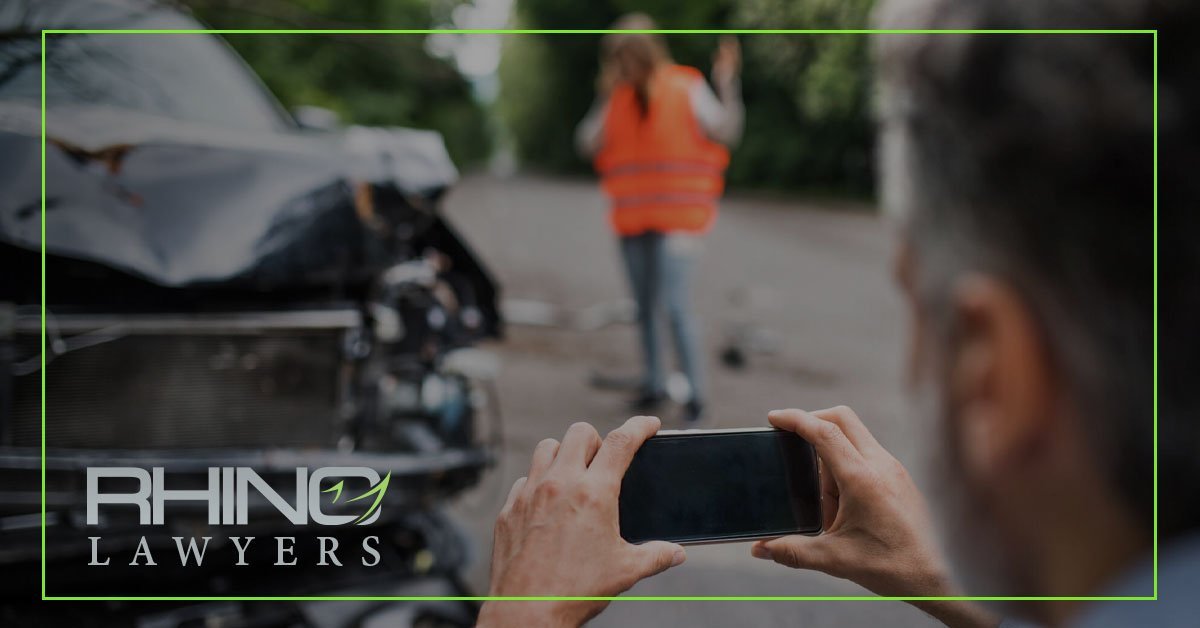
The Importance of Documenting Your Injuries and Treatment
Florida’s rate of motor vehicle injuries is 27.25% above the national average.
If you’re unfortunate enough to become part of that statistic, you may react like many do when they see a car crash. You’re too stunned to do anything but can’t look away.
It’s understandable to be shocked, but the clock starts ticking the moment you get injured. Every second you stand staring is one where you could be collecting valuable evidence.
Read on to learn why you need to document the auto accident injury treatment process and how to do it.
Why Documentation Matters
Documentation can help you get the post-accident care you need. It helps your healthcare providers find the right diagnosis and treatment for faster recovery. It can also establish the need for ongoing care.
Your documents provide credibility to your case. They’re an invaluable source of evidence for court proceedings and insurance claims.
They prove a causal relationship between the accident and your injuries and show they weren’t pre-existing injuries. As well as, they establish the severity of your injuries and the medical expenses you pay to treat them. They can also demonstrate any loss of income you suffered from being unable to work.
Types of Documentation to Get
There’s no such thing as too much information when it comes to documenting car accident injuries. The more you have, the more you can use to make your case credible and fight against the claims of the other side in court.
Knowing a few essentials to look for can make the process easier, though. Document anything that relates to the details of the accident, your medical treatments, and their financial implications.
Accident Reports and Witness Accounts
Get a copy of the official auto accident report and any witness statements. They’ll give a clear, unbiased, in-the-moment idea of what happened.
Take note of any correspondence with the insurance company. Did they give you an initial quote for what your claim would be worth? Did they deny you outright? Record all of it because you may need to bring it up again later.
Photographs and Video
Photographic or filmed evidence is difficult to refute, and that makes it valuable. Take pictures of how your injuries develop. You should also record or take photos of any property damage or damage to vehicles from the accident.
These photos are useful as evidence but be careful not to post them online. This can sabotage your claim.
The other side’s media or legal team could use language or images you put up in the past to invalidate you. Tell your friends and family to also watch what they put on social media until the case is over.
Medical Records
Get all the medical records you can from the healthcare providers involved in your treatment. These include:
- Doctor’s notes
- Test results
- Imaging studies
- Prescriptions
- Treatment plans
- Expert reports
- Rehabilitation records
Maintain an auto accident injury treatment calendar. Note the dates, times, and locations of any appointments or therapy sessions,
Pain and suffering is one of the most difficult parts of an auto injury case to prove. One of the best ways is to keep a pain journal. Use a pain scale to rate how much pain the injury is causing you each day. Note any symptoms you feel and how they affect your life.
Financial Records
It’s also important to keep note of the financial effects of your car accident treatment. That’s how you prove that you deserve compensation for them.
Keep receipts of the cost of any costs you’ve incurred, such as:
- Medications
- Treatments
- Assistive devices
- Travel
- Property damage
- Legal expenses
- Medical record or administrative fees
If you want to claim lost wages, you’ll need proof. Ask for documentation from your employer about any missed work or reduced hours.
How to Document Your Auto Accident Injury Treatment
Seek medical attention immediately after your accident. Report any new symptoms to your doctor as soon as possible. It keeps you safe and makes sure you have accurate medical records. Courts and insurance companies also appreciate a willingness to get prompt treatment.
File a claim as soon as you’re healthy enough to do so. The statute of limitations for any personal injury claim in Florida is four years.
You’ll be gathering a lot of paperwork, so make sure you keep everything organized. Put them together in folders so that you can find everything easily.
Don’t assume that everyone will automatically hand over the records you need. Speak to and record your conversations with everyone involved in the case, including:
- Law enforcement
- Witnesses
- Medical professionals
- Insurance companies
- Attorneys
The Importance of Legal Help
Don’t wait until you think you have all the right documents to hire an attorney. It’s one of the first steps you should take after getting medical attention.
They won’t do all of the documentation for you, but they will help you gather evidence. They’ll support you in finding what you need and deciding what the best evidence for your case is. That includes finding medical experts to support your claims.
You’ll need someone on your side to negotiate with the insurance companies. A professional attorney understands the complex process and won’t be tricked into taking a low offer.
They’ll use all the available evidence to ensure you get the best possible results. This may be in court or out of court. Either way, they’ll get you the money you deserve.
Find Attorneys for Your Auto Injury Case
Consistent documentation can make or break an auto accident case. Record every auto accident injury treatment you receive and how much it costs. Keep track of conversations between you and your doctors, insurance adjusters, witnesses, and anyone else involved in the case.
RHINO Lawyers believes that the law industry suffers from an outdated approach and aims to change that. Our personal injury team provides fast, friendly, and convenient communication, both in-person and through technology.
Our track record of successful settlements proves that our approach works. Get a Free Instant Case Evaluation or call us anytime, day or night, at 844.RHINO.77.
CONTACT A TAMPA AUTO ACCIDENT ATTORNEY
In short, after a car accident, you may not know your rights. Above all, don’t struggle through the process alone. Actually, our personal injury team is here to help you with any legal needs you might have regarding your accident.
Lastly, let RHINO Lawyers answer your questions and review the facts of your case with a Free Consultation. So, get started by completing the “Free Instant Case Evaluation” or by calling us any time, day or night, at 844.RHINO.77.
Read More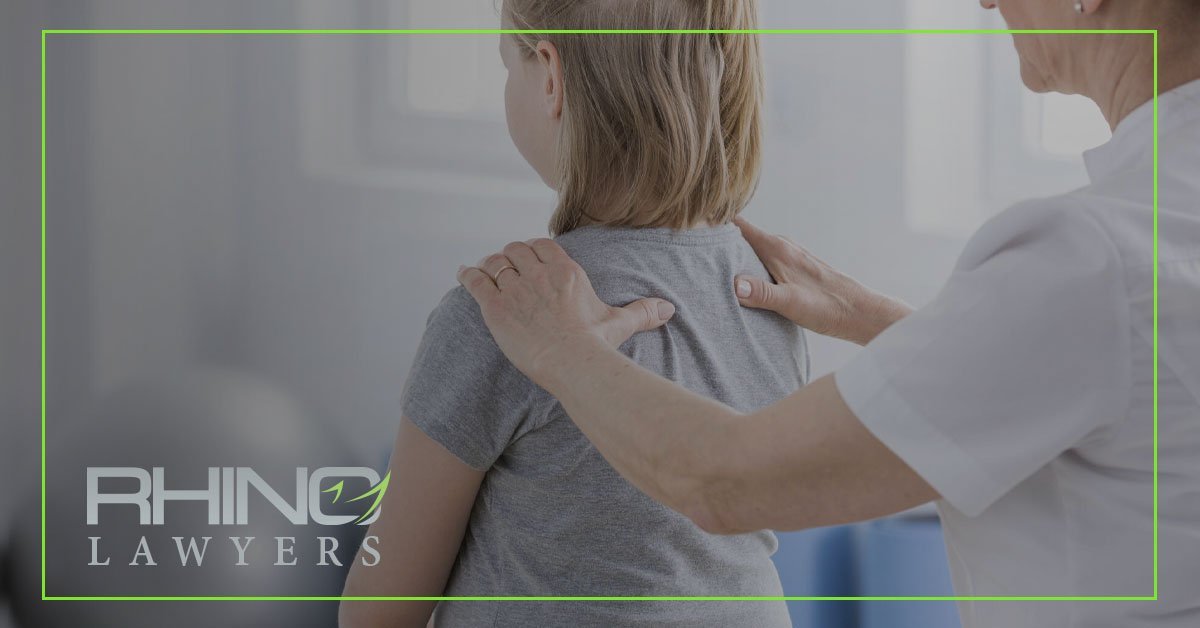
Whiplash Injuries in Children: What Parents Need to Know
Did you know that children are almost two-thirds as likely as adults to sustain whiplash injuries in auto accidents? Despite their resilience, our youngest are not immune to the long-term repercussions that follow.
These injuries can be deceptive, initially hidden behind the resilience of youth, yet they pave the way for a range of whiplash injury long-term symptoms that can profoundly impact a child’s life. As parents, understanding these risks and recognizing the signs is crucial.
This article is crafted to help you identify these symptoms early and take decisive steps to support your child’s recovery. Read on to learn how to mitigate the hidden, lingering effects of whiplash that could shadow your child’s health long after the accident.
What is Whiplash in Children?
Whiplash is a neck injury that occurs when the neck is suddenly jolted back and forth with force, causing strain and damage. This injury commonly occurs in car accidents but can also result from sports injuries or physical abuse. The sudden movement can strain or tear the muscles and ligaments in the neck which leads to pain and discomfort.
In children, whiplash injuries are particularly concerning because their bodies are still developing. Their neck muscles and ligaments are not as strong as those in adults which makes them more susceptible to injury.
Additionally, the symptoms of whiplash in children can be harder to identify because children might not communicate their pain as clearly as adults.
Auto accidents are the leading cause of childhood whiplash, but sports activities like football, gymnastics, and even playground mishaps can also lead to such injuries.
Whiplash Injury Long-Term Symptoms in Children
Recognizing whiplash symptoms in children early can make a significant difference in their recovery. Immediately after an injury, children might complain of neck pain or stiffness.
They may also experience:
- Headaches
- Dizziness
- Tenderness in the shoulder or upper back
These symptoms are the body’s immediate response to the trauma.
However, the tricky part about whiplash is that symptoms can be delayed. Days or even weeks after the incident, a child might start to exhibit symptoms like irritability, difficulty concentrating, and fatigue. These delayed symptoms often catch parents off guard, as the initial injury may seem minor or forgotten.
The long-term effects of whiplash can be severe if not treated properly. Common long-term effects are:
- Chronic neck pain
- Reduced range of motion
- Headaches
In some cases, children might also experience difficulties in school due to persistent pain or concentration issues. Addressing these symptoms promptly with the appropriate medical care is crucial to prevent them from becoming long-term problems.
Diagnosis and Treatment
Diagnosing a whiplash injury in children involves a thorough medical examination. Doctors will often start with a detailed history of the injury and a physical examination to assess the child’s pain and range of motion. Imaging tests like X-rays, CT scans, or MRIs might be used to rule out more serious injuries like fractures or spinal damage.
Once diagnosed, whiplash treatment focuses on alleviating pain and promoting healing. Rest is essential. It allows the neck muscles and ligaments time to recover.
Physical therapy can help restore movement and strength in the neck. Therapists may use exercises to improve flexibility and reduce stiffness to gradually help the child return to normal activities.
Pain management is also a crucial part of treatment. Over-the-counter pain relievers like ibuprofen or acetaminophen can help manage pain and reduce inflammation. In some cases, doctors might prescribe stronger medications or muscle relaxants.
Follow-up care is vital to monitor the child’s progress and adjust treatment as needed. Regular check-ups ensure that the child is healing correctly and not developing long-term complications. Parents should keep track of their child’s symptoms and communicate any changes to the healthcare provider.
Recovery and Rehabilitation
Recovery from a childhood whiplash injury requires time and patience. It’s essential to follow a structured rehabilitation plan to prevent long-term issues.
Gradual reintroduction to physical activities is key. Start with light activities and slowly progress to more strenuous exercises as the child’s condition improves.
Parents play a crucial role in their child’s recovery:
- Encourage proper posture
- Ensure they follow their treatment plan
- Be attentive to any recurring symptoms
Regular check-ups with the healthcare provider are necessary to monitor progress and make any needed adjustments to the treatment plan.
Support at home is just as important. Providing a comfortable environment where the child can rest and recover without stress is beneficial. Using supportive pillows while sleeping and ensuring they take breaks from prolonged activities like screen time can aid in recovery.
Legal Considerations
When a whiplash injury results from an auto accident, there are legal considerations parents need to be aware of. It’s important to document all aspects of the injury, including medical visits, treatments, and any changes in the child’s condition. This documentation can be critical if there is a need to pursue legal action for compensation.
Consulting with a lawyer experienced in personal injury cases can help navigate the legal process. They can provide advice on how to proceed with claims against the at-fault party’s insurance company.
Legal action can help cover:
- Medical expenses
- Rehabilitation costs
- Compensation for pain and suffering
Understanding the statute of limitations in your state is crucial. This law dictates the timeframe within which you can file a claim. Acting promptly ensures that you do not miss out on the opportunity to seek compensation for your child’s injury.
Take Action for Your Child’s Recovery
In the wake of an accident, understanding the whiplash injury long-term symptoms in children is vital for initiating timely medical and legal responses. This article has walked you through recognizing the immediate and delayed symptoms to ensure accurate diagnosis and embrace appropriate treatments.
At RHINO Lawyers, we grasp the urgency and delicacy of these situations. Our team is dedicated to guiding you through the legal intricacies to secure the support your child needs for a full recovery. Remember, timely action can transform your child’s recovery journey.
Get your free case analysis today and ensure your child’s health and rights are championed effectively.
CONTACT A TAMPA AUTO ACCIDENT ATTORNEY
In short, after a car accident, you may not know your rights. Above all, don’t struggle through the process alone. Actually, our personal injury team is here to help you with any legal needs you might have regarding your accident.
Lastly, let RHINO Lawyers answer your questions and review the facts of your case with a Free Consultation. So, get started by completing the “Free Instant Case Evaluation” or by calling us any time, day or night, at 844.RHINO.77.
Read More
The Emotions Car Accidents Cause and How to Deal With Them
In a single year, over 42.5k Americans die each year in car accidents. As someone who survived, you likely feel lucky – and more alone and anxious than ever before.
Shock after a car accident is an understandable reaction, as are fear and stress. Here, we’re going to talk about post-accident trauma and how you can feel with the painful feelings you’re having. Read on to learn some tips for returning to normal life after a crash.
Seek Physical Care
Because your mind and body are extremely connected, getting medical assistance right after a collision can help you with car accident trauma. Emergency room visits, physical therapy, and chiropractic care can all help you heal.
If you’re distracted by or preoccupied with physical pain, the road to recovery will be challenging. Having your physical needs met with expert treatment will let you begin to figure out crash-related feelings so you can start getting better.
Understand Your Feelings
Those who survived car accidents will naturally have several emotions about their experience. Fear and anxiety are common since a car accident blindsided and shocked you out of nowhere. It’s especially common for those to have strong negative feelings about driving again since you associate it with the experience.
Anger, irritability, and hopelessness are also common. This frequently causes mood swings that stem from anxiety and depression. When you have too many emotions to manage, they’ll manifest in unpredictable ways.
Almost 40% of accident survivors also develop PTSD as a result of the incident. This can lead to flashbacks, nightmares, panic attacks, and bouts of irritability with no apparent cause.
By understanding your feelings, you’ll know why you’re reacting in the way that you are. This can help you be more aware of your emotions and their underlying causes. Gaining awareness is the first step to regaining control.
You’ll also likely feel less alone since researching car accident trauma connects you with other victims. Whether you interact with them or simply read their stories, you won’t feel like the only one going through trauma.
See a Therapist for Shock After a Car Accident
If you’re struggling to understand your symptoms, seeing a mental health professional can give you more insight. Many of them specialize in helping car crash victims or others with PTSD. They have the tools and resources needed to get you in touch with your emotions so you can recover from trauma more easily.
Even if you have a fairly thorough understanding of PTSD and its symptoms, seeing an expert is still important. They may be able to help you with activities and talk therapy. You may also need cognitive behavioral therapy (CBT) or other professional assistance before getting behind the wheel again.
Seeing a therapist can also help assuage feelings of guilt and shame. Many people don’t understand why they feel ashamed post-crash, especially when they are not at fault. A therapist can help you identify the underlying causes of this shame and combat it.
Practice Rest and Relaxation
Irritation, anxiety, panic, and stress all cause similar symptoms. A tight chest, shortness of breath, and difficulty sleeping are some of the most common.
Recovering from accident shock is easier when you understand how to do deep breathing exercises. From breath focus to belly breathing, there are limitless exercises that could help you feel more relaxed.
Taking some time to rest is also a good idea. Whether you were physically injured or not, taking a couple of days off work to unwind and get in touch with your feelings is a good choice.
Read a good book. Soak in the bath. Try aromatherapy.
Then, seek out a therapist.
You also will want to make good sleep a priority. Create a restful environment that’s quiet and dark. Stick to a sleep schedule so your body gets used to resting at certain times.
This can help you relax so you have the energy needed to heal.
Seek Damages for Car Accident Trauma
It’s hard to rest when justice isn’t served, so seeking legal help for your pain and suffering is important after a crash. Whether you bear some fault for the crash or no fault whatsoever, an attorney can help you figure out the right course of action.
In addition to non-financial pain and suffering damages, you’ll likely get funds to cover:
- Wages to cover time lost at work
- Money to cover loss of earning potential
- Funds to cover medical bills
- Money to cover therapy bills and other mental health assistance
- Compensation for lost quality of life (due to PTSD or other long-term problems)
The exact damages will depend on your unique situation, which an attorney will help you unpack.
No matter how much money you get, taking legal action can provide you with closure. You’ll have done all you can to get justice, which means that you’ll be able to rest easier. You also won’t need to stress about money when seeing a psychiatrist or seeking group therapy.
Start Driving Again Slowly
Getting in a car can be daunting and feel impossible when recovering from accident shock. However, it’s going to eventually be necessary. Luckily, it’s possible to do so over time with baby steps.
When you feel ready and your therapist agrees, start small. Get in your car and sit behind the wheel while it’s stationary. Play some music and get used to the feeling of being in the driver’s seat again.
Then, focus on driving around a neighborhood slowly. Don’t immediately hop on the highway!
Over time, you’ll feel more confident driving again. While post-accident anxiety may not completely go away, it will become less and less present over time.
Get Car Accident Compensation ASAP
Now that you know how to contend with anxiety and shock after a car accident, it’s time to begin getting compensation for your pain and suffering. RHINO Lawyers is committed to helping crash survivors take their lives back into their own hands with legal assistance and advocacy.
Our team will listen to you compassionately, understand the ins and outs of your accident, and compile a case that can help you come to grips with car accident trauma. Reach out to us for a free consultation to talk about your case.
CONTACT A TAMPA AUTO ACCIDENT ATTORNEY
In short, after a car accident, you may not know your rights. Above all, don’t struggle through the process alone. Actually, our personal injury team is here to help you with any legal needs you might have regarding your accident.
Lastly, let RHINO Lawyers answer your questions and review the facts of your case with a Free Consultation. So, get started by completing the “Free Instant Case Evaluation” or by calling us any time, day or night, at 844.RHINO.77.
Read More
How to Handle a Multiple-Party Auto Injury Claim
In the blink of an eye, a simple drive can turn into a chaotic nightmare with multiple cars tangled and injuries piling up. Afterward, you’re suddenly faced with the daunting task of managing a multi-party auto injury claim.
Your head spins with questions: How will I pay for medical bills? What treatments do I need? How do I deal with all these insurance companies?
This overwhelming scenario is all too common. But don’t worry; you’re not alone.
With the right strategies, you can navigate this complex situation, get the necessary treatments, and secure the compensation you deserve. Auto injury treatment is the crucial first step on your road to recovery. let’s look into the subject some more.
Medical Treatment Is a Priority
Your health is the most important thing. After an accident, get medical attention immediately. Whiplash, fractures, and internal injuries need prompt treatment.
Even if you feel fine, see a doctor. Some injuries don’t show symptoms right away, which can lead to serious complications later. Early diagnosis and treatment can prevent these issues from escalating.
Document Everything
Keep records of all medical treatments. Save receipts and bills from doctors, hospitals, and therapists. Take photos of injuries and damages.
Documentation supports your car accident claim and helps you get the compensation you need. The more detailed your records, the stronger your case will be. This information can be crucial when negotiating with insurance companies.
Communicate Clearly
Dealing with insurance companies can be tricky. They might try to minimize your claim. Stay calm and be clear in your communication.
Provide all necessary documents and be honest about your injuries and treatments. Don’t sign anything without understanding it completely. Clear communication can prevent misunderstandings and ensure that your claim is processed smoothly.
Seek Legal Advice
Seek legal advice early in the process. A lawyer focusing on multi-party auto injury claims can guide you. They know the ins and outs of the legal system and can help you get a fair settlement.
Legal advice can make a significant difference in the outcome of your claim. Lawyers can help gather evidence, negotiate with insurance companies, and represent you in court if necessary. Their expertise can relieve much of the stress involved in the process.
Consider Physical Therapy
Consider physical therapy as part of your post-accident care. Whiplash treatments and other therapies can speed up healing and reduce pain. Follow your doctor’s advice and stick to your treatment plan.
Physical therapy can help restore mobility and strength. It also reduces the risk of long-term complications. Regular sessions can improve your overall well-being and help you get back to your daily activities faster.
Mental Health Matters
Mental health is also important. Accidents can cause emotional distress. Don’t hesitate to seek counseling if you’re feeling overwhelmed.
Taking care of your mental well-being is part of the healing process. Anxiety, depression, and PTSD are common after accidents. Professional help can guide you through these challenges and support your recovery.
Stay Organized
Stay organized throughout your claim process. Keep a dedicated folder or digital file with all related documents. This makes it easier to track your progress and provides quick access to information when needed.
Organization helps you stay on top of deadlines and requirements. It also ensures that nothing gets lost in the shuffle. This approach can make a significant difference in managing your claim effectively.
Be Patient and Persistent
Understand that the process might take time. Be patient and persistent. Insurance companies and legal proceedings can be slow.
But with the right approach, you’ll move closer to resolving your claim and recovering fully. Persistence pays off, and staying focused on your goal will help you get through the tough times. Keep pushing forward, and don’t lose hope.
Keep Medical Providers Informed
Stay in contact with your medical providers. Regular check-ups ensure your injuries are healing properly. Adjust treatments if necessary and keep your lawyer informed of any changes.
Your medical team needs to know about your progress and any new symptoms. Open communication helps them provide the best care. It also strengthens your claim by showing that you’re actively managing your recovery.
Know Your Rights
Stay informed about your rights and responsibilities. Knowledge empowers you to make the best decisions for your health and financial recovery. Understanding your rights can prevent you from being taken advantage of during the claims process.
Consult with a lawyer if you have questions about your legal rights. They can provide clarity and guidance. Knowing what you’re entitled to can help you navigate the complexities of a multi-party auto injury claim more effectively.
Communicate with Others Involved
Communicate with others involved in the accident. Clear and respectful communication can help resolve disputes and misunderstandings. It also shows that you’re serious about finding a fair solution.
Maintaining open lines of communication can ease tensions. It can also expedite the resolution process. Cooperation from all parties involved is essential for a smooth and fair settlement.
Document Pain and Suffering
Document your pain and suffering. Auto accident pain and suffering are real and should be included in your claim. Keep a journal of your physical and emotional challenges.
Detailed records of your experiences can strengthen your claim. They provide evidence of the impact the accident has had on your life. This documentation can be crucial in securing fair compensation for your suffering.
Involve Family and Friends
Involve your family and friends in your recovery. Support from loved ones can make a big difference. They can help with daily tasks and provide emotional support.
Having a support system can aid in your physical and emotional recovery. They can also offer valuable assistance in managing your claim. Don’t hesitate to lean on them during this challenging time.
Start Your Multi-party Auto Injury Claim Today
Dealing with a multi-party auto injury claim is tough, but you can manage it with the right approach. Focus on your health, document everything, and seek professional advice.
Contact us at RHINO Lawyers to manage your multi-party auto injury claim with speed and precision. Our Millennial-led team uses modern communication methods and data-driven strategies to ensure you get the best treatment and compensation quickly. Let us help you navigate the complexities of your claim and make the process as seamless as possible.
CONTACT A TAMPA AUTO ACCIDENT ATTORNEY
In short, after a car accident, you may not know your rights. Above all, don’t struggle through the process alone. Actually, our personal injury team is here to help you with any legal needs you might have regarding your accident.
Lastly, let RHINO Lawyers answer your questions and review the facts of your case with a Free Consultation. So, get started by completing the “Free Instant Case Evaluation” or by calling us any time, day or night, at 844.RHINO.77.
Read More
Should I Take the First Offer of a Car Accident Settlement?
Have you been injured in a car accident? The pain and stress can be overwhelming.
Now, an insurance company offers you a settlement. Should you take it? Understanding car accident settlement amounts is crucial.
Insurance companies want to settle quickly. They often offer the first settlement to save money.
But is it the best you can get? Probably not.
You deserve fair compensation for your injuries and losses. Knowing the factors that affect car accident settlement amounts can help you negotiate better.
This article will explain the factors to consider before accepting any offer. Let’s dive into what you need to know.
Key Factors in Car Accident Settlement Amounts
Car accident settlements can be complex. Many factors influence the final amount you receive. Understanding these factors can help you make an informed decision.
Medical Expenses
Your medical bills are a significant part of your settlement. This includes the following:
- Hospital stays
- Surgeries
- Medications
- Ongoing treatments
Lost Wages
You could claim lost wages if you missed work due to your injuries. Include documentation from your employer to prove how much income you lost.
Pain and Suffering
Pain and suffering compensation covers the physical, emotional, and mental distress caused by the accident. This can be challenging to quantify, but it is essential for a fair settlement.
Property Damage
Your settlement should cover the cost of repairing or replacing your vehicle. Get estimates from reputable mechanics or body shops.
Future Medical Costs
Consider future medical expenses if your injuries require long-term care. Your doctor can provide a prognosis and estimate future costs.
Car Settlement Tips
Knowing how to approach the settlement process can make a big difference. Here are some car settlement tips to help you navigate this journey:
- Get a lawyer
- Don’t rush
- Document everything
- Understand the offer
- Negotiate
Settlement Offer Factors
Several factors influence the settlement offer you receive. Understanding these can help you evaluate whether the offer is fair.
Severity of Injuries
The more severe your injuries, the higher your settlement should be. These injuries include both physical and emotional.
Physical injuries can result in minor cuts and bruises to serious conditions such as spinal injuries, traumatic brain injuries, or broken bones. Emotional injuries can include stress, anxiety, and PTSD.
Both types of injuries require thorough documentation from healthcare providers to ensure they are fully accounted for in your settlement.
Clear Liability
If it’s clear that the other party was at fault, you have a stronger case. This can lead to a higher settlement offer.
Clear liability is established through police reports, eyewitness statements, and sometimes traffic camera footage. If the other party admits fault or if there is indisputable evidence, your claim is strengthened.
This clarity can push the insurance company to offer a fair settlement faster to avoid a lengthy legal battle.
Insurance Policy Limits
The insurance policy limits can affect the settlement amount. If the at-fault driver has low policy limits, it may limit how much you can receive.
Every insurance policy has a maximum payout limit, and if your damages exceed this amount, you might not get full compensation from the insurance company alone. In such cases, you should explore other avenues, such as suing the at-fault driver personally or looking into your own underinsured motorist coverage.
Your Patience
Patience can lead to better offers. Insurance companies may increase their offers if they see you’re willing to wait for a fair settlement. Rushing to accept the first offer can result in receiving less compensation than you deserve.
Car Accident Negotiations
Negotiating a car accident settlement can be daunting. Here are some tips to help you through the process.
Know Your Worth
Understand the value of your claim, including all your expenses and losses. Having a clear picture of your worth can strengthen your negotiating position.
Your claim’s value should include the following:
- Medical expenses
- Lost wages
- Property damage
- Non-economic damages like pain and suffering
Stay Firm
Don’t accept a low offer just because it’s easy. Stay firm on what you believe is a fair amount, and use your documentation to back up your claims.
Get Professional Help
A lawyer can handle negotiations for you. They have experience dealing with insurance companies and can often get you a better settlement.
Insurance Settlement Guide
An insurance settlement guide can help you understand the process and what to expect. Here are the steps typically involved.
File a Claim
After the accident, file a claim with the at-fault driver’s insurance company. Provide all necessary documentation.
This includes the police report, medical records, repair estimates, and other relevant information. The more detailed your documentation, the stronger your claim will be.
Get an Evaluation
The insurance company will evaluate your claim. This may involve reviewing medical records, repair estimates, and other documentation.
They might also send an adjuster to inspect the damage to your vehicle. Be prepared to provide additional information if requested, and ensure all your documentation is thorough and accurate.
Receive an Offer
You will receive a settlement offer. Evaluate it carefully to ensure it covers all your expenses and losses.
Compare the offer to your calculated claim value. If it falls short, identify the areas where the offer is lacking and prepare to negotiate for a higher amount.
Negotiate
If the offer is too low, negotiate for a higher amount. Use your documentation to support your request.
Present evidence of all your expenses and losses, and be prepared to explain why the initial offer is insufficient. Counter with a higher amount and provide a detailed explanation of your calculations.
Accept or Reject
Once you receive a fair offer, you can accept it. If negotiations fail, you may need to consider legal action. If the insurance company refuses to offer a fair settlement, consider filing a lawsuit.
Should You Accept the First Car Accident Settlement Amount?
Before accepting any car accident settlement amounts, consider all the factors mentioned. Ensure the offer covers all your expenses and losses. If in doubt, don’t hesitate to seek professional advice.
Contact RHINO Lawyers today to schedule a free consultation. Our attorneys focus on auto accident and personal injury cases.
With over $50,000,000 recently recovered for our injured clients, we are your injury and traffic attorneys. Don’t settle for less. Let’s get the best possible compensation for your case.
CONTACT A TAMPA AUTO ACCIDENT ATTORNEY
In short, after a car accident, you may not know your rights. Above all, don’t struggle through the process alone. Actually, our personal injury team is here to help you with any legal needs you might have regarding your accident.
Lastly, let RHINO Lawyers answer your questions and review the facts of your case with a Free Consultation. So, get started by completing the “Free Instant Case Evaluation” or by calling us any time, day or night, at 844.RHINO.77.
Read More
What Happens If the Crash Was Caused by a Stolen Car?
Stolen cars are a common occurrence in Florida. There were around 46,213 vehicle thefts in the Sunshine State in 2023. It can be stressful and scary if your car gets stolen, especially if you discover it’s been involved in an accident.
Maybe you’ve been involved in a car accident where the other car was stolen. Perhaps your vehicle was stolen and was then part of a car accident. Regardless of the details, you may be wondering what happens if one of the drivers is in possession of a stolen vehicle.
This blog will discuss what happens if a car crash is caused by a stolen vehicle. We’ll talk about car accident liability and the legal steps everyone needs to take to ensure they’re protected.
What Happens if a Car Accident Was Caused by a Stolen Vehicle?
Florida law states that vehicle owners are responsible for injuries caused to others due to the negligent operation of the car. This is called imputed or “vicarious” liability.
For example, imagine that you let someone else borrow your car and they caused a crash because they were driving negligently. As the car owner, you’re equally responsible for the damages. Your insurance company and the driver’s insurer will cover you both.
You may think that if your car was stolen and it was involved in an accident, you wouldn’t be held liable because you didn’t knowingly let the other driver use your car. However, that’s not always the case.
Your liability may get waived because you didn’t grant permission to the driver. You’re responsible for damages if the driver was operating your vehicle with implied or actual permission.
Accident victims and their insurance companies may argue that you were negligent in different ways. For example, they may say that leaving your keys in your car was careless.
Report That Your Car Was Stolen
You need to report your stolen car to law enforcement within a reasonable amount of time. It’s recommended to file your report within 24 hours with the police and your insurance company. Doing so right away alleviates your responsibility in the event of an unfortunate circumstance.
You’ll need to make sure you have the following information when creating the report:
- Year, make, and model of your vehicle
- License plate information
- Vehicle identification number (VIN)
- The last known location of your car
Let the police know if your vehicle has a tracking device on it. Keep in mind that you need to be confident that your car was stolen before filing a report. You don’t want to get in trouble for filing a false claim.
Verification of Theft
Your liability as a car owner may be waived if the vehicle was legitimately stolen. You must have never given the negligent driver permission to drive your car to not be held liable for damages caused by the crash.
Access of Keys
As we mentioned, leaving your keys in your car could be viewed as a negligent action on your part. It’s important to consider who has access to your car keys.
You could be held liable for damages if you don’t secure your car keys and leave them accessible in your home where there are other of-age drivers. Leaving your keys out gives them implicit permission to use your vehicle. While you may not have given them actual permission at the moment, it can be a challenge to prove they “stole” your vehicle in cases like this.
Frequently Asked Questions
Car accidents involving a stolen vehicle can be convoluted and complicated. Who is at fault for damages isn’t always straightforward. Many questions may pop up in your mind when dealing with this type of claim.
Am I Liable if I Get Into an Accident With a Stolen Car?
Whoever the negligent driver is in a car accident is the one who’s liable for a car accident. That can either be you or the driver of the stolen car.
What Is the Dangerous Instrumentality Doctrine?
The Dangerous Instrumentality Doctrine is a Florida law that states that the owner of a dangerous tool is liable for injuries caused by the tool’s operation. Many people may not consider a car to be a tool, but it falls under that category for this law.
What if the Other Driver Is in Possession of a Stolen Vehicle and Leaves the Scene?
Leaving the scene of a car accident isn’t a good move whether the other driver is operating their vehicle or a stolen one. This is considered to be a hit-and-run and is a criminal offense.
It’s not unusual for an individual to leave the scene of an accident if they’re driving a stolen car. They may choose to do so to avoid getting arrested for stealing the vehicle.
Who Is the Liable Party?
The victims of a car accident can seek damages from the negligent driver’s insurance company. The owner of the car can file a claim with the negligent driver’s insurance company if their vehicle was damaged during the accident.
In many cases, the thief can sometimes have no car insurance or be underinsured. The parties involved will have to pursue damages from their own insurance companies. Most drivers carry liability coverage, which could help in these types of car accidents.
Liability insurance can also sometimes include underinsured/uninsured coverage. This can provide you with coverage if someone causes you injuries, but their insurance won’t cover all the costs.
Get Legal Help if You’ve Been Involved in a Stolen Vehicle Crash
It can be challenging to figure out who’s liable in an accident when one party is in possession of a stolen vehicle. At the end of the day, the negligent driver who caused the accident is the one who is at fault. However, working with an experienced car accident attorney can help protect your rights.
Our team at RHINO Lawyers is here to guide you through the car accident legal steps. We have experience working with clients who have filed stolen car accident claims. Reach out to our office to schedule a consultation.
CONTACT A TAMPA AUTO ACCIDENT ATTORNEY
In short, after a car accident, you may not know your rights. Above all, don’t struggle through the process alone. Actually, our personal injury team is here to help you with any legal needs you might have regarding your accident.
Lastly, let RHINO Lawyers answer your questions and review the facts of your case with a Free Consultation. So, get started by completing the “Free Instant Case Evaluation” or by calling us any time, day or night, at 844.RHINO.77.
Read More