

Motorcycle Safety – Riding In The Heat
Florida’s sunny skies make it a dream destination for motorcyclists, but they also come with a serious risk. According to the Centers for Disease Control and Prevention (CDC), between 2018 and 2022, Florida recorded over 26,000 emergency room visits and 5,000 hospitalizations for heat-related illnesses. As the Sunshine State leads the nation in heat-related health risks, understanding motorcycle safety tips is more important than ever.
Whether cruising the coast or riding through inland highways, staying cool on a bike isn’t just about comfort–it’s about staying safe. Our guide offers practical strategies to help you confidently handle Florida’s heat, so you can enjoy the thrill of the ride while protecting your health.
Ready to gear up for safe warm-weather riding? Read on for some motorcycle safety tips that could help you stay safe!
The Hidden Dangers of Riding in the Heat
Riding in hot weather can take a serious toll on your body. Understanding what hot weather can do will help you stay safe and maintain control while on the road.
Physical impacts of heat on riders:
- Dehydration
- Heat exhaustion
- Heatstroke
- Slower reaction times
Your bike faces unique challenges when temperatures soar, which can affect both safety and performance. Taking steps to address potential issues helps ensure a smooth and secure ride.
Effects of high temperatures on equipment include:
- Increased tire pressure
- Reduced brake performance
- Overheated battery
- Engine strain
Don’t forget to watch the road! Extreme heat can cause the asphalt to soften, making it more prone to damage and harder to navigate safely. Stay alert to road conditions and adjust your riding as needed to maintain control in hot weather.
Preparation Is Key
The old scouting motto to be prepared still stands today. Before you head out, make sure you’re ready to face the heat.
Stay Hydrated
Dehydration is one of the most common heat-induced motorcycle risks. Drink plenty of water before, during, and after your ride. Consider using a hydration pack so you can sip while riding.
Adding electrolytes to your hydration routine can also help replace essential minerals lost through sweat.
Gear Up Smartly
Your riding gear plays a big role in motorcycle heat protection. Choose lightweight, breathable materials with built-in ventilation. Moisture-wicking base layers and cooling vests are great options for keeping your body temperature in check.
What about your helmet and other protective accessories? Opt for a helmet with vents to allow for airflow, and make sure your gloves and boots strike a balance between protection and comfort.
On the Road: Summer Motorcycle Safety Tips
Riding in hot weather requires extra attention to ensure your safety and comfort. According to the Florida Highway Safety and Motor Vehicles (FLHSMV), the days between Memorial Day and Labor Day are considered the deadliest for teen drivers, but motorcycle riders should also exercise extra caution during peak months.
Ride at the Right Time
Timing is everything. Early mornings and late evenings are the best times for riding in hot weather since temperatures are cooler. Avoid riding during the peak heat of midday, when the sun is at its strongest.
Always Ride Sober
Riding sober is essential for your safety and the safety of others on the road. Alcohol and drugs, and even hangovers, impair your judgment, reaction time, and coordination-critical skills needed to operate a motorcycle safely.
Pace Yourself and Take Breaks
Long stretches in the heat can wear you down. Take regular breaks in shaded or air-conditioned areas to rest and rehydrate. Stretch your legs and cool off before getting back on the road.
Pacing yourself ensures you won’t overexert yourself and helps you stay alert.
Stay Visible and Alert
In summer, the roads are often more crowded, and the bright sun can make it harder for other drivers to see you. Wearing bright or reflective gear helps you stay visible to other motorists, especially in low-light conditions like early mornings or late evenings.
Increased traffic and the sun’s glare can also lead to slower reaction times, so staying alert is key. Keep your focus on the road and your surroundings to anticipate potential hazards.
When the rubber meets the road, understanding Florida motorcycle laws is also vital, but the strategies above will help you stay safe and comfortable.
Additional Ways to Stay Cool and Safe
Making small adjustments to your gear and habits can have a significant impact on staying cool while riding in hot weather. These changes not only improve comfort but also reduce the risk of heat-related illnesses.
Protect Your Skin
Apply sunscreen generously to exposed skin, and wear UV-protective sunglasses to shield your eyes. Long sleeves and pants made from breathable fabric can protect you from harmful UV rays without making you too hot.
Use Cooling Accessories
Cooling vests, damp neck wraps, and moisture-wicking fabrics are lifesavers on a hot day. These accessories are lightweight, easy to use, and incredibly effective at keeping your core temperature down.
Be Prepared for Emergencies
The American Academy of Emergency Physicians recommends that all homes have a well-stocked first aid kit. You can find travel first aid kits that fit in your saddlebags or panniers.
Don’t Let the Heat Get You Down
Heat exhaustion and heat stroke are serious risks for motorcycle riders, especially in Florida’s sweltering summer heat. According to experts at the Florida Department of Health in Hillsborough County, symptoms of heat-related illnesses can include dizziness, nausea, and extreme fatigue. If you experience any of these signs while riding, it’s crucial to act quickly.
Pull over to a safe spot, preferably in the shade, and take a moment to cool down. Hydrate, rest, and avoid pushing yourself further until you feel stable. In severe cases, seek medical attention right away.
Staying aware of your body’s signals is key to preventing a heat emergency on the road.
Reach Out to RHINO Lawyers
Staying safe while riding in hot weather requires preparation and awareness. Following our motorcycle safety tips–like pacing yourself, using cooling accessories, and watching for heat-related hazards–can help you stay cool and avoid danger on the road.
En RHINO Lawyers, we treat you the way we’d want to be treated, offering high-tech, high-touch service with fast, friendly communication on your terms.
Have you been in a recent motorcycle accident and need help? Reach out today for a free video consultation. We’re here to get you whole and back on the road!
CONTACT A TAMPA Motorcycle ACCIDENT ATTORNEY
In short, after a motorcycle accident, you may not know your rights. Above all, don’t struggle through the process alone. Actually, our equipo de lesiones personales is here to help you with any legal needs you might have regarding your accident.
Lastly, let RHINO Lawyers answer your questions and review the facts of your case with a Free Consultation. So, get started by completing the “Free Instant Case Evaluation” or by calling us any time, day or night, at 844.RHINO.77.
Leer más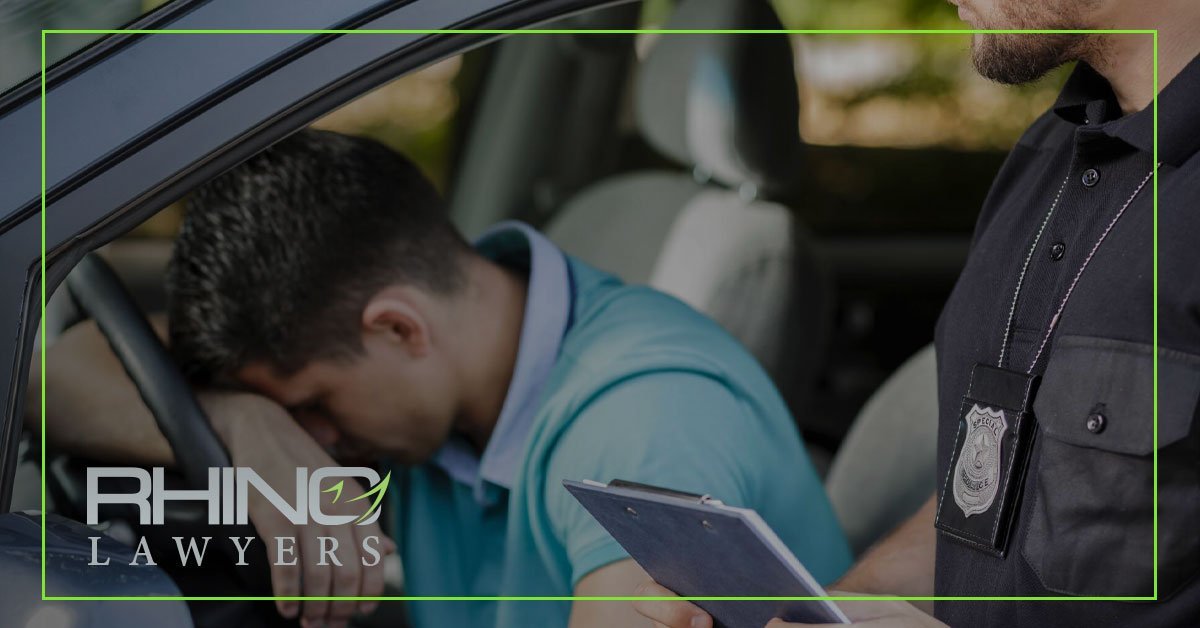
What Should I Say If an Officer Asks If I Have Been Drinking?
If the police have ever stopped you after a fun gathering, you know how badly it can turn the mood around. Suddenly, the drinks you just shared with loved ones can wind up haunting you for a long time. But it doesn’t have to be that way during a DUI stop!
With the right knowledge and responses, you can avoid self-incrimination. You may be able to protect other rights and legal interests in a DUI stop. In this brief guide, learn more about how you can get the best result in a DUI traffic stop.
Legal Contrext for DUI Stops in Florida
Florida’s traffic laws create several penalties for different kinds of DUIs. The charges for simply driving under the influence are slightly different from those when a DUI results in some damage (e.g., DUI with property damage). For this article, we’ll focus on cases where the cops have stopped you without there having been an accident or damage of some kind.
Within the scope of DUIs without any consequential damage, there are multiple blood alcohol concentration (BAC) limits, all of which apply in different scenarios. The main BAC limits are are:
- The standard 0.08% BAC limit applies to drivers older than 21 years old driving for personal transport
- For those under 21, the limit is 0.02% because of Florida’s zero-tolerance policy on underage drinking
- For anyone operating a commercial vehicle, the limit is 0.04%
- For anyone with a 0.15% BAC or higher, there’s a heavier penalty for an aggravated DUI
The police usually test your BAC level with a breathalyzer, but they can also get your BAC from blood or urine samples. However, you don’t have to exceed the limit to face DUI charges.
If you’ve consumed alcohol or any other faculty-impairing substances, you may still show signs of impairment even if your BAC is below the legal limit. Weaving on the road, driving too slow or too fast, and sporadically accelerating and decelerating the vehicle are all signs of this type of impairment.
If the police see these signs, they may stop you and try to administer a field sobriety test. Failing one of these tests can result in charges regardless of your BAC level.
Understanding Your Rights in a DUI Stop
During a DUI stop, the Fifth Amendment protects your right to remain silent, allowing you to avoid self-incrimination. You can politely decline to answer questions about drinking without providing false information. If you have had something to drink, you can refuse to answer questions until you’ve spoken to your attorney.
You are also allowed to refuse the breathalyzer and other chemical tests. However, this can result in severe penalties.
Florida State has an Implied Consent Law, which states that you agreed to follow the law, including submitting to chemical testing, when you got your license.
Refusal to take a breathalyzer test can lead to:
- Having your license suspended for a year for the first refusal (and harsher penalties for subsequent refusals)
- The refusal itself being admissible as evidence against you in trial
While refusal of chemical testing may avoid immediate incriminating results, it can complicate your legal situation. However, the refusal to undergo field sobriety testing has far less severe consequences. However, refusing FSTs may still raise suspicion and be used against you in court as evidence of impairment.
Responses That Can Help Enforce or Protect Your Rights
As a rule, it’s best to stay calm and respectful in all interactions with law enforcement. Maintain a calm demeanor and address the officer politely regardless of whether or not you’ve had something to drink. This can prevent escalating the situation and help the exchange go much smoother.
If you aren’t going to exercise your right to remain silent, you must avoid lying. Inconsistencies will come out in court and be used as evidence against you. Lying to the police during a DUI stop can also be a first-degree misdemeanor (for first-timers) or a third-degree felony (for subsequent cases).
What to Say if You Haven’t Been Drinking
If the police ask whether you’ve been drinking, and you haven’t, then there’s no problem with the simple, honest answer. The police may want to administer a breathalyzer in any case.
There’s no issue with agreeing to a breathalyzer test, as it will confirm you have no alcohol in your system. Refusing the test, despite being sober, could lead to unnecessary complications and harsher consequences
What to Say if You Have Been Drinking
If you have been drinking, it’s crucial to exercise your rights carefully. Politely provide any documents they request, such as your license and registration, while remembering your right to remain silent.
You are not obliged to answer questions about drinking. A response like, “I would like to speak with an attorney before answering any questions,” can protect your interests.
A response like this does not defeat the investigation. Instead, it would likely lead the law enforcement officer to try to rely on other forms of evidence. This could include:
- Administering a field sobriety test
- Administering a breathalyzer test
- Lawful arrest in cases where there’s probable cause (e.g., a strong alcohol smell, erratic driving, failing a field sobriety test)
Although these outcomes aren’t ideal, you get the advantage of not incriminating yourself. There are also strict legal procedures police must follow when taking you into custody and taking chemical specimens for testing. With the right DUI attorney, any break in the procedural chain can be challenged in court.
Protecting Your Rights on Florida’s Roads
Remember that you have rights when questioned by police in a DUI stop. It’s crucial that you exercise these rights while remaining respectful and as compliant with lawful requests as possible. Giving the right answers to traffic stop questions can result in the police letting you go or at least giving you many ways to protect yourself in subsequent legal proceedings.
If you’re looking for the best DUI attorney advice, RHINO Lawyers revolutionize legal services for the modern world with innovative, client-first solutions. We offer prompt, personalized communication and use data-driven strategies for exceptional results. Contáctenos hoy, and let us protect your rights in any DUI case you may face.
CONTACT TAMPA TRAFFIC TICKET ATTORNEY
RHINO Lawyers can help and guide you through a system molded by law enforcement, judges, and lawyers for decades. Having won cases for our clients in similar circumstances, our criminal defense team knows what it takes to fight on your behalf.
Let RHINO Lawyers answer your questions and review the facts of your case with a Free Consultation. So, get started by completing the “Free Instant Case Evaluation” or by calling us any time, day or night, at (844) RHINO-77.
Leer más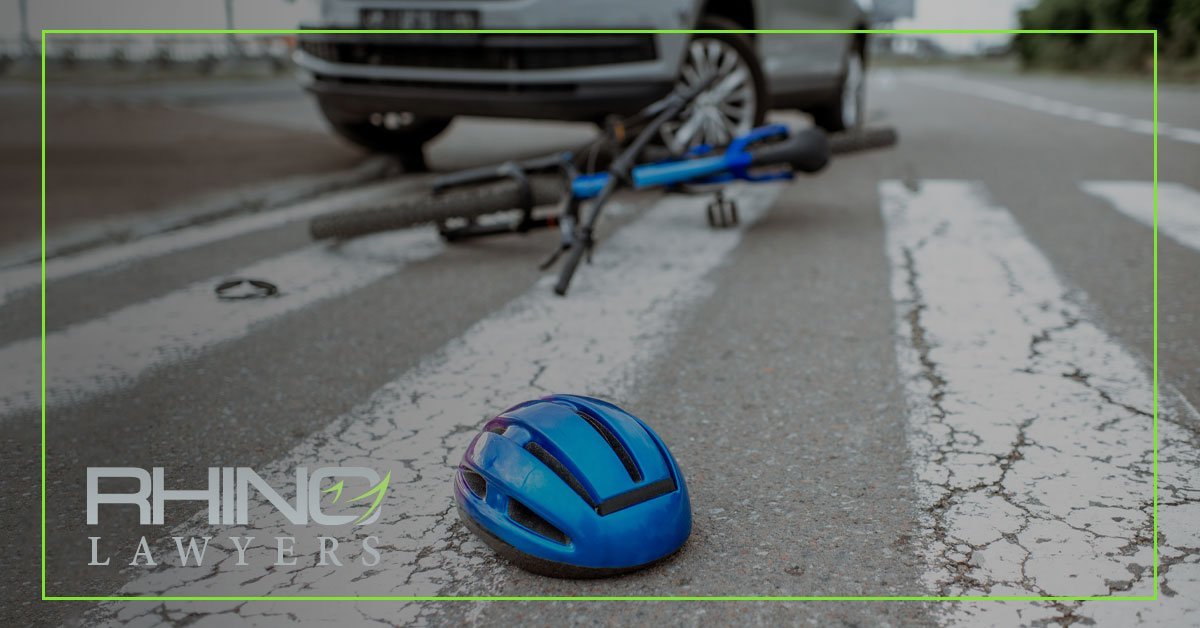
Ways to Avoid Bicycle Accidents as a Driver in Florida
Did you know that Florida leads the nation in bicycle fatalities? According to News4Jax, the state averages 18 bicycle crashes daily. This alarming statistic underscores the critical need for drivers to adopt safer practices to protect cyclists. By enhancing driving habits, we can significantly reduce the risk of and avoid a bicycle accident, ensuring safer roads for everyone.
Today, we’re taking a closer look into essential strategies that drivers can implement to prevent bicycle crashes in Florida, promoting a safer driving environment for all road users.
Understanding Florida’s Unique Bicycle Laws and Road Challenges
Florida has one of the highest rates of bicycle traffic in the country, which makes understanding its laws and challenges critical for drivers. Cyclists have the same rights to the road as vehicles, but their vulnerability means extra care is needed.
There are three primary points to consider:
- Florida’s laws protecting cyclists
- Common road challenges
- The importance of respecting shared road spaces
Florida’s Laws Protecting Cyclists
Florida requires drivers to give cyclists at least three feet of space when passing. The law helps prevent side-swipe accidents, which are a significant cause of injury. Cyclists are also entitled to use the full lane if necessary, especially when conditions are unsafe for riding close to the curb.
Common Road Challenges
Florida’s roads often present obstacles for both drivers and cyclists. Narrow streets in urban areas leave little room for passing safely. Tourists unfamiliar with local traffic patterns can add unpredictability, particularly in popular areas like Orlando or Clearwater Beach.
Respecting Shared Road Spaces
Drivers should treat bike lanes as protected areas and avoid using them for parking or passing. At intersections, be vigilant for cyclists crossing or turning, as they can be harder to see compared to vehicles.
Staying Aware of Cyclists on the Road
Drivers share the road with a wide range of users, and staying alert to cyclists is one of the most effective ways to prevent collisions. Cyclists are more vulnerable than vehicles, making it essential for drivers to remain attentive and take proactive steps to ensure safety. Three key aspects of staying aware are:
- Scanning for cyclists
- Addressing blind spots
- Using mirrors and shoulder checks
Avoiding Cyclist Collisions by Scanning
Cyclists can appear in unexpected places, so scanning your surroundings is a habit every driver should develop. Pay close attention in residential areas, near schools, and at intersections where cyclists are more likely to ride. Many bike lanes are positioned alongside traffic, making it important to check them regularly for approaching cyclists before turning or merging.
Addressing Blind Spots
Blind spots are a significant factor in vehicle-bicycle collisions. Cyclists are often difficult to spot because of their smaller size compared to other vehicles.
Before changing lanes or making a turn, drivers should take extra care to check their mirrors and blind spots. Right turns are especially risky if a cyclist is riding on the right-hand side, so double-checking this area is always a good idea.
Using Mirrors and Shoulder Checks
While mirrors provide a broader view, they can still miss objects in specific areas. Shoulder checks help fill in those gaps, ensuring you don’t overlook cyclists nearby. A quick glance over your shoulder can make a big difference in avoiding accidents, particularly when entering or exiting intersections.
Adopting Safe Passing Practices to Avoid a Bicycle Accident
Passing cyclists safely is one of the most important aspects of sharing the road. Cyclists are vulnerable, and careless passing can lead to severe accidents. To pass responsibly, drivers need to focus on three key practices:
- Maintaining proper distance
- Reducing speed
- Staying patient in difficult situations
Maintaining Proper Distance
Florida law requires drivers to leave at least three feet of space when passing a cyclist. The distance is essential to avoid side-swipe accidents, which are one of the most common types of bicycle crashes.
Cyclists often need to swerve slightly to avoid road hazards, so giving them extra space helps account for any unexpected movement. Drivers should stay in their lane until it’s safe to provide this distance, even if it means waiting for a clear opportunity to pass.
Reducing Speed
Slowing down when passing a cyclist is not just considerate, it’s safer. Passing at high speeds can create wind drafts that destabilize a cyclist.
Lower speeds allow drivers more time to react if the cyclist makes a sudden movement. It also makes it easier to maneuver back into the lane without causing unnecessary risks.
Staying Patient in Difficult Situations
There are times when passing isn’t immediately possible, such as on narrow roads or in heavy traffic. In these situations, patience is essential.
Drivers should avoid honking or rushing the cyclist, as this could startle them and lead to accidents. Waiting for a safe moment to pass shows respect for the cyclist’s safety and prevents unnecessary risks.
Driving Safety in Florida: Education and Awareness
Education and awareness are essential for creating safer roads for cyclists and drivers alike. Understanding how cyclists navigate shared spaces and knowing how to adjust your driving habits can significantly reduce the likelihood of accidents. Drivers who take the time to educate themselves on road-sharing practices contribute to a safer traffic environment.
One way to build awareness is by familiarizing yourself with the basic rights and responsibilities of cyclists. This includes recognizing their need to use the full lane when necessary and understanding the importance of bike lanes. Knowing these basics helps drivers anticipate cyclist behavior and respond appropriately.
Awareness campaigns and safety initiatives also play an important role. Florida often hosts programs designed to promote better interaction between drivers and cyclists. Participating in or learning from these efforts can improve how drivers approach shared road spaces.
Florida Traffic Safety Tips
Avoiding a bicycle accident requires drivers to stay alert, respect cyclists, and adapt to road conditions.
If you’ve been injured in a car-bike accident, car accident, whether rear-ended, t-boned, or as a pedestrian, driver, or passenger, our team is here to help. At RHINO Lawyers, we fight for the best outcome by holding negligent parties accountable and countering insurers’ tactics. With former insurance defense attorney Brandon F. Jones leading our team, we’ll handle the details so you can focus on recovery.
Contact us to learn how we can assist you!
CONTACT A TAMPA AUTO ACCIDENT ATTORNEY
In short, after a bike-car accident, you may not know your rights. Above all, don’t struggle through the process alone. Actually, our equipo de lesiones personales is here to help you with any legal needs you might have regarding your accident.
Lastly, let RHINO Lawyers answer your questions and review the facts of your case with a Free Consultation. So, get started by completing the “Free Instant Case Evaluation” or by calling us any time, day or night, at 844.RHINO.77.
Leer más
Can You Fight a Careless Driving Ticket in Florida?
Nine Americans are killed every day due to distracted or careless driving, according to the CDC.
There’s nothing trivial about careless driving, but it doesn’t always result in a serious injury. If you’ve been charged with careless driving and you either don’t believe it’s valid or the penalty is too harsh, there are actions you can take. With a good Florida driving offense lawyer by your side, you can fight your careless driving ticket and win.
In today’s post, we’ll explain some defense strategies to fight your careless driving ticket in Florida. Keep reading and you’ll be able to protect your driving record against unjust charges.
Careless Driving Charges in Florida
In Florida, careless driving penalties can vary depending on the severity of the offense. Fines are probably the most common penalty, which can range from $100 to $500, depending on the circumstances of the violation. Drivers may also accumulate points on their driving record, which can increase insurance rates and lead to further penalties.
Another consequence of careless driving is the potential suspension of your driver’s license. If you accumulate too many points on your license due to multiple violations, you could face a temporary suspension. For repeat offenders, a license suspension could last for several months or even longer, making it difficult to drive legally.
Careless driving charges can also lead to increased insurance premiums. Insurance companies view drivers with a history of violations as high-risk, leading to higher monthly rates. Over time, this added cost can become a significant financial burden for drivers.
In more serious cases, reckless driving can lead to jail time. This charge typically applies when dangerous driving behavior results in injury or property damage.
Drivers convicted of reckless driving could face huge fines, imprisonment, or both. This is more likely if the offense is particularly severe.
Finally, careless driving can lead to civil liability. If you cause an accident, you may be required to pay for damages or medical bills if the other party sues. These financial consequences, along with legal and criminal penalties, highlight the importance of safe driving.
Not All Careless Driving Is the Same
Careless and distracted driving charges can sometimes be unwarranted, especially if no accidents or injuries occur. In some cases, drivers may have been unfairly ticketed due to a misunderstanding or a minor mistake. For example, a driver may have been momentarily distracted but quickly regained focus without causing harm.
If you believe the charges are unfair, you can fight them with the help of a good attorney. An attorney can help you gather evidence, such as dashcam footage or witness statements, to support your case. This evidence can prove that your driving was not careless or distracted, even if a ticket was issued.
An attorney can also challenge the evidence against you and argue that no laws were broken. They can represent you in court, possibly getting the charges reduced or dismissed. With proper legal support, you may avoid fines, points on your license, or other penalties associated with the charge.
In many cases, fighting an unwarranted charge can help protect your driving record. This can help you prevent costly consequences. Working with an attorney ensures that you have the best chance of a fair outcome.
Strategies for Fighting a Careless Driving Ticket in Florida
As mentioned, the first step in fighting careless driving tickets is hiring a lawyer. With their help, you can employ the following strategies to reduce or even dismiss your ticket.
Question the Officer’s Observations
If you feel you’ve been falsely charged with careless or distracted driving, questioning the officer’s observations can be an effective strategy. Officers may not always have a clear view of the situation or might misunderstand what they see. Challenging their account of the event can cast doubt on the charges.
For example, you can ask if the officer saw the entire event or if any distractions impacted their judgment. You may also question whether they followed proper procedures in issuing the ticket.
An experienced attorney can help you challenge the officer’s observations in court. By highlighting any mistakes or lack of evidence, you can strengthen your case. This strategy may lead to reduced or even dismissed charges.
Demonstrate a Lack of Intent to Cause Harm
Careless driving is usually considered an unintentional act. Showing that you did not mean to harm anyone can help reduce the charge. For example, if you were distracted for a brief moment but quickly regained control, you can explain that there was no intent to endanger others.
You can argue that the situation was simply a mistake by showing that your actions were not deliberate or reckless. This can support your case if you were reacting to an unavoidable situation or did not cause any harm.
A quality attorney can help present this argument in court. They’ll show that the offense was minor and not worthy of severe penalties. Demonstrating a lack of intent can lead to reduced fines or even ticket dismissal.
Provide Evidence of Outside Factors
Presenting evidence of outside factors can help reduce the charge. For example, bad weather or another driver’s actions may have caused the situation, not your driving. If you can show that these factors contributed to the incident, it can make your case stronger.
Evidence like weather reports or dashcam footage can support your argument that the conditions were beyond your control. By proving that external factors played a role, you may be able to have the ticket dismissed.
Get Careless Driving Legal Advice Today
If you’ve gotten a careless driving ticket in Florida that you don’t deserve, it’s time to get proper legal advice. Our mission at RHINO Lawyers is to protect your rights as a driver. You can fight your careless driving ticket, and with the help of our attorneys, you may be able to win.
We’ve helped countless drivers navigate these kinds of situations, and we can help you, too. Contáctenos hoy to schedule a consultation and put your legal woes in the rearview mirror.
CONTACT TAMPA TRAFFIC TICKET ATTORNEY
RHINO Lawyers can help and guide you through a system molded by law enforcement, judges, and lawyers for decades. Having won cases for our clients in similar circumstances, our criminal defense team knows what it takes to fight on your behalf.
Let RHINO Lawyers answer your questions and review the facts of your case with a Free Consultation. So, get started by completing the “Free Instant Case Evaluation” or by calling us any time, day or night, at (844) RHINO-77.
Leer más
5 Tips to Avoid a Careless Driving Ticket
In 2022, distracted and careless driving accounted for 14.1% of fatal crashes, according to the III.
Careless driving is a serious offense and the penalties are severe. Even when the consequences are minor, you could end up with a careless driving ticket that costs you hundreds of dollars. It’s in your best interest to take every precaution to prevent traffic violations that result in careless driving penalties.
Today, we’ll give you 5 tips for avoiding the most severe careless driving consequences. With safe driving practices, you can protect yourself and your driving record. Keep reading and become a better and more alert driver.
1. Silence Your Phone
Drivers should silence their smartphones to avoid careless driving tickets. Phones can distract us with calls, texts, and notifications, taking our focus off the road. Even a quick glance at your phone can lead to accidents.
By silencing your phone, you help stay focused on driving safely. Ignoring your phone’s distractions allows you to remain alert and aware of your surroundings. This reduces the risk of accidents and helps you follow traffic laws, keeping both you and others safe.
2. Keep a Safe Distance
Keeping a safe distance while driving is important to avoid a careless driving fine. Following too closely can lead to accidents, especially if the vehicle in front of you suddenly stops. Maintaining a safe distance gives you more time to react in case of unexpected situations.
Defensive driving helps you stay aware of your surroundings and prepare for potential hazards. By staying alert and anticipating other drivers’ actions, you can avoid making careless mistakes. It also allows you to react calmly if something unexpected happens on the road.
When you practice defensive driving and keep a safe distance, you reduce the chance of accidents. This not only keeps you safe but also ensures you follow traffic laws and avoid driving carelessly.
3. Use Hands-Free Communications
Drivers should use hands-free communication to avoid careless driving charges. Using a phone while holding it can distract you from the road, increasing the risk of accidents. Most new cars come with hands-free driving features, like Bluetooth or voice commands, making it easy to stay connected without taking your hands off the wheel.
By using these features, drivers can make calls, send messages, or use navigation without distractions. These simple tools help you stay focused on the road while still handling important tasks. Using hands-free devices is an easy way to drive safely and avoid careless driving charges.
4. Understand and Follow Local Traffic Laws
Understanding traffic laws is important for every driver to stay safe and avoid penalties. In Florida, careless driving can lead to fines, points on your license, and even a suspended license for repeat offenses. Distracted driving, such as texting while driving, can result in fines and points, making it harder to keep a clean driving record.
In Wisconsin, careless driving can lead to fines and a citation, with the possibility of license suspension for severe cases. Distracted driving, such as talking on a phone without hands-free devices, can also result in penalties, especially for younger drivers.
By understanding these laws, drivers can avoid costly fines and keep their driving records clean. Staying focused, following traffic rules, and avoiding distractions can help you stay out of trouble and keep everyone on the road safe.
5. Pull Over When Navigating/Eating
Pulling over while navigating or eating helps you avoid careless driving charges. Trying to navigate or eat while driving can distract you and reduce your focus on the road. By safely pulling over, you can take care of these tasks without putting yourself or others at risk.
This simple action allows you to stay focused on driving and avoid accidents. It also shows that you’re following the law by not driving while distracted. Taking a moment to pull over ensures safer driving and helps you avoid potential fines or penalties.
Consequences of Careless Driving
Careless and reckless driving can lead to serious legal consequences. In Florida, if you are caught driving carelessly, you could face fines and even license suspension if it’s a repeated offense. Distracted driving, such as texting while driving, can also lead to fines and increased insurance rates.
In Wisconsin, careless driving may result in a citation and/or fines. Drivers caught using their phones while driving without a hands-free device can face additional fines, especially for young or novice drivers. If a distracted driver causes an accident, the penalties could be even more severe, including higher fines and potential jail time.
By following traffic laws and avoiding distractions, drivers can prevent these legal consequences. Staying focused on the road helps ensure safety and protects your driving record from costly penalties.
How to Fight Traffic Tickets
If you receive an unjust careless driving ticket, you have the right to fight it. First, gather any evidence that supports your case, such as dashcam footage, photos of the scene, or witness statements. This evidence can help prove that you were not driving carelessly or distracted.
A good attorney can help you navigate the legal process and present your case effectively. They can help you understand the laws in your state and find the best defense strategy. With their experience, an attorney may be able to get the charges reduced or dismissed entirely.
Fighting an unjust careless driving ticket can help you avoid fines, points on your license, and even potential license suspension or jail time. Having the right evidence and legal support increases your chances of a successful outcome in court.
Let RHINO Lawyers Help with Your Careless Driving Ticket
These tips should help you avoid a careless driving ticket, but everyone has moments of weakness on the road. If you’ve been cited for careless driving, whether it was deserved or not, the best thing to do is hire a qualified attorney to help handle your charges.
En RHINO Lawyers, we’ve helped thousands of drivers with their traffic violations and we can help you too. We’ll ensure you get the best possible outcome for your ticket so you can get back on the road as soon as possible. Contáctenos hoy for a consultation.
CONTACT TAMPA TRAFFIC TICKET ATTORNEY
RHINO Lawyers can help and guide you through a system molded by law enforcement, judges, and lawyers for decades. Having won cases for our clients in similar circumstances, our criminal defense team knows what it takes to fight on your behalf.
Let RHINO Lawyers answer your questions and review the facts of your case with a Free Consultation. So, get started by completing the “Free Instant Case Evaluation” or by calling us any time, day or night, at (844) RHINO-77.
Leer más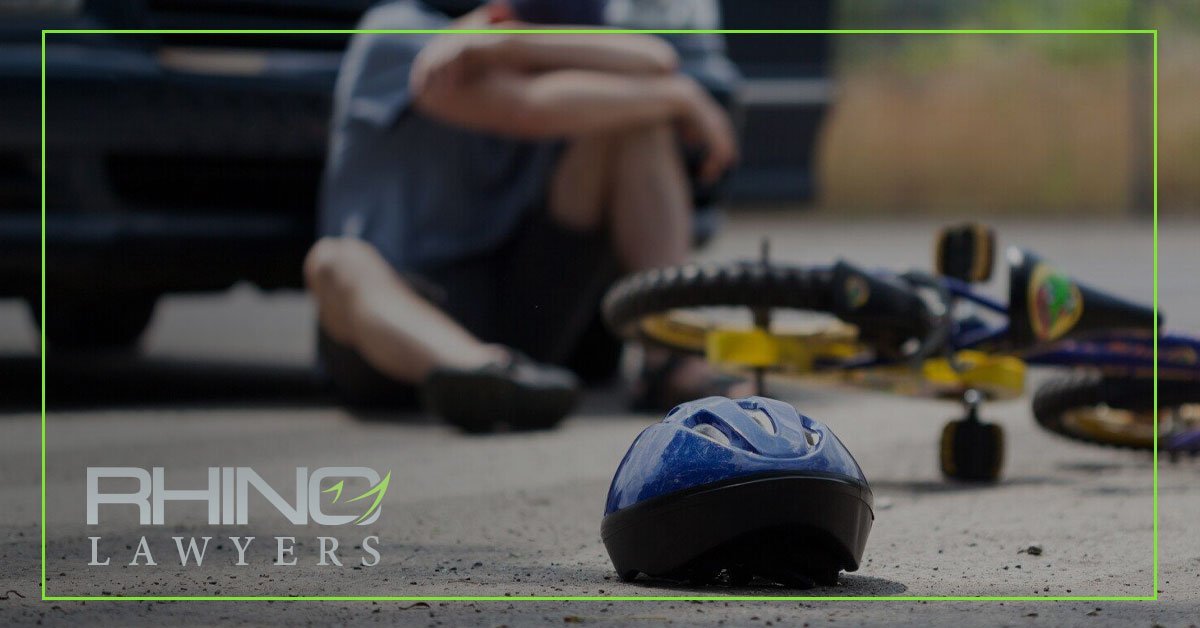
When Do Most Bicycle Accidents Occur?
The Insurance Institute for Highway Safety says that every year, 2% more deaths occur from motor vehicles involving bicyclists. Understanding when a bicycle accident is most likely to happen can help riders and drivers stay safe.
What are the conditions that make some riskier than others? Today we’re taking a closer look into the timing of bicycle accidents, the factors that contribute to them, and practical steps to improve safety.
Understanding Bicycle Accident Trends
Bicycle accidents are influenced by patterns that help reveal why and how they occur. These trends can shed light on the dangers faced by cyclists and inform safer practices. Three key factors shape these patterns:
- The type of collision and its causes
- The setting where accidents are most frequent
- The age groups most at risk
The Type of Collision and Its Causes
Most bicycle accidents involve collisions with motor vehicles, often caused by distracted driving or failure to yield. Cyclists are also at risk from poor road conditions, such as potholes or debris, which can lead to falls or loss of control.
The Setting Where Accidents Are Most Frequent
Urban areas account for the majority of bicycle accidents. Higher traffic volumes, intersections, and a mix of vehicles and cyclists make these settings more dangerous. In contrast, rural areas may have fewer accidents but a higher chance of severe outcomes due to faster vehicle speeds.
The Age Groups Most at Risk
Children and young adults are involved in many bicycle accidents, often due to inexperience or risky behavior. Adults commuting by bike may also face risks, particularly during rush hour or in poorly lit conditions.
When Do Most Bicycle Accidents Happen?
Bicycle accidents are more likely during specific times and under certain conditions. Recognizing these patterns can help cyclists and drivers take precautions. There are three primary factors that determine when accidents are most common:
- The time of day
- The day of the week
- Seasonal and weather conditions
The Time of Day
Bicycle accidents are most frequent during the late afternoon and early evening. It often coincides with rush hour when traffic is heavier, and drivers are more likely to be distracted or fatigued.
Low-light conditions during these hours can also reduce visibility for both cyclists and motorists. Nighttime poses even greater risks, with poor lighting making it harder for drivers to see cyclists.
The Day of the Week
Weekdays generally see a higher number of bicycle accidents. Commuters on bikes share the road with cars during peak traffic hours, creating more opportunities for collisions. On weekends, recreational cycling increases, but these accidents tend to occur on less crowded roads or trails and are sometimes less severe.
Seasonal and Weather Conditions
Summer is the peak season for bicycle accidents. More people ride during warmer months, often for recreation or commuting, increasing the chances of incidents. Rainy or snowy weather can also contribute to accidents, as slippery roads make it harder to control a bike and reduce stopping distances for vehicles.
Key Risk Factors for Bicycle Accidents
Bicycle accidents are often the result of multiple contributing factors that create unsafe conditions for cyclists. Recognizing these risks can help riders and drivers alike reduce the chance of collisions. There are three primary risk factors that play a significant role in bicycle accidents:
- Poor visibility
- Distracted driving and biking
- Unsafe road conditions
Poor Visibility
Low visibility is one of the leading causes of bicycle accidents. It’s especially true during dawn, dusk, or nighttime when lighting is minimal. Rain or fog can make it even harder for drivers to see cyclists, while cyclists without reflective gear or lights are at a greater disadvantage.
Distracted Driving and Biking
Distractions on the road affect both drivers and cyclists. Drivers looking at their phones, eating, or adjusting the radio can miss a cyclist in their path. On the other hand, cyclists distracted by music or their phones may fail to notice cars or pedestrians, increasing their risk of an accident.
Unsafe Road Conditions
Road hazards like potholes, loose gravel, or debris can be especially dangerous for cyclists. Conditions like these make it harder to maintain control and can lead to sudden falls or swerving into traffic. Shared lanes without proper markings or dedicated bike lanes also increase the likelihood of accidents.
Practical Bicycle Safety Tips
Staying safe while cycling requires adopting habits that reduce risks and improve awareness. By taking a few practical steps, cyclists can significantly lower their chances of being involved in an accident. Here are three key areas to focus on:
- Visibility and protective gear
- Following traffic rules
- Choosing safe routes
Visibility and Protective Gear
One of the best ways to stay safe is by making yourself visible to others. Wearing bright or reflective clothing helps drivers spot you during the day and at night.
Adding lights to the front and rear of your bike can further increase your visibility, especially in low-light conditions. A properly fitted helmet is another must-have, offering vital protection in the event of a crash or fall.
Following Traffic Rules
Cyclists are expected to follow the same traffic rules as drivers. It includes stopping at red lights, using hand signals when turning, and riding in the same direction as traffic.
Staying predictable and alert helps drivers anticipate your actions, reducing the risk of collisions. Avoid distractions like headphones or mobile devices to keep your full attention on the road.
Choosing Safe Routes
Whenever possible, stick to bike lanes, trails, or streets with lower traffic volumes. These routes are generally safer and reduce the likelihood of interacting with busy traffic. Planning your ride in advance can help you avoid high-risk areas, such as roads with heavy congestion or poorly maintained surfaces.
Common Accident Times: Biking Safety Measures
Understanding when and why a bicycle accident is likely to occur can help cyclists and drivers make better choices.
If you’ve been injured in an auto-bike accident, speaking with an experienced attorney is crucial. Insurers often try to minimize or deny claims, but RHINO Lawyers know their tactics. Led by Brandon F. Jones, a former insurance defense attorney, we fight for the best outcomes and hold negligent parties accountable.
Get in touch today to find out how we can help with your case!
CONTACT A TAMPA AUTO-Bike ACCIDENT ATTORNEY
In short, after a bike-car accident, you may not know your rights. Above all, don’t struggle through the process alone. Actually, our equipo de lesiones personales is here to help you with any legal needs you might have regarding your accident.
Lastly, let RHINO Lawyers answer your questions and review the facts of your case with a Free Consultation. So, get started by completing the “Free Instant Case Evaluation” or by calling us any time, day or night, at 844.RHINO.77.
Leer más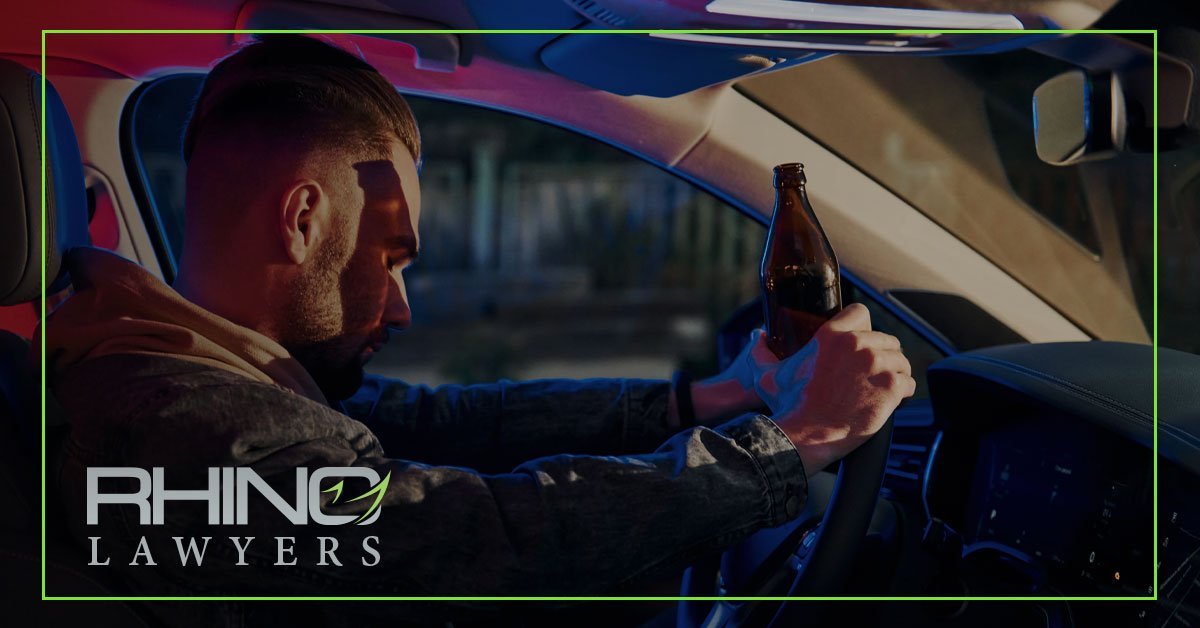
Type of Evidence Collected During a DUI Investigation
Driving while under the influence of alcohol is not only extremely risky for everyone’s safety on the road; it can also be a very expensive mistake. A first-time offense can cost the driver $10,000 in fines and legal fees. Law enforcement takes even minor DUI offenses very seriously.
If you or someone you know is facing a DUI charge in Florida, it’s essential to understand the evidence that law enforcement and investigators rely on to make a case. In this article, we’ll break down the key components of the DUI investigation process and the types of evidence needed for a DUI conviction.
The Basics of DUI in Florida
In Florida, DUI is defined as operating a vehicle while impaired by alcohol or drugs or having a blood alcohol concentration (BAC) of 0.08% or higher. It’s important to recognize that impairment doesn’t just hinge on a specific BAC level. Even if your BAC is below 0.08%, you can still be charged if law enforcement believes your ability to drive is compromised.
The Initial Traffic Stop
Everything begins with the traffic stop. Officers are trained to recognize signs of impaired driving. Common indicators include:
- Erratic Driving: Swerving, sudden stops, or driving too slowly can all raise suspicion
- Traffic Violations: Running a stop sign or a red light can catch an officer’s attention and lead to a stop
Once a driver is pulled over, the officer will observe behavior and physical signs that could indicate impairment.
Signs of Impairment
During the initial interaction, officers look for several telltale signs:
- Physical Appearance: This includes bloodshot eyes, slurred speech, and a disheveled appearance. If you’ve had too much to drink, your demeanor will likely change, and officers are trained to notice this.
- The odor of Alcohol: The smell of alcohol can be a significant factor. If an officer detects the scent of alcohol, it often leads to further questioning and potential field sobriety tests.
- Behavioral Indicators: Officers will also assess how a driver behaves. Are they overly talkative? Nervous? Confused? These behaviors can contribute to an officer’s suspicion of impairment.
Field Sobriety Tests
If the officer believes there’s probable cause, they may request field sobriety tests (FSTs). These tests are designed to assess physical and mental abilities. The most common include:
- Horizontal Gaze Nystagmus (HGN): This test checks how well a driver’s eyes track a moving object. Impaired individuals may struggle to follow the movement smoothly.
- Walk-and-Turn Test: This assesses balance and coordination. The driver is asked to take a series of steps in a straight line, turn, and return.
- One-Leg Stand: Here, the officer evaluates the driver’s balance by having them stand on one leg for a period.
While these tests can provide valuable information, they are not foolproof. Factors such as age, physical condition, or even anxiety can impact performance. This is why the context of these tests is so critical.
Breath and Blood Tests
Following a suspected DUI arrest, officers often administer breath tests. Breathalyzers measure BAC levels and are a key piece of evidence. If a driver refuses to take the test, Florida law imposes penalties, including a one-year license suspension.
For those suspected of drug use, blood tests may be conducted. These tests can detect a wide array of substances, providing a clearer picture of what might impair a driver’s abilities.
Documentation: The Backbone of Evidence
One of the most critical aspects of a DUI case is the documentation created by the officer. This record is essential for establishing a chain of events leading to the arrest. Key elements often include:
- Time and Location of the Stop: This context helps frame the entire situation
- Observations Made by the Officer: Detailed notes on the driver’s behavior and responses can be pivotal
- Results from Field Sobriety Tests: The officer’s observations during these tests can significantly impact the case
- Breath or Blood Test Results: These provide quantifiable evidence of impairment
All of this documentation becomes vital in court, where the prosecution must prove their case beyond a reasonable doubt.
Witness Statements
Witnesses can play an invaluable role in DUI cases. If someone observed the driving behavior leading up to the stop, their testimony can either corroborate or contradict the officer’s account. This evidence can be crucial in building a defense or undermining the prosecution’s case.
Challenges in Proving DUI
Prosecutors bear the burden of proof in DUI cases, and they must establish impairment beyond a reasonable doubt. However, several factors can complicate this process:
Subjectivity of Evidence: The nature of field sobriety tests and officer observations can be subjective. What one officer sees as impairment, another might not.
Medical Conditions: Certain medical conditions can mimic signs of intoxication, making it difficult to prove impairment definitively.
Environmental Factors: Conditions such as poor lighting or uneven surfaces can affect performance during field tests, leading to questions about their validity.
Defense Strategies: Defense attorneys can argue issues like the legality of the traffic stop or the reliability of the tests, further complicating the prosecution’s case.
The Consequences of a DUI Conviction
The implications of a DUI conviction can be severe. In Florida, penalties vary based on prior offenses. A first-time offender may face:
- Fines: Ranging from $500 to $2,000
- Jail Time: Up to six months in jail for a first offense
- License Suspension: A minimum six-month suspension, with potential for a longer period
Repeat offenders face harsher penalties, including longer jail terms and larger fines. Beyond the legal ramifications, a DUI can have lasting impacts on employment prospects, insurance rates, and personal relationships.
Understanding the Evidence Needed for DUI Conviction
Understanding the evidence needed for a DUI conviction in Florida is no small feat. The evidence collected during the investigation plays a pivotal role in determining the outcome. From initial traffic stops to field sobriety tests and breathalyzer results, each component can influence the case’s trajectory.
En RHINO Lawyers in Tampa, our team understands the nuances of Florida law and can challenge the evidence presented by the prosecution. We can argue the validity of the traffic stop, question the reliability of FSTs, and negotiate plea deals that might minimize the consequences.
With innovative strategies and a fresh approach to the legal landscape, we’re dedicated to providing you with the best possible defense. Contáctenos hoy for a free consultation and take the first step towards regaining control of your future!
CONTACT TAMPA TRAFFIC TICKET ATTORNEY
RHINO Lawyers can help and guide you through a system molded by law enforcement, judges, and lawyers for decades. Having won cases for our clients in similar circumstances, our criminal defense team knows what it takes to fight on your behalf.
Let RHINO Lawyers answer your questions and review the facts of your case with a Free Consultation. So, get started by completing the “Free Instant Case Evaluation” or by calling us any time, day or night, at (844) RHINO-77.
Leer más
Who Is Liable for Florida Emergency Vehicle Accidents?
Daytona Beach has more car accidents than any other Floridian city.
Accidents involving emergency vehicles in Florida can be complex and distressing. Given the urgency of emergency responders, Florida traffic laws provide protections for them.
Still, this doesn’t pardon emergency service vehicles of all responsibility. Liability in such cases hinges on emergency vehicle regulations and accident liability laws.
Read on to learn who may be liable for Florida emergency vehicle accidents, how Florida traffic laws influence these cases, and more.
Taking Stock of Florida Traffic Laws for Emergency Vehicles
Florida law offers specific rules and exemptions for emergency vehicles to help ensure responders can reach those in need as quickly as possible. Based on Florida traffic laws, emergency vehicles are permitted to break standard traffic regulations under certain conditions. For example, they may exceed speed limits, run red lights, and bypass stop signs during emergencies. Still, these exemptions come with strict stipulations.
Use of Audible and Visual Signals
Emergency vehicles must activate lights and sirens when taking advantage of traffic exemptions. Doing this serves as a warning to other drivers, allowing them to take appropriate action, such as yielding the right of way.
Duty of Care Requirement
Even though emergency responders are allowed to bypass some traffic regulations, they must exercise a reasonable degree of care to avoid unnecessary harm to others. This means they are not permitted to drive recklessly, even in the line of duty.
The “Move Over Law” requires drivers to yield to emergency vehicles with active lights and sirens. Drivers must either move over a lane or, if unable to do so safely, reduce their speed to allow emergency vehicles to pass. Failure to comply can result in citations for the drivers involved and increases the risk of accidents, for which they may bear partial liability.
Accident Liability Involving Florida Emergency Vehicles
While emergency vehicles have certain privileges under Florida traffic laws, they are not immune to liability in an accident. Determining liability in these cases depends on multiple factors.
Was the Emergency Vehicle on Duty?
If an emergency vehicle was responding to an emergency at the time of the accident, liability considerations would differ from cases where the vehicle was not on duty. When an emergency vehicle is responding to a call, it’s often afforded more legal protection due to the nature of the work. Still, if the vehicle was off-duty or not in emergency mode, it must abide by the same traffic laws as any other vehicle.
Did the Emergency Vehicle Have Lights and Sirens Activated?
In Florida, emergency vehicles must activate their sirens and flashing lights when disregarding standard traffic laws. Failure to do so may render the emergency vehicle driver partially or wholly liable for any resulting accident, as this could be deemed a breach of duty of care. If an emergency responder fails to use these warnings, other drivers may not be expected to yield or take evasive action.
Was the Emergency Vehicle Driving Recklessly?
Although emergency vehicles have certain legal protections, they must avoid “reckless disregard for the safety of others.” If an emergency responder behaves in a way that endangers other road users, liability may fall on the emergency services department or the responder.
Did the Civilian Driver Obey the Move-Over Law?
Civilian drivers are required to yield to emergency vehicles when lights and sirens are active. Failure to move over or slow down may lead to a shared or even sole liability for an accident. If a driver doesn’t follow the Move Over Law and an accident occurs, they could be held responsible.
Who Can Be Held Liable in Emergency Vehicle Accidents?
In Florida, liability for emergency vehicle accidents can fall on multiple parties. It depends on the factors involved in the crash.
Emergency Responder
If an emergency responder is found to have acted with reckless disregard for safety, they or their agency may be held liable for damages. For instance, a responder who runs a red light without signaling or drives at an excessively high speed might be held responsible.
Government or Municipality
Often, the employer of the emergency responder may be liable if the responder was operating within the scope of their duties. Under Florida’s sovereign immunity laws, there are certain limitations on claims against government entities. Consulting a legal professional can help clarify these complex limitations.
Civilian Driver
If the civilian driver failed to yield, violated the Move Over Law, or acted negligently in some other way, they could be held partially or wholly liable. In some cases, liability may be shared between the driver and the emergency vehicle operator.
Legal Rights After Accident
If you are involved in an accident with an emergency vehicle in Florida, understanding your legal rights is critical. Be sure to take the right steps to protect yourself and get compensation.
Receive Medical Attention
Even if you feel fine immediately after the accident, injuries can manifest later. Prompt medical documentation will also support any future legal or insurance claims.
Account for All Evidence
Gather as much evidence as possible from the scene, including witness statements. Details such as whether the emergency vehicle had its lights and sirens on can be crucial.
Speak to a Legal Professional
Navigating accident liability in Florida, especially with emergency vehicles, can be complicated. Consulting a legal professional experienced in Florida road accident guidance can make all the difference.
What Compensation Is Available?
If you are involved in an accident with an emergency vehicle, compensation may be available for various damages. Still, anything you receive can be reduced by your specific fault percentage.
In cases where an emergency responder or agency is found liable, there may be limitations on compensation due to Florida’s sovereign immunity laws.
Emergency Service Vehicles Are Not Above the Law
While emergency service vehicles have exemptions, they can still be responsible for car accidents.
RHINO Lawyers puts our passion and experience into every case. We excel in car accidents, traffic tickets, medical malpractice, and more.
You can count on us in both Florida and Wisconsin. Don’t wait to discuss your potential case with the RHINO Lawyers today.
CONTACT A TAMPA AUTO ACCIDENT ATTORNEY
In short, after a car accident, you may not know your rights. Above all, don’t struggle through the process alone. Actually, our equipo de lesiones personales is here to help you with any legal needs you might have regarding your accident.
Lastly, let RHINO Lawyers answer your questions and review the facts of your case with a Free Consultation. So, get started by completing the “Free Instant Case Evaluation” or by calling us any time, day or night, at 844.RHINO.77.
Leer más
Common Myths and Misconceptions in Florida DUI Cases
Approximately 37 people die daily due to drunk driving in the US, according to the National Highway Traffic Safety Administration. One of the main reasons why such statistics are so high is the myths around DUI cases.
Prosecutors or the police can use these myths and misconceptions if you’re facing Florida DUI charges. They can make you believe you are at fault even if you’re innocent.
Learn more about the myths about DUI cases and what you need to defend yourself.
You Can Only be Charged With a DUI Case if You’re Over the Legal Limit
Driving with a Blood Alcohol Concentration (BAC) of 0.08 is illegal in most states in America, including Florida. Many believe that being over the legal limit is an automatic conviction in a Florida DUI case.
A lawyer can help you understand how the calculation of BAC and if you’re in trouble with the law. Experienced auto accident lawyers help you win DUI cases if your BAC exceeds 0.08.
Another myth related to the BAC is that you can’t get in legal trouble if it’s lower than 0.08. However, a police officer can still charge you with a DUI case if they feel that your driving is partially or fully impaired by alcohol.
Other myths related to BAC include:
- Eating food reduces your blood alcohol concentration level
- Low levels of BAC don’t cause impairment
- You can beat the breathalyzer using gum, mouthwash, or mints
Don’t let a BAC level of 0.08 or higher discourage you from giving up a defense. Legal help can help you understand the options available and how we can win your case.
Refusing a Breathalyzer Saves You From a DUI Conviction
Another common myth related to DUI cases is that you won’t get a conviction if you don’t take the breathalyzer. After a night of drinking, you may be aware that your blood alcohol level is over the legal limit of 0.08%. Deciding not to take a breathalyzer test can’t save you from a DUI conviction.
The act of refusal will attract a one-year license suspension. If you’re a habitual traffic offender, and it’s your second refusal to a breathalyzer, the suspension will last 18 months.
Besides, you can still get charged with a DUI offense, and your refusal of a breathalyzer will be used against you. So, what can you do if you suspect your BAC is over the legal limit? Talk to a DUI lawyer to understand your options and learn the best DUI defense strategies.
You Can’t Face DUI Charges or an Arrest If You Aren’t Driving
It may not make sense that you can still face Florida DUI charges even if you aren’t driving. But the truth is that DUI charges extend beyond the act of driving. DUI covers the actual physical control and operation of a car if you’re under the influence.
Under the law, operating a vehicle refers to sleeping or being in the driver’s seat even if the engine isn’t running. You may also get charged with a DUI if the keys are within reach but not in the ignition.
Once arrested, the Florida DUI penalties you can expect if convicted of a DUI offense include the following:
- Fines ranging from $500 to $5,000
- Jail time
- Loss of your car through impounding
- Probation and community service
Florida DUI lawyer tips can help you minimize the penalties you may face after a DUI case.
You Can Sober Up Fast
Sobering up fast is another common myth vehicle operators have clung to for a long time. The truth is time is the only way you can get sober or reduce your BAC below the legal limit. Some of the activities many believe can speed up sobering are:
- Drinking coffee
- Taking a shower
- Physical exercise
- Eating food before or after drinking
Doing all these won’t help you sober up quickly. They also don’t negate alcohol’s ability to impair your driving. The best course of action is to give your body time for alcohol to get absorbed and metabolized.
Only Drinking Alcohol Can Lead to DUI Charges or Arrest
Perhaps you don’t drink, but you find yourself charged with a DUI case. The charge will stand if the reason for your impairment is legally prescribed medications. Medications such as antidepressants and painkillers can significantly impair your judgment.
So, driving under the influence can attract a DUI charge or even the more serious Driving While Intoxicated (DWI) charge. Luckily, Florida only uses driving under the influence charge.
Getting legal representation can help you avoid the legal consequences associated with a conviction. Florida law provides for more severe fines or penalties after subsequent DUI charges.
You Must Submit to a Field Sobriety Test
One of the main misconceptions about DUI laws is that drivers must always submit to field sobriety tests. Florida law allows drivers to accept or refuse field sobriety tests. However, refusing to take field sobriety tests may get used as evidence against you.
Submitting to field sobriety tests may also put you at a disadvantage. This is due to factors such as these:
- Weight and age
- Physical injuries
- The weather or prevailing conditions
A Florida lawyer can help you understand DUI case facts that can help you create a solid defense. This is especially important if it is an out-of-state DUI charge.
You Don’t Need a Lawyer in a Florida DUI Case
Many drivers wrongly believe that they don’t need a lawyer if they’re charged with a DUI case. Such a belief may be fueled by the misconception that DUI charges don’t have severe consequences.
However, you face severe consequences if you’re found guilty of a DUI offense. A DUI is not a minor offense; you need a lawyer to help you navigate the complex legal landscape.
Get Legal Help to Beat Florida DUI Cases Today
A DUI charge can be stressful due to the potential Florida DUI penalties have in derailing your life. Relying on your knowledge to handle such cases is ill-advised. This is because of the many myths and misconceptions about DUI cases.
RHINO Lawyers can help you understand the facts about your case. We will guide you on how the legal system works and create effective DUI strategies. Contact us today to get a free consultation.
CONTACT TAMPA TRAFFIC TICKET ATTORNEY
RHINO Lawyers can help and guide you through a system molded by law enforcement, judges, and lawyers for decades. Having won cases for our clients in similar circumstances, our criminal defense team knows what it takes to fight on your behalf.
Let RHINO Lawyers answer your questions and review the facts of your case with a Free Consultation. So, get started by completing the “Free Instant Case Evaluation” or by calling us any time, day or night, at (844) RHINO-77.
Leer más
Shoulder Impingement After a Florida Car Crash
In the general population, shoulder impingement is one of the most common complaints, affecting up to 65% of all shoulder issues, according to data from Medscape. If you’ve been in a Florida car crash, you may be facing this painful condition without realizing the full impact on your life.
Let’s dive into the specifics of shoulder impingement, its symptoms, and what victims of auto accidents can do to protect their health and their rights.
Understanding Shoulder Impingement
A shoulder impingement occurs when the tendons and soft tissues in the shoulder get pinched between the bones. This compression leads to:
- Inflammation
- Pain
- Restricted movement
Car accidents frequently cause shoulder injuries, often as a result of sudden forceful impacts. Whether from a side collision or an airbag deployment, your shoulder might endure stress that develops into impingement over time. Understanding the root causes can help in recognizing when to seek medical help and how to move forward.
Causes of Shoulder Impingement After Car Crashes
Shoulder impingement can occur from various forces during a car crash. Here are some common causes to be aware of:
- Direct impact injuries: A powerful blow to the shoulder, often from airbags or the car door, can damage the shoulder structure.
- Whiplash effects: The snapping motion of your upper body can impact the rotator cuff and surrounding tissues.
- Seat belt pressure: Seat belts save lives, but the restraint force during an accident can also create shoulder compression.
Symptoms to Watch For
Delayed symptoms are common with Florida car accident injuries. What may feel like mild discomfort immediately after the crash could worsen over days or weeks. Symptoms of shoulder impingement include:
- Persistent, dull ache: Usually in the front or outer side of the shoulder, making everyday activities painful.
- Limited range of motion: Activities such as lifting your arm or reaching behind you become increasingly difficult.
- Muscle weakness: A feeling of heaviness or inability to perform regular tasks like carrying a bag or lifting groceries.
- Sharp, stabbing pain: Especially when moving your shoulder or performing overhead movements.
Ignoring these signs can lead to chronic conditions that severely impact your long-term mobility and quality of life. Timely intervention is crucial to ensure a full recovery.
Diagnosing Shoulder Impingement
Diagnosing shoulder impingement requires a thorough evaluation by a medical professional. Here are the common methods used to identify this injury:
- Physical examination: Doctors evaluate your shoulder’s movement, looking for pain, swelling, or any signs of weakness.
- Imaging techniques: X-rays help rule out bone fractures, while MRIs or ultrasounds can reveal soft tissue damage.
- Strength and flexibility tests: These assessments determine how the injury has affected your shoulder’s functionality.
Effective Treatment Options
Recovering from a shoulder injury often requires a combination of therapies. Medical professionals may suggest a tailored treatment plan that includes:
- Rest and immobilization: Keeping the shoulder still can reduce inflammation and allow tendons to heal.
- Physical therapy: Targeted exercises to strengthen the shoulder and regain flexibility.
- Pain relief techniques: Anti-inflammatory medications and the strategic use of ice packs can ease discomfort.
- Steroid injections: These can provide temporary relief from severe pain and reduce inflammation.
- Surgery: Reserved for cases where non-invasive treatments fail, surgery may be needed to decompress the shoulder or repair torn tendons.
Each case is unique; consulting with a specialist is the best way to decide which treatment path to take.
Shoulder Injury Recovery Tips
Healing from a shoulder impingement injury takes time. The following shoulder injury recovery tips can aid in your journey:
- Stay consistent with treatment
- Practice gentle movements
- Focus on posture
- Incorporate low-impact exercises
Preventing Further Complications
Managing your recovery responsibly can prevent further damage. Some crucial steps include:
- Adhering to follow-up appointments
- Avoiding re-injury
- Exploring alternative therapies
Common Misunderstandings About Shoulder Impingement
Many car accident victims have misconceptions about shoulder impingement. Understanding the truth can help prevent long-term complications.
The Pain Will Disappear on Its Own
Many people believe their pain will eventually subside. However, untreated car accident shoulder pain can lead to lasting complications.
I Can Work Through It
Pushing through pain can lead to irreversible damage. Rest and proper treatment should never be compromised.
It’s Just a Bruise
Shoulder pain might be more severe than it appears. Comprehensive medical exams are necessary to rule out serious injuries.
The Legal Side of Shoulder Impingement
Accidents in Florida come with both medical and legal challenges. Legal help for shoulder impingement is often necessary to cover the following:
- Treatment expenses
- Lost wages
- Ongoing therapy costs
RHINO Lawyers focuses on representing victims of Florida car accident injuries and understand the ins and outs of the state’s personal injury laws.
Why Seek Legal Assistance?
Insurance companies often downplay shoulder injuries from car crashes. They might try to settle for less or argue that your injury isn’t serious. Having experienced attorneys on your side ensures you get fair compensation.
Here’s what a qualified lawyer, like those at RHINO Lawyers, can do for you:
- Evaluate your case: Analyze accident details, medical reports, and pain levels to make a strong claim.
- Negotiate with insurers: An attorney advocates for the full compensation you’re entitled to.
- Handle the paperwork: From filing claims to gathering evidence, legal professionals manage the complexities of the process.
- Litigation if necessary: RHINO Lawyers are prepared to take your case to court if a fair settlement can’t be reached.
The Unique Approach of RHINO Lawyers
RHINO Lawyers are based in Florida and have a proven track record of helping accident victims get the justice they deserve. They understand the physical, emotional, and financial toll of shoulder injuries and offer personalized service to support your case. With a deep understanding of Florida laws, they know what it takes to fight for maximum compensation.
Schedule Your Free Consultation After a Florida Car Crash
If you’re dealing with shoulder problems from a Florida car crash and need exceptional legal assistance, don’t delay. Your health and financial stability are too important to leave to chance.
Contacto RHINO Lawyers today to learn how they can help you through your recovery and legal claim. Taking the first step toward securing your future is easier than you think, and it starts with a free consultation.
Don’t wait. Schedule your no-obligation consultation now and let RHINO Lawyers advocate for your rights, ensuring you get the support you need to move forward.
CONTACT A TAMPA AUTO ACCIDENT ATTORNEY
In short, after a car accident, you may not know your rights. Above all, don’t struggle through the process alone. Actually, our equipo de lesiones personales is here to help you with any legal needs you might have regarding your accident.
Lastly, let RHINO Lawyers answer your questions and review the facts of your case with a Free Consultation. So, get started by completing the “Free Instant Case Evaluation” or by calling us any time, day or night, at 844.RHINO.77.
Leer más