

DVT: A Common Car Accident Complication
Millions of Americans are injured in car accidents every year, with many facing complications that go beyond the immediate aftermath. One lesser-known but serious complication is deep vein thrombosis (DVT). Which can develop after a traumatic injury like those sustained in a car crash.
Here at RHINO Lawyers, we understand how overwhelming these situations can be, especially when unexpected conditions like DVT arise. Our goal is to ensure that victims receive the care and compensation they deserve.
In this guide, we’ll explore how DVT can develop after a severe car crash, the risks involved, and how our legal team can help you secure justice.
What Is Deep Vein Thrombosis?
Deep Vein Thrombosis (DVT) is a condition that occurs when a blood clot forms in one of the deep veins in the body, usually in the legs. These clots can cause swelling, pain, and redness in the affected area.
While some clots may dissolve on their own, others can break off and travel through the bloodstream, potentially causing life-threatening complications like a pulmonary embolism, where the clot reaches the lungs.
DVT is often associated with prolonged immobility, which can occur during long car rides or hospital stays after a car accident. When the blood flow slows down or is restricted, clots are more likely to form. This makes it essential to monitor for any signs of DVT, especially after a traumatic event like a car accident.
Early detection is crucial, as it can prevent the clot from growing or causing more severe complications down the line.
DVT Risk Factors After a Car Accident
Several risk factors increase the likelihood of developing DVT after a car accident and one of the most significant is immobility. After an accident, many victims are confined to bed rest or have reduced mobility due to injuries, which can cause blood to pool in the legs. The longer a person remains immobile, the higher the risk of DVT.
Injuries to the veins themselves can also trigger DVT. Trauma to the lower body, such as fractures or deep bruising, can damage blood vessels, leading to clot formation.
Additionally, certain pre-existing conditions, such as obesity, heart disease, or a history of blood clots, can heighten the risk of developing DVT. Even lifestyle factors, such as smoking, may contribute to an increased risk.
Properly understanding these risk factors is essential for anyone recovering from a car accident. If you’re facing prolonged immobility or severe injuries, it’s vital to watch for DVT symptoms and seek medical care immediately.
Symptoms of DVT to Be Aware Of
Recognizing the signs of DVT early can be life-saving following a car accident. One common symptom is swelling in one leg, particularly in the calf.
This swelling may be accompanied by pain or tenderness, which often worsens when standing or walking. Additionally, the skin over the affected area may appear red or feel warm to the touch.
Another sign of DVT is leg cramping or a heavy, achy sensation in the leg. It’s important to note that DVT can sometimes occur without obvious symptoms, making it crucial to be aware of any changes in your body, especially after a car accident.
Diagnosing and Treating DVT After a Car Accident
Diagnosing DVT after a car accident involves a medical professional assessing your symptoms and medical history. Tests such as an ultrasound, D-dimer test, or venography are commonly used to detect the presence of blood clots. These tests help doctors determine the location and severity of the clot.
Treatment typically includes anticoagulant medications to prevent the clot from growing or new clots from forming. In severe cases, thrombolytic therapy or surgery may be required to remove or break up the clot.
Early diagnosis and treatment are key to preventing complications like pulmonary embolism, where a clot travels to the lungs and becomes life-threatening.
Legal Rights and Compensation for DVT Injuries
If you develop DVT after a car accident, you may be entitled to compensation for your lost wages and medical bills, as well as pain and suffering.
Since DVT is a serious condition that can lead to long-term complications, it’s crucial to hold the responsible party accountable. Proving that your DVT was caused by the accident can strengthen your case.
En RHINO Lawyers, we have the necessary experience to support your claim. Insurance companies often try to minimize payouts, but with legal representation, you stand a better chance of securing a fair settlement.
If DVT leads to further complications, such as a pulmonary embolism, you could be entitled to additional compensation. Our team will fight for you to ensure all damages are considered.
We’re Here to Help Following a Severe Car Crash
When dealing with the complications of DVT after a car accident, having the right legal team on your side is essential. RHINO Lawyers brings a unique blend of experience and passion to each case. Ensuring that our clients receive the justice and compensation they deserve.
Our team understands the complexities of post-accident injuries like DVT and works diligently to prove that your condition was caused by the accident.
As noted above, insurance companies are notorious for downplaying claims and attempting to settle for less than what you are owed. We are not intimidated by insurance tactics. In fact, we have extensive experience negotiating. And when necessary, taking cases to trial to ensure our clients are treated fairly.
We take pride in our results. Having recovered millions for our injured clients and our proven track record speaks for itself. If you are suffering from DVT after an accident, trust RHINO Lawyers to fight for your rights and secure the compensation you deserve.
Get Compensation for Car Crash Injuries
The bottom line is that a severe car crash can lead to unexpected complications like DVT, making your recovery more difficult. If you’ve been in a severe accident and are experiencing unusual symptoms, it’s crucial to seek medical attention immediately.
En RHINO Lawyers, we are here to support you through every step of your legal journey. Our experienced team will fight to get you the compensation you deserve. Contact us today for a free consultation and learn how we can help with your case.
CONTACT A TAMPA AUTO ACCIDENT ATTORNEY
In short, after a car accident, you may not know your rights. Above all, don’t struggle through the process alone. Actually, our equipo de lesiones personales is here to help you with any legal needs you might have regarding your accident.
Lastly, let RHINO Lawyers answer your questions and review the facts of your case with a Free Consultation. So, get started by completing the “Free Instant Case Evaluation” or by calling us any time, day or night, at 844.RHINO.77.
Leer más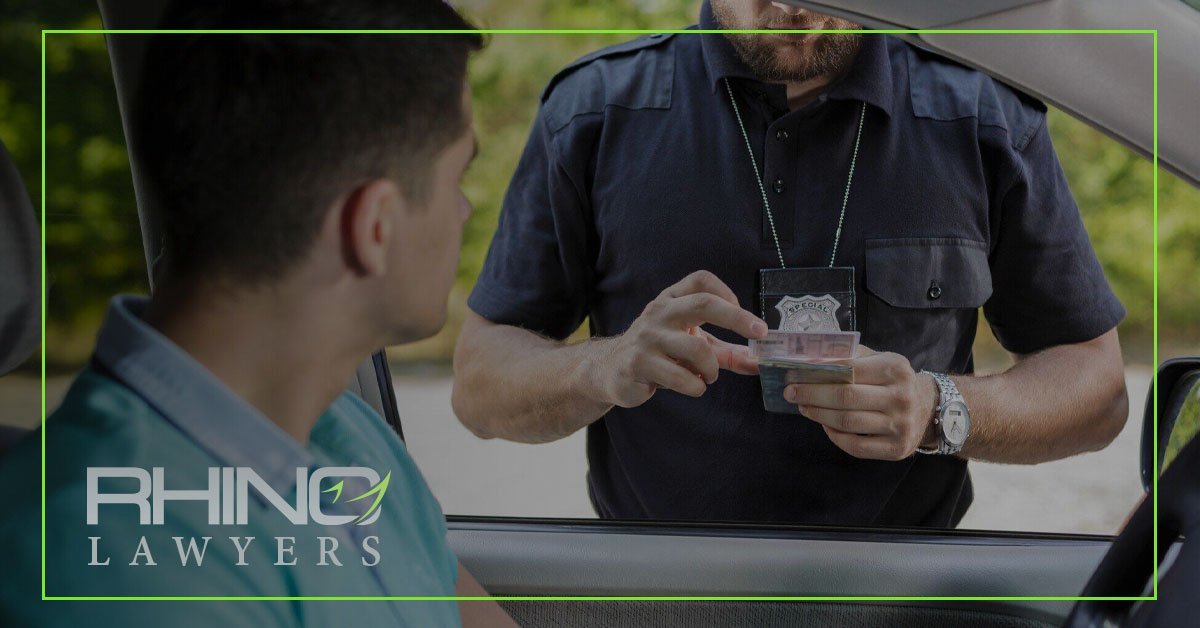
Don’t Take it Lightly: Why a Careless Driving Ticket Deserves Your Attention
Receiving a careless driving ticket might not seem like a big deal at first. However, what seems like a small issue can quickly escalate into serious problems if you choose to ignore it. Failing to address a careless driving ticket can:
- Impact your driving record
- Lead to higher insurance rates
- Affect your legal right to drive
Are you wondering what is careless driving? We’ve got you covered as we explore this topic and discuss why a careless driving ticket should never be ignored. Keep reading to find out what steps you can take to avoid driving penalties and ensure your safety and that of others on the road.
What is Careless Driving?
Careless driving is a broad traffic violation that refers to driving a vehicle without regard for the safety of others or property. It can include actions such as:
- Speeding
- Tailgating
- Failing to stop at a red light
Unlike reckless driving, which involves intentional dangerous behavior, careless driving is usually unintentional but still creates a risk on the road. Careless driving tickets are often issued when a driver’s actions fall short of reckless driving but still pose a danger. The specific definition of careless driving varies by state, but it generally involves a failure to follow basic traffic rules or driving in a way that could cause harm to others.
Why You Must Not Ignore a Careless Driving Ticket
Many drivers underestimate the seriousness of a careless driving ticket. Ignoring this can lead to severe consequences that go beyond just paying a fine. Here’s why you need to take it seriously:
Fines
Careless driving tickets often come with hefty fines. The amount can vary by state, and the circumstances surrounding the violation, but fines can easily reach hundreds of dollars.
Points on Your License
In many states, a careless driving conviction adds points to your driving record. Having too many points can lead to a license suspension or even mandatory driving courses.
Increased Insurance Premiums
Insurance companies view careless driving as a red flag. If you’re convicted of this offense, you can expect your insurance premiums to rise significantly.
Court Appearances
In some cases, a careless driving ticket may require you to appear in court. Failing to show up for a scheduled court appearance can lead to additional penalties, including possible arrest warrants. In rare and severe cases, such as if your careless driving resulted in serious injury or death, you could face jail time.
The penalties for careless driving differ depending on where you live, but they generally involve a combination of fines, points on your license, and possibly even jail time for repeat offenders or severe cases.
How to Avoid Driving Penalties
Facing a careless driving ticket doesn’t mean you are stuck with the maximum penalties. You can take steps to address the situation and potentially reduce the impact. Here are some options to consider:
1. Address the Ticket Promptly
The first and most important step is to address the ticket as soon as you receive it. Failing to respond can lead to more penalties, including increased fines, license suspension, and even arrest warrants. Pay the fine if that’s an option, or contest the ticket if you believe you were wrongly accused.
2. Attend Traffic School
In some states, you may be able to attend a defensive driving course or traffic school to have the points from a careless driving ticket removed from your record. This is often available for first-time offenders and can help lower the impact on your driving record and insurance rates.
3. Hire Legal Representation
If you believe the ticket was issued unfairly or are facing severe penalties, seeking legal advice is a good idea. A skilled traffic attorney can help you contest the ticket, negotiate reduced penalties, or even have it dismissed, especially if your driving record is at risk.
Traffic attorneys are trained in handling traffic law and can represent your best interests in court. With their knowledge of local laws and strategies, they can work to lower penalties and help you avoid costly consequences. Getting legal advice ensures you have the support needed to achieve the best possible outcome.
4. Contest the Ticket in Court
If you believe the ticket was issued in error or if you have evidence to support your case, you may be able to contest the ticket in court. This could involve proving that you were not driving carelessly or that the officer mistakenly issued the ticket. However, contesting a ticket can be complicated, so getting legal advice is advisable before taking this step.
5. Keep a Clean Driving Record
Avoiding future tickets is the best way to protect your driving record. Obey traffic laws, drive cautiously, and avoid distractions while driving. A clean driving record keeps your insurance premiums low and demonstrates responsible driving behavior.
Long-Term Impact of Careless Driving Convictions
A careless driving conviction can have long-term effects on your life beyond the immediate penalties. For instance:
Job Implications
Certain jobs, especially those that involve driving, may require you to have a clean driving record. A careless driving conviction can, therefore, limit your employment opportunities.
Car Insurance
As mentioned, insurance companies view careless driving convictions negatively. You may see an increase in your premiums or even have difficulty finding coverage.
License Status
Multiple traffic violations, including careless driving, can result in the suspension or revocation of your driver’s license. Driving with a suspended license carries additional penalties and can make everyday life difficult.
Understanding What Is Careless Driving
What is careless driving? It is a serious offense that can lead to major problems if not addressed correctly. Understanding the importance of dealing with this can protect you from any negative impacts on your driving record and insurance rates. Stay aware and take action to keep your driving record clean.
Do you need assistance with a careless driving charge? At RHINO Lawyers, you will receive fast and reliable service from an experienced team that knows how to get the job done. Contact us today to learn how Tampa’s leading auto injury and traffic attorneys can manage careless driving consequences.
CONTACT TAMPA TRAFFIC TICKET ATTORNEY
RHINO Lawyers can help and guide you through a system molded by law enforcement, judges, and lawyers for decades. Having won cases for our clients in similar circumstances, our criminal defense team knows what it takes to fight on your behalf.
Let RHINO Lawyers answer your questions and review the facts of your case with a Free Consultation. So, get started by completing the “Free Instant Case Evaluation” or by calling us any time, day or night, at (844) RHINO-77.
Leer más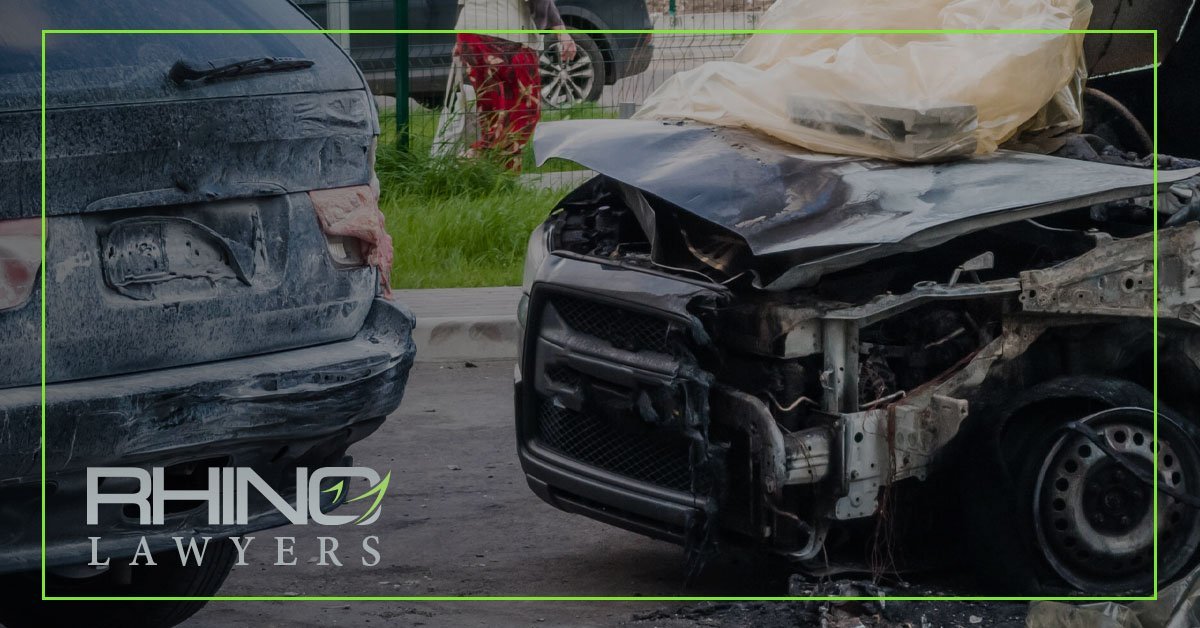
Why Auto Injury Claims Get Rejected and How to Avoid It
Filing an auto accident injury settlement claim can feel overwhelming, especially when you’re dealing with the stress of recovery. Unfortunately, many valid claims get rejected for avoidable reasons, leaving victims without the compensation they deserve.
If you’ve been in an auto accident, knowing why claims are denied and how to avoid these pitfalls could make all the difference in your settlement. Don’t let a simple mistake cost you. Keep reading to uncover the most common reasons auto accident injury claims are rejected and how you can secure the compensation you’re entitled to.
Lack of Coverage for Specific Claims
One of the most frequent causes for claim denials is that your insurance policy doesn’t cover the type of claim you’ve filed. If you only have liability insurance, it covers damages to others when you’re at fault, but it won’t cover your own injuries or vehicle repairs. For example, without personal injury protection (PIP) or medical payment coverage, claims for your injuries may be denied.
Another potential reason for claim rejection is if the driver involved in the accident is excluded from your policy. If someone not listed on your policy drives your car during the accident, your insurer may refuse to cover the claim.
Failure to Report the Accident on Time
Insurance companies often have strict deadlines for reporting accidents. If you fail to report the incident within the required timeframe, your claim might be denied, even if it’s otherwise valid. Reporting delays make it harder for insurers to investigate the accident, which can raise suspicion.
Incorrect or Incomplete Documentation
Another common indicator for rejecting auto accident injury claims is incomplete or incorrect paperwork. The claims process requires detailed documentation, including medical reports, police records, and accident details. Missing even a single document can slow down your claim or cause outright rejection.
How to Avoid It:
Ensure that all documents related to the accident are collected and organized. This includes:
- Police reports
- Witness statements
- Medical bills
- Vehicle damage assessments
Double-check all forms for errors. Simple mistakes, like misspelled names or incorrect dates, can lead to delays or rejections.
Delayed Medical Treatment
After an auto accident, get medical attention immediately, even if your injuries seem minor. Waiting too long to see a doctor can weaken your claim, as the insurer may argue that your injuries either were not caused by the accident or are less severe than you have reported.
Visit a doctor as soon as possible after the accident to get an accurate diagnosis of your injuries. Keep all medical records and receipts to prove the extent of your injuries and the treatments received.
Failure to Follow Medical Advice
Adjusters review your medical documentation to determine how severe your injuries are. If they notice that you haven’t followed your doctor’s treatment plan, they may reject your claim, arguing that your failure to comply shows that your injuries aren’t as serious as stated.
How to Avoid It:
Always follow your doctor’s orders for treatment and recovery. This includes attending all follow-up appointments and taking prescribed medications. Document your treatment plan and recovery process to show that you’re doing everything possible to recover from your injuries.
Lack of Evidence of Fault
Establishing who was at fault in an auto accident is vital for securing a settlement. Your claim could be denied if you cannot provide enough evidence to prove the other driver was responsible. In certain cases, the insurance company might argue that you may be partially or fully at fault, reducing or eliminating your settlement.
How to Avoid It:
Get evidence from the accident scene. This includes taking enough photos of:
- All the vehicles
- Any visible injuries
- Road conditions
Get contact information from witnesses and request their statements to support your case during the claims process.
Pre-existing Injuries
Insurance companies often scrutinize claims for pre-existing injuries, arguing that the injuries you’re claiming compensation for were not caused by the accident. They may claim the injuries were pre-existing conditions, reducing your compensation eligibility.
Be upfront about any pre-existing conditions during your medical evaluation. This transparency will prevent the insurance company from accusing you of hiding information. Medical reports should explain the distinction between old injuries and the new trauma caused by the accident.
Discrepancies in Your Statements
Consistency in your statements is crucial when filing a car accident injury settlement claim. It could raise red flags if your story changes between the:
- Accident report
- Your medical records
- Your interactions with the insurance company
Insurance adjusters will look for any discrepancies to reduce or reject your claim.
How to Avoid It:
When discussing the accident and your injuries, stick to the facts. Avoid guessing or exaggerating details. Make detailed notes of the accident and your injuries so you can give consistent information throughout the claims process.
Expired Statute of Limitations
Every state has a time limit or deadline for filing an auto accident injury compensation claim. Victims of auto accidents, whether in car, trucking, or motorcycle accidents, should be aware of these time limits to protect their rights to compensation. If you miss this deadline, the system will most likely deny your claim, no matter how strong your case is.
Find out the statute of limitations for filing an auto accident claim in your state, and make sure to file well before the deadline. Talk to an attorney soon after the accident to ensure you file your case within the appropriate timeframe.
Reasons for Auto Accident Injury Settlement Denials
Dealing with the auto accident claims process can be challenging, with various reasons leading to claim denials. Understanding these reasons can help you secure a successful auto accident injury settlement. Your path to fair compensation starts with being proactive and making a solid claim.
RHINO Lawyers can help you get the right answers to make the best decision about your rejected auto injury claims. We offer immediate assistance by analyzing your case to guide you through the process, and our team will set you on your journey toward fair car accident compensation. For bold representation and results, contact us today.
CONTACT A TAMPA AUTO ACCIDENT ATTORNEY
In short, after a car accident, you may not know your rights. Above all, don’t struggle through the process alone. Actually, our equipo de lesiones personales is here to help you with any legal needs you might have regarding your accident.
Lastly, let RHINO Lawyers answer your questions and review the facts of your case with a Free Consultation. So, get started by completing the “Free Instant Case Evaluation” or by calling us any time, day or night, at 844.RHINO.77.
Leer más
What to Do if Your Teen is Arrested for DUI: 7 Key Steps
Discovering that your teen has been arrested for a DUI (Driving Under the Influence) can be a heart-wrenching experience. As a parent, it’s natural to feel overwhelmed and uncertain about what to do about a teen DUI. This situation brings immediate legal concerns and emotional and long-term implications for your child’s future.
Knowing what steps to take is essential for navigating this difficult time. It ensures you provide your teen with the best support while addressing the legal challenges head-on. This guide will walk you through seven crucial steps to help you manage the situation effectively while protecting your teen’s future.
Keep reading for information on where to find the best teen arrest legal help in Tampa.
1. Stay Calm and Gather Information
Initially, parents might experience shock or disbelief upon learning about their teen’s DUI arrest. They may have trouble processing the news and understanding how it happened. However, staying calm and focused is essential as you must collect all the relevant information about the arrest, such as:
- Details on why the teen was pulled over, and any specifics about the incident that led to the stop
- Find out the teen’s blood alcohol concentration (BAC) level at the time of the arrest
- Get the specific charges filed, such as DUI or underage drinking
- Review the police report for details on the arrest, including any field sobriety tests conducted and statements made
- Get the arrest record, which includes information about the date and location of the arrest
- Collect any legal documents related to the case, such as citation tickets and court summons
- If applicable, gather statements from any witnesses or the events leading up to it
- Document the teen’s version of the events, including their actions and any interactions with law enforcement
Detailed information will help you better understand the situation and assist your legal team in developing a defense strategy.
2. Understand the DUI Charges
Teenage DUI consequences can be severe and can change according to local laws and case specifics. Generally, these may include:
- Fines and penalties
- License suspension
- Community service
- Jail time
Understanding these potential penalties helps you prepare for what’s ahead and plan accordingly.
3. Hire a Qualified Attorney
Securing a lawyer focusing on DUI cases involving minors is crucial. Choose a lawyer known for their successful case outcomes. Here’s how a skilled lawyer can help your case:
Professional Guidance
They can give valuable insights and solutions suited to the specific aspects of your teen’s case. Beyond legal representation, a good attorney will offer support and advice on how to handle the situation. They can help you understand court procedures, what to expect at each stage, and how to prepare for hearings and trials.
Develop a Defense Strategy
Your lawyer will work to create a defense strategy based on the details of the case. This may include:
- Negotiating plea deals
- Challenging evidence
- Exploring alternative sentencing options
Their goal is to minimize the impact of the charges on your teen’s future.
Protect Your Teen’s Rights
They will advocate in court on your teen’s behalf, ensuring that they receive a fair hearing and that potential errors or injustices are addressed.
If the case results in a conviction or plea deal, the attorney can help with post-trial issues, such as:
- Appealing the decision
- Handling probation terms
- Addressing any further legal or administrative requirements
4. Review and Prepare for Court
Preparation for the court is vital. Work with your attorney to collect any relevant evidence that might support your teen’s case, such as character references or mitigating factors.
Develop and practice any statements or testimonies that will be presented in court. Familiarize yourself with the court process, including what to expect during hearings and trials.
Proper preparation can significantly impact the case outcome and help your teen navigate the legal proceedings effectively.
5. Support Your Teen Emotionally
A DUI arrest can be emotionally overwhelming for a teenager, and providing emotional support is essential. Support your teen in sharing their feelings and concerns. Listen without judgment and offer reassurance.
Demonstrate responsible behavior in alcohol use and driving. Your actions set a powerful example for your teen. Share with your teen how you make decisions about alcohol and driving and the reasons behind your choices.
Emotional support from family can positively influence how your teen handles the legal process and their overall well-being.
6. Consider Rehabilitation or Counseling
Depending on the case, enrolling your teen in a rehabilitation or counseling program might be beneficial. This can:
- Address underlying issues
- Show responsibility
Research local programs specializing in adolescent substance abuse and consult your attorney for recommendations.
Clearly outline the rules on alcohol use, driving, and curfews. Make sure your teen understands the importance of following these rules. Explain what behavior is acceptable and the consequences of not following the rules, and get professional help to do this if needed.
7. Educate Them on Teenage Dui Consequences
Educating your teen about the long-term effects of a DUI conviction is crucial. Have an open and honest conversation about the impact of a DUI on college admissions, scholarship opportunities, and future job opportunities.
A criminal record can affect their driving record and insurance rates, and helping them understand the consequences can motivate them to take responsibility and make better decisions in the future. Understanding the potential outcomes makes teens more likely to avoid risky behavior.
Education about the dangers of substance abuse and its effects on health can motivate teens to adopt healthier habits and avoid substance use. Education will give them skills like:
- Critical thinking
- Problem-solving
Final Tips for Teen DUI Cases
Navigating a teen DUI case can be challenging. Effectively addressing this involves a combination of legal preparation, supportive parenting, and proactive guidance. Start by understanding the charges and legal process and find a qualified attorney to guide you on this.
When faced with teen DUI charges, consult with the experienced team at RHINO Lawyers for tailored advice and support. We use industry-leading trends and proven strategies to achieve the most favorable settlements for our clients. Reach out now to book a consultation and take the first step toward resolving your teen’s case.
CONTACT TAMPA TRAFFIC TICKET ATTORNEY
RHINO Lawyers can help and guide you through a system molded by law enforcement, judges, and lawyers for decades. Having won cases for our clients in similar circumstances, our criminal defense team knows what it takes to fight on your behalf.
Let RHINO Lawyers answer your questions and review the facts of your case with a Free Consultation. So, get started by completing the “Free Instant Case Evaluation” or by calling us any time, day or night, at (844) RHINO-77.
Leer más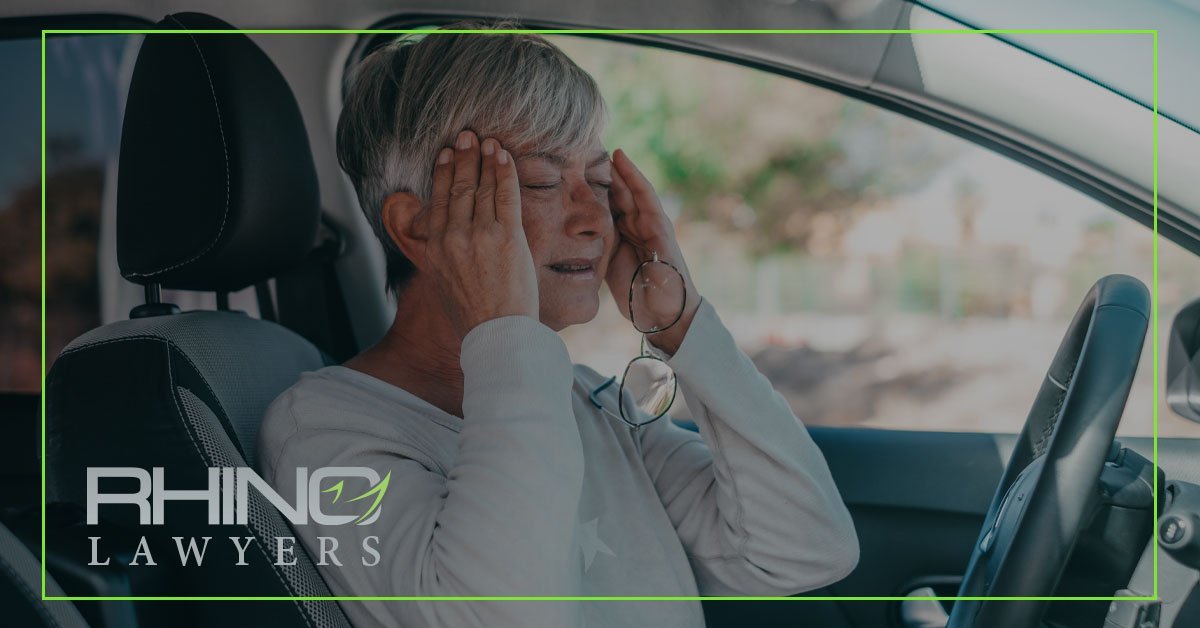
Are Migraines a Factor in Car Accident Risks for Seniors?
According to the CDC, elderly drivers have higher crash death rates than middle-aged drivers. But how many of these accidents are potentially due to health issues like migraines?
Today we’re taking a closer look into how migraines could be a significant factor in senior car accident risks, exploring how these headaches might impair driving abilities and contribute to the dangers on the road for elderly drivers.
Understanding Migraines in the Elderly
Migraines in seniors may not follow the same patterns seen in younger individuals. As people age, the intensity of migraines can lessen, but the frequency might increase.
Elderly individuals often experience migraines without the severe headache that typically defines the condition. Instead, they may suffer from more visual disturbances or dizziness.
Even when the pain is less intense, other symptoms of migraines can still be disabling. Visual disturbances, such as light flashes or blind spots, are common. Sensitivity to light and sound, as well as dizziness, can also occur.
Symptoms can severely impact daily activities, making concentrating or completing tasks difficult. For elderly drivers, these effects can be particularly dangerous, as they may impair vision and reaction times.
The Potential Impact on Daily Activities Like Driving
As people age, their physical abilities tend to decline. There are three primary risks associated with elderly drivers:
- Slower reaction times
- Vision impairments
- Medication side effects
Slower Reaction Times
As people age, their physical abilities tend to decline. It includes slower reflexes and reaction times, which are critical when driving.
A delay in response, even by a fraction of a second, can make the difference between avoiding a collision and being involved in one. The issue is especially concerning for elderly drivers who may not have the agility to quickly adapt to sudden changes on the road, such as unexpected stops or pedestrians crossing.
Vision Impairments
Vision tends to deteriorate with age. Conditions like cataracts, glaucoma, and macular degeneration can make it harder for seniors to see clearly, especially in low light or at night.
The impairments can lead to difficulties in reading road signs, judging distances, or noticing hazards in time. Even if a senior’s vision is only mildly affected, it can still increase the risk of accidents, particularly in challenging driving conditions.
Medication Side Effects
Many seniors take medications to manage various health conditions. Some of these medications can cause side effects like drowsiness, dizziness, or confusion, all of which can impair driving abilities.
The combination of these side effects with other age-related issues, such as slower reaction times or vision problems, can further elevate the risk of car accidents. It’s important to understand how these factors interact to increase the overall danger on the road for elderly drivers.
The Impact of Migraines on Driving Abilities
Migraines can severely impact driving abilities in several ways. Here are three primary ways:
- Cognitive Impairment
- Vision Problems
- Delayed Reactions
Cognitive Impairment
Migraines often come with cognitive symptoms that can make it difficult to concentrate or think clearly. For elderly drivers, this cognitive fog can lead to dangerous situations on the road.
When a person is unable to focus fully, they may miss important cues, such as traffic signals or the actions of other drivers. The lack of attention can result in poor decision-making, increasing the likelihood of accidents.
Vision Problems
Vision problems are a common symptom of migraines. These can include blurred vision, double vision, or even temporary blindness in one eye. For any driver, these symptoms would be alarming, but for elderly drivers, they can be especially dangerous.
Even a momentary lapse in vision can prevent a driver from seeing obstacles, pedestrians, or other vehicles. The risk is heightened when driving in poor weather conditions or at night when visibility is already compromised.
Delayed Reactions
Migraines can slow down reaction times, which is a critical factor when driving. A driver experiencing a migraine might be slower to brake, swerve, or accelerate in response to changing road conditions.
For elderly drivers, whose reaction times may already be slower due to age, this delay can be even more pronounced.
Preventative Measures for Senior Car Accidents
Taking steps to manage migraines and reduce the risk of accidents is important for elderly drivers. There are three key approaches that seniors can take:
- Managing Migraine Triggers
- Planning for Migraine Episodes
- Evaluating Driving Habits
Managing Migraine Triggers for Elderly Drivers
One of the best ways to prevent migraines is to identify and manage their triggers. Seniors should keep a journal to track what might cause their migraines, such as certain foods, stress, or lack of sleep.
By understanding what triggers their migraines, they can take steps to avoid these factors, reducing the likelihood of experiencing a migraine while driving. Regular check-ups with a healthcare provider can also help in adjusting treatments to better manage these triggers.
Planning for Migraine Episodes
It’s essential for senior drivers to have a plan in place for when a migraine does occur. If a senior feels the onset of a migraine while driving, they should pull over safely and wait until the symptoms subside before continuing.
Carrying medication and knowing how to use it effectively can also help in managing symptoms quickly. Planning routes that avoid heavy traffic or dangerous driving conditions can further reduce risks.
Evaluating Driving Habits
Seniors should regularly assess their driving abilities, especially if they suffer from migraines. It includes being honest about how migraines affect their driving and whether they should consider limiting driving during certain times of the day or in specific conditions.
In some cases, it may be wise to consider alternative transportation options, particularly if migraines are frequent or severe. Consulting with a healthcare provider can help in making these decisions, ensuring that seniors stay safe on the road.
Migraine-Related Accidents
Elderly drivers face unique challenges, especially when migraines are a factor.
En RHINO Lawyers, we’re proud to be a forward-thinking law firm in Tampa that has been pioneering a tech-driven legal experience for several years. And this might just be because our leadership team is comprised of Millennials. We are a high-tech, high-touch law firm that will communicate with you quickly, just the way you want to communicate with us.
Get in touch with us today to find out how we can help with your legal needs!
CONTACT A TAMPA AUTO ACCIDENT ATTORNEY
In short, after a car accident, you may not know your rights. Above all, don’t struggle through the process alone. Actually, our equipo de lesiones personales is here to help you with any legal needs you might have regarding your accident.
Lastly, let RHINO Lawyers answer your questions and review the facts of your case with a Free Consultation. So, get started by completing the “Free Instant Case Evaluation” or by calling us any time, day or night, at 844.RHINO.77.
Leer más
Mobile Devices and Car Accidents in Florida: What You Need to Know
Every 44 seconds, a life-altering event takes place on Florida’s roads. According to the Florida Department of Highway Safety and Motor Vehicles, in 2023 alone, nearly 300 people in Florida died due to distracted driving, a significant increase from the previous year.
The growing reliance on mobile devices has made distracted driving a leading cause of accidents in the state. The risk of using a mobile phone while driving cannot be overstated. As these devices become integral to our daily lives, understanding their impact on road safety becomes increasingly crucial.
Mobile devices have revolutionized communication, but their use behind the wheel can have devastating consequences. If you or someone you know has been in an accident due to a distracted driver, you may need the help of a distracted driving accident lawyer.
This guide will explore the impact of mobile devices on car accidents in Florida, discuss the relevant laws, provide car accident statistics, and offer road safety tips to keep you and others safe.
The Impact of Mobile Devices on Florida’s Roadways
The convenience of mobile devices often tempts drivers to use them while on the road. Whether texting, making calls, or using GPS, brief moments of distraction can lead to severe accidents.
In 2023, nearly 300 fatalities were attributed to distracted driving in Florida, highlighting the urgent need for greater awareness and stricter enforcement of distracted driving laws.
How Mobile Phones Contribute to Distracted Driving
Distracted driving occurs when a driver’s attention is diverted from the primary task of driving. Mobile phones are one of the leading causes of distracted driving.
They demand visual, manual, and cognitive attention, which should be focused on the road. When drivers look at their phones for just five seconds at 55 mph, they travel the length of a football field without seeing the road.
Florida driving safety is compromised when drivers use their phones. Common distractions include:
- Texting or emailing while driving
- Making phone calls, even hands-free
- Using social media or browsing the internet
- Taking photos or videos
- Using GPS or map applications without proper setup before driving
Each activity takes the driver’s focus away from driving, increasing the likelihood of an accident.
Florida’s Distracted Driving Laws
Florida has implemented laws to combat the rising threat of distracted driving. The Wireless Communications While Driving Law, enacted in 2019, prohibits drivers from using handheld wireless communication devices while driving in certain areas.
Below are a few key points regarding distracted driving laws.
Texting While Driving Is Illegal
Texting while driving is illegal for all drivers in Florida. It is a primary offense, meaning you can be pulled over solely for texting while driving.
Prohibition of Handheld Phone Use in School and Work Zones
Handheld phone use in school and work zones is strictly prohibited. Violations can result in fines and points on your driving record.
Despite these laws, enforcement can be challenging, and many drivers continue to use their phones, leading to preventable accidents.
Car Accident Statistics in Florida
The numbers tell a compelling story about the dangers of distracted driving in Florida. In addition to the nearly 300 deaths due to distracted driving in 2023, numerous other accidents resulted in severe injuries and property damage.
According to the CDC, “Nine people in the United States are killed every day in crashes that involve a distracted driver.” This statistic underscores the importance of staying focused while driving and the potentially life-saving role of a distracted driving accident lawyer in securing justice for victims.
Car accident statistics reveal that distracted driving is a significant contributor to traffic accidents, and the numbers have been steadily increasing over the years. The widespread use of mobile devices is a leading factor in these disturbing trends.
Mobile Phone Driving Risks
The risks associated with using mobile phones while driving are numerous and well-documented. These risks include:
- Increased Reaction Time: Using a phone slows down your reaction time, making it harder to respond to sudden changes on the road
- Reduced Situational Awareness: When you’re focused on your phone, you’re less aware of your surroundings
- Impaired Judgment: The cognitive load of using a phone while driving can impair your decision-making ability, leading to poor driving choices
Road Safety Tips for Florida Drivers
Practicing safe driving habits is essential to protect yourself and others on the road. Here are some road safety tips to help you avoid the dangers of distracted driving:
- Put Your Phone Away: Place your phone out of reach before driving, such as in the glove compartment or back seat
- Use Technology to Your Advantage: Enable the “Do Not Disturb” feature on your phone to prevent notifications from distracting you while driving
- Prepare Before You Drive: Set up your GPS and review your route before driving to avoid fiddling with your phone while on the road
- Pull Over Safely: If you must make a call or send a text, pull over to a safe location before using your phone
- Educate Passengers: If you’re driving with others, let them know you must focus on the road and avoid distractions
How a Distracted Driving Accident Lawyer Can Help
If you’ve been involved in an accident caused by a distracted driver, contacting a distracted driving accident lawyer is crucial in protecting your rights. RHINO Lawyers can provide the expertise and guidance needed to navigate the complexities of personal injury law in Florida.
A distracted driving accident lawyer can assist you in several ways:
- Investigating the accident
- Negotiating with insurance companies
- Representing you in court
RHINO Lawyers, based in Florida, understand the unique challenges faced by victims of distracted driving accidents. Our extensive experience can help you secure the compensation you deserve.
Schedule a Free Consultation With a Distracted Driving Accident Lawyer
Mobile devices have become integral to our lives, but their use while driving poses significant risks. Florida driving safety is compromised when drivers allow their phones to distract them, leading to devastating accidents.
If you or a loved one has been affected by a distracted driving accident, don’t navigate this challenging time alone. A distracted driving accident lawyer from RHINO Lawyers can help you understand your rights and pursue the compensation you need to move forward.
Schedule a free video consultation with RHINO Lawyers today, and take the first step towards justice and recovery.
CONTACT A TAMPA AUTO ACCIDENT ATTORNEY
In short, after a car accident, you may not know your rights. Above all, don’t struggle through the process alone. Actually, our equipo de lesiones personales is here to help you with any legal needs you might have regarding your accident.
Lastly, let RHINO Lawyers answer your questions and review the facts of your case with a Free Consultation. So, get started by completing the “Free Instant Case Evaluation” or by calling us any time, day or night, at 844.RHINO.77.
Leer más
How to Stop DUI Charges on Vacation in Florida From Following You Home
It’s estimated that there are approximately 135.02 million visitors to Florida each year. When you take a trip to the Sunshine State, you likely imagine many things: beach trips, nights out on the town, and amusement parks. However, what you likely don’t picture is getting a DUI charge. Unfortunately, this is more common than you’d think with Florida tourists. Many visitors drink while they visit the state and all it takes is one unlucky encounter to get a DUI in Florida.
So how exactly do out-of-state DUI charges work in Florida? And is there anything you can do to stop them? In this guide, we’ll answer these questions so you can deal with this stressful situation as soon as possible.
Can a Florida DUI Charge Follow You Home?
Many drivers have the unfounded hope that because their vacation DUI charges occurred in another state, they will stay in that state.
Unfortunately, that’s just not the case. Depending on the state you live in there are a variety of ways that Florida traffic police can relay your record and charges back home. Specifically, this is due to things like:
- Non-resident Violator Compact of 1997
- Driver License Compact
- The National Driver Register
These interstate agreements can get confusing quickly. However, all you need to know is that once you get charged with a DUI one way or another, it will make its way back to your home state’s Department of Motor Vehicles.
What Are the Consequences of DUI in Florida?
As Florida DUI laws note, the out-of-state DUI consequences for even first-case impaired driving can be quite strict. For starters, if convicted, you will have your license suspended for at least one hundred eighty days.
You will face fines that range between $500 to $5,000, as well as mandatory driver education. In addition, you also need to worry about:
- Out-of-pocket expenses from court fees or traveling
- Jail time
- Community service
- Ignition interlock device
- Probation
Additionally, a DUI conviction will remain on your permanent record for up to seventy-five years. Because of this, you must do everything in your power to fight the DUI charge in Florida.
What Should You Do During the Arrest?
When you’re stopped by an officer after drinking and driving, you should make sure to be calm and respectful. You must provide them with documents like your license, insurance, and registration.
That being said, once they start asking questions like where you were, or whether you’ve been drinking, we encourage you to remain silent. It’s your right to do so.
And keeping quiet during this point of the arrest can help ensure you don’t say anything incriminating. After refusing to speak, the officer will likely ask for a breathalyzer. Now comes the big question: should you take a breathalyzer if you know you’ve been drinking?
Refusing a breathalyzer in Florida can have some big consequences. Specifically, it results in automatic license suspension. As such, we generally recommend that you take the sobriety test.
Even if things are bad (you blow over a .16%) the consequences are still comparable to refusing to blow the test in the first place.
And, as we’ll see, breathalyzer evidence isn’t always reliable. So if it’s done incorrectly, there’s a chance you might be able to get your case dropped.
How Can You Stop DUI Charges?
There are a variety of DUI defense strategies you can use in Florida. You might argue that the results of the breathalyzer aren’t accurate. Breathalyzers frequently give incorrect readings, so this is a popular route to go.
You might also challenge the validity of other field sobriety tests that were issued. Another strategy is to challenge whether or not the traffic stop was even legal in the first place.
Regardless of the strategy you use, you’re going to need a DUI lawyer. These professionals know all the ins and outs of getting certain types of evidence dismissed. If you try to represent yourself, you’ll almost surely fail at avoiding DUI penalties.
How to Navigate the Court Process When You Live Out-of-State
One of the biggest hassles of an out-of-state DUI trial is that they take place in the state and county where the arrest occurred. That means that you’ll likely need to travel back to the state to navigate the court process.
This isn’t always necessary. Sometimes, attendance might not be mandatory. However, it usually looks a lot better if you attend.
This doesn’t always mean flying out there. Often, you’ll be given the option to attend via Zoom or a similar web conference.
How to Pick the Right DUI Attorney
As you can see, hiring an attorney for your DUI case is all but essential when you live out of state. Unfortunately, not all of them are created equally. Some might not have enough experience or skill to win the case.
Others might not be responsive enough to deal with an out-of-state client. That’s why you need to know what to look for when choosing a DUI attorney. For starters, make sure they focus on impaired driving cases.
Ideally, they’ll also have some experience working with out-of-state drivers. They should also be able to meet remotely. This is especially important because you can’t fly down to Florida every time you want a consultation with your legal team.
Make sure you also clarify fee structures. A legitimate lawyer will have no problem being upfront about how they’re charging you. Lastly, just go with your gut.
This professional will mean the difference between a lenient sentence and serious consequences.
You’ll also need to be vulnerable around them about a potentially embarrassing event. So if at any time you feel like they’re not a good fit, don’t be afraid to try someone else.
Need Help With Your Florida DUI? Contact RHINO Lawyers
We hope this guide helped you learn more about how visitors can avoid a DUI in Florida. Here at RHINO Lawyers, we know that dealing with a DUI charge is already stressful.
Unfortunately, it becomes even more complicated when you’re an out-of-state visitor. You need a remote law team that’s not afraid to use tech to be in constant communication with their clients.
En RHINO Lawyers, we’re here to answer questions whether it’s through social media or Facetime. So if you’re ready for the legal defense team you need, get in touch with us today.
CONTACT TAMPA TRAFFIC TICKET ATTORNEY
RHINO Lawyers can help and guide you through a system molded by law enforcement, judges, and lawyers for decades. Having won cases for our clients in similar circumstances, our criminal defense team knows what it takes to fight on your behalf.
Let RHINO Lawyers answer your questions and review the facts of your case with a Free Consultation. So, get started by completing the “Free Instant Case Evaluation” or by calling us any time, day or night, at (844) RHINO-77.
Leer más
Unknowingly Driving on a Suspended License in Florida
You’re cruising down the sunny streets of Miami, wind in your hair, not a care in the world. Suddenly, red and blue lights flash behind you. As you pull over, confused, you’re about to learn a shocking truth. Your license has been suspended, and you had no idea. Welcome to a surprisingly common Florida nightmare. Read on to learn what happens if you accidentally are driving with a suspended license in Florida.
Strict Liability
Under Florida traffic laws, driving on a suspended license is considered a strict liability offense, meaning that your intent or knowledge of the suspension is irrelevant when it comes to being charged.
Whether you were aware that your license was suspended or not, the law holds you accountable for driving with a suspended license. This can be surprising for many drivers who may not have received a suspension notice or were unaware of the suspension due to administrative errors, such as an incorrect address on file.
License Suspension Reasons
Understanding the common causes of license suspension can help you stay informed and prevent unintentional violations.
One of the most frequent reasons for suspension is unpaid traffic tickets. If you receive a ticket and fail to pay it within the designated timeframe, your license could be suspended until the fine is settled. Similarly, failure to appear in court for a traffic violation or other legal matters can lead to an automatic suspension.
Lack of auto insurance is another common cause. Florida law requires all legal drivers to keep up a certain level of car insurance. If your insurance lapses or you fail to provide proof of insurance when required, your license may be suspended.
Accumulating too many points on your Florida driving record due to traffic violations can also trigger a suspension. Each violation adds points, and reaching a specific threshold within a set period can result in the temporary loss of your driving privileges.
Other reasons include DUI convictions, failure to pay child support, and certain criminal offenses. Even administrative issues, such as not updating your address, can lead to missed notices and a subsequent suspension.
Driving Penalties Florida
For a first offense, driving with your license suspended is typically classified as a second-degree misdemeanor. The penalties for this can include:
- Up to 60 days in Florida jail
- A fine of up to $500
- Court fees
- License reinstatement fees
The court may also impose probation, community service, or other corrective actions.
A second offense brings the driving charge up to a first-degree misdemeanor. This increases the potential penalties to up to one year in jail and a fine of up to $1,000. The consequences become more severe as the state recognizes repeated violations as a pattern of disregard for legal obligations.
If you are caught a third time, the offense is often charged as a third-degree felony, especially if it is within five years of prior offenses.
Felony penalties can include up to five years in prison, a fine of up to $5,000, and a long-term impact on your criminal record, which can cause problems for employment, housing, and other aspects of your life.
Avoiding Charges
One of the most effective ways to avoid unknowingly driving on a suspended license is to regularly look into your license status.
You can do this easily through the Florida Department of Highway Safety and Motor Vehicles website. A quick online check can alert you to any issues that may have arisen, such as unpaid tickets or administrative suspensions.
Ensure that the FLHSMV has your current mailing address and contact information. Many drivers miss suspension notices simply because they’ve moved or changed addresses without updating their records.
Florida law requires you to update your address with the FLHSMV within 30 days of moving. Staying on top of this can ensure you receive important notifications regarding your driving privileges.
If you receive a ticket, fine, or any other notice that could affect your license, address it immediately. Pay any fines, appear in court as required, and provide proof of insurance when needed. Taking prompt action can prevent your license from being suspended in the first place.
Depending on the situation, completing a defensive driving course can reduce points on your license and help you avoid suspension. This can be particularly useful if you’ve accumulated several traffic violations and are close to the point threshold that leads to suspension.
Hiring Traffic Violation Help
It’s important to fight for any legal issues you’re stuck with, just like you would a traffic ticket. A qualified traffic attorney can provide you with exceptional advice on the specifics of your case. They understand the complexities of Florida’s traffic laws and can help you explore all possible defenses.
Whether your suspension was due to an administrative error or a misunderstanding, an attorney can work to ensure your side of the story is effectively presented in court.
They may be able to reduce your charges, lessen the penalties, or even have the case dismissed altogether, depending on the circumstances.
For instance, if you were genuinely unaware of the suspension and could provide evidence to support this, your attorney might argue for leniency. They can also help you figure out which way you should plead.
Court procedures can be a lot, especially if you’ve never faced legal issues before. An attorney can guide you through the process, from filing the necessary paperwork to representing you in court, ensuring that all legal necessities are met and that your rights are protected throughout.
Suspended license charges can be a ton of energy, especially if you were unaware of the suspension. Hiring a traffic attorney allows you to work on your daily life while they handle the legal aspects of your case. This peace of mind can be invaluable as you work through the situation.
Driving With a Suspended License in Florida: Now You Know
Clearly, driving with a suspended license in Florida can be a problem, even if you don’t know you’re doing it.
Do you need a lawyer? RHINO Lawyers is here for you. We’re the leading auto attorneys in Tampa because of our ability to communicate with you however you need to. Contact us today.
CONTACT TAMPA TRAFFIC TICKET ATTORNEY
RHINO Lawyers can help and guide you through a system molded by law enforcement, judges, and lawyers for decades. Having won cases for our clients in similar circumstances, our criminal defense team knows what it takes to fight on your behalf.
Let RHINO Lawyers answer your questions and review the facts of your case with a Free Consultation. So, get started by completing the “Free Instant Case Evaluation” or by calling us any time, day or night, at (844) RHINO-77.
Leer más
Understanding the Leading Causes of Motorcycle Crashes
Picture this: A winding mountain road on a crisp autumn morning. The roar of a motorcycle engine cuts through the silence as a rider leans into a curve. Suddenly, gravel on the asphalt sends the bike into a skid. In a heartbeat, an exhilarating ride becomes a potential tragedy.
This scene represents a stark reality faced by motorcyclists every day. While the freedom of the open road calls to millions, the risks are undeniable. Understanding the leading causes of motorcycle crashes isn’t just academic–it’s a matter of life and death for riders and a crucial concern for all who share the road.
Let’s go through all the possible causes of a motorcycle crash.
Common Motorcycle Crash Causes: Lack of Visibility
Because of their smaller size, motorcycles can easily be overlooked by other drivers, particularly in high-traffic areas or during complex driving maneuvers. This issue is especially prevalent at intersections, where vehicles frequently turn left across the path of oncoming motorcycles.
Drivers often fail to notice the motorcycle or misjudge its speed and distance, leading to potentially devastating collisions.
For motorcyclists, it’s crucial to remain aware of their position relative to other vehicles and avoid lingering in blind spots for too long. Using reflective gear, proper lighting, and defensive riding techniques can help increase visibility and reduce the risk of being involved in a crash.
Impaired Riding
Riding a motorcycle requires a high level of coordination, quick reflexes, and sharp judgment, all of which can be severely compromised when under the influence of alcohol or drugs.
Fatigue is another form of impairment that is often overlooked but can be just as dangerous as alcohol or drugs. Riding while excessively tired can lead to slower reaction times and poor decision-making, similar to being under the influence.
Long rides, lack of rest, or riding late at night can all contribute to fatigue, making it essential for riders to recognize when they need to take a break.
Speeding
Riding at excessive speeds reduces the time available for riders to react to sudden obstacles, changes in traffic, or unexpected road conditions. The higher the speed, the more difficult it becomes to navigate turns, avoid collisions, or stop safely, especially in an emergency.
This is particularly true for motorcycles, which are less stable than four-wheeled vehicles and more sensitive to abrupt maneuvers.
Motorcycles traveling at high speeds need significantly more space to come to a complete stop, which can lead to collisions if a rider misjudges the distance to a vehicle ahead or if traffic suddenly slows down. Additionally, speeding exacerbates the impact of any crash that occurs.
Stay safe by watching your speed when you’re on the road. You can also stay safe in other ways, like making sure you’re properly insured.
Road Hazards
Unlike cars and trucks, motorcycles have less stability and less surface contact with the road, making them more susceptible to losing control when encountering obstacles or irregularities. Common road hazards include:
- Potholes
- Loose gravel
- Wet or slippery surfaces
- Debris
- Uneven pavement
Construction zones often exacerbate these risks, with uneven pavement, loose materials, and sudden lane shifts creating an unpredictable environment for riders. Motorcyclists need to be extra vigilant in these areas.
To reduce road hazard dangers, motorcyclists should keep a safe distance from other vehicles and remain alert to changes in road conditions.
Regularly inspecting the road surface ahead and making adjustments in speed or positioning can help riders avoid hazards and reduce the likelihood of a crash.
Driving Aggressively
When motorcyclists engage in aggressive behaviors, they increase their chances of losing control or colliding with other vehicles. These behaviors include:
- Speeding
- Tailgating
- Weaving through traffic
- Making sudden lane changes
- Distracted riding
When riders behave unpredictably, they make it difficult for other drivers to anticipate their actions, increasing the potential for accidents. Aggressive driving often leads to heightened tension on the road, which can provoke road rage incidents, further escalating the danger.
You can work on preventing motorcycle crashes by driving calmly and defensively, rather than aggressively. Make sure you follow other motorcycle safety tips while you’re at it, to keep yourself as protected as possible.
Distracted Driving
When motorcyclists or other drivers take their focus off the road, even for a few seconds, the consequences can be severe.
A momentary lapse in attention – whether due to texting, adjusting the GPS, eating, or any other distraction – can lead to a driver failing to notice a motorcycle in their path, resulting in a collision.
Avoid any activities that take their hands off the handlebars or their eyes off the road. Be aware of other drivers’ potential distractions and ride defensively to anticipate and avoid dangerous situations.
Mechanical Failures
Mechanical issues aren’t the most common causes of motorcycle crashes, but they’re still a major cause for concern. When a mechanical issue arises, the results can be catastrophic for the rider.
One of the most common mechanical failures that lead to crashes is tire-related issues. Under-inflated or worn tires can significantly reduce traction, especially during turns or in wet conditions, making it harder to control the motorcycle.
A sudden tire blowout, particularly at high speeds, can cause the rider to lose control instantly, often leading to a crash.
Motorcycles rely on their brakes not just to stop but to maintain stability during deceleration. If the brakes fail or don’t respond as expected, the rider may be unable to slow down in time to avoid an obstacle or may experience a loss of control during a sudden stop.
This can be an even bigger issue in traffic or on steep declines, where precise braking is crucial.
You’ll need to do regular maintenance to prevent mechanical failures from causing accidents. Riders should stick to the manufacturer’s maintenance schedule, paying particular attention to critical systems like tires, brakes, and the engine.
Motorcycle Crash: Avoid Today
There are a lot of possibilities when it comes to the causes of motorcycle crashes. Now that you know some of them, it should be a lot easier for you to stay safe on the road.
Do you need legal protection after a motorcycle crash? RHINO Lawyers is here for you. Our team is available 24/7 with top-quality legal professionals, so no matter what situation you find yourself in, we’ll be there for you. Contact us today.
CONTACT A TAMPA AUTO ACCIDENT ATTORNEY
In short, after a car accident, you may not know your rights. Above all, don’t struggle through the process alone. Actually, our equipo de lesiones personales is here to help you with any legal needs you might have regarding your accident.
Lastly, let RHINO Lawyers answer your questions and review the facts of your case with a Free Consultation. So, get started by completing the “Free Instant Case Evaluation” or by calling us any time, day or night, at 844.RHINO.77.
Leer más
What is “Aggressive” Careless Driving in Florida? Legal Implications Explained
Careless driving in Florida is a serious road issue. This behavior endangers everyone and often leads to accidents. But do you know the difference between careless and “aggressive” careless driving and how Florida law addresses it?
The National Highway Traffic Safety Administration (NHTSA) identifies aggressive driving as the act of committing multiple traffic violations that put others or property at risk.
In this article, we’ll break down the legal implications of both offenses in Florida so you can better understand the consequences and know how to protect yourself if you ever face a traffic citation.
Keep reading for information on where to find the best Tampa traffic attorneys to assist with criminal charges or traffic tickets.
Understanding Careless Driving in Florida
Careless driving is a common traffic violation. According to Florida Statute 316.1925, careless driving occurs when drivers operate their vehicles without proper care and attention. This could mean:
- Speeding
- Failing to yield
- Driving too close to other vehicles
This law is designed to ensure that all drivers follow the rules of the road and drive in a manner that protects others.
What Constitutes “Aggressive” Careless Driving?
While careless driving can happen due to simple mistakes or distractions, “aggressive” careless driving goes a step further. This typically involves a pattern of dangerous behaviors, such as:
- Excessive speeding
- Tailgating
- Weaving in and out of traffic
- Disregarding traffic signals
Florida driving laws do not have a specific statute for “aggressive” careless driving, but such behavior can lead to more severe penalties under existing laws. For example, if careless driving is combined with actions like road rage, it could result in charges of reckless driving or even assault with a motor vehicle.
Careless Driving Penalties in Florida
Penalties for careless driving in Florida vary based on the seriousness of the offense and whether it’s classified as standard careless driving or involves aggressive elements. For standard careless driving, penalties may include points on your license or fines.
This offense can add three points to your driving record, and fines can typically range from $160 to $500, depending on the county where the violation occurred. It can also include additional court costs.
Penalties for “Aggressive” Careless Driving
If careless driving is deemed aggressive, the penalties can be much harsher. You should be aware of the following:
- Aggressive driving often results in fines at the higher end of the spectrum
- They may add extra points to your license, increasing the risk of suspension
- In extreme cases, such as when aggressive driving leads to an accident or injury, you could face jail time
- Courts may require you to attend a defensive driving course or an anger management class
Legal Consequences of “Aggressive” Careless Driving
The difference between penalties and legal consequences lies in their scope and application. Legal consequences of “aggressive” careless driving in Florida can extend beyond just fines and points on your license. Depending on the circumstances, you could face more charges and penalties.
Reckless Driving Charges
If the court determines that your aggressive driving was reckless, you might face charges for reckless driving, which is a more serious offense. Simply put, reckless driving is risky behavior that disregards the safety of others.
A reckless driving conviction will be added to your criminal record, affecting employment opportunities, background checks, and your reputation.
Civil Liability
If your “aggressive” careless driving results in an accident, you could be held liable for damages in a civil lawsuit. This means you may have to pay for:
- Medical expenses
- Damage to property
- Other costs associated with the accident
Impact on Insurance
Another significant consequence is the impact on your auto insurance. Insurance companies view careless driving, especially if it’s aggressive, as a high-risk behavior. As a result, you can expect a substantial increase in your insurance premiums.
In certain situations, your insurance provider might even cancel your policy.
Defending Against a Careless Driving Citation
If you get a citation for careless driving in Florida, especially if it involves aggressive behavior, it’s important to take it seriously. The consequences can be severe, but there are ways to defend against the charges.
Consult With a Traffic Ticket Defense Lawyer
One of the first steps you should take is to consult with a knowledgeable traffic lawyer. They can help you:
- Understand the charges against you
- Review the evidence
- Develop a defense strategy
They may be able to argue that your driving behavior did not meet the legal standard for careless or aggressive driving, or they may negotiate with the court to reduce the penalties. Traffic attorneys can use several defenses in careless driving cases, such as:
- The prosecution must prove that you were driving carelessly, and if the evidence is insufficient, the charges may be dismissed
- Emergency situations could be a valid defense if you were driving aggressively due to an emergency (such as avoiding an accident)
- If you believe you were wrongly identified as the driver, you may be able to challenge the citation
How RHINO Lawyers Can Help
Our team focuses on criminal/traffic ticket defense and understands the complexities of Florida driving laws. We’ll work with you to build a strong defense and aim to minimize the impact of the charges on your life. Why Choose RHINO Lawyers?
- Our lawyers have extensive experience handling careless driving cases, including those involving aggressive behavior
- We tailor our defense strategies to each client’s unique situation, ensuring the best possible outcome
- RHINO Lawyers has a history of successfully defending clients against traffic violations in Florida
The Dangers of Careless Driving in Florida
“Aggressive” careless driving in Florida is a serious matter with major legal implications. Understanding driving violations and their potential penalties can help you avoid costly mistakes. Getting legal help from a knowledgeable traffic ticket defense lawyer is crucial if you face such a citation.
RHINO Lawyers is here to assist you in navigating Florida’s complex traffic laws and defending your rights. As Tampa’s leading auto injury and traffic attorneys, we are there when you need us. Get your free case evaluation from us today, and let us help you make the right decisions.
CONTACT TAMPA TRAFFIC TICKET ATTORNEY
RHINO Lawyers can help and guide you through a system molded by law enforcement, judges, and lawyers for decades. Having won cases for our clients in similar circumstances, our criminal defense team knows what it takes to fight on your behalf.
Let RHINO Lawyers answer your questions and review the facts of your case with a Free Consultation. So, get started by completing the “Free Instant Case Evaluation” or by calling us any time, day or night, at (844) RHINO-77.
Leer más