

Top 10 Consequences of a DUI Conviction in Florida
Few people set out with the intent to drive after getting impaired by alcohol or other substances. Despite that, Florida saw 38,000 DUI crashes in 2021. Statistics like these leave people wondering, “What is a DUI conviction and what kind of penalties do DUI drivers face?”
Florida DUI penalties are varied and depend on several factors. We’re here to help you untangle them. Read on to learn about some of the consequences you or a loved one could face if caught driving under the influence in the Sunshine State.
1. Fines
Nearly every single person arrested for a DUI in Florida has to pay some form of a fine. The amount of your fine depends on several factors, including:
- Previous convictions
- Your blood alcohol levels
- The presence of a minor
- Property damage
- Serious injuries
- Fatalities
Fines typically range from $500 to $5,000 depending on factors at play. In addition, you may also face financial consequences from a civil lawsuit for property damages, physical injuries, and wrongful death. Between criminal and civil fines, a DUI has the potential to have long-term financial impacts.
2. Jail Time
Some people end up facing jail or time in prison in addition to fines. Like fines, several factors determine whether you get jail time and how much. Low-level first-time DUIs may not result in any jail time, while repeat offenders might see a year or more.
In addition, if you are arrested for a DUI, police are permitted to conduct a search of your car incident to arrest. This means that if you have things like open containers, drugs or drug paraphernalia, or any other illegal items, your jail time could go up.
3. Loss of License
Driving in Florida is a privilege, and the judicial system uses that privilege as leverage. When you receive your first DUI, the state suspends your license for a minimum of 180 days up to one year. Second-time offenders risk a five-year license suspension, and you can even lose your license permanently if you offend four or more times.
4. Vehicle Impoundment
Whenever you’re arrested for driving under the influence, the police don’t leave your car on the side of the road to pick up the next day. Most either impound or immobilize your vehicle for a minimum of 10 days. Subsequent offenders see impoundments of 30 days up to 90 or more days.
5. Interlock Device Requirements
People who have multiple DUI convictions are frequently required to install interlock ignition devices on their cars for one to five years following their arrests.
Interlock devices attach to your car’s ignition, and they require drivers to blow into a tube in order to operate their vehicle. The tube analyzes their breath to determine if their blood alcohol concentration is above a certain level. The car will not start unless the driver clears the test.
6. Probation
Another one of Florida’s DUI penalties is probation. Probation is when someone is convicted or pleaded guilty to a crime, but they have the opportunity to serve some or all of their sentence outside of jail. Probation for DUIs ranges from one to five years, depending on the number of offenses and the circumstances of the DUI.
If you find yourself on probation, take special care not to violate it. Violating your DUI probation terms can result in serious consequences.
7. Community Service
Florida courts recognize that jail time is devastating for many families. You lose income and child care, among many other things. One of the many ways that the state compromises with DUI offenders is by offering them the opportunity to participate in community service in lieu of jail.
The judge assigns a set number of hours and a timeframe in which they must be completed. Failure to complete community service in the time allotted may result in jail time.
8. Loss of Employment
You know that going to jail results in job loss, but having one or more DUIs on your record has a major impact on your ability to get hired. Many employers require a complete background check before they hire a job candidate, and a DUI might result in a disqualification.
Beyond that, suspended licenses and not having access to your car limit your ability to get to work when you find an employer who permits DUIs on a background check. These are long-term financial impacts that you should consider before getting behind the wheel.
9. DUI School
Courts know that punishing people with jail and fines for DUIs is not often enough to deter them from re-offending. For this reason, courts have come up with innovative ways to prevent future DUIs. One such program is DUI school.
DUI school is a series of courses designed to raise awareness of the serious impact of drunk and impaired driving. You have to pay for the courses out of your pocket, and many classes require you to attend in person. In exchange, you may see reduced jail time or fines.
10. Mandatory Treatment Programs
Alcohol has a lot of impacts on your body, and it is not a substance that everyone can use responsibly. If the court suspects that you have a drinking problem, they may require you to attend a treatment program to help you get sober.
You’ll need to follow the terms of your punishment to successfully avoid more serious consequences. This might mean attending an inpatient alcohol treatment program or attending AA meetings, with proof of attendance. Like DUI school and community service, failure to complete treatment leads to more strenuous punishments.
What Is a DUI Conviction Going to Cost You?
It doesn’t matter whether you get in the car thinking you’re sober enough or know you’re impaired; the consequences of a DUI still apply. The next time you get behind the wheel after having a few drinks, stop and think, “What is a DUI conviction going to cost you?” If you’ve made a mistake, make sure to hire a DUI lawyer in Florida to help protect your rights.
The team at RHINO Lawyers has years of experience defending folks facing DUI charges. Our criminal defense team will craft a defense strategy to help you get the best possible outcome. Contáctenos hoy for a free case analysis!
CONTACT TAMPA TRAFFIC TICKET ATTORNEY
RHINO Lawyers can help and guide you through a system molded by law enforcement, judges, and lawyers for decades. Having won cases for our clients in similar circumstances, our criminal defense team knows what it takes to fight on your behalf.
Let RHINO Lawyers answer your questions and review the facts of your case with a Free Consultation. So, get started by completing the “Free Instant Case Evaluation” or by calling us any time, day or night, at (844) RHINO-77.
Leer más
Whiplash Injuries in Children: What Parents Need to Know
Did you know that children are almost two-thirds as likely as adults to sustain whiplash injuries in auto accidents? Despite their resilience, our youngest are not immune to the long-term repercussions that follow.
These injuries can be deceptive, initially hidden behind the resilience of youth, yet they pave the way for a range of whiplash injury long-term symptoms that can profoundly impact a child’s life. As parents, understanding these risks and recognizing the signs is crucial.
This article is crafted to help you identify these symptoms early and take decisive steps to support your child’s recovery. Read on to learn how to mitigate the hidden, lingering effects of whiplash that could shadow your child’s health long after the accident.
What is Whiplash in Children?
Whiplash is a neck injury that occurs when the neck is suddenly jolted back and forth with force, causing strain and damage. This injury commonly occurs in car accidents but can also result from sports injuries or physical abuse. The sudden movement can strain or tear the muscles and ligaments in the neck which leads to pain and discomfort.
In children, whiplash injuries are particularly concerning because their bodies are still developing. Their neck muscles and ligaments are not as strong as those in adults which makes them more susceptible to injury.
Additionally, the symptoms of whiplash in children can be harder to identify because children might not communicate their pain as clearly as adults.
Auto accidents are the leading cause of childhood whiplash, but sports activities like football, gymnastics, and even playground mishaps can also lead to such injuries.
Whiplash Injury Long-Term Symptoms in Children
Recognizing whiplash symptoms in children early can make a significant difference in their recovery. Immediately after an injury, children might complain of neck pain or stiffness.
They may also experience:
- Headaches
- Dizziness
- Tenderness in the shoulder or upper back
These symptoms are the body’s immediate response to the trauma.
However, the tricky part about whiplash is that symptoms can be delayed. Days or even weeks after the incident, a child might start to exhibit symptoms like irritability, difficulty concentrating, and fatigue. These delayed symptoms often catch parents off guard, as the initial injury may seem minor or forgotten.
The long-term effects of whiplash can be severe if not treated properly. Common long-term effects are:
- Chronic neck pain
- Reduced range of motion
- Headaches
In some cases, children might also experience difficulties in school due to persistent pain or concentration issues. Addressing these symptoms promptly with the appropriate medical care is crucial to prevent them from becoming long-term problems.
Diagnosis and Treatment
Diagnosing a whiplash injury in children involves a thorough medical examination. Doctors will often start with a detailed history of the injury and a physical examination to assess the child’s pain and range of motion. Imaging tests like X-rays, CT scans, or MRIs might be used to rule out more serious injuries like fractures or spinal damage.
Once diagnosed, whiplash treatment focuses on alleviating pain and promoting healing. Rest is essential. It allows the neck muscles and ligaments time to recover.
Physical therapy can help restore movement and strength in the neck. Therapists may use exercises to improve flexibility and reduce stiffness to gradually help the child return to normal activities.
Pain management is also a crucial part of treatment. Over-the-counter pain relievers like ibuprofen or acetaminophen can help manage pain and reduce inflammation. In some cases, doctors might prescribe stronger medications or muscle relaxants.
Follow-up care is vital to monitor the child’s progress and adjust treatment as needed. Regular check-ups ensure that the child is healing correctly and not developing long-term complications. Parents should keep track of their child’s symptoms and communicate any changes to the healthcare provider.
Recovery and Rehabilitation
Recovery from a childhood whiplash injury requires time and patience. It’s essential to follow a structured rehabilitation plan to prevent long-term issues.
Gradual reintroduction to physical activities is key. Start with light activities and slowly progress to more strenuous exercises as the child’s condition improves.
Parents play a crucial role in their child’s recovery:
- Encourage proper posture
- Ensure they follow their treatment plan
- Be attentive to any recurring symptoms
Regular check-ups with the healthcare provider are necessary to monitor progress and make any needed adjustments to the treatment plan.
Support at home is just as important. Providing a comfortable environment where the child can rest and recover without stress is beneficial. Using supportive pillows while sleeping and ensuring they take breaks from prolonged activities like screen time can aid in recovery.
Legal Considerations
When a whiplash injury results from an auto accident, there are legal considerations parents need to be aware of. It’s important to document all aspects of the injury, including medical visits, treatments, and any changes in the child’s condition. This documentation can be critical if there is a need to pursue legal action for compensation.
Consulting with a lawyer experienced in personal injury cases can help navigate the legal process. They can provide advice on how to proceed with claims against the at-fault party’s insurance company.
Legal action can help cover:
- Medical expenses
- Rehabilitation costs
- Compensation for pain and suffering
Understanding the statute of limitations in your state is crucial. This law dictates the timeframe within which you can file a claim. Acting promptly ensures that you do not miss out on the opportunity to seek compensation for your child’s injury.
Take Action for Your Child’s Recovery
In the wake of an accident, understanding the whiplash injury long-term symptoms in children is vital for initiating timely medical and legal responses. This article has walked you through recognizing the immediate and delayed symptoms to ensure accurate diagnosis and embrace appropriate treatments.
En RHINO Lawyers, we grasp the urgency and delicacy of these situations. Our team is dedicated to guiding you through the legal intricacies to secure the support your child needs for a full recovery. Remember, timely action can transform your child’s recovery journey.
Get your free case analysis today and ensure your child’s health and rights are championed effectively.
CONTACT A TAMPA AUTO ACCIDENT ATTORNEY
In short, after a car accident, you may not know your rights. Above all, don’t struggle through the process alone. Actually, our equipo de lesiones personales is here to help you with any legal needs you might have regarding your accident.
Lastly, let RHINO Lawyers answer your questions and review the facts of your case with a Free Consultation. So, get started by completing the “Free Instant Case Evaluation” or by calling us any time, day or night, at 844.RHINO.77.
Leer más
The Emotions Car Accidents Cause and How to Deal With Them
In a single year, over 42.5k Americans die each year in car accidents. As someone who survived, you likely feel lucky – and more alone and anxious than ever before.
Shock after a car accident is an understandable reaction, as are fear and stress. Here, we’re going to talk about post-accident trauma and how you can feel with the painful feelings you’re having. Read on to learn some tips for returning to normal life after a crash.
Seek Physical Care
Because your mind and body are extremely connected, getting medical assistance right after a collision can help you with car accident trauma. Emergency room visits, physical therapy, and chiropractic care can all help you heal.
If you’re distracted by or preoccupied with physical pain, the road to recovery will be challenging. Having your physical needs met with expert treatment will let you begin to figure out crash-related feelings so you can start getting better.
Understand Your Feelings
Those who survived car accidents will naturally have several emotions about their experience. Fear and anxiety are common since a car accident blindsided and shocked you out of nowhere. It’s especially common for those to have strong negative feelings about driving again since you associate it with the experience.
Anger, irritability, and hopelessness are also common. This frequently causes mood swings that stem from anxiety and depression. When you have too many emotions to manage, they’ll manifest in unpredictable ways.
Almost 40% of accident survivors also develop PTSD as a result of the incident. This can lead to flashbacks, nightmares, panic attacks, and bouts of irritability with no apparent cause.
By understanding your feelings, you’ll know why you’re reacting in the way that you are. This can help you be more aware of your emotions and their underlying causes. Gaining awareness is the first step to regaining control.
You’ll also likely feel less alone since researching car accident trauma connects you with other victims. Whether you interact with them or simply read their stories, you won’t feel like the only one going through trauma.
See a Therapist for Shock After a Car Accident
If you’re struggling to understand your symptoms, seeing a mental health professional can give you more insight. Many of them specialize in helping car crash victims or others with PTSD. They have the tools and resources needed to get you in touch with your emotions so you can recover from trauma more easily.
Even if you have a fairly thorough understanding of PTSD and its symptoms, seeing an expert is still important. They may be able to help you with activities and talk therapy. You may also need cognitive behavioral therapy (CBT) or other professional assistance before getting behind the wheel again.
Seeing a therapist can also help assuage feelings of guilt and shame. Many people don’t understand why they feel ashamed post-crash, especially when they are not at fault. A therapist can help you identify the underlying causes of this shame and combat it.
Practice Rest and Relaxation
Irritation, anxiety, panic, and stress all cause similar symptoms. A tight chest, shortness of breath, and difficulty sleeping are some of the most common.
Recovering from accident shock is easier when you understand how to do deep breathing exercises. From breath focus to belly breathing, there are limitless exercises that could help you feel more relaxed.
Taking some time to rest is also a good idea. Whether you were physically injured or not, taking a couple of days off work to unwind and get in touch with your feelings is a good choice.
Read a good book. Soak in the bath. Try aromatherapy.
Then, seek out a therapist.
You also will want to make good sleep a priority. Create a restful environment that’s quiet and dark. Stick to a sleep schedule so your body gets used to resting at certain times.
This can help you relax so you have the energy needed to heal.
Seek Damages for Car Accident Trauma
It’s hard to rest when justice isn’t served, so seeking legal help for your pain and suffering is important after a crash. Whether you bear some fault for the crash or no fault whatsoever, an attorney can help you figure out the right course of action.
In addition to non-financial pain and suffering damages, you’ll likely get funds to cover:
- Wages to cover time lost at work
- Money to cover loss of earning potential
- Funds to cover medical bills
- Money to cover therapy bills and other mental health assistance
- Compensation for lost quality of life (due to PTSD or other long-term problems)
The exact damages will depend on your unique situation, which an attorney will help you unpack.
No matter how much money you get, taking legal action can provide you with closure. You’ll have done all you can to get justice, which means that you’ll be able to rest easier. You also won’t need to stress about money when seeing a psychiatrist or seeking group therapy.
Start Driving Again Slowly
Getting in a car can be daunting and feel impossible when recovering from accident shock. However, it’s going to eventually be necessary. Luckily, it’s possible to do so over time with baby steps.
When you feel ready and your therapist agrees, start small. Get in your car and sit behind the wheel while it’s stationary. Play some music and get used to the feeling of being in the driver’s seat again.
Then, focus on driving around a neighborhood slowly. Don’t immediately hop on the highway!
Over time, you’ll feel more confident driving again. While post-accident anxiety may not completely go away, it will become less and less present over time.
Get Car Accident Compensation ASAP
Now that you know how to contend with anxiety and shock after a car accident, it’s time to begin getting compensation for your pain and suffering. RHINO Lawyers is committed to helping crash survivors take their lives back into their own hands with legal assistance and advocacy.
Our team will listen to you compassionately, understand the ins and outs of your accident, and compile a case that can help you come to grips with car accident trauma. Reach out to us for a free consultation to talk about your case.
CONTACT A TAMPA AUTO ACCIDENT ATTORNEY
In short, after a car accident, you may not know your rights. Above all, don’t struggle through the process alone. Actually, our equipo de lesiones personales is here to help you with any legal needs you might have regarding your accident.
Lastly, let RHINO Lawyers answer your questions and review the facts of your case with a Free Consultation. So, get started by completing the “Free Instant Case Evaluation” or by calling us any time, day or night, at 844.RHINO.77.
Leer más
Most Common Misdemeanor Traffic Tickets and Your Options
If it feels like it’s easier than ever to get a ticket while driving in the Sunshine State, that’s because it is. Florida passed a law in 2023 that permits local jurisdictions to place speed cameras in school zones to automatically ticket drivers going 10 mph or more over the speed limit.
These laws might help with safety, but they leave many Floridians asking, “Are traffic tickets misdemeanors?” The answer to that question is, it depends. Read on to learn more about traffic violation penalties and your options!
Are Traffic Tickets Misdemeanors?
Florida has two categories of traffic tickets: infractions and violations. Most simple traffic tickets are infractions because they aren’t as severe as violations. Violations are criminal offenses of driving laws, and they are subdivided into misdemeanors and felonies.
Of the two categories of violations, felonies carry stronger consequences. A misdemeanor might carry a fine or a small amount of jail time, but a felony typically carries stiffer fines and lengthier jail terms. Infractions generally carry a small fine or other smaller penalties, but their fines increase based on things like miles over the speed limit in a school zone.
Most Common Misdemeanor Traffic Offenses
It’s important to be informed when you hit the road so you can avoid costly mistakes. The following violations are serious enough to fall within the misdemeanor traffic category in Florida.
Hit and Run Accidents
There were 104,273 hit-and-run accidents in Florida in 2023. As a result, 271 people died, and 871 people suffered serious bodily injury. It should come as no surprise that you’re required to stop when you’ve been involved in an accident. It doesn’t matter if you’re on public or private property if any of the following factors exist, you must stop:
- Property damage
- Injury
- Fatalities
Misdemeanors for hit-and-run accidents are limited to accidents that only have property damage. If there are injuries or fatalities and you fail to stop, you face a first-, second-, or third-degree felony. Make it a rule to always stop when you’ve been in an accident to avoid major consequences.
Driving Without Insurance
Every state in the U.S. requires drivers to carry auto insurance, no matter what your car is worth. Florida residents must carry auto insurance at all times. It must be issued by an insurance company licensed in Florida to sell policies, and meet the following standards:
- Minimum of $10,000 in Personal Injury Protection
- Minimum of $10,000 in Property Damage Liability
In addition to the penalties outlined below, driving without insurance coverage might result in the suspension of your driver’s license and license plates for up to three years.
Driving Without a Valid License
Driving in the Sunshine State is a privilege, and all drivers must have a valid license for the vehicle they’re operating. That means, if you’re operating a passenger vehicle in Florida, you need to have a valid class E license. Your license needs to be current in order to be valid, expired and suspended licenses are not acceptable.
The law exempts visitors from out-of-state who have valid licenses in their home state. However, if someone is a new resident of Florida, they must obtain a Florida license within 30 days of establishing residency.
If you’re caught driving on a suspended license, the following charges apply:
- The first conviction results in a second-degree misdemeanor
- The second conviction results in a first-degree misdemeanor
- The third conviction results in a third-degree felony
Reckless Driving
It might sound fun to see how fast your car can go, but joyrides often have devastating results. Florida law defines reckless driving as driving a motor vehicle with willful or wanton disregard for the safety of persons or property. If you’re racing another car or speeding and weaving in and out of traffic, a reckless driving ticket might be in your future.
Like other misdemeanors, the number of offenses you have on your record and the extent of the injuries determines whether you’re charged with a misdemeanor or a felony.
Driving Under the Influence
Driving under the influence is a serious violation of the law. Florida has initiatives to raise awareness and prevent DUI driving across the state.
Traffic violation penalties for DUIs have a little bit more nuance than other misdemeanors. Your penalty depends on the following factors:
- Your number of previous convictions
- Your blood alcohol level
- The presence of a minor in the vehicle
- The extent of damage to property
- The presence of serious bodily injury
- Fatalities
Ticket Legal Consequences
Misdemeanor traffic ticket offenses fall into two degrees.
First-degree offenses are the most serious and have a fine of up to $1,000 and one year in jail or on probation. Second-degree offenses have jail terms of up to 180 days and/or a maximum fine of $1,000. Ultimately, the punishment for a traffic ticket depends on the circumstances surrounding the incident.
You should also know that repeat offenders face more serious penalties than first-time offenders.
For example, driving under the influence is a misdemeanor, but if you’ve hit your fourth conviction, you face felony charges and up to five years in prison and at least $2,000 in fines. Similarly, first-time offenders lose their license for 180 or more days while fourth-time offenders lose their license permanently.
Legal consequences aren’t the only fallout from misdemeanor traffic tickets. Having more points on your record means you’ll have to pay more for car insurance. You can also lose your job depending on company policy.
With all of this to lose, it’s critical that you find an attorney to represent you.
Are You Dealing with the Fallout from a Traffic Ticket?
Are traffic tickets misdemeanors? The answer to that question depends on several factors, including how fast you were going, the extent of damage and injuries, and other circumstances. If you get a traffic ticket, don’t head to court on your own-make sure you have legal representation to avoid unnecessary consequences.
Our team at RHINO Lawyers is passionate about giving clients the best legal representation possible. Whether you need help defending traffic tickets in Florida or fighting a felony, we’re here for you. Contáctenos hoy for a free case analysis!
CONTACT TAMPA TRAFFIC TICKET ATTORNEY
RHINO Lawyers can help and guide you through a system molded by law enforcement, judges, and lawyers for decades. Having won cases for our clients in similar circumstances, our criminal defense team knows what it takes to fight on your behalf.
Let RHINO Lawyers answer your questions and review the facts of your case with a Free Consultation. So, get started by completing the “Free Instant Case Evaluation” or by calling us any time, day or night, at (844) RHINO-77.
Leer más
How to Handle a Multiple-Party Auto Injury Claim
In the blink of an eye, a simple drive can turn into a chaotic nightmare with multiple cars tangled and injuries piling up. Afterward, you’re suddenly faced with the daunting task of managing a multi-party auto injury claim.
Your head spins with questions: How will I pay for medical bills? What treatments do I need? How do I deal with all these insurance companies?
This overwhelming scenario is all too common. But don’t worry; you’re not alone.
With the right strategies, you can navigate this complex situation, get the necessary treatments, and secure the compensation you deserve. Auto injury treatment is the crucial first step on your road to recovery. let’s look into the subject some more.
Medical Treatment Is a Priority
Your health is the most important thing. After an accident, get medical attention immediately. Whiplash, fractures, and internal injuries need prompt treatment.
Even if you feel fine, see a doctor. Some injuries don’t show symptoms right away, which can lead to serious complications later. Early diagnosis and treatment can prevent these issues from escalating.
Document Everything
Keep records of all medical treatments. Save receipts and bills from doctors, hospitals, and therapists. Take photos of injuries and damages.
Documentation supports your car accident claim and helps you get the compensation you need. The more detailed your records, the stronger your case will be. This information can be crucial when negotiating with insurance companies.
Communicate Clearly
Dealing with insurance companies can be tricky. They might try to minimize your claim. Stay calm and be clear in your communication.
Provide all necessary documents and be honest about your injuries and treatments. Don’t sign anything without understanding it completely. Clear communication can prevent misunderstandings and ensure that your claim is processed smoothly.
Seek Legal Advice
Seek legal advice early in the process. A lawyer focusing on multi-party auto injury claims can guide you. They know the ins and outs of the legal system and can help you get a fair settlement.
Legal advice can make a significant difference in the outcome of your claim. Lawyers can help gather evidence, negotiate with insurance companies, and represent you in court if necessary. Their expertise can relieve much of the stress involved in the process.
Consider Physical Therapy
Consider physical therapy as part of your post-accident care. Whiplash treatments and other therapies can speed up healing and reduce pain. Follow your doctor’s advice and stick to your treatment plan.
Physical therapy can help restore mobility and strength. It also reduces the risk of long-term complications. Regular sessions can improve your overall well-being and help you get back to your daily activities faster.
Mental Health Matters
Mental health is also important. Accidents can cause emotional distress. Don’t hesitate to seek counseling if you’re feeling overwhelmed.
Taking care of your mental well-being is part of the healing process. Anxiety, depression, and PTSD are common after accidents. Professional help can guide you through these challenges and support your recovery.
Stay Organized
Stay organized throughout your claim process. Keep a dedicated folder or digital file with all related documents. This makes it easier to track your progress and provides quick access to information when needed.
Organization helps you stay on top of deadlines and requirements. It also ensures that nothing gets lost in the shuffle. This approach can make a significant difference in managing your claim effectively.
Be Patient and Persistent
Understand that the process might take time. Be patient and persistent. Insurance companies and legal proceedings can be slow.
But with the right approach, you’ll move closer to resolving your claim and recovering fully. Persistence pays off, and staying focused on your goal will help you get through the tough times. Keep pushing forward, and don’t lose hope.
Keep Medical Providers Informed
Stay in contact with your medical providers. Regular check-ups ensure your injuries are healing properly. Adjust treatments if necessary and keep your lawyer informed of any changes.
Your medical team needs to know about your progress and any new symptoms. Open communication helps them provide the best care. It also strengthens your claim by showing that you’re actively managing your recovery.
Know Your Rights
Stay informed about your rights and responsibilities. Knowledge empowers you to make the best decisions for your health and financial recovery. Understanding your rights can prevent you from being taken advantage of during the claims process.
Consult with a lawyer if you have questions about your legal rights. They can provide clarity and guidance. Knowing what you’re entitled to can help you navigate the complexities of a multi-party auto injury claim more effectively.
Communicate with Others Involved
Communicate with others involved in the accident. Clear and respectful communication can help resolve disputes and misunderstandings. It also shows that you’re serious about finding a fair solution.
Maintaining open lines of communication can ease tensions. It can also expedite the resolution process. Cooperation from all parties involved is essential for a smooth and fair settlement.
Document Pain and Suffering
Document your pain and suffering. Auto accident pain and suffering are real and should be included in your claim. Keep a journal of your physical and emotional challenges.
Detailed records of your experiences can strengthen your claim. They provide evidence of the impact the accident has had on your life. This documentation can be crucial in securing fair compensation for your suffering.
Involve Family and Friends
Involve your family and friends in your recovery. Support from loved ones can make a big difference. They can help with daily tasks and provide emotional support.
Having a support system can aid in your physical and emotional recovery. They can also offer valuable assistance in managing your claim. Don’t hesitate to lean on them during this challenging time.
Start Your Multi-party Auto Injury Claim Today
Dealing with a multi-party auto injury claim is tough, but you can manage it with the right approach. Focus on your health, document everything, and seek professional advice.
Contact us en RHINO Lawyers to manage your multi-party auto injury claim with speed and precision. Our Millennial-led team uses modern communication methods and data-driven strategies to ensure you get the best treatment and compensation quickly. Let us help you navigate the complexities of your claim and make the process as seamless as possible.
CONTACT A TAMPA AUTO ACCIDENT ATTORNEY
In short, after a car accident, you may not know your rights. Above all, don’t struggle through the process alone. Actually, our equipo de lesiones personales is here to help you with any legal needs you might have regarding your accident.
Lastly, let RHINO Lawyers answer your questions and review the facts of your case with a Free Consultation. So, get started by completing the “Free Instant Case Evaluation” or by calling us any time, day or night, at 844.RHINO.77.
Leer más
A Guide to Handling a Reckless Driving Ticket and Why You Need a Lawyer
Getting a reckless driving ticket can turn your world upside down. One moment, you’re cruising down the highway, and the next, you’re pulled over with flashing lights behind you. The officer hands you a ticket, and suddenly, you’re facing severe penalties.
You might be overwhelmed by the fines, the possibility of losing your license, or even jail time. What seemed like a minor traffic stop has quickly become a major legal headache.
How do you navigate this stressful situation? We’ll now introduce you to the steps you should take to handle a reckless driving ticket and why having a lawyer on your side can make all the difference.
Why You Should Hire a Traffic Attorney
Navigating the legal system alone can be overwhelming and confusing. A traffic attorney brings experience and knowledge that can make a significant difference in your case.
They understand the complexities of traffic laws and can provide legal advice for traffic tickets tailored to your situation. This experience can often lead to reduced penalties or even the dismissal of charges.
An attorney can identify errors or inconsistencies in the ticket that you might overlook. They can also negotiate with prosecutors to reduce your charges.
With their help, you can avoid the common pitfalls that unrepresented individuals often face. Hiring a traffic attorney can save you time, money, and a lot of stress, giving you the best chance at a favorable outcome.
Defending Reckless Driving Charges
Building a strong defense against reckless driving charges requires experience and careful planning. Your attorney will gather evidence, such as witness statements and dashcam footage, to support your case.
They can challenge the prosecution’s claims by highlighting inconsistencies or errors in their arguments. This strategic approach can weaken the case against you and increase your chances of a favorable outcome.
Negotiation plays a key role in defending reckless driving charges. An experienced attorney can often negotiate with the prosecutor to reduce the charges or penalties.
Traffic Violation Penalties
Penalties for traffic violations like reckless driving can be severe and varied. Fines can range from a few hundred to several thousand dollars, depending on the severity of the offense and your driving history.
These financial penalties can cause significant strain, especially if you’re already facing financial challenges. Jail time, although less common, remains a possibility and adds a layer of stress and fear.
Your driving record will suffer, leading to increased insurance premiums that can last for years. In some cases, you might face the loss of your license, either temporarily or permanently.
Steps to Take After Getting a Reckless Driving Ticket
First, remain calm and collect your thoughts. Carefully read the ticket to understand the specific charges and your court date (don’t ignore it).
Gather any evidence that might support your case, such as photos or witness statements. This initial step is crucial in building a strong defense.
Next, contact a traffic attorney to discuss your situation. They can provide professional advice on the best course of action and guide you through the legal process. And here’s what to do if you’ve lost your ticket.
What to Expect in Court
Going to court for a reckless driving ticket can be daunting. Your attorney will guide you through the process, from entering a plea to presenting your defense. They will help you understand what to expect and how to respond, reducing your stress.
During the trial, the prosecutor will present their case. Your attorney will cross-examine witnesses and challenge the evidence.
The judge will consider both sides before making a decision. Having a skilled attorney by your side ensures strong representation and increases your chances of a favorable outcome.
The Role of Legal Advice for Traffic Tickets
Legal advice for traffic tickets goes beyond basic knowledge of the law. A lawyer understands the intricacies of the legal system and can offer strategic advice on whether to plead guilty, negotiate a plea deal, or fight the charges.
An attorney’s insight can reveal options you might not consider. They can identify procedural errors or weaknesses in the prosecution’s case. With their help, you can build a stronger defense and improve your chances of a favorable outcome.
Avoiding Future Traffic Violations
Learning from a reckless driving ticket is crucial. Reflect on the behaviors that led to the ticket and commit to safer driving practices. Consider attending a defensive driving course to improve your skills and reduce penalties.
Make a conscious effort to drive responsibly by avoiding distractions and obeying speed limits. Staying informed about traffic laws helps you avoid future issues. Adopting these habits reduces the risk of another ticket and associated stress and penalties.
Building a Strong Defense
A strong defense is vital when facing reckless driving charges. Your attorney will gather and analyze evidence to support your case, such as photos, witness statements, or dashcam footage.
Effective negotiation is also key. An experienced attorney can negotiate with the prosecutor to reduce charges or penalties. With a solid defense strategy, you have a better chance of avoiding severe penalties and protecting your driving record.
The Benefits of Professional Legal Help
Professional legal help provides a significant advantage in handling reckless driving tickets. A traffic attorney has the knowledge and experience to navigate the legal system efficiently, offering strategic advice and representing you in court.
Having a lawyer also offers peace of mind. You can rely on their experience to handle complex legal processes and advocate on your behalf. Professional legal help is essential for protecting your rights and securing the best possible outcome.
Why Legal Help Is Vital for a Reckless Driving Ticket
Facing a reckless driving ticket alone can be daunting and risky. The consequences are severe, from fines and jail time to long-term effects on your driving record and insurance rates. Hiring a traffic attorney provides the legal experience and support you need to navigate this challenging situation.
Need help with your reckless driving ticket? Contact us en RHINO Lawyers in Tampa, the forward-thinking law firm that understands your need for fast, reliable, and modern communication. Our Millennial-led team combines innovation with proven strategies to ensure you get the best possible outcome while treating you like family.
CONTACT TAMPA TRAFFIC TICKET ATTORNEY
RHINO Lawyers can help and guide you through a system molded by law enforcement, judges, and lawyers for decades. Having won cases for our clients in similar circumstances, our criminal defense team knows what it takes to fight on your behalf.
Let RHINO Lawyers answer your questions and review the facts of your case with a Free Consultation. So, get started by completing the “Free Instant Case Evaluation” or by calling us any time, day or night, at (844) RHINO-77.
Leer más
Should I Take the First Offer of a Car Accident Settlement?
Have you been injured in a car accident? The pain and stress can be overwhelming.
Now, an insurance company offers you a settlement. Should you take it? Understanding car accident settlement amounts is crucial.
Insurance companies want to settle quickly. They often offer the first settlement to save money.
But is it the best you can get? Probably not.
You deserve fair compensation for your injuries and losses. Knowing the factors that affect car accident settlement amounts can help you negotiate better.
This article will explain the factors to consider before accepting any offer. Let’s dive into what you need to know.
Key Factors in Car Accident Settlement Amounts
Car accident settlements can be complex. Many factors influence the final amount you receive. Understanding these factors can help you make an informed decision.
Medical Expenses
Your medical bills are a significant part of your settlement. This includes the following:
- Hospital stays
- Surgeries
- Medications
- Ongoing treatments
Lost Wages
You could claim lost wages if you missed work due to your injuries. Include documentation from your employer to prove how much income you lost.
Pain and Suffering
Pain and suffering compensation covers the physical, emotional, and mental distress caused by the accident. This can be challenging to quantify, but it is essential for a fair settlement.
Property Damage
Your settlement should cover the cost of repairing or replacing your vehicle. Get estimates from reputable mechanics or body shops.
Future Medical Costs
Consider future medical expenses if your injuries require long-term care. Your doctor can provide a prognosis and estimate future costs.
Car Settlement Tips
Knowing how to approach the settlement process can make a big difference. Here are some car settlement tips to help you navigate this journey:
- Get a lawyer
- Don’t rush
- Document everything
- Understand the offer
- Negotiate
Settlement Offer Factors
Several factors influence the settlement offer you receive. Understanding these can help you evaluate whether the offer is fair.
Severity of Injuries
The more severe your injuries, the higher your settlement should be. These injuries include both physical and emotional.
Physical injuries can result in minor cuts and bruises to serious conditions such as spinal injuries, traumatic brain injuries, or broken bones. Emotional injuries can include stress, anxiety, and PTSD.
Both types of injuries require thorough documentation from healthcare providers to ensure they are fully accounted for in your settlement.
Clear Liability
If it’s clear that the other party was at fault, you have a stronger case. This can lead to a higher settlement offer.
Clear liability is established through police reports, eyewitness statements, and sometimes traffic camera footage. If the other party admits fault or if there is indisputable evidence, your claim is strengthened.
This clarity can push the insurance company to offer a fair settlement faster to avoid a lengthy legal battle.
Insurance Policy Limits
The insurance policy limits can affect the settlement amount. If the at-fault driver has low policy limits, it may limit how much you can receive.
Every insurance policy has a maximum payout limit, and if your damages exceed this amount, you might not get full compensation from the insurance company alone. In such cases, you should explore other avenues, such as suing the at-fault driver personally or looking into your own underinsured motorist coverage.
Your Patience
Patience can lead to better offers. Insurance companies may increase their offers if they see you’re willing to wait for a fair settlement. Rushing to accept the first offer can result in receiving less compensation than you deserve.
Car Accident Negotiations
Negotiating a car accident settlement can be daunting. Here are some tips to help you through the process.
Know Your Worth
Understand the value of your claim, including all your expenses and losses. Having a clear picture of your worth can strengthen your negotiating position.
Your claim’s value should include the following:
- Medical expenses
- Lost wages
- Property damage
- Non-economic damages like pain and suffering
Stay Firm
Don’t accept a low offer just because it’s easy. Stay firm on what you believe is a fair amount, and use your documentation to back up your claims.
Get Professional Help
A lawyer can handle negotiations for you. They have experience dealing with insurance companies and can often get you a better settlement.
Insurance Settlement Guide
An insurance settlement guide can help you understand the process and what to expect. Here are the steps typically involved.
File a Claim
After the accident, file a claim with the at-fault driver’s insurance company. Provide all necessary documentation.
This includes the police report, medical records, repair estimates, and other relevant information. The more detailed your documentation, the stronger your claim will be.
Get an Evaluation
The insurance company will evaluate your claim. This may involve reviewing medical records, repair estimates, and other documentation.
They might also send an adjuster to inspect the damage to your vehicle. Be prepared to provide additional information if requested, and ensure all your documentation is thorough and accurate.
Receive an Offer
You will receive a settlement offer. Evaluate it carefully to ensure it covers all your expenses and losses.
Compare the offer to your calculated claim value. If it falls short, identify the areas where the offer is lacking and prepare to negotiate for a higher amount.
Negotiate
If the offer is too low, negotiate for a higher amount. Use your documentation to support your request.
Present evidence of all your expenses and losses, and be prepared to explain why the initial offer is insufficient. Counter with a higher amount and provide a detailed explanation of your calculations.
Accept or Reject
Once you receive a fair offer, you can accept it. If negotiations fail, you may need to consider legal action. If the insurance company refuses to offer a fair settlement, consider filing a lawsuit.
Should You Accept the First Car Accident Settlement Amount?
Before accepting any car accident settlement amounts, consider all the factors mentioned. Ensure the offer covers all your expenses and losses. If in doubt, don’t hesitate to seek professional advice.
Contacto RHINO Lawyers today to schedule a free consultation. Our attorneys focus on auto accident and personal injury cases.
With over $50,000,000 recently recovered for our injured clients, we are your injury and traffic attorneys. Don’t settle for less. Let’s get the best possible compensation for your case.
CONTACT A TAMPA AUTO ACCIDENT ATTORNEY
In short, after a car accident, you may not know your rights. Above all, don’t struggle through the process alone. Actually, our equipo de lesiones personales is here to help you with any legal needs you might have regarding your accident.
Lastly, let RHINO Lawyers answer your questions and review the facts of your case with a Free Consultation. So, get started by completing the “Free Instant Case Evaluation” or by calling us any time, day or night, at 844.RHINO.77.
Leer más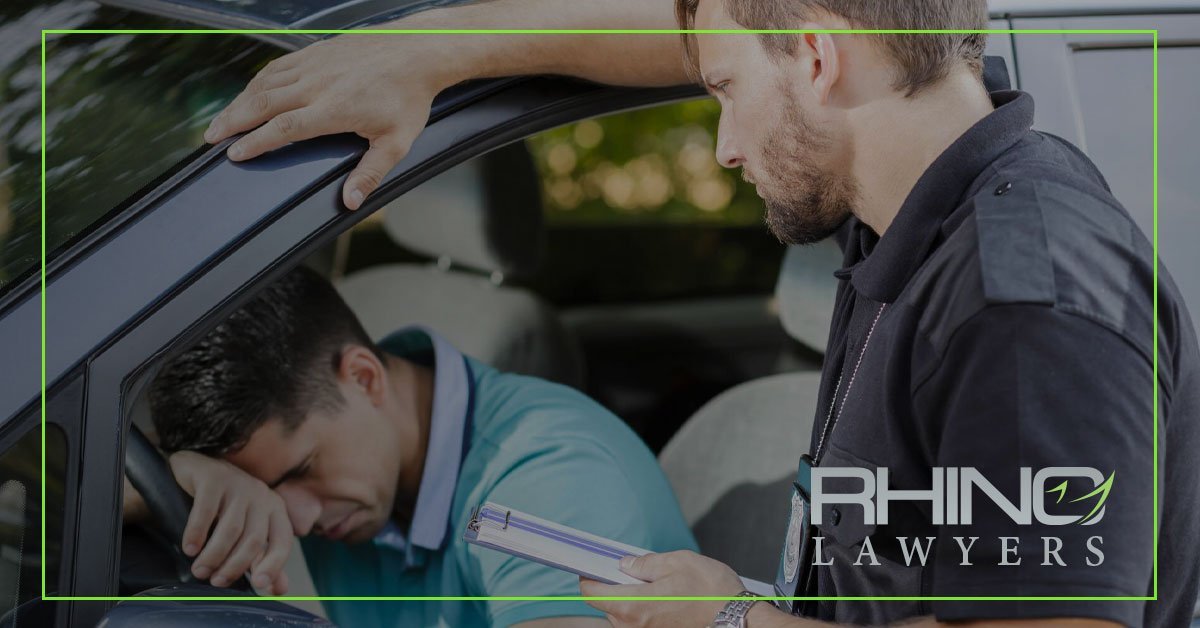
Can You Be Convicted of a DUI Without a Breathalyzer?
After a long night out, you find yourself pulled over. No breathalyzer test is administered, yet the officer is making notes, possibly building a case for DUI.
Alarm bells start ringing. Is this legal? Can you be convicted of a DUI based solely on an officer’s observations and alternative tests? Most importantly, is a DUI a criminal offense?
This article dives deep into the murky waters of DUI charges without the direct evidence of a breathalyzer to unravel the legal threads and explore how these cases unfold in court. Here, you’ll discover the critical aspects of the DUI conviction process, your legal rights, and what constitutes sufficient evidence in such cases.
What Are the DUI Laws?
Driving under the influence (DUI) is a serious offense that involves operating a vehicle while impaired by alcohol, drugs, or other substances. The legal limit for blood alcohol concentration (BAC) in many states, including Florida, is 0.08%.
However, you can still be charged with a DUI even if your BAC is below this threshold if law enforcement believes your driving ability is impaired. DUI charges are not solely based on breathalyzer results. Various types of evidence can be used to prove impairment.
Alternatives to Breathalyzer Evidence
When we think of a DUI, a breathalyzer test is often the first thing that comes to mind. However, police officers have several other tools at their disposal to determine if a driver is under the influence.
Field sobriety tests are commonly used. These include:
- The walk-and-turn
- The one-leg stand
- The horizontal gaze nystagmus test
These tests evaluate a driver’s physical and cognitive abilities to determine impairment.
Officer observations also play a critical role. Erratic driving, the smell of alcohol, slurred speech, and bloodshot eyes are all indicators that an officer might document. These observations can be powerful evidence in court.
Additionally, blood and urine tests can be conducted to detect the presence of alcohol or drugs in the body. Unlike breathalyzer tests, these tests can provide a more accurate reading of a person’s intoxication level over a longer period.
Legal Consequences of Refusing a Breathalyzer
In Florida, like many states, implied consent laws are in place. When you obtain a driver’s license, you automatically consent to submit to chemical tests, such as breathalyzers, if an officer suspects you of DUI.
Refusing a breathalyzer test can lead to severe consequences. For instance, a first refusal results in a one-year license suspension, while a second refusal can lead to an 18-month suspension and misdemeanor charges.
Refusing a breathalyzer does not mean you avoid DUI charges. On the contrary, the refusal itself can be used against you in court as evidence of guilt. This refusal can also complicate your defense, as it limits the available evidence to challenge the DUI accusation.
Defending Against a DUI Without a Breathalyzer
Facing a DUI charge without a breath test can be daunting, but there are defense strategies available. Challenging the evidence is a key approach.
Field sobriety tests, for example, are subjective and can be influenced by various factors such as weather conditions, the driver’s physical condition, or even the officer’s instructions. An experienced lawyer can question the validity of these tests and argue that they do not accurately reflect the driver’s impairment.
Officer credibility is another critical factor. If there are inconsistencies in the officer’s report or testimony, this can be used to cast doubt on the prosecution’s case. For instance, if the officer’s observations were not recorded properly or if there is a history of misconduct, this can weaken the evidence against the defendant.
Is a DUI a Criminal Offense?
A DUI is a criminal offense that can have severe repercussions. It is typically classified as a misdemeanor, but under certain circumstances, it can escalate to a felony.
For instance, if a driver has multiple DUI convictions, causes serious injury or death, or has a particularly high BAC, the charges can be more severe.
The penalties for a DUI conviction can include:
- Fines
- Jail time
- Community service
- Mandatory alcohol education programs
- License suspension
In Florida, a first-time offender can face up to six months in jail and fines up to $1,000. Multiple offenses can result in longer jail terms and higher fines.
The long-term consequences can also include:
- Increased insurance rates
- Difficulty finding employment
- A permanent criminal record
Your DUI Legal Rights
When facing a DUI charge, it is crucial to understand your legal rights. You have the right to remain silent and to refuse to answer any questions without an attorney present. You also have the right to request an attorney if you cannot afford one.
During a traffic stop, it’s important to be polite and cooperative, but you are not required to perform field sobriety tests or answer incriminating questions.
If you’re arrested, you have the right to challenge the arrest and the evidence against you. This includes questioning:
- The legality of the traffic stop
- The administration of field sobriety tests
- The officer’s observations
Alternative DUI Tests
Aside from breathalyzer tests, there are other methods used to determine a person’s level of intoxication. Blood tests are often considered the most accurate because they measure the actual amount of alcohol or drugs in the bloodstream. However, they require a warrant and must be administered by a medical professional.
Urine tests can also detect the presence of drugs and alcohol, but they are less reliable due to the possibility of contamination and the fact that substances can remain in the body for days.
Another alternative is the use of chemical swab tests, which are becoming more common. These tests involve swabbing the inside of a person’s mouth to detect the presence of drugs.
Legal Insights and Rights for DUI Charges
We explored how to pursue DUI charges without breathalyzer results. We detailed the DUI conviction process and the types of evidence, such as officer observations and alternative DUI tests, that can be used to substantiate a charge. Is a DUI a criminal offense? Yes, and it can carry significant legal and personal consequences.
En RHINO Lawyers, we focus on turning the tide in such complex situations. Our proactive approach ensures that your DUI legal rights are fiercely protected, and we leverage innovative strategies to challenge DUI evidence types effectively. Contact us now to secure a free case evaluation and ensure your rights and future are robustly defended.
CONTACT TAMPA TRAFFIC TICKET ATTORNEY
RHINO Lawyers can help and guide you through a system molded by law enforcement, judges, and lawyers for decades. Having won cases for our clients in similar circumstances, our criminal defense team knows what it takes to fight on your behalf.
Let RHINO Lawyers answer your questions and review the facts of your case with a Free Consultation. So, get started by completing the “Free Instant Case Evaluation” or by calling us any time, day or night, at (844) RHINO-77.
Leer más
What Happens If the Crash Was Caused by a Stolen Car?
Stolen cars are a common occurrence in Florida. There were around 46,213 vehicle thefts in the Sunshine State in 2023. It can be stressful and scary if your car gets stolen, especially if you discover it’s been involved in an accident.
Maybe you’ve been involved in a car accident where the other car was stolen. Perhaps your vehicle was stolen and was then part of a car accident. Regardless of the details, you may be wondering what happens if one of the drivers is in possession of a stolen vehicle.
This blog will discuss what happens if a car crash is caused by a stolen vehicle. We’ll talk about car accident liability and the legal steps everyone needs to take to ensure they’re protected.
What Happens if a Car Accident Was Caused by a Stolen Vehicle?
Florida law states that vehicle owners are responsible for injuries caused to others due to the negligent operation of the car. This is called imputed or “vicarious” liability.
For example, imagine that you let someone else borrow your car and they caused a crash because they were driving negligently. As the car owner, you’re equally responsible for the damages. Your insurance company and the driver’s insurer will cover you both.
You may think that if your car was stolen and it was involved in an accident, you wouldn’t be held liable because you didn’t knowingly let the other driver use your car. However, that’s not always the case.
Your liability may get waived because you didn’t grant permission to the driver. You’re responsible for damages if the driver was operating your vehicle with implied or actual permission.
Accident victims and their insurance companies may argue that you were negligent in different ways. For example, they may say that leaving your keys in your car was careless.
Report That Your Car Was Stolen
You need to report your stolen car to law enforcement within a reasonable amount of time. It’s recommended to file your report within 24 hours with the police and your insurance company. Doing so right away alleviates your responsibility in the event of an unfortunate circumstance.
You’ll need to make sure you have the following information when creating the report:
- Year, make, and model of your vehicle
- License plate information
- Vehicle identification number (VIN)
- The last known location of your car
Let the police know if your vehicle has a tracking device on it. Keep in mind that you need to be confident that your car was stolen before filing a report. You don’t want to get in trouble for filing a false claim.
Verification of Theft
Your liability as a car owner may be waived if the vehicle was legitimately stolen. You must have never given the negligent driver permission to drive your car to not be held liable for damages caused by the crash.
Access of Keys
As we mentioned, leaving your keys in your car could be viewed as a negligent action on your part. It’s important to consider who has access to your car keys.
You could be held liable for damages if you don’t secure your car keys and leave them accessible in your home where there are other of-age drivers. Leaving your keys out gives them implicit permission to use your vehicle. While you may not have given them actual permission at the moment, it can be a challenge to prove they “stole” your vehicle in cases like this.
Frequently Asked Questions
Car accidents involving a stolen vehicle can be convoluted and complicated. Who is at fault for damages isn’t always straightforward. Many questions may pop up in your mind when dealing with this type of claim.
Am I Liable if I Get Into an Accident With a Stolen Car?
Whoever the negligent driver is in a car accident is the one who’s liable for a car accident. That can either be you or the driver of the stolen car.
What Is the Dangerous Instrumentality Doctrine?
The Dangerous Instrumentality Doctrine is a Florida law that states that the owner of a dangerous tool is liable for injuries caused by the tool’s operation. Many people may not consider a car to be a tool, but it falls under that category for this law.
What if the Other Driver Is in Possession of a Stolen Vehicle and Leaves the Scene?
Leaving the scene of a car accident isn’t a good move whether the other driver is operating their vehicle or a stolen one. This is considered to be a hit-and-run and is a criminal offense.
It’s not unusual for an individual to leave the scene of an accident if they’re driving a stolen car. They may choose to do so to avoid getting arrested for stealing the vehicle.
Who Is the Liable Party?
The victims of a car accident can seek damages from the negligent driver’s insurance company. The owner of the car can file a claim with the negligent driver’s insurance company if their vehicle was damaged during the accident.
In many cases, the thief can sometimes have no car insurance or be underinsured. The parties involved will have to pursue damages from their own insurance companies. Most drivers carry liability coverage, which could help in these types of car accidents.
Liability insurance can also sometimes include underinsured/uninsured coverage. This can provide you with coverage if someone causes you injuries, but their insurance won’t cover all the costs.
Get Legal Help if You’ve Been Involved in a Stolen Vehicle Crash
It can be challenging to figure out who’s liable in an accident when one party is in possession of a stolen vehicle. At the end of the day, the negligent driver who caused the accident is the one who is at fault. However, working with an experienced car accident attorney can help protect your rights.
Our team at RHINO Lawyers is here to guide you through the car accident legal steps. We have experience working with clients who have filed stolen car accident claims. Reach out to our office to schedule a consultation.
CONTACT A TAMPA AUTO ACCIDENT ATTORNEY
In short, after a car accident, you may not know your rights. Above all, don’t struggle through the process alone. Actually, our equipo de lesiones personales is here to help you with any legal needs you might have regarding your accident.
Lastly, let RHINO Lawyers answer your questions and review the facts of your case with a Free Consultation. So, get started by completing the “Free Instant Case Evaluation” or by calling us any time, day or night, at 844.RHINO.77.
Leer más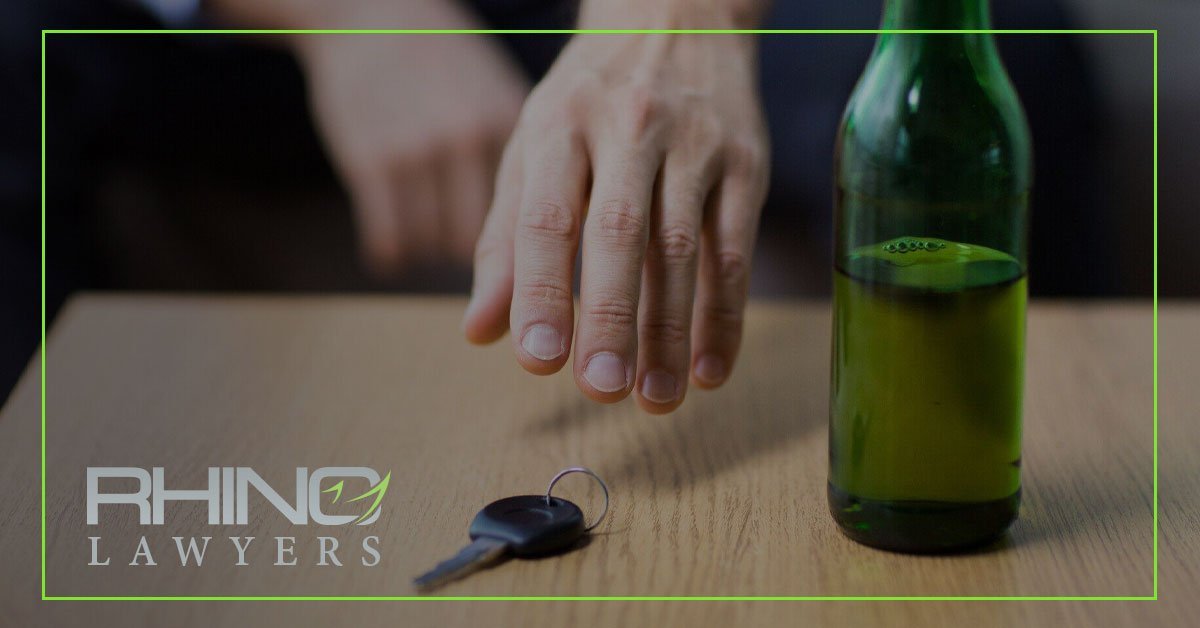
DUI: Are There Exceptions to Florida’s Open Container Laws?
If you’re a Florida resident, you’re expected to follow the law when it comes to open container laws. But are there exceptions that can save you from hefty fines or even a DUI?
Join us as we look closer at the details of Florida’s open container laws and explore any exceptions that might exist. We’ll cover what to know about open containers, DUI regulations, and how to stay on the right side of Florida traffic laws.
Understanding Florida’s Open Container Law
Florida’s open container law prohibits the possession of open alcoholic beverages in vehicles. This law applies whether the vehicle is in motion or parked. An open container is any bottle, can, or other receptacle that contains any amount of alcohol and is either open, has a broken seal, or has had some contents removed.
The law is clear about where these open containers can’t be. It’s illegal to have an open container in the passenger area of a car, truck, or any vehicle on a public highway or road.
This includes the driver’s seat, passenger seat, and even the back seat if it’s accessible from the driver’s area. If you’re parked on a public street or road, the same rules apply.
Violating Florida’s open container law can lead to fines and other penalties. If you’re caught with an open container, you could face a non-criminal moving violation.
This might result in a ticket and a fine. The penalties can be more severe if you’re also found to be driving under the influence.
Florida DUI Laws Overview
Florida DUI laws are strict and aim to reduce accidents caused by impaired drivers. In Florida, driving under the influence means operating a vehicle with a blood alcohol concentration (BAC) of 0.08% or higher.
For drivers under 21, the limit is even lower at 0.02%. The law applies to both alcohol and drugs, whether they are legal or illegal substances.
If you’re caught driving under the influence, the consequences can be severe. For a first-time offense, you might face fines, community service, probation, and even jail time.
Your driver’s license will likely be suspended, and you’ll need to complete a DUI education program. The penalties increase with each subsequent offense, leading to longer license suspensions, higher fines, and longer jail sentences.
Florida also has a zero-tolerance policy for drivers under 21. If you’re underage and caught with a BAC of 0.02% or higher, your license will be automatically suspended. This is part of the state’s efforts to discourage underage drinking and driving.
DUI convictions can have long-lasting effects on your life. They can impact your job, insurance rates, and even personal relationships.
Open Container Exceptions
Open container laws generally prohibit the presence of open alcoholic beverages in vehicles. However, there are some exceptions that can vary from state to state.
In many places, the rules differ for specific types of vehicles and situations. For instance, passengers in vehicles, like limousines or party buses, often have more lenient rules.
These vehicles are designed for groups and special events, so they might be allowed to have open containers in certain areas.
Another common exception is for recreational vehicles (RVs). When an RV is parked and being used as a temporary living space, open container laws might not apply in the same way they do for regular cars.
The key is that the RV must be parked and not in motion. The same rules often apply to motor homes and campers.
Florida also has specific rules for certain areas, such as beaches and parks, where local ordinances might allow open containers under controlled conditions.
It’s important to note that while these exceptions exist, they come with strict conditions. Even in situations where open containers are allowed, everyone in the vehicle must comply with all other Florida traffic laws.
The driver, in particular, must remain alcohol-free to ensure safety. Violating these conditions can result in severe penalties, including fines and possible DUI charges if the driver is found to be impaired.
Legal Advice on Handling Open Container and DUI Situations
If you find yourself in a situation involving open containers or a possible DUI, it’s important to know how to handle it. First, always ensure that you comply with all traffic laws.
If you’re transporting alcohol, keep it in the trunk or another area that’s not accessible to the driver or passengers. This simple step can help you avoid a violation of Florida’s open container law.
If you get pulled over, stay calm and respectful. Provide your license, registration, and proof of insurance when asked.
If the officer asks about alcohol in the vehicle, answer truthfully but don’t offer additional information. It’s your right to remain silent beyond basic questions.
If you’re suspected of DUI, you may be asked to take a field sobriety test or a breathalyzer test. You have the right to refuse these tests, but doing so can have consequences, such as automatic license suspension. Weigh your options carefully, knowing that refusal might lead to penalties even if you’re not under the influence.
If you’re charged with a DUI, contact a lawyer who focuses on traffic ticket defense and DUI cases. A knowledgeable attorney can provide the best advice based on your situation and help you navigate the legal process.
They can also help you understand your rights and the potential outcomes of your case.
It’s always best to avoid drinking and driving altogether. Plan ahead if you know you’ll be consuming alcohol. Use a designated driver, call a taxi, or use a ride-sharing service.
The Best DUI Legal Advice
Understanding Florida’s open container law and DUI regulations is essential for every driver. By knowing the rules and exceptions, you can avoid legal trouble and ensure safety on the roads.
En RHINO Lawyers, our mission is to form a lasting partnership with every client. Our passion is the people we help and the lives that we help change. So, whether you have been arrested or ticketed, we are here to help.
Get in touch today to find out how we can help with your case.
CONTACT TAMPA TRAFFIC TICKET ATTORNEY
RHINO Lawyers can help and guide you through a system molded by law enforcement, judges, and lawyers for decades. Having won cases for our clients in similar circumstances, our criminal defense team knows what it takes to fight on your behalf.
Let RHINO Lawyers answer your questions and review the facts of your case with a Free Consultation. So, get started by completing the “Free Instant Case Evaluation” or by calling us any time, day or night, at (844) RHINO-77.
Leer más