
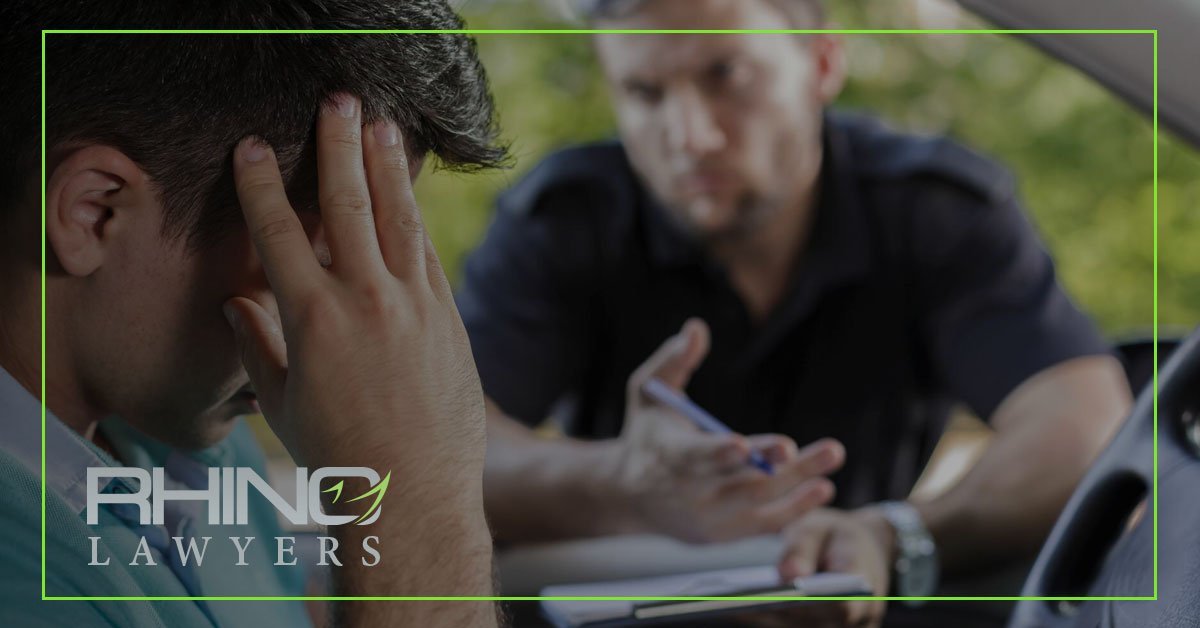
The Difference Between Moving Violations and Non-Moving Violations
Ever received a traffic ticket and felt your stomach drop? Whether it’s a flash of red and blue lights in your rearview mirror or a slip tucked under your windshield wiper, the onset of panic is almost immediate. What many drivers don’t realize is the distinct difference between moving violations and non-moving violations. Understanding this can significantly affect the repercussions on your driving privileges and wallet. Moving violations might sound straightforward, but what about non-moving violations?
This article demystifies each category, explains their potential impacts on your driving record, and outlines the steps you can take if ticketed. Knowing these details will not only help in managing current penalties, but also in preventing future tickets. Dive into the specifics to protect your driving status and ensure you’re not paying more than you should.
What are Moving Violations?
Moving violations occur when a vehicle is in motion and the driver breaks a traffic law. These violations are usually considered more serious because they directly relate to the safety of the driver, passengers, and other road users.
Common examples of moving violations include:
- Speeding
- Running a red light
- Driving under the influence (DUI)
- Reckless driving
Speeding is one of the most frequent moving violations. According to the National Highway Traffic Safety Administration, speeding contributed to 29% of all traffic fatalities in 2021. This statistic highlights the severe impact speeding can have on road safety.
What are Non-Moving Violations?
Non-moving violations are offenses that occur when the vehicle is stationary or not directly related to driving behavior. These violations typically involve issues with the vehicle’s condition or parking.
These types of traffic tickets include:
- Parking tickets
- Expired registration
- Broken taillights
- Illegal parking in a handicapped zone
Parking tickets are the most common type of non-moving violation. They can be issued for a variety of reasons, such as parking in a no-parking zone, exceeding the time limit in a metered space, or parking in front of a fire hydrant.
Expired registration is another frequent non-moving violation. If a vehicle’s registration is not renewed on time, the owner can receive a ticket, even if the car is parked.
Equipment violations, such as having a broken taillight or missing mirrors, also fall under non-moving violations. These infractions often result in a “fix-it” ticket, where the driver is required to correct the issue and provide proof of the repair to avoid further penalties.
Parking in a handicapped space without the proper permit is another serious non-moving violation that can result in hefty fines.
Legal Implications and Penalties
The penalties for moving and non-moving violations differ significantly. Moving violations penalties are often harsher because they are considered more dangerous.
Common moving violation penalties include:
- Fines
- Points on the driver’s license
- Increased insurance rates
- Jail time (in severe cases)
The points system is a method many states use to track driving infractions. For example, in Florida, speeding can add three to six points to a driver’s record, depending on the severity.
Accumulating too many points can lead to license suspension. For example, accumulating 12 points within 12 months results in a 30-day suspension of driving privileges.
Non-moving violation consequences, while generally less severe, still carry penalties. Parking tickets typically result in fines, which can vary depending on the city or municipality.
An expired registration ticket usually requires the owner to pay a fine and update the registration. Equipment violations often come with smaller fines and the requirement to fix the issue.
The long-term consequences of traffic violations can be substantial. Moving violations can lead to increased insurance premiums. Insurers view drivers with multiple violations as higher risk, which can result in higher rates. A single speeding ticket can increase a driver’s insurance premium by 25%.
Non-moving violations, while less impactful on insurance rates, can still result in significant fines and inconvenience if left unresolved.
How to Handle Traffic Violations
Receiving a traffic ticket can be stressful, but knowing how to handle it can make the process smoother. The first step is to read the ticket carefully and understand the violation and the associated penalties. For moving violations, it’s crucial to know the points that may be added to your license and the fines involved.
Many jurisdictions offer ways to contest traffic tickets. If you believe the ticket was issued in error, you can challenge it in court. This may involve gathering evidence, such as photographs or witness statements, to support your case.
For moving violations, attending traffic school can sometimes reduce points on your license or lower fines.
Non-moving violations often require a different approach. For parking tickets, you may be able to contest the ticket if you believe it was issued unfairly. This might involve providing evidence that you were not parked illegally or that the signage was unclear.
For equipment violations, fixing the issue promptly and providing proof to the court can often result in the dismissal of the ticket.
Timely responses are critical. Ignoring a traffic ticket can lead to additional penalties, including increased fines and possible warrants for your arrest.
Preventive Measures
The best way to avoid traffic violations is through preventive measures. Safe driving practices can significantly reduce the risk of receiving a moving violation. Always obey speed limits, signal when changing lanes, and avoid distracted driving.
Regular vehicle maintenance is also crucial. Ensuring that your car is in good working condition can help avoid non-moving violations.
Check your lights, brakes, and tires regularly to make sure they are functioning correctly. Keeping your vehicle registration up to date is another easy way to avoid fines.
Parking carefully can prevent many non-moving violations. Always check for signage indicating parking restrictions, and avoid parking in handicapped spaces unless you have the proper permit.
Get Exceptional Help with Your Traffic Tickets Today
Understanding the difference between moving violations and non-moving violations is crucial for every driver. Having these traffic violations explained not only helps in contesting or managing penalties but also empowers you to maintain a clean driving record.
En RHINO Lawyers, we focus on turning your traffic ticket impacts into manageable solutions. With our track-proven strategies and client-centered approach, we ensure your case is handled efficiently and effectively.
Don’t let a traffic ticket disrupt your life. Let us help you navigate the complexities of traffic laws to secure the best possible outcome. Contact us today to receive a free case evaluation.
CONTACT TAMPA TRAFFIC TICKET ATTORNEY
RHINO Lawyers can help and guide you through a system molded by law enforcement, judges, and lawyers for decades. Having won cases for our clients in similar circumstances, our criminal defense team knows what it takes to fight on your behalf.
Let RHINO Lawyers answer your questions and review the facts of your case with a Free Consultation. So, get started by completing the “Free Instant Case Evaluation” or by calling us any time, day or night, at (844) RHINO-77.
Leer más
Can Heat Increase the Risk of a Car Accident?
It’s no mystery that cities across the United States are experiencing hotter summers than in previous years. Florida has been dealing with temperatures above 90°, since late spring and early summer which is unusual. Not only are high temperatures uncomfortable to live in, but it makes summer driving more dangerous.
Many things can cause a car accident. You may be wondering, “Can high temperatures during summer driving increase the likelihood of a collision?”
This blog will discuss the effects of heat on driving. We’ll talk about tips for summer driving safety to keep yourself, your passengers, and others on the road safe.
Can High Temperatures Increase the Risk of Car Accidents?
Yes, heat can put drivers at a higher risk of getting into a collision. According to an article by Scientific American, the way cars trap heat inside of them amplifies car crash risks.
The air and exposed surfaces inside the car soak up the outside heat as it passes through the windshield and windows. This causes the interior temperature of the car to become intolerable.
Driver Fatigue
High temperatures can disrupt the normal functions of the human body. Some of the symptoms drivers may experience include:
- Lack of concentration
- Dizziness
- Dehydration
- Mood disruptions
- Lack of impulse control
It doesn’t take long for drivers to feel the impact of the heat. Getting in a hot car that’s been sitting parked can cause drivers to feel some of the above side effects. They may have challenges performing the following tasks:
- Noticing traffic signals
- Driving in a straight line
- Responding to various road conditions
These symptoms can be exacerbated if the driver has been in high temperatures before getting into the car. They may experience heat stroke or heat exhaustion.
There are some things drivers can do to prevent car accidents from high heat. These may include:
- Taking breaks
- Using your car’s A/C
- Staying hydrated
- Park in the shade
- Freeze water bottles to keep in your car
- Use handheld fan misters
These tips aren’t just good to use if you’re the driver during the summer. You can keep your passengers feeling nice and cool during long road trips by following the above advice.
Vehicle Issues
High temperatures can have a major impact on how your vehicle performs. There are many issues your car might experience, such as:
- Fluctuations in tire pressure
- Oil breakdown
- Stress on your cooling systems
- Fuel system imbalance
- Wiper blade failure
- Tire blowouts
- Battery failures
Cars that don’t receive regular maintenance or older ones are more susceptible to being affected by the heat. Being in stop-and-go traffic can also put more strain on your vehicle during high temps.
Some ways you can help your vehicle stay functioning properly during the summer heat include:
- Regular care and maintenance
- Test your car battery during the summer to check its condition
- Add antifreeze if needed
- Routinely check your tire pressure
- Change your oil every 5,000 to 7,000 miles
Scheduling a summer check-in for your vehicle before the heat hits is a great way to ensure your vehicle is prepared. You can avoid any unexpected issues before heading out on the road by connecting with an experienced mechanic.
Dangerous Road Conditions
Summer tends to be one of the more dangerous seasons to drive in. Many people expect winter to be full of more hazards due to snow and ice. However, many factors can contribute to car accidents during the summer.
Some of these things may include:
- Increase of pedestrians, motorcyclists, and cyclists on the road
- Road construction is at a peak during the summer
- Heavy traffic due to vacationers
- Young drivers on the road
The heat itself plays a part in dangerous road conditions. For example, high temps can cause road surfaces to get sticky and soft. Heat waves and mirages can also distort the vision of drivers.
Unexpected weather during the summer can affect the safety of drivers. Hail, lightning, and heavy rain can pose hazards. There is also an increased risk of hydroplaning during summer rainstorms.
A few things drivers can do to stay safe during the summer include:
- Turning on your headlights during storms
- Leaving enough distance between you and the car ahead of you
- Turn on your flashers if needed
- Give yourself enough time to get to your destination
- Slow down in construction zones
- Remain alert while driving around pedestrians and cyclists
- Check the weather forecast before you head out
You may want to reconsider driving in high temperatures if the weather is going to be adverse or if it’s a busy holiday weekend.
What to Do if You Were in a Car Accident
We’ve talked about some of our tips for staying safe while driving in the summer. Even if the heat causes a car accident, someone will still need to be held at fault for the accident.
For example, if you caused a car accident because of the glare from the sun, you may still be held liable for paying damages to the other driver. It’s important to be mindful while driving in the summer to prevent any unfortunate circumstances from occurring.
You must follow the right steps if you’ve been in a heat-related car accident. These steps ensure your rights are protected and that you stay safe. These steps may include:
- Move your car to the side of the road (if you can)
- Call the authorities to report the accident
- Seek medical attention even if you don’t have visible injuries
- Record the details of the accident
- Get the other driver’s information
- Take photos and videos
- Collect the police report
- Call an experienced car accident attorney
Follow Our Tips to Stay Safe During Summer Driving
Heat impacts every aspect of summer driving, including the roads, drivers, and other vehicles. It’s important to take precautions and prepare yourself when driving during high temperatures. Prevent getting in a car accident by following our safety tips.
Have you been injured in heat-related accidents? RHINO Lawyers has helped numerous clients seek compensation for their injuries. Contact our office to learn how our lawyers can help you on the road to recovery.
CONTACT A TAMPA AUTO ACCIDENT ATTORNEY
In short, after a car accident, you may not know your rights. Above all, don’t struggle through the process alone. Actually, our equipo de lesiones personales is here to help you with any legal needs you might have regarding your accident.
Lastly, let RHINO Lawyers answer your questions and review the facts of your case with a Free Consultation. So, get started by completing the “Free Instant Case Evaluation” or by calling us any time, day or night, at 844.RHINO.77.
Leer más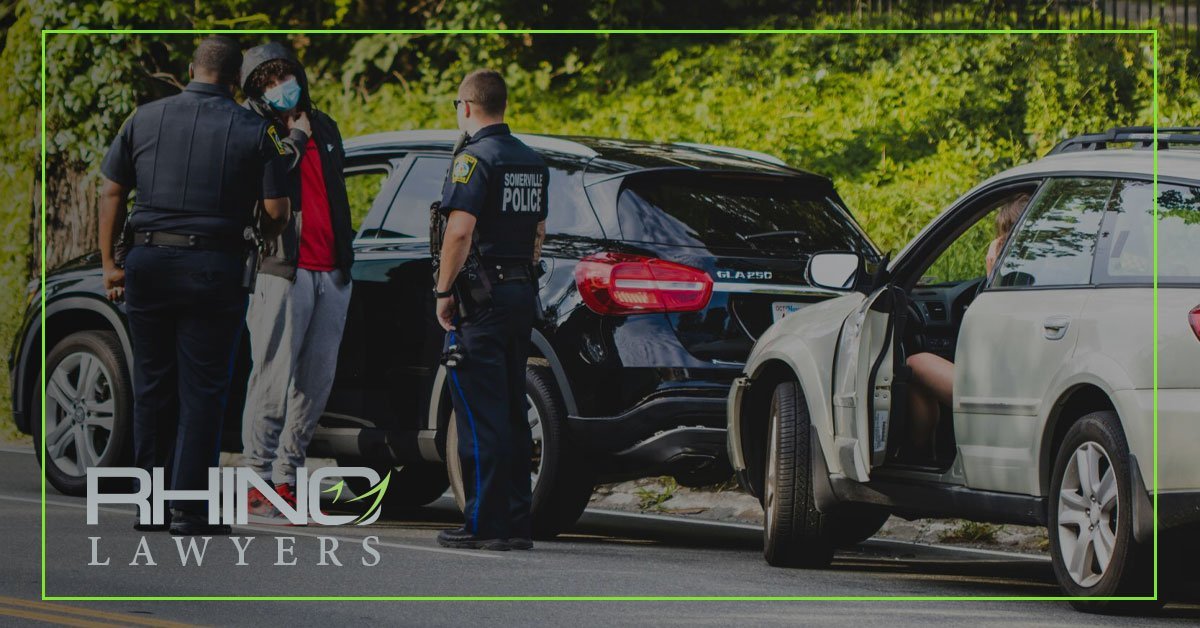
Vision Impairment and Car Accidents
With a staggering 286 million vehicles on the roads, the risk of car accidents is ever-present. Have you ever considered how driving with a vision impairment can significantly raise the risk of accidents?
Vision impairment is one crucial factor that can affect driving safety. Good vision is essential for seeing road signs, spotting hazards, and responding quickly to changing traffic conditions.
Have you ever found yourself behind the wheel, only to realize that your vision may not be as sharp as it should be? Many overlook this scenario, yet driving with impaired vision significantly heightens the risk of car accidents.
This article explores the connection between vision impairment and car accidents. Join us as we uncover the risks and provide essential insights to keep you safe on the road. We’ll also guide you on where to find the best auto injury attorneys in Tampa when needed.
Understanding Vision Impairment
Vision impairment is any condition affecting a person’s ability to see clearly, recognize faces, read, drive, and perform other activities. The severity can differ from mild to severe and can impact one or both eyes. There are several types of vision impairment, each with its causes and characteristics.
Refractive Errors
Refractive errors are present when the shape of the eye stops light from focusing accurately on the retina, leading to blurred vision. This is the most common type of vision impairment and includes conditions like the following:
- Nearsightedness (myopia)
- Farsightedness (hyperopia)
- Astigmatism
Age-Related Vision Changes
As people age, eye changes can lead to vision impairment. This may include presbyopia, a condition where the eye’s lens becomes less flexible, making it hard to focus on close objects.
Cataracts
Cataracts are cloudy areas that form in the eye’s lens, causing blurred or dim vision. They are often linked to aging but can also be caused by factors like:
- Injury
- Genetics
- Certain medical conditions
Glaucoma
Glaucoma is an eye condition that can contribute to optic nerve damage. If left untreated, it can typically lead to vision loss and blindness. It is often linked to increased eye pressure and can develop gradually over time.
Macular Degeneration
Age-related macular degeneration (AMD) impacts the macula. This is the part of the retina responsible for our central vision. AMD can cause distorted or blurred vision and, in advanced stages, can lead to permanent vision loss.
Diabetic Retinopathy
Diabetic retinopathy is an effect of diabetes that influences the blood vessels in the retina. If not managed properly, it can cause vision loss and, in severe cases, blindness.
Injuries and Infections
Trauma to the eye can cause immediate or delayed vision problems, depending on the amount of damage. Infections, such as conjunctivitis (pink eye) or more severe conditions like keratitis, can result in temporary or permanent vision loss if not treated promptly.
Vision impairment can significantly impact a person’s daily activities, quality of life, and independence. Treatment will typically depend on the main cause and can include the following:
- Corrective lenses (glasses or contact lenses)
- Medication
- Surgery
- Vision rehabilitation services
Impact on Driving Ability
When vision impairment affects driving ability. It can lead to:
- Difficulty reading road signs or recognizing traffic signals
- Reduced ability to see pedestrians, cyclists, or other vehicles
- Challenges with judging the speed and distance of oncoming traffic
- Increased likelihood of missing hazards or obstacles on the road
Understanding the Risks
While driving laws may vary across different states in the US, the general requirement is that drivers have 20/40 vision or better in at least one eye to drive without restrictions. However, recent studies suggest that measures beyond acuity, such as losing peripheral vision, also increase the risk of vision-related crashes.
Individuals with vision impairment may face restrictions or conditions on their driver’s license. This can include the requirement to wear corrective lenses while driving or limitations on nighttime driving.
Insurance companies may consider vision impairment when determining coverage and premiums. Failure to disclose vision problems could result in denied insurance claims or voided policies.
Some states require individuals with certain medical conditions, including vision impairment, to report their condition to the Department of Motor Vehicles (DMV) or licensing authority. Failure to report a medical condition that affects driving ability could result in legal consequences.
In cases of severe or progressive vision impairment, individuals may be subject to driving restrictions or even license suspension or revocation. These restrictions are meant to protect public safety and prevent road accidents.
Driving Safety Measures: Road Safety Tips
To reduce the risk of vision-related crashes and promote road safety, consider the following tips:
Schedule regular eye examinations with an ophthalmologist or optometrist. This will help to detect any vision changes and can prevent car accidents.
If prescribed corrective lenses, wear them while driving to ensure optimal vision clarity. Be aware of your state’s vision requirements for driving and adhere to any restrictions or regulations.
Vision impairment can be more pronounced in low-light conditions. So avoid driving at night if your vision is compromised.
Limit distractions inside the vehicle. This includes using electronic devices or adjusting the radio which can take your focus off the road.
Pull over safely and get assistance if you experience sudden vision changes or discomfort while driving. Stay informed about your state’s vision requirements for driving and comply with any restrictions or regulations.
To reduce the risk of accidents, obey all traffic laws and signals, including speed limits, stop signs, and traffic signals.
Risks of Driving While Ability Impaired
Addressing the risks of driving while ability-impaired will ensure road safety. Vision impairment can significantly increase the likelihood of car accidents, making it essential for drivers to prioritize their eye health. Remember, responsible driving starts with recognizing and addressing impairments that affect your driving abilities.
Navigating the aftermath of a car accident caused by someone with vision impairment can feel daunting. That’s why RHINO Lawyers, renowned as Tampa’s premier auto accident advocates, is here to provide you with exceptional legal support and representation. Reach out to us today and discover how we can guide you confidently through the legal process.
CONTACT A TAMPA AUTO ACCIDENT ATTORNEY
In short, after a car accident, you may not know your rights. Above all, don’t struggle through the process alone. Actually, our equipo de lesiones personales is here to help you with any legal needs you might have regarding your accident.
Lastly, let RHINO Lawyers answer your questions and review the facts of your case with a Free Consultation. So, get started by completing the “Free Instant Case Evaluation” or by calling us any time, day or night, at 844.RHINO.77.
Leer más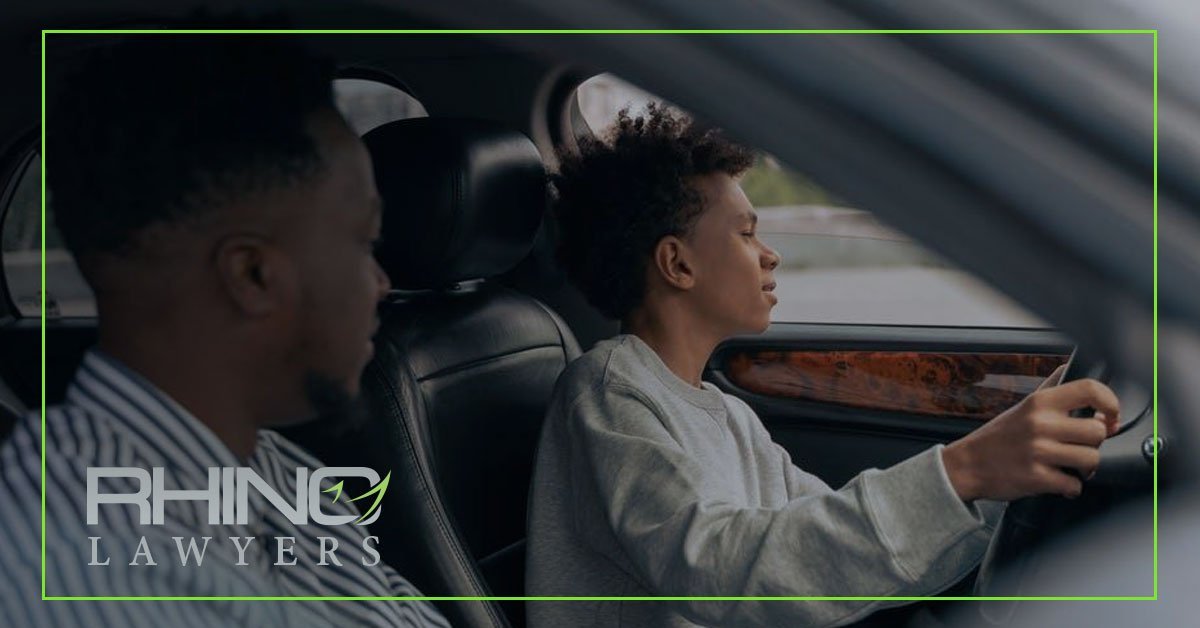
How to Protect Your Teen After a Careless Driving Charge
Traffic deaths are reaching historic levels in many states even though fewer people were on the road in 2023.
One of the biggest issues that we see on the roads, and one that leads to a significant number of injuries and fatalities, is distracted driving. If you’re a parent, you must be concerned about your teenager getting behind the wheel, as they could be the victim or the cause of a careless driving-related accident.
Being at fault in a teen car accident can overwhelm any young person. If your teen just got charged with careless driving, protecting them as best you can should be your number one priority.
Today, we’ll give you some actionable tips, legal advice, and post-driving charge steps to keep your teen safe. Careless driving implications can be severe, so keep reading and do everything you can to keep your child out of trouble.
Consequences of a Careless Driving Charge
The first thing to understand as a parent is the consequences of a careless driving charge. It depends on the state in which you live and the severity of damage/injuries that the accident caused. If your child is under 18, you could be held liable for their careless driving.
Wisconsin
In Wisconsin, a careless driving charge that doesn’t result in injuries gets fines instead of jail time. The maximum fine for injury-free careless driving is just $400. Penalties increase a lot when bodily harm comes to another driver or pedestrian.
Fines for reckless driving causing bodily harm can reach $10,000. 18-year-olds tried as adults may even face up to 6 years of jail time.
Florida
Things are a little bit different in Florida. It’s considered a second-degree misdemeanor, however, the charges can result in up to 90 days in jail, 6 months of probation, or a $500 fine.
As in Wisconsin, the penalties increase significantly when the accident involves property damage or bodily harm. If the resulting injuries are considered serious, the charge becomes a third-degree felony and the driver could potentially get up to 5 years of jail time.
Post-Driving Charge Steps
So, if your teen finds themselves charged with distracted driving, they’re going to need your help. Facing thousands of dollars in fines and potential jail time is something a teen can’t truly comprehend. Follow these steps and you’ll be able to navigate the process with calmness and confidence.
Speak to Your Child
If your teen calls you after they’ve been charged with careless driving, make sure to get the whole story out of them. It can be frightening for a young person to deal with such a serious situation, so they may be liable to withhold some of the truth.
Encourage them to be truthful so that you can help them navigate the next steps. The more you know about what happened leading up to the accident, the easier it’ll be to relay that information to your legal counsel.
Speak to the Police
Next, you’ll want to speak to the police. In serious circumstances, your teen may be taken to the station. Either way, get hold of the responding officer to ask them questions about the charges and legal implications.
Get hold of the police report. This is an important piece of information that your legal team will need when helping you deal with the charge.
Talk to the Insurance Company
You need to speak to your insurance company to start the claims process. Your insurance company may have to pay for property damage, medical bills, and any other damages that result from your teen’s careless driving.
Contact a Lawyer
Lastly, and most importantly, find a great traffic ticket lawyer to guide you through the rest of the process. You can’t face something like this alone and your teen certainly can’t, so it’s crucial to find legal counsel who has experience with these kinds of cases.
Building a Case
Building a case to protect your teen against these charges will depend on the severity of the accident. The goal will be to prove that your teen was driving poorly, but not recklessly.
Inexperience
If they’re a relatively new driver, your legal team will use inexperience as a way to prove that they shouldn’t be criminally liable. For that to work, your teen can’t have been driving under the influence or driving while distracted by their smartphone.
False Witness Testimony
A lawyer could also challenge police report accuracy or witness observations to prove that your teen was driving carelessly out of necessity to avoid a greater danger. If successful, they may be able to reduce the charges or even have them dismissed.
Legal Advice for Teen Drivers
For their part, your teen needs to listen to legal counsel and avoid doing anything that could jeopardize their chances of success. After an accident, they should avoid admitting fault, but be respectful and allow the process to play out.
Whether or not your lawyer can lessen careless driving charges, your teen should take more care on the road from now on. The law has no tolerance for repeat offenders, no matter how young they are.
Teens need to refrain from looking at their phones while driving. Under no circumstances should they have any alcohol before driving, as this can result in far more severe penalties.
Teach your teen more about the traffic laws in your area. The more aware they are of the rules, especially after an incident, the more likely they’ll be to follow them.
If your teen is ever in another traffic stop, make sure they know how to act. They must always comply with the officer’s requests, and not seem combative.
Getting Legal Help After a Teen Careless Driving Charge
A teen car accident and careless driving charge are nothing to scoff at. They could change your teen’s life, whether it affects getting into schools or finding a job later in life. If you’re going to give them the best chance at getting back on track, you need a great lawyer.
RHINO Lawyers are Tampa’s leading auto injury and traffic attorneys with services in Wisconsin and New York as well. We’ll work one-on-one with you and your teen to develop the perfect legal strategy to keep them out of trouble. Contáctenos hoy for your free case evaluation.
CONTACT TAMPA TRAFFIC TICKET ATTORNEY
RHINO Lawyers can help and guide you through a system molded by law enforcement, judges, and lawyers for decades. Having won cases for our clients in similar circumstances, our criminal defense team knows what it takes to fight on your behalf.
Let RHINO Lawyers answer your questions and review the facts of your case with a Free Consultation. So, get started by completing the “Free Instant Case Evaluation” or by calling us any time, day or night, at (844) RHINO-77.
Leer más
What Is the Difference Between a DUI and a DWI?
If you are pulled over on suspicion of driving under the influence, the experience can be confusing and frightening. However, you’re not alone; in 2023, Florida law enforcement issued 34,342 DUI citations.
The officer might use the terms DUI (Driving Under the Influence) or DWI (Driving While Intoxicated), and you might wonder – is there a difference between a DUI and a DWI? The answer depends on your state; understanding these legal distinctions can have significant consequences.
This article dives deep into the difference between a DUI and a DWI.
What Is a DUI?
Driving Under the Influence, commonly known as DUI, occurs when a person operates a vehicle while impaired by alcohol or drugs. This impairment can significantly affect one’s ability to drive safely and responsibly. In Florida, law enforcement uses various methods like field sobriety tests and breathalyzers to determine if a driver is over the legal limit of blood alcohol concentration.
What Is a DWI?
A DWI, which stands for Driving While Intoxicated, is a serious charge that involves operating a vehicle while under the influence of alcohol or drugs. In states where this term is used, it typically signifies a more severe offense compared to a DUI.
If they arrested you for a DWI. It means law enforcement believes your impairment level was significant. As well as enough to endanger yourself and others on the road. This can lead to harsh penalties and legal consequences that may impact various aspects of your life.
Difference Between a DUI and a DWI Based on Where You Live
Understanding the difference between a DUI and a DWI can be confusing, especially since it varies depending on where you live. In some states, like Florida, both terms are used interchangeably to refer to impaired driving offenses. However, in other states, each charge may have distinct definitions.
For example, in Texas, a DUI typically refers to minors caught driving under the influence of alcohol or drugs, while a DWI is reserved for adults facing similar charges. To avoid misunderstandings, you must familiarize yourself with the specific laws and terminology related to impaired driving in your state.
DWI vs. DUI in Florida
Confused about the differences between a DWI and a DUI in Florida? Simply put, there isn’t one. In Florida, the terminology used is DUI.
Consequences for a DUI in Florida?
In Florida, the consequences of a DUI can be severe. If convicted, you could face fines ranging from $500 to $5,000, depending on the circumstances of your case. Additionally, your driver’s license may be suspended for a period of time determined by the court.
A DUI conviction in Florida might also result in mandatory community service hours or even imprisonment. Your vehicle can also be impounded in these cases.
How to Respond to DUI Charges
If you’re facing DUI charges, knowing how to respond is important. Keep these things in mind.
Remain Calm and Cooperative
The first step in responding to DUI charges is to remain calm and cooperative with law enforcement officers. Avoid hostile or confrontational behavior. This can only worsen the situation.
Know Your Rights
You have the right to remain silent and the right to an attorney. If arrested or questioned about the incident use these rights. It is always important to exercise caution when speaking to law enforcement. As they can use anything you say against you in court.
Gather Information
Take note of the details surrounding your arrest, such as the time, location, and circumstances leading up to it. This information may be helpful for your defense later on.
Seek Legal Representation
It is crucial that you seek legal representation from a qualified DUI attorney as soon as possible after being charged with a DUI. A lawyer can advise you on the best course of action and help protect your rights throughout the legal process.
Don’t Discuss the Case With Anyone
Do not discuss your case with anyone other than your attorney. This includes friends, family members, or even social media posts. They can potentially use anything you say about your case against you in court.
Understand the Potential Consequences
DUI charges can have serious consequences, including fines, license suspension, and even jail time. Understanding and taking seriously the potential consequences of a DUI conviction in your state is important.
Attend All Court Dates
Attend all court dates and follow any instructions given by the court. Failing to appear or violating any conditions of your release can result in additional charges and penalties.
Consider Attending a DUI Education Program
Some states require individuals charged with a DUI to attend a DUI education program. Even if it is not required in your state, attending this program can show the court that you are taking responsibility for your actions and may benefit your case.
Avoid Alcohol and Drugs
While awaiting trial, avoid alcohol and drugs completely. Violating this rule can result in additional charges, making defending against the DUI charge more difficult.
Prepare Yourself for a License Suspension
If authorities convict you of a DUI, they will likely suspend your driver’s license. Make alternative transportation arrangements to prepare for this possibility.
Follow Any Conditions of Your Release
If they released you from custody on certain conditions. Such as abstaining from alcohol or submitting to drug testing. Make sure you strictly follow these conditions. Violating them can result in further legal trouble.
How Can a Lawyer Help With Your DUI Charges?
Facing DUI charges can be overwhelming, but having a skilled lawyer on your side can make a significant difference in the outcome of your case. A seasoned attorney knows the ins and outs of DUI laws, which means they can help you navigate the legal process with expertise. They can assess your situation, identify potential weaknesses in the prosecution’s case, and develop a strategic defense tailored to your specific circumstances.
Your Case Is Our Passion
In understanding the difference between a DUI and a DWI, it’s crucial to recognize that terminology can vary depending on where you live. While some states use these terms interchangeably, others differentiate between them based on the severity of the offense.
Have authorities charged you with a DUI in Florida? RHINO Lawyers is here to help. Our passion is your case, and we’ll form a lasting partnership to help you receive the best outcome.
Contact us today for a free case review.
CONTACT TAMPA TRAFFIC TICKET ATTORNEY
RHINO Lawyers can help and guide you through a system molded by law enforcement, judges, and lawyers for decades. Having won cases for our clients in similar circumstances, our criminal defense team knows what it takes to fight on your behalf.
Let RHINO Lawyers answer your questions and review the facts of your case with a Free Consultation. So, get started by completing the “Free Instant Case Evaluation” or by calling us any time, day or night, at (844) RHINO-77.
Leer más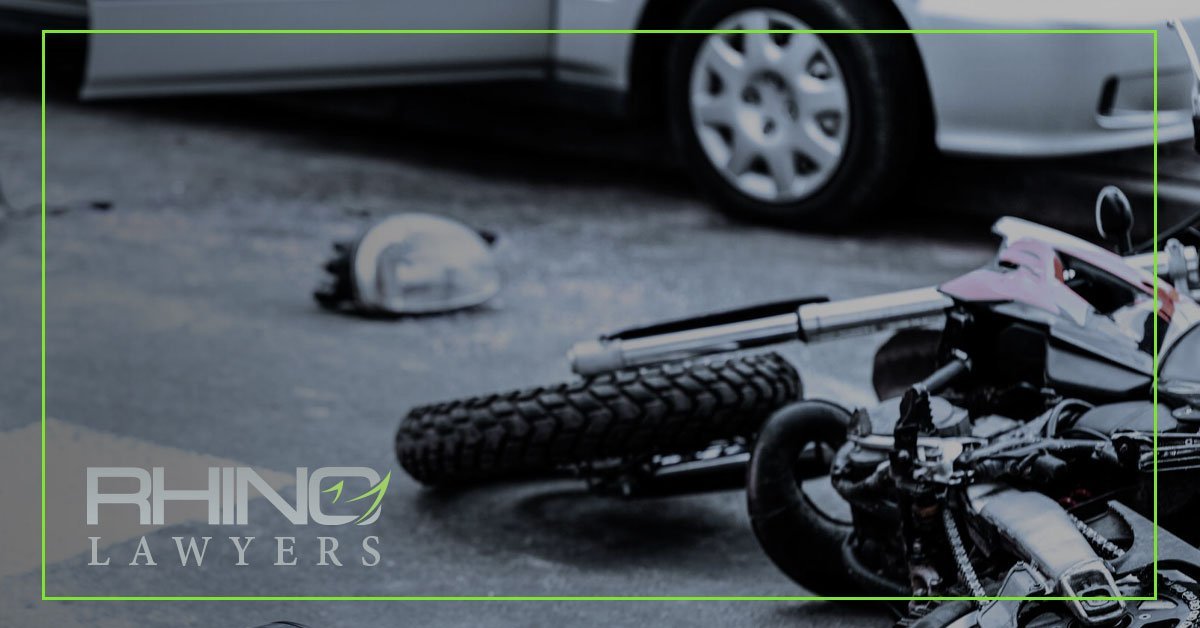
Property Damage to a Motorcycle: How to Collect Compensation?
You got into an accident and your motorcycle suffered damage. You know you need to file a property damage claim but aren’t sure how. What now?
Today we’re going over the steps you’ll need to follow to secure the compensation you deserve. Whether it’s a minor scratch or major repairs, understanding how to manage your claim effectively will help you handle the aftermath of an accident with confidence.
Property Damage Claims for Motorcycles
When you file a property damage claim for your motorcycle, you’re asking an insurance company to pay you for the damage to your bike.
First, let’s define what we mean by a “property damage claim.” This is a formal request to an insurance company for money to cover the costs of repairs needed because of damage to property. In this case, it’s your motorcycle.
This kind of claim is part of the broader field of insurance claims, which also includes claims for things like medical expenses.
Now, let’s talk about “motorcycle property damage.” This refers to any damage that happens to your motorcycle.
It can range from minor issues like scratches and dents to major damage from a crash. Understanding the extent of the damage and how it affects your bike is key to filing an effective claim.
Initial Steps Following the Incident
The first thing you should always do is make sure everyone involved is safe. Then, you can focus on dealing with the damage to your motorcycle.
Your immediate priority is to ensure everyone’s safety. Move your motorcycle away from traffic if it’s safe to do so. Check for any hazards like leaking fuel or broken parts.
Documentation of the Accident Scene
Once it’s safe, start documenting the accident scene. Use your phone to take pictures from different angles showing the damage to your motorcycle.
Also, capture any skid marks, road conditions, and the location of the vehicles involved. These photos will be important when you explain what happened to your insurance company.
Notify Insurance Immediately
Contact your insurance company as soon as you can. Tell them about the accident and the damage to your motorcycle. They will start the process of your property damage claim. The sooner you report the incident, the quicker they can begin evaluating your claim.
Filing Your Property Damage Claim
The first step in filing a claim is to contact your insurance provider. You’ll need to inform them about the accident and provide basic details such as the date, time, and nature of the damage. This initial call will open your claim file and start the process.
Working with a Claims Adjuster
After your claim is filed, an insurance claims adjuster will be assigned to your case. This person reviews the damage to your motorcycle, assesses the repair costs, and verifies the claim details against your policy coverage.
The adjuster plays a vital role in determining how much the insurance company will pay for the repairs. It’s important to provide them with all necessary documents and evidence to support your claim.
Submission of Required Documentation
You will need to submit several documents to support your property damage claim. These typically include a copy of the police or accident report, photographs of the damage, and repair estimates from certified mechanics.
If available, provide receipts or proof of any out-of-pocket expenses related to the accident. All this documentation helps the insurance company understand the extent of the damage and the associated costs.
Handling these steps effectively is key to a successful claim. Clear communication with your insurance provider and prompt submission of all required documents can significantly smooth the process.
Dealing with Motorcycle Repairs
Once your property damage claim is accepted, the next step is getting your motorcycle repaired. You might prefer using a mechanic or repair shop you trust.
However, insurance companies often have partnerships with certain repair shops that they recommend. These recommended shops usually meet the insurer’s standards for quality and pricing. So while you can choose your own mechanic, keep in mind that using a recommended shop can sometimes make the claim process smoother and faster.
Ensuring that your repairs are adequately estimated is important. Insurance companies and repair shops typically provide repair estimates.
It’s also a good idea to get a few different estimates. This helps you understand the range of repair costs and can also provide leverage if you need to negotiate with the insurance company.
If the damage to your motorcycle is extensive, multiple estimates are particularly important. They ensure that all necessary repairs are identified and priced appropriately.
Challenges in the Claim Process
Delays in processing can be frustrating. Insurance companies often have many claims to handle, which can slow down your own claim’s progress. Staying in regular contact with your claims adjuster and providing all required documentation promptly can help speed up the process.
Keep track of all communications and follow up if you feel things are moving too slowly. Disputes over repair costs often occur when there is a difference between what the insurance company thinks the repair should cost and what the repair shops estimate.
To handle these disputes, present your claims adjuster with multiple repair estimates. This shows the consistency in the estimates you received from different shops. It can also strengthen your position during negotiations.
If you disagree with the claims adjuster’s assessment, it’s important to stay calm and collected. Explain your concerns clearly and provide additional evidence if needed.
This could include more photos of the damage, expert opinions from mechanics, or additional quotes for repairs.
Handling these challenges effectively involves good communication, thorough documentation, and sometimes a bit of negotiation.
A Smooth Insurance Process
The property damage claim process can be tricky, but with proper guidance and careful consideration, you can get through it with a positive outcome.
En RHINO Lawyers, our mission is to form a lasting partnership with every client. Our passion is the people we help and the lives we help change.
So, if you have questions or need assistance, we’re here to help. Get in touch today to find out how we can help your case!
CONTACT A TAMPA Motorcycle ACCIDENT ATTORNEY
In short, after a motorcycle accident, you may not know your rights. Above all, don’t struggle through the process alone. Actually, our equipo de lesiones personales is here to help you with any legal needs you might have regarding your accident.
Lastly, let RHINO Lawyers answer your questions and review the facts of your case with a Free Consultation. So, get started by completing the “Free Instant Case Evaluation” or by calling us any time, day or night, at 844.RHINO.77.
Leer más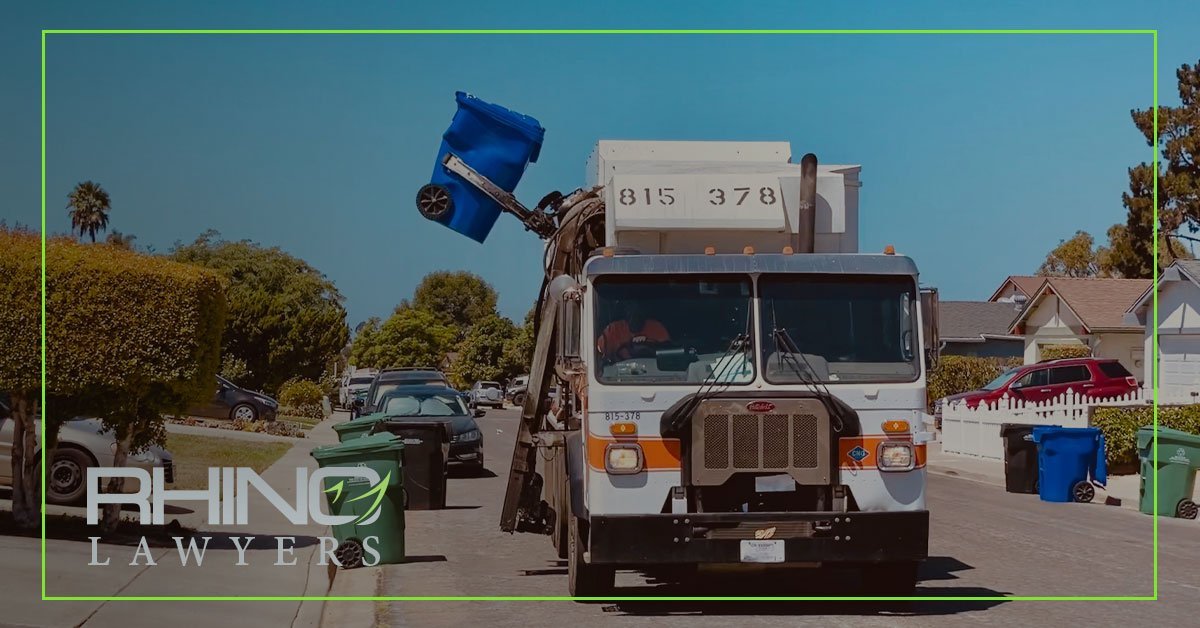
How Dangerous Are Tampa Garbage Truck Accidents?
Garbage trucks and solid waste professionals are integral to the health and sanitation of our city. Is it possible that garbage trucks also pose a public safety risk?
Back in 2018, Tampa lost a beloved retired teacher to a fatal garbage truck driver. While these types of fatalities are fortunately rare, they still teach us an important lesson: garbage truck accidents can and do happen.
Today, we’re going to look at the potential risks associated with garbage truck accidents. We’ll also share information about what to do and who to call if you are in a garbage truck accident. Read on for everything you need to know.
Why Garbage Trucks Pose a Unique Risk
We share just about every roadway with garbage truck drivers. In a single day, a garbage truck may stop and start dozens of times. In the process, they’re passing pedestrians, cyclists, and drivers.
Due to the size and shape of garbage trucks, drivers are navigating with multiple blind spots. Because garbage trucks stop and start so often, many people become desensitized to them and don’t notice when they’re pulling over, changing lanes, or merging back into traffic.
Garbage truck accidents tend to result from distracted driving, failure to yield, or failure to account for blind spots. Because garbage trucks are so large and heavy, even a low-speed accident can cause serious damage and injuries.
Types of Injuries Associated with Garbage Truck Accidents
Injuries resulting from garbage truck accidents range from mild to severe. Common injuries that are disruptive but aren’t permanently life-altering include:
- Whiplash
- Sprains and muscle tears
- External bleeding
- Broken bones
When garbage trucks hit vehicles at a high rate of speed or hit unprotected cyclists and pedestrians, the injuries may be more severe. Severe garbage truck accident injuries include:
- Traumatic brain injuries
- Internal bleeding
- Spinal cord injuries
- Amputations
As experienced accident injury attorneys in Tampa, we know how dangerous garbage truck accidents can be.
What to Do After a Garbage Truck Accident
If you were hit by a garbage truck, there are three important steps to take as soon as possible. Let’s take a look at what to do in the aftermath of a garbage truck accident.
Document the Scene
The more evidence you have from the scene of the accident, the better. In many cases, victims aren’t able to document the accident themselves, but a witness should.
Take photos and videos that show the location of the accident. Photograph the garbage truck and any other property (like your car or bicycle) from multiple angles. The goal is to provide proof of how the accident occurred.
Seek Medical Help
Even if you don’t notice immediate injuries, it’s crucial to seek medical attention right away after a garbage truck accident. Many victims don’t notice early signs of internal injuries because they’re in shock.
In the aftermath, make sure to keep up with any recommended medical appointments. Specialists like chiropractors can make a big difference in the healing process.
Contact an Experienced Accident Attorney
Once you are medically stable, the next step is to contact an experienced accident attorney. Accident attorneys can evaluate the facts of your case to determine the estimated value of your claim. They can also take over the process of compiling evidence and quantifying damages to put you in the best position possible to win your claim.
Because the city government employs 100% of our residential garbage collectors in Tampa, you’re most likely going to file a claim against the government. This is a unique situation that requires legal experience and familiarity with precedents in similar cases.
Damages Associated with Garbage Truck Accidents
If a garbage truck accident results in serious injuries and financial strain, victims have the option of filing a claim in civil court. The purpose of these claims is to seek financial justice and recover damages associated with the accident. Let’s take a look at the types of damages you can include in your accident claim.
Medical Bills
With serious injuries come significant medical bills. Even with health insurance, many accident victims face mounting out-of-pocket costs that put them in debt.
In a garbage truck accident claim, you can request compensation for all related medical bills, including future medical bills. Your attorney can help you to request estimates for future care and the cost of that care.
Lost Income
When you’re recovering from serious injuries, you may have a reduced capacity to work. Even after exhausting things like paid leave, many accident victims lose thousands in the form of lost income. For victims with resulting disabilities, this diminished capacity to work can be a life-long affliction.
In a garbage truck accident claim, you can fight for lost income compensation. Not only does that include lost wages, but also lost benefits like retirement fund contributions.
Property Damage
Depending on the nature of the accident, victims may also request compensation for damaged property in an accident claim.
For example, if your bike was destroyed by the garbage truck that hit you, you can include the value of the bike in your claim. If you need vehicle repairs because the garbage truck dented or damaged your car, you can include the value of the repairs in your claim.
Intangible Damages
An experienced lawyer also knows how to quantify intangible damages when calculating how much garbage truck accident compensation a victim is due. Intangible damages include things like:
- Pain and suffering
- Diminished quality of life
- Loss of consortium
They’re considered intangible because there’s no immediately apparent dollar value. For example, if you suffer from post-accident trauma, you may have associated tangible damages (therapy bills, e.g.) as well as the intangible damage of diminished mental health. Both should be accounted for in your claim.
Get Garbage Truck Accident Support
If you were in a recent garbage truck accident in Tampa, you don’t have to suffer alone. These accidents can result in severe injuries and serious financial strain. RHINO Lawyers are here to help.
En RHINO Lawyers, we have a big team but function like a small law firm. That allows us to devote ample time and resources to every one of our clients. Contact us and get started with your free case consultation.
CONTACT A TAMPA AUTO ACCIDENT ATTORNEY
In short, after a car accident, you may not know your rights. Above all, don’t struggle through the process alone. Actually, our equipo de lesiones personales is here to help you with any legal needs you might have regarding your accident.
Lastly, let RHINO Lawyers answer your questions and review the facts of your case with a Free Consultation. So, get started by completing the “Free Instant Case Evaluation” or by calling us any time, day or night, at 844.RHINO.77.
Leer más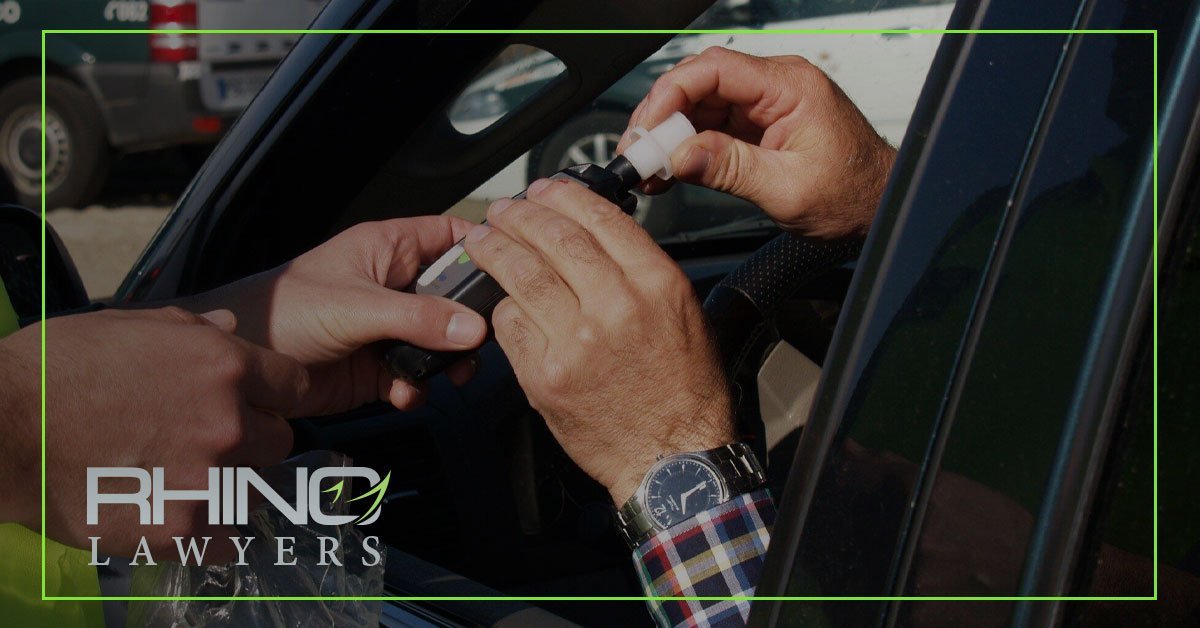
What Happens if You Refuse a Breathalyzer in Tampa, Florida?
Imagine this situation: it’s a quiet night in Tampa and you’re driving home from a party. Suddenly, you see police lights flashing behind you.
Though you’re not sure why, it’s clear you’re about to get pulled over. You know where this is going: the officer will ask you to take a breathalyzer. The thing is, you’re not sure just how many drinks you’ve had.
In situations like these, it’s often tempting to refuse a breathalyzer. About 35% of Florida drivers do it, far more than the national average of 24%. The question is: what happens if you refuse a breathalyzer?
To answer that, we need to go over your rights as a driver. Read on to learn more about breathalyzer tests in Tampa, FL!
How Breathalyzer Tests Work
First things first: how do breathalyzer tests work?
As the name implies, this test measures how much alcohol is in the air you breathe out. It does so by looking at your blood alcohol content (BAC). Like in the rest of the country, the legal alcohol limit in Florida is .08% BAC.
Breath analyzer tests come in two types. The first one is the preliminary alcohol screening (PAS) test, which involves a small portable machine. This is what most people think of when they imagine a breathalyzer test.
The second test is the evidential breath test (EBT). This test involves a larger, stationary machine at the police station or jail. EBT tests are more reliable, and many officers will use them to confirm the earlier PAS results.
Implied Consent Laws in Florida
Once a police officer stops you for a DUI, they’ll likely ask you to do a PAS test. Though you can refuse it, there will be consequences for doing so.
Why is this the case? Simple: in Florida, the implied consent law states you must agree to a chemical or physical test if you’re stopped for DUI. This can include a breath test, urine test, blood test, or field sobriety test.
If you refuse to take one of these tests, your license will get suspended for a year. Keep in mind this is an automatic suspension. It will happen regardless of whether you get convicted of DUI later.
The only caveat to the implied consent law is that the police officer needs probable cause to stop you. If you can prove they didn’t have one, your refusal to blow won’t affect your driving privileges.
What Happens if You Refuse a Breathalyzer?
Refusing a breathalyzer can have several possible consequences. This depends on whether this is your first refusal or not.
If this is your first refusal, you’ll face a mandatory license suspension. During the first 90 days, you won’t be eligible for a hardship license. This license allows you to drive to work and other essential appointments.
A second refusal of a breath test counts as a misdemeanor. According to breathalyzer laws, this will result in an 18-month license suspension. You won’t be eligible for a hardship license for those 18 months.
If you’re facing a criminal trial, refusing a breath test allows the prosecutor to use it against you. This falls under the “consciousness of guilt” argument. This can dramatically increase your odds of going to jail.
It’s also worth noting that refusing a breathalyzer doesn’t mean you won’t get convicted of DUI. If you were driving erratically, the police officer could still take you in for driving under the influence.
Should You Refuse a Breathalyzer?
So, is it better to take or refuse a breathalyzer if you’re unsure you’ll pass it? In most situations, your best bet would be to take it.
Let’s look at this from this perspective: what’s most likely to happen? If you’re convicted of DUI, you’ll get your license suspended and face fines. In some cases, jail time is also a possibility.
However, this is the worst-case scenario. If this is your first offense and you blow under .16% BAC, you may qualify for the Diversion Program. This is a far lighter sentence than what you’d get for refusing to blow.
The Diversion program can involve several requirements. These include:
- Community service
- Attendance at DUI school
- Victim Awareness Program
If you complete the Diversion program, your DUI charges will go away. At this point, you can choose to have your record expunged. This would remove the arrest from your criminal record.
Other Ways to Refuse a Breathalyzer
If you have no good reasons to refuse a breathalyzer, you may decide to take it. However, refusing a breathalyzer isn’t always as simple as saying “no.”
For starters, a breathalyzer test involves providing two breath samples. If these samples aren’t within 0.02% BAC of one another, you’ll need to take a third one. If you refuse to do so, the first two tests won’t matter.
The two samples you provide must also have a sufficient quantity. If they don’t, this may classify as a refusal to take the test. The same applies if you don’t provide the samples within the allowed time frame.
Issues With the Breathalyzer Test
As mentioned above, a PAS breathalyzer test can be unreliable. Being aware of what influences it can help you decide whether to refuse the test or not.
First, there may be something wrong with the machine itself. It may not be properly calibrated, maintained, or warmed up. Similarly, the officer administering the test may not have the necessary training for it.
Some people may produce higher BAC readings than they should. If you have a slow metabolism, for instance, you’ll need longer to absorb alcohol. If so, the test may state you have more alcohol in your bloodstream than you do.
The officer testing you must also observe you for 20 minutes beforehand. If you burp or vomit during this time, the officer will need to wait another 20 minutes. Otherwise, your test results could be artificially inflated.
Refusing a Breathalyzer: What to Do?
Knowing what happens if you refuse a breathalyzer is essential for protecting your rights as a driver. The above guide will help you decide what to do the next time you get pulled over in Tampa, FL!
Looking to fight your DUI charges? Our experienced attorneys at RHINO Lawyers have litigated thousands of cases like yours! Contact us here for a free case evaluation or video consultation!
CONTACT TAMPA TRAFFIC TICKET ATTORNEY
RHINO Lawyers can help and guide you through a system molded by law enforcement, judges, and lawyers for decades. Having won cases for our clients in similar circumstances, our criminal defense team knows what it takes to fight on your behalf.
Let RHINO Lawyers answer your questions and review the facts of your case with a Free Consultation. So, get started by completing the “Free Instant Case Evaluation” or by calling us any time, day or night, at (844) RHINO-77.
Leer más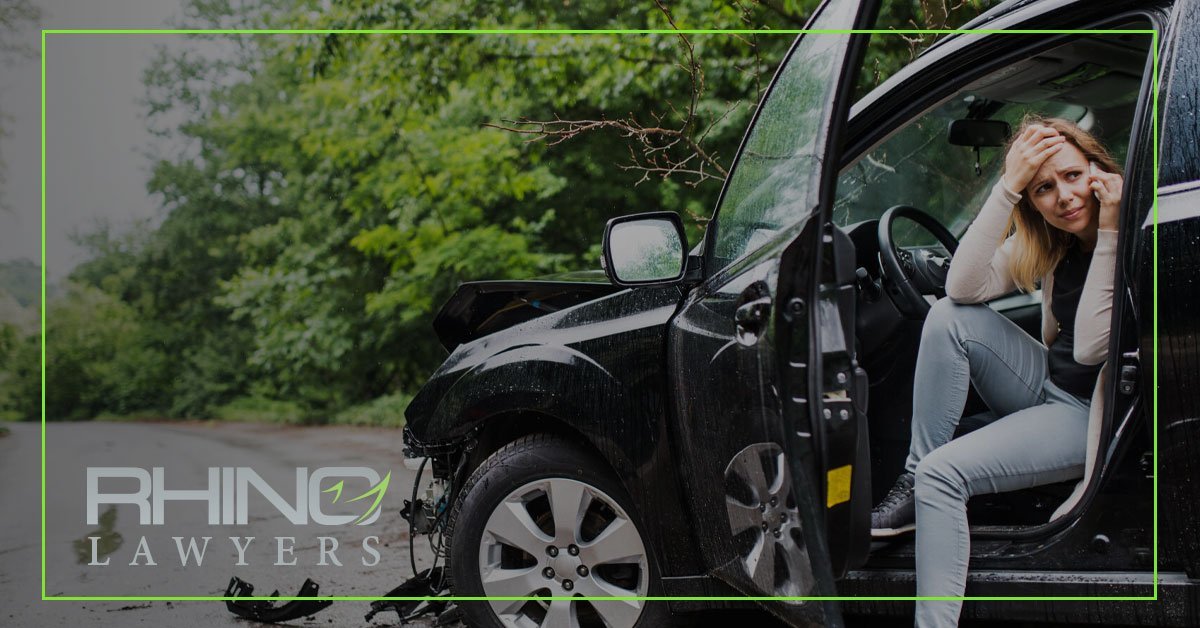
Car Accidents Caused by a Medical Emergency: How Does Liability Work?
You’re driving along safely, but all of a sudden a medical emergency strikes. What happens next? A car accident caused by a medical emergency can bring a whirlwind of questions about liability and fault.
Today we’re diving into the legal landscape to determine where responsibility lies and what compensation might be available.
Car Accident Caused by a Medical Emergency
A car accident caused by a medical emergency involves situations where a driver suffers a sudden health issue that leads to loss of control over the vehicle. Common examples include heart attacks, strokes, or severe diabetic reactions.
These incidents are different from other types of car accidents. Because the driver may not have been able to prevent the crash due to an unexpected medical condition.
In these cases, it’s important to first establish that a genuine medical emergency occurred at the time of the accident. This involves looking at medical records and testimonies from medical experts. Understanding that these emergencies are sudden and unpredictable helps in assessing the situation fairly.
Identifying a medical emergency as the cause of an accident impacts how we view the driver’s actions. It shifts the focus from negligence to uncontrollable circumstances. This distinction is important because it affects how liability is assigned and how the law treats these unique cases.
The law often recognizes that a driver facing a sudden and unforeseeable medical condition may not be held to the same standard of responsibility as a driver who causes an accident due to carelessness or recklessness.
Legal Framework Governing Liability
When a car accident is caused by a medical emergency, understanding the legal principles that govern liability is key. One important concept here is driver liability.
Normally, drivers are responsible for controlling their vehicles and avoiding accidents. However, if a driver suddenly becomes incapacitated due to a medical issue they could not anticipate, this standard changes.
The Sudden Emergency Doctrine comes into play in these scenarios. This legal principle recognizes that a person facing a sudden and unexpected situation that leaves them unable to conform to the standard legal requirements may not be held liable for the resulting harm.
Two Conditions
The doctrine applies when two main conditions are met: the emergency must be unforeseen and must not be caused by the person claiming the doctrine’s protection.
For example, if a driver has a heart attack while driving and crashes, this doctrine might apply. This is only if the driver had no prior knowledge of any heart condition and the attack was sudden and unexpected.
The key is that the incident must be truly unforeseeable and not due to any negligence on the part of the driver, such as ignoring known health warnings or failing to take prescribed medication.
In applying the Sudden Emergency Doctrine, courts look at whether a reasonable person in the same situation would have been able to act differently.
Damages and Compensation
In car accidents caused by a medical emergency, assessing damages and compensation becomes a focus. The victims of these accidents, including the incapacitated driver, might face significant medical expenses and lost wages. These financial impacts are considered when determining compensation.
Medical expenses can cover a wide range of costs, from emergency services at the accident scene to prolonged medical treatments and rehabilitation costs. Lost wages account for the income the injured parties lose if they’re unable to work during their recovery.
In some cases, the compensation might also include potential future earnings, especially if the injuries lead to long-term disabilities affecting the victim’s ability to work.
The process of claiming these damages usually begins with gathering all relevant medical records and employment documents. These are items that can verify the costs and lost income.
Insurance plays a crucial role in how these claims are processed and paid. In a no-fault state, for instance, each person’s own insurance pays for their medical expenses and lost income regardless of who caused the accident. This can simplify the claims process, but there might still be limits on what expenses can be covered and to what extent.
For those in states that are not no-fault, the process can be more complex. They may need to prove the other party’s liability to claim damages. However, in accidents involving a medical emergency, the Sudden Emergency Doctrine might limit or eliminate the incapacitated driver’s liability, affecting the compensation process.
Navigating the Legal Process
When a car accident occurs due to a medical emergency, proving this fact is a critical step in the legal process. The driver who experienced the medical issue has to collect and present clear medical evidence.
This evidence often includes medical records and expert testimony to support the claim that the emergency was unexpected and severe enough to cause loss of control.
Legal professionals play a key role in these cases. They help gather the necessary documentation and expert opinions. They also represent the client in any legal discussions or proceedings that determine liability and compensation.
Their expertise ensures that the evidence is presented effectively and that the client’s rights are protected throughout the process. In some situations, if the medical emergency is well-documented and clearly the cause of the accident, the process might be straightforward.
But in cases where the details are less clear or the insurance companies dispute the claims. As well as, legal proceedings might become necessary. This could involve negotiations between lawyers or even a court case to sort out the extent of liability and the compensation due.
For anyone involved in such an accident, having legal representation is beneficial. A lawyer can guide you through the process, ensuring that all legal rights are considered. They help in communicating with insurance companies and, if necessary, presenting the case in court.
Legal Experience Can Help!
As you can see, there are lots of legal intricacies involved in a car accident caused by a medical emergency. Getting experienced legal help is your best bet in situations like these.
En RHINO Lawyers, our mission is to form a lasting partnership with every client. Our passion is the people we help and the lives that we help change.
If you have questions or need assistance, we are here to help. Get in touch today to find out how we can help your case!
CONTACT A TAMPA AUTO ACCIDENT ATTORNEY
In short, after a car accident, you may not know your rights. Above all, don’t struggle through the process alone. Actually, our equipo de lesiones personales is here to help you with any legal needs you might have regarding your accident.
Lastly, let RHINO Lawyers answer your questions and review the facts of your case with a Free Consultation. So, get started by completing the “Free Instant Case Evaluation” or by calling us any time, day or night, at 844.RHINO.77.
Leer más
Understanding What Happens if a Car Accident Is Caused by a Medical Condition
Imagine you’re behind the wheel when suddenly, a medical condition strikes. What happens next? A car accident caused by a medical condition can bring a whirlwind of questions about legal and insurance outcomes.
Today we’re diving into the surrounding liability, insurance claims, and securing monetary compensation in these types of accidents.
Understanding a Car Accident Caused By a Medical Condition
When a medical condition causes a car accident, it can be a complicated issue. First, let’s define what we mean by “medical conditions.”
These could be sudden events like a heart attack or stroke, or ongoing issues like epilepsy that might lead to a loss of consciousness while driving. Knowing what types of medical conditions can lead to accidents helps everyone understand the risks on the road.
Research shows that these kinds of incidents make up a significant portion of the total number of accidents each year. This data helps us see how big the issue is.
From a legal standpoint, if a car accident is caused by a medical condition, the situation gets complex. Laws vary by location but generally focus on whether the driver knew about their medical condition and if it could impact their driving.
If a driver is aware and still chooses to drive, the legal outcomes can be different than if the condition was unknown and sudden.
Liability and the Sudden Emergency Doctrine
In most car accidents, figuring out who is at fault is key. Fault determines who pays for damages. Normally, if a driver breaks a traffic rule or drives carelessly, they are likely to be considered at fault. However, when a medical condition leads to an accident, determining fault can become more complex.
El Sudden Emergency Doctrine is a legal concept that might apply in cases where a driver has a sudden medical emergency that leads to an accident. This doctrine acknowledges that a person who faces a sudden, unexpected situation that leaves little or no time to react should not be treated under the same standards as someone who has full control and time to react. It’s crucial in cases where the driver had no prior warning signs or reasonable expectation that a medical condition would impair their driving.
For this doctrine to apply, two main conditions must be met. First, the emergency must be sudden and unforeseen. This means the driver must not have known about the medical condition or its potential to cause impairment.
Second, the reaction to the emergency must be reasonable. This considers what an ordinary person might reasonably do if placed in a similar situation. If the Sudden Emergency Doctrine is applicable, a driver may not be held liable for the accident.
Insurance Implications and Claims Process
After an accident caused by a medical condition, the first step is ensuring everyone’s safety. Then, it’s important to notify the police and seek medical help as needed.
Documentation from these first responders can be vital later. The driver or their representative should also inform their insurance company about the accident as soon as possible. This initial report should mention that a medical condition may have contributed to the accident.
How to Report an Accident to Insurance Companies
When reporting an accident, providing detailed information is important. This includes the time and place of the accident, a description of what happened, and any medical attention received at the scene.
It’s helpful to note that the incident involved a medical condition right from the start. This sets the context for the insurance claim and can influence how the claim is processed.
Insurance claims for accidents caused by medical conditions are handled differently from standard claims. The insurance company will likely require detailed medical records and possibly a statement from a doctor.
These documents should show that the medical condition is real, sudden, and unexpected. The insurance company may also need to verify that the driver was compliant with any medical advice given before the accident, including any restrictions on driving.
Pursuing Monetary Compensation
After a car accident caused by a medical condition, there are a few ways to pursue monetary compensation. The primary source is often the insurance company.
Depending on the policy and the circumstances of the accident, the insurance may cover damages and medical expenses. If insurance does not fully cover the costs, or if the situation involves another driver, filing a personal injury lawsuit might be necessary. This allows the affected party to seek compensation for additional damages like lost wages and pain and suffering.
Securing compensation involves several legal requirements. The key is proving that the driver suffering from the medical condition was not negligent. This means showing that the medical condition was unforeseen. It also means showing that the driver had no prior knowledge that their condition could lead to an accident.
Medical documentation and expert testimony play crucial roles here. Doctors may need to testify about the driver’s medical condition and its impact. Legal challenges can arise if there’s evidence that the driver ignored medical advice or was aware of the risks but chose to drive anyway.
Navigating the Compensation Process Effectively
Navigating the compensation process requires careful planning and execution. It’s wise to consult with a lawyer who focuses on personal injury and understands the nuances of accidents caused by medical conditions.
They can offer guidance on how to document the medical condition properly and how to present the case effectively to insurance adjusters or in court. It’s also important for drivers to keep detailed records of all medical treatments and communications with their insurance provider.
Being organized and proactive can significantly impact the outcome of the compensation process.
Car Accident Legal Help
Today we’ve explored the complexities of handling a car accident caused by a medical condition. We’ve discussed legal liability, insurance claims, and compensation. Understanding these elements is crucial for anyone affected.
En RHINO Lawyers, our mission is to form a lasting partnership with every client. Our passion is the people we help and the lives that we help change.
If you have questions or need assistance, we’re here to help. Get in touch today to find out how we can help your case!
CONTACT A TAMPA AUTO ACCIDENT ATTORNEY
In short, after a car accident, you may not know your rights. Above all, don’t struggle through the process alone. Actually, our equipo de lesiones personales is here to help you with any legal needs you might have regarding your accident.
Lastly, let RHINO Lawyers answer your questions and review the facts of your case with a Free Consultation. So, get started by completing the “Free Instant Case Evaluation” or by calling us any time, day or night, at 844.RHINO.77.
Leer más