
¿Qué pasa si el conductor de viajes compartidos estaba borracho o bajo la influencia?
If you were in a rideshare crash, the most important question is simple and urgent: was the driver drunk? If you suspect impairment, end the ride in a public place, call 911 if you feel unsafe, report the driver in the app, and save your trip details.
Next, get a same-day medical check and avoid insurer statements until you speak with a lawyer. These steps protect you, align with rideshare driver responsibility, and keep your options open. Keep reading for your legal rights in rideshare cases, how rideshare accident claims work, and practical rideshare safety measures you can use immediately.
Was The Driver Drunk? Signs And Next Steps
Trust your instincts. Slurred speech, weaving, ignoring signals, or the smell of alcohol are red flags. You control where the ride ends, so ask to stop somewhere well-lit and public, then exit calmly. Report the incident in the rideshare app so there is a time-stamped record and the platform can intervene.
Immediate Actions To Take
Use these quick moves to protect yourself and preserve evidence.
- End the ride somewhere safe
- Move to a public location
- Call 911 if danger signs
- Report immediately through the app
- Screenshot receipt and driver profile
What Are Your Legal Rights In Rideshare Incidents?
Passengers have strong legal rights in rideshare situations. If impairment caused a collision, you can pursue compensation for medical costs, lost wages, and pain and suffering. Liability usually depends on the driver’s status in the app and the coverage that applies at that moment.
An attorney can secure records, guide communications, and prevent missteps with insurers. Clear advice early helps you avoid recorded statements that can limit recovery and ensures deadlines for rideshare accident claims are met.
What Drunk Driving Consequences Do Drivers Face?
Drunk driving consequences are severe for any motorist and career-ending for rideshare drivers. Confirmed impairment can bring criminal charges, license suspension, and a permanent platform ban. If injuries occur, civil liability follows, exposing the driver to claims for damages.
Quick reporting protects other riders and documents conduct that violates rideshare driver responsibility. Even if no crash occurred, your report may prevent the next one.
How Rideshare Accident Claims Are Investigated
Rideshare accident claims are more complex than ordinary collisions because multiple insurance layers may be involved. Coverage changes depending on whether the driver was off the app, waiting for a request, or transporting a passenger. When a ride is active, higher commercial limits typically apply.
Documentation is everything. Save the receipt, route screenshots, and any messages with support. If a crash occurred, photograph vehicles, roadway conditions, and visible injuries. Keep medical records and a dated symptom log so changes are not dismissed as unrelated later.
Documentation Checklist
Create a tidy file the same day. Capture proof while details are fresh to prevent disputes and support rideshare accident claims. Aim for clear, time-stamped items from the app and your phone.
- Trip receipt and route screenshots
- Driver profile and vehicle plate
- Photos of vehicles and the scene
- Witness names and phone numbers
- Medical records and billing notes
Keep everything together in one folder. Name files with date and time so they are easy to find, and back them up. Share the folder with your attorney and avoid posting any of it on social media.
What Rideshare Safety Measures Reduce Risk?
A few habits help you stay in control. Verify the vehicle plate and driver photo before entering. Sit in the back seat, buckle up, and keep an eye on the map so you know the expected route.
Use in-app safety tools to share your trip with a trusted contact. If anything feels off, ask to stop and exit in a public location. These rideshare safety measures reduce exposure and deter risky behavior.
Frequently Asked Questions
How Do I Prove The Driver Was Impaired?
Start with what you observed. Note slurred speech, erratic steering, missed signals, or the smell of alcohol. Save the receipt and route screenshots, and write down the time and location. If police responded, record the agency and case number. Medical documentation and consistent symptom notes also help. Together, these details support liability and strengthen your claim.
Can I Refuse A Ride And Exit Mid-Trip?
Yes. You are never required to remain in a vehicle that feels unsafe. Ask the driver to stop in a public, well-lit spot, end the ride in the app, and exit calmly. If you feel threatened, call 911. Follow with an in-app report and save screenshots. Those steps protect you and create a clear record of what occurred.
What Insurance Applies In A Rideshare Crash?
Coverage depends on driver status. If the driver is transporting a passenger, the platform’s commercial policy usually applies. If the driver is between rides, a different level of coverage may apply. Off app, personal insurance may be primary. A lawyer can identify the correct policy, coordinate claims, and keep deadlines on track.
Should I Give A Recorded Statement To An Adjuster?
Not before speaking with an attorney. Adjusters are trained to minimize payouts, and recorded statements can be used to argue that your injuries are minor or unrelated. A lawyer can speak for you, provide needed documents, and ensure your words are not misinterpreted. Waiting for guidance helps protect your claim value.
How Soon Should I See A Doctor After A Scare?
Same day if possible. Adrenaline can hide injuries, and delayed care invites disputes about causation. A prompt evaluation documents your condition, supports benefits, and provides a baseline for monitoring symptoms. Even if you feel okay, a medical check helps you recover sooner and prevents insurers from claiming your injuries came from something else.
After A Driver Drunk Incident: Your Next Move
A rideshare crash with a suspected drunk driver demands fast, steady action. Choose safety first, report inside the app, document everything, and get medical care the same day. Then explore your options under rideshare accident claims with counsel that understands the process.
RHINO Lawyers stands by a simple promise to clients. Your Case, Our Passion. If you need clear guidance after a rideshare crash, reach out for focused support that protects your rights and moves your case forward.
CONTACT A TAMPA AUTO ACCIDENT ATTORNEY
In short, after a car accident, you may not know your rights. Above all, don’t struggle through the process alone. Actually, our equipo de lesiones personales is here to help you with any legal needs you might have regarding your accident.
Lastly, let RHINO Lawyers answer your questions and review the facts of your case with a Free Consultation. So, get started by completing the “Free Instant Case Evaluation” or by calling us any time, day or night, at 844.RHINO.77.
Leer más
Beyond Billing Errors: Undercover Bribery, Grant Abuse, and Other Fraud Against the Government
Yes, fraud against the government is much more than billing errors. It includes hidden acts like bribery, grant abuse, and false reporting that deeply damage public trust.
In fact, the Federal Trade Commission reported a significant increase in losses caused by fraud in 2024, totaling over $12 billion.
Fraud in the public sector often takes place under layers of paperwork and procedure. Are you wondering what you can do about it? Read on to learn how government corruption operates beyond mistakes in billing, why it matters, and what insiders or witnesses can do to take action.
What Other Types of Fraud Happen Besides Billing Errors?
Many people think of fraud as nothing more than overcharging for a service or duplicating invoices. In truth, these are only surface-level offenses. A deeper world of misconduct exists, involving bribery, hidden deals, and misuse of public funds.
Public sector bribery happens when someone offers or accepts money or favors to gain an unfair advantage. For example, a contractor might secretly pay an official to win a contract or influence a decision. Even small acts, such as gifts or personal favors, can count as bribery when they are meant to sway judgment.
Grant misuse is another major form of government corruption. It happens when organizations receive government money for one purpose but use it for another.
A project manager might report false data, overstate expenses, or redirect funds to personal accounts. Sometimes, the misuse is subtle, like charging unrelated costs to a grant or hiring a family member through a hidden arrangement.
Corporate fraud strategies also appear in public contracts. Some companies hide kickbacks or falsify records to cover up illegal gains.
How Are Funds Misused in Grant Programs?
Grant programs are designed to support education, research, health, and community projects. Unfortunately, some recipients misuse these funds. Misuse can occur in many ways, from fake expenses to inflated budgets.
One common type of misuse is charging personal or unrelated costs to a grant account. Some organizations exaggerate employee hours or report work that never took place. Others submit false progress reports to keep the money flowing.
Detecting these issues takes time and expertise. Many agencies rely on audits, compliance reviews, and investigators to trace suspicious spending. Professionals like these compare the following:
- Financial records
- Reports
- Resultados
Doing this ensures that funds are used correctly. Still, grant misuse detection often begins with insiders.
Why Do These Acts of Misconduct Matter Today?
Fraud against the government has far-reaching effects that go beyond money. It weakens public confidence, wastes resources, and can even put lives at risk when essential programs are disrupted.
When public funds are misused, trust in government fades. People begin to feel that honesty no longer matters and that corruption is part of everyday life. A loss of faith damages the connection between citizens and their institutions.
Government corruption also harms fair competition. Honest companies and workers lose opportunities because others win contracts through bribery or deceit. Doing discourages ethical behavior and creates a culture where rule-breaking is rewarded.
There are also serious legal consequences. Fraudsters can face fines, imprisonment, and permanent bans from public work. Many cases result in long investigations and criminal trials that expose the full extent of the abuse.
What Should Someone Who Has Witnessed Fraud Do?
If you’ve seen or suspect fraud, misconduct, or unsafe practices in a public organization, there are steps you can take to protect yourself and do the right thing.
Start by keeping careful records of what you’ve noticed. Write down names, dates, and details of the events. Save any emails, messages, or documents that may support your concerns.
Next, learn about your rights. Many whistleblower laws protect people who report wrongdoing in good faith. The laws can shield you from retaliation, such as losing your job or being harassed.
Before taking big steps, it’s smart to speak with an experienced lawyer. RHINO Lawyers can help you understand your legal options, prepare your report, and more.
Frequently Asked Questions
What Is Public Sector Bribery and How Can It Happen?
Public sector bribery occurs when someone gives or receives something of value to influence a government decision. It can involve:
- Cash
- Gifts
- Promises of future benefits
Bribery often happens in the contracting process or when officials approve licenses, permits, or budgets. Even small favors can count if they’re intended to sway decisions.
How Do Regulatory Compliance Issues Relate to Government Fraud?
Specific laws and rules govern how public money is used. When compliance systems are weak or ignored, opportunities for fraud grow. Poor oversight, lack of audits, and unclear policies can all make it easier for dishonest individuals to misuse funds.
What Legal Consequences Do Fraudsters Face?
People who commit fraud against the government can face serious penalties. It can include:
- Paying back stolen funds
- Heavy fines
- Criminal charges that lead to jail time
Many also lose the right to work with public agencies again. The specific punishment depends on the severity of the offense and the laws of the country involved.
Can I Report Fraud Anonymously and Still Be Protected?
Yes, in many cases you can. Some government offices allow you to report fraud anonymously. However, staying anonymous might limit how much you can help investigators later.
It’s often best to consult a lawyer first to understand your options and protections before deciding how to report.
Will Reporting Expose Me to Retaliation?
Retaliation against whistleblowers is illegal in many places. Laws can protect you from being fired, demoted, or harassed for reporting fraud in good faith.
It’s Time to Put a Stop to Grant Abuse and More
Fraud against the government can include anything from grant abuse to bribery.
If you’ve seen or suspect wrongdoing, don’t face it alone. RHINO Lawyers can provide exceptional guidance, thorough protection, and the legal support you need to report fraud safely.
With our help, you can take confident steps toward exposing misconduct and restoring integrity to public service. Brandon F. Jones, Esquire, has over 14 years of legal experience and a passion for helping those whose lives have been impacted by negligence.
Do you seek justice? Don’t wait to schedule a personal consultation with RHINO Lawyers today.
Leer más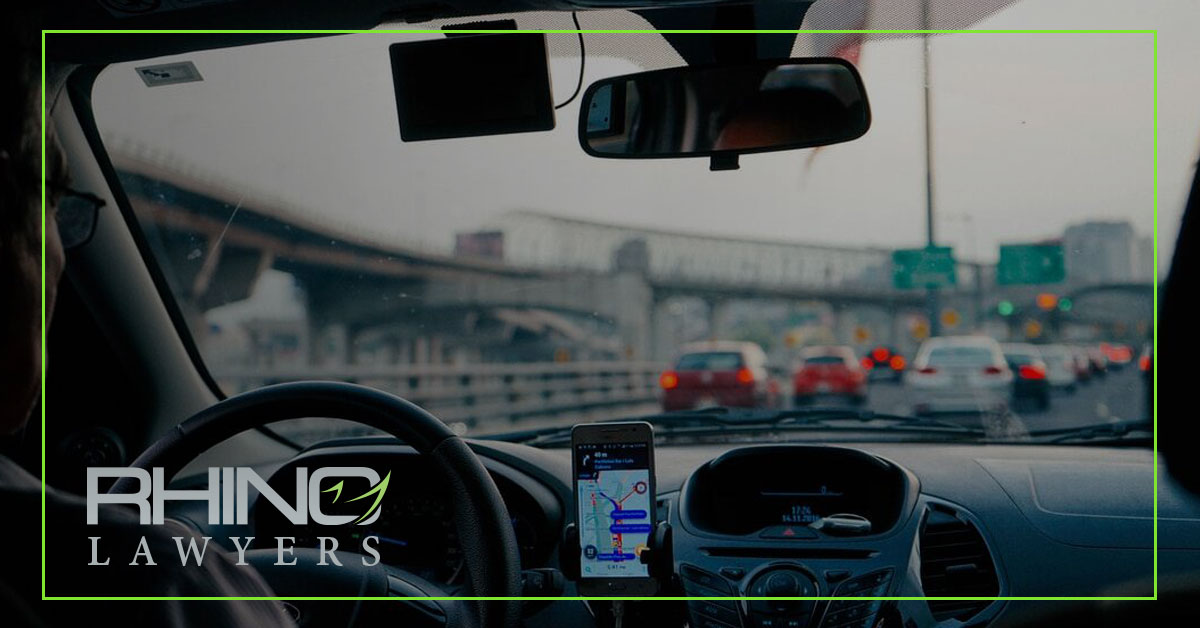
Can I File a Claim If My Rideshare Driver Assaulted Me?
Victims of rideshare driver assault have the right to file claims for compensation and justice. With legal options, insurance coverage, and experienced attorneys, you can demand accountability from both the driver and the rideshare company. Statistics show a growing number of victims are coming forward, and the law is on their side.
The Bureau of Justice Statistics reports that there were 23.3 violent assaults per 1,000 persons age 12 or older in the US. Unfortunately, rideshare-related incidents are a rapidly rising share of those cases. If you’re rideshare driver assaults you, you can take legal action for damages, medical costs, emotional distress, and more.
Our quick guide will help you understand your options and the assault claim process. Let’s look at what you need to know to protect yourself and hold the right parties accountable.
What Is the Uber Rideshare Assault Lawsuit?
The rideshare assault claim against Uber, Lyft, and similar companies involves civil lawsuits brought by victims who suffered physical or sexual assault at the hands of their rideshare driver. This type of case not only targets the driver but often alleges negligence by the rideshare company. Here is what the lawsuit covers:
- Bodily injury, medical bills, emotional trauma
- Lost wages from recovery time
- Pain and suffering damages
- Punitive damages, especially if the company ignored warning signs
As per The New York Times, Uber got a sexual assault or sexual misconduct report almost every eight minutes in the United States. These facts underscore the importance of knowing your legal rights after assault and what steps to take if you become a victim.
Can I File a Claim If My Rideshare Driver Assaulted Me?
Yes, you absolutely can file a claim. You have several legal options available to you. When you file a rideshare assault claim, you’re taking control of the situation.
Here are the types of claims you can file:
Criminal Claims
You can start by reporting the assault to the police. Law enforcement will investigate, and the driver may face criminal charges if evidence supports the case. While this process doesn’t deliver direct financial compensation, it creates an official record and holds the offender publicly accountable.
Civil Claims
In addition, you can file an injury lawsuit for damages. This means you can sue the rideshare driver personally and the rideshare company itself. Pursuing civil claims may result in compensation for your medical bills, therapy, lost wages, pain, and suffering.
How Rideshare Companies May Be Liable
Rideshare companies claim drivers are independent contractors. But that doesn’t always protect them from liability. Companies can be held responsible if they:
- Failed to properly screen drivers
- Ignored previous assault complaints
- Didn’t implement adequate safety measures
- Created an environment where assaults can happen
The CDC reports that more than one in two women and nearly one in three men have experienced contact sexual violence in their lifetime. Rideshare companies have a duty to protect passengers from this violence.
How to Sue a Rideshare Company?
Suing a rideshare company requires careful steps. Here’s what you need to know about pursuing justice after assault:
Step 1: Document Everything Immediately
Start by preserving evidence. Take screenshots of your ride receipt, and save all app communications.
Write down everything you remember about the incident. Ensure you note the time, location, and what happened. Get medical attention even if you feel okay, and keep medical records.
Step 2: Report the Incident
You need to report the assault through multiple channels. These include:
- File a police report
- Report to the rideshare company
- Contact a lawyer
Taking these steps will protect you and create an official record. They will help you preserve your rights and build the foundation for your case.
Step 4: Understand the Legal Assault Claim Process
Your lawyer files a complaint, and the rideshare company responds. Both sides exchange information during discovery. Many cases settle before trial, but if not, your case goes to court.
Step 5: Work With An Experienced Attorney
You shouldn’t face this alone. A qualified lawyer who handles rideshare assault cases knows the system. They understand how these companies operate and will fight for maximum compensation.
Frequently Asked Questions
How Is Compensation Determined for an Uber Accident?
The value of an Uber accident claim isn’t a fixed number. However, it’s carefully tailored to your situation. The primary goal is to restore you financially to the position you were in before the collision occurred.
To achieve this, a comprehensive assessment is made of all your losses. This includes the clear financial costs, such as all medical treatments and lost income due to your injuries.
Aside from tangible expenses, compensation also addresses the less quantifiable effects of the accident. This includes the physical pain and discomfort you endure during recovery. You can get compensation for emotional and mental suffering, such as anxiety.
What Is the Timeline for Resolving an Uber Accident Claim?
The journey to get driver assault compensation varies for every person. Straightforward cases where liability is clear and injuries are minor can reach a resolution relatively quickly.
However, cases involving more serious injuries need a much longer process. If you’re filing a claim, take time to fully understand the complete extent of your injuries. Settling too soon can jeopardize your ability to claim compensation for long-term complications that appear later.
How Does Uber’s Insurance Coverage Work?
Uber provides a layered insurance policy that changes based on the driver’s activity at the time of the accident. This is often tracked through their app. Knowing these phases helps you identify the correct source of compensation.
Uber’s insurance changes based on the driver’s app status. Their personal insurance applies while waiting for a ride. Once a trip is accepted, Uber’s commercial policy activates, protecting you throughout your journey.
Take Action Against Rideshare Drivers with Professional Lawyers
Standing up for your rights after an assault by a rideshare driver protects you and others. It also prompts better company policies.
En RHINO Lawyers, we can advocate for you. With 14+ years of accident experience and a team led by a former insurance defense attorney, our lawyers are licensed across several jurisdictions to help deliver the result you deserve. We take pride in getting maximum compensation for our clients.
Reach out to schedule a consultation and experience qualified legal representation.
CONTACT A TAMPA AUTO ACCIDENT ATTORNEY
In short, after a car accident, you may not know your rights. Above all, don’t struggle through the process alone. Actually, our equipo de lesiones personales is here to help you with any legal needs you might have regarding your accident.
Lastly, let RHINO Lawyers answer your questions and review the facts of your case with a Free Consultation. So, get started by completing the “Free Instant Case Evaluation” or by calling us any time, day or night, at 844.RHINO.77.
Leer más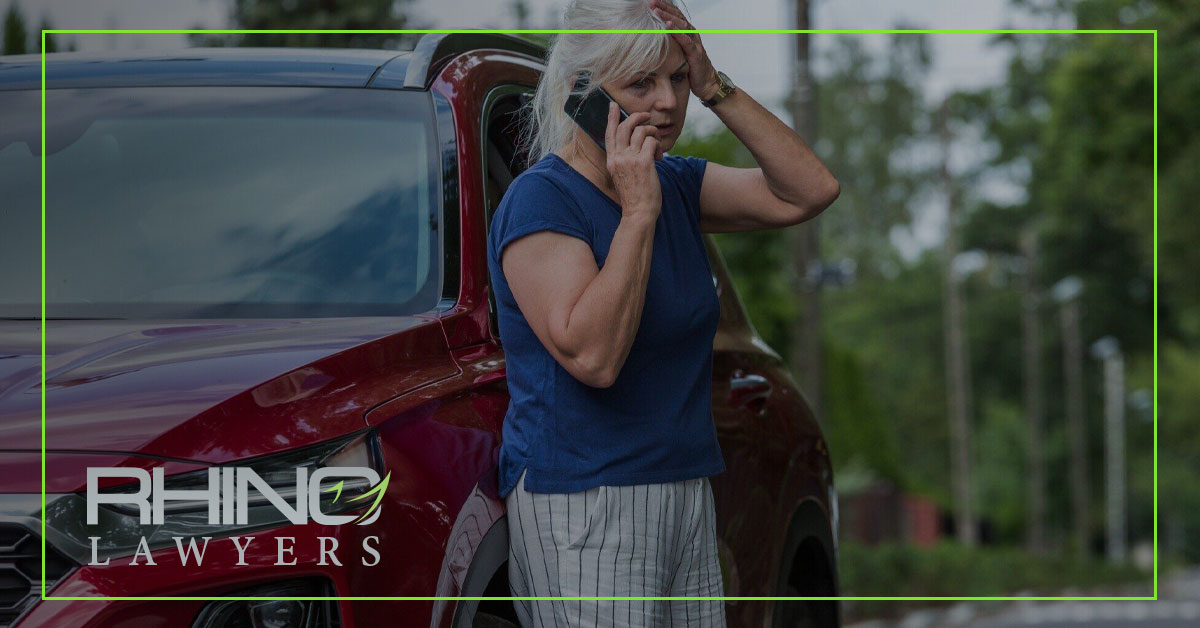
What NOT to do After a Tampa Car Accident
After a Tampa car accident, the wrong move can cost you thousands of dollars, limit your recovery, and even jeopardize your entire claim. Admitting fault, delaying medical care, or speaking freely to insurers are mistakes that can erase your right to fair compensation.
Tampa sees thousands of crashes every year, and too many victims learn too late that one slip-up can shape their entire case. The good news is that avoiding mistakes is simple once you know what to watch out for.
Keep reading to see the Tampa accident mistakes you must avoid, the legal tips for car accidents every driver should know, and practical steps that will protect your claim from day one.
What Common Mistakes Should I Avoid After a Tampa Car Accident?
Leaving the scene prematurely is one of the most damaging errors. Florida law requires you to remain until law enforcement arrives and all necessary information has been exchanged. Leaving early can result in criminal penalties and weaken your credibility.
Skipping Medical Attention
Adrenaline often masks pain. By the time you feel symptoms, insurers may argue the injuries are unrelated. Prompt medical care documents your condition, making it harder for anyone to dispute the cause.
Overlooking Evidence Collection
Crash scenes are cleared quickly, and with them, vital details are lost. Photos of vehicle damage, skid marks, and weather conditions preserve the facts. Gathering witness information and insurance details supports accident claim protection in the weeks to come.
Key items to capture include:
- Photos of both vehicles
- Weather and road conditions
- Witness names and numbers
- Insurance card details
- Visible injuries at the scene
Can Admitting Fault Hurt My Accident Claim?
Yes. Even saying “I’m sorry” in the heat of the moment can be used against you. Florida applies comparative negligence rules, which means your compensation can be reduced if you are considered partly responsible.
Why Silence Helps
You are not obligated to discuss blame. Stick to names and insurance details, not speculation about speed, distraction, or what you ‘might have done.’
Insurance Company Risks
When you admit fault directly to an insurance adjuster, they document it as evidence to limit their payout. Protecting yourself requires letting investigators and attorneys determine responsibility rather than offering unnecessary opinions.
Should I Talk to the Other Driver’s Insurance Company?
Communicating with the other insurer is one of the most common post-accident errors.
Recorded Statements
Many insurers ask for recorded statements. These can be replayed, analyzed, and used to argue that your injuries are minor or your story is inconsistent. A safe approach is to provide only basic details and let your lawyer handle the rest.
Pressure Tactics
Adjusters may offer quick settlements to close the case before you understand the full impact of your injuries. Accepting too soon leaves you paying for long-term expenses out of pocket.
Common pressure tactics include:
- Low settlement offers quickly
- Requests for recorded statements
- Claims your injuries are minor
- Delays in responding to questions
- Suggesting you do not need counsel
What Happens If I Delay Medical Treatment After a Crash in Tampa?
Some injuries, such as whiplash, concussions, or internal damage, do not present immediate symptoms. Only a trained professional can diagnose these early and provide a medical record that supports your claim.
Financial Risks
Waiting gives insurers an excuse to argue that your condition is unrelated to the accident. Early treatment not only safeguards your health but also closes the door on those arguments.
How Soon Should I Hire a Tampa Car Accident Attorney?
The sooner you bring in an attorney, the stronger your case will be. From preserving evidence to guiding medical documentation, early legal help ensures you are not left vulnerable.
Claim Protection
Attorneys manage deadlines, prepare paperwork, and shield you from common Tampa accident mistakes. They also negotiate with insurers to prevent lowball settlements.
Stress Reduction
Accidents already bring physical and emotional stress. Having a lawyer manage communication with insurers allows you to focus on recovery rather than phone calls and legal forms.
Frequently Asked Questions
How Long Do I Have to File a Negligence Lawsuit After a Crash in Tampa?
Florida law allows most personal injury victims two years to file a lawsuit. While this may seem like plenty of time, waiting too long can hurt your case. Evidence fades, witnesses forget details, and insurers gain more leverage. Acting quickly ensures you have the strongest possible claim.
Do I Still Have a Case if I Was Partly at Fault?
Yes. Under Florida’s comparative negligence system, you can still pursue damages if you are 50 percent or less responsible. However, your compensation will be reduced by the percentage of fault assigned to you. For example, if you are found 20 percent at fault and your damages are $100,000, you may still recover $80,000.
Why Is Quick Medical Treatment So Important for My Claim?
Immediate medical care establishes a clear link between the accident and your injuries. If you wait too long, insurers can argue that your injuries were not serious or caused by another event. Quick treatment not only protects your health but also ensures your eligibility for insurance benefits under Florida’s PIP requirements.
Should I Post About the Accident on Social Media?
No. Posting photos, updates, or even comments about your recovery can be taken out of context and used against you. For example, a smiling photo with friends could be misinterpreted as proof that you are not injured. To protect your claim, keep accident details offline until the case is resolved.
What Should I Bring to My First Meeting With a Lawyer?
Bring all documents related to the crash. This includes the police report, medical records, insurance policy information, photos, and any communication from the other party’s insurer. The more organized your evidence, the faster an attorney can assess your case and build a strategy.
What Not to Do After a Tampa Car Accident
Avoiding common mistakes after a Tampa car accident is critical to protecting your claim. Skipping medical care, admitting fault, leaving the scene, or talking too freely with insurers all reduce your chances of fair compensation.
En RHINO Lawyers, your case is our passion. We fight for accident victims with a client-first approach, ensuring strong advocacy and full accident claim protection. If you need trusted Tampa car crash advice, contact RHINO Lawyers today for the guidance and representation you deserve.
CONTACT A TAMPA AUTO ACCIDENT ATTORNEY
In short, after a car accident, you may not know your rights. Above all, don’t struggle through the process alone. Actually, our equipo de lesiones personales is here to help you with any legal needs you might have regarding your accident.
Lastly, let RHINO Lawyers answer your questions and review the facts of your case with a Free Consultation. So, get started by completing the “Free Instant Case Evaluation” or by calling us any time, day or night, at 844.RHINO.77.
Leer más
Filing with Confidence: A Step-by-Step Guide to IRS Whistleblower Claims for Tax Fraud
Filing IRS whistleblower claims gives you a legal way to report tax fraud and potentially receive a financial reward. The IRS has created a formal process to evaluate cases, protect whistleblowers, and pursue unpaid taxes. Understanding each step is key to moving forward with confidence.
There’s plenty of incentive to do the right thing here. Last year alone, the IRS handed out a total of $123.5 million in awards to thousands of whistleblowers across the country. This, in turn, enabled the IRS to collect a whopping $474 million in unpaid or illegally avoided taxes. By blowing the whistle, you too could make a pretty penny.
In Florida, including Tampa and Parkland, tax evasion cases can involve businesses, investors, or individuals. By learning how the IRS claim process works, you place yourself in a stronger position to file correctly and protect your interests.
Why File an IRS Whistleblower Claim?
If you discover tax fraud, ignoring it could allow millions in unpaid revenue to go uncollected. The IRS whistleblower program encourages citizens to come forward by offering rewards when information leads to successful recovery.
When you file a tax claim correctly, you help stop fraud while opening the door to possible compensation for your efforts. A Tampa resident who uncovers corporate underreporting or a Parkland professional who sees suspicious financial behavior both have the same legal path available.
How Do IRS Whistleblower Claims Work?
The IRS created this system to ensure credible cases move forward. To begin, you must file using IRS Form 211. This form requires details on the suspected fraud, including names, dates, and supporting evidence.
The IRS claim process is not quick. Reviews can take months or even years. However, claims backed with strong documentation stand a much better chance of success. Filing without detail will almost always result in rejection.
What Information Do You Need to Report Tax Fraud?
The IRS looks for specific evidence. Vague statements rarely help. Before you file a tax claim, gather:
- The taxpayer’s name and address
- Description of the suspected violation
- How did you become aware of the issue
- Documentation such as contracts, emails, or financial records
Precise, verifiable details are what transform tax fraud reporting into actionable evidence. Even if you live in Florida, the IRS has national jurisdiction and will evaluate your claim under the same rules applied across the country.
What Rewards Are Possible Under the IRS Whistleblower Program?
One of the most well-known features of the IRS whistleblower program is its financial incentives. If your information leads to the recovery of more than $2 million, you may receive 15% to 30% of what the IRS collects.
Smaller cases involving individuals with income under $200,000 also qualify for awards, though usually at a lower percentage. The rewards serve two purposes: they compensate whistleblowers and motivate honest citizens to come forward.
How to File a Tax Claim Step by Step
Filing follows a structured process:
- Complete IRS Form 211 with full details.
- Submit the form by mail to the IRS Whistleblower Office.
- Retain copies of all documents.
- Wait for acknowledgment of receipt.
- Cooperate if the IRS requests additional information.
Following these steps ensures your submission is valid and considered in the IRS claim process. Skipping details or using the wrong form can delay or derail your effort completely.
Do You Need a Lawyer to File?
You are not required to have a lawyer, but many whistleblowers in Florida choose one. Tax law can be complex, and having representation protects you from errors and helps preserve your rights.
An experienced whistleblower attorney can clarify what evidence is most useful, manage communication with the IRS, and guide you if retaliation becomes a concern. Tampa and Parkland both have firms familiar with federal tax law and the protections available to whistleblowers.
Common Mistakes to Avoid
Even strong cases can fail if the filing is sloppy. Avoid these pitfalls:
- Submitting guesses instead of evidence
- Omitting your contact information
- Assuming the IRS will investigate quickly
- Sharing your claim details with unauthorized parties
Protecting confidentiality is essential when you report tax fraud. Speaking too openly about your case can put you at personal or professional risk.
How Long Does the Process Take?
Patience is necessary. Some claims take three to five years before resolution. The IRS must investigate, audit, pursue legal action, and then finalize recovery. Only after the collection are rewards calculated and paid.
For Florida residents used to fast responses in other legal matters, this timeline can feel slow. But persistence and accurate documentation remain the most effective tools.
Frequently Asked Questions
How Do I Know If My Case Qualifies?
Your case qualifies if it involves clear evidence of underreported income, fraudulent deductions, or unreported offshore accounts. The larger the amount, the more likely the IRS will prioritize it.
Can I Remain Anonymous When Reporting Tax Fraud?
No. You must provide identifying information when you file. However, the IRS protects your identity from the taxpayer under investigation.
How Much Evidence Do I Need?
You should provide as much documentation as possible. Contracts, invoices, and internal records make a stronger case than verbal claims alone.
Do I Get Paid If the IRS Doesn’t Collect?
No. Rewards only come when the IRS successfully collects funds based on your information.
Can I File Again If My Claim Is Denied?
Yes. If you discover new evidence, you may submit a new Form 211. Be sure to highlight what has changed since your prior submission.
Filing with Confidence in Florida
Now is the moment to act, not wait. Tax fraud is robbing our government and honest taxpayers every day. If you hold concrete evidence of wrongdoing, don’t let it go unused. With the correct approach, your disclosure could recover millions-and you may earn a substantial whistleblower award through IRS whistleblower claims.
Don’t risk your information being sidelined or ignored. Reach out to RHINO Lawyers today for a confidential case review. Our attorneys will evaluate your evidence, guide your submission, and stand by you through the process. Time matters, so contact RHINO Lawyers now to make your voice count and to file with confidence.
Leer más
How Rental Car Insurance Can Fail You After An Accident
Rental car insurance can be complicated, and you may end up not being covered if you don’t know what to expect. A provider may deny coverage for certain types of damage, or if you break any rules of the agreement, such as letting someone else drive the vehicle.
According to an article from Consumer Affairs, there are more than 3,000 rental car companies in the US, and in 2023, about 48 million Americans used a car rental service.
Renting a car gives you freedom and flexibility, but when the unexpected happens, your peace of mind depends on understanding how rental car coverage works. Many drivers assume that once they’ve paid for their insurance protection upfront, they’re fully covered in any situation, but this isn’t always the case.
This article explores how rental car insurance can fail after a crash and how to protect yourself when the unexpected happens.
Should I Take Out Extra Insurance When Renting a Car?
It can be tempting to skip the extra protection offered at the rental counter, especially if it feels expensive. This extra coverage is often sold as:
- Collision damage waiver
- Loss damage waiver
- Supplemental liability insurance
It can sometimes make the difference between paying out-of-pocket and being mostly covered. Here’s where the pitfalls begin:
Waivers Don’t Always Cover Everything
Many waivers exclude certain kinds of damage, such as:
- Glass
- Undercarriage
- Tire damage
- Interior damage
- Wear and tear
- Theft if you left the car unlocked
Some only cover you up to a set monetary limit, leaving you responsible for the remainder.
“Zero-Excess” or “Full Protection” Claims May Be Denied
The rental company or its insurers may deny certain parts of a claim. They may cite things like driver error or breach of contract, for example.
Unauthorized Drivers
Only authorized drivers should operate a rental vehicle. If someone else drives a rental car (i.e., someone who isn’t listed on the contract), insurers may refuse to cover the accident.
Violation of the Rental Agreement
Keep track of where you’re permitted to drive the rental vehicle. If you drive off-road, outside geographic limits, under the influence, or engage in prohibited activities, the coverage can be voided entirely.
Deductibles, Hold Charges, and Administrative Fees
Even if coverage applies, you may still face additional charges. This can include deductibles, hold deposits (which are later released but tie up funds), or service fees from the rental company.
Does My Credit Card Offer Rental Car Insurance?
It might, but relying solely on credit card rental car coverage is risky. Many premium credit cards offer rental car insurance as a cardholder benefit, but it often comes with restrictions, limitations, and fine print.
Here are some key caveats and pitfalls to watch out for:
Secondary vs. Primary Coverage
Most credit cards offer secondary coverage, meaning they only kick in after your personal insurance pays. If your personal policy denies coverage, your credit card provider may pay nothing.
Type and Duration of Coverage
Many credit cards only cover collision damage and theft, not liability or medical costs. Some impose a maximum number of days or geographical restrictions (e.g., excluding certain countries).
Qualifying Conditions
You often must decline the rental company’s collision damage waiver (CDW/LDW) to activate the card’s coverage. Failing to pay for the rental with your credit card can also void the benefit.
Excluded Vehicle Classes
Some cars may be excluded from certain credit card policies. These often include:
- Luxury cars
- Vans
- Trucks
- Specialty vehicles
Administrative Claims Hurdles
Even when coverage is available, the card issuer requires prompt notification, documentation (such as a police report or repair invoices), and adherence to strict timelines. If you miss a deadline or fail to provide required documents, your claim may be denied outright.
How Rental Car Coverage Fails in Post-Accident Scenarios
After an accident, various things can go wrong. Even when you think you have solid protection, you may still face these issues:
Delayed or Denied Claims
Insurance adjusters may seek out loopholes. They might use these to minimize payments on rental car claims. Some typical examples include arguing that you drove recklessly or outside of permitted zones.
Coverage Gaps
Even if your agreement promises full protection, there may be a monetary ceiling or limits on repair costs. You may end up responsible for excess beyond that cap.
Liability Gaps
Your rental agreement’s coverage often focuses on damage to the rented vehicle itself. If you injure a third party or damage their property, you might need liability coverage from your personal auto policy or secondary carry-on policies.
Subrogation and Surprises
The rental company’s insurer may pay initially but then seek reimbursement from you (subrogation). They’re likely to try this if they believe your actions breached the agreement (e.g., using an excluded driver).
Loss of Personal Items
Many rental policies won’t cover personal belongings. If you lose or damage any personal items in the vehicle during the accident, you likely won’t be able to claim them.
Administrative or Hidden Fees
Even if coverage is accepted, you can face other fees. Consider:
- Loss of use charges
- Towing fees
- Storage costs
Frequently Asked Questions
What Kind of Damage Is Most Often Denied Under Standard Rental Car Coverage?
Denials often arise for damage to the glass, undercarriage, wheels/tires, or the interior unless you purchased a full protection waiver. Theft claims may be rejected if you left keys in the car or failed to lock the doors.
Can the Rental Company Charge Me for Loss of Use if My Coverage Applies?
Yes. Some contracts allow the rental company to charge you for the time the car was out of service during repairs. Some waivers mitigate this, but not always fully, and insurers may push back.
What Role Does Legal Representation Play in Rental Car Claims After an Accident?
A lawyer with experience in post-accident insurance disputes can provide valuable assistance in several ways. They might challenge unfair claim denials, fight hidden loopholes or subrogation attempts, negotiate with insurers, and protect your rights, especially when serious damage or liability is involved.
Protecting Yourself
Rental car insurance can fail you after an accident in more ways than most renters expect. If this happens, having solid legal representation can be invaluable.
RHINO Lawyers is here 24/7 to offer reliable legal assistance. We have hundreds of 5-star reviews and have recovered almost $100,000,000 for our clients. Contáctenos hoy!
CONTACT A TAMPA AUTO ACCIDENT ATTORNEY
In short, after a car accident, you may not know your rights. Above all, don’t struggle through the process alone. Actually, our equipo de lesiones personales is here to help you with any legal needs you might have regarding your accident.
Lastly, let RHINO Lawyers answer your questions and review the facts of your case with a Free Consultation. So, get started by completing the “Free Instant Case Evaluation” or by calling us any time, day or night, at 844.RHINO.77.
Leer más
How Nonprofit Whistleblowers Can Safeguard Community Trust and Eligibility for Rewards
Documenting concerns and using internal reporting channels helps nonprofit whistleblowers protect trust. Maintaining confidentiality, seeking legal counsel, and coordinating with oversight agencies exposes unethical behavior safely.
A post by PBMares, citing the 2024 ACFE report, shows that 10% of occupational fraud occurs in nonprofits. Fraud often involves the misuse of funds, fake expenses, or conflicts of interest. If no one reports it, organizations risk financial loss and damaged community confidence.
Some nonprofits and regulatory authorities offer rewards to encourage reporting. However, pursuing incentives without care can weaken trust.
Strong ethical reporting strikes a balance between accountability and credibility. Here are strategies nonprofit whistleblowers can follow to safeguard community trust and remain eligible for rewards.
Do Whistleblowers Get Rewards?
Nonprofits sometimes offer rewards to encourage reporting of misconduct. Whistleblower incentives may include monetary compensation or recognition programs. Eligibility often depends on providing accurate, actionable information that leads to corrective action.
By reporting honestly, you strengthen nonprofit ethics and support accountability. Thoughtful disclosures allow the organization to act on your findings while preserving credibility and encouraging others to report concerns.
What Protections Are Offered to Whistleblowers?
Whistleblower protection laws shield you from retaliation, including:
- Job loss
- Harassment
- Demotion
- Salary reduction
- Negative performance evaluations
Legal safeguards vary by region but often cover both internal and external reporting. Keeping detailed records strengthens your case if retaliation occurs. Awareness of these protections enables you to report without compromising your professional integrity.
Organizations with robust protection programs demonstrate a commitment to accountability and transparency, which reassures staff and stakeholders. These measures ensure that reporting misconduct does not jeopardize your career or reputation.
Nonprofit Whistleblowers: Maintain Trust and Earn Rewards
Rewards can erode trust if seen as personal gain. Communities may doubt motives when incentives seem primary. Acting thoughtfully ensures reporting benefits the nonprofit, not just yourself.
Careful documentation, following proper channels, and staying objective reduce risks. Ethical reporting preserves credibility, reinforces nonprofit ethics, and strengthens community trust. Balancing reward eligibility tips with responsible conduct helps whistleblowers earn recognition.
Document Everything
Keep detailed records of concerns, including:
- Dates
- Emails
- Documents or reports
- Photos or screenshots
- Witness statements
Clear, factual documentation strengthens credibility and provides legal protection. Accurate records support whistleblower incentives and enable regulators to act effectively. Organizing information systematically ensures that your reporting is both traceable and defensible, promoting ethical practices.
Follow Internal Reporting Channels First
Reporting internally first shows respect for organizational procedures and governance. Submit concerns to:
- Supervisors
- Compliance officers
- Internal hotlines
- Ethics committees
- Human resources
Internal reporting can help resolve issues without external involvement, maintaining trust. Escalating concerns correctly strengthens organizational accountability and preserves your role as a responsible whistleblower.
Protect Confidentiality
Maintaining confidentiality protects both yourself and others involved. Sharing information carelessly can harm stakeholders or violate privacy laws. Only disclose details to authorized personnel or regulatory bodies.
Confidentiality helps sustain building community trust and prevents unnecessary rumors or reputational damage. Protecting sensitive information ensures your actions are ethical and professional.
Seek Legal Guidance
Consulting legal experts helps you navigate complex rules and safeguards. Lawyers can clarify:
- Whistleblower protection
- Potential risks
- Reporting obligations
- Confidentiality requirements
For reliable legal support, consult professionals like RHINO Lawyers. Our team can guide you through the reporting procedures, protect your rights, and ensure that your disclosures comply with applicable laws.
Seeking counsel helps you act with confidence and maintain credibility. It also helps balance personal safety, community trust, and organizational integrity.
Understand Reward Eligibility Criteria
Learn the rules for whistleblower incentives before taking action. Eligibility typically requires verifiable evidence and adherence to proper reporting procedures. Understanding the criteria helps ensure you qualify for recognition or monetary rewards.
Following guidelines avoids perceptions of self-interest and supports ethical reporting. Clear awareness of requirements allows you to act while contributing to nonprofit transparency.
A proper understanding of rewards reinforces responsible reporting and balances incentives with ethics. It also ensures that your disclosures have a meaningful impact.
Coordinate with Oversight Agencies
Agencies can provide guidance, legal protections, and investigative support. Coordination strengthens credibility and demonstrates commitment to nonprofit ethics.
Engaging regulators protects your role and helps enforce accountability. Collaboration with oversight bodies fosters transparency, reinforces trust, and promotes organizational integrity.
Frequently Asked Questions
How Can Nonprofit Whistleblowers Handle Anonymous Reporting?
Whistleblowers can use secure hotlines, online portals, or third-party services to report anonymously. Keep detailed notes and evidence without revealing personal identifiers.
Avoid sharing information outside authorized channels. Anonymous reporting protects your identity while allowing regulators or the organization to investigate.
Are There Tax Implications for Whistleblower Incentives in Nonprofits?
Monetary rewards from whistleblower programs may count as taxable income. Consult tax professionals to understand obligations.
Keep records of awards and reporting forms for filing purposes. Non-cash incentives, such as recognition or training, typically don’t incur tax consequences.
How Long Does It Take for Reports to Be Investigated?
Investigation timelines vary depending on the complexity and size of the organization. Small nonprofits may complete reviews faster than larger ones.
Regulators follow internal protocols and legal requirements. Maintain professional communication and monitor progress through official channels.
Can I Report Misconduct After Leaving the Organization?
You can report issues discovered while working, even after departure. Retain all evidence and documentation from your tenure. Contact regulators or oversight agencies following proper procedures.
Reporting after leaving still qualifies for protections or whistleblower incentives. Ethical responsibility continues until misconduct is addressed.
What Happens If My Report Is Disputed or Ignored?
If a report is disputed, provide clear and factual documentation. Escalate concerns to higher authorities or regulatory bodies.
Keep records of all communications for legal protection. Ignored reports may trigger further review or formal investigation.
Nonprofit Whistleblowers: Protecting Trust and Rewards
Nonprofit whistleblowers play a vital role in maintaining ethics and transparency. Following proper procedures safeguards both community trust and eligibility for rewards. Ethical reporting strengthens organizations and encourages accountability across the nonprofit sector.
En RHINO Lawyers, we help nonprofit whistleblowers navigate legal protections and reporting requirements. Our leader, Brandon F. Jones, Esquire, brings 14 years of legal expertise. He is licensed in several jurisdictions, which allows him to advise clients across multiple regions.
Our team can guide you through reporting channels, protect your rights, and ensure your disclosures have a meaningful impact. Reach out today for expert legal assistance with whistleblower concerns and nonprofit compliance.
Leer más
Hit by a Car While Jogging: What Are My Legal Options?
If you’re hit by a car while jogging, then you can get compensation related to medical costs, lost wages, and pain and suffering. However, you need to take the correct steps to protect your rights and increase your chances of a fair settlement or court award. This includes seeking medical help, gathering evidence, and most importantly, consulting an experienced attorney.
According to Statista, around 50 million Americans enjoy running and jogging, and it’s one of the most popular forms of exercise in the world. You’d think that because it’s such a popular activity, the general public would be fantastic at protecting these pedestrians. However, it’s still common to see joggers get hit by cars, especially if the drivers are distracted with other things, like smartphone usage.
You can do everything you can to avoid being hit by a car, but there’s still a chance an accident may happen. So what should you do if this happens? Read on to find out.
What Should I Do After I Get Hit by a Car?
What you do immediately after the collision is extremely important. Not only are your actions vital to your health, but they’re also essential for any legal claim you might pursue.
Seek Medical Attention
Even if your injuries seem minor, you never know if you have a concussion or internal bleeding, which may not have immediate symptoms. Plus, getting prompt medical attention provides you with medical documentation, which creates a clear link between the accident and your injuries.
Call Law Enforcement
The police can create an accident report, which serves as valuable evidence. You’ll need it when negotiating with insurance companies or in court.
Gather Evidence
You should get contact information from the driver and any witnesses who saw the accident. You should also take pictures of:
- The scene
- Your injuries
- Any property damage
Avoid Speaking to Insurance Companies Alone
Insurance companies will always try to minimize payouts, so don’t speak to them alone. You should consult with a personal injury attorney, who will protect your rights. They’ll also advise you on:
- Liability
- Damages
- Next steps
Should I Admit Fault at the Scene?
You should never admit fault at the scene. In fact, you shouldn’t even utter casual statements, like “I’m okay,” as they can be used against you later on.
Liability should always be determined through evidence, not assumptions. Of course, you should provide factual information to the police, but be conscientious about admitting blame.
Your Right to Compensation
If you’ve suffered injuries while jogging due to a car accident, then there are pedestrian accident rights for you. The types of compensation you can get include:
- Medical expenses
- Lost wages and future earnings
- Pain and suffering
- Property damage
- Punitive damages
Determining Liability After a Jogging Accident
Liability usually depends on negligence. So in most cases, the driver would be at fault, especially if they were:
- Distracted
- Speeding
- Violating traffic laws
However, it may be surprising, but you may be liable as well. For example, if you were jogging at night without reflective gear, then you might have to share liability.
This is why it’s important to have an attorney. They can investigate the relevant factors to build your case.
The Role of Insurance in Pedestrian Accidents
The type of insurance coverage determines how compensation is paid out. Here are the key considerations:
- Driver’s auto insurance: Bodily harm and property damage
- Your health insurance or personal injury protection (PIP): Medical costs
- Uninsured/underinsured motorist coverage: Your own policy can provide compensation if the driver doesn’t have adequate insurance
When to Consider Filing a Lawsuit
Negotiations with insurance may fail, so there’s the possibility of jogging accident claims. These situations may warrant a lawsuit:
- Severe injuries needing long-term treatment
- Disputes about liability
- Insurance offering inadequate settlement amounts
- Cases involving reckless or intentional conduct by the driver
Frequently Asked Questions (FAQs)
How Long Does It Take to Heal From Being Hit by a Car?
How long it takes to heal from being hit by a car really depends on how severe your injuries are. For example, if you only have minor bruises, then it’ll take just a few weeks to heal. However, if you have fractures, concussions, or spinal injuries, these could take months or even years for full recovery.
In addition, you may have emotional damage from the accident. This may require therapy and support, and it can take years to come to terms with.
Do I Need a Lawyer if the Driver’s Insurance Company Offers a Settlement?
Yes, it’s best to consult with an attorney to get professional car accident legal advice. Initial offers are often far lower than what you actually deserve, so having a legal professional on your side before accepting any settlement can be invaluable.
What if the Driver Fled the Scene?
If the driver fled the scene, then this is considered a hit-and-run, and you should report it immediately to the police. You can still get compensation through your uninsured motorist coverage or crime victim compensation funds, but it depends on the state you’re in.
Can I Still Get Compensation if I Wasn’t in a Crosswalk?
You may be wondering if you can still get compensation for jogging accidents if you weren’t in a crosswalk. Yes, you can, but it may affect the percentage of liability assigned to you.
States that have comparative negligence laws allow compensation even if you were partially at fault. Do note that your award may be reduced.
How Long Do I Have to File a Claim?
The statute of limitations varies by state. But typically, it’s between 1 and 3 years from the date of the accident.
Stay Safe as a Jogger
When you go jogging, you must be aware of your surroundings and run defensively to minimize accidents. However, if you’ve been hit by a car, you should take legal action.
By following the tips given in this article, you can ensure that you have a fighting chance at maximum compensation. This is especially true if you have a fierce personal injury attorney on your side, too.
Do you need legal help after being hit by a car while jogging? Then contact us today. Our team at RHINO Lawyers is available 24/7, and we offer free video consultations and case reviews.
CONTACT A TAMPA AUTO ACCIDENT ATTORNEY
In short, after a car accident, you may not know your rights. Above all, don’t struggle through the process alone. Actually, our equipo de lesiones personales is here to help you with any legal needs you might have regarding your accident.
Lastly, let RHINO Lawyers answer your questions and review the facts of your case with a Free Consultation. So, get started by completing the “Free Instant Case Evaluation” or by calling us any time, day or night, at 844.RHINO.77.
Leer más
What is an SIU in Florida Accident Claims?
In Florida, many accident claims involve an SIU investigation. The SIU protects the insurance company’s interest by ensuring that the claim is legitimate.
For many Florida residents, the SIU investigation is a key strand in an already complex web of insurance policies and legal requirements. Their findings may make or break your case, so it’s important to know what to expect from this process.
Not sure where to start? Read on to learn more about the influence of an SIU on Florida accident claims and how to protect your rights!
What Is an SIU?
SIU stands for “Special Investigation Unit.” Most insurance companies have their own SIU unit, though the exact name may vary among insurers.
SIUs specialize in insurance fraud detection. They work diligently to ensure that the claimants involved in vehicle accidents are not:
- Exaggerating their injuries
- Seeking unneeded medical treatment
- Staging the accident
If an accident claim seems suspicious, an SIU will likely look into it. The specifics of this process will depend on the case, but it usually involves:
- Collecting and analyzing evidence
- Interviewing claimants and witnesses
- Working with law enforcement to prosecute fraudulent claims
Most SIUs also try to identify patterns of fraudulent activity. Oftentimes, this helps them prevent fraud from occurring at all. This versatility allows SIUs to work on a variety of insurance products beyond car accident claims.
What to Do if Your Claim Goes to SIU?
Has your accident claim become the subject of an SIU investigation? If so, there are a few accident claim tips that will help you impact its outcome.
Avoid Criminal Charges
First things first: if your claim is likely to be fraudulent, it’s in your best interest to withdraw it immediately. Continuing with a fraudulent claim may have major legal consequences, including criminal fraud charges.
Seek Legal Representation
If you have a valid injury claim, consulting an attorney is one of the first things you should do after your accident. Even if the SIU investigation finds no proof of fraud, your case may still go to trial. Your attorney will:
- Protect your legal rights
- Provide the necessary support
- Guide you through the investigation process
Document Everything
Make sure to maintain detailed records of all your interactions with your insurance company, including emails and phone calls. You’ll also want to keep track of any documentation related to your medical treatment, including:
- Bills
- Doctor’s notes
- Prescriptions
- Other proof of your injuries and care
Be Honest and Transparent
When it comes to filing a Florida accident insurance claim, honesty is always the best policy. Cooperate with the SUI’s requests and provide accurate information about the accident. Misrepresenting the case often leads to claim denials.
How Long Does an SIU Investigation Take?
The claim investigation process can last anywhere from a few weeks to several months. Here are some key factors that may influence this process.
Complexity of the Case
The complexity of your claim plays a big role in how long the investigation will take. Cases involving multiple parties and intricate details will take longer to make sense of, whereas cases with clear-cut facts tend to get resolved quickly.
Cooperation of the Parties
For the investigation to move efficiently, claimants and witnesses must be readily available to give interviews and provide documentation. If one or more parties are uncooperative, the process could take quite a bit longer.
Availability of Evidence
Many SIU investigations rely on evidence that requires time-consuming processes to obtain. Of course, the more complex a case is, the more evidence the SIU will need to acquire. Some examples of relevant documentation are:
- Surveillance footage
- Medical records
- Expert testimony
Jurisdiction and Legality
Like all other states, Florida has specific laws and regulations for insurance claims. Court schedules and legal requirements may both impact the time it takes to acquire certain court orders or approvals.
Frequently Asked Questions (FAQ)
How Long After an Accident Can You Still Make a Claim?
To receive personal injury protection (PIP) benefits in Florida, you must seek medical treatment within 14 days of your accident. After that, you have two years to file a personal injury lawsuit and four years for a property damage lawsuit.
In general, it’s best to file an accident claim as soon as possible. This helps facilitate the claims process and can contribute to the faster resolution of the case.
Why Do Claims Go to an SIU?
An SIU may get involved in a claim if it appears inconsistent with common accident scenarios. They’re also experienced in identifying certain red flags that make claims appear suspicious. Some of these red flags include:
- Filing a claim shortly after obtaining an insurance policy
- Discrepancies in reported injuries or damages
- A claimant with a history of filing fraudulent claims
Is Florida Still a No-Fault State?
Yes, Florida is still a no-fault state. This means that drivers need to carry PIP insurance and must first file a claim for injuries and lost wages with their own insurance company. This is true regardless of who was at fault for the accident.
In Florida, you’re usually not allowed to sue the at-fault driver for pain and suffering. That said, you can still pursue a claim if your injuries are serious enough, i.e., permanent loss of an important bodily function.
What Is the 90-Day Rule in Florida Insurance?
Once you file an accident claim in Florida, your insurer will have 90 days to pay or deny it. This gives the insurer enough time to conduct a thorough investigation, including the SIU process.
If the insurer suspects foul play, they may ask for additional time to investigate. However, the 90-day claim payment deadline will remain in effect.
Florida Accident Claims Made Easy
The bottom line: Florida accident claims can be tricky to navigate. Once you add the SIU to this process, the whole thing can start to seem overwhelming. This is why having an experienced attorney by your side is of utmost importance.
En RHINO Lawyers, we know what it takes to settle car accident cases for more money. Unlike other law firms, we also tend to settle cases within 9-12 months. All our clients also get direct access to an attorney at all times!
Contact us here for a free case evaluation or to learn more about our legal services!
CONTACT A TAMPA AUTO ACCIDENT ATTORNEY
In short, after a car accident, you may not know your rights. Above all, don’t struggle through the process alone. Actually, our equipo de lesiones personales is here to help you with any legal needs you might have regarding your accident.
Lastly, let RHINO Lawyers answer your questions and review the facts of your case with a Free Consultation. So, get started by completing the “Free Instant Case Evaluation” or by calling us any time, day or night, at 844.RHINO.77.
Leer más
Industry Vulnerabilities: Where Fraud, Corruption, and Cyber Risk Intersect
Fraud, corruption, and cybersecurity challenges often overlap, creating significant industry vulnerabilities for organizations and individuals alike. Almost three-quarters of U.S. adults have experienced some form of online scam or cyberattack, and these incidents occur across all age groups, according to the Pew Research Center.
When companies engage in fraud and corruption, their systems become more exposed to cyber threats, putting sensitive data, employees, and customers at risk. Understanding these industry vulnerabilities is essential for protecting both personal and organizational interests.
En RHINO Lawyers, we work closely with whistleblowers to identify, report, and address wrongdoing, ensuring that legal protections are in place and that the individuals who expose these issues are safeguarded. This blog explores how fraud and corruption intersect with cybersecurity risks, the role of whistleblowers, and steps you can take to report violations safely.
How Fraud and Corruption Amplify Cyber Risk
Fraud and corruption within organizations can make cybersecurity risks far worse. When financial records are manipulated, procurement processes are bypassed, or internal controls are ignored, sensitive data becomes more vulnerable to breaches and misuse.
Corrupt practices may allow unauthorized individuals to access systems, while weak oversight can leave critical IT gaps unaddressed. These combined risks can result in:
- Significant financial losses
- Regulatory penalties
- Harm to employees or customers
Whistleblowers often spot these vulnerabilities first and play a vital role in preventing further damage. At RHINO Lawyers, we help individuals navigate these complex situations safely, ensuring that reports of fraud, corruption, or cybersecurity weaknesses are handled confidentially and effectively. Acting early can protect both organizations and the people affected by these risks.
The Role of Whistleblowers
Whistleblowers are often employees, contractors, or third parties who notice wrongdoing within an organization. They are in a unique position to identify fraud, corruption, or cybersecurity weaknesses before they cause widespread harm. Their observations can reveal:
- Unsafe practices
- Mismanaged data
- Illegal activity
By reporting these issues, whistleblowers help protect sensitive information, ensure regulatory compliance, and prevent financial or reputational damage. They are a critical line of defense in addressing industry vulnerabilities. RHINO Lawyers supports whistleblowers by:
- Guiding them through the reporting process
- Safeguarding their rights
- Helping them take action safely
With professional legal support, individuals can expose wrongdoing effectively while minimizing personal and professional risks.
Legal Protections for Whistleblowers
Whistleblowers have legal protections designed to shield them from retaliation and ensure their concerns are taken seriously. Federal and state laws, such as the Whistleblower Protection Act, the False Claims Act, and industry-specific regulations, provide safeguards for employees who report:
- Fraud
- Corruption
- Cybersecurity violations
These protections cover actions like termination, demotion, harassment, or any other adverse measures taken against individuals for reporting wrongdoing.
In certain cases, whistleblowers may also be eligible for financial rewards if their reports lead to recovered funds or penalties. Having experienced legal guidance is crucial to navigate these laws correctly and to ensure the whistleblower’s rights are fully protected.
En RHINO Lawyers, we help individuals understand their protections, maintain confidentiality, and take the necessary steps to report violations safely and effectively.
How Can You Safely Report Fraud, Corruption, or Cyber Risk?
Reporting wrongdoing requires careful planning to protect both your safety and your career. The first step is to document evidence, including emails, reports, contracts, or records that support your claim. Accurate and organized documentation strengthens your case and ensures authorities understand the issue clearly.
Next, consult with an experienced whistleblower attorney. Legal guidance helps you understand your rights, navigate complex reporting procedures, and maintain confidentiality. Depending on the type of violation, reports may need to be submitted to specific agencies, such as:
- The Department of Justice
- The SEC
- Industry regulators
Throughout the process, it’s important to follow your attorney’s guidance, respond promptly to requests for information, and protect your personal data. At RHINO Lawyers, we assist whistleblowers every step of the way, helping them report violations safely, maintain anonymity when needed, and address any retaliation they may face.
Frequently Asked Questions on Industry Vulnerabilities
Who Can Report Industry Fraud, Corruption, or Cyber Risks?
Anyone with credible knowledge of wrongdoing can file a report. This includes employees at any level, contractors, vendors, or even customers who witness suspicious activity.
The key factor is having reasonable grounds to believe that fraud, corruption, or cybersecurity risks are occurring. Reporting these issues helps protect organizations, stakeholders, and the wider public from potential harm.
What Protections Are Available for Whistleblowers?
Federal and state laws provide protections to ensure whistleblowers are not retaliated against. These protections cover actions such as termination, demotion, harassment, or other negative treatment.
By offering legal safeguards, these laws encourage individuals to come forward and expose wrongdoing without fear for their jobs or personal safety.
Do I Need Proof Before Reporting?
You do not need absolute proof to report misconduct. While having strong evidence like emails, reports, or system logs can strengthen your case, even reasonable suspicions can warrant a report. Authorities and legal professionals can investigate further once a credible report is made.
Can I Remain Anonymous?
Yes. Certain laws and reporting channels allow whistleblowers to maintain anonymity, particularly when working with an attorney. This protects the individual’s identity while still allowing investigations to proceed.
Are There Financial Rewards for Reporting Violations?
In some cases, whistleblowers may be eligible for monetary rewards if their report results in:
- Recovered funds
- Fines
- Penalties
These incentives are designed to encourage the reporting of serious violations that protect public and organizational interests.
How Can RHINO Lawyers Help?
RHINO Lawyers guide whistleblowers through every step of the reporting process. We ensure legal protections are applied, handle retaliation claims professionally, and maintain confidentiality, so individuals can report safely and confidently.
Take Action to Protect Your Organization and Career
To sum up, understanding industry vulnerabilities and acting on potential threats is essential for effective industry risk management. Whistleblowers play a crucial role in identifying fraud, corruption, and cybersecurity weaknesses before they escalate.
With the right guidance, you can report violations safely, maintain confidentiality, and help organizations strengthen their protections. At RHINO Lawyers, we provide exceptional support to ensure your rights are protected while exposing wrongdoing.
Contact us for a confidential consultation and learn how you can make a difference while safeguarding your professional and personal well-being.
Leer más