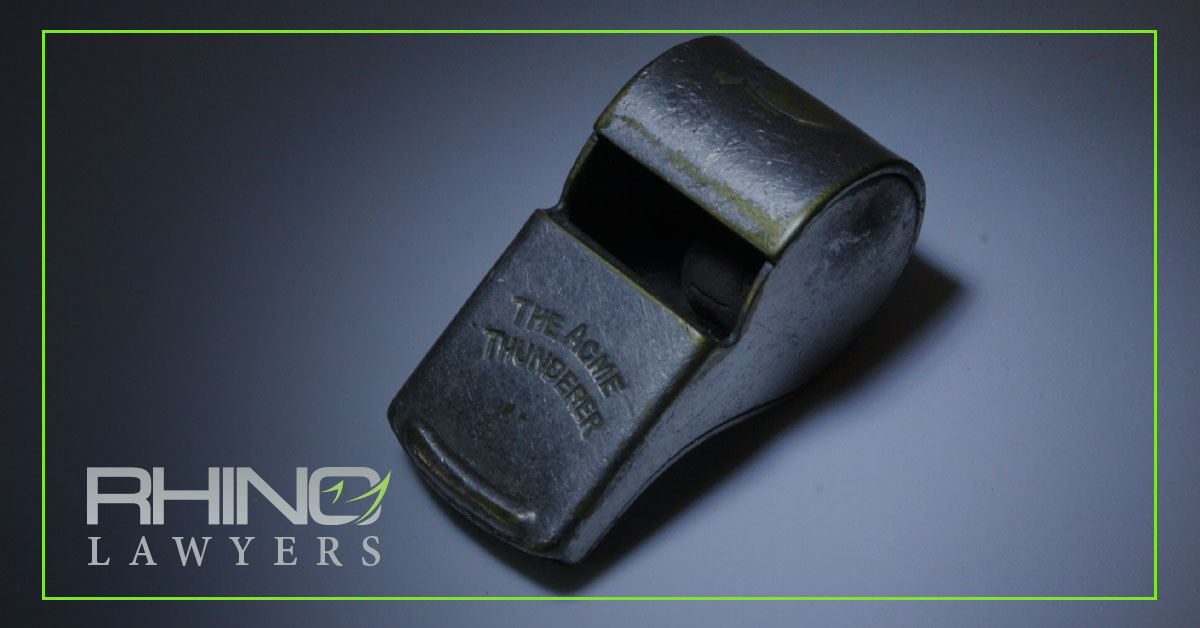
Whistleblowing vs. Staying Silent: The Ethical and Legal Imperatives
Imagine you’re stuck on a ledge with a red button. Pressing it will save the world, but it pushes you off.
Whistleblowing feels that way. Revealing an organization’s secrets can “blow up” your life if they retaliate.
Read on to learn the ethical and legal imperatives behind whistleblowing vs. staying silent.
What Qualifies as a Whistleblower Complaint?
Whistleblowing is the act of reporting wrongdoing in an organization. That could mean:
- Fraud
- Corruption
- Discrimination or harassment
- Legal violations
It can come from inside or outside the organization. The information could also be made public.
Anyone can be a whistleblower, even if they don’t work in the organization. Examples of potential whistleblowers include:
- Employees
- Contractors
- Vendors
- Customers
What Are the Risks of Whistleblowing?
The most significant risk of whistleblowing is whistleblower retaliation. This could mean facing:
- Job loss
- Demotion
- Being passed over for promotions
- Unfair workloads
Other risks of whistleblowing are more long-term. You could be ostracized by your peers and have a difficult time growing in your career. It could even harm your professional and personal relationships. The organization you spoke out against could go as far as to hit you with a lawsuit.
Impacts of Staying Silent
The Fifth Amendment upholds your right to remain silent, even in whistleblowing situations. You have the legal right not to share what you know, but you must weigh the negative and positive consequences.
There are positive impacts of staying silent. You avoid professional or legal consequences. You don’t run the risk of making a false accusation based on limited evidence.
There are also negative consequences. Those who also know could lose trust in you. The organization could also waste resources or harm the public if you don’t speak up.
Legal and Ethical Dilemmas Faced by Whistleblowers
Whistleblowers want to prevent harm caused by the unethical behavior they want to speak out against and improve transparency. They have to balance that desire against the potential risks of speaking out.
There are also other ethical dilemmas faced by whistleblowers. They have to manage their loyalty to the organization and the needs of the general public. They also have to protect privacy while revealing sensitive information.
There can also be legal obligations in whistleblowing. Teachers are mandatory reporters of child abuse and must speak out if they suspect it. Failing to do so could result in legal and financial penalties.
Whistleblowing Laws
Retaliation against whistleblowers is so common that there are now legal precedents to fight against it. They also encourage speaking out.
There are a range of whistleblowing laws that cover a range of industries. Knowing which one your case falls under is an important first step in filing your whistleblowing claim.
Ley de Protección a los Denunciantes (WPA)
El Whistleblower Protection Act was created in 1989. It was amended in 2012 and again in 2017 to add further protections.
The WPA protects federal employees who reveal information about wrongdoing or misconduct.
Ley de Reclamaciones Falsas (FCA)
This law combats private individuals who reveal information about fraud against the government. Whistleblowers receive a portion of the recovered funds.
Dodd-Frank Act
This law relates to violations against the Securities and Exchange Commission, or SEC. It also prevents violations against the Commodity Futures Trading Commission (CFTC).
The law doesn’t only protect whistleblowers. It also ensures fair trading markets.
Sarbanes-Oxley Act
This law protects employees of publicly traded companies. It comes into play when whistleblowing about corporate fraud or violations of securities laws.
OSHA Laws
OSHA or Occupational Safety and Health Administration protections include over 20 laws. They cover a wide range of industries. When these laws are violated, whistleblowers can speak up.
Whistleblower Protections
Many laws also provide whistleblower protections from retaliation, such as:
- Demotion
- Termination
- Harassment
These laws can even provide financial incentives for whistleblowing in certain cases, such as reporting security violations or fraud in the government.
How a Whistleblowing Claim Works
The process of filing a whistleblowing claim begins with an initial consultation. The next step is to gather evidence to support your case.
File your claim with the proper department. This could include:
- Department of Justice (DOJ)
- SEC
- IRS
- OSHA
Once they receive the claim, it goes to litigation. That means either going to court or towards a settlement.
El right whistleblowing lawyercan provide legal advice and strategy in this complex case. They’ll ensure you remain anonymous and protected. They will file your case under the right law and help you gather the right evidence to see it through. They’ll also help you get the maximum compensation.
FAQ
What are the four elements of whistleblowing?
Whistleblowing complaints all have four main elements:
- The whistleblower
- The act or complaint
- The party the complaint is made out to
- The organization that the complaint is against
These components make up every case. The ways that they differ are what set one case apart from another.
Can you file anonymously?
Yes, it’s completely possible to file a whistleblowing complaint anonymously. You can provide as much or as little personal information as you want in your report.
Filing anonymously is one of the best ways to prevent retaliation while your complaint is first going out. It’s helpful to provide contact information to make it easier to reach you, but it doesn’t have to be revealed to the public.
What evidence does a whistleblower need?
Evidence is the key to a whistleblowing case. It prevents false claims and gives more credence to your case.
Look for evidence of anything that can help you prove improper activity. A few of the best examples include:
- Emails
- Letters
- Notes
- Text messages
- Voicemails
- Phone logs
- Contratos
- Meeting minutes
What is the payout for whistleblowing?
Whistleblower payouts incentivize those who know about illegal practices to speak up. They include part of the recovered funds after a case. They differ depending on where you submit your complaint and the amount that the case settles on.
The SEC gives whistleblowers anywhere from 10% to 30% of the money collected. The largest reward to date was $37 million on July 26, 2024.
Find a Whistleblowing Lawyer Today
Whistleblowing reveals an organization’s secrets. It protects the public, but you may face retaliation.
RHINO Lawyers serves Florida and Wisconsin. We have years of experience with whistleblowing cases. We’ll prevent retaliation and earn the highest compensation. We’ll also protect your confidentiality and safety.
Contact us for a confidential case evaluation today.
Leer más
Who’s a “Third Party” in a Florida Personal Injury Lawsuit?
Florida has busy highways, tourist spots, and lots of construction sites. As a result, thousands of personal injury cases happen each year.
When you get hurt in an accident, knowing who counts as a “third party” in your Florida personal injury lawsuit can help you get more money. A third party is anyone besides you and your own insurance company who might be responsible for your injuries.
Learning how to find these parties matters because it gives you more ways to get paid for your injuries.
What Is a Third Party in a Lawsuit?
A first-party claim means filing with your own insurance company for damages. For example, if you get hurt in a car crash, filing with your own car insurance is a first-party claim.
A third-party claim goes after someone else who caused or helped cause your injuries. A claim like this could mean filing against the driver who hit you and their insurance company.
It could also mean going after a property owner whose carelessness led to your fall, or a company that made a broken product that hurt you. Florida liability laws let injured people seek money from any party whose carelessness contributed to their injuries.
Finding all possible third parties is important because it helps you get the most money and makes sure you don’t miss out on compensation.
How Does a Third Party Join a Lawsuit?
Any person hurt because of another party’s carelessness can file a third-party claim in Florida. Among the people who can file include the main victim, family members in wrongful death cases, and sometimes witnesses who suffered mental trauma from seeing bad accidents.
El process for filing third-party claims follows these important steps:
- Report what happened to all the right authorities and document the scene completely
- Get medical help right away and keep detailed records of all treatments
- Collect evidence, including photos, witness statements, and expert reports
- Talk to an experienced personal injury attorney to check your case
- File claims with all identified third parties’ insurance companies
- Try to settle or go to court if needed
Each step needs careful attention because missing evidence or not properly documenting injuries can hurt your case against third parties.
Common Types of Third Parties in Florida Personal Injury Cases
There’s more than one type of third-party in law. Knowing the different types of third parties helps you spot possible sources of settlement:
- Manufacturers become third parties when broken products cause injuries
- Property owners face third-party responsibility when unsafe conditions on their property lead to accidents
- Employers may be third parties when their employees cause harm while working
- Contractors and subcontractors can be responsible third parties when their careless work causes injuries
- Medical providers become third parties in malpractice cases where their mistakes contribute to patient harm
How Are Third Parties Found?
Finding third parties takes careful investigation and study of everything that happened in your accident. This usually means looking at police reports, talking to witnesses, checking physical evidence, and sometimes using experts who can recreate accident scenes. Understanding these parties early in your Florida personal injury lawsuit helps build a stronger case.
Deadlines and Legal Things to Know for Your Florida Personal Injury Lawsuit
Florida’s statute of limitations gives you two years from when you got hurt to file most personal injury lawsuits. However, some third-party claims may have shorter deadlines, especially those involving government agencies or certain types of medical malpractice.
Third-party claims often involve more complicated legal issues than first-party insurance claims because multiple insurance companies may be involved.
The discovery process in third-party court cases can reveal additional responsible parties not obvious right after the accident. Working with experienced legal help is essential for identifying all potential sources of money.
Frequently Asked Questions
Do I need a lawyer for a third-party claim?
While not legally required, third-party claims are typically more complex than first-party claims and involve negotiations with opposing insurance companies, who will try to minimize payouts. An experienced attorney can help identify all potential third parties and maximize your compensation.
Can third-party claims provide more compensation than my own insurance?
Yes, third-party claims often result in significantly higher compensation because they can include damages for pain and suffering, full lost wages, and future medical expenses. Your own PIP coverage in Florida is limited to $10,000, while third-party claims can potentially recover much more depending on the severity of your injuries.
Can my employer be a third party in a workplace injury case?
Generally, no. Your employer typically cannot be a third party in workplace injury cases because Florida’s workers’ compensation system provides your employer immunity from lawsuits. However, third parties like equipment manufacturers, contractors, or other companies working at your job site can be held liable.
Can a property owner be a third party even if I was visiting as a guest?
Yes, property owners can still be held liable as third parties if unsafe conditions on their property caused your injuries, regardless of whether you were invited or were a customer. However, the level of duty they owe you may vary depending on your status as a visitor.
Do third-party claims take longer to resolve than first-party claims?
Yes, third-party claims typically take longer because they involve negotiations with opposing insurance companies, who will dispute liability and damages. The investigation process is also more complex since you must prove the third party’s fault and the extent of your injuries.
Don’t Navigate Third-Party Claims Alone
Identifying third parties in your Florida personal injury lawsuit opens crucial opportunities for full compensation recovery that many injured parties miss. The complexity of third-party identification and claims requires experienced legal guidance to ensure you don’t miss potential sources of compensation.
Most personal injury attorneys only look for obvious liable parties, but the experienced team at RHINO Lawyers digs deeper to uncover every possible source of compensation for your case. With our thorough investigation process and proven track record of maximizing settlements through comprehensive third-party identification, we fight to ensure you recover every dollar you deserve.
Contáctenos hoy to discuss your case and discover all available options for your recovery.
CONTACT A TAMPA AUTO ACCIDENT ATTORNEY
In short, after a car accident, you may not know your rights. Above all, don’t struggle through the process alone. Actually, our equipo de lesiones personales is here to help you with any legal needs you might have regarding your accident.
Lastly, let RHINO Lawyers answer your questions and review the facts of your case with a Free Consultation. So, get started by completing the “Free Instant Case Evaluation” or by calling us any time, day or night, at 844.RHINO.77.
Leer más
The Benefits of Whistleblower Anonymity-And How RHINO Protects You
Whistleblowing can be a daunting task, which is why whistleblower anonymity is vital. It can provide critical protection from retaliation, which encourages more employees to step forward, and it also helps organizations detect misconduct early while preserving workplace integrity. In addition, not only do whistleblowers strengthen ethical culture, but they can also receive significant financial rewards.
According to the US Office of Special Counsel (OSC), it received 6,251 new cases in 2024, which is the highest in agency history. In fact, it was 45% more cases than the average of the previous five fiscal years.
It’s clear that people are starting to stand up for justice and speak up when they see wrongdoing. However, whistleblowing can be taxing, draining you of your energy and time. The upside is that, as part of whistleblower protection, confidential reporting is allowed in some cases.
Read on to see what the benefits are of whistleblower anonymity and how RHINO Lawyers can help protect you.
What Are the Benefits of a Whistleblower?
You may be on the fence about whistleblowing, but it’s a courageous act that comes with several benefits. They include:
- Early detection of wrongdoing
- Preventing damage and escalation
- Promoting ethical culture
- Saving lives and public resources
- Potential financial rewards
As you can see, whistleblowers play pivotal roles in bringing about changes. Not only can they stop small misconduct from ballooning into major issues, but they can also foster integrity in the workplace and receive a share of recovered funds as well.
What Are the Benefits of Anonymous Reporting?
Going beyond just whistleblowing, there’s the possibility of whistleblowing anonymity. The anonymous reporting benefits are:
- Protection from retaliation
- Lowering psychological barriers
- Preservation of a safe workplace culture
- Valuable content remains reportable
So if you’re afraid of backlash or being identified and singled out, then anonymous channels significantly help. Tech company NAVEX reports that in 2023, around 56% of internal reports were anonymous, but they still uncovered significant risks.
Creating a Speak-Up Culture
When organizations actively support whistleblowing (especially anonymous reporting), this builds cultures anchored in transparency and accountability. This culture of openness encourages staff members to voice concerns early on, and with more confidence, too.
As a result, this reduces organizational risk. And over time, this leads to increased trust between employees and management. It’ll also enhance investor confidence and brand credibility.
Legal and Regulatory Protections
In the US, whistleblowers benefit from a robust framework of protections and incentives, which are designed to encourage reporting. They include:
- Ley de Reclamaciones Falsas (FCA)
- Dodd-Frank Act
- IRS Whistleblower Program
- OSHA protections
All of these legal safeguards work to ensure that whistleblowers are protected from retaliation and are incentivized to help uncover fraud.
Challenges and Caveats of Anonymous Reporting
Anonymous reporting is obviously a great thing, but it doesn’t come without drawbacks and challenges. For example, investigators may find it difficult to ask follow-up questions or gather additional evidence since they can’t directly contact the whistleblower.
In addition, anonymous tips may lack sufficient context. As a result, this can make investigations slower or less conclusive.
Also, if the whistleblower isn’t careful, their digital footprint or writing style can inadvertently reveal their identity.
A solution to the above challenges is for organizations to use secure, third-party hotlines or encrypted platforms. These allow anonymous two-way communication.
How RHINO Lawyers Can Help
If you feel like you need to take action, then having a whistleblower lawyer on your side is essential. More specifically, we at RHINO Lawyers provide specialized legal representation, and we can help you report misconduct safely while protecting your rights. Our experienced attorneys can help you file claims anonymously on your behalf, doing so with agencies like the SEC or IRS.
We also help maximize potential rewards by guiding you through the complex legal processes and ensuring compliance with all filing requirements. Our experience ensures that you can come forward with confidence, knowing that you’re legally protected and fully supported by our skilled team.
Frequently Asked Questions (FAQs)
Should whistleblowing be anonymous?
Generally speaking, anonymity is valuable and often critical, so it should definitely be allowed for whistleblowing. With that said, there are trade-offs, such as more challenging follow-ups and compromised quality or detail of reports.
But overall, when managed well, anonymous whistleblowing can balance protection with efficacy.
What legal protections exist for whistleblowers?
The good news is that there are plenty of legal protections for whistleblowers. These laws are designed to prohibit retaliation (like firing or demotion), and they may even have provisions that prevent the disclosure of the person’s identity.
In the US, the safeguards available for reporting include:
- OSHA
- Sarbanes-Oxley
- Dodd-Frank
- IRS programs
- Various federal statutes
Can you still investigate if the whistleblower is anonymous?
Yes, anonymous reports can still trigger investigations, as long as they have sufficient detail and credible evidence. The challenge is ensuring that the initial report is comprehensive and structured.
So make sure you have evidence like documents, third-person descriptions, or attachments that can make your case stronger. That way, investigators don’t have to make direct contact to get the information they need.
How much can whistleblowers be rewarded?
Whistleblower rewards typically range from 10% to 30% of the collected sanctions if the case is successful. However, the amount will depend on the program. For example, the False Claims Act allows for 15-30% of the government’s recovery, while the SEC and CFTC programs allow for 10-30% of monetary sanctions exceeding $1 million.
These incentives exist to encourage people to come forward and to ensure that those who take the risk of reporting benefit directly when wrongdoing is uncovered and dealt with.
Whistleblower Anonymity Helps Bring Justice
It can be uncomfortable and frightening to speak up, especially when the whole world can potentially find out who you are. This is why whistleblower anonymity exists; when people have a shield, it makes it much easier to bring forth crucial evidence that can bring about positive change.
Are you interested in starting a whistleblower case and would like to use ’RHINO Lawyers» services? Then schedule your free video consultation now. We can give you a free case review, backed by decades of combined experience.
Leer más
What To Do If You’re Injured At A Party
If you’re injured at a party in Florida, get medical attention and speak to a personal injury attorney to ensure your actions support your legal party injury rights.
Whether it’s a slip, head, neck, or back injury from being pushed, understanding the correct party accident steps can make the difference between getting proper care and struggling with unpaid bills. You want to focus on healing, but you also need to make sure your rights are protected.
Each year, about 400,000 personal injury claims are submitted nationwide, with most handled in state courts (Clio, 2025). The good news is that you don’t have to figure it out alone.
This guide gives you clear Florida injury advice so you can act quickly, recover fully, and protect your future. Keep reading to learn more.
How Does Personal Injury Work in Florida if Injured at a Party?
In Florida, an injury at a party can be considered a personal injury if it results from someone else’s negligence or unsafe conditions. Examples include:
- Tripping over broken steps
- Being hurt due to poor lighting or overcrowding
- Slip and fall injuries from wet floors, spilled drinks, or poolside areas
These cases fall under premises liability, meaning hosts must maintain safe conditions for guests. Florida’s comparative negligence law reduces your compensation if you trespass or share fault. Victims can seek payment for losses such as:
- Medical expenses
- Lost wages and reduced earning capacity
- Physical discomfort or pain
- Emotional distress
- Loss of enjoyment of life
Understanding Bodily Injury Under Florida Law
In Florida, bodily injury means harm to the body that causes pain, suffering, disability, or death. It’s different from property damage, which only affects things like cars or homes.
These claims can account for a range of injuries, from minor sprains to serious ones, including medical costs, rehab, and the impact on your daily life.
What Should I Do Immediately After Getting Injured at a Party?
Right after an injury, your health comes first. Regardless of how minor it seems, get medical attention, even if the host insists you’re fine. Florida law (and common sense) supports getting medical care after an injury, and any compensation depends on timely, documented treatment.
- Call 911 or go to urgent care/ER, as a doctor should diagnose and record your injuries
- Alert someone about your condition and make sure it is witnessed or documented
- Keep all medical records; they form the foundation of any recovery claim
Document the Incident
Capture key details. Here’s how:
- Note the date, time, location, and circumstances of the accident
- Record contact information for the host or property owner
- Take photos of the scene, your injuries, and hazards
- Ask witnesses what they saw and log their statements
- Preserve evidence, don’t wash clothing or discard items involved in the incident
Avoid statements admitting fault, like “It’s my own fault,” since Florida’s comparative negligence rules may still allow you to recover damages.
Notify the Responsible Party (If Applicable)
Keep the other party informed. For public or commercial venues, Florida may require a written notice within a specific timeframe.
Florida law doesn’t require reporting for private homes, but a note to the host can help document the incident.
How to File a Personal Injury Claim in Florida
The process for submitting a personal injury claim in Florida includes several key actions. Here’s a straightforward guide:
- Consult a personal injury lawyer: They will guide you through timelines, preserve evidence, and handle all communication with hosts or insurance companies
- Complete medical treatment: Attend all appointments and follow treatment plans to document your injuries properly
- Organize evidence: Prepare all necessary documentation for your claim
- File an insurance claim: Your attorney notifies the responsible party’s insurer to start the claims process
- Negotiate a settlement: Most cases resolve without going to court, with lawyers securing compensation for medical bills and other damages
- File a lawsuit if necessary: If a settlement isn’t reached, your attorney can file a lawsuit in Florida civil court
Frequently Asked Questions (FAQ)
What is the best way to seek legal advice?
Contact a licensed Florida attorney who handles personal injury cases. Prepare any notes or records of the incident so you can explain what happened. This ensures the attorney can assess your situation accurately and outline your options for moving forward.
How long do I have to file an injury claim after a party accident in Florida?
Florida’s statute of limitations allows you four years from the date of injury to file a personal injury lawsuit (Fla. Stat. § 95.11). You must act before that window closes, or you lose your right to pursue compensation.
What if I slipped at a friend’s house? Does premises liability still apply?
Yes. Florida premises liability applies whether the property is a home or a commercial venue. If you were invited and the host failed to maintain safe conditions, you can hold them responsible.
If I were partly to blame, can I still recover?
Yes. Florida follows a comparative negligence system. You can recover damages as long as you’re less than 51% responsible.
However, your award will be reduced by your percentage of fault, so 30% fault means you’d receive 70% of the total damages.
Who pays personal injury claims?
You file a personal injury claim against the person or organization that caused your injury. In most cases, their insurance covers the compensation owed.
Can I accept a quick settlement offer from the host’s insurance?
It’s usually premature. Early offers often undervalue your losses. Let lawyers evaluate it; your claim could include all current and future medical care, pain and suffering, lost income, and emotional impact, all of which deserve thorough assessment before you accept anything.
Protect Your Rights After Being Injured at a Party
If you’re injured at a party, it’s essential to know that the law can help you seek compensation for losses. Each case is unique, and outcomes depend on the facts, evidence, and how fault is determined under Florida law. Understanding your rights ensures you are protected, even in unexpected situations.
RHINO Lawyers turns a confusing, stressful party injury situation into a streamlined experience with fast, personalized communication and proven settlement strategies. Our innovative, Millennial-led team leverages insider insurance knowledge and data to maximize your compensation.
Contact us today to take control and get the results you deserve.
CONTACT A TAMPA PERSONAL INJURY ATTORNEY
In short, after an accident, you may not know your rights. Above all, don’t struggle through the process alone. Actually, our equipo de lesiones personales is here to help you with any legal needs you might have regarding your accident.
Lastly, let RHINO Lawyers answer your questions and review the facts of your case with a Free Consultation. So, get started by completing the “Free Instant Case Evaluation” or by calling us any time, day or night, at 844.RHINO.77.
Leer más
Punitive Damages in Florida Auto Accident Law
In summary:
- Punitive damages are a form of punishment against those who engage in egregious or dangerous driving
- They are rewarded to the victim of accidents caused by said driving
- In Florida’s courts, eligibility for these damages depends on whether someone has committed gross negligence or even engaged in intentional misconduct
Below, we offer a way to understand the full scope of what seeking punitive damages entails.
Read on to discover what they are, what causes them, and why RHINO Lawyers are the ideal choice to help you when it comes to seeking damages following an accident on the road.
What Punitive Damages in Florida Entail
With over 700,000 crashes occurring in Florida every year, according to the Florida Department of Highway Safety and Motor Vehicles, many of these can lead to requests for compensation, insured or otherwise. However, there are specific thresholds involved that determine what exactly leads to these damages being applied, and the evidence you need to prove it.
To start with, you need to be able to provide clear evidence that convinces the court that the defendant is at fault. The evidence needs to show that it is “more likely than not” that they are at fault.
Those who can receive such a punishment include:
- An at-fault driver
- A company whose management decisions led to the incident
While most auto liability cases tend to focus on compensation, punitive damages also ensure that you have a clear record of accountability. Such a record can help when you are trying to discuss your own conduct for any reason, including other court cases or employment.
Finally, the limitation of these damages is up to three times the amount you were awarded for other compensation following the accident, or $500,000, whichever is higher.
What Conduct Qualifies for Punitive Damages?
In general, any intentional misconduct or “knowingly wrongful acts“, as well as any accident caused by gross negligence with a “conscious disregard for life and safety“, will tend to be defined as deserving of punitive damages.
Fault and the calculation of punitive damages can rely heavily on the persuasiveness of the evidence showing how they acted. In addition, if the person shows a pattern of repeated behavior, this can then cause the punitive damages to be increased to match the punishment someone deserves. Examples of this can include:
- Evidence of prior auto incidents
- Repeated identical violations
- Corporate policies that ignore safety
The context of a person’s actions will also show a clear intent. So, if someone engages in extreme speeding or racing, then this will show that they are intentionally acting recklessly, increasing the chance of you proving misconduct. Similarly, if they fled the scene when police arrived or drove while impaired, it can give you the evidence you need to pursue this course of action.
In terms of a company, you will need to look for:
- Training records
- Safety audits
- Whistleblower comments
- Witness testimony
- Internal emails
If these show that a company knew of risks yet ignored them, then this is powerful evidence that can often help you.
Car Accident Compensation vs. Punitive Damages
Compensation in Florida will often entail repayments for things like:
- Medical care
- Pain and suffering
- Lost wages
- Future costs for any of the above or more
On the other hand, punitive damages are not as exact and will punish the conduct of the defendant to deter both them and others.
They also require different evidence. Compensation uses receipts and other specific documentation, such as receipts, to calculate damages. In contrast, punitive measures are handled mainly by the judgment of the court, with a cap set by the state.
Understanding the Florida Auto Accident Claim Process
After reporting the crash and seeking prompt medical attention, you should notify your insurer. In many cases, the law is clear that you need to handle many of these steps within a specific time period.
After this, Florida auto accident claims can become especially complex. Consult a lawyer who can assist you with your case, including the possibility of adding punitive damages if they believe the case meets its thresholds.
Frequently Asked Questions
Are punitive damages covered by insurance in Florida?
Courts do not favor direct coverage of the punitive damages caused by the person at fault.
In Florida, coverage may be available instead when punitive damages occur due to liability against an employer rather than anything caused by the driver. However, commercial policies vary, and various provisions may impact the insurability of a specific incident.
In general, you should expect insurers not to want to cover punitive payments for the at-fault driver, but a good lawyer should be able to cover other sources of payment instead.
How are punitive damages calculated in Florida?
Courts tend to look at specific statutory caps. As well as the relationship between the amounts of both the punitive and compensatory payments. They may factor in the scale or morality of the conduct by the at-fault driver. And whether it is a repeat behavior. The harsher the warning the courts wish to give the driver, the more likely they are to aim for a higher punitive damage amount.
In general, however, the judge guides how and when amounts will be considered, and this is not always an exact calculation.
What factors limit the scope of these damages in Florida?
Various exceptions and caps exist that set hard ceilings on how far punitive damages can go. However, these do not apply in all cases, such as:
- When the defendant is intoxicated
- If the case also involves abuse
- The person had a specific intent to cause harm
- Other mitigating factors
This list is not exhaustive. However, you should consult a skilled lawyer to determine if your case falls under any of these exceptions.
Get an Experienced Florida Personal Injury Lawyer for Punitive Damages
With our offer of a free case review and the promise of a prompt answer, we can help you quickly understand whether punitive damages apply to your situation. Use our 24-hour hotline to inquire, and if they do, we can help you ensure that you get what you deserve.
Our team, led by a former insurance defense attorney. He understands the full scope of tactics insurance companies use and how to respond to them. So, talk to us today and learn what RHINO Lawyers can do for you.
CONTACT A TAMPA AUTO ACCIDENT ATTORNEY
In short, after a car accident, you may not know your rights. Above all, don’t struggle through the process alone. Actually, our equipo de lesiones personales is here to help you with any legal needs you might have regarding your accident.
Lastly, let RHINO Lawyers answer your questions and review the facts of your case with a Free Consultation. So, get started by completing the “Free Instant Case Evaluation” or by calling us any time, day or night, at 844.RHINO.77.
Leer más
From Fraud to Finances: Real Whistleblower Success Stories
Oftentimes, it only takes a single individual to create institutional change. This is the key concept behind whistleblowers and why we should celebrate them.
First things first: what is whistleblowing? This is when an employee reveals that their organization is involved in wrongdoing, often risking their well-being in the process. Some illegal activities the employee may report include:
- Fraud
- Abuse
- Corruption
- Damage to the environment
- Health and safety violations
Despite the potential benefits of this act, many would-be whistleblowers remain quiet in fear of retaliation. Read on to learn more about whistleblowing and some of the biggest whistleblower success stories!
Do Whistleblowers Get Rewarded?
In return for their information, many whistleblowers receive monetary rewards. This is usually a percentage of the sanctions collected from the wrongdoers. The exact reward will vary by the specific program and case.
In general, rewards are only awarded if the information given by the whistleblower leads to a successful enforcement action. Even so, the possibility of a reward is a major incentive for people to come forward with key information.
Are Whistleblowers Really Protected?
Given the potential impact of whistleblowers, it’s no surprise that their protection is a priority in many jurisdictions. The protection laws generally aim to prevent retaliation from employers, which may include:
- Demotion
- Dismissal
- Threats and coercion
- Negative performance reviews
The legal safeguards for whistleblowers also have some limitations. For example, if someone intentionally provides false information o uses the wrong reporting channels, they’re unlikely to be protected.
Four Whistleblower Success Stories
Whistleblowing comes in many forms, but the end result is the same: exposing legal or ethical misconduct. Here are four famous whistleblower cases that serve as great examples of this practice.
1. Edward Snowden
In 2013, Edward Snowden was working as a contractor for the NSA. Once he found evidence of illegal surveillance programs, he tried to raise his concerns internally. When that didn’t work, he leaked top-secret documents to the media.
Snowden’s motivation for the leaks was simple: he couldn’t watch the U.S. government destroy basic liberties. In response, he was charged with theft of government property and violating the Espionage Act.
Before the law could get to him, Snowden fled to Russia. Seven years after the leaks, the U.S. Court condemned the NSA’s activities as unlawful.
2. Mark Felt
As far as whistleblower motivation stories go, Mark Felt may be the most famous one. If the name doesn’t ring a bell, you may know him as Deep Throat.
In 1972, journalists Woodward and Bernstein broke the Watergate scandal. The trail of evidence eventually led all the way to President Richard Nixon, who was forced to resign from office in disgrace.
The whole story was made possible by the whistleblower known as Deep Throat. His identity remained a secret for over 30 years. In 2005, he was identified as Mark Felt, the FBI’s Associate Director at the time.
3. Terry Bryan
In 2011, England was mired in a scandal involving senior abuse at the Winterbourne View Hospital. One senior nurse, Terry Bryan, was working at the hospital at the time and witnessed the abuse first-hand.
After raising the issue with management, Bryan took his observations to the CQC, England’s regulating agency for health and social care. When they also failed to act, he went to the BBC, which led to the hospital’s shutdown.
When asked if he would blow the whistle again, Bryan said yes. He stated he “wouldn’t have been able to live with himself if he didn’t do it.”
4. Chelsea Manning
Chelsea Manning still holds the record for releasing the largest set of classified files in the history of the U.S. These documents, published during the WikiLeaks affair, highlighted the abuse of war prisoners by American soldiers.
As a result of the leaks, Manning was convicted of violating the Espionage Act. Following a controversial trial, she was sentenced to 35 years in prison.
After seven years, Manning’s sentence was commuted by President Obama. Since her release, Manning has continued to champion freedom of speech and now makes her living through speaking engagements.
Frequently Asked Questions (FAQ)
What Is the Largest Whistleblower Settlement?
The current record for the largest individual whistleblower award is $279 million. The recipient was an anonymous informant who provided information about bribery schemes at Ericsson, which led to a major SEC enforcement action.
The largest overall whistleblower settlement is $3.1 billion. This takes into account the money that the government recovered from TD Bank, which pleaded guilty to BSA violations and money laundering in 2024.
How Long Do Whistleblower Lawsuits Take?
Whistleblower cases can take from a few months to more than a decade to resolve. This depends on factors such as:
- The complexity of the case
- The cooperation of the involved parties
- The need for evidence and investigation
- The response from the accused
Oftentimes, the government will leave the decision of whether or not to settle with the defendant to the whistleblower and his or her attorney. If no settlement is reached, litigating the case may take several years.
With programs like the SEC, the process of applying for an award can take years by itself. This is particularly true if there are competing claims.
What Are the Risks of Being a Whistleblower?
The main risks of blowing the whistle on a company involve professional retaliation. This act may also negatively impact your career prospects and, in some cases, may even lead to threats to your personal safety.
This is why strong legal protection for whistleblowers is so essential. Beyond hiring an attorney, the best whistleblower protection tips we can give you are to gather evidence carefully and cultivate a strong support system.
We Can Help You Protect Your Rights!
As you can see, whistleblowing is a risky responsibility. That said, if there’s one lesson to take away from these whistleblower success stories, it’s that doing the right thing is often the only way to soothe your conscience.
Thinking of blowing the whistle on your company? At RHINO Lawyers, we know all there is to know about legal protection for whistleblowers. Our legal team will protect your rights, even if you decide to stay anonymous!
Contact us now for a free confidential consultation — we’re available 24/7!
Leer más
Retaliation Protection for Whistleblowers: Your Rights Explained
Retaliation protection for whistleblowers is a vital safeguard for anyone reporting fraud, corruption, or illegal activity. Many people hesitate to come forward because they fear being fired, demoted, or harassed. Understanding your whistleblower legal rights is crucial to protecting yourself while taking action against wrongdoing.
En RHINO Lawyers, we work directly with whistleblowers to ensure their rights are fully upheld, provide exceptional legal guidance, and help secure potential financial rewards. Our experienced team knows the personal and professional risks whistleblowers face and is committed to defending clients against retaliation.
This blog will explain the protections available under federal and state laws, outline steps to take if retaliation occurs, and show how RHINO Lawyers can guide you safely through the process. We look forward to helping you take action with confidence. Let’s get started.
What Is Retaliation Against Whistleblowers?
Retaliation occurs when someone faces negative consequences for reporting wrongdoing. This can include:
- Being fired
- Being demoted
- Having responsibilities reduced
- Receiving poor performance reviews
- Being subjected to harassment
Even subtle actions, such as exclusion from meetings or being given unrealistic workloads, can count as retaliation.
En RHINO Lawyers, we see how these actions create fear and stress for whistleblowers. Many worry about their careers, income, and reputation when taking a stand. Recognizing what retaliation looks like is the first step in protecting yourself.
With legal support, you can address adverse actions effectively while continuing to report misconduct. Our team helps clients identify retaliation early, take immediate steps to defend their rights, and focus on exposing wrongdoing without unnecessary personal or professional risk.
How Are Whistleblowers Protected by Law?
Whistleblowers have legal safeguards to prevent retaliation. These protections cover employees, contractors, and others who report misconduct at work or to government authorities. Federal and state laws prohibit actions such as firing, demotion, harassment, or other punitive measures in response to reporting illegal or unethical behavior.
At RHINO Lawyers, we guide clients through these protections to ensure they are fully upheld. Key laws, including the False Claims Act, Dodd-Frank Act, and Sarbanes-Oxley Act, provide remedies and, in some cases, financial rewards for reporting fraud or violations. Agencies such as OSHA also enforce workplace safety protections for whistleblowers.
Understanding these laws can prevent retaliation before it occurs and strengthen a whistleblower’s case. Our team helps clients navigate the legal framework, file claims properly, and respond to retaliatory actions. With RHINO Lawyers on your side, whistleblowers can take action confidently and safely.
Why You Need a Whistleblower Lawyer
Blowing the whistle on misconduct is often risky. Without proper legal guidance, whistleblowers may face retaliation, delays, or filing mistakes that weaken their case. A skilled whistleblower lawyer provides essential support, ensuring your rights are protected at every step.
En RHINO Lawyers, we work directly with clients to develop a strategy tailored to their situation. We help gather and organize evidence, file claims correctly, and communicate with relevant agencies on your behalf. Our team also offers guidance on maintaining confidentiality and avoiding actions that could compromise your case.
Professional support reduces stress and prevents retaliation from escalating. With us, whistleblowers gain a partner who understands the complexities of whistleblower law, protects their interests, and works to achieve the best possible outcome, including safeguarding careers and helping secure potential financial rewards.
How RHINO Lawyers Can Help
Navigating a whistleblower claim can be complex and stressful. RHINO Lawyers provides experienced guidance every step of the way, protecting your rights and addressing retaliation immediately. Our team develops strategies that strengthen your case while maintaining confidentiality and safety.
We assist with filing claims under federal and state laws, including the:
- False Claims Act
- Dodd-Frank Act
- Sarbanes-Oxley Act
Our attorneys manage communications with government agencies, gather and organize evidence, and respond to any retaliatory actions. Beyond legal protection, RHINO Lawyers helps clients understand potential financial rewards and guides them through the process of securing compensation when eligible. We focus on:
- Reducing stress
- Protecting careers
- Achieving results that matter
With our support, whistleblowers can confidently take action against wrongdoing knowing they have a dedicated legal team advocating for them.
Common Questions About Whistleblower Retaliation
Who Can File a Whistleblower Claim?
Employees, contractors, vendors, or other individuals with evidence of wrongdoing.
Can My Employer Fire Me for Reporting Wrongdoing?
No. Federal and state laws protect whistleblowers by prohibiting employers from terminating, demoting, or penalizing them for reporting illegal or unethical activity.
Retaliation can be subtle, such as reduced responsibilities, negative reviews, or exclusion from important projects. Identifying these actions early is critical.
What Should I Do if I Face Retaliation?
Document any adverse actions, emails, or communications that support your case. Then, contact a whistleblower lawyer immediately. RHINO Lawyers works with clients to respond to retaliation effectively and ensures your rights are protected.
Am I Eligible for Financial Rewards?
In certain cases, whistleblowers may receive compensation. Laws such as the False Claims Act and Dodd-Frank Act allow whistleblowers who report fraud or securities violations to receive a portion of recovered funds. A lawyer can determine eligibility and guide you through the claim process.
Can I Remain Anonymous?
Yes. Some whistleblower laws allow individuals to report misconduct anonymously while the case proceeds. RHINO Lawyers helps clients file claims confidentially and safeguard their identity.
How Long Does the Process Take?
Timelines vary depending on case complexity and government investigations. Legal guidance helps you meet deadlines and present evidence correctly, increasing the likelihood of a successful outcome.
Retaliation Protection for Whistleblowers: Take Action With Confidence
If you’ve faced retaliation for reporting wrongdoing, remember, you don’t have to face it alone. RHINO Lawyers provides expert retaliation protection for whistleblowers, guiding clients through every step of the process while ensuring safety and confidentiality.
Our team focuses on whistleblower retaliation defense and helps individuals understand and enforce their employee retaliation rights. We work directly with you to protect your career, strengthen your case, and pursue potential financial rewards.
Contact us en RHINO Lawyers now for a free, confidential consultation, and take the first step toward defending your rights and holding wrongdoers accountable. Our team is here to help.
Leer más
Are Personal Injury Settlements Taxable in Florida?
Clio reports that personal injury settlements often range from $10,000 to $75,000. However, the exact figure can vary significantly due to a variety of factors.
So, when handling a personal injury case in Florida, this average can help you understand what to expect. You may also wonder, ‘Are personal injury settlements taxable?’ Knowing the answer can help you plan for taxes during settlement negotiations.
It lets you protect more of your compensation and avoid unexpected tax issues later. Understanding what portion may be taxed provides you with a clearer financial picture and enables you to make better choices.
Read on to discover whether personal injury settlements are taxable in Florida and how to prepare for what comes next.
Understanding the Basics of Personal Injury Settlements
A personal injury settlement is the money paid to someone harmed by another party’s careless or intentional actions. The compensation can cover:
- Medical expenses
- Lost wages
- Pain and suffering
- Emotional distress
- Punitive damages
- Loss of future earning ability
- Ongoing therapy or rehabilitation
How you handle each of these items can determine how much you will receive as a final settlement. Unfortunately, many people make the mistake of focusing only on economic damages.
They often think compensation only covers medical bills and lost income. That mindset can limit the value of your case.
To learn more about damages and get a proper estimate of your claim’s value, consult skilled attorneys like RHINO Lawyers. We have a team of competent legal professionals who can help you maximize your settlement.
In Florida, settlements may come from:
- Car accidents
- Slip and falls
- Dog bites
- Workplace incidents
- Other injury claims
Each case involves different factors, including fault, insurance coverage, and injuries suffered. Understanding the full range of legal compensation in Florida ensures you receive what you rightfully deserve.
Breaking Down Taxable and Non-Taxable Components
The Internal Revenue Service (IRS) has clear rules on injury settlement taxation. According to federal guidelines, compensation for physical injuries or physical sickness is generally not taxable.
Settlement money used for physical injury-related expenses is usually not taxed. These expenses may include:
- Hospital bills
- Surgeries
- Prescription medication
- Doctor visits
- Rehabilitation or physical therapy
Other components of the settlement often have varying taxation requirements. Understanding how each part is treated helps you keep more of your compensation and avoid IRS issues.
You will also negotiate smarter and avoid future surprises when filing your taxes. Having clarity on tax implications helps protect the value of your personal injury settlement.
Lost Wages
Compensation for lost wages counts as taxable compensation since it replaces the income you would have earned. The IRS treats this portion as regular income, similar to your pay.
Reporting it as earned income keeps your tax filing accurate and avoids legal issues. Planning with this in mind helps you manage your finances and prevents surprises during tax season.
Pain and Suffering
Pain and suffering related to a physical injury are generally not considered taxable under federal tax rules. Common examples include:
- Broken bones
- Severe burns
- Nerve damage
- Long-term physical pain
Compensation for these conditions is considered part of your physical recovery. Keeping detailed medical records that link the pain to a bodily injury helps protect this part of your personal injury settlement from being taxed by the IRS.
Emotional Distress
Emotional distress not linked to a physical injury counts as taxable income under federal tax rules. Common examples include:
- Workplace harassment
- Discrimination
- Defamation
- Wrongful termination
- Invasion of privacy
Keeping your settlement terms clear and separating non-physical claims from injury-related ones helps prevent confusion and unexpected taxes. Properly labeling each category during negotiations safeguards the rest of your compensation from misclassification by the IRS.
Punitive Damages
Punitive damages are always taxable, no matter what kind of injury or case you have. These payments aim to punish the at-fault person or company, not to assist you in recovery.
Courts award punitive damages in rare instances in which the wrongdoer acted with extreme carelessness or intent to harm. If your case settles outside of court, you are unlikely to receive punitive damages since most settlements do not include them.
The full amount is counted as income and needs to be reported when you file taxes. Because punitive awards can be large, it is smart to plan so you’re ready for higher injury settlement taxes.
Interest on the Settlement
Interest earned on delayed settlement payments is always taxable, even if the main settlement is not. Courts may add interest when the other party takes too long to pay the agreed amount.
The extra amount is not part of your injury compensation; it is classified as income. The IRS requires you to report it when filing your taxes.
Florida Tax Rules and What They Mean for You
One major benefit of living in the Sunshine State is that Florida tax rules favor injury victims. Florida does not charge state income tax, so you don’t need to pay state taxes on your personal injury settlement.
This rule holds even if some parts of your settlement are taxable under federal law, but you still need to follow federal tax rules.
The IRS expects you to report all taxable parts of your settlement. Ignoring this step could lead to penalties or added costs later.
Keeping a copy of your full settlement agreement helps make the process easier. It’s also smart to talk to a tax professional if you feel unsure. A quick consultation with a tax expert can help you accurately report amounts and avoid mistakes when filing your return.
Are Personal Injury Settlements Taxable? Consult an Attorney to Know
Are personal injury settlements taxable in Florida?
You won’t owe state income tax on your settlement. However, certain parts, such as lost wages or interest, may still be taxed by the IRS.
Understanding how Florida’s tax laws align with federal regulations helps you safeguard your compensation and avoid surprises.
En RHINO Lawyers, we handle every case with focus and care. Our team uses fast, modern tools to get results. Brandon F. Jones, our personal injury attorney and sole shareholder, brings more than 14 years of Florida accident experience.
Reach out today for clear answers, strong support, and the confidence to move forward.
CONTACT A TAMPA AUTO ACCIDENT ATTORNEY
In short, after a car accident, you may not know your rights. Above all, don’t struggle through the process alone. Actually, our equipo de lesiones personales is here to help you with any legal needs you might have regarding your accident.
Lastly, let RHINO Lawyers answer your questions and review the facts of your case with a Free Consultation. So, get started by completing the “Free Instant Case Evaluation” or by calling us any time, day or night, at 844.RHINO.77.
Leer más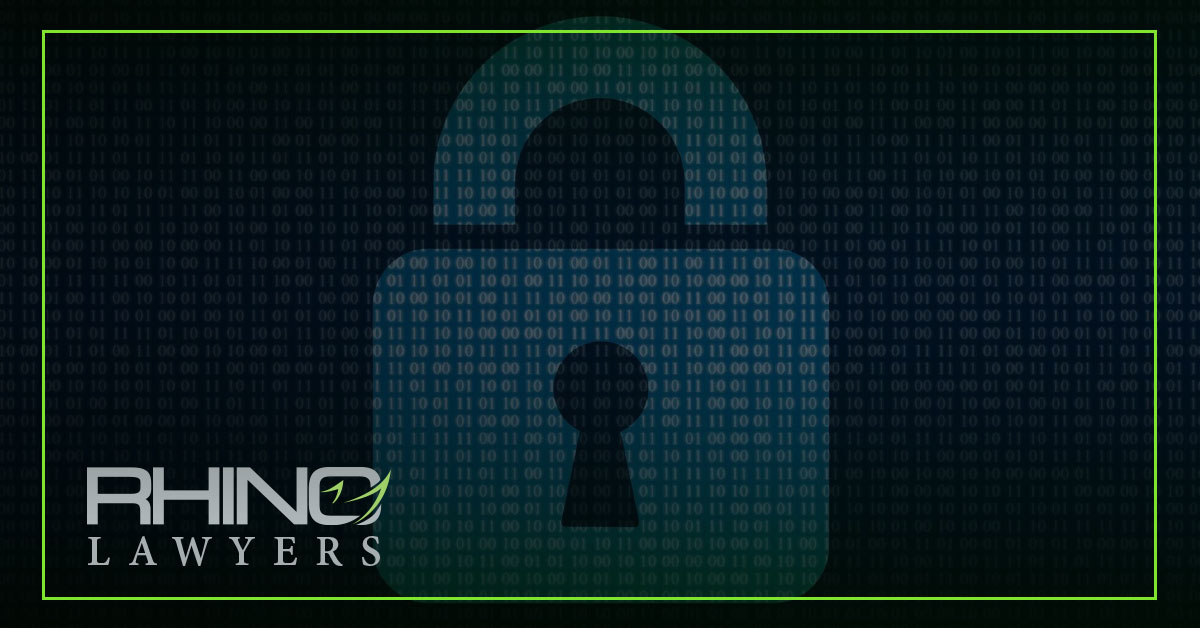
Exposing Cybersecurity and Data Privacy Violations: Why Your Voice Matters
Cybersecurity and data privacy violations happen when sensitive information is mishandled, exposed, or exploited, which can lead to legal, financial, and reputational consequences. Exposing and preventing these violations requires vigilance, whistleblower protections, and proactive measures, such as strong security policies, employee training, and transparent data practices.
According to tech company Usercentrics, the cost of cybercrime is anticipated to reach $10.5 trillion annually by the end of 2025. In addition, personal customer information is included in 44% of data breaches. As you can see, exposing data breaches is important if you want to fight against cybercrime. Otherwise, these fraudsters will continue to wreak havoc with sensitive information.
This article will go over the importance of these violations and why it’s important to speak up.
What Constitutes a Data Privacy Violation?
A data privacy violation is when an organization or individual mishandles, misuses, or unlawfully accesses sensitive information. This can be any of the following types of data:
- Personal
- Financial
- Medical
- Business
There are data privacy laws that establish clear guidelines for handling data, such as GDPR, HIPAA, and CCPA. Breaching these regulations can lead to both legal and reputational consequences.
The Types of Data Privacy Violations
There are several types of data privacy violations, and each has its unique risks. The first is unauthorized access, where hackers or insiders gain entry to restricted systems. Some fraudsters may even share or sell data to third parties without user consent.
There are also data breaches, where accidental or intentional leaks expose sensitive information. On the other side of things, negligent security practices are a violation too (such as failing to encrypt, update, or secure systems).
Lastly, a failure to honor user rights is illegal, too. This can involve ignoring requests for:
- Data deletion
- Correction
- Opt-out preferences
Not only do organizations lose trust with consumers and stakeholders, but they’re open to penalties as well.
Are There Consequences for Data Privacy Violations?
Speaking of penalties, yes, there are actually serious consequences for data privacy violations. For example, a violation of the GDPR carries fines of up to €20 million or 4% of the organization’s total global turnover of the preceding year, whichever is higher. There are also legal liabilities if individuals suffer damages from mishandled data.
Another consequence is reputational harm. When consumers lose trust, they’ll choose competitors, which can cause the downfall of the organization.
There are also operational disruptions, such as:
- Mandatory audits
- System overhauls
- Lawsuits
How to Identify and Report Data Privacy Violations
It requires vigilance and documentation to identify and report data privacy violations. Start by identifying suspicious activity, like:
- Unauthorized emails
- Unexplained data collection prompts
- Repeated breaches without disclosure
Make sure you collect things like screenshots, timestamps, and communications.
As an employee, you can report these concerns internally to compliance officers (consumers can file complaints with regulatory authorities). There are whistleblower protections in many jurisdictions, so you can report misconduct without fear of retaliation.
The Role of Whistleblowers in Exposing Violations
Often, employees, contractors, and third-party partners are the first to notice things. When they speak up, they can prevent small issues from becoming much larger and damaging.
Regulators often rely on whistleblowers to bring attention to hidden violations that audits may miss, so these people are extremely important for security. A culture where people feel safe reporting issues is essential to maintaining compliance and trust.
Preventing Future Data Privacy Violations
Finding and exposing the violations is only one part of the solution; prevention is also key.
To reduce risks, organizations can:
- Implement strict access controls
- Encrypt sensitive information
- Conduct regular security audits
- Train employees on cybersecurity awareness
- Create robust incident response plans
Consumers can also take action to prevent data privacy violations. This starts with good data hygiene, which involves:
- Using strong passwords
- Avoiding oversharing
- Staying informed on how companies manage their information
Frequently Asked Questions (FAQs)
How can individuals tell if their data has been misused?
Here are the signs that your data’s been misused:
- Unsolicited marketing messages
- Unauthorized charges on financial accounts
- Contact from unfamiliar companies
Data breaches can often take a while to be visible, so stay vigilant. Monitor your credit reports and use identity theft protection services to stay safe. If you notice suspicious activity, then report it to both the organization involved and the relevant authorities.
If needed, get a whistleblower lawyer to receive legal assistance and take action against the offenders.
What role do regulators play in protecting data privacy?
Regulators act as watchdogs, as they ensure that companies follow established privacy laws. When violations occur, they:
- Investigate consumer complaints
- Audit organizations for compliance
- Impose penalties
Examples of agencies that provide oversight include the Federal Trade Commission (FTC) in the US and the European Data Protection Authorities under GDPR.
Can companies recover from a major data privacy violation?
Yes, but it’s often a long, challenging road that requires a multi-pronged approach. To do so, they must follow these steps:
- Address the root cause of the violation
- Communicate transparently with affected customers and offer remedies
- Demonstrate long-term commitment to data security and data privacy advocacy
Do small businesses face the same risks as large corporations?
Yes, they do. Large organizations may attract more media attention, but small companies are just as vulnerable, if not more. In fact, hackers often target smaller organizations since they know they lack robust defenses and have limited security budgets and expertise.
Be Vigilant for Data Privacy Violations
Data privacy violations can have long-lasting consequences, and they may even be enough to completely shut down small businesses. So it’s essential to be vigilant for violations and report them as early as possible.
In some cases, whistleblowing may be required to stop the offenders. Should that happen, it’s best to consult with an excellent whistleblower lawyer, as they can evaluate your case and suggest the best path forward.
If you’re concerned about data privacy violations and would like to file a lawsuit, then schedule a free virtual consultation with us today. RHINO Lawyers can offer you a free case analysis, and we’re here with a 24-hour hotline.
Leer más
Navigating the Aftermath of a Florida Truck Accident
According to Newsweek in 2023, the US recorded 170,716 large truck accidents. These crashes caused 86,842 injuries and resulted in 5,078 deaths.
If you’re involved in a Florida truck accident, the aftermath can be devastating due to severe injuries, medical costs, and emotional trauma. Many victims and their families are unaware of the steps to take after the crash.
Others make mistakes that delay recovery, weaken legal claims, or reduce compensation. Acting quickly and smartly protects both your health and rights.
Keep reading to discover how to navigate the aftermath of a truck accident in Florida.
Prioritize Safety and Health First
After a crash, check for injuries and call 911 if anyone is injured. Even if you feel fine, get a full medical checkup; some injuries, like internal bleeding, may not show right away.
Move to a safe area if possible, but don’t leave the scene. Turn on your hazard lights to alert other drivers, and if you’re able, take photos of:
- The scene from multiple angles
- Vehicle damage
- Your injuries
- Road signs or traffic signals nearby
- Skid marks or debris on the road
These images can support your case if legal action becomes necessary. How you handle the truck crash aftermath can affect your recovery, safety, and any future claim you may decide to file.
Report the Truck Crash to Authorities
In Florida, any crash involving injuries, fatalities, or serious vehicle damage must be reported to the police. Officers will come to the scene, gather details, and create an official crash report.
A crash report often plays a crucial role in proving fault or substantiating your version of events.
Speak clearly and truthfully, but avoid guessing or accepting blame; even a casual comment can be used against you. Stick to the facts and allow the officers to complete their work.
Once the report is available, ask for a copy for your records. A well-documented report helps protect your truck accident rights and supports your claim if legal action becomes necessary later.
Speak With a Florida Truck Accident Lawyer
Truck accidents are not the same as regular car crashes. Injuries tend to be more severe, and liability often involves multiple parties.
Trucking companies also have strong legal teams working to protect their interests from the start. To level the playing field, you need a skilled attorney who understands Florida’s laws and knows how to build a solid case.
A good lawyer will:
- Investigate the accident
- Gather evidence
- Speak with witnesses
- Handle insurance adjusters
- Help you get fair compensation
Don’t delay, as Florida law sets strict deadlines for filing claims, and early legal action helps protect your rights. Consider turning to RHINO Lawyers for exceptional truck accident legal advice and the dedicated support you need.
We’re committed to helping you and your family secure the compensation you deserve.
Notify Your Insurance Company Promptly
Most insurance companies want you to report an accident as soon as possible after it happens. Call your provider and share only the basic facts.
Do not discuss who caused the crash or any injuries before speaking with a lawyer. Give clear details such as:
- Time of the crash
- Location of the crash
- Vehicles involved
- People in each vehicle
- Visible damage to any vehicle
Let your insurance company handle any contact with other drivers or their insurers. Saying the wrong thing can hurt your case.
One of the smart steps after a truck crash recovery is protecting your words and actions early. Careful reporting helps you get support for medical bills, repairs, and other losses.
Avoid Quick Settlements from Insurance Companies
After a truck crash, an insurance company may reach out and offer you a quick settlement. It may sound like a good option, especially if you’re facing medical bills or missing work. Fast payouts often come with a hidden cost.
Quick settlements usually focus only on economic damages like medical expenses, lost wages, and vehicle repairs. You deserve to be compensated for non-economic damages as well, including:
- Pain and suffering
- Emotional distress
- Loss of enjoyment of life
- Mental anguish
- Loss of companionship
Insurance companies may not include these in their first offer. Accepting too early could leave you with less than you truly need. Consult with a lawyer before signing any documents.
Keep Detailed Records and Monitor Your Health
Start a file with all your documents related to the accident, which may include:
- Medical bills and treatment reports
- Prescriptions and therapy notes
- Repair estimates for your vehicle
- Missed work and lost wages
Also, keep a journal about how the injury affects your daily life. Write down things like emotional struggles, changes in your routine, or trouble sleeping.
These personal notes can be just as important as official records. Detailed records play a significant role in the outcome of the truck crash claim or lawsuit.
Good documentation makes your case stronger if it goes to court or a settlement. It shows the full impact of the crash and how long the recovery is taking.
Take Care of Your Emotional Well-Being
Accidents can affect more than your body; they can also shake your mental health. Many individuals experience anxiety, fear, or depression following a serious crash.
These feelings are normal, but they shouldn’t be ignored. Talk to a counselor or therapist if you’re struggling.
Support groups can also help you process what happened. You might find comfort in spending time with family or engaging in activities you enjoy.
Healing emotionally is just as important as healing physically. A complete recovery includes taking care of your mind, especially after such a life-changing event.
Florida Truck Accident Recovery: Why Legal Help Matters
Navigating the aftermath of a Florida truck accident alone can be overwhelming. Injuries, lost wages, and confusing insurance policies make recovery difficult.
Getting professional legal help can ease the pressure and help you protect your rights. At RHINO Lawyers, we offer this legal support. Our founder, Brandon F. Jones, brings over 14 years of accident law experience.
He’s a former insurance defense attorney now fighting for injured individuals like you. Brandon formed Jones Law Group to simplify legal help and reduce client stress.
Let us guide you through the process. We’re here to protect your future and secure the compensation you deserve.
CONTACT A TAMPA TRUCK ACCIDENT ATTORNEY
In short, after a trucking accident, you may not know your rights. Above all, don’t struggle through the process alone. Actually, our equipo de lesiones personales is here to help you with any legal needs you might have regarding your accident.
Lastly, let RHINO Lawyers answer your questions and review the facts of your case with a Free Consultation. So, get started by completing the “Free Instant Case Evaluation” or by calling us any time, day or night, at 844.RHINO.77.
Leer más