

Concealed Weapons Defense in Florida
Charged With a Concealed Weapon in Florida? What You Do Next May Shape Your Future
A routine stop. A misunderstanding. And a weapon found where you didn’t think it mattered.
Now you’re facing criminal charges.
Concealed weapon offenses in Florida may seem straightforward—but they often are not. Details like the weapon’s location, its storage, and whether proper authorization existed can determine these cases.
What feels minor may carry serious consequences.
At RHINO Lawyers, we focus on defending individuals across Florida who are facing criminal charges that may impact their record, their rights, and their future.
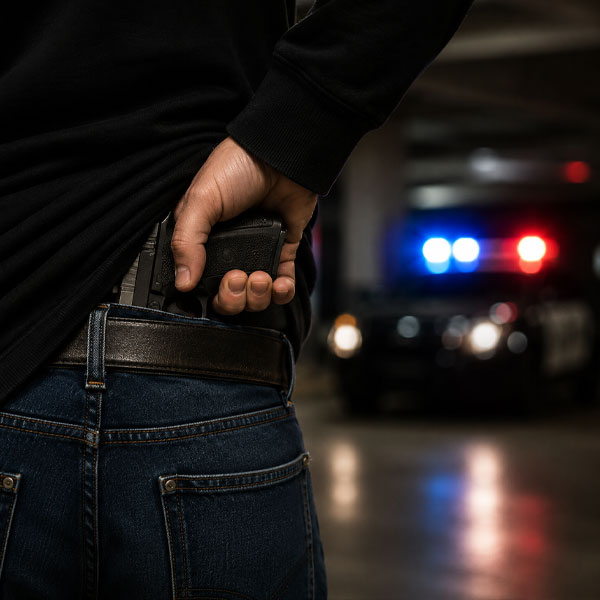
What Is a Concealed Weapon Under Florida Law?
Florida law defines a concealed weapon as any weapon that a person carries in a way that hides it from ordinary sight.
This may include:
- Firearms
- Knives
- Electronic weapons or devices
- Other objects classified as weapons under the law
You can review the legal definitions under Florida Statutes Chapter 790.
The key issue is visibility.
If a weapon is not clearly visible, the law may consider it concealed—even if the person did not intend to hide it.
When Is Carrying a Concealed Weapon Illegal?
Florida has specific laws regarding when and how weapons may be carried.
Carrying a concealed weapon may be unlawful if:
- You do not meet the legal requirements to carry
- The weapon is improperly stored
- The location prohibits weapons
- Your situation involves other alleged criminal activity
These cases often depend on circumstances.
What may be legal in one situation may not be in another.
CONTACT YOUR FLORIDA CRIMINAL DEFENSE ATTORNEYS
Let RHINO Lawyers’ former State Attorney and Prosecutor start helping YOU immediately by giving you free advice regarding the facts of your case.
So, get YOUR Free Case Analysis now by texting us, chatting with us online, completing the form below, or by calling 844.RHINO.77.
Types of Concealed Weapon Charges in Florida
Charges may vary depending on the facts of the case.
Carrying a Concealed Weapon Without Authorization
This is one of the most common charges.
Potential penalties may include:
- Misdemeanor charges in some cases
- Jail time
- Fines
- Probation
Carrying a Concealed Firearm
Firearms are treated more seriously under Florida law.
Penalties may include:
- Felony charges in certain situations
- Longer potential jail or prison time
Concealed Weapon in a Restricted Area
Some locations prohibit weapons entirely.
These may include:
- Schools
- Government buildings
- Certain events or secured locations
Violations may lead to enhanced penalties.
Possession by a Prohibited Person
If a person is legally restricted from possessing a weapon, charges may escalate.
How Concealed Weapon Cases Are Investigated
These cases often begin with law enforcement interaction.
Common scenarios include:
- Traffic stops
- Searches during arrests
- Reports of suspicious activity
Law enforcement may rely on:
- Officer observations
- Statements made at the scene
- Physical evidence
But here’s the reality:
Many cases depend on how the search occurred.
If the search was improper, that may impact the case.
For legal standards related to firearm laws and enforcement, the Florida Department of Law Enforcement provides statewide guidance.
Common Defense Strategies
Every case depends on its facts. However, several defenses may apply.
Unlawful Search and Seizure
If law enforcement conducted a search without proper legal grounds, evidence may be challenged.
Lack of Knowledge
If you were unaware the weapon was present, that may be relevant.
Improper Classification
Not every object qualifies as a concealed weapon under the law.
Lawful Possession
In some situations, carrying may have been permitted under Florida law.
Insufficient Evidence
The prosecution must prove each element of the charge.
If the evidence is weak or unclear, that may affect the case.
Penalties and Long-Term Consequences
Concealed weapon charges may impact more than immediate penalties.
They may affect:
- Criminal record
- Employment opportunities
- Housing applications
- Firearm rights
In Florida communities like Tampa, Clearwater, St. Petersburg, Orlando, and Fort Myers, a conviction may have long-term consequences.
For general sentencing structures, the Florida Department of Corrections outlines how penalties may be applied.
Florida-Specific Factors That May Affect Your Case
Florida law regarding weapons has evolved in recent years.
That means:
- Laws may change
- Interpretations may vary
- Enforcement may depend on the situation
Tourism and Public Spaces
In high-traffic areas like Orlando and Tampa, law enforcement presence may be increased.
Vehicles and Travel
Many cases involve weapons found in vehicles.
Storage and accessibility may affect how prosecutors apply charges.
Weather and Clothing
In Florida’s climate, clothing choices may impact whether the law considers a weapon concealed.
What To Do If You Are Charged With a Concealed Weapon Offense
If you are under investigation or charged:
Do:
- Remain calm
- Exercise your right to remain silent
- Seek legal representation immediately
Do Not:
- Answer questions without an attorney
- Attempt to explain the situation on your own
- Discuss the case publicly
Early decisions may influence the outcome of your case.
How RHINO Lawyers Approach Concealed Weapon Defense
RHINO Lawyers takes a strategic and detail-focused approach to criminal defense.
This may include:
- Investigators review how the search was conducted.
- Evaluating whether the weapon meets legal definitions
- Challenging evidence where appropriate
- Identifying weaknesses in the prosecution’s case
Each case depends on its facts. A strong defense begins with careful analysis.
Related Practice Areas
These charges may overlap depending on the situation.
Charged With a Concealed Weapon in Florida? Take Action Now to Protect Your Rights
A charge does not define your future. But your response may.
If you are facing a concealed weapon charge in Florida, taking action early may make a difference.
Call 844.RHINO.77, for a Free Instant Case Evaluation. Call a RHINO Today.
Frequently Asked Questions
What qualifies as a concealed weapon in Florida?
A weapon that is hidden from ordinary sight may be considered concealed under Florida law.
Can I carry a weapon in my car?
It depends on how the weapon is stored and the circumstances.
Is carrying a concealed weapon always illegal?
No. It depends on the situation and whether legal requirements are met.
What happens if the weapon was not mine?
Ownership and knowledge may affect how prosecutors apply charges.
Should I talk to the police if I am questioned?
It is generally safer to speak with an attorney first.
CONTACT YOUR FLORIDA CRIMINAL DEFENSE ATTORNEYS
BOLD REPRESENTATION. BOLD RESULTS.
Let RHINO Lawyers’ former State Attorney and Prosecutor start helping YOU immediately by giving you free advice regarding the facts of your case.
So, get YOUR Free Case Analysis now by texting us, chatting with us online, completing the form below, or by calling 844.RHINO.77.
