
Stalking & Violation of Injunction Misdemeanor Defense in Florida
Accused of Stalking or Violating an Injunction in Florida? A Message, Visit, or Misunderstanding May Now Be a Criminal Charge
Message sent. A call made. And a place you thought you could go.
Then someone tells you that you violated an injunction—or worse, claims that your actions qualify as stalking.
What may have felt like a misunderstanding is now a criminal allegation. These situations escalate quickly.
An injunction may already be in place. Law enforcement may already be involved. The consequences may begin immediately. The reality?
Even a single action may lead to arrest, additional charges, and serious long-term consequences depending on how others interpret the situation.
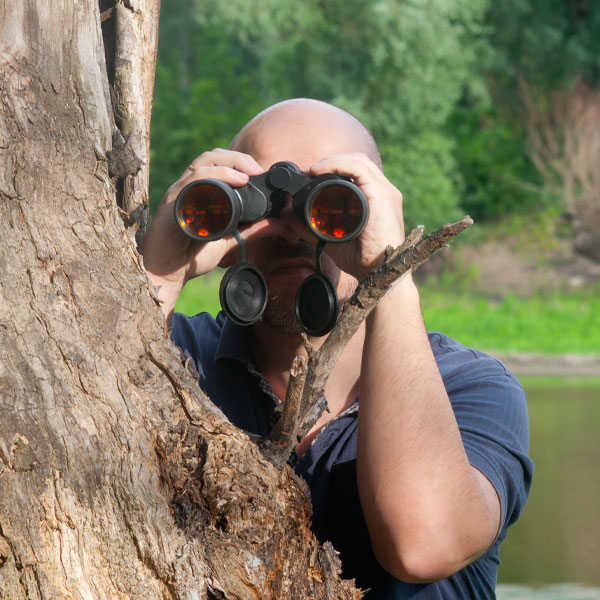
At RHINO Lawyers, we focus on defending individuals across Florida who are facing stalking or injunction violation allegations that may affect their freedom, their reputation, and their future.
What Is Stalking Under Florida Law?
Stalking is generally defined under Florida Statutes §784.048.
The law may involve:
- Repeated contact or communication
- Conduct directed at a specific person
- Behavior that causes emotional distress
Unlike many criminal charges, stalking does not always involve physical contact. Instead, it often centers on patterns of behavior.
CONTACT YOUR FLORIDA CRIMINAL DEFENSE ATTORNEYS
Let RHINO Lawyers’ former State Attorney and Prosecutor start helping YOU immediately by giving you free advice regarding the facts of your case.
So, get YOUR Free Case Analysis now by texting us, chatting with us online, completing the form below, or by calling 844.RHINO.77.
What Counts as Stalking?
The definition is broader than many people expect.
Conduct that may lead to a stalking allegation includes:
- Repeated texts, calls, or messages
- Showing up at someone’s home or workplace
- Monitoring or following a person
- Contact through social media or third parties
Intent and context matter.
Not every attempt at communication is criminal.
What Is an Injunction in Florida?
An injunction is a court order that restricts contact between individuals. These orders are issued through Florida courts and may be further explained through resources like the Florida Courts system.
It may include:
- No contact provisions
- Distance requirements
- Restrictions on communication
Injunctions are often issued in situations involving:
- Domestic violence
- Dating violence
- Repeat violence
- Stalking
Once in place, the terms must be followed strictly.
What Is a Violation of an Injunction?
A violation occurs when a person does not comply with the terms of the court order.
This may include:
- Contacting the protected person
- Going to restricted locations
- Communicating through third parties
- Sending messages through social media
Even indirect contact may be considered a violation.
You Do NOT Have to Intend Harm to Be Charged
Many people assume these charges require bad intent.
That is not always the case.
A person may be charged even if:
- They believed contact was allowed
- The communication seemed harmless
- The situation was misunderstood
Interpretation plays a major role.
Common Situations That Lead to Charges
These cases often arise from real-life situations involving ongoing relationships.
Examples include:
- Attempting to communicate after a breakup
- Responding to messages from the other party
- Being present at a shared or public location
- Misunderstanding the terms of an injunction
These situations are not always clear-cut.
What Happens After an Arrest or Allegation?
The process may move quickly.
Arrest or Citation
You may be taken into custody or required to appear in court.
First Appearance
A judge reviews:
- The charge
- Bond conditions
Pretrial Process
This may include:
- Evidence review
- Motions and hearings
- Negotiations
Possible Outcomes
Depending on the case:
- They may reduce or dismiss the charges
- Injunction terms may be modified
- The case may proceed to trial
How These Cases Are Proven
Evidence often focuses on communication and behavior.
This may include:
- Text messages and call logs
- Social media activity
- Witness statements
- Police reports
For investigative standards, guidance may be found through the Florida Department of Law Enforcement (FDLE).
Important point:
These cases often depend on the interpretation of communication and intent.
Key Legal Issues in Stalking and Injunction Cases
Was There a Pattern of Conduct?
Stalking typically requires repeated behavior.
Was the Injunction Clearly Defined?
Terms must be specific and understandable.
Did the Conduct Actually Violate the Order?
Not all contact qualifies as a violation.
Was There Intent or Misunderstanding?
Context may affect how actions are interpreted.
Is the Evidence Reliable?
Messages and records may be incomplete or taken out of context.
Common Defense Strategies
Every case depends on its facts. Several defenses may apply.
Lack of Repeated Conduct
A single incident may not meet the legal standard for stalking.
No Intent to Cause Distress
The person may not have intended the communication to cause harm.
Misinterpretation of Communication
Messages may be misunderstood.
Lack of Clear Injunction Terms
Ambiguity may affect enforcement.
Insufficient Evidence
The prosecution must prove the charge beyond a reasonable doubt.
Immediate Consequences You May Face
Even before resolution, consequences may begin.
- Arrest or detention
- Strict bond conditions
- Limitations on contact or movement
These effects may happen quickly.
Long-Term Consequences of a Conviction
A conviction may lead to:
- Jail time
- Probation
- Permanent criminal record
Long-term consequences may include:
- Difficulty finding employment
- Housing challenges
- Damage to reputation
In Florida cities like Tampa, St. Petersburg, Clearwater, Orlando, and Fort Myers, these effects may follow you for years. Sentencing frameworks may be outlined by the Florida Department of Corrections.
What To Do If You Are Facing These Charges
If you are under investigation or charged, your response matters.
Do:
- Follow all court orders strictly
- Avoid any contact with the protected person
- Seek legal representation immediately
Do Not:
- Attempt to explain the situation directly to the other party
- Assume the situation is minor
- Ignore court requirements
Early action may influence your case.
How RHINO Lawyers Approach Stalking and Injunction Defense
RHINO Lawyers takes a strategic and detail-focused approach.
This may include:
- Reviewing communication records and timelines
- Evaluating whether legal standards are met
- Challenging assumptions about intent and behavior
- Identifying weaknesses in the case
Each case depends on its facts. A strong defense begins with careful analysis.
Related Practice Areas
Facing Stalking or Injunction Violation Charges in Florida? Take Action Now to Protect Your Record and Your Future
A single message or interaction should not define your future. However, what you do next matters.
If you are facing stalking or injunction violation charges in Florida, acting early may help protect your rights and your record.
Call 844.RHINO.77, for a Free Instant Case Evaluation. Available 24/7. Call a RHINO Today.
Frequently Asked Questions
What qualifies as stalking?
It generally involves repeated conduct that causes emotional distress.
Can they charge me for one message?
It depends on the context and whether there is a pattern of behavior.
What if the other person contacted me first?
That may be relevant, but it does not automatically prevent charges.
Can injunction violations lead to jail?
Yes, depending on the circumstances.
Should I respond to the other party?
It is generally safer not to and to seek legal guidance.
CONTACT YOUR FLORIDA CRIMINAL DEFENSE ATTORNEYS
BOLD REPRESENTATION. BOLD RESULTS.
Let RHINO Lawyers’ former State Attorney and Prosecutor start helping YOU immediately by giving you free advice regarding the facts of your case.
So, get YOUR Free Case Analysis now by texting us, chatting with us online, completing the form below, or by calling 844.RHINO.77.
