
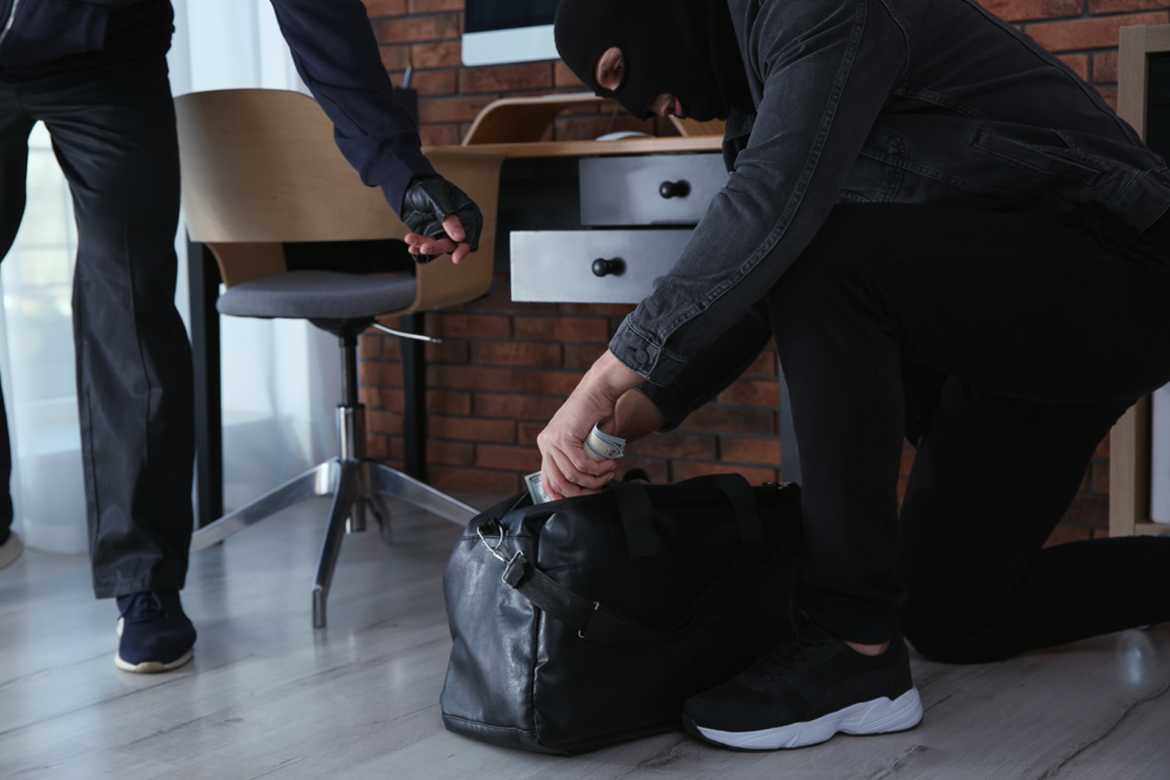
Possession of Stolen Property Defense in Florida
Accused of Possessing Stolen Property in Florida? What You Knew—and What You Didn’t—May Define Your Case
A purchase. A borrowed item. And a deal that seemed normal at the time. Now someone is accusing you of possessing stolen property.
In Florida, these charges may arise quickly—and often unexpectedly. You may not have stolen anything. You may not have even known the property was stolen.
But law enforcement may see it differently. These cases often hinge on one key issue:
What did you know—and when did you know it?
At RHINO Lawyers, we focus on defending individuals across Florida who are facing criminal charges that may impact their freedom, their record, and their future.

What Is Possession of Stolen Property Under Florida Law?
Possession of stolen property—also known as dealing in stolen property—generally involves knowingly possessing, using, or trafficking stolen property.
You can review the law under Florida Statutes §812.
To prove this charge, the prosecution often must show:
- The property was stolen
- You possessed, used, or transferred it
- You knew or should have known it was stolen
That last element is critical.
Because possession alone is not always enough.
CONTACT YOUR FLORIDA CRIMINAL DEFENSE ATTORNEYS
Let RHINO Lawyers’ former State Attorney and Prosecutor start helping YOU immediately by giving you free advice regarding the facts of your case.
So, get YOUR Free Case Analysis now by texting us, chatting with us online, completing the form below, or by calling 844.RHINO.77.
Types of Charges Related to Stolen Property
Florida law separates these offenses into different categories.
Dealing in Stolen Property (Felony)
This may involve:
- Selling stolen items
- Distributing stolen goods
- Attempting to profit from stolen property
Penalties may include:
- Up to 15 years in prison
Possession of Stolen Property
This may involve:
- Holding or using stolen items
- Receiving property from another person
Charges may vary depending on the value and circumstances.
Organized or Repeated Activity
If multiple transactions or items are involved, charges may increase significantly.
How Value Affects the Charge
The value of the property often determines how serious the charge becomes.
Lower Value Property
- May be charged as a misdemeanor
- Lower penalties may apply
Higher Value Property
- May be charged as a felony
- Increased prison exposure and fines
High-Value or Multiple Items
- May lead to enhanced felony charges
- Potential for more severe sentencing
Even small differences in value may change the entire case.
What Happens After an Arrest?
If you are charged with possession of stolen property, the process may move quickly.
Arrest or Citation
You may be taken into custody or issued a notice to appear.
First Appearance
A judge reviews:
- Charges
- Bond conditions
- Release terms
Pretrial Process
This may include:
- Evidence review
- Motions and hearings
Possible Outcomes
Depending on the case:
- Charges may be reduced
- Diversion programs may be available
- The case may proceed to trial
Early action may create more options.
How These Cases Are Investigated
Possession of stolen property cases often rely on both physical and circumstantial evidence.
Evidence may include:
- Serial numbers or identifying marks
- Purchase records
- Witness statements
- Surveillance footage
For investigative standards, the Florida Department of Law Enforcement provides guidance on property crime investigations.
But here’s the reality:
Not every possession of property is criminal.
Mistakes happen. Transactions may be misunderstood.
Key Legal Issues That May Affect Your Case
Did You Know the Property Was Stolen?
Knowledge is one of the most important elements.
If you did not know, that may affect the case.
Was the Property Actually Stolen?
The prosecution must prove the item was stolen.
Was There Intent to Sell or Distribute?
Selling property may lead to more serious charges.
How Was the Property Obtained?
A legitimate purchase or transfer may change the legal analysis.
Common Defense Strategies
Every case depends on its facts. However, several defenses may apply.
Lack of Knowledge
If you did not know the property was stolen, that may be a key defense.
Legitimate Purchase
Buying an item without knowledge of its origin may matter.
Mistaken Identity
You may not have been the person who possessed or transferred the property.
Insufficient Evidence
The prosecution must prove every element beyond a reasonable doubt.
Improper Investigation
If officers do not follow proper procedures, the defense may challenge the evidence.
Penalties and Long-Term Consequences
Possession of stolen property charges may have lasting effects.
These may include:
- Jail or prison time
- Fines and restitution
- Permanent criminal record
Long-term consequences may include:
- Employment challenges
- Housing difficulties
- Financial impact
In Florida cities like Tampa, Clearwater, St. Petersburg, Orlando, and Fort Myers, these charges may follow you for years.
For sentencing structures, the Florida Department of Corrections outlines how penalties may be applied.
Florida-Specific Factors That May Affect Your Case
Florida’s economy and population may influence these cases.
Online Marketplaces
Many transactions occur through online platforms, which may lead to disputes about ownership or origin.
Tourism and High Transaction Volume
High turnover of goods may increase the risk of misunderstandings.
Vehicle and Property Theft Trends
Investigators may involve certain types of property more frequently in cases.
What To Do If You Are Charged With Possession of Stolen Property
If you are under investigation or charged:
Do:
- Remain calm
- Exercise your right to remain silent
- Seek legal representation immediately
Do Not:
- Attempt to explain the situation without legal guidance
- Destroy or alter evidence
- Discuss the case publicly
Early decisions may affect the outcome of your case.
How RHINO Lawyers Approach These Cases
RHINO Lawyers takes a strategic and detail-focused approach to criminal defense.
This may include:
- Investigators review how someone obtained the property.
- Evaluating knowledge and intent elements
- Challenging the prosecution’s evidence
- Identifying inconsistencies in the case
Each case depends on its facts. A strong defense begins with careful analysis.
Related Practice Areas
These charges may overlap depending on the circumstances.
Accused of Possessing Stolen Property in Florida? Take Action Now to Protect Your Future
A misunderstanding should not define your future. But what you do next matters.
If you are facing charges for possession of stolen property in Florida, acting early may make a difference.
Call 844.RHINO.77, for a Free Instant Case Evaluation. Available 24/7. Call a RHINO Today.
Frequently Asked Questions
Is possession of stolen property always a felony?
No. It depends on the value of the property and the circumstances.
What if I didn’t know someone stole the item?
Knowledge is a key element. Lack of knowledge may be a defense.
Can prosecutors charge me for buying something online?
It depends on the facts. People may misunderstand online transactions.
What is dealing in stolen property?
It generally involves selling or distributing stolen goods.
Should I talk to the police to explain what happened?
It is generally safer to speak with an attorney first.
CONTACT YOUR FLORIDA CRIMINAL DEFENSE ATTORNEYS
BOLD REPRESENTATION. BOLD RESULTS.
Let RHINO Lawyers’ former State Attorney and Prosecutor start helping YOU immediately by giving you free advice regarding the facts of your case.
So, get YOUR Free Case Analysis now by texting us, chatting with us online, completing the form below, or by calling 844.RHINO.77.
