
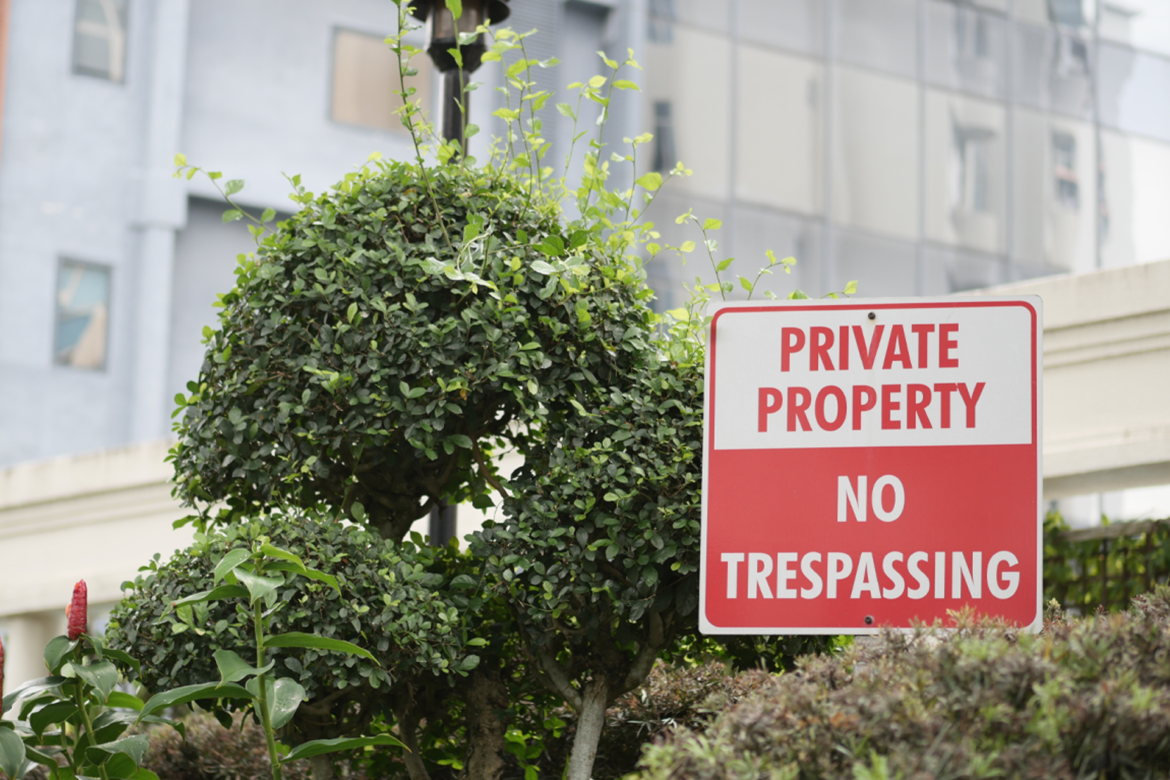
Trespassing Defense in Florida
Accused of Trespassing in Florida? Being in the Wrong Place at the Wrong Time May Now Be a Criminal Charge
You stepped onto a property. Maybe you thought it was open. Maybe you were invited earlier. Or, maybe you did not see any signs.
Then law enforcement shows up. Now you are being accused of trespassing.
Many people are surprised by this charge. There may have been no intent to break the law. No confrontation. No damage.
Still, under Florida law, simply being on certain property under certain conditions may lead to a criminal case. The reality?
A moment of confusion about where you were allowed to be may now be treated as a criminal offense with lasting consequences.
At RHINO Lawyers, we focus on defending individuals across Florida who are facing trespassing charges that may affect their record, their freedom, and their future.
What Is Trespassing Under Florida Law?
Trespassing is generally defined under Florida Statutes §810.08 and §810.09.
The law generally involves:
- Entering or remaining on property without authorization
- They told you to leave, and you refused to do so
- Being on the property where someone has given notice against entry.
Two key issues often determine these cases:
- Whether you had permission to be there
- Whether you received proper notice
If either element is unclear, the case may be challenged.
CONTACT YOUR FLORIDA CRIMINAL DEFENSE ATTORNEYS
Let RHINO Lawyers’ former State Attorney and Prosecutor start helping YOU immediately by giving you free advice regarding the facts of your case.
So, get YOUR Free Case Analysis now by texting us, chatting with us online, completing the form below, or by calling 844.RHINO.77.
Types of Trespassing Charges in Florida
Trespassing charges may vary depending on the type of property.
Trespassing on Property (Structure or Conveyance)
This may involve:
- Entering a building or vehicle without permission
Trespassing on Posted Property
This may involve:
- Entering land where signs clearly prohibit entry
Trespassing After Warning
This may involve:
- Remaining on the property after being told to leave
Each type depends heavily on the facts of the situation.
You Do NOT Have to Break In to Be Charged
Many people assume trespassing requires forced entry.
That is not the case.
A person may be charged even if:
- They entered through an open area
- They believed the property was public
- Or they were previously allowed, but not at that moment
Intent and understanding may be important.
What Counts as “Notice” in Trespassing Cases?
For a trespassing charge to apply, notice is often required.
Notice may include:
- Posted signs
- Fencing or barriers
- Verbal warnings from the property owner or law enforcement
If the notice is unclear or missing, the defense may challenge the charge.
Common Situations That Lead to Trespassing Charges
Trespassing cases often arise from everyday situations.
Examples include:
- Entering private property that appears open
- Returning to a location after being asked to leave
- Misunderstanding property boundaries
- Being on commercial property after hours
These situations are not always clear-cut.
Penalties for Trespassing in Florida
Penalties may depend on the type of trespass and the circumstances.
Second-Degree Misdemeanor
- Up to 60 days in jail
- Fines and court costs
First-Degree Misdemeanor
- Up to 1 year in jail
- Increased fines and probation
Additional consequences may include:
- Criminal record
- Restrictions related to certain locations
What Happens After a Trespassing Charge?
The process may move quickly.
Initial Encounter
Law enforcement responds to a complaint or observes activity.
Citation or Arrest
Officers may issue you a notice to appear or take you into custody.
Court Process
This may include:
- Arraignment
- Pretrial hearings
- Negotiations or trial
Possible Outcomes
Depending on the case:
- Charges may be reduced or dismissed
- Alternative resolutions may be available
How Trespassing Cases Are Proven
Evidence often focuses on location and permission.
This may include:
- Witness statements
- Property records
- Photographs or video
- Officer reports
For investigative standards, guidance may be found through the Florida Department of Law Enforcement (FDLE).
Important point:
These cases often depend on whether prosecutors can establish proper notice and intent.
Key Legal Issues in Trespassing Cases
Was There Permission?
Authorization may have existed or been misunderstood.
Did they clearly Give Notice?
Signs or warnings must be clear and visible.
Did You Refuse to Leave?
Certain charges may require that a person remain after receiving a warning.
Was the Property Clearly Private?
Ambiguity may affect the case.
Is the Evidence Reliable?
Statements and records may be incomplete or inaccurate.
Common Defense Strategies
Every case depends on its facts. Several defenses may apply.
Lack of Notice
You may not have been aware that entry was prohibited.
Permission or Invitation
You may have had authorization to be on the property.
Misidentification
You may not have been the person involved.
Lack of Intent
You may not have intended to remain unlawfully.
Insufficient Evidence
The prosecution must prove the charge beyond a reasonable doubt.
Immediate Consequences You May Face
Even before you resolve your case, consequences may begin.
- Arrest or citation
- Court appearances
- Disruption to daily life
These effects may happen quickly.
Long-Term Consequences of a Conviction
A conviction may lead to:
- Jail time
- Probation
- Permanent criminal record
Long-term consequences may include:
- Employment challenges
- Housing difficulties
- Restrictions related to certain properties
In Florida cities like Tampa, St. Petersburg, Clearwater, Orlando, and Fort Myers, these effects may follow you for years. Sentencing frameworks may be outlined by the Florida Department of Corrections.
What To Do If You Are Facing a Trespassing Charge
If you are under investigation or charged, your response matters.
Do:
- Remain calm during the encounter
- Document what happened as soon as possible
- Seek legal representation immediately
Do Not:
- Assume the charge is minor
- Ignore court obligations
- Make statements without understanding your rights
Early action may influence your case.
How RHINO Lawyers Approach Trespassing Defense
RHINO Lawyers takes a strategic and detail-focused approach.
This may include:
- Attorneys review whether someone gave proper notice
- Evaluating whether permission existed
- Challenging assumptions about your intent
- Identifying weaknesses in the case
Each case depends on its facts. A strong defense begins with careful analysis.
Related Practice Areas
Facing a Trespassing Charge in Florida? Take Action Now to Protect Your Record and Your Future
Being in the wrong place at the wrong time should not define your future. However, what you do next matters.
If you are facing a trespassing charge in Florida, acting early may help protect your rights and your record.
Call 844.RHINO.77, for a Free Instant Case Evaluation. Available 24/7. Call a RHINO Today.
Frequently Asked Questions
Do prosecutors have to prove that I broke in to charge me with trespassing?
No. Entry without permission may be enough.
What if I did not see a sign?
Lack of notice may be an important issue.
Can they reduce the charges?
It depends on the facts and legal issues involved.
Will I go to jail?
It depends on the severity and circumstances.
Should I speak to law enforcement?
It is generally safer to speak with an attorney first.
CONTACT YOUR FLORIDA CRIMINAL DEFENSE ATTORNEYS
BOLD REPRESENTATION. BOLD RESULTS.
Let RHINO Lawyers’ former State Attorney and Prosecutor start helping YOU immediately by giving you free advice regarding the facts of your case.
So, get YOUR Free Case Analysis now by texting us, chatting with us online, completing the form below, or by calling 844.RHINO.77.
